Industry News
Soft2Bet Shares 2023 Results and Predicts Biggest iGaming Trends for 2024

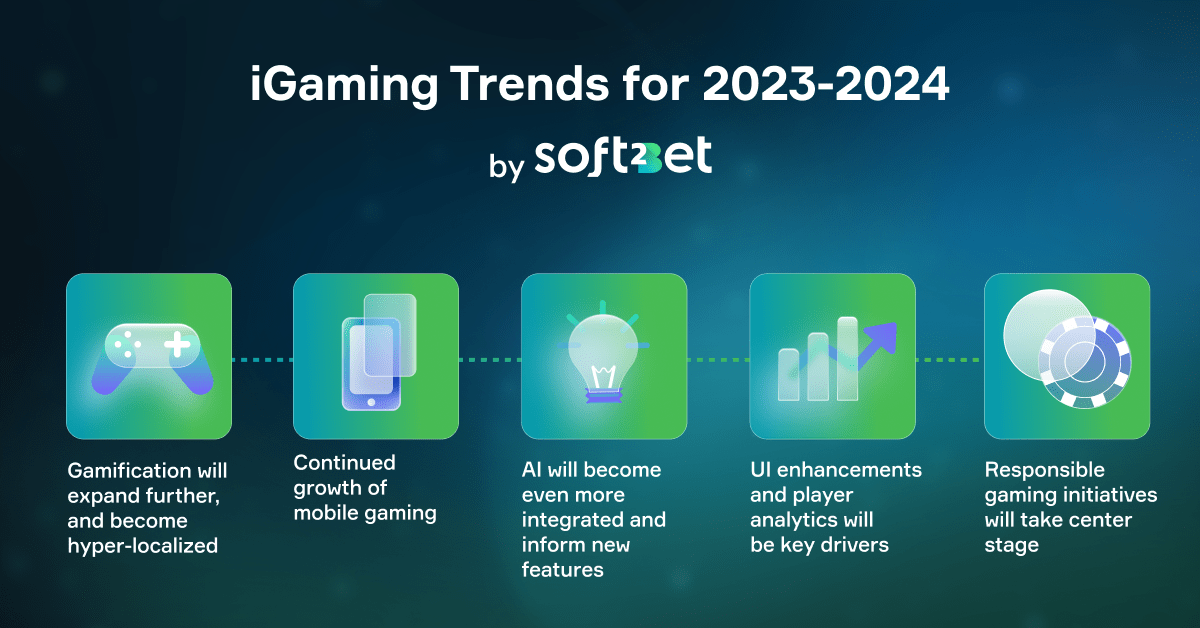
Soft2Bet has experienced significant growth in 2023 and as the year draws to a close, we look into the trends that are likely to dominate the iGaming sector in 2024.
Gamification will expand further in 2024 and become hyper-localized
Gamification features will keep expanding in 2024 and Soft2Bet will continue to customize them to players’ preferences in their individual markets. Gamification will also grow in popularity as it becomes even more localized and captures more of consumers’ attention and screen time.
Why gamification is important in iGaming
Gamification is a term that is and continues to be widely used in the online gaming and betting industry. There are a number of reasons for this, but going back to the social casino craze of 2012-2013, it is strongly linked with social and casual gaming and the ability to extend player values through engagement and gameplay.
The social gaming craze may have calmed down from those heady days, but the companies active in that sector continue to generate substantial revenues through micro-transactions, in-game advertising or secondary marketplaces. Gamification, in other words.
How does this apply to iGaming and how does Soft2Bet harness gamification?
The short answer to that question is that we have integrated social engagement and gameplay features, localized them to specific countries and regions into our real-money gaming products to create the Soft2Bet Motivational Engineering Gaming Application (MEGA), our gamification engine.
Global gamification continues significantly growing, while MEGA features have generated very strong financial and product-performance results, it’s also important to remember the huge amount of work that goes on behind the scenes to make this happen.
As Yoel Zuckerberg, Chief Product Officer at Soft2Bet, explains: “In practice this translates into our tech, development, marketing or CRM teams spending many man-hours integrating all those elements into our products’ gameplay.”
“This has meant hours of painstaking technical work developing a fully integrated solution that is seamless, secure, tailored and geo-targeted to players’ habits and preferences. This work is paying off and has enabled Soft2Bet to grow faster than ever in 2023.”
iGaming trends 2024
The Era of Mobile Gaming.
The mobile gambling market is expected to reach over $150 Billion by 2030, and around 70% of online betting revenue comes from mobile gambling. With the addition of new innovations in personalization and gamification on mobile apps, mobile gaming will only accelerate its growth in 2024. iGaming brands must be focused on staying ahead of the curve, bringing the most exciting and engaging mobile gaming offerings to players in its new and existing markets around the world.
AI will become even more integrated and inform new features.
As AI continues to progress and advance, companies such as Soft2Bet will prioritize discovering innovative ways to harness this technology. By effectively employing AI to analyze data, it becomes capable of pinpointing crucial trends and detecting shifts in player preferences. These insights can be directly applied to enhance the platform’s features and elevate the overall user experience.
UI, UX enhancements combined with player behavior analytics will be key drivers.
Player behavior analytics will play a key role, and being up-to-date with the latest technologies and innovations will be crucial for iGaming companies hoping to see success in 2024.
Responsible gaming initiatives will take center stage

Soft2Bet has always been committed to responsible gaming and predicts that other companies will continue to increase investment in this field, especially as they enter new jurisdictions with new regulations. The industry will introduce more innovative, proactive, and user-friendly responsible gaming tools and solutions in 2024.
MEGA drives Soft2Bet
Motivational Engineering has been key to Soft2Bet’s success in 2023 because it enables us to deliver quality products that are highly personalized and localized to the markets we operate in. This trend will continue in 2024 and we will keep providing tailored offerings to our casino players and sports betting customers: City Builder features for our casino-focused players, while sports bettors can engage with our Sports Stadiums.
Uri Poliavich, founder and CEO of Soft2Bet added: “As we move into 2024, the key to succeeding in our industry lies in adapting to evolving player preferences, harnessing cutting-edge AI, advanced motivational engineering techniques, and ensuring a seamless user experience. At Soft2Bet, we are fully equipped and committed to meeting these challenges head-on. With our innovative and hyper-localized MEGA solutions, advanced analytics, and a strong emphasis on responsible gaming, we’re poised to not only adapt to the changing landscape but to lead and define it.”
Soft2Bet’s EBITDA grew by more than 300% in 2023, driven by Motivational Engineering Gaming Application (MEGA), our unique gamification technology. The company also obtained 10 new licenses in seven different countries, including Sweden, Italy and other major markets.
The effectiveness of our MEGA technology was also demonstrated by the growth of our Betinia brand in Denmark and Sweden, the two leading Scandinavian markets, where GGR increased by more than 65% and by more than 50% of the playerbase engaged with gamification. In addition, deposit amounts were 50% larger and 30% more frequent and average revenue per user (ARPU) grew by more than 70%. These achievements have been recognised by our peers and we were delighted to be shortlisted in the following five categories of the EGR Nordics Awards.
Martin Collins, CBDO at Soft2Bet, commented: “For 2024, we look forward to furthering our innovation and motivational engineering offerings while expanding our reach across the globe. The next year will be a pivotal one both for our company and the iGaming industry more broadly. We focused on driving these exciting new trends as we continue to disrupt and drive the industry forward.”











Gaming
Soft2Bet launches MEGA Islands, a new gamification engine designed to increase player retention

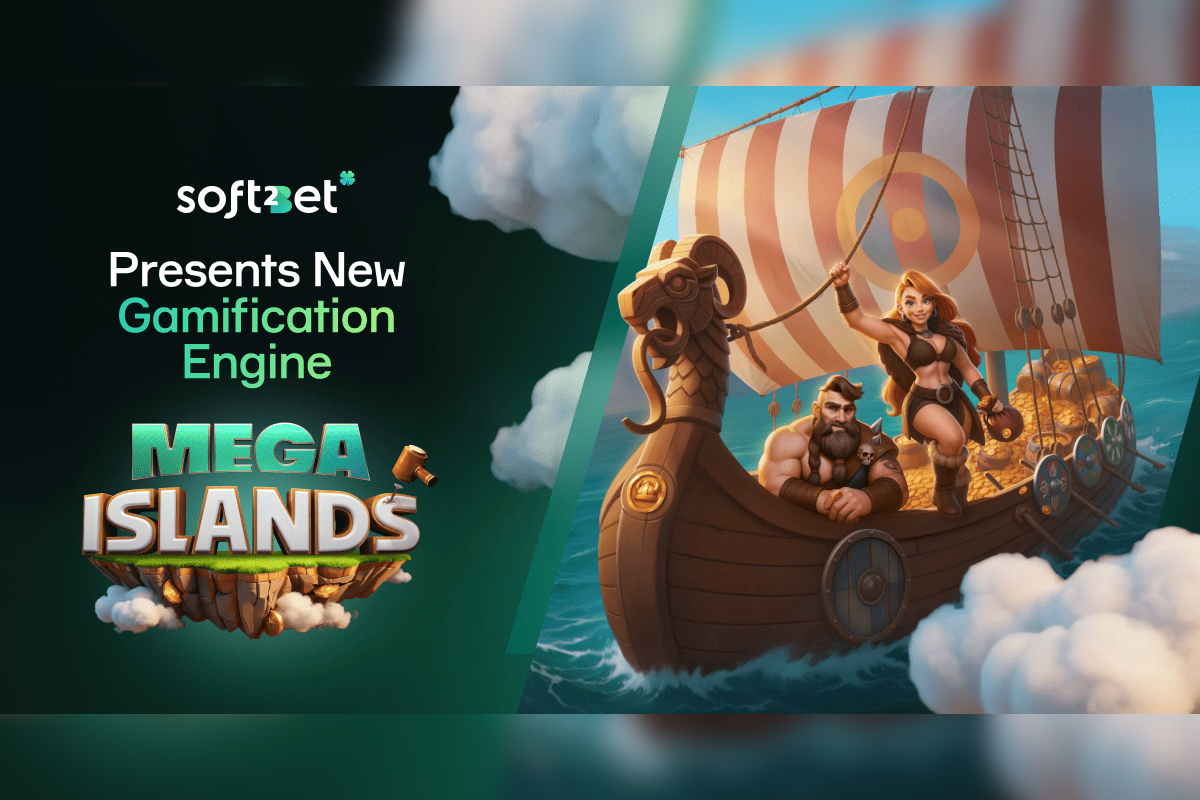
Soft2Bet has unveiled MEGA Islands, the latest addition to its MEGA Suite, designed to enhance player engagement and retention across both casino and sportsbook offerings.
The new engine introduces a persistent progression system that carries over across sessions, giving players an ongoing reason to return. Through island-building, resource collection, and continual advancement, players embark on a long-term journey that transforms short play sessions into sustained engagement.
First previewed in Soft2Bet’s recent Lodur release, the MEGA Islands system allows players to develop their own islands over time. Resources earned through gameplay can be used to construct new buildings, upgrade existing structures, and unlock further stages of progression. Each upgrade opens new goals, creating a loop of continuous advancement that keeps players invested.
The engine also incorporates plundering mechanics, giving players an additional path to gather resources by raiding other islands. This feature not only accelerates growth but also maintains a dynamic and engaging progression loop. With no fixed endpoint, MEGA Islands is built to encourage repeat play through a satisfying cycle of building, collecting, and advancing.
“MEGA Islands is designed to make retention feel natural by providing players with a progression journey they want to return to,” said Yoel Zuckerberg, CPO at Soft2Bet. “By building islands, collecting resources, and unlocking upgrades—including through plundering—each session becomes part of a longer experience. It gives players a clear reason to come back while providing operators with a retention tool that integrates seamlessly across casino and sportsbook.”
The launch of MEGA Islands underscores Soft2Bet’s commitment to gamification as a driver of long-term growth. As part of the MEGA Suite, the new engine offers operators a powerful tool to extend player journeys, increase engagement cycles, and deliver consistent value in competitive markets.
The post Soft2Bet launches MEGA Islands, a new gamification engine designed to increase player retention appeared first on Eastern European Gaming | Global iGaming & Tech Intelligence Hub.
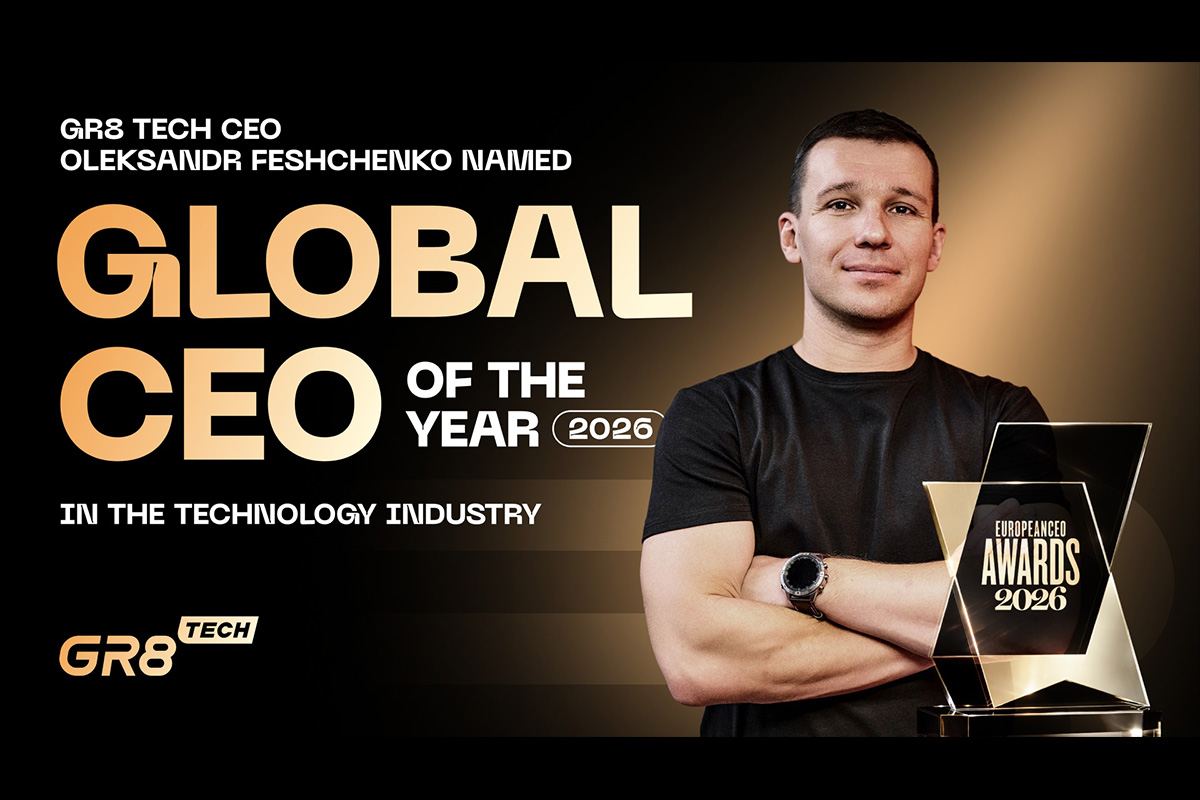
GR8 Tech CEO Oleksandr Feshchenko has been named Global CEO of the Year 2026 in the Technology Industry by European CEO magazine—the second consecutive year he has received the honour. The judging panel’s decision was unanimous.
The award recognised Feshchenko’s leadership across three areas the panel identified as defining:
• Track record of turning technological strategy into scalable commercial outcomes;
• Focus on building an organization designed to last, not just perform;
• Consistent investment in people and culture as core business levers rather than afterthoughts.
What distinguished Feshchenko from a competitive field, according to the panel, was the combination of all three. Individual strengths are common at the CEO level, but the consistency across strategy, execution and organisational health is rare.
Under Oleksandr Feshchenko’s leadership, GR8 Tech has grown into a recognised provider of technology solutions for the iGaming sector, with an approach that the panel described as forward-looking without sacrificing operational discipline.
“Receiving this recognition two years in a row means a great deal, but if there’s one thing I’ve learned, it’s that success is most dangerous when it makes you comfortable. This award belongs to the team at GR8 Tech as much as it does to me, and what it really does is raise the bar. The technology industry doesn’t stand still, and neither do we. There’s a lot we’re building toward, and that’s exactly where our focus stays,” Oleksandr Feshenko said.
The Global CEO of the Year award is presented annually by European CEO magazine following an evaluation of international candidates across various industries.
The post GR8 Tech CEO Named CEO of the Year for Second Consecutive Year appeared first on Eastern European Gaming | Global iGaming & Tech Intelligence Hub.
Augmented Reality
XR Global Launches World’s First Augmented Reality Online Casino Games Across iOS, Android and Immersive Web
XR Global Inc, the first Extended Reality (XR) technologies casino games developer with Patent Pending Technology on its Cross-XR Platform, announced the official launch of the world’s first Augmented Reality (AR) online casino games available across iOS, Android and the Immersive Web. This groundbreaking milestone positions XR Global at the forefront of innovation in the global iGaming industry, delivering a next-generation gaming experience that goes far beyond traditional 2D online casino platforms.
By leveraging cutting-edge Extended Reality (XR) technologies—including Augmented Reality (AR), Mixed Reality (MR), Virtual Reality (VR) and 3D immersive environments—XR Global enables players to step into fully interactive casino worlds from their mobile devices or web browsers, without the need for specialised hardware.
Unlike conventional online casino games confined to flat, 2D interfaces, XR Global’s platform allows users to engage with games such as slots, roulette, blackjack and crash games in a real-world environment. Players can place games on their tables, walk around them, interact with live elements and experience a level of realism and immersion previously only possible in physical casinos or high-end VR setups.
“XR Global is redefining what online gaming looks and feels like. We are bridging the gap between physical and digital entertainment by bringing casino experiences into players’ real-world environments. This is not just an evolution—it’s a transformation of the entire gaming paradigm,” said Dan Martinez, Founder & CEO of XR Global.
The launch marks a significant leap forward for player engagement, retention and monetisation. XR Global’s immersive experiences are designed to increase session times, deepen emotional connection and create highly differentiated offerings for operators in an increasingly competitive market.
The company plans to license its XR-enabled gaming portfolio globally, enabling partners to integrate immersive gaming into their existing platforms and attract a new generation of players seeking more interactive and engaging experiences.
The post XR Global Launches World’s First Augmented Reality Online Casino Games Across iOS, Android and Immersive Web appeared first on Eastern European Gaming | Global iGaming & Tech Intelligence Hub.

-

 Alberta6 days ago
Media Troopers Prepares for Alberta iGaming Launch with Canadian Gaming Law Firm
-
40 Sparkling Crown6 days ago
TaDa Gaming Enters South Africa via Strategic Betway Partnership
-
Asia5 days ago
GLI Becomes the First Company Accredited by PAGCOR to Test and Certify iGaming Platforms in the Philippines
-
Bettingbladet.se6 days ago
Bettingbladet Aims to Become Sweden’s Central Hub for Gambling Industry News & Trends
-
Barbie Nerz Head of Online Games at Staatliche Toto-Lotto GmbH Baden-Württemberg6 days ago
Peter & Sons Partners with Staatliche Toto-Lotto GmbH Baden-Württemberg for German Market Entry
-
Games Global6 days ago
Games Global and Just For The Win® continue the ghostly adventure in Dark Waters III Power Combo: The Cursed Voyage™
-
ADM6 days ago
ENJOY gains Italian approval amid advancing regulated expansion strategy
-
Bragg Gaming Group6 days ago
Bragg Gaming Group Reports Record Fourth Quarter and Full Year 2025 Revenues