Interviews
Sportsbooks – the challenge of going it alone

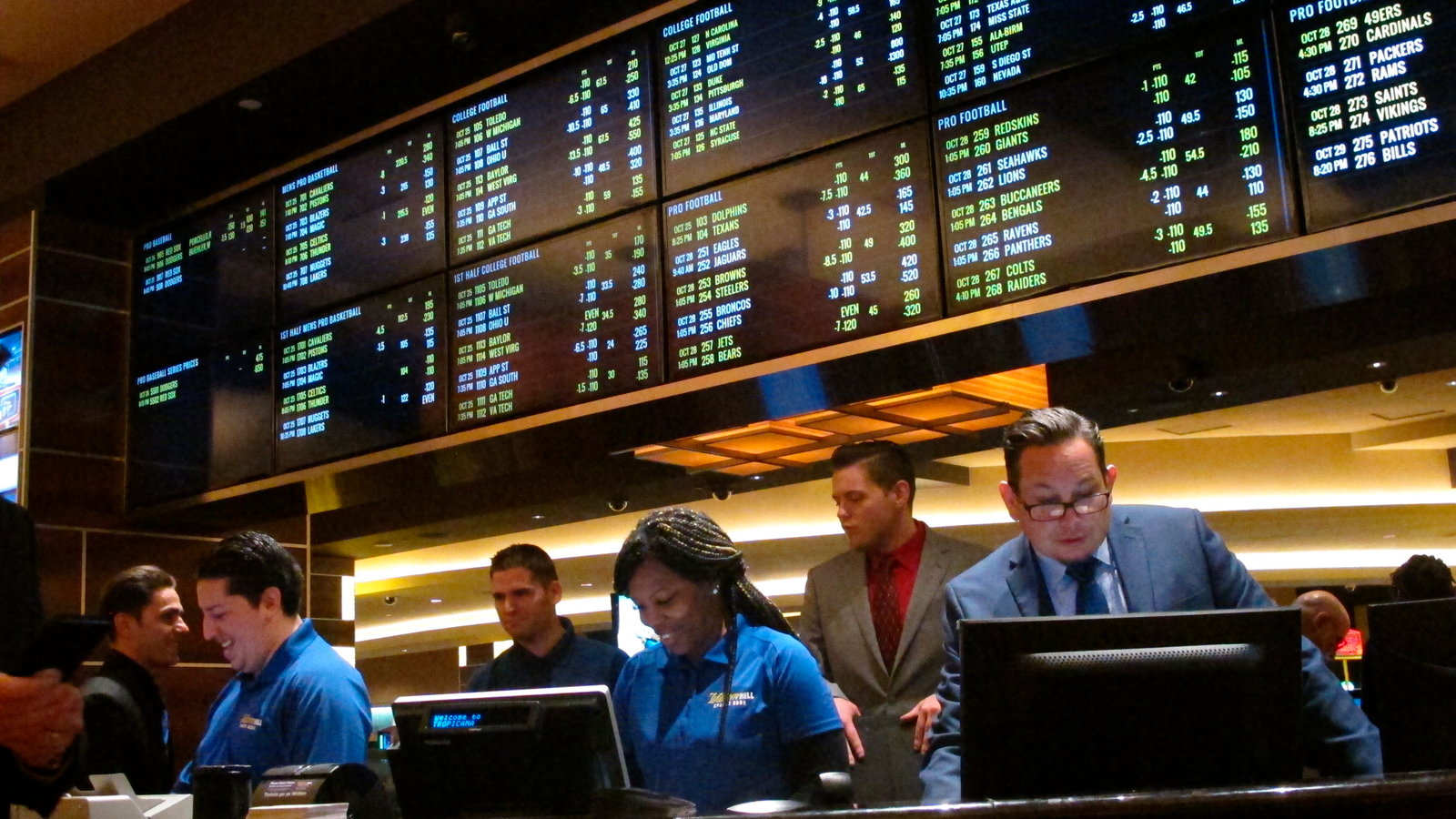
Launching an in-house created, quality sportsbook is not a task for the faint of heart, particularly in such a fast-moving, crowded and competitive marketplace. AllSported’s CEO, Alan Casey and Technamin’s founder and CEO, Suren Khachatryan, examine what benefits there are for some to resist the temptation to go it alone in favour of a tried and trusted solution and the wider, overall challenges.
Creating a robust, intuitive and attractive sportsbook is vital for anyone entering the marketplace or looking to expand their offering. Just how difficult is it to get right?
AC – The sheer number of moving parts makes it almost impossible to build a successful brand from the ground up without the right kind of help. Getting a new brand off the ground is expensive and entails a great deal of manpower. This staffing proposal alone can be enough to make prospective investors nervous.
As well as that, our industry’s compliance landscape is constantly shifting and keeping on top of those continual updates is a near-impossible task with every other factor that needs to be considered. Then there is payment provision to consider and all the nuances and preferences that come with it as well as optimising the look and feel of the front end. Meanwhile, operators need to engage in the ongoing negotiations for the multiple feeds for data content and pricing to make their offering attractive to end-users. It’s simply far too much to consider at any one time.
An operator on a new brand needs to be able to dedicate the bulk of their attention to getting new customers in the door. Platform providers do all the heavy lifting at the start, then down the line, when the project is stable, an operator can look to move to a better platform or even buy a licence a platform, or even buy a platform outright, but this is far from feasible to begin with.
SK – Even if we were to develop the most attractive sportsbook, it would not function without a dedicated and professional team. As a provider, that’s the first challenge we must overcome. It’s crucial to have a team of creative, innovative professionals who are enthusiastic about their tasks and are willing to dedicate themselves thoroughly to the process. Finding the right people is something we must tackle from the get-go.
Next up is the product itself. A sportsbook is a product that deals with a large amount of data on live mode, 24/7, 365 days per year, without delays. That’s why we need to consider the speed of the website as an important challenge that companies often face. At the same time, providing immediate loading and smooth operations is crucial, which is something we are able to do at Technamin.
Mathematics is at the core of everything we do, which is why sports analysis must be conducted on a high level with the most delicate calculations. This is part of what turns an ordinary sportsbook into a successful one that functions properly.
Last but not least, we must be very attentive toward safety. It is imperative that we monitor and analyse user behaviour accordingly in order to provide progress and security to the business and maintain a secure environment. These are all factors that we must keep an eye on when creating a sportsbook.
What can an experienced B2B platform provider offer any newcomers to the vertical that they can’t achieve themselves?
AC – Cost saving and time to market are the main factors. Although AllSported isn’t a platform provider, we offer everything a customer needs to launch a horse racing product. The cost of someone building out a horse racing trading team is quite significant. On top of that, they would have to get providers for data, content and pricing and then complete all those integrations.
With our help, operators can get everything in one integration and receive a tier-one calibre racing product that they don’t have to think about once it’s switched on. Through the accuracy and speed of our pricing, we’ve seen customers plug us in and immediately achieve double-digit margin percentages, which remain consistent.
SK – Starting everything from scratch would be a financial and professional challenge beyond most newcomers. On the other hand, an experienced B2B provider will have a longer and more in-depth understanding of data, which enables them to implement various AI solutions on different functions based on the data collected over years of being active in the industry.
Additionally, experienced providers have already achieved well-organised work between different departments. This is a significant advantage and a major step toward rapid development and support.
In Technamin’s case, we provide 24/7 technical and client support in case any issues occur. It is important to us that we cater to everything for our operators, and the collective industry insight of our team allows us to do so.
What benefits in terms of timescale are there for operators to consider when partnering with a provider?
AC – An expedited timescale is definitely one of the biggest advantages of a good provider. Platforms and B2B providers have already done the heavy lifting and have ready-made solutions that they can get live for an operator’s customers pretty much overnight. Operators can have the open business sign on the door from day one, or can at least be under construction and have the coming soon sign up as soon as possible. It’s a very clear-cut decision.
SK – If the provider has the proper infrastructure required to set up the product efficiently and in time, the operator will be able to scale in a shorter time frame. At Technamin, we can fully provide operators with the sportsbook in a little over a week, depending on the circumstances. As most operators are intent on entering the market faster, this is an advantage for them.
Moreover, we not only fully support the technical side of things, but we also offer consulting with risk management and promotional issues in very short time periods. We do this so the operator can hit the ground running as soon as the sportsbook is delivered.
For suppliers, what does the future hold and how can they ensure that they and their platforms remain attractive to operators?
AC – The feedback we hear the most from customers of platform providers is a desire for more flexibility. There is a feeling among operators that with platform providers, you get what you pay for and a more customisable product comes at a premium. However, even the ability to alter elements like pricing strategies isn’t a given.
We’re talking to a lot of people who would love a better solution for horse racing but have their hands tied by their providers. They’re spending huge sums on marketing and trying to acquire customers, but then they’re offering a subpar horse racing product and giving away up to 10 per cent in margin due to price latencies. So as necessary as platform providers are, new brands should choose wisely from the outset to ensure they maintain control of their offering.
SK – Technology is always progressing. On one hand, the operators’ needs must be fully covered, but it is also crucial to keep the product up to date with the latest technological developments and advancements and tweak things accordingly.
We must also ensure that there are unique and creative solutions that have not been implemented in the market, and to use these solutions as leverage for operators.
In addition to tech advancements, we also keep track of UI/UX and come up with innovative website designs that attract different markets and market segments. It’s also worth noting that one must always be open to partners’ feedback and ensure that the best service is immediately provided for them, which is what Technamin’s dedicated teams are trained to do.
Powered by WPeMatico


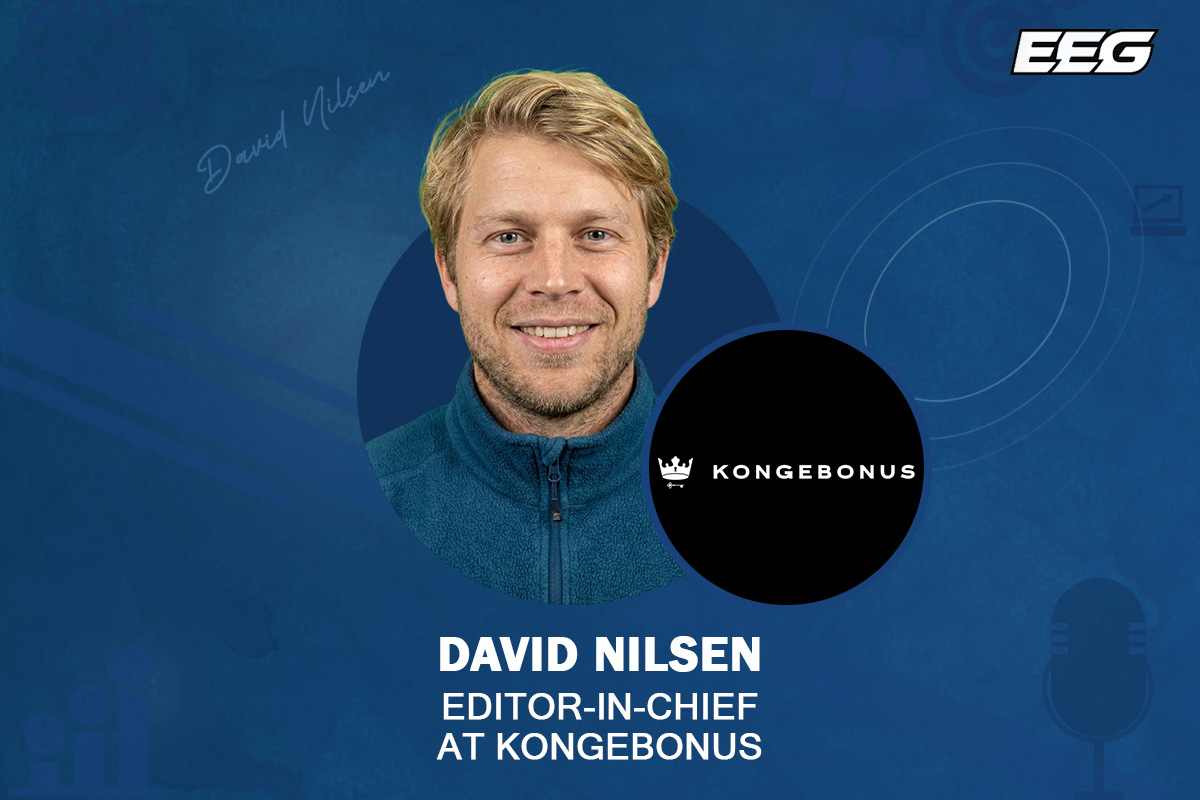
As the only iGaming awards originating from Norway, the Kongebonus Awards are decided entirely by open player voting, offering a rare, unfiltered view into what truly resonates with a dedicated gaming community. Kongebonus Editor-in-Chief, David Nilsen, explains how this year’s results reflect shifting player expectations, highlight both emerging and established studios, and contribute to wider industry conversations around quality, innovation and long-term engagement.
The Kongebonus Awards are now in their fourth year. How have you seen them evolve since the first edition?
Since the first edition, the Kongebonus Awards have grown both in reach and in significance. What started as a way to highlight standout games for our Norwegian audience has developed into a recognised annual moment where player sentiment is clearly reflected back to the industry. Each year we see greater engagement from the community and more awareness among studios and suppliers about what the awards represent. The structure has also matured, with categories that better capture the diversity of modern game development. Most importantly, the awards have become a consistent reference point for which games and providers have truly connected with players over the past year, giving the results increasing weight within the wider iGaming conversation.
This year’s awards were presented in connection with ICE Barcelona. How important is it to connect a Norwegian, player-driven initiative with the wider international industry?
Connecting the awards to an international event like ICE Barcelona helps bring local player insight into the global industry spotlight. While the voting comes from Norwegian players, the studios and games involved operate across many markets. Presenting the results in that setting underlines that player preferences in Norway are part of wider trends in iGaming. It also allows international stakeholders to see how a Nordic audience responds to different styles of games, mechanics and themes. That perspective can be valuable for product planning and market strategy.
This year’s winners were decided through open public voting. Why is it important that the results reflect the voice of players so directly?
Having the winners decided through open public voting ensures the results are grounded in real player experience. The recognition comes directly from the people who have spent time with the games, formed opinions and chosen their favourites. That gives the awards a strong sense of authenticity. It moves the focus away from internal industry perspectives and places it firmly with the end users. For studios, this kind of recognition signals that their work has genuinely resonated with players, not just performed well commercially. Player-led results offer a clear and transparent indicator of which games and providers have built lasting appeal, and that makes the outcomes especially meaningful within the industry.
The awards focus not only on commercial performance, but also on quality, innovation and player experience. From this year’s winners, what stood out most to you?
What stood out most was the balance between creativity and accessibility. Players clearly reward innovation, but only when it is paired with strong execution and an enjoyable overall experience. Many of the recognised titles combine distinctive mechanics with clear game identity and smooth gameplay. There is also evidence that consistency matters. Studios that repeatedly deliver engaging, reliable experiences tend to build strong followings, and that loyalty is reflected in the voting.
How do categories such as Rising Star Game Developer and the Readers’ Hall of Fame help ensure the awards spotlight both emerging studios and more established names?
These categories make sure the awards reflect the full spectrum of achievement in the industry. The Rising Star category gives visibility to newer studios that are already making a strong impression with players through innovation and creativity, even if they do not yet have the scale of the largest providers. In contrast, the Readers’ Hall of Fame recognises games that have achieved lasting popularity and become long-term favourites. Including both perspectives shows that excellence is not limited to one stage of growth. It highlights that players value both fresh ideas and proven experiences.
Looking ahead, how do you expect the awards to continue growing, and what role do you see Kongebonus playing in shaping player-led conversations in the industry?
As player expectations continue to change, the awards will develop alongside them. The aim remains to document and highlight the studios and games that genuinely stand out from a player perspective. Over time, this may mean refining categories or exploring new ways to reflect emerging trends, while keeping open voting at the core. Kongebonus will continue to act as a bridge between players and the industry, translating community sentiment into insights that studios and suppliers can learn from. By keeping the focus on player experience and feedback, the awards can play a growing role in encouraging the industry to prioritise quality, innovation and long-term player engagement.
To find out more about this year’s Kongebonus Awards and see the full list of winners, visit: https://www.kongebonus.com/nyheter/vinnere-av-kongebonus-awards-2025/
The post Inside the Kongebonus Awards: What Norway’s Players Are Telling the iGaming Industry appeared first on Eastern European Gaming | Global iGaming & Tech Intelligence Hub.
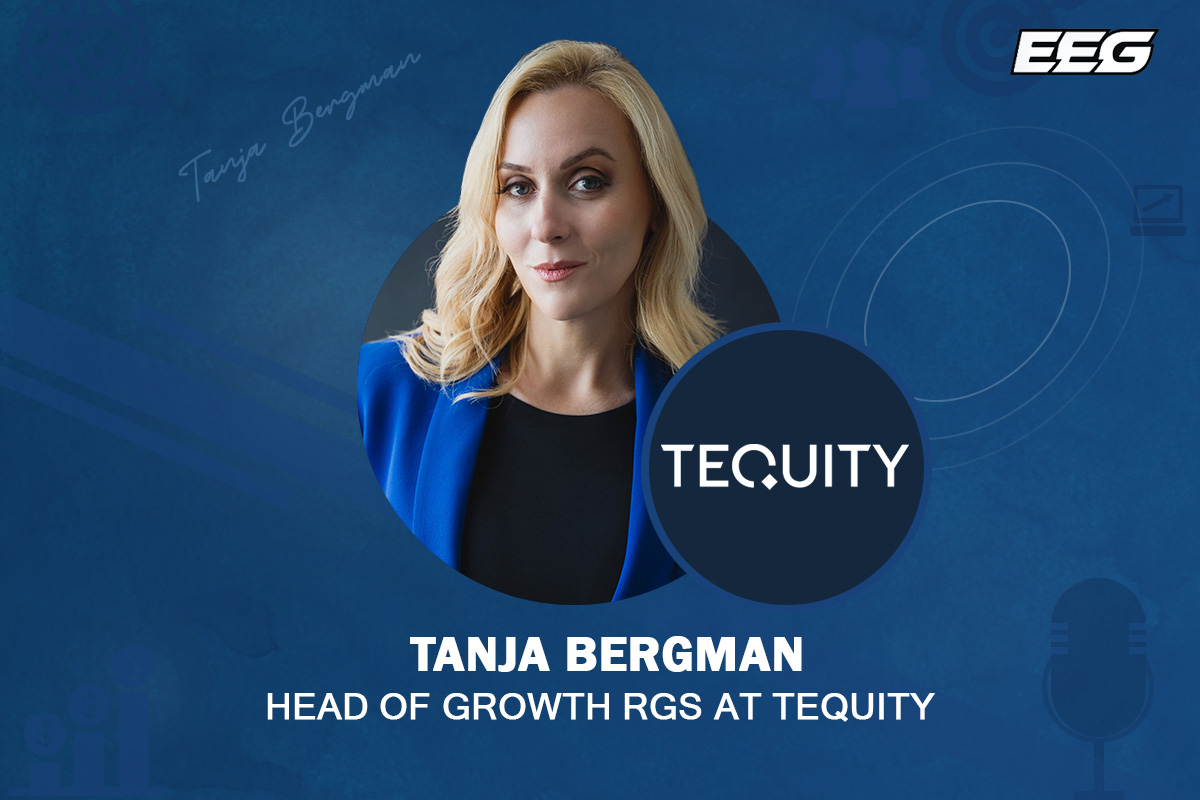
Following the announcement of its new publishing vertical and the successful debut of Royal Drop, we sat down with Tanja Bergman, Head of Growth RGS at Tequity, to discuss how this new arm is set to dismantle technical barriers for ambitious studios and why scalability is the new frontier for the ‘Burst Games’ genre.
Tequity has just officially launched its Publishing vertical. What was the primary catalyst behind this move?
The industry is currently in a fascinating place. There is no shortage of creative talent among studios, but there is a massive technical bottleneck. We have seen so many ambitious studios with incredible concepts – especially those moving beyond traditional slots – who have been getting bogged down in terms of getting those concepts out into the marketplace.
The catalyst for Tequity Publishing was simple. We wanted to break down those technical barriers. By handling the infrastructure, distribution, and compliance frameworks, we allow studios to do what they do best, which is build outstanding games. It’s about speed-to-market without compromising on the quality or the vision of their content.
The launch coincides with the release of Royal Drop. How does this game, and the partnership with Mirror Image Gaming and The Fortune Engine, showcase what Tequity Publishing is all about?
Royal Drop is the perfect proof of concept. It’s a collaboration that highlights three important pillars of modern game delivery. You have Mirror Image Gaming bringing that fresh, video-game-influenced Burst Games energy, The Fortune Engine provide the math tools and templates, and Tequity Publishing offers the global scale and distribution pathway.

It shows that when you remove operational friction, you can create a game-first experience that appeals to a new generation of players who want something more interactive than a standard 5×3 reel.
Tequity Publishing offers two models: RGSaaS and RGS-to-RGS. Can you walk us through the strategic benefits of each?
Flexibility is key, because no two studios are at the same stage of their journey. The RGSaaS model is our full-service offering. It’s designed for studios that want to focus 100% on the creative side. We provide the entire infrastructure and publishing framework and it is essentially a business-in-a-box for game creators.
The RGS-to-RGS model is a more streamlined, tech-first approach for studios that already have their own RGS but lack the distribution muscle. It allows them to plug into our growing operator and aggregator network instantly. Both models are built on the same philosophy: helping studios reach parts of the market they otherwise couldn’t access on their own.
You mentioned reaching new generations of players. How does this vertical specifically empower studios to innovate in ways they couldn’t before?
When a studio is concerned about how they are going to integrate with a multitude of different operators or how to navigate complex jurisdictional requirements, they tend to play it safe. They stick to what they know.
By taking that weight off their shoulders, we give them the opportunity to be brave. Studios like Mirror Image Gaming are pushing the boundaries of modern iGaming, taking influences from the video game world. This is exactly what the new generation of players is looking for. We provide the scalability so that these niche, innovative ideas can achieve mass-market impact.
It’s been a busy period for Tequity, following the success of your Originals series and the iBankroll partnership. How does the Publishing vertical fit into the broader Tequity roadmap for 2026?
It’s all part of becoming the ultimate technology partner for the gaming industry. Whether it’s our streamer-friendly Originals or our Bankroll-as-a-Service offering, the goal is to provide scalable, customisable solutions. Tequity Publishing is the natural evolution of that mission. We aren’t only providing the tools anymore, but also the pathway to the player. Looking ahead, you can expect a series of further launches through our three-way collaborations. We’re proving that the barrier to entry for innovation has never been lower.
Finally, for studios looking to scale quickly, what is your main message to them?
Don’t let technical noise drown out your creative signal. If you have a game concept that breaks the mould, you shouldn’t have to spend years building the distribution architecture to get it seen. That’s what we’re here for. We want to help you launch at a speed and scale that matches your ambition, so that you can make a significant splash in the industry.
The post Scaling innovation through the launch of Tequity Publishing appeared first on Eastern European Gaming | Global iGaming & Tech Intelligence Hub.

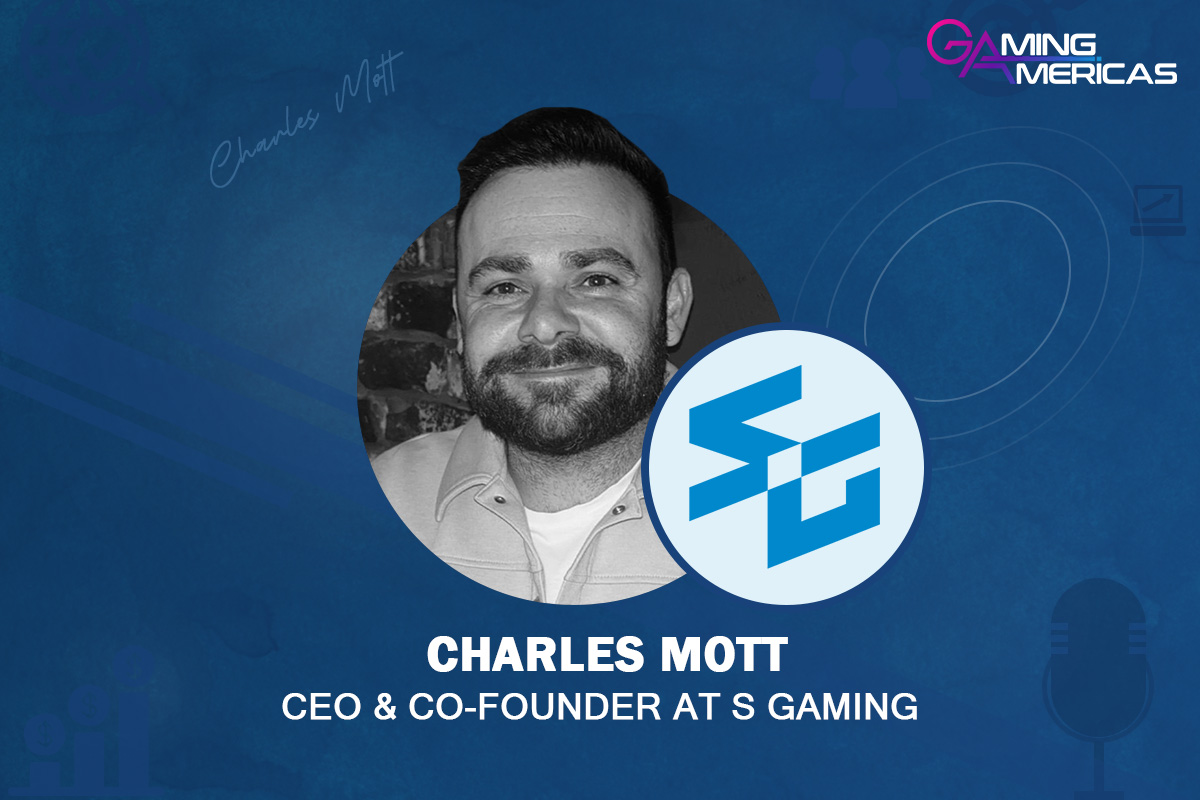
We speak to Charles Mott, CEO & Co-Founder at S Gaming, about the provider’s move into the US market with BetMGM and why more casual gameplay hits the mark with players stateside
Congratulations on your deal with BetMGM in the USA. Why is this such a milestone market launch for S Gaming?
The deal with BetMGM marks our hotly-anticipated launch in the US market, and sees our games go live to players in core regulated states such as New Jersey, Pennsylvania, West Virginia and Michigan. We see huge potential for our content in the North American market, and to make our debut with such a high-calibre operator is a testament to this. The US is still just finding its feet as a regulated online casino market, and our games, with their focus on sustainability and high entertainment, are the perfect fit for audiences who are used to land-based slots and are increasingly moving online. They are simple, easy to understand and play, and ultimately deliver tons of fun over longer playing sessions – just like the slot machines found on the floors of casinos in Las Vegas and beyond.
Just how important was it to go live with a tier-one operator like BetMGM? And how will the deal allow you to quickly build momentum in the US?
It’s mission critical. Going live with BetMGM allows us to build immediate trust with players, tap into a large and loyal playerbase, and simultaneously enter multiple regulated iCasino states at the same time. Now that we are up and running with BetMGM, we are turning our attention to striking partnerships with other operators active in the market. It’s pretty much the same blueprint that we’ve followed in our home market of the UK where we are now live with all but a handful of brands – something we have been able to achieve in a little over two years. We know the US is a slightly different market, but we are confident in our approach to game development and, as we gather more data on how US players interact with our games, will use this feedback loop to guide our product roadmap going forwards so that each title is better than the last and more suited to the preferences of US players.
You mentioned that your games are aimed at more casual players. How does this align with the preferences of US consumers?
If you walk onto the gaming floor of any Las Vegas casino, you’ll see row after row of slot machines. Increasingly, these machines are designed to keep players entertained for longer through gripping gameplay and regular wins. A lot of online slot content delivers high risk/high reward gameplay, where players can quickly clear through their balance as they hunt down big wins – wins that don’t land all that often. In a market where operators care deeply about retention and lifetime value, games that keep players spinning for longer really matter. Our approach to producing sustainable, fun games for players in the UK and Europe has allowed us to not only stand out but to engage players at scale, and we are confident players in the US, especially those who enjoy land-based slotting, will also be drawn to them at scale.
Has launching in the US been a major undertaking for S Gaming, or did it prove to be plain sailing for the most part?
When planning our move into the US market we identified two routes. We have our own remote game server, so we could build on that, secure licences in each state we wanted to enter, and then deploy our content directly with operators. The other option would be to work with a third-party RGS provider that already has the licences and integrations we needed. While the first option might sound like the best, in reality, especially for a smaller studio, the cost of and resources required for securing individual state licences can be prohibitive. So instead, we joined forces with Gaming Realms as they have the cutting-edge RGS and licences (in both the US and Europe) we were looking for. This means we simply need to build a US version of each game on the Gaming Realms RGS and can then deploy content with the wide range of operator partners they are connected with in regulated iCasino states across the US.
Tell us more about the initial run of games you’ve launched with BetMGM.
We’ve launched the partnership with Barnyard Bash Chicken Chase which will be followed by Triple 7 Jackpot in February and Cat and Mouse Collect in March – with one new game a month to follow as we build out our US portfolio. If players were to try just one of our games, it would be Barnyard Bash Chicken Chase. It gets players clucking as they spin the reels, collect Eggs and add them to the growing Nest – the more eggs collected, the bigger the Nest Egg becomes. Not only that, Eggs can randomly activate the matching colour-coded Nest Egg and award entry to the Chicken Trail feature, drop Egg-stra Free Spins or lay an Instant Prize.
But once they’ve tried it, they’ll definitely want to take Triple 7 Jackpot for a spin. This classic slot is dripping in neon action – the Triple 7 feature is always on screen but is locked until a spin lands three Bonus 777 symbols. This unlocks the feature with on spin awarded, giving players a shot at the 500x Jackpot prize. Free Spins are also up for grabs with seven Free Games awarded when three Scatters land in the base game.
Finally, Cat and Mouse Collect is a playful, feature-rich slot built around a simple but engaging Collect mechanic. Players pin the reels, collect up the cheeses and feed the hungry mice until they’re fit to burst. Green plates will serve up an instant prize, Blue will start the wild and wacky Cheese Chase and Red dishes out some feisty Free Spins. With regular feature triggers and plenty of on-reel interaction, it’s designed to keep players engaged from spin to spin without relying on extreme volatility.
What does success in the US look like for S Gaming over the next 12-18 months?
Success for us isn’t about one big hit, it’s about becoming a trusted, widely-distributed supplier in regulated iCasino states. Over the next year we want to significantly expand beyond BetMGM, roll out a steady pipeline of US-optimised titles and build the kind of player data and
operator relationships that let us grow sustainably. If players in New Jersey, Pennsylvania and Michigan are regularly choosing S Gaming titles as part of their core rotation, then we’ll know we’re really breaking into the market.
The post Breaking America with BetMGM appeared first on Americas iGaming & Sports Betting News.

-

 Compliance Updates4 days ago
Illinois Gaming Board and Attorney General’s Office Issue more than 60 Cease-and-Desist Letters to Illegal Online Casino and Sweepstakes Operators
-
Canada4 days ago
INCENTIVE GAMES PARTNERS WITH LOTO-QUÉBEC TO LAUNCH REAL-MONEY GAMES IN THE PROVINCE OF QUÉBEC, CANADA
-
Latest News4 days ago
Launch Of A Fresh Online Casino Guide 2026
-
Australia4 days ago
Regulating the Game 2026 Sydney — One Month Countdown as Sector Leaders Anticipate Inaugural RTG Global Awards
-
Always Up! x100004 days ago
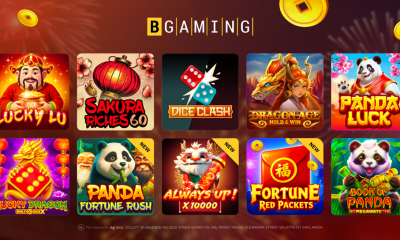
Ring in the Chinese New Year with BGaming’s Seasonal Promotion
-
Latest News4 days ago
Volcano Power — Hold & Hit 3×3 from Spinomenal
-
HIPTHER7 days ago
HIPTHER Announces Media Partnership with Nightrush Ahead of Prague Summit 2026
-
Affigates4 days ago
SoftConstruct AI and Affigates Bring Cutting‑Edge Solutions to AIBC Eurasia 2026 in Dubai