eSports
DATA.BET Reflects on 2024 Milestones, Growth, and Achievements

With the start of the year behind, the company reflects on the key milestones.
Business Development
In 2024, the company experienced significant expansion, reflecting the increasing demand for progressive esports betting solutions. The total volume of bets processed grew by 74.2%, aided by the efficiency and dynamic scalability of the company’s trading team, alongside new collaborations from partners and clients. Otto Bonning, Head of Sales, said: “Our new partnerships with companies such as Altenar, NuBet, Airhead Ventures, and TurboStars have significantly strengthened the portfolio. These collaborations demonstrate our expanding influence and commitment to delivering exceptional solutions in the esports betting industry”. Clients also experienced an improvement in GGR, demonstrating the impact of the solutions on profitability.
The company’s user engagement rates also reflected the sizable uplift seen in 2024, with active users rising by 97.3% and average bet size increasing by 7%. Meanwhile, DATA.BET continued to broaden its presence in key markets, including Canada, Brazil, Finland, and Poland, further strengthening its global reach.
Esports Trading and Content Coverage
DATA.BET focused on strategic growth, enhancing its esports content to offer prosperous and dynamic opportunities for clients and their users.
Making focused improvements in popular markets resulted in growth. “We’ve expanded our offerings by adding 38 new markets, creating more opportunities for bettors and driving engagement,” said Thomas Donson, Head of Trading. “Our event coverage has also grown by 11%, adding over 10,000 events to ensure a more diverse and comprehensive experience. Ensuring 24/7 trading process, DATA.BET offers the highest quality market availability.”
The trust earned through high-quality product features, including the new Scoreboard and Pitch Tracker widgets, as well as the Bet Builder based on official data, all launched in 2024, has been instrumental in enhancing the customers betting experience. Scoreboards deliver detailed statistics, interactive visualizations, and comprehensive insights, helping users make informed decisions while boosting engagement through features like live betting, analysis, and availability for LoL, CS2, Valorant, and Dota 2.
Pitch Tracker, supporting our top tier titles, offers a 2D map as a visual representation with advanced tools for data analysis and in-game tracking, delivering detailed insights that enhance user engagement and decision-making. Additionally, the Bet Builder enables personalized betting by allowing users to combine multiple selections into a single wager, meeting the demand for tailored and dynamic betting experiences.
DATA.BET also broadened the scope of disciplines, adding 6 new games, such as Deadlock, Street Fighter 6, GeoGuessr, Teamfight Tactics, Hearthstone, Apex Legends, complementing client content with distinctive choices that amplified diversity and engagement.
Customer Support & Risk Management
The company provides a seamless customer experience and robust Risk Management, continuing to deliver swift and practical assistance.
With an average response time of up to 5 minutes, the dedicated team remains extremely efficient, addressing client concerns promptly while maintaining the highest quality standards. Between Q2 and Q4, handled around 1,500 client requests and completed more than 150 technical tasks effectively and precisely, ensuring high-quality 24/7 support and maintaining consistent service standards.
This is due to our proprietary trading platform that enables the generation and customization of content – specifically, markets – to align precisely with each partner’s distinctive requirements while accommodating their existing settlement rules. This approach ensures a seamless transition to the solution, eliminating the need for adjustments or reconfiguration after working with a previous data provider.
DATA.BET’s Risk Management team efficiently handled over 1,700 client requests. Over time, the number of requests from long-term clients noticeably decreased. The team’s familiarity with clients’ audiences and operations reduces risks through proactive measures. By identifying patterns early, the team prevents issues, ensures smooth operations, reduces reactive interventions, and builds client trust while improving system efficiency.
In 2024, DATA.BET strengthened its presence in the esports betting industry by showcasing its solutions and engaging with audiences at premier exhibitions, immersing attendees into the vibrant world of esports. Moving into 2025, DATA.BET remains focused on leveraging this momentum to drive further success and prospects for everyone involved in esports betting.
The post DATA.BET Reflects on 2024 Milestones, Growth, and Achievements appeared first on European Gaming Industry News.











eSports
Esports Nations Cup 2026 Awards Official Partner Status Across 100+ Nations to Build the Future of Nation-Based Esports

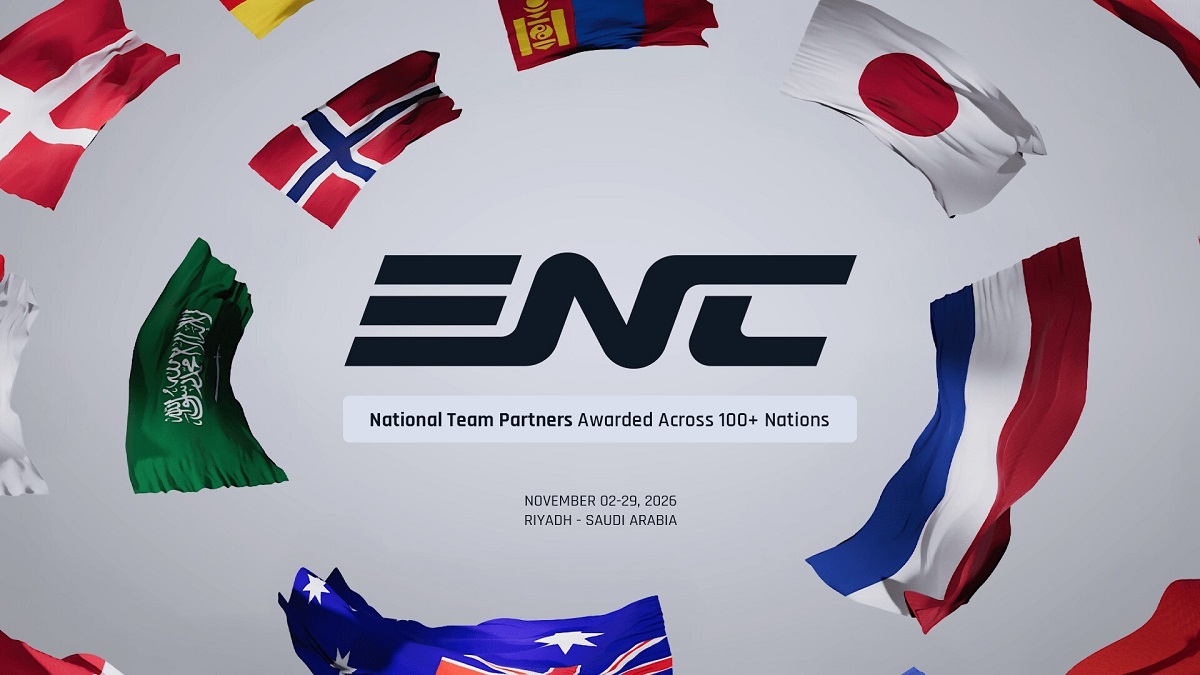
The Esports Foundation (EF) awarded National Team Partner status to organisations and individuals across more than 100 countries and territories for the Esports Nations Cup 2026 (ENC), the global nation-based esports competition set to debut in Riyadh from November 2-29, 2026.
This marks the first time esports introduces a structured global system for national teams at scale, adding a new layer to the industry’s ecosystem alongside club-based competition. Designed to complement existing frameworks rather than replace them, the ENC will work with local stakeholders closest to the sport to strengthen connections and support long-term national development.
National Team Partners will lead team formation, mobilize local communities and establish the structures needed to enable participation and the growth of esports. To ensure worldwide participation, countries and territories without a partner will be supported through regional structures provided by the EF.
The EF received more than 630 applications from 150 countries and territories, reflecting the global interest in and opportunity for nation-based esports. The partners represent legacy esports organisations that have shaped their national scenes for decades alongside emerging forces driving the next wave of competitive gaming. The list of organisations and individuals who have been awarded this status is available on the ENC website and will be updated as additional appointments are confirmed.
‘The Esports Nations Cup introduces something esports has never had before: a global system for national teams at an unprecedented scale. The response we received from across the world shows that communities are ready for this next step. Together with our partners, we are building the structures that will allow players to represent their nations and compete on the biggest stage in esports. With more than 100 nations now part of the system, the Esports Nations Cup moves from concept to reality, establishing national esports as a lasting part of the global competitive landscape,” said Ralf Reichert, CEO of the Esports Foundation.
Recognising that esports has developed differently in many nations, the ENC adopts a partnership-led approach rather than relying on a single model, marking a first in global sport and esports alike. By working with recognised local stakeholders, whether institutions, Clubs or community-led organisations, this model is designed to unlock the full creative and competitive potential of each nation.
National Team Partners will operate through a range of structures, from established national bodies such as the Korea Esports Association and the Saudi Esports Federation, to club-led coalitions in Brazil and the US, and hybrid public-private alliances in countries like Germany, Canada and the UAE.
In markets such as Malaysia, Turkey and Thailand, partners include federations working closely with grassroots communities, while in emerging regions like Indonesia and Mongolia, partners are being supported through structured development to represent their nations on a global stage.
For the first time in the history of esports, national teams will be formed from these local structures, bringing players together to compete for their nation and unlocking a new dimension of fandom built on identity and pride. From South Korea’s legendary League of Legends dominance and India’s Chess affinity, to Brazil’s Counter-Strike tradition, Japan’s fighting games heritage and Southeast Asia’s mobile games’ powerhouses, the ENC creates a new global stage for competition.
The post Esports Nations Cup 2026 Awards Official Partner Status Across 100+ Nations to Build the Future of Nation-Based Esports appeared first on Eastern European Gaming | Global iGaming & Tech Intelligence Hub.
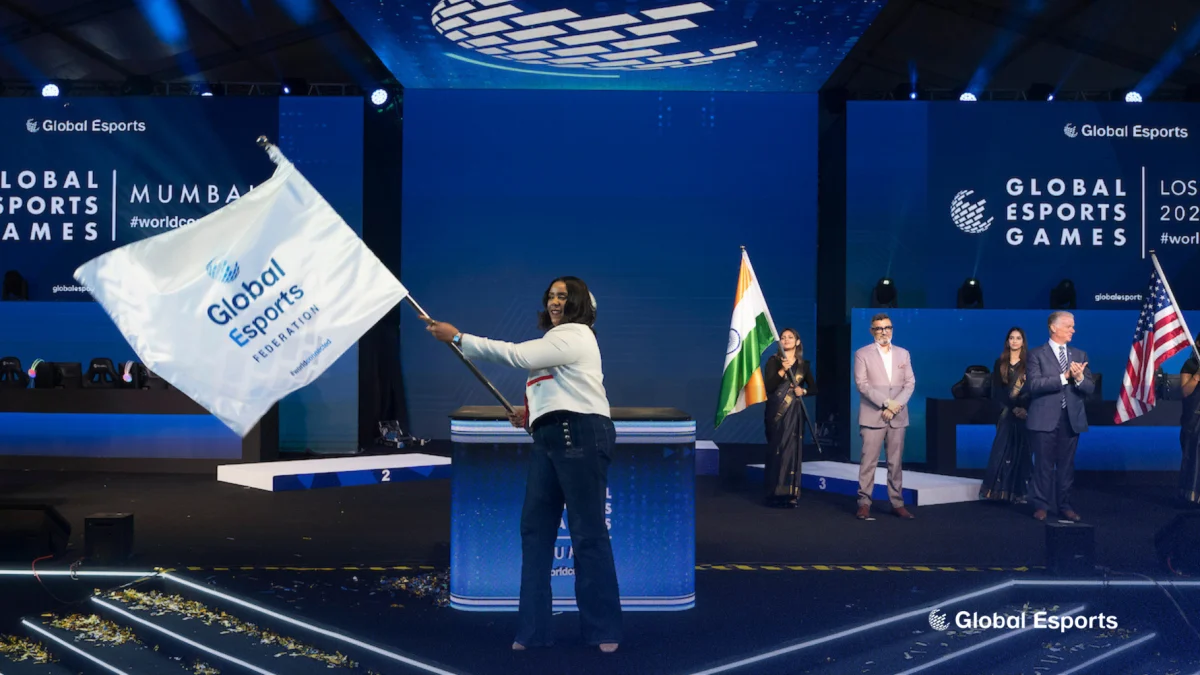
Team India and Türkiye won Gold at the Global Esports Games Mumbai, delivering electrifying performances in front of a packed arena and thousands more tuning in online worldwide. India’s Anuhith Gosala edged Kazakhstan 3–2 in a thrilling Clash Royale Grand Final, while Türkiye secured a commanding 3–1 victory over Mongolia in the Dota 2 Grand Final. With a Gold in Clash Royale and a Bronze in Dota 2, Team India was crowned Overall Champion.
India stormed into the Clash Royale Grand Final with a 2–1 win over the USA in a tense lower bracket decider, setting up a rematch with Kazakhstan. Having fallen 0–2 in the upper bracket, India turned the tables when it mattered most, as Anuhith Gosala delivered a clutch performance to seal a dramatic 3–2 victory and the Gold medal.
In Dota 2, Team India secured Bronze after falling to Mongolia in the lower bracket. Mongolia advanced to the Grand Final, where Türkiye asserted its dominance with a composed 3–1 victory to take the title.
Sharing his thoughts on the victory, Team India’s Clash Royale gold medallist, Anuhith Gosala, said: “This moment is surreal. To win the Grand Finals here in India, in front of a home crowd, makes it even more emotional. The preparation was relentless, the pressure was intense, and every match tested my limits—but that’s what makes this victory so special. Hearing the cheers, feeling that energy, and lifting this title for the country is an indescribable pride. This is for India, and for everyone who believes in us. I hope this win inspires many others to follow in our path.”
Sir Paul J. Foster, President & CEO, Global Esports Federation, said: “As the Global Esports Games Mumbai comes to a close, we celebrate not only the incredible performances of our athletes, but the spirit of unity and connection that defines our global community. Mumbai has delivered exceptional energy, passion, and hospitality, reinforcing our belief that esports transcends borders and brings the world together. We are deeply grateful to our partners in India for setting a new benchmark for excellence—and we now look ahead with excitement to Los Angeles, where this journey continues on an even greater stage.”
Shripad Ashtekar, Founder of Eflag Corp, said: “Over the past few days, we have witnessed not just world-class competition, but the coming together of talent, innovation, and community on a truly global stage. We hope to keep delivering such platforms and strong foundations for future growth by unlocking new opportunities for Indian players, creators, and the broader AVGC ecosystem. We are proud to have played a key role and look forward to building on this momentum in the years ahead.”
Organized by the Global Esports Federation in partnership with Eflag Corp, with the support of Maharashtra Tourism, the Global Esports Games Mumbai was inaugurated by the Hon’ble Chief Minister of Maharashtra, Shri Devendra Fadnavis. Over four days, Mumbai welcomed 48 elite athletes from 19 countries, emerging from a global field of 78 nations in the Regional Qualifiers.
The post Team India and Türkiye Win Gold at the Global Esports Games Mumbai appeared first on Eastern European Gaming | Global iGaming & Tech Intelligence Hub.
Asia
Skyesports and GodLike signs MoU with Maharashtra Cyber to promote esports and cyber hygiene in Maharashtra
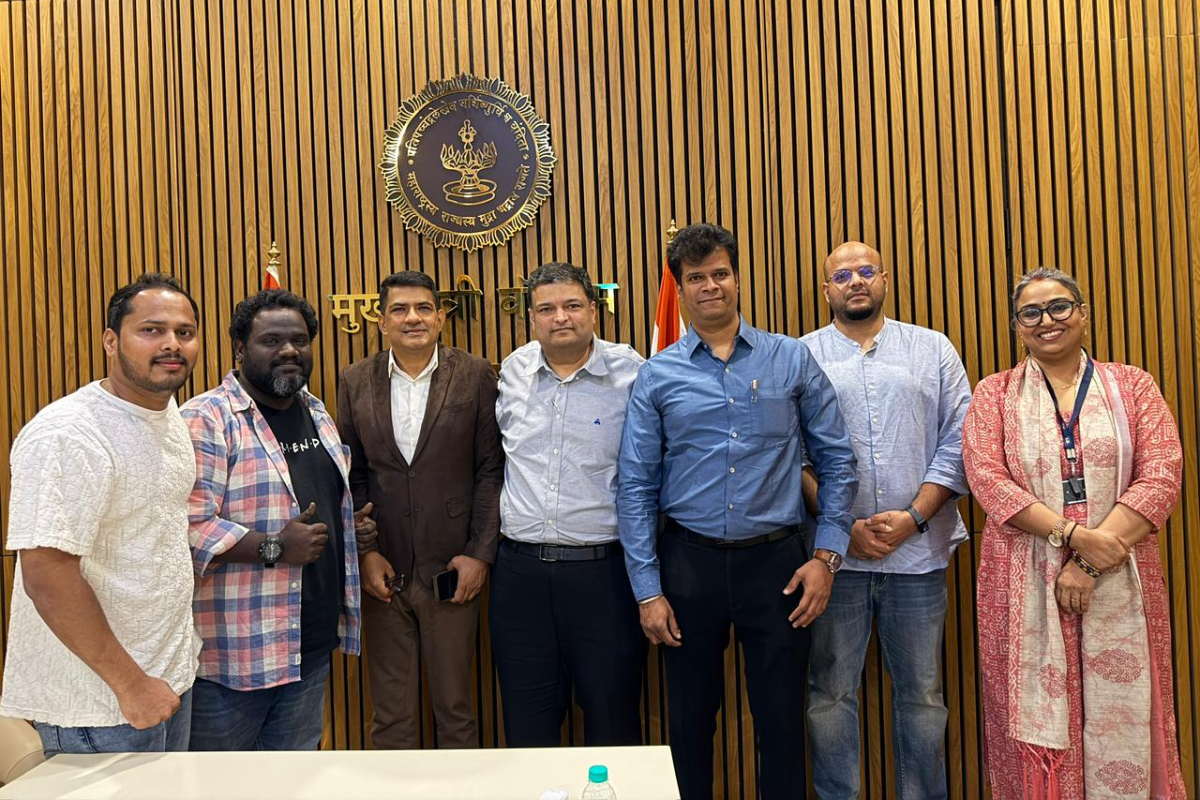
India’s esports ecosystem is taking another step forward as Skyesports and GodLike Esports sign a Memorandum of Understanding (MoU) with Maharashtra Cyber, the Government of Maharashtra’s nodal cybersecurity body. The partnership aims to grow the state’s esports ecosystem while promoting cyber hygiene and responsible digital behaviour among gamers.
The agreement was signed during a closed-door meeting in Mumbai and reflects a broader push by the state to develop its digital and creative industries. As India’s leading state economy, Maharashtra is positioning itself as a hub for esports and gaming, aligning with its wider “orange economy” strategy.
Under the MoU, the three parties will collaborate on esports tournaments, leagues, and community initiatives, while embedding cyber safety messaging into all activities. This includes raising awareness around cyberbullying, fraud prevention, data privacy, and responsible online conduct—key concerns as esports audiences continue to grow, particularly among younger users.
Skyesports will lead tournament organisation and community engagement, while GodLike Esports will support through mentorship programmes, professional player involvement, and grassroots initiatives. Maharashtra Cyber will focus on amplifying cyber awareness and promoting safe digital practices across the ecosystem. Eyrie Entertainment will support outreach efforts and help scale campaign visibility across the state.
Commenting on the initiative, Shiva Nandy, Founder and CEO of Skyesports, said:
“The growth of esports requires strong collaboration between the industry and government stakeholders. This MoU with Maharashtra Cyber represents an important step toward strengthening Maharashtra’s esports ecosystem through responsible gaming initiatives and grassroots engagement. As India prepares to compete at global events such as the Esports World Cup (EWC), Esports Nations Cup (ENC), and the Asian Games 2026, partnerships like this will play a key role in building a stronger pipeline of talent and opportunities for young gamers. With GodLike Esports also joining the initiative, we aim to combine competitive expertise and creator reach to drive deeper community engagement. The MOU is a first-step towards solidifying Maharashtra as an esports hub globally.”
Yashasvi Yadav, Additional Director General of Police at Maharashtra Cyber, added:
“As esports continues to grow rapidly among young audiences, it is equally important to promote safe and responsible digital practices within the gaming ecosystem. Through this collaboration with Skyesports and GodLike Esports, we aim to raise awareness around cyber hygiene, online safety, and responsible behaviour in gaming communities. Initiatives like these will help ensure that the growth of esports in Maharashtra is supported by strong awareness of cybersecurity, digital discipline, and safe online participation.”
Chetan “Kronten” Chandgude, Founder of GodLike Esports, said:
“At GodLike Esports, we have always believed that the true growth of esports in India lies in strengthening its roots at the grassroots level. Through this collaboration with Maharashtra Cyber and Skyesports, we aim to support the state’s vision of building a strong and sustainable esports ecosystem. Our focus will be on engaging young gamers through mentorship, community initiatives, and professional player interactions, while also promoting cyber hygiene and responsible gaming practices. This MoU also marks the first step toward our vision of putting the state on the global esports map, and we look forward to sharing some exciting announcements around this soon.”
The initiative also aligns with global recommendations from organisations such as the International Telecommunication Union, which highlight the importance of cybersecurity awareness as digital participation expands.
For more on esports growth and regulation, see Europa Gaming’s coverage on India Esports Market Growth and Esports Regulation Trends.
As esports continues to scale in India, partnerships like this underline a key industry shift: growth is no longer just about tournaments and audiences, but also about building a safer, more responsible digital environment for the next generation of players.
The post Skyesports and GodLike signs MoU with Maharashtra Cyber to promote esports and cyber hygiene in Maharashtra appeared first on Eastern European Gaming | Global iGaming & Tech Intelligence Hub.

-

 Asia6 days ago
GLI Becomes the First Company Accredited by PAGCOR to Test and Certify iGaming Platforms in the Philippines
-
40 Sparkling Crown7 days ago
TaDa Gaming Enters South Africa via Strategic Betway Partnership
-
Alberta7 days ago
Media Troopers Prepares for Alberta iGaming Launch with Canadian Gaming Law Firm
-
Bettingbladet.se7 days ago
Bettingbladet Aims to Become Sweden’s Central Hub for Gambling Industry News & Trends
-
Barbie Nerz Head of Online Games at Staatliche Toto-Lotto GmbH Baden-Württemberg7 days ago
Peter & Sons Partners with Staatliche Toto-Lotto GmbH Baden-Württemberg for German Market Entry
-
ADM7 days ago
ENJOY gains Italian approval amid advancing regulated expansion strategy
-
Games Global7 days ago
Games Global and Just For The Win® continue the ghostly adventure in Dark Waters III Power Combo: The Cursed Voyage™
-
Bragg Gaming Group7 days ago
Bragg Gaming Group Reports Record Fourth Quarter and Full Year 2025 Revenues