Latin America
Vibra Solutions receives Peru regulatory accreditation

Go-to LatAm omnichannel platform developer gains registered B2B supplier status in newly regulating market.
Vibra Solutions, the go-to LatAm omnichannel platform developer has been officially registered as a B2B technology supplier in the newly regulating Peru market.
The rapidly growing company has received regulatory accreditation from Peru’s Ministry of Foreign Trade & Tourism (Mincetur) enabling it to soon launch customers into the new territory.
Vibra Solutions’ modular technology is designed to adapt to any operator need, online, retail or both, and is aimed at brands looking to move from existing platforms to a more flexible and customizable alternative. Its technology is GLI-certified and already live across several LatAm markets including Brazil and Argentina.
Vibra Solutions’ content aggregation is a key part of its flexible platform which contains more than 2,800 games from 20+ of the world’s most popular providers and a multi-currency payment gateway integrated with more than 30 suppliers.
Vibra has also launched a new VLT division in the region providing its own Electronic Game Machine (EGM) platform, in-house localized and third-party aggregated content, as well as adapting its technology to any existing hardware clients already have in place.
In June 2023, Vibra became one of the first providers to launch VLTs with lottery-certified content in Brazil, with its ‘Scratch-a-Lot’ games becoming an instant fan favorite.
Ramiro Atucha, CEO, Vibra Gaming, said: “Our official registration in Peru marks yet another milestone in our LatAm growth story, a region we are proud to call home, where we have gained a formidable reputation with our proprietary games and technologies, and where we are rapidly expanding.
“Peru is a great market of key importance to us, with many possibilities on the horizon. Vibra Solutions is poised to make its mark as the country establishes a regulated iGaming market.”

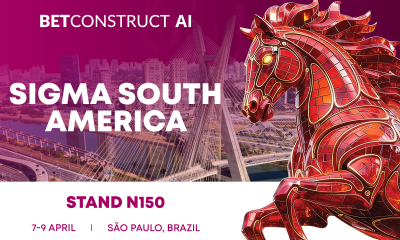

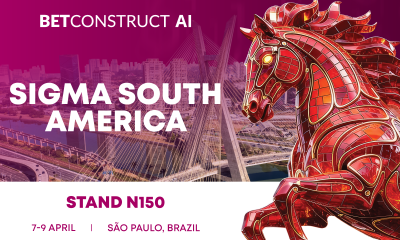






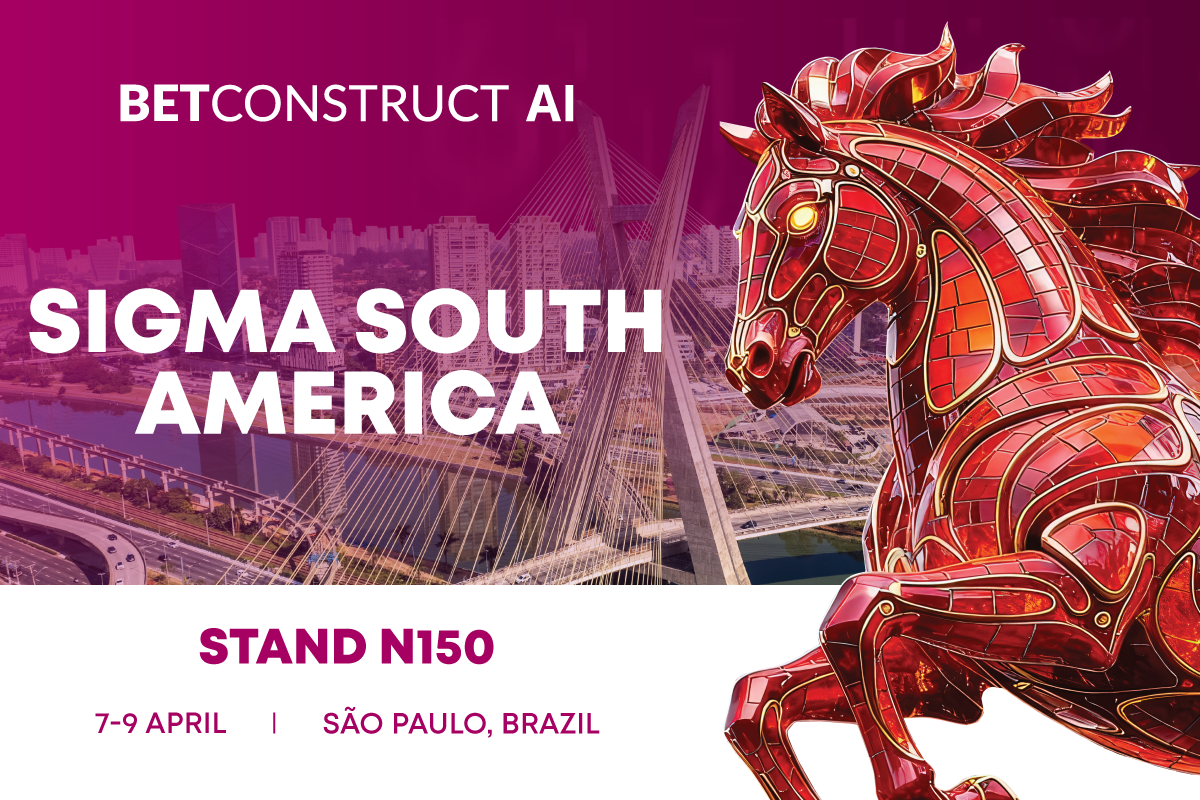
BetConstruct AI, a global iGaming platform provider, will present its full ecosystem at Stand N150 during SiGMA South America 2026, taking place from April 7–9 in São Paulo, Brazil.
With South America rapidly emerging as one of the most dynamic iGaming regions, BetConstruct AI is positioning itself as a key partner for operators looking to scale efficiently and competitively. The company delivers a vast offering, including over 140,000 pre-match events, 90,000+ live matches monthly, and 45,000+ casino games from 350+ providers.
One Platform, Multiple Growth Drivers
Visitors to Stand N150 will experience live demos across six core solution areas:
Acquisition, Content & Entertainment
A comprehensive offering spanning sportsbook, casino aggregation, affiliate marketing through Affigates, and six flexible front-end solutions, including crypto-ready platforms.
Payments & Licensing
With 500+ payment integrations and a fully managed licensing service, BetConstruct AI enables operators to enter regulated South American markets with confidence and compliance.
Retention & CRM
AI-powered CRM tools predict churn up to 14 days in advance, identify high-value players early, and automate personalized engagement across multiple channels. A game recommendation engine further enhances player activity and revenue potential.
Risk Management
The Umbrella AI system combines sportsbook and casino risk, AML, and responsible gaming into a unified solution. Advanced tools detect fraudulent behavior early and forecast negative-value players well in advance.
Operational Services
End-to-end support includes licensing, digital marketing, CRM management, trading, risk control, and infrastructure protection.
BetConstruct AI Poker
A flexible B2B poker network offering turnkey, white-label, or API integration, supported by strong liquidity, built-in security, and Web3-ready infrastructure.
World Cup-Focused Engagement Tools
To help operators maximize opportunities around the 2026 World Cup, BetConstruct AI is introducing two zero-cost promotional solutions:
Powerfull (Pre-Tournament Campaign)
A challenge-based campaign running before kickoff, rewarding players with Free Bets that accumulate and activate during the tournament—driving engagement, reactivation, and cross-product activity.
Bet on League (In-Tournament Hub)
A fully integrated World Cup hub featuring standings, schedules, and interactive tools that convert fan engagement into betting activity. It includes AI-powered bet suggestions and requires no additional development or fees.
Beyond the Expo
In addition to the exhibition, BetConstruct AI will host an exclusive Harmony ChoiceMe event on April 7 at Tetto Lounge in São Paulo, offering industry leaders a premium networking environment.
As the South American market accelerates, BetConstruct AI invites operators to visit Stand N150 to explore how its platform, tools, and expertise can drive the next phase of growth.
The post BetConstruct AI Showcases Full Platform at SiGMA South America 2026 appeared first on Eastern European Gaming | Global iGaming & Tech Intelligence Hub.
BetConstruct
BetConstruct AI to Accelerate Regional Growth and Innovation at SiGMA South America 2026
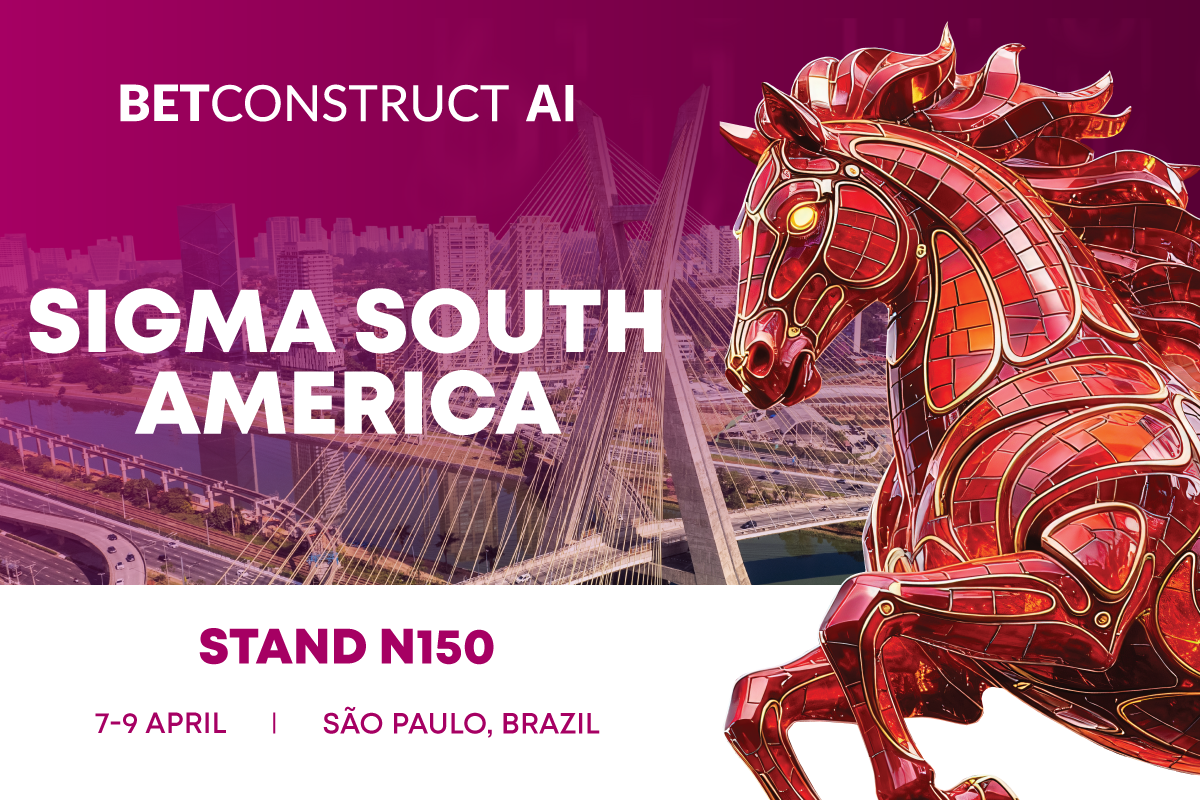
BetConstruct AI, the global iGaming platform provider, delivering 140,000+ pre-match events and 90,000+ live matches per month, 45,000+ casino games from 350+ premium providers, will be exhibiting at Stand N150 during SiGMA South America 2026, taking place from April 7-9 at São Paulo, Brazil. South America is one of the fastest-moving markets in iGaming. Stand N150 is where operators in this region come to make the decisive choices that define their next phase of growth.
Six Solution Areas. One Platform.
Visitors to Stand N150 will receive live demonstrations and commercial briefings across the full BetConstruct AI ecosystem.
Acquisition, Entertainment & Content:
Sportsbook (140,000+ events, 12,000+ esports live events monthly), Casino (350+ providers, Unified Aggregation API), Affigates affiliate ecosystem (7,000+ vetted affiliates, AI-based scoring), and a portfolio of six front-end solutions from rapid-launch to crypto-native.
Payments, Licensing & Certifications:
500+ payment gateway integrations and a fully managed licensing service — covering market research, due diligence, lab certification, and post-licensing compliance — give operators a confident, compliant route into any South American jurisdiction.
Retention & CRM:
CRM AI predicts churn up to 14 days in advance, identifies potential VIPs before they self-identify, and automates omnichannel journeys across 300+ dynamic behavioural filters. The Game Recommendation System delivers a personalised Top 10 game list to every player using Matrix Factorisation — driving GGR uplift for non-VIPs. Loya provides complete retail loyalty infrastructure, including the industry’s first anonymous betting loyalty platform.
Risk Management:
Umbrella AI unifies Sportsbook risk, Casino risk, AML, and Responsible Gambling in one intelligent system. Negative NGR Prediction forecasts loss-making players two months ahead. Fraudulent Game Style Detection classifies behaviour across seven profiles — Arbitrage, Late Betting, Bonus Hunter, and more — replacing manual review with instant AI classification, identifying threats up to 12 days sooner.
Services:
Expert services across the full operator lifecycle: Licensing & Certification, Digital Marketing & SEO, Managed CRM, Promotional Design, Dedicated Trading, DDoS Protection, Sportsbook and Casino Risk Management, and Poker Operations.
BetConstruct AI Poker:
A modern B2B network designed for flexible market entry via Turnkey, White Label, or API integration. Operators can accelerate scale by leveraging Global, Local, or Hybrid network models, instantly tapping into robust liquidity featuring 30,000+ monthly active players, 2,000+ peak-time users, and €500,000+ in guaranteed monthly prize pools. Powered by a crypto-enabled, Web3-ready architecture across all devices, the platform combines built-in security, continuous anti-fraud monitoring, and engaging promotions to maximise retention and operational control.
Powerfull and Bet on League: Two additions that make the best sportsbook for The World Cup
The 2026 World Cup is the highest-concentration betting opportunity of the next four years. For South American operators, it is also uniquely personal. BetConstruct AI has built a two-product campaign to ensure its partners capture the maximum share of that opportunity. Both products activate at zero cost.
Powerfull — Pre-Tournament
A challenge-based engagement campaign running 8–10 weeks before kick-off. Players complete weekly turnover milestones (€100 Sports / €1,000 Casino) to earn wheel spins, winning Free Bets.
All Free Bets accumulate pre-tournament and deploy at peak — engineering a built-in betting surge across all matches. Every prize is fully funded by BetConstruct AI.
Three effects, simultaneously: cross-vertical activation, deferred promotional liability, and dormant player reactivation. At €0 cost to the operator.
Bet on League — In-Tournament
A dedicated World Cup hub deployed via iFrame into NWM, SpringBuilder X, and BetChain AI front ends — zero UI rebuild, zero development cycles, zero platform risk during peak operation.
Full tournament navigation: Standings, Bracket, Calendar, Teams. An integrated polling module converts lightweight match votes into immediate odds reveals — a single-touch funnel from participation to bet placement. Betting Mate AI is included at no extra cost, delivering ‘Bets for You’, ‘Express for You’, and Smart Express Builder.
Setup fee and competition fee: both waived for the World Cup activation.
Make the Decisive Choice
The South American iGaming market is moving fast. The operators who define it will be those who choose the right platform, the right intelligence, and the right partners — now.
Beyond the exhibition floor, the experience continues on the evening of April 7 at the Tetto Lounge, São Paulo. We are hosting an exclusive Harmony ChoiceMe event, providing a refined setting for industry leaders to connect and discuss the future of the regional market
Visit Stand N150 to meet the BetConstruct AI team and see the platform live.
The post BetConstruct AI to Accelerate Regional Growth and Innovation at SiGMA South America 2026 appeared first on Americas iGaming & Sports Betting News.
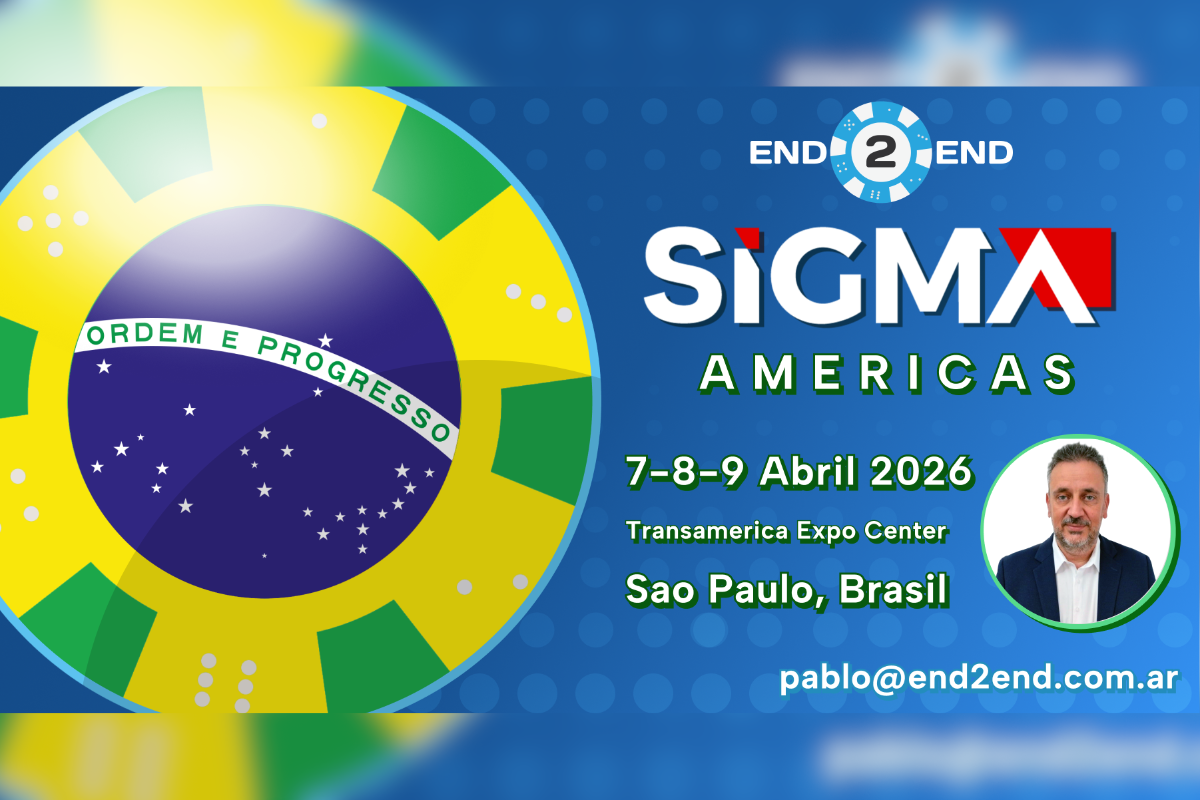
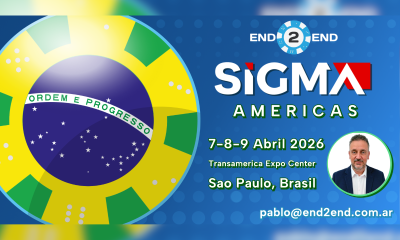
End2End, a global technology provider dedicated exclusively to multiplayer bingo solutions, is set to strengthen its presence in Brazil during BiS SiGMA South America 2026, taking place from April 6–9 at the Transamerica Expo Center in São Paulo.
As Brazil’s regulated gaming market continues to evolve, digital bingo is emerging as a compelling complementary vertical for licensed operators. With a deep-rooted cultural connection to bingo, Brazilian players are primed for modern, multiplayer digital experiences, offering significant opportunities for operators to diversify their portfolios.
At the event, End2End will showcase its expertise in the Brazilian market, engage with potential white-label partners for the End2End Bingo Network, and explore new affiliate partnerships to expand distribution and differentiate operator offerings.
Founder and CEO Alejandro Revich and Chief Commercial Officer Pablo Bonifacich will be on-site throughout the expo to meet with operators, affiliates, and partners seeking innovative product solutions for the Brazilian ecosystem.
End2End’s technology is designed as a complete end-to-end solution, combining its proprietary multiplayer bingo platform, Player Account Management (PAM) system, and network infrastructure to enable scalable deployments across mobile, online, and retail environments. All solutions are certified for Brazil and fully compliant with GLI-19 standards, underscoring the company’s commitment to regulatory compliance and high operational standards.
Alejandro Revich, Founder and CEO of End2End, commented:
“Brazil is one of the most exciting gaming markets in the world, and with our certification in place, bingo is poised to become a key vertical as operators expand their offerings. The cultural affinity for bingo is undeniable, and the digital infrastructure is ready. At BiS SiGMA, we aim to demonstrate how our network model works and why End2End is the ideal partner to bring bingo to life in Brazil. We’re here to grow our network, build partnerships, and show that when it comes to bingo in Brazil, End2End is the clear choice.”
The post appeared first on Eastern European Gaming | Global iGaming & Tech Intelligence Hub.

-

 Asia6 days ago
GLI Becomes the First Company Accredited by PAGCOR to Test and Certify iGaming Platforms in the Philippines
-
Betnacional5 days ago
Operational Leadership and the Driving Force Behind LatAm’s Largest Event
-
Asia6 days ago
Team India and Türkiye Win Gold at the Global Esports Games Mumbai
-
Compliance Updates6 days ago
Playtech Enters Connecticut iGaming Market
-
Australia5 days ago
NSW: More Than 650 Gaming Machine Exemptions Revoked to Address Gambling Harm
-
Compliance Updates5 days ago
UK Government proposals to undermine the ‘aim to permit’ of the Gambling Act 2005?
-
2026 SPiCE South Asia Awards5 days ago
QTech Games wins Innovation of the Year at the 2026 SPiCE South Asia Awards
-
Andrea Rossi6 days ago
REEVO Goes Live with Betsson in Brazil