Latest News
Monzo and TrueLayer team up to protect vulnerable customers


We’re running a joint pilot to create an open banking powered gambling block
Monzo was the first bank to introduce a Gambling Block in 2018, following demand from customers who wanted help controlling their gambling addictions. Over 275,000 Monzo customers have chosen to activate the Monzo Gambling Block and less than 10% have ever switched it off permanently.
The Gambling Block is a completely optional tool that blocks card payments to gambling firms. Customers can apply to their Monzo account themselves in the app or by speaking to a member of Monzo’s customer services team.
However, with more and more gambling providers switching to convenient, open banking powered payments, Monzo and TrueLayer have teamed up to offer the same protections for customers using these new payment methods to gamble. This pilot means that Monzo customers will be able to benefit from an extended gambling block that prevents card transactions and open banking powered payments to operators supported by TrueLayer.
We believe that banks like Monzo and open banking providers like TrueLayer have an important role to play in offering customers greater control over how they spend their money.
How it works
Right now, Monzo customers can request to block transactions made to gambling providers, from their account. To remove the block, a customer who has opted out will need to speak to Monzo’s customer support team and wait 48 hours to switch off the feature.
Most of the gambling blocks currently on the market today work by blocking card payments to specific ‘merchant category codes’, assigned by card schemes (like Mastercard or Visa). These codes let the bank know what type of business their customer is trying to pay, before they send their money. However, these merchant category codes are only available for card payments – not open banking powered payments. As more and more consumers switch to these new, convenient methods, we need to act to make sure they could access the same protections.
Now, TrueLayer will automatically let Monzo know, via an enhanced API call, any time their customer attempts an open banking payment to a gambling firm specifically. This additional data access enables Monzo to prevent the payment on the customers’ behalf if they have their gambling block activated.
This is a relatively straightforward change that Monzo and TrueLayer engineers were able to build in a few days. However it could make a huge difference for those struggling with gambling addiction.
What it means for the future of the industry
Every consumer should have access to a gambling block, regardless of who they bank with – or how they pay.
This is relatively simple for banks and open banking providers to put in place, but can have a big impact on someone’s well being. Other banks and open banking providers should follow our lead, to allow gambling blocks to cover non-card payments.
Providing customers with self exclusion tools for gambling is only the beginning, and there’s so much more that can be done.
Open banking providers offer a unique opportunity to help gambling operators seamlessly support those experiencing gambling harms – and empower consumers to stay in control of their finances. Initiatives like affordability checks to flag at-risk players earlier, spending limits to help ensure players do not overextend themselves, and friction free identity checks can all be improved using open banking.
By enabling the right types of protections for all players, gambling can remain a purely social activity, rather than one with life-altering negative effects.
Powered by WPeMatico


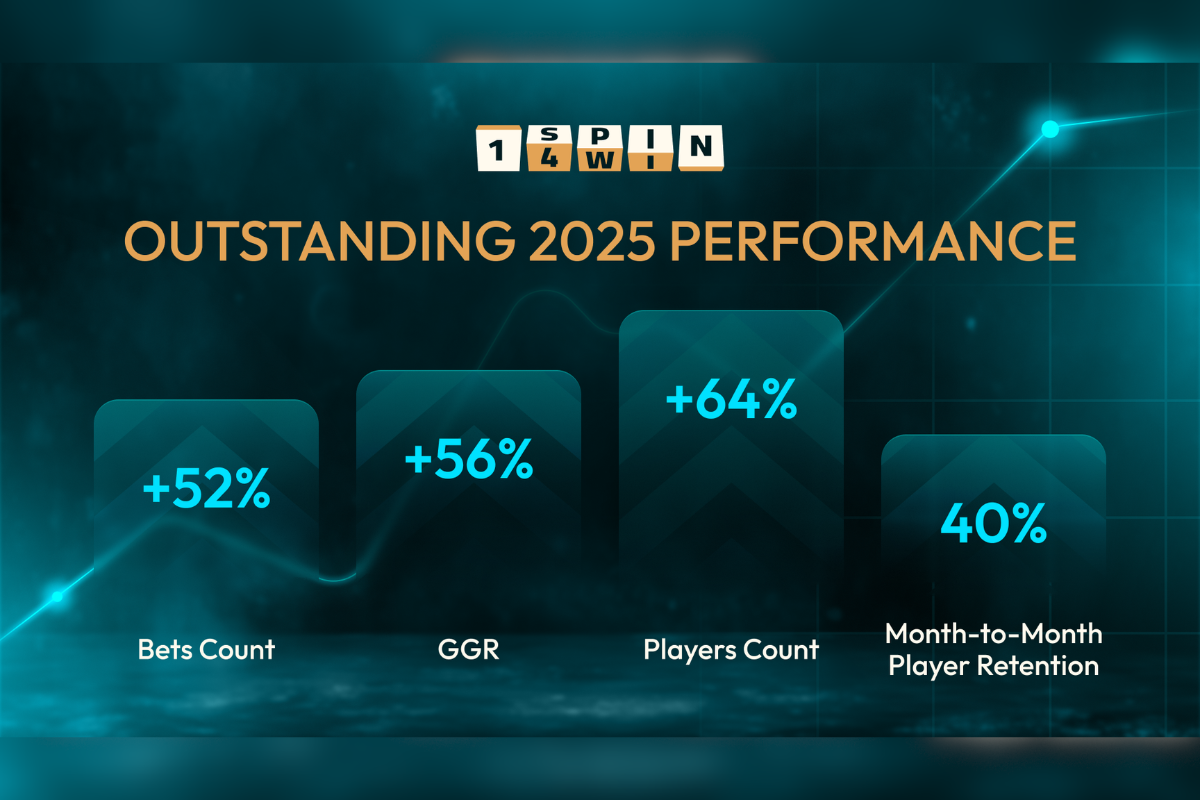
The studio reflects on a successful 2025, marked by major performance milestones, new partnerships, and continued market expansion. Among the year’s key achievements was a 56% increase in GGR compared to 2024.
One of the primary drivers behind this growth was the strengthening of collaboration with clients. Last year, the 1spin4win company reached the milestone of 1,000 global partnerships. The slot provider is now trusted by leading aggregators, including SOFTSWISS Game Aggregator, EveryMatrix, Alea, Digitain, and BetConstruct, among others.
Throughout 2025 and in 2026, the studio’s month-to-month retention rate consistently exceeded 40%, highlighting strong, long-term player loyalty. The main contributor to this figure was the 1spin4win portfolio of over 190 classic online slots, regularly updated with four, sometimes five, monthly releases. In 2025, the provider launched 52 titles, presented 10 branded games for partners, and introduced 12 new mechanics.
Recognized for their well-balanced gameplay and transparent math models, 1spin4win’s classic offering also contributed to a robust 64.24% surge in player count and a 52.06% rise in bet count.
Olga Hlukhovskaya, Business Development Director at 1spin4win, shared, “2025 was an outstanding year for us. Alongside the continued success of our slots, our expansion into both new and existing markets also played a significant role in this growth. While maintaining a strong presence in Europe, we significantly strengthened our position in Latin America and Africa. We’re excited to carry this momentum into 2026 and push our games and partnerships even further.”
About 1spin4win
1spin4win is a trusted game provider founded in May 2021 by ambitious developers with over 15 years of experience in the gambling industry. Since its inception, the company has expanded its portfolio to include over 190 classic online slots, all characterized by quality mathematics, transparent mechanics, and well-balanced gameplay — key factors that drive strong player retention. The studio aims to release an average of four new games each month in 2026 and offers effective promotional tools for casino operators to help them enhance player loyalty.
The post 1spin4win reveals key 2025 performance results, including a 56% surge in GGR appeared first on Eastern European Gaming | Global iGaming & Tech Intelligence Hub.

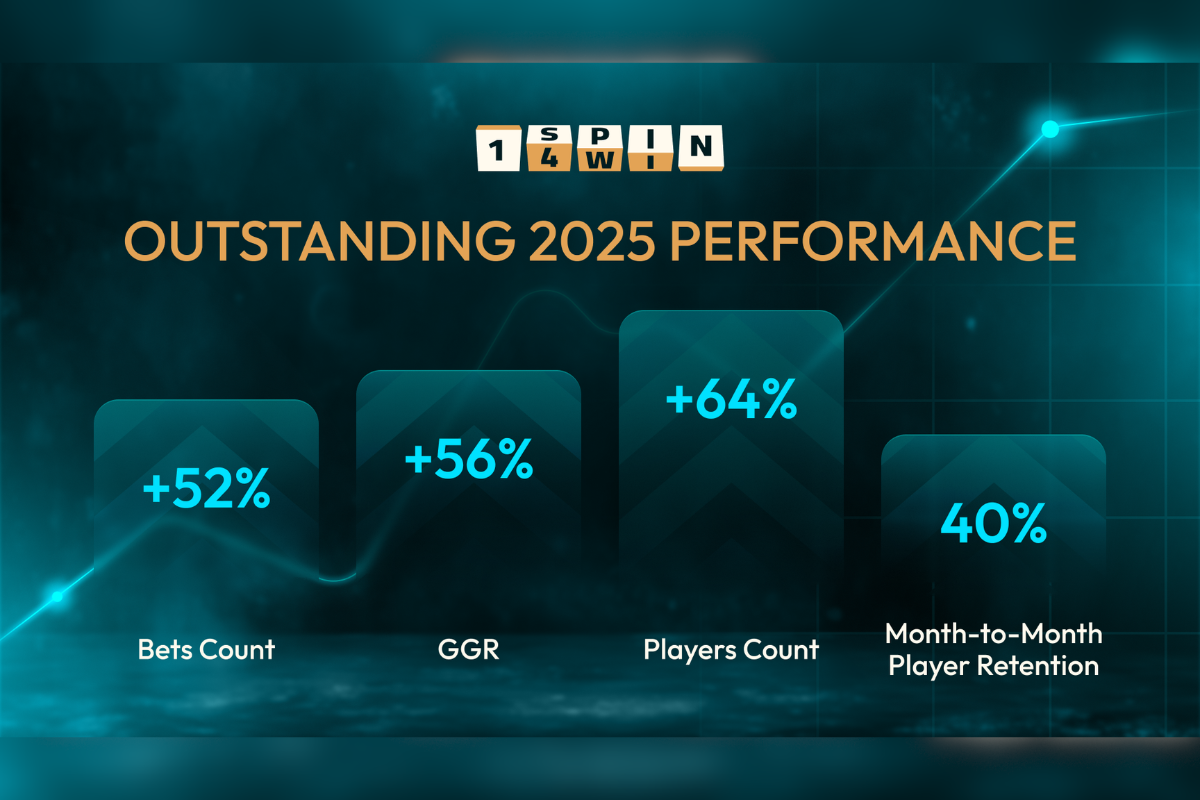
The studio reflects on a successful 2025, marked by major performance milestones, new partnerships, and continued market expansion. Among the year’s key achievements was a 56% increase in GGR compared to 2024.
One of the primary drivers behind this growth was the strengthening of collaboration with clients. Last year, the 1spin4win company reached the milestone of 1,000 global partnerships. The slot provider is now trusted by leading aggregators, including SOFTSWISS Game Aggregator, EveryMatrix, Alea, Digitain, and BetConstruct, among others.
Throughout 2025 and in 2026, the studio’s month-to-month retention rate consistently exceeded 40%, highlighting strong, long-term player loyalty. The main contributor to this figure was the 1spin4win portfolio of over 190 classic online slots, regularly updated with four, sometimes five, monthly releases. In 2025, the provider launched 52 titles, presented 10 branded games for partners, and introduced 12 new mechanics.
Recognized for their well-balanced gameplay and transparent math models, 1spin4win’s classic offering also contributed to a robust 64.24% surge in player count and a 52.06% rise in bet count.
Olga Hlukhovskaya, Business Development Director at 1spin4win, shared, “2025 was an outstanding year for us. Alongside the continued success of our slots, our expansion into both new and existing markets also played a significant role in this growth. While maintaining a strong presence in Europe, we significantly strengthened our position in Latin America and Africa. We’re excited to carry this momentum into 2026 and push our games and partnerships even further.”
About 1spin4win
1spin4win is a trusted game provider founded in May 2021 by ambitious developers with over 15 years of experience in the gambling industry. Since its inception, the company has expanded its portfolio to include over 190 classic online slots, all characterized by quality mathematics, transparent mechanics, and well-balanced gameplay — key factors that drive strong player retention. The studio aims to release an average of four new games each month in 2026 and offers effective promotional tools for casino operators to help them enhance player loyalty.
The post 1spin4win reveals key 2025 performance results, including a 56% surge in GGR appeared first on Americas iGaming & Sports Betting News.
Galaxy Gaming Inc., the world’s largest independent developer and distributor of casino table games and technology, is going to showcase its latest innovations at the Indian Gaming Tradeshow & Convention (IGA). At booth #2551, Galaxy Gaming will highlight its industry-leading portfolio of table games, progressive systems, and licensed content designed to drive performance on the casino floor.
“We’re looking forward to connecting with tribal operators and demonstrating how Galaxy Gaming continues to evolve table games. From iconic licensed experiences like MONOPOLY to our cutting-edge progressive technology, and proven titles like EZ Baccarat, and Player’s Edge, we’re focused on delivering games that engage players and generate meaningful results for our tribal partners. Our commitment to Deal Excitement is on full display at IGA,” said Matt Reback, President and CEO of Galaxy Gaming.
MONOPOLY Reimagined for the Casino Pit
Through an exclusive licensing agreement with Hasbro for table games and ETGs, Galaxy Gaming has brought one of the most recognizable brands in the world, MONOPOLY, to the casino table game pit in a bold new way. The MONOPOLY-branded table games combine familiar brand elements with innovative mechanics, progressive features, and eye-catching visuals, creating a premium player experience that blends nostalgia with modern gameplay.
Built to attract both core and casual players, the MONOPOLY Table Game Progressive delivers added excitement through engaging bonus events and scalable progressive jackpots, making it a standout attraction on the casino floor. It’s perfectly paired with the brand-new Ride Free MONOPOLY edition, which includes exciting bonus wagers like Free Parking, Get Out of Jail Free, and Ride Free!.
Dealing Excitement with GOS Sapphire
Also featured at IGA is GOS Sapphire, Galaxy Gaming’s next-generation table game operating system. GOS Sapphire powers the industry’s most dynamic table game progressives with advanced jackpot configurations, sleek Nebula sensors, and real-time digital tracking. Its flexible electronic bonusing capabilities—including Dynamic Progressive, which can award random multipliers of up to 10x—add excitement to every round of play.
GOS Sapphire also allows operators to link jackpots across multiple tables and properties, providing scalable solutions that enhance both player engagement and operational efficiency.
The Most Comprehensive Table Games Portfolio
Galaxy Gaming continues to offer the most robust table games library in the industry. From proven favorites like 21+3, Lucky Ladies, and EZ Baccarat, to innovative branded and proprietary titles, Galaxy delivers solutions designed to perform across a wide range of tribal casino environments.
Also on showcase at IGA 2026 is Player’s Edge 21 with the electrifying Monster Match Progressive, which thrills players with frighteningly fun animations and multipliers of up to 10X.
The post Galaxy Gaming to Participate in Indian Gaming Tradeshow & Convention 2026 appeared first on Americas iGaming & Sports Betting News.

-

 Africa7 days ago
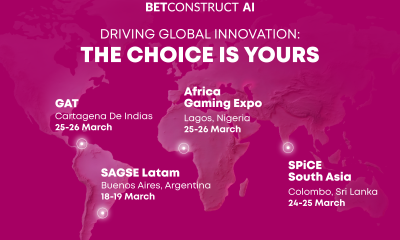
BetConstruct AI to Drive Global Innovation and Strategic Growth AcrossKey Markets in LatAm, Asia, and Africa
-
Centurion Winner Grand Chance™6 days ago
New from Inspired: Luck It Up™ and Centurion Winner Grand Chance™ available online & on mobile
-
Blazin' Bonus6 days ago
Booming Games releases Blazin’ Bonus
-
Asia7 days ago
Mumbai to Host the Prestigious Global Esports Games (GEG) World Finals from March 19–22
-
Cristiano Blanco CEO of SpinCore Group6 days ago
SpinCore Group Enters Finnish Market via Finnplay Partnership
-
Australasian Hospitality and Gaming Expo6 days ago
IGT Showcases Integrated Gaming, Systems, and FinTech Innovations Designed to Drive Growth at Australasian Hospitality and Gaming Expo 2026
-
Africa7 days ago
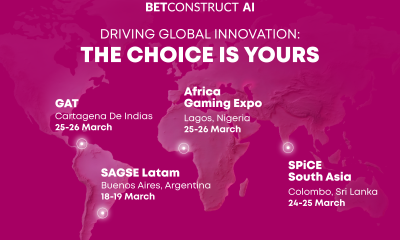
BetConstruct AI Fuels Global Innovation Strategy Across Latin America, Asia and Africa
-
Conferences5 days ago
NOVOMATIC Gaming Colombia to Showcase its Latest Innovations at GAT Cartagena 2026