Gaming
The Sandbox Partners with Snoop Dogg to Bring the Legendary Icon into the Metaverse

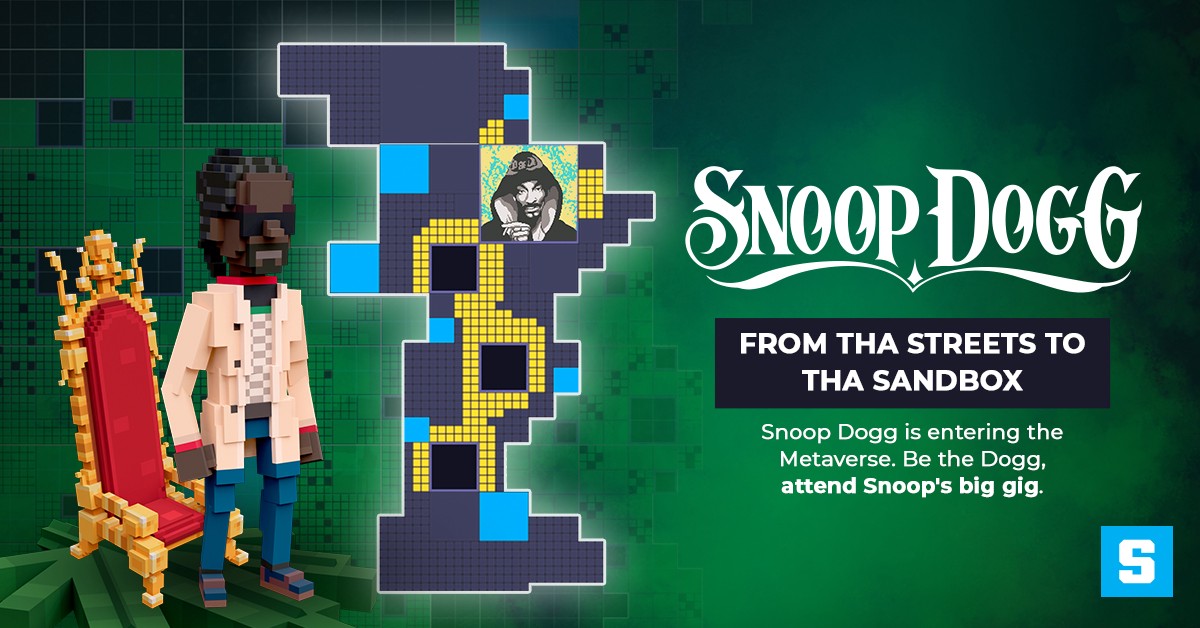
The Doggfather is recreating his mansion in The Sandbox virtual gaming world, allowing players to experience concerts and parties and even play as Snoop Dogg
The Sandbox, a leading decentralized gaming virtual world and a subsidiary of Animoca Brands, announced that it has partnered with Snoop Dogg to bring the legendary rapper, actor, songwriter, entrepreneur and entertainer to The Sandbox gaming metaverse.
Snoop Dogg will enter the metaverse by owning his own virtual land in The Sandbox, where he will set up his mansion. Snoop Dogg will also launch his NFT collection including player avatars and a limited ‘Snoop Dogg Private Party Pass’ that gives users VIP access to concerts, events, Q&As, and dedicated NFT drops. Snoop Dogg will also launch a 3D avatar collection inside The Sandbox and players will be able to create games using virtual “Doggfather” items such as Snoop Dogg’s personal car collection, dogs, statues, memorabilia, and more. All info on Snoop Dogg entering The Sandbox, as well as the Private Party Pass can be found on https://sandbox.game/snoopdogg/
Snoop Dogg has always been on the cutting edge of new technologies, investing in telemedicine and launching his own esports tournament series, the Gangsta Gaming League, in 2019. In April of this year, he dropped “A Journey with the Dogg,” a select set of NFTs designed to offer a look into his life that included the exclusive track NFT. His next step into the NFT world is The Sandbox, the fast-growing decentralized gaming platform where Snoop Dogg can share his NFT collection and lifestyle with players around the world.
To mark the occasion, The Sandbox will hold a LAND sale on September 30th, 2021 at 1 p.m. (UTC), which will allow fans to buy LANDS adjacent to the property of Snoop Dogg’s, thus becoming the Doggfather’s virtual neighbors in the metaverse.
“I’m always on the look-out for new ways of connecting with fans and what we’ve created in The Sandbox is the future of virtual hangouts, NFT drops and exclusive concerts,” said Snoop Dogg. “We’ll have a fresh set of Dogg style NFTs that players can integrate into the game experiences to take this online experience to the next level for sure.”
“The idea of having hip-hop legend Snoop Dogg as your next-door neighbor in The Sandbox metaverse is mind blowing – and being able to have a unique Snoop NFT as your in-game avatar is even cooler,” said Sebastien Borget, COO and Co-Founder of The Sandbox. “By entering the next generation of entertainment where fans, creators, and players can connect and play-to-earn in a gaming virtual world, the Doggfather continues to be a pioneer. I can’t wait to attend the first Snoop Dogg live concert in the metaverse alongside our players!”
“We are building the future of entertainment where everyone will enjoy creating and sharing their very own virtual experiences,” said Arthur Madrid, CEO and Co-Founder of The Sandbox. “The Sandbox is bringing iconic culture with Snoop Dogg and enhancing it through innovation with NFTs and virtual experiences. Snoop’s LAND is decentralized; 100% owned by him to develop through his creative genius. I can’t wait to join his first private party in The Sandbox!”
“We are entering into a new age of creative potential that was never possible bound by the laws of the physical world and are excited to help Snoop continue to provide innovative entertainment for his millions of fans all across the globe,” said Alex Livian, Founder of Cultivate Studios, and representative of The Sandbox & Snoop Dogg collaboration.
As with all The Sandbox partnerships, the collaboration will include carefully curated and designed experiences and specific assets that players can purchase and use in their original creations. This will allow players to step into Snoop’s virtual mansion to join an exclusive pool party experience, enjoy Snoop Dogg’s extensive collection of NFT art, or explore Snoop Dogg’s car collection. Players will also be able to insert voxel versions of Snoop Dogg’s dogs, cars, and other items in their virtual experiences.
Part virtual real-estate, part amusement park, The Sandbox fully embraces the idea of the metaverse as a continuous shared digital space where worlds and heroes collide to make rainbow-colored magic (think Ready Player One). Snoop Dogg joins over 165 existing partnerships including The Walking Dead, deadmau5, Richie Hawtin, The Smurfs, Care Bears, Atari, ZEPETO, and CryptoKitties, all following The Sandbox team’s vision of empowering players to create their own experiences using both original and well-known characters and worlds.
The Sandbox is scheduled to launch its first public Alpha for players in Q4 2021, enabling anyone to experience a social hub and gain the power to build a fantastic collection of fantasy and role-playing adventures that can be traded with other players, creators, and artists on the platform.
Powered by WPeMatico

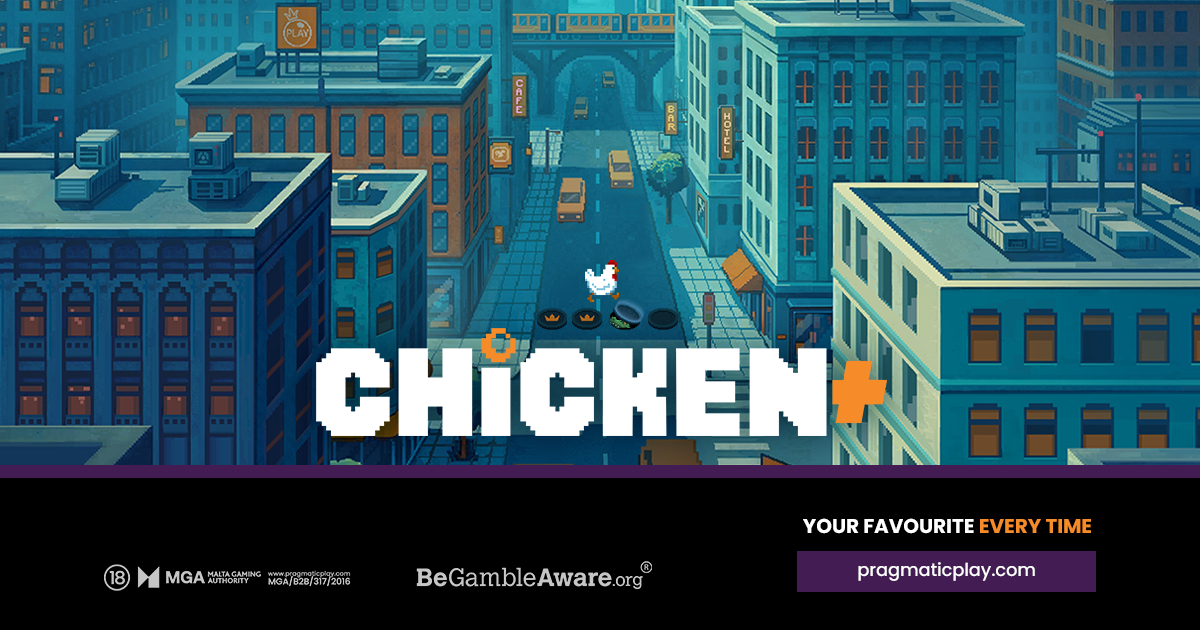
Pragmatic Play, a prominent content provider for the iGaming sector, has enhanced its arcade collection with the debut of Chicken+, a retro-themed game showcasing fast-paced action and significant winning opportunities.
Brought to existence with retro 8-bit visuals, the game tests players to evade approaching vehicles and various dangers, leading the chicken safely over the road.
With each lane successfully cleared, the win multiplier increases. Players can withdraw their earnings whenever they choose or try to navigate all lanes for the top reward, but a single random mishap concludes the round as a defeat. Players are able to view the possible winnings and the likelihood of success in reaching each lane to aid in their decision-making.
There are four levels of risk – Easy, Mid, Hard, and Daredevil. Raising the level reduces the number of lanes per round and increases the volatility, enhancing the maximum win potential from 24x in Easy mode to over 3,000,000x in Daredevil.
Blending nostalgic visuals with an eccentric theme, a user-friendly interface, and rapid betting rounds, Chicken+ meets the increasing demand for engaging, fast-paced games.
The title signifies the newest entry in Pragmatic Play’s continually growing arcade collection, succeeding the launches of Plinko+, Spire+, and Mines+.
Sharon McHugh, Director of Public Relations at Pragmatic Play, said: “Chicken+ blends retro charm with simple, high-engagement mechanics. With configurable risk levels and significant win potential, it stands out as another compelling addition to Pragmatic Play’s diverse arcade portfolio, inviting players to test their nerve and cross the road.”
The post Pragmatic Play Elevates Arcade Roster with the Im-Peck-Able Chicken+ appeared first on Eastern European Gaming | Global iGaming & Tech Intelligence Hub.
Brazil
LOUD and SuperGaming Launch Prime Rush in Brazil, Bringing Battle Royale and Extraction Gameplay for Mobile

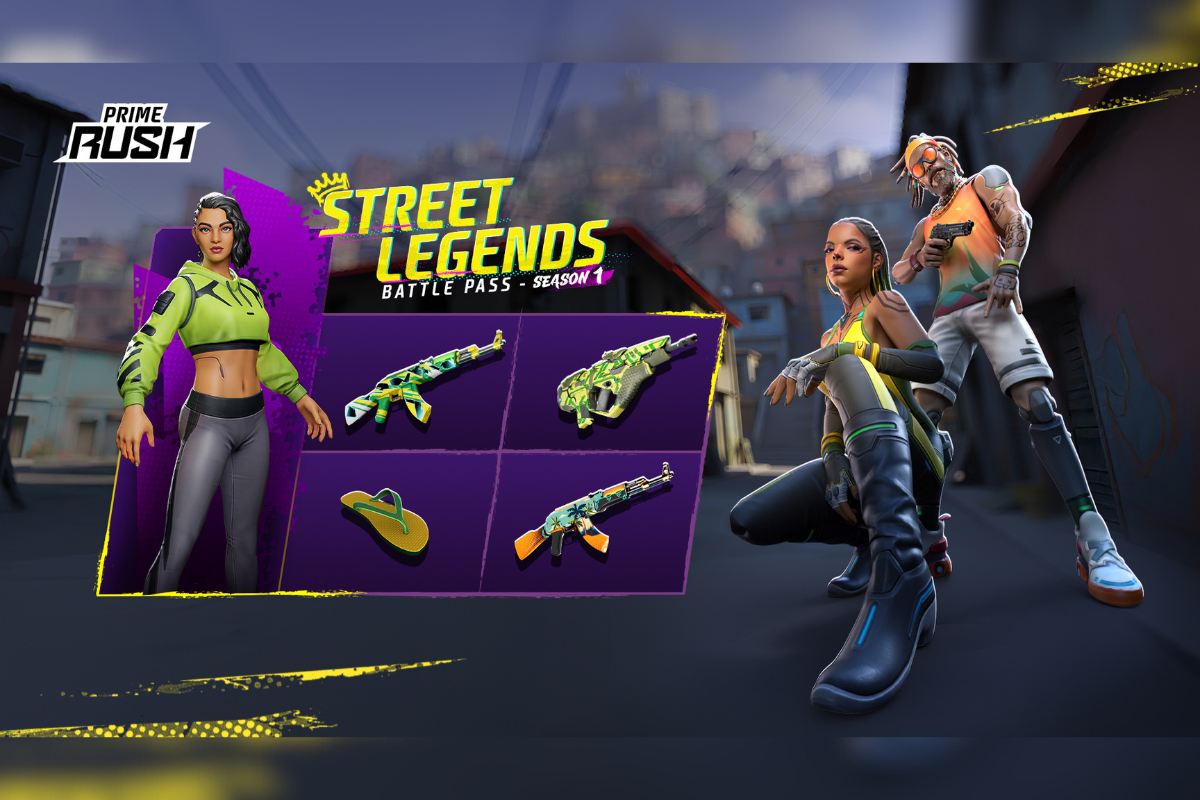
Prime Rush, a new mobile shooter blending battle royale survival with extraction-style mechanics, has officially launched in Brazil on the Google Play for Android and the App Store for iOS. Developed by SuperGaming in collaboration with Spacecaps—the parent company of LOUD—the game has been shaped by direct input from Brazilian players and creators throughout its Closed Beta and Early Access phases.
Prime Rush introduces a fresh twist on the traditional battle royale formula. Beyond simply being the last squad standing, players can secure victory early by extracting Cosmium, a rare resource that appears during the final circle. This dual win condition forces squads to choose between outlasting opponents or adopting a more tactical approach to secure extraction.
The game also features a dynamic tactical ability system designed for fast-paced mobile combat. Active abilities such as DeadEye, Shield Dome, Super Speed, and Hunter’s Instinct allow players to approach matches with different strategies, focusing on precision, defense, mobility, or intelligence.
Bruno Bittencourt, CEO of LOUD, said:
“We’ve always believed Brazil has one of the most passionate gaming communities in the world, yet for years we’ve been playing games that weren’t built with us in mind. Prime Rush is a game created for Brazilian players, shaped daily by the communities we’ve built over the past decade. We’ve been listening to them every single day. It’s a game that finally feels like home.”
Roby John, CEO and Co-founder of SuperGaming, added:
“Brazil has one of the most competitive mobile shooter audiences we’ve seen, and from the beginning we wanted Prime Rush to be both authentic and accessible. That meant building a game that feels true to Brazil while ensuring it runs smoothly across a wide range of devices, so more players can experience it as intended.”
Set on the island of Maré, the game’s main battlefield supports its battle royale extraction format. It also introduces a Mini TDM mode (Favela)—a fast-paced 4v4 mode designed for quick, high-intensity firefights on the go.
At launch, players can choose from a roster of Brazilian heroes including Juliana, Rafael, Miguel, Rogério, Dos Santos, Julia, and Gustavo, with deep customization options available. Weapon personalization is enhanced through Evo-X skins, featuring upgradeable visuals, multiple Chromas, unique animations, custom sound effects, and distinctive combat feedback elements.
Prime Rush also debuts with several limited-time modes such as DeadEye Rush, Pants in the Air, and Weapon Roulette, offering short, action-packed sessions beyond the core gameplay.
The game launches alongside its first Ranked Season, where players can progress through tiers including Bronze, Silver, Gold, Platinum, Diamond, Champion, Legend, and Cosmic.
Check out the launch trailer right here: https://www.youtube.com/watch?v=Op5KreKoLmY
Season 1 Battle Pass: Street Legends introduces a range of rewards, including:
- New Avatars: Laura, Juliana, Rafael
- Weapon Skins: Subliminar, Grafitada, Suavidade, Firmeza, Raiz, Brabo, AK-BR7
- Melee Weapon: Chinela (Slipper)
- Vehicle Skin: Lenda Urbana
- Additional items such as stickers, dive trails, emotes, and portraits
Powered by SuperGaming’s in-house SuperPlatform, the game supports Android 7+ devices with 4GB RAM and iOS 15+. Early Access data shows stable performance at 40 FPS on lower-end devices, with up to 60 FPS on mid- to high-end hardware, ensuring accessibility across a broad range of devices in Brazil.
SuperGaming continues to optimize Prime Rush for additional devices, with performance and visual quality varying depending on hardware and player settings.
The post LOUD and SuperGaming Launch Prime Rush in Brazil, Bringing Battle Royale and Extraction Gameplay for Mobile appeared first on Eastern European Gaming | Global iGaming & Tech Intelligence Hub.
Brazil
LOUD and SuperGaming Launch Prime Rush in Brazil, Bringing Battle Royale and Extraction Gameplay for Mobile

Prime Rush, a new mobile shooter combining battle royale survival with extraction-style gameplay, has officially launched in Brazil on the Google Play Store for Android and the App Store for iOS. Developed by SuperGaming in partnership with Spacecaps, the parent company of LOUD, the game has been built with direct feedback from Brazilian players and creators during its Closed Beta and Early Access phases.
Prime Rush introduces a unique twist to the traditional battle royale format. In addition to surviving until the end of the match, squads can secure an early victory by extracting Cosmium, a rare resource that spawns during the final circle. This dual win condition creates a match environment where squads must decide whether to outlast opponents in a final-circle finish or take a more tactical route to win through Cosmium extraction.
The game also features a flexible tactical ability system built for high-tempo mobile combat. Active Abilities such as DeadEye, Shield Dome, Super Speed, and Hunter’s Instinct allow players to approach matches through precision, defence, mobility, and intel respectively.
Speaking on this development Bruno Bittencourt, CEO of LOUD said, “Brazil has one of the most passionate gaming communities in the world, yet we’ve spent years playing games that weren’t built with us in mind. Prime Rush is a game created for Brazilian players, shaped daily by the communities we’ve built over the past decade. We’ve been listening to them every single day. It’s a game that finally feels like home.”
“Brazil has one of the most competitive mobile shooter audiences that we have seen, and from the start we wanted Prime Rush to be both authentic and accessible,” said Roby John, CEO and Co-founder of SuperGaming. “For us, that meant building a game that feels true to Brazil while also making sure it runs smoothly across a broad range of devices so more players can experience it the way it was meant to be played.”
The battle takes place on the island of Maré, the setting for Prime Rush’s battle royale extraction experience. Prime Rush also includes a Mini TDM mode (Favela). This is a quick 4v4 mode designed for shorter, high-intensity firefights on the go.
At launch, the game introduces a lineup of new Brazilian heroes including Juliana, Rafael, Miguel, Rogério, Dos Santos, Julia, and Gustavo, with character customization allowing players to personalize their experience. Players can also customize their weapon experience with the new Evo-X skins. These are upgradeable gun skins featuring three switchable Chromas, enhanced visuals and VFX, unique inspect and reload animations, custom fire SFX, unique kill feed treatment, and distinct muzzle and tracer effects.
Prime Rush goes live with multiple limited-time modes including DeadEye Rush, Pants in the Air, and Weapon Roulette, offering players shorter duration matches for quick jump-in and jump-out between sessions beyond its core battle royale extraction gameplay.
The game launches with its first Ranked Season, allowing players to climb through Bronze, Silver, Gold, Platinum, Diamond, Champion, Legend, and Cosmic.
Check out the launch trailer right here: https://www.youtube.com/watch?v=Op5KreKoLmY
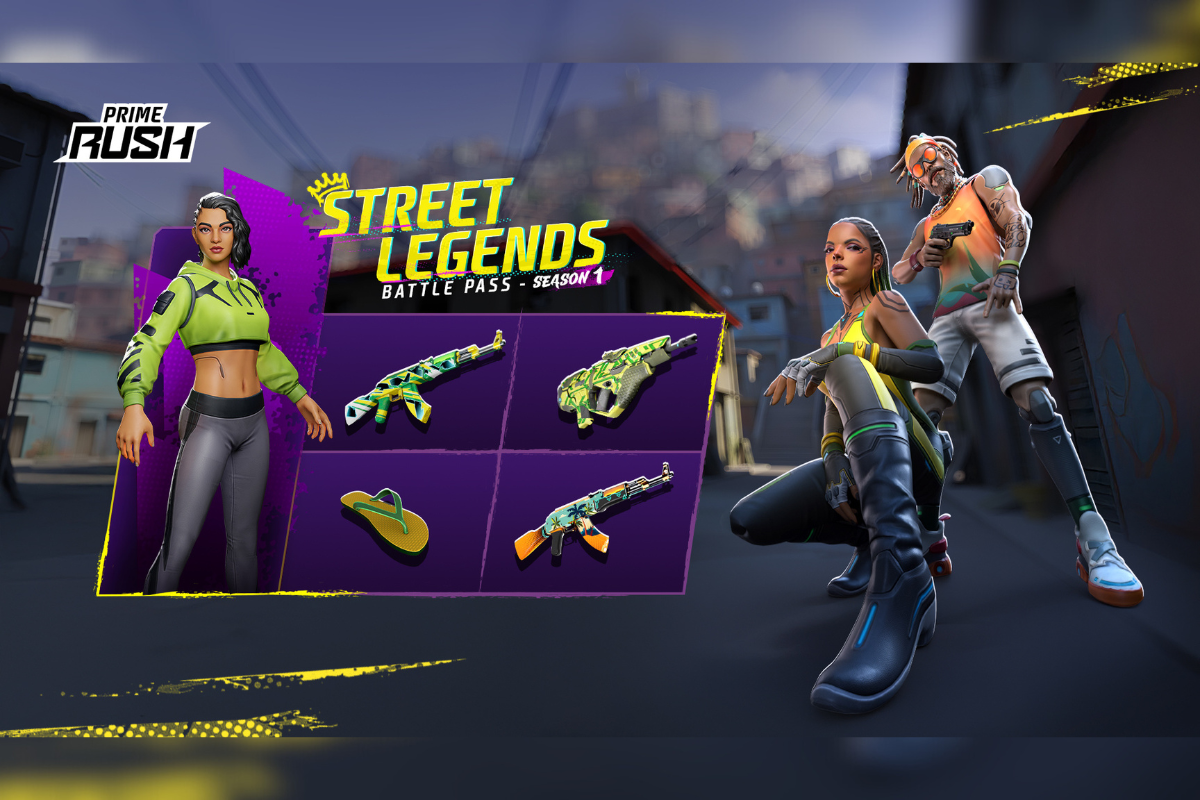
Season 1 Battle Pass: Street Legends
The Season 1 Battle Pass: Street Legends is also here, bringing a new lineup of rewards for players as they progress through the season. These include:
- New Avatars: Laura, Juliana, Rafael
- Weapon Skins: Subliminar, Grafitada, Suavidade, Firmeza, Raiz, Brabo, AK-BR7
- Melee Weapon: Chinela (Slipper)
- Vehicle Skin: Lenda Urbana
- Additional Rewards: Stickers, Dive Trails, Emotes, and Portraits
Prime Rush System Requirements
Powered by SuperPlatform, SuperGaming’s in-house tech-stack, Prime Rush currently supports Android 7 and above with 4GB RAM, as well as iOS 15 and above. Based on Early Access performance reports, the game delivers a stable 40 FPS on lower-end devices with recommended graphics settings, while mid to high-end devices can achieve up to 60 FPS.
This makes Prime Rush playable across a wide range of mobile devices, helping ensure that more players in Brazil can access the game on both Android and iOS.
SuperGaming is continuously optimizing Prime Rush to support more devices over time. Performance and visual fidelity may vary depending on hardware and user-selected graphics settings.
The post LOUD and SuperGaming Launch Prime Rush in Brazil, Bringing Battle Royale and Extraction Gameplay for Mobile appeared first on Americas iGaming & Sports Betting News.

-

 Asia7 days ago
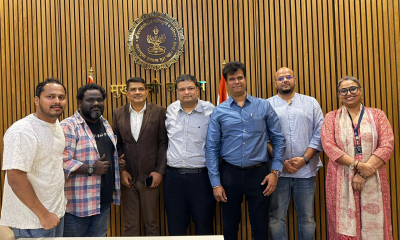
Skyesports and GodLike signs MoU with Maharashtra Cyber to promote esports and cyber hygiene in Maharashtra
-
Africa7 days ago
TaDa Gaming Officially Enters the Regulated South African Market
-
AGLC7 days ago
Bede Gaming cleared for Alberta market entry
-
Central Europe7 days ago
Casino Interlaken teams up with Wazdan to bolster Swiss market presence
-
Andrzej Hyla7 days ago
Wazdan Releases its Latest Slot “Easter Coins”
-
Central Europe7 days ago
Sportradar Extends its Data and Audiovisual Betting Rights Agreement with Deutscher Fussball-Bund
-
Alberta6 days ago
Media Troopers Prepares for Alberta iGaming Launch with Canadian Gaming Law Firm
-
Australasian Hospitality & Gaming Expo7 days ago
Light & Wonder to Showcase its Latest Gaming Innovations at AHGE 2026