Malta
SiGMA Malta Gaming Awards go vegetarian

Awards night will embrace environmental sustainability and awareness
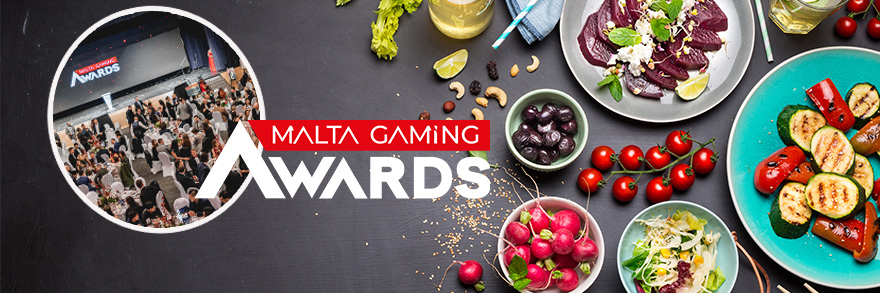
As a part of its commitment to protecting the environment, SiGMA Group has taken the laudable decision to go green and serve vegetarian cuisine at its annual swanky awards evening, the Malta Gaming Awards. The dinner will be held in Malta towards the end of November.
It is a truth universally acknowledged that the single biggest thing you can do for the planet right now is to cut down on excessive consumption of meat and dairy. These are turbulent times for our climate, with extreme weather events being felt right across the planet.
While achieving long-term global sustainability is a complex undertaking, 97% of climate scientists have reached the same conclusion: the planet is warming primarily because of human activity and we’re producing more greenhouse gases than ever before. And the uncomfortable truth is that our eating habits have become a problem – animal products are amongst the worst contributors of greenhouse gas, with emissions the primary source of methane and nitrous oxide emissions.
There are also other consequences to animal-based diets, our meat habit is the leading cause of deforestation, which releases significant amounts of carbon when trees are burned, whilst also reducing the planet’s ability to absorb carbon emissions.
In embracing this meaningful challenge, the Malta Gaming Awards dinner hopes to help bridge the gap between awareness and action, by making it easier for individuals who are environmentally conscious and engaged to make better choices. Without compromising on style or flavour, the menu will be created by some of the top chefs in the business, bringing a novel twist to the innately held pleasure of good food.
SiGMA Group COO Jonathan Shaw said, “Nowadays more people are conscious and aware of the benefits of eating less meat. More than a diet it’s a lifestyle and there are a number of great vegetarian, plant-based or vegan dishes. At SiGMA we would like to create a themed awards dinner to celebrate this heightened awareness lifestyle, yet still treat our guests to a great dinner experience!”
It is small steps like this that help set the right tone. While the meat entrée won’t be served by default, guests still have the option to make a special request, and will be asked to submit their requirements a few days in advance of the event.
Other awards evenings are also offering vegan or vegetarian fare. The upcoming 92nd Academy Awards have planned a plant-based lunch for nominees, while the Golden Globes, the Screen Actors Guild Awards and the Critics Choice Awards all gave their events a sustainable theme this year.
The Malta Gaming Awards celebrates success stories across the industry, recognising the most inspiring and innovative achievements to have made their mark throughout the year. With twelve categories, each of which isolates a specific contribution to the iGaming industry, SiGMA’s Gaming Awards ceremony shines a spotlight on the winners and raises money for charitable institutions through a live auction.


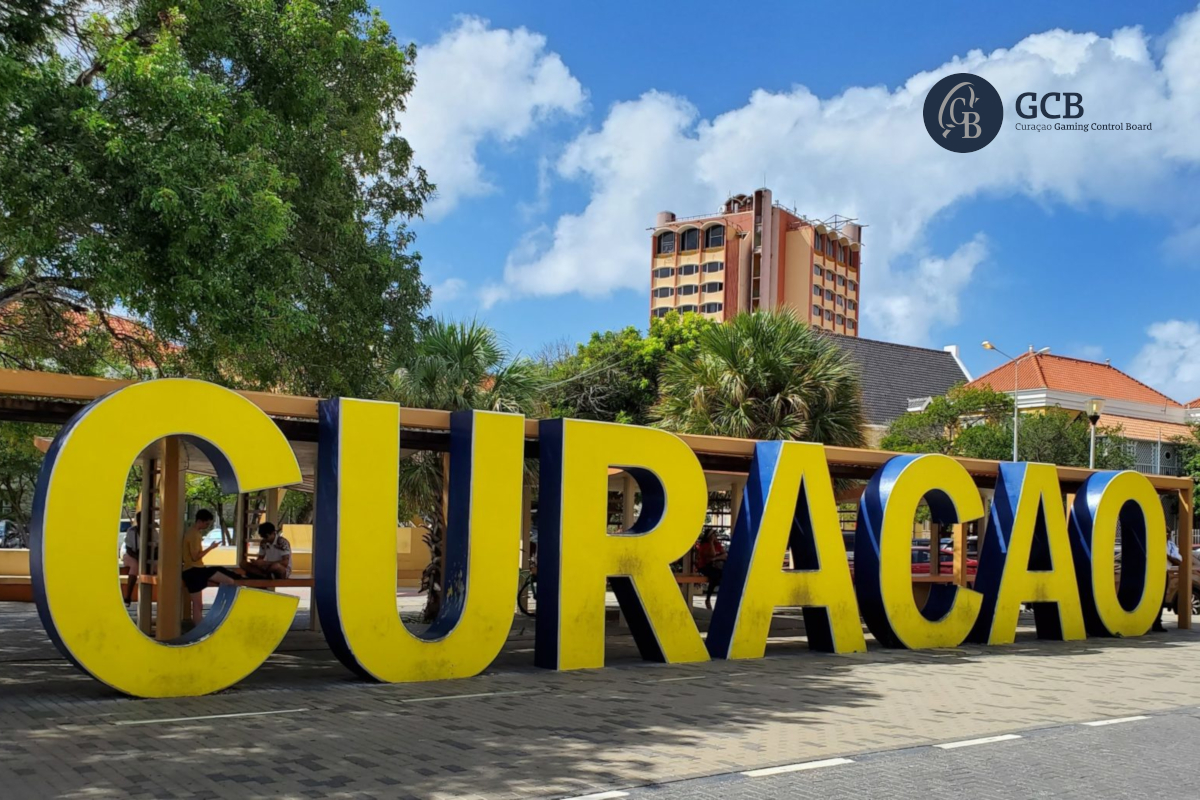
The sprawling tendrils of the player refund drama look to finally have ensnared Curacao, much in the way they have imperilled Malta for the past few years, after a local court ruled that a refund owed to a player in Austria must be paid by an operator based on the Caribbean island.
Experts believe the ruling marks a turning point for Curacao in the long-running player refund saga — the attempts by players to reclaim all of their losses from offshore operators in European grey markets.
Last week, the highest legal authority of the Dutch Caribbean islands — The Joint Court of Justice of Aruba, Curaçao, Sint Maarten, and of Bonaire, St. Eustatius and Saba — found in favour of an Austrian gambler.
The individual had originally won their case back in 2023, when an Austrian court ruled that she was entitled to all of the €25,518.42 lost to Raging Rhino N.V., which operates the brand LuckyDays.
This ruling is just one of thousands that have been issued in Austria and Germany over the past five years, with hundreds of millions of euros in refunds either already paid out via judgements and settlements or, more likely, blocked by gambling-friendly jurisdictions.
For the most part, this wave of pro-player judgements has created issues for Malta, where a larger number of current and former grey market gambling providers are headquartered.
That ultimately led to the infamous Bill 55, a piece of legislation which empowers judges in Malta to block rulings from foreign courts against local gambling companies, on the grounds that permitting the refunds to go ahead would violate the country’s public order.
Bill 55 remains highly controversial and is coming under sustained pressure from a series of cases currently being heard before the Court of Justice of the European Union (CJEU).
Order maintained
Curacao has also traditionally offered a friendly environment for online gambling operators, albeit with a considerably more tarnished reputation than Malta.
So it has come as a surprise to many observers that judges in the Raging Rhino case have ultimately sided with lawyers attempting to transfer a refund judgement from Austria.
According to reports in the Curacao Chronicle, Raging Rhino attempted to match the Maltese defense, arguing that allowing the refund to go through would violate Curacao’s public order
Judges also refused to allow the gambling company to re-litigate the case in any way, asserting that their task was simply establishing whether the foreign judgment could be safely recognised in Curacao.
Raging Rhino were also ordered to pay €2,286.72 in legal costs, the Chronicle said.
A tipping point
Although the volume of cash involved in this case is relatively minor, it represents the tip of a potentially vast iceberg that could cost operators in Curacao huge sums.
Lawyers and litigating funding companies have spent years finding potential clients and buying up claims from anyone who gambled in Austria and Germany with an operator without a local licence.
That includes plenty of gambling companies in Curacao, which has long hosted a bustling offshore gambling community.
Until recently, that sector was almost completely hidden by opaque layers of regulation, however recent reforms on the island have forced operators to apply for new licence and, in so doing, join a public register that displays their status.
According to that register, Raging Rhino’s Curacao licence expired on March 26, but it has an application which is currently being assessed.
Although this new era of transparency remains the target of criticism, last week’s ruling demonstrates that forcing companies out into the open is also opening them up to greater legal risk.
The Raging Rhino judgement is blood in the water for the many legal teams and litigating funding firms that have hundreds, if not thousands, of player refund cases on their books.
With major support from Malta, lawyers representing gambling companies have been fairly successful in protecting their clients, following an initial wave of settlements.
Although the tide may be gradually turning against the industry, thanks to the CJEU, pro-industry lawyers still believe that player lawyers who have spent considerable sums acquiring claims are desperate to find ways to generate income while they remain stymied by Bill 55.
A weak point in the armour of Curacao operators, who have for so long resisted any international enforcement, is likely to spur a flurry of new claims and attempts to have judgments transferred from Germany and Austria.
At least one expert in online gambling law believes that this judgment will effectively end all operations in Germany and Austria for Curacao-based companies.
This would mirror the experience of Malta, which saw its local operators pushed out of Austria by the threat of refund judgments.
Maltese firms that chose not to apply for an online slots or betting licence have also exited Germany.
With judges having established a precedent that European refund judgments can be transferred to Malta, a wave of similar cases is sure to follow, raising serious questions about the status of Curacao as a haven for the offshore online gambling industry.
The post Landmark Player Refund Ruling Threatens Curacao appeared first on Eastern European Gaming | Global iGaming & Tech Intelligence Hub.
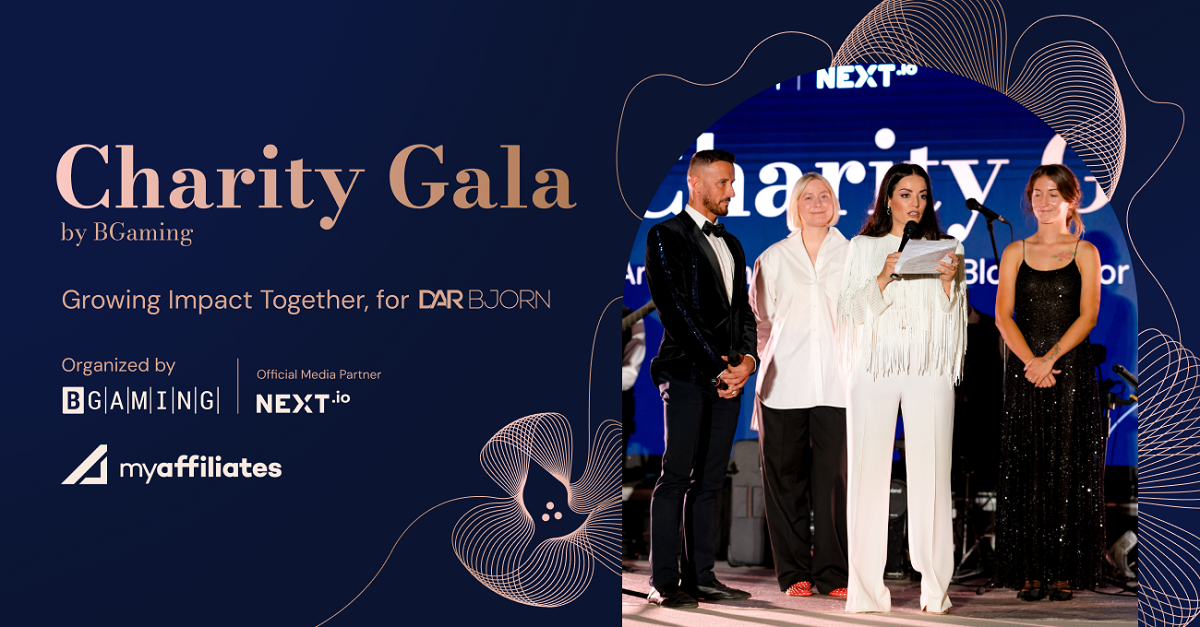
Industry leaders and the local community united in Malta for an evening of meaningful impact
Popular iGaming content provider BGaming is proud to announce the success of its second Charity Gala, held at The Phoenicia Malta on May 29 in support of DAR Bjorn. Bringing together more than 400 guests from across the iGaming industry, the local business community, and Maltese society, the event raised over €200,000 for the neurological home and the people it supports.
Ian Borg, Malta’s Deputy Prime Minister and Minister for Foreign Affairs and Tourism, was also in attendance, underscoring the importance of the Charity Gala’s mission to support DAR Bjorn and its contribution to the Maltese community.
DAR Bjorn is Malta’s neurological home, providing care and support for people living with ALS, MS, and other severe neurological conditions. Founded by former iGaming professional Bjorn Formosa following his ALS diagnosis at the age of 28, the organisation now cares for 60 residents while supporting more than 800 people throughout the country.
The funds raised by this year’s event will go directly towards equipping DAR Bjorn’s new Respite Centre with essential medical care and equipment. As part of its ongoing commitment to DAR Bjorn, BGaming is dedicating all money raised to the cause, with the studio covering the event’s operating costs.
One of the meaningful parts of this year’s initiative was a special merchandise collection co-created by Portuguese street artist Gonçalo MAR and residents of DAR Bjorn. Inspired by their stories and creative contributions, the collection gave them the opportunity to become active participants in the project. The merchandise was first unveiled at NEXT Summit Valletta and later made available online in exchange for donations. The initiative raised €5,000 for DAR Bjorn, extending the Gala’s impact beyond a single evening.
BGaming would like to extend its sincerest thanks to all partners whose generosity and support made this year’s Charity Gala possible, including NEXT.io, which was an official media partner for the event.
MyAffiliates were the event’s Golden Partner, while 1spin4win, Finteq Hub, Amusnet Gaming, and TaDa Gaming were Bronze Partners. Supporting Partners included Flutter International, Alea, SiGMA, Focus Gaming News, The Phoenicia Malta, Booming Games, Internet Vikings, Behind the Gloves, EGT Digital and SWAG42.
Marina Ostrovtsova, CEO at BGaming, said, “When we organized the first Charity Gala last year, we simply wanted to help DAR Bjorn and do something meaningful together as an industry. We never imagined it would grow into such a powerful annual initiative.
What inspires me most is not only the amount raised, but the people behind it. Seeing companies that normally compete come together for one shared purpose says a lot about our industry and the kind of community BGaming has built around it.
The impact of this evening goes far beyond fundraising. It helps improve the lives of people at DAR Bjorn, but it also reminds all of us that we have the ability to create meaningful change when we work together.”
Maria Formosa, the executive secretary of ALS Malta and the wife of ALS activist Bjorn Formosa, said, “Charity Gala by BGaming showed the extraordinary impact that can be achieved when the gaming industry unites behind a meaningful cause. The generosity shown throughout the evening will directly help us equip new rooms in our respite home and improve the lives of people living with neurological conditions. It was truly another memorable night in a magical venue filled up with beautiful souls who believed in our mission.
We are profoundly grateful to BGaming, to Madame Lubov for her hard and meticulous work she did once again for the success of the event, to the support received from Next.io and every supporter who helped turn compassion into action.”
The post BGaming Raises €200,000 for DAR Bjorn with its Second Annual Charity Gala appeared first on Eastern European Gaming | Global iGaming & Tech Intelligence Hub.
Best eSports Supplier
BETBY secures fifth award in six months with best eSports Supplier win at Sigma Europe

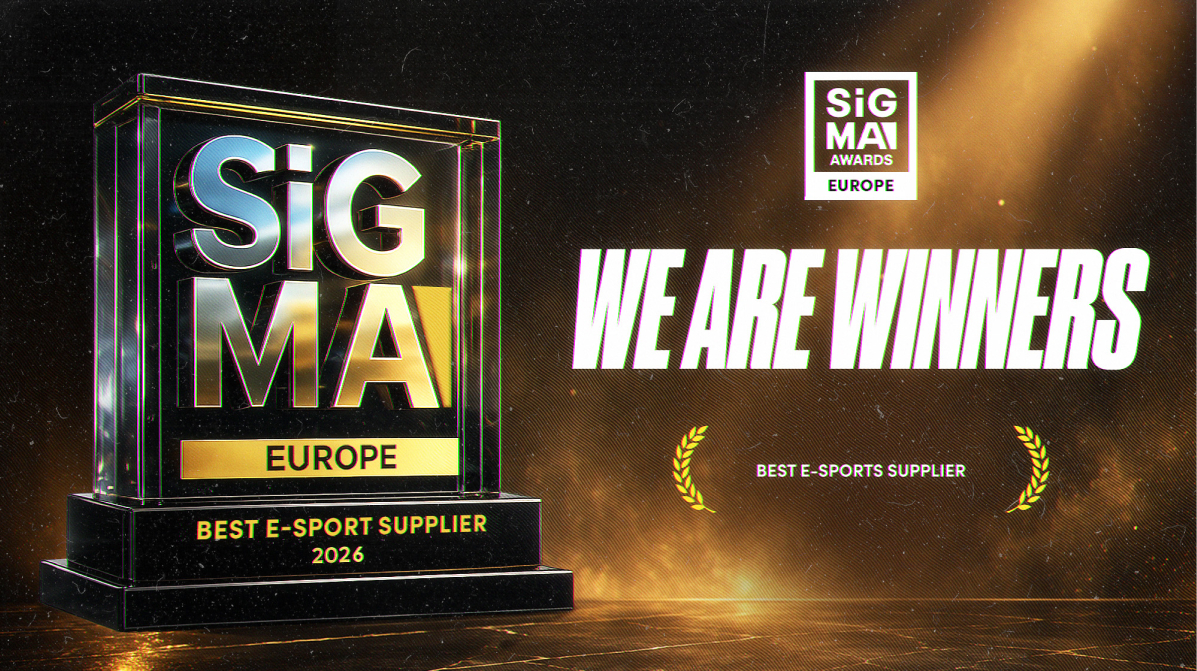
BETBY, the provider of B2B sportsbook solutions, has been named Best eSports Supplier at the SiGMA Europe Awards 2026, further reinforcing its position as one of the industry’s leading innovators in esports betting.
The awards ceremony took place at Casino Maltese in Valletta, Malta, bringing together key stakeholders from across the global iGaming industry to recognise companies driving excellence, innovation, and growth across the sector.
This latest accolade highlights BETBY’s continued investment in its proprietary esports feed, Betby Games, which has become a central pillar of the supplier’s sportsbook offering.
Built to deliver fast-paced, high-frequency betting content, Betby Games combines 35+ titles with scalable event coverage, engaging market depth, and strong customisation capabilities to help operators strengthen player engagement across both mature and emerging markets.
The award also reflects the continued evolution of BETBY’s esports strategy, which has expanded beyond standard content to include localised titles, including eKabaddi and eVaquejada, innovative formats, and technology-driven enhancements designed to support operator differentiation.
Through Betby Games, BETBY continues to provide partners with a flexible esports solution that can be adapted to regional preferences, audience behaviours, and market opportunities.
The win marks BETBY’s fifth industry award in less than six months, following recent recognitions at the SiGMA South America Awards for Best eSports Product, the EGR Europe B2B Awards for Best European Marketing Campaign of the Year, the Global Gaming Awards for Breakthrough Company of the Year, and the European iGaming Awards for Sportsbetting Platform of the Year.
Commenting on the achievement, Leonid Pertsovskiy, Chief Executive Officer at BETBY, said: “Winning Best eSports Supplier at the SiGMA Europe Awards is another proud moment for BETBY and a strong recognition of the work our team continues to deliver. eSports has long been one of our key areas of focus, and this award reinforces the strength of our vision, our technology, and our ability to create products that bring real value to operators.
“To receive five major awards in less than six months is a remarkable milestone, but more importantly, it reflects the consistency of our progress. We are continuing to invest in localisation and product depth, ensuring that BETBY remains at the forefront of sportsbook innovation.”
BETBY is a leading B2B provider of top-tier sports betting services, renowned for its groundbreaking technology and dedication to excellence. BETBY’s team of industry veterans tap into their knowledge and expertise to deliver a premium, adaptable, and scalable sportsbook platform tailored to meet the varied demands of operators across the globe.
From dynamic in-play betting options to robust risk management tools and ground-breaking AI tools, BETBY is committed to propelling the success of its partners in the rapidly evolving landscape of online sports betting.
The post BETBY secures fifth award in six months with best eSports Supplier win at Sigma Europe appeared first on Americas iGaming & Sports Betting News.

-

 Asia4 days ago
EGT Brings High-Impact Asian-Themed Portfolio to SiGMA Asia 2026
-
Africa4 days ago
Greentube partners with World Sports Betting to expand in South Africa
-
Africa4 days ago
Gaming Realms expands into three African markets via SportyBet partnership
-
Conference4 days ago
Danish regulator to speak at Gaming in the Nordics launch event
-
BETER4 days ago
BETER expands US footprint with Illinois approval
-
Argentina4 days ago
Stake continues Latin American expansion with Argentina launch
-
affiliate marketing4 days ago
CasinoCanada partners with LolaJack Casino to expand Canadian visibility
-
Ben Wood CCO at Playson4 days ago
Playson strengthens North American footprint with Caesars Entertainment partnership