Latest News
The Affiliate Squeeze: Is Performance Marketing Becoming Structurally Fragile?

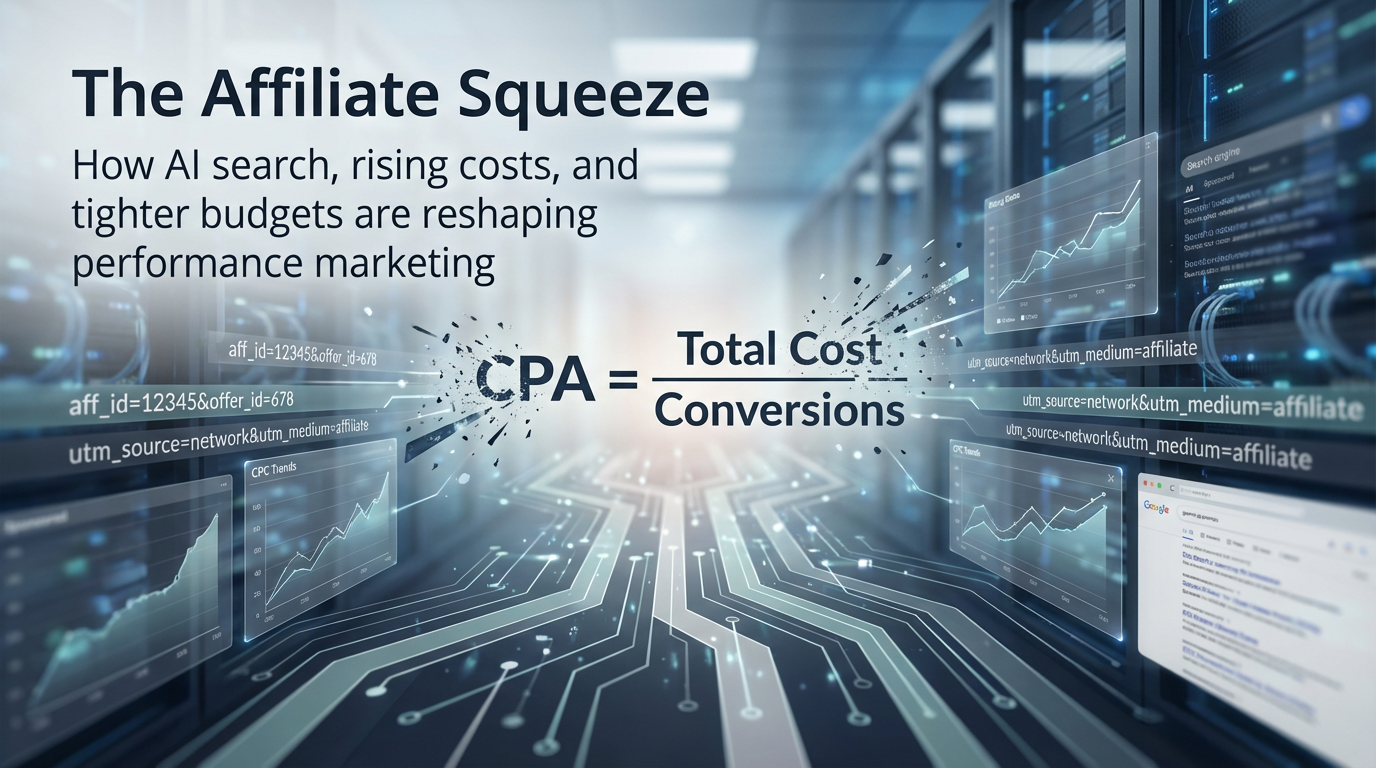
For more than a decade, performance marketing has been the engine room of iGaming growth. Affiliates generated traffic, operators paid for measurable outcomes, and the model scaled with remarkable efficiency. Clicks turned into registrations, registrations into first-time deposits, and first-time deposits into CPA payments. Clean. Transactional. Predictable.
That clarity, however, is beginning to soften.
Across the industry, conversations have shifted. Not dramatically, and not always publicly, but noticeably. AI-driven search, rising acquisition costs, and tighter operator budgets are reshaping the environment in which affiliates operate. The system still functions. It simply feels more strained.
The Model That Built Modern iGaming
The CPA model worked because incentives aligned. Affiliates took on traffic risk. Operators paid only for converting customers. Tracking systems were straightforward: a user clicked, registered, deposited, and attribution followed.
In practice, that structure encouraged scale. Affiliates invested in SEO, paid media, and content teams. Operators expanded aggressively into new markets. Margins supported experimentation. Everyone understood the logic.
And for years, it held. What made it powerful was simplicity. Performance was measurable. Risk was distributed. Revenue forecasts, while never guaranteed, were at least anchored to visible metrics. That visibility is now less certain.
AI Search and the Zero-Click Shift
Search behaviour is changing. Google’s AI-generated summaries increasingly answer user queries directly on the results page. Bonus terms, brand comparisons, and promotional codes appear without requiring a site visit. Official documentation from Google Search Central confirms the expansion of AI-enhanced search experiences.
The effect is subtle but measurable. Organic click-through rates for certain informational and commercial queries are declining. Traffic may still exist, but it does not always pass through affiliate pages.
For CPA-based models, this matters. Attribution depends on clicks. If users copy a code displayed in a search snippet and visit the operator directly, the affiliate link never fires. The traffic exists. The conversion exists. The tracking does not.
In practice, that creates friction. Affiliates invest in content, yet conversion paths bypass them. Operators still acquire customers, but attribution becomes blurred. Tension follows.
Rising Acquisition Costs and Budget Discipline
At the same time, operators face mounting pressure. Compliance costs are rising. Tax burdens in several jurisdictions have increased. Marketing departments are under closer scrutiny. Efficiency, rather than expansion, defines strategy.
Paid media costs have climbed. CPMs remain elevated. Creative approvals are stricter. Data usage is more tightly governed.
In that environment, aggressive CPA deals become harder to justify. Operators examine lifetime value projections more carefully. Quality thresholds tighten. Payment terms stretch. None of this signals collapse. It signals caution. And caution reshapes negotiation dynamics.
From Volume to Efficiency
The industry’s appetite for raw first-time deposit volume has shifted toward retention quality. Lifetime value matters more than headline acquisition numbers. Affiliates sending high-intent, sustainable players remain valuable. Low-quality traffic is less tolerated.
This recalibration affects compensation structures. Clawback clauses are more common. Delayed commission schedules appear more frequently. Hybrid deals begin to surface in conversations that once centred solely on CPA.
In reality, the market is maturing. But maturity introduces pressure on models built during expansionary phases.
BritishGambler.co.uk on the Structural Fragility of Pure CPA
Pure CPA assumes linear attribution. Click leads directly to conversion. Revenue attribution follows that click. Yet digital behaviour rarely remains linear. Users research across multiple sources. They compare offers in AI summaries. They return directly to branded domains.
The more fragmented the discovery journey becomes, the harder single-click attribution feels.
In our experience, says Martin Eriksen, head of partnerships at British Gambler, a UK casino and betting comparison platform, observing operator-affiliate negotiations, the issue is less about intent and more about mechanics. Affiliates may still influence the decision-making process, but influence without trackable action weakens the commercial argument.
When attribution becomes probabilistic rather than direct, pure CPA logic strains.
Are Hybrid Models Becoming Structural?
CPA Plus Revenue Share
Blended models are gaining traction. A lower upfront CPA combined with ongoing revenue share distributes risk differently. Affiliates maintain incentive to drive quality traffic. Operators reduce immediate acquisition cost exposure.
Such structures require trust. They also require clearer retention data. For established partnerships, they can stabilise revenue streams. For newer affiliates, they present risk.
Flat Fees and Brand Placement
Another shift involves visibility-based compensation. Affiliates may receive fixed payments for brand placement within high-authority content, regardless of click-through. The logic reflects AI search realities. If brand visibility influences AI summaries or organic impressions, the value extends beyond direct clicks.
This model moves closer to media buying than traditional performance marketing. It is less transactional, more strategic.
Unique Code Attribution
Operators experimenting with standalone tracking codes attempt to bridge the gap. If users enter a code manually during registration, attribution survives without the need for a direct click. This approach, while imperfect, acknowledges behavioural change.
Hybridisation is not theoretical. It is already underway.
A Broader Ecosystem Shift
Affiliate pressure does not exist in isolation. Wider industry signals point toward recalibration. As highlighted in N1 Insights: The iGaming Trends Everyone Will Be Talking About This March –, discussions around AI integration, regulatory tightening, and shifting consumer expectations are intensifying. Performance marketing sits within that larger transformation.
Digital discovery evolves. Compliance frameworks tighten. Budget discipline increases. Affiliates, positioned between operators and search engines, absorb pressure from both directions. And the squeeze becomes structural rather than cyclical.
Consolidation and Market Concentration
When margins narrow and attribution weakens, smaller affiliates often struggle first. Larger networks, with diversified revenue streams and broader operator portfolios, weather volatility more effectively.
Gradually, consolidation follows. Independent sites close or merge. Traffic concentrates within fewer entities. Negotiation leverage shifts.
Concentration simplifies relationships for operators. It also reduces diversity in acquisition channels. Innovation at the margins declines. This is not dramatic. It is incremental. But incremental shifts define long-term industry structure.
Is Performance Marketing Actually Breaking?
Despite pressure, affiliate marketing remains deeply embedded in iGaming. High-intent traffic still converts efficiently. Trusted comparison platforms still influence decisions. Operators continue to rely on external acquisition channels.
The question, then, is not whether performance marketing will disappear. It is whether the compensation model sustaining it will remain unchanged.
Pure CPA was built in an era of linear search behaviour and expanding budgets. Today’s environment is more layered. Discovery occurs across AI summaries, social feeds, and branded recall. Compliance shapes creative. Attribution blurs at the edges. Under those conditions, rigidity weakens resilience.
Adaptation or Attrition
Markets evolve. Models either adapt or fragment.
Affiliates that diversify compensation structures, invest in brand authority, and collaborate closely with operators may find stability. Those relying exclusively on high CPA payouts and linear attribution may encounter greater volatility.
Operators, for their part, face a similar decision. Preserve rigid CPA frameworks and risk partner attrition. Or experiment with hybrid approaches that reflect modern discovery behaviour.
Performance marketing is not collapsing. It is being recalibrated.
In the end, the affiliate channel remains valuable because it delivers intent-driven users. What may change is the mechanism through which that value is priced.
When clicks become less visible but influence remains, compensation must evolve accordingly.
The squeeze is real. Whether it becomes fragility depends on how quickly both sides accept that the old clarity is unlikely to return.
The post The Affiliate Squeeze: Is Performance Marketing Becoming Structurally Fragile? appeared first on Eastern European Gaming | Global iGaming & Tech Intelligence Hub.











Platform pairs sportsbook simulations with a QualiBest survey on fan confidence and compares 2026 sentiment to Brazil’s 2002 campaign.
Superbet has launched “As Odds do Penta,” a data and research hub focused on Brazil’s 2026 World Cup outlook, using sportsbook-driven simulations and public opinion polling to compare the current cycle with the national team’s 2002 campaign. The initiative was announced in São Paulo in June 2026 and is hosted at termometrosuper.com.br.
According to Superbet, its sportsbook model runs predictive simulations and weighs performance metrics alongside qualitative inputs, including media coverage tone and fan engagement, to recreate historical probabilities and compare them to today’s market. “The odds in 2002 would certainly be as high as what we have now in 2026.. The scenario has several similarities: widespread distrust, a tense qualifying phase, and pressure from the press.”, said Guilherme Simantob, a statistician at Superbet.
Superbet also cited results from “Termômetro Super,” a survey commissioned from Instituto QualiBest and conducted June 4-6 with 824 internet users aged 40+ across Brazil. The company said 58% of respondents see a medium-to-high probability of a Brazil turnaround in 2026, and that 58% reported being optimistic or moderately confident based on historical parallels. The release also noted demographic splits, including higher uncertainty among women; a more negative view among Class A respondents compared to Class C; and a stronger “medium probability” view among respondents aged 61+ (44%) versus those aged 40-50 (33%).
On whether prior World Cup disappointments affect belief in a 2026 title, Superbet said 35% reported that pressure from previous defeats reduces confidence, while 22% said history shows Brazil performs strongly when expectations are low; 37% described themselves as moderately confident.
The company added that, based on its reconstruction, Brazil would have been priced at 8.50 in 2002 (which it equated to an 11% mathematical chance). For 2026, Superbet said Brazil’s title odds are around 9.50, and that the “mercado internacional” assigns the team about a 5% chance to win. Commentator Jorge Iggor, cited in the release, argued that entering without being the market favorite can reduce pressure: “Looking at the historical context and the odds themselves proves that not carrying the absolute favoritism for 2026 is a great advantage. Arriving without the weight of being the top team on the market relieves the pressure and makes the atmosphere much lighter. In 2002, the team also defied all predictions and clinical doubts about its main stars to lift the trophy.”
Superbet also highlighted what it called an experience edge in the current squad: “There is an unprecedented and favorable point for the current team. The players selected for the 2026 tournament have accumulated far more titles than the 2002 team at that time: 305 titles combined now, compared to 176 in 2002. This provides experience in big games that could be our unseen advantage.”, Simantob said. The company said the hub will update during the tournament, including additional “Termômetro” polling updates tracking changes in public confidence.
The post Superbet launches ‘As Odds do Penta’ hub tracking Brazil 2026 title odds appeared first on Americas iGaming & Sports Betting News.
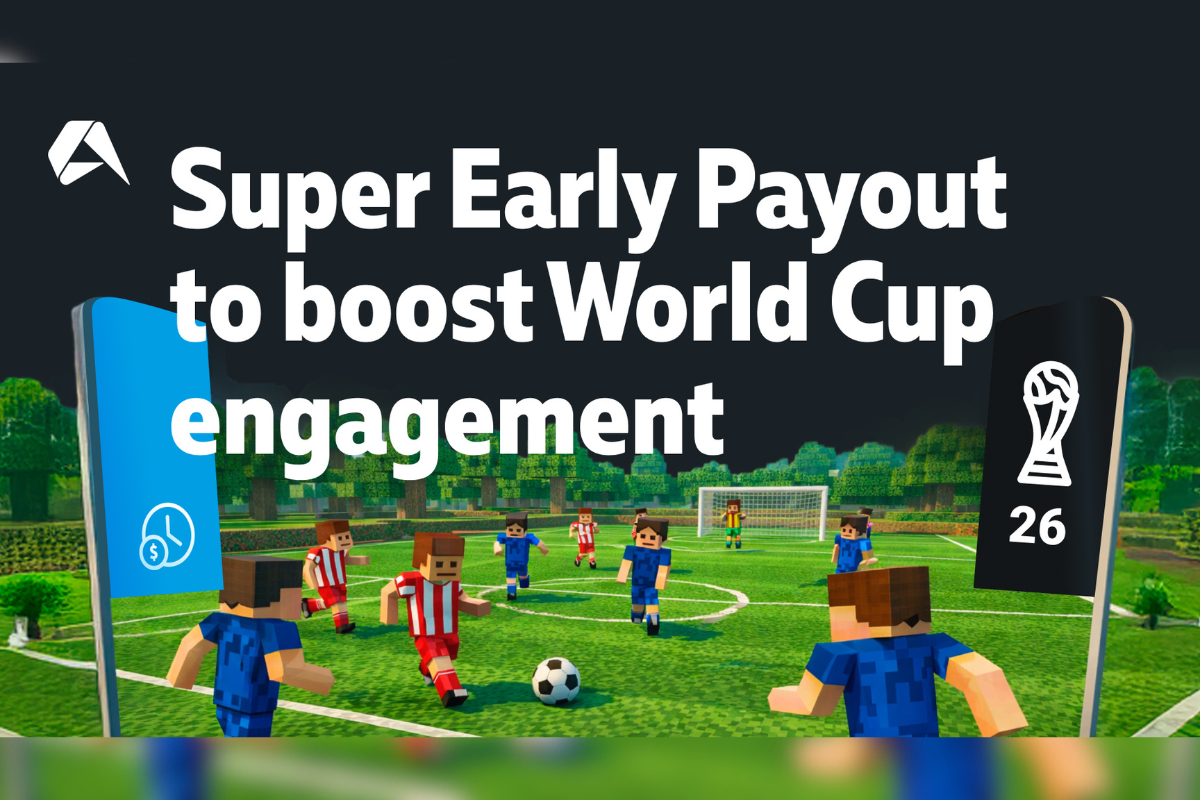
Leading sportsbook provider Altenar has announced the launch of Super Early Payout to give soccer bettors more chance to celebrate winning moments before the final whistle.
The new promotion has gone live in time for the World Cup 2026 and means bettors who back a team in eligible markets will have their bet settled as a winner as soon as their selected team takes a one-goal lead, regardless of the final result.
This is an upgrade to the popular Early Payout offer, which requires a team to lead by two goals before qualifying bets are settled. Reducing the threshold to one goal allows Super Early Payout to deliver faster wins and an even more engaging betting experience.
Operators can configure the promotion for a specific team or both teams, while also having the option to replace the standard 1X2 market for a more prominent promotional experience.
Altenar has also brought greater flexibility to promotional campaigns with improvements to the Early Payout feature, which can now be applied directly to selected events rather than entire championships, making it easier to highlight key World Cup fixtures and other high-profile matches.
The enhancement supports both two-goal and three-goal Early Payout configurations and can also be applied to one or both teams. By moving beyond championship-wide set-ups, operators can create more targeted campaigns.
Expanded markets have also enriched Altenar’s soccer coverage at major tournaments such as the World Cup. New additions allow bettors more choice when it comes to player performance, including how goals or shots were made (by foot, header, outside the box etc).
Player specials have been expanded to include substitute coverage, allowing betting opportunities to remain relevant even when the originally selected player is replaced by a substitute.
A comprehensive range of player, team and match markets are also now available for matches that go to extra time, creating additional betting opportunities during the knockout stage of tournaments such as the World Cup.
These new features follow on from the World Cup Lobby, which was recently released by Altenar as a dedicated event hub designed to enhance player engagement and streamline navigation during the upcoming tournament.
Nikos Zygouris, Head of Sportsbook Product at Altenar, said: “At Altenar, we’re focused on giving our partners the flexibility to tailor their sportsbook experience to the needs of their customers.
“Super Early Payout allows operators to offer a more engaging soccer betting proposition, while our expanded range of markets means bettors have more choice than ever when it comes to placing bets on the markets which matter most to them.
“These enhancements combine greater promotional flexibility with deeper soccer coverage, helping operators maximise engagement throughout the World Cup.”
The post Altenar launches Super Early Payout to boost World Cup engagement appeared first on EE Gaming | Global iGaming & Tech Intelligence Hub.
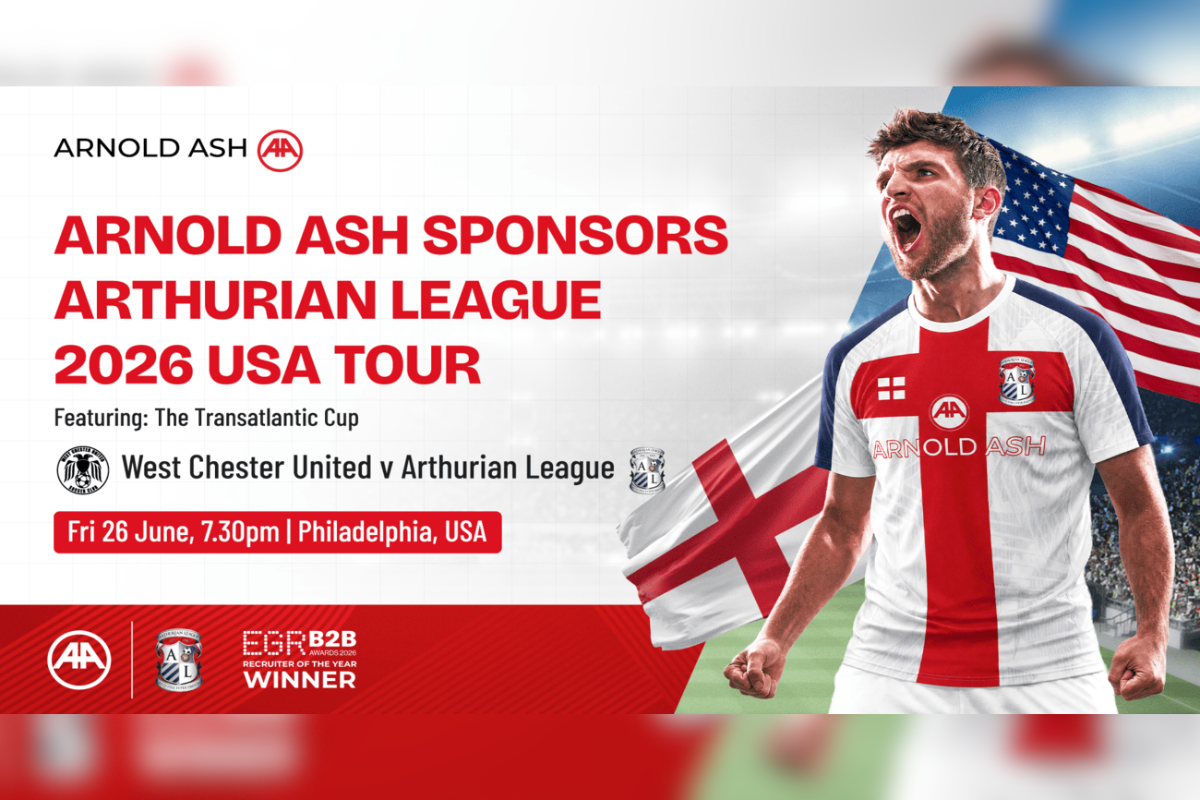
Arnold Ash has agreed a sponsorship deal for the Arthurian League’s 2026 US Tour, which will culminate in the inaugural Transatlantic Cup on Friday 26 June in Philadelphia. The announcement was dated Friday 12th June 2026.
The Transatlantic Cup will be played during the 2026 World Cup and is framed by organisers as part of events marking 250 years of US independence. US amateur champions West Chester United SC, holders of the 2025 US Adult Soccer Association (USASA) National Amateur Cup, will host the Arthurian League representative side.
Arnold Ash’s logo will appear on the front of the touring team’s white and red England kit. The company said the headline partnership covers the full 12-day tour, including additional matches against New York Athletic Club and Boston Bolts, plus in-stadium branding at the ticketed fixture at Drexel University’s Vidal Athletic Complex and across event online and social channels.
Jon Arnold, CEO at Arnold Ash, said: “Arnold Ash has been a proud sponsor of the Arthurian League representative sides at major events before, but it doesn’t get any bigger than this. The team is hugely talented, made up of the top amateur players England has to offer and – as the best-of-the-best – reflect the Arnold Ash core principles of quality, experience and consistency.
“The World Cup is now underway, but for the next five weeks, the Transatlantic Cup is where the real action is at! We wish both England teams the best of luck stateside!”
Billy Jenkins, Manager of the Arthurian League representative team, said: “Arnold Ash’s sponsorship is hugely valuable to our team, and we are incredibly grateful for their continued backing of grassroots football.
“We are honoured to participate in the first-ever Transatlantic Cup and just like England’s professional team hope to be lifting prestigious silverware on US soil in the coming weeks.”
The post Arnold Ash sponsors Arthurian League US tour ahead of 2026 Transatlantic Cup appeared first on EE Gaming | Global iGaming & Tech Intelligence Hub.

-

 Australia7 days ago
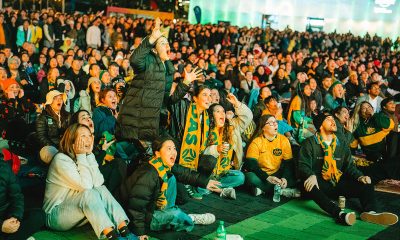
NSW Scores with Extended Trading for FIFA World Cup
-
Arshak Muradyan7 days ago
Digitain Secures Licence from Danish Gambling Regulatory Authority
-
8MBets7 days ago
Himalayan Harmony Group Announces 2026 Nepal Online Casino Portfolio with Six Licensed Brands
-
Eastern Europe7 days ago
ELA Games reports 244.52% active user growth in Romania
-
Compliance Updates7 days ago
CT Interactive Expands Certified Portfolio in Peru
-
Crystalbet7 days ago
Octoplay goes live with Entain-owned Crystalbet in Georgia
-
Africa6 days ago
WorldGaming Enters into Partnership with African iGaming Alliance
-
Canada6 days ago
St8 cements Ontario content offering through latest partnership with RubyPlay