eSports
Full team line-ups and event details announced for 2021 F1® Esports Series Pro Championship presented by Aramco

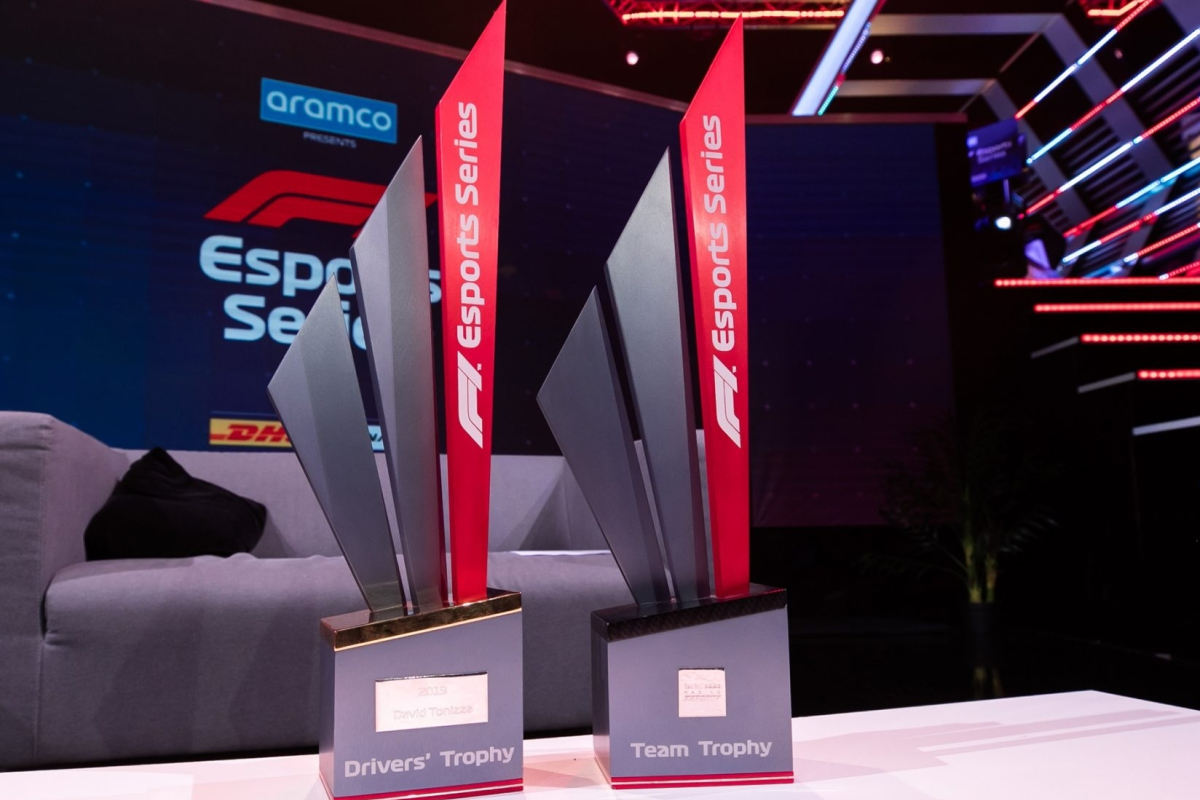
Ahead of the highly anticipated 2021 F1® Esports Series Pro Championship presented by Aramco, which begins next month, the full driver line-ups and event details were announced in Wednesday’s Preview Show, as teams’ get set to battle it out once again for a piece of the huge $750,000 prize pot – one of the biggest in Esports.
F1® Esports Series’ flagship competition continues to exceed expectation and shatter records along the way with last year’s Pro Series, as it was then called, achieving 10.6m views across TV & digital, as well as a record 291m social impressions and 23.8m video views throughout the campaign. The ever-rising popularity of the competition was even more evident as nearly half a million people attempted to qualify for this year’s championship, an increase of 108% from 2020.
As per the 2020 competition, due to COVID-19 travel restrictions, drivers will continue to race from team factories or bespoke Esports facilities, or their own homes, whilst broadcasts will be filmed from the Gfinity Arena in London. Drivers will compete on the official F1® 2021 video game, developed by Codemasters and EA.
Aramco return as the presenting partner of the Pro Championship for a second year, and long-term partners DHL and Fanatec also continue to be a key part of the F1® Esports Series. Fanatec will supply hardware to all drivers for this year’s campaign, as it had done since 2018, while three new drivers will compete in the 2021 season after qualifying through the DHL Time-Trial qualification route, including prominent sim-racer Sebastian Job, who joins Alpha Tauri.
HUGE MOVES ACROSS THE GRID
Since last year’s Championship wrapped up in December, there have been a number of high-profile moves around the grid as two world champions switched allegiances in the off-season. Reigning champion Jarno Opmeer, who secured his first title with Alfa Romeo, has joined Mercedes, filling the spot left by Brendon Leigh. Two-time world champion Leigh, who has been recruited by the FDA, joins the only other drivers champion, David Tonizza.
Reigning teams’ champions Red Bull have retained duo Marcel Kiefer and Frederik Rasmussen, who will both be in contention for a shot at this year’s individual honour, whilst Opmeer’s teammate Dani Bereznay, who helped Alfa Romeo to a second-place finish in the teams’ championship has joined McLaren as they prepare for the new season with a completely new three-driver roster, with last year’s ‘Rookie of the Year’ Dani Moreno also heading to Mercedes.
There will be ten new drivers on this year’s driver line-up, with a third of the grid having been scouted through this year’s Pro Exhibition after qualifying via one of F1® Esports Series’ qualification routes.
|
Team |
Number |
Driver |
Nationality |
D.O.B |
|
Alfa Romeo Racing ORLEN F1 Esports |
30 |
Simon Weigang |
German |
28/10/1997 |
|
38 |
Filip Prešnajder |
Slovakian |
27/11/2002 |
|
|
73 |
Thijmen Schütte |
Dutch |
25/08/2004 |
|
|
Scuderia AlphaTauri Esports Team |
51 |
Joni Törmälä |
Finnish |
15/08/1996 |
|
13 |
Sebastian Job |
British |
22/03/2000 |
|
|
28 |
Dario Iemmulo |
Italian |
28/01/2003 |
|
|
Alpine Esports Team |
40 |
Nicolas Longuet |
French |
06/08/2002 |
|
8 |
Fabrizio Donoso |
Chilean |
19/06/1999 |
|
|
80 |
Patrik Sipos |
Hungarian |
30/04/2003 |
|
|
Aston Martin Cognizant Esports Team |
88 |
Lucas Blakely |
British |
15/07/2001 |
|
92 |
Daniele Haddad |
Italian |
12/08/1992 |
|
|
79 |
Shanaka Clay |
British |
04/02/1999 |
|
|
FDA Esports Team |
95 |
David Tonizza |
Italian |
14/01/2002 |
|
72 |
Brendon Leigh |
British |
07/08/1999 |
|
|
29 |
Domenico Lovece |
Italian |
29/06/2001 |
|
|
Uralkali Haas F1 Team Esports |
2 |
Cedric Thomé |
German |
26/02/1998 |
|
15 |
Samuel Libeert |
French |
12/11/1992 |
|
|
48 |
Matthjs van Erven |
Dutch |
03/03/2003 |
|
|
McLaren Shadow |
12 |
Daniel Bereznay |
Hungarian |
28/05/2000 |
|
20 |
Bardia Boroumand |
Iranian |
17/04/2003 |
|
|
52 |
Josh Idowu |
British |
10/02/2003 |
|
|
Mercedes-AMG Petronas Esports Team |
34 |
Jarno Opmeer |
Dutch |
11/04/2000 |
|
26 |
Dani Moreno |
Spanish |
09/01/2001 |
|
|
94 |
Bono Huis |
Dutch |
04/12/1994 |
|
|
Red Bull Racing Esports |
24 |
Marcel Kiefer |
German |
24/08/1998 |
|
19 |
Frederik Rasmussen |
Danish |
18/06/2000 |
|
|
59 |
Liam Parnell |
German |
05/09/2002 |
|
|
Williams Esports |
21 |
Álvaro Carretón |
Spanish |
21/07/2001 |
|
53 |
Michael Romanidis |
Greek |
07/09/2003 |
|
|
23 |
Alessio Di Capua |
Italian |
10/04/2002 |
TWO CIRCUIT DEBUTS, AND OLD FAVOURITES RETURN
This year’s campaign, the fifth season of the competition, will begin on Wednesday 13 October with the first two races of Event 1, as drivers’ replicate the 2021 FIA Formula One World Championship by starting off at the Bahrain International Circuit. Whilst the real-world F1® drivers couldn’t travel to China this year, the Shanghai International Circuit will be brought to life virtually, before the always popular Red Bull Ring rounds off the season-opening Event on the following day.
While most of the chosen venues remain the same as last year, including Zandvoort where F1® returned earlier this month, there are three new tracks for drivers to get to grips with this season. The ‘rollercoaster’ in Portimão makes its debut in the Pro Championships, as does Imola, whilst the Circuit of the Americas returns to the calendar. As has been the case for the past two campaigns, the season finale will see competitors battle it out at Interlagos.
|
Event # |
Date |
Round # |
Circuit |
|
Event 1 |
13-14 October |
Round 1 |
Sakhir, Bahrain |
|
Round 2 |
Shanghai, China |
||
|
Round 3 |
Spielberg, Austria |
||
|
Event 2 |
27-28 October |
Round 4 |
Silverstone, Great Britain |
|
Round 5 |
Monza, Italy |
||
|
Round 6 |
Spa, Belgium |
||
|
Event 3 |
24-25 November |
Round 7 |
Portimão, Portugal |
|
Round 8 |
Zandvoort, Netherlands |
||
|
Round 9 |
Austin, USA |
||
|
Event 4 |
15-16 December |
Round 10 |
Imola, Italy |
|
Round 11 |
Mexico City, Mexico |
||
|
Round 12 |
Interlagos, Brazil |
EIGHT LIVE SHOWS ACROSS THE SEASON
F1® Esports fans will be happy to hear that following the increased coverage of last year’s Pro Series, the format will remain the same for 2021, where there will be live racing on Wednesday and Thursday of each Event week, as well as livestreamed qualifying sessions on both days. The Pro Championship will be broadcast on the official F1® social channels (Facebook, YouTube, Twitch and Huya), as well as select TV broadcast partners.
Ben Pincus, Director of Commercial Partnerships at Formula 1®, said:
“There’s huge excitement building ahead of the new season of the F1 Esports Series Pro Championship, and we can’t wait to get started, and with so many big moves around the grid, this year’s title really is anyone’s for the taking! As always, we want to thank our partners Aramco, DHL and Fanatec for their continued support which enables us to bring elite sim-racing to fans around the world.”
Paul Jeal, F1 Senior Franchise Director at Codemasters, said:
“The 2021 F1 Esports Series Pro Championship promises to be the most exciting and unpredictable season to date. There have been some exciting driver moves with former double F1 Esports Champion Brendon Leigh joining another ex-champion David Tonizza at Ferrari, and our current F1 Esports Champion Jarno Opmeer moving to Mercedes. We also welcome new exciting talent from the Challengers, and it will be fascinating to see how Alessio Di Capua and Josh Idowu compete on the biggest stage. On behalf of the F1 team at Codemasters and all our players worldwide, good luck to the 2021 drivers. Let the racing begin.”
John Clarke, CEO at Gfinity, said:
“Anticipation is building for the new season of the F1 Esports Series Pro Championship presented by Aramco. It has become a must watch competition for both existing, and an ever-growing army of new, virtual racing fans. The bar is raised each year with new talent emerging and spectacular racing. The Gfinity production team will also be raising the bar with more storytelling and high-octane coverage of the races. It’s time to sit back and enjoy the show!”
Powered by WPeMatico

eSports
Esports Nations Cup 2026 Awards Official Partner Status Across 100+ Nations to Build the Future of Nation-Based Esports

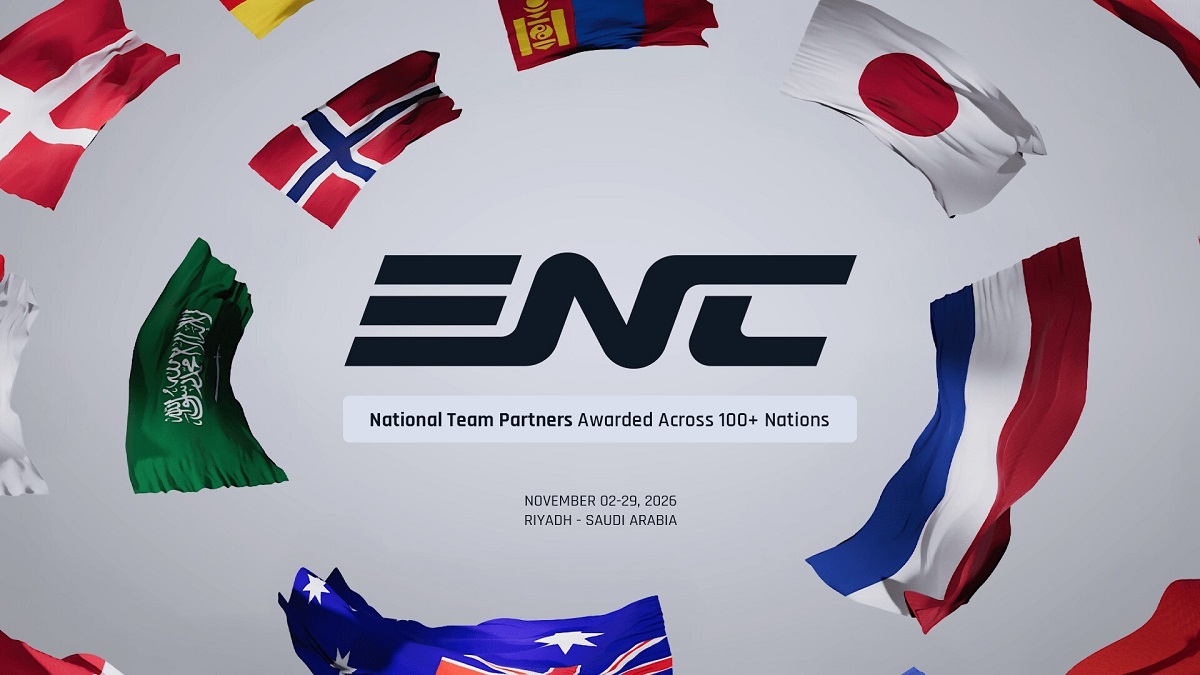
The Esports Foundation (EF) awarded National Team Partner status to organisations and individuals across more than 100 countries and territories for the Esports Nations Cup 2026 (ENC), the global nation-based esports competition set to debut in Riyadh from November 2-29, 2026.
This marks the first time esports introduces a structured global system for national teams at scale, adding a new layer to the industry’s ecosystem alongside club-based competition. Designed to complement existing frameworks rather than replace them, the ENC will work with local stakeholders closest to the sport to strengthen connections and support long-term national development.
National Team Partners will lead team formation, mobilize local communities and establish the structures needed to enable participation and the growth of esports. To ensure worldwide participation, countries and territories without a partner will be supported through regional structures provided by the EF.
The EF received more than 630 applications from 150 countries and territories, reflecting the global interest in and opportunity for nation-based esports. The partners represent legacy esports organisations that have shaped their national scenes for decades alongside emerging forces driving the next wave of competitive gaming. The list of organisations and individuals who have been awarded this status is available on the ENC website and will be updated as additional appointments are confirmed.
‘The Esports Nations Cup introduces something esports has never had before: a global system for national teams at an unprecedented scale. The response we received from across the world shows that communities are ready for this next step. Together with our partners, we are building the structures that will allow players to represent their nations and compete on the biggest stage in esports. With more than 100 nations now part of the system, the Esports Nations Cup moves from concept to reality, establishing national esports as a lasting part of the global competitive landscape,” said Ralf Reichert, CEO of the Esports Foundation.
Recognising that esports has developed differently in many nations, the ENC adopts a partnership-led approach rather than relying on a single model, marking a first in global sport and esports alike. By working with recognised local stakeholders, whether institutions, Clubs or community-led organisations, this model is designed to unlock the full creative and competitive potential of each nation.
National Team Partners will operate through a range of structures, from established national bodies such as the Korea Esports Association and the Saudi Esports Federation, to club-led coalitions in Brazil and the US, and hybrid public-private alliances in countries like Germany, Canada and the UAE.
In markets such as Malaysia, Turkey and Thailand, partners include federations working closely with grassroots communities, while in emerging regions like Indonesia and Mongolia, partners are being supported through structured development to represent their nations on a global stage.
For the first time in the history of esports, national teams will be formed from these local structures, bringing players together to compete for their nation and unlocking a new dimension of fandom built on identity and pride. From South Korea’s legendary League of Legends dominance and India’s Chess affinity, to Brazil’s Counter-Strike tradition, Japan’s fighting games heritage and Southeast Asia’s mobile games’ powerhouses, the ENC creates a new global stage for competition.
The post Esports Nations Cup 2026 Awards Official Partner Status Across 100+ Nations to Build the Future of Nation-Based Esports appeared first on Eastern European Gaming | Global iGaming & Tech Intelligence Hub.
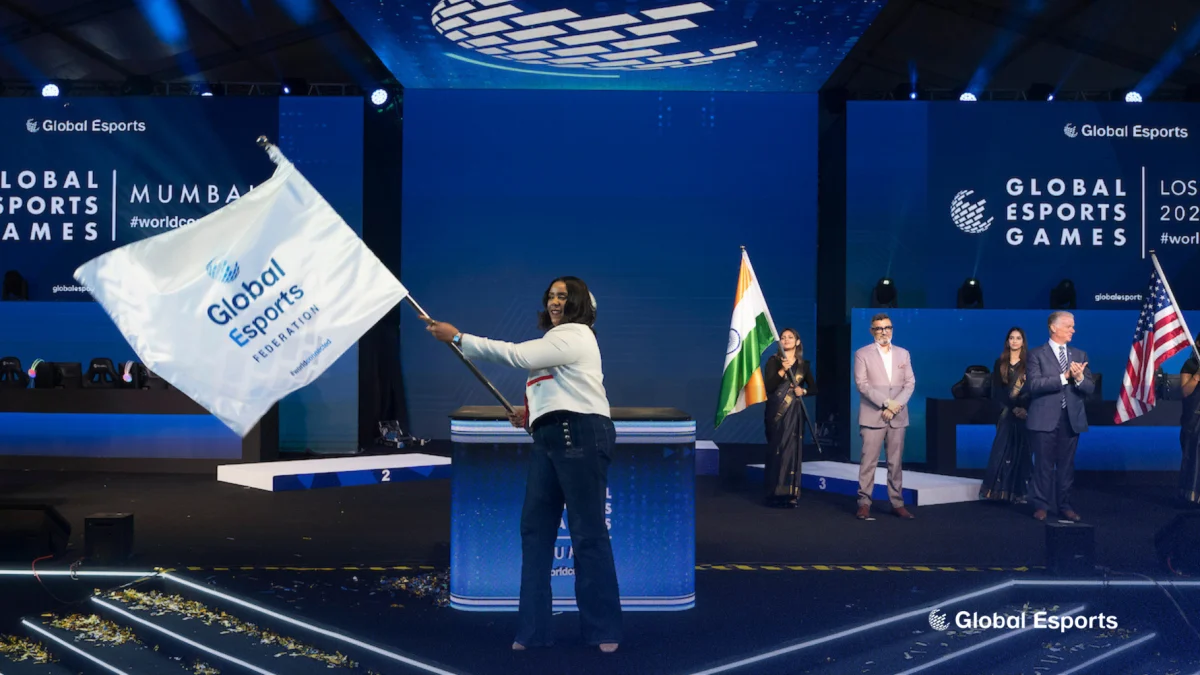
Team India and Türkiye won Gold at the Global Esports Games Mumbai, delivering electrifying performances in front of a packed arena and thousands more tuning in online worldwide. India’s Anuhith Gosala edged Kazakhstan 3–2 in a thrilling Clash Royale Grand Final, while Türkiye secured a commanding 3–1 victory over Mongolia in the Dota 2 Grand Final. With a Gold in Clash Royale and a Bronze in Dota 2, Team India was crowned Overall Champion.
India stormed into the Clash Royale Grand Final with a 2–1 win over the USA in a tense lower bracket decider, setting up a rematch with Kazakhstan. Having fallen 0–2 in the upper bracket, India turned the tables when it mattered most, as Anuhith Gosala delivered a clutch performance to seal a dramatic 3–2 victory and the Gold medal.
In Dota 2, Team India secured Bronze after falling to Mongolia in the lower bracket. Mongolia advanced to the Grand Final, where Türkiye asserted its dominance with a composed 3–1 victory to take the title.
Sharing his thoughts on the victory, Team India’s Clash Royale gold medallist, Anuhith Gosala, said: “This moment is surreal. To win the Grand Finals here in India, in front of a home crowd, makes it even more emotional. The preparation was relentless, the pressure was intense, and every match tested my limits—but that’s what makes this victory so special. Hearing the cheers, feeling that energy, and lifting this title for the country is an indescribable pride. This is for India, and for everyone who believes in us. I hope this win inspires many others to follow in our path.”
Sir Paul J. Foster, President & CEO, Global Esports Federation, said: “As the Global Esports Games Mumbai comes to a close, we celebrate not only the incredible performances of our athletes, but the spirit of unity and connection that defines our global community. Mumbai has delivered exceptional energy, passion, and hospitality, reinforcing our belief that esports transcends borders and brings the world together. We are deeply grateful to our partners in India for setting a new benchmark for excellence—and we now look ahead with excitement to Los Angeles, where this journey continues on an even greater stage.”
Shripad Ashtekar, Founder of Eflag Corp, said: “Over the past few days, we have witnessed not just world-class competition, but the coming together of talent, innovation, and community on a truly global stage. We hope to keep delivering such platforms and strong foundations for future growth by unlocking new opportunities for Indian players, creators, and the broader AVGC ecosystem. We are proud to have played a key role and look forward to building on this momentum in the years ahead.”
Organized by the Global Esports Federation in partnership with Eflag Corp, with the support of Maharashtra Tourism, the Global Esports Games Mumbai was inaugurated by the Hon’ble Chief Minister of Maharashtra, Shri Devendra Fadnavis. Over four days, Mumbai welcomed 48 elite athletes from 19 countries, emerging from a global field of 78 nations in the Regional Qualifiers.
The post Team India and Türkiye Win Gold at the Global Esports Games Mumbai appeared first on Eastern European Gaming | Global iGaming & Tech Intelligence Hub.
Asia
Skyesports and GodLike signs MoU with Maharashtra Cyber to promote esports and cyber hygiene in Maharashtra
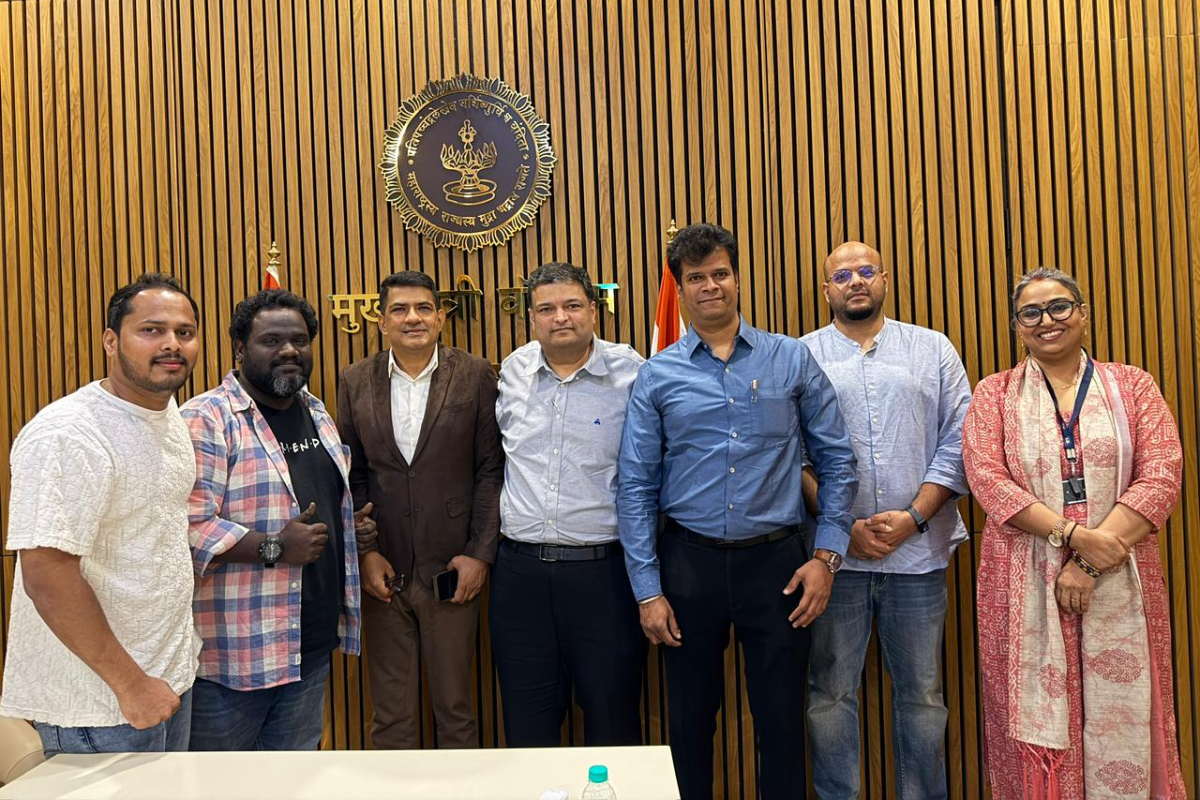
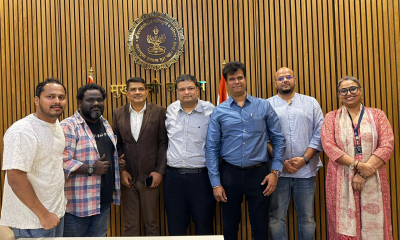
India’s esports ecosystem is taking another step forward as Skyesports and GodLike Esports sign a Memorandum of Understanding (MoU) with Maharashtra Cyber, the Government of Maharashtra’s nodal cybersecurity body. The partnership aims to grow the state’s esports ecosystem while promoting cyber hygiene and responsible digital behaviour among gamers.
The agreement was signed during a closed-door meeting in Mumbai and reflects a broader push by the state to develop its digital and creative industries. As India’s leading state economy, Maharashtra is positioning itself as a hub for esports and gaming, aligning with its wider “orange economy” strategy.
Under the MoU, the three parties will collaborate on esports tournaments, leagues, and community initiatives, while embedding cyber safety messaging into all activities. This includes raising awareness around cyberbullying, fraud prevention, data privacy, and responsible online conduct—key concerns as esports audiences continue to grow, particularly among younger users.
Skyesports will lead tournament organisation and community engagement, while GodLike Esports will support through mentorship programmes, professional player involvement, and grassroots initiatives. Maharashtra Cyber will focus on amplifying cyber awareness and promoting safe digital practices across the ecosystem. Eyrie Entertainment will support outreach efforts and help scale campaign visibility across the state.
Commenting on the initiative, Shiva Nandy, Founder and CEO of Skyesports, said:
“The growth of esports requires strong collaboration between the industry and government stakeholders. This MoU with Maharashtra Cyber represents an important step toward strengthening Maharashtra’s esports ecosystem through responsible gaming initiatives and grassroots engagement. As India prepares to compete at global events such as the Esports World Cup (EWC), Esports Nations Cup (ENC), and the Asian Games 2026, partnerships like this will play a key role in building a stronger pipeline of talent and opportunities for young gamers. With GodLike Esports also joining the initiative, we aim to combine competitive expertise and creator reach to drive deeper community engagement. The MOU is a first-step towards solidifying Maharashtra as an esports hub globally.”
Yashasvi Yadav, Additional Director General of Police at Maharashtra Cyber, added:
“As esports continues to grow rapidly among young audiences, it is equally important to promote safe and responsible digital practices within the gaming ecosystem. Through this collaboration with Skyesports and GodLike Esports, we aim to raise awareness around cyber hygiene, online safety, and responsible behaviour in gaming communities. Initiatives like these will help ensure that the growth of esports in Maharashtra is supported by strong awareness of cybersecurity, digital discipline, and safe online participation.”
Chetan “Kronten” Chandgude, Founder of GodLike Esports, said:
“At GodLike Esports, we have always believed that the true growth of esports in India lies in strengthening its roots at the grassroots level. Through this collaboration with Maharashtra Cyber and Skyesports, we aim to support the state’s vision of building a strong and sustainable esports ecosystem. Our focus will be on engaging young gamers through mentorship, community initiatives, and professional player interactions, while also promoting cyber hygiene and responsible gaming practices. This MoU also marks the first step toward our vision of putting the state on the global esports map, and we look forward to sharing some exciting announcements around this soon.”
The initiative also aligns with global recommendations from organisations such as the International Telecommunication Union, which highlight the importance of cybersecurity awareness as digital participation expands.
For more on esports growth and regulation, see Europa Gaming’s coverage on India Esports Market Growth and Esports Regulation Trends.
As esports continues to scale in India, partnerships like this underline a key industry shift: growth is no longer just about tournaments and audiences, but also about building a safer, more responsible digital environment for the next generation of players.
The post Skyesports and GodLike signs MoU with Maharashtra Cyber to promote esports and cyber hygiene in Maharashtra appeared first on Eastern European Gaming | Global iGaming & Tech Intelligence Hub.

-

 Asia5 days ago
Skyesports and GodLike signs MoU with Maharashtra Cyber to promote esports and cyber hygiene in Maharashtra
-
Africa5 days ago
TaDa Gaming Officially Enters the Regulated South African Market
-
Central Europe5 days ago
Casino Interlaken teams up with Wazdan to bolster Swiss market presence
-
AGLC5 days ago
Bede Gaming cleared for Alberta market entry
-
Central Europe5 days ago
Sportradar Extends its Data and Audiovisual Betting Rights Agreement with Deutscher Fussball-Bund
-
Andrzej Hyla5 days ago
Wazdan Releases its Latest Slot “Easter Coins”
-
Australasian Hospitality & Gaming Expo5 days ago
Light & Wonder to Showcase its Latest Gaming Innovations at AHGE 2026
-
Alberta4 days ago
Media Troopers Prepares for Alberta iGaming Launch with Canadian Gaming Law Firm