Africa
Outlook on Africa’s Gaming Industry 2020-2025 – Mobile Gaming Will Hold a Major Market Share


The “Africa Gaming Market – Growth, Trends, and Forecasts (2020-2025)” report has been added to ResearchAndMarkets.com’s offering.
The gaming industry is expected to register a CAGR of 12% during the forecast period (2020-2025). The most recent trend is the growing availability and popularity of multi-functional gaming console, which is emerging in the market and helping in growing the market of video games in the region.
Africa is the only region in the world where the youth population is increasing. By 2050 Africa’s young people, i.e., those aged between 0 and 24 years old, will increase by nearly 50 percent. Africa will have the most significant number of young people. Africa’s youth are critical to the continent’s future when it comes to mobile and gaming as a whole.
African studios are making new inroads by launching original locally produced content on Netflix. Several local content productions have been nominated for several global awards, including the Oscars. The Annecy Festival in 2020 will be focusing on animation from Africa. In addition to this, government initiatives in the region are adopting gaming solutions for educational purposes. Developments such as these will provide opportunities for the gaming industry in the area.
During the lockdown, the Entertainment streaming and gaming industries are thriving. The global suspension or cancellation of most sporting events has left punters without live games to bet on, aside from re-runs of filmed matches. The knock-on effect is that sports betting, which accounts for most of the industry’s revenue, has crashed to almost nil.
While the traditional gambling industry is facing unparalleled losses, online gambling sites have reported a surge in activity since the national lockdown came into effect on 27 March 2020. While online casinos worldwide have reported a sharp increase in gambling, as lockdown periods are extended, and financial stresses intensify, people may become increasingly hesitant to spend money on non-essential pastimes, such as gambling.
Key Market Trends
Mobile Gaming Segment Expected to Have Major Market Share
- Mobile gaming generates close to half of the revenue that the gaming industry gets annually. More than 200 million Africans are below 35 years, and this figure might double in a decade. Africa has a huge market for gaming and smartphone companies.
- Mobile gaming is gaining popularity in remote parts of Africa. For example, more than 290 million people in North Africa use mobile phones. The mobile market in the region generates $90 billion annually.
- One of the major drivers for the growth of mobile gaming is the potential to spawn a massive real-money gaming industry around the continent. Mobile tech spreads around the continent, large swaths of Africa are also paving the way for legal betting and gaming.
- However, acceleration in network rollouts by mobile operators in Sub-Saharan Africa has been a vital driver of the reduction in the coverage gap. Infrastructure deployment in Sub-Saharan Africa increased 3G coverage from 63% in 2017 to 70% in 2018, extending access to more than 80 million people. 3.3 billion people live in areas covered by mobile broadband networks but do not use mobile internet – this usage gap’ is more than four times greater than the coverage gap. Such factors might harm gaming companies operating in the region.
Issues Such as Piracy, Laws & Regulations, and Concerns Relating to Fraud During Gaming Transactions will Impact the Growth of the Market
- Most African countries have gaming commissions and laws that regulate gambling. South Africa has clear gaming laws and regulations. It was the first country to create gambling regulation in the continent. Also, online casinos are popular in the country.
- In South Africa, several legislative attempts to further restrict online gambling and payment transactions of unlicensed operators have been postponed in recent years. However, some legislators and regulators at the provincial level have called for a less restrictive regime.
- There is currently an ongoing political and religious debate on the perceived high number of minors accessing gambling. As a result, in May 2019, the minister of finance urged the National Gaming Board (NGB) to stop issuing gaming and betting licenses immediately. The government restricted gambling advertising as of January 2019. Additional measures to ensure responsible gambling and revenue collection to the state budget are on the list.
- A new advocacy organization designed to collaborate, coordinate, partner, build and sustain the growth of esports on the continent has been formed. ESFA or The Esports Federation of Africa is established by a community of both private esports entities, and national federations. WESCO affiliates it. With the launch of the ESFA, African gamers now have a voice, an advocate, an organization with grassroots developments of players at its core. These will provide better opportunities and therefore strengthen the local market in the region.
Competitive Landscape
The gaming market is fragmented as the demand for online games, and increasing penetration of mobile applications across the region will help attract new players in this market over the next few years. Recent developments in the market are:
- In May 2020, Sony announced new PlayStation Studios branding for its first-party PS5 games. Sony will be using the new PlayStation Studios brand for its first-party exclusives going forward as a way to let customers know that a game comes from one of Sony’s in-house development teams.
- In August 2019, Konami Digital Entertainment BV announced that the mobile version of e-Football PES 2020 would be released in October, and it represents a complete overhaul of the current PES 2019 mobile game. The latest major update to the PES Mobile series, which celebrated over 200 million downloads earlier this year, brings many of the critical features and licenses already announced for e-Football PES 2020 on PC and console.
Powered by WPeMatico



TaDa Gaming marks its entry into the South African iGaming market through a landmark partnership with Betway, bringing premium casino content to local players.
With slots tailored for the SA market, Betway players will have immediate access to releases including Crazy 777, Coin Tree, 40 Sparkling Crown, Devil Fire 2 and Rapid Gems 777 as well as the Fortune Gems series. Distribution is through Light & Wonder Inc.
TaDa is renowned for attracting new and younger demographics with its immersive content. As winner of the SiGMA Africa Slot Newcomer of the Year, 2025, all games are expertly localised and mobile first for lightweight deployment and swift loading times, a critical factor for success.
Taking a glocalised approach has enabled TaDa to build a transnational brand across the continent for delivering scalable, regulated business success in emerging and high growth countries.
This experience gained from operating in over 15 countries including Nigeria, Kenya, Ghana, Uganda and Tanzania makes TaDa a valuable partner in South Africa, a key destination for the ambitious content provider.
Ray Lee, Director of Business Development at TaDa Gaming, said: “Building our brand for immersive and tailored gaming in South Africa has been enhanced through securing collaborations with key operators like Betway. We are delighted to be working together to deliver new and exciting experiences for players across the SA market.”
The post TaDa Gaming Enters South Africa via Strategic Betway Partnership appeared first on Eastern European Gaming | Global iGaming & Tech Intelligence Hub.
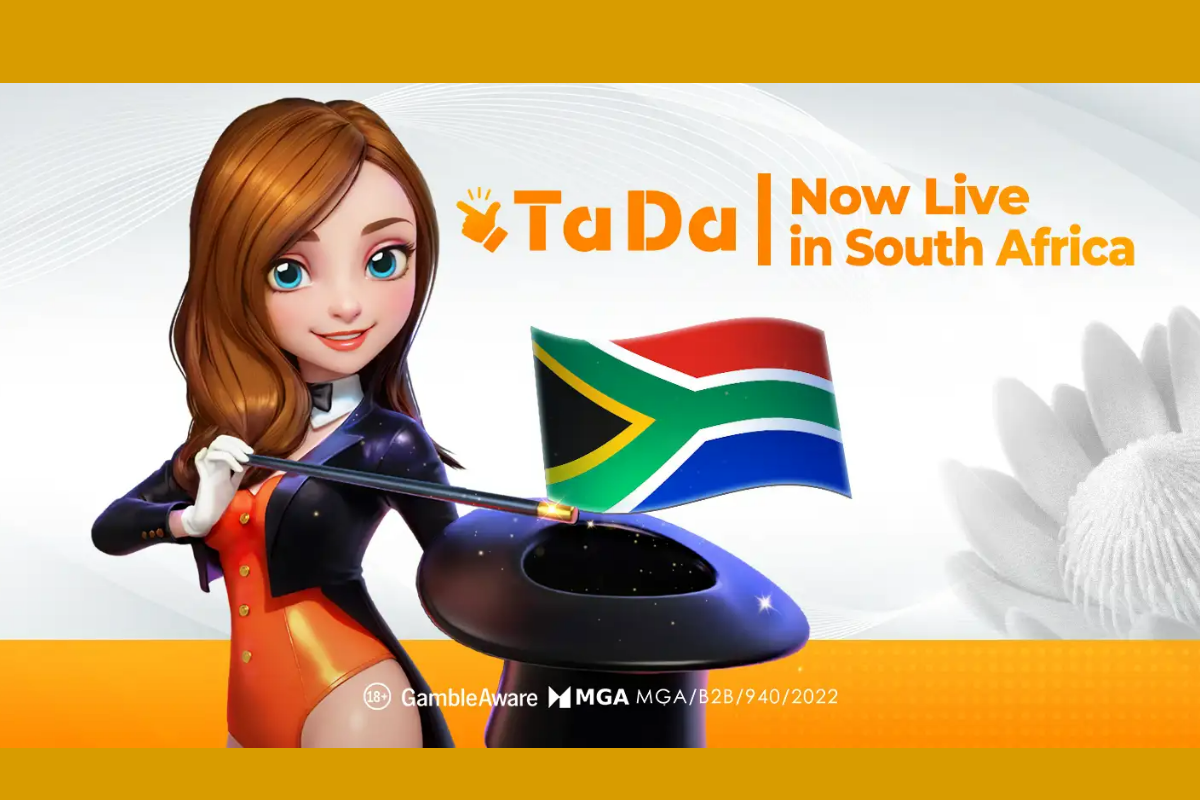
TaDa Gaming has reinforced its presence and brand in African iGaming through its latest entry to the regulated South African market.
SA is currently considered the most mature market in Africa with strong internet penetration, high smartphone usage and higher disposable income per capita.
With potential regulation change under debate, new laws would enable a regulated market model to be in place within the next few years. Reputable industry sources have projected approximately €3.9 billion ($4.2 billion or around R80 billion) in annual gambling revenue by 2030, making it a significant growth market.
TaDa began its African journey in 2024 with betPawa, the largest gaming platform on the continent. This gave TaDa access to over 15 countries including Nigeria, Kenya, Ghana, Uganda and Tanzania.
Furthermore, TaDa honed its knowledge of individual African countries’ regulations, cultural mores and player behaviours alongside a dedicated programme to reduce size and loading times for mobile first games in line with local infrastructure limitations and player device types but with no adverse effect on quality or entertainment value.
Enhanced by its roster of international gaming licences, TaDa is known for its expert “glocalisation” or global core mechanics/local content strategic approach to new markets. With a significant Crash portfolio and award-winning gamification tools, TaDa has quickly built a name for innovative and immersive gaming experiences among African players.
In 2025, SiGMA Africa voted TaDa as Best Slot Newcomer through games such as the renowned Fortune Gems series; Crazy 777, Coin Tree and global hit Devil Fire 2. Subsequent hit releases certified for SA also include 40 Sparkling Crown and Rapid Gems 777.
Armed with this know-how and brand awareness, TaDa is a valuable partner and the regulated South African market has responded positively. With leading operator and platform collaborations and partnerships in place, TaDa has begun to build its brand for immersive gaming across SA.
As the largest and most established iGaming ecosystem on the continent, SA continues to be a key destination for TaDa across 2026 and beyond. In anticipation that South Africa will follow the UK and Ontario’s lead in regulations in the long-term, providers like TaDa who hold both UKGC and AGCO licences are expected to be in demand with operators and players alike.
Ray Lee, Director of Business Development at TaDa Gaming, said: “Having polished our skills and know-how across multiple emerging African markets over the last year, we are confident that our localised and certified content will quickly resonate with players in South Africa. Launching with market leaders enhances our credibility for delivering visibly fair and high quality gaming experiences while our regulated approach will stand us in good stead for the future.”
The post TaDa Gaming Officially Enters the Regulated South African Market appeared first on Eastern European Gaming | Global iGaming & Tech Intelligence Hub.
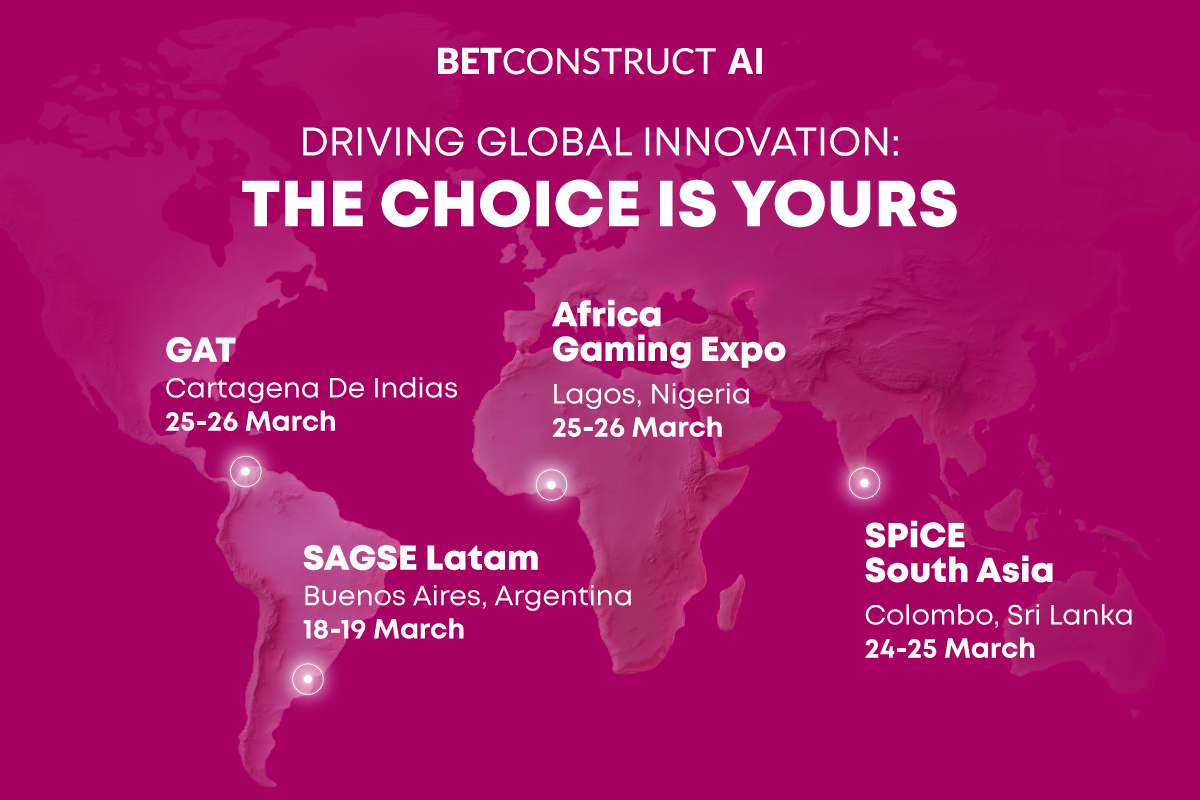
BetConstruct AI is excited to reveal its significant involvement in several top industry events this March: SAGSE LatAm in Buenos Aires, Argentina, GAT Expo in Cartagena, Colombia, SPiCE South Asia in Colombo, Sri Lanka, and the Africa Gaming Expo in Lagos, Nigeria. As a worldwide leader in iGaming technology, BetConstruct AI is leveraging these platforms to strengthen its dedication to local development and support operators with the 2026 idea of “The Choice.”
Throughout all three continents, our focus is on a vision of technological empowerment. In a more complex regulatory environment, BetConstruct AI surpasses conventional offerings to provide strategic independence. We think the future of international iGaming relies on the operator’s ability to select the most adaptable, insightful, and scalable technology to propel their distinct vision ahead.
During every event, attendees will discover a complete range of solutions designed to cater to the varied needs of local communities. At the core of our presentation are the top-tier Sportsbook and Casino Platforms, designed for optimal stability and fast scalability.
In addition to the primary platforms, we deliver the fundamental framework for a leading online brand. This encompasses CMS Pro for centralized hub administration, SpringBuilder X for mobile-oriented website development, and BetChain AI, which offers an innovative approach to create and design iGaming websites more quickly and intelligently.
The exhibitions will highlight the BetConstruct AI Suite, a set of advanced tools aimed at enhancing and streamlining the operator’s experience:
● CRM AI: Delivering deep behavioral insights to drive player retention.
● Umbrella AI: Providing real-time risk management and automated player protection.
● AI Game Recommendation System: Ensuring personalized content delivery.
● Betting Mate: An intuitive AI companion that elevates the player experience.
Reiterating its commitment to partner success, BetConstruct AI will present The Last Battle Universe, the first B2B loyalty system in the industry designed to recognize performance. Operators reaching a GGR growth rate exceeding 12% (determined by comparing the third month of the current quarter to the third month of the prior quarter) gain access to unique rewards. This comprises a 51% reduction on invoices for Nebula Badge holders, a 50% setup discount for Zenith Badge holders, and complete setup fee refunds to enable direct reinvestment into the platform.
BetConstruct AI encourages all industry stakeholders, operators, and media personnel to engage with our team of specialists at these locations:
● SAGSE LatAm (Buenos Aires, Argentina): March 18 – 19 | Stand 134
● SPiCE South Asia (Colombo, Sri Lanka): March 24 – 25 | Stand 1017
● GAT Expo (Cartagena, Colombia): March 25 – 26 | Stand A31
● Africa Gaming Expo (Lagos, Nigeria): March 25 – 26 | Stand E17
To foster deeper connections beyond the exhibition floor, we are hosting a series of exclusive Harmony Dinners. These invitation-only meetups offer a unique space for BetConstruct AI leaders and our valued partners to align visions in an atmosphere of world-class hospitality:
1. Buenos Aires: March 18 | Hilton Buenos Aires
2. Colombo: March 24 | Shangri-La, Colombo
3. Cartagena: March 25 | Cartagena, Colombia
4. Lagos: March 25 | Lagos, Nigeria
The post BetConstruct AI Fuels Global Innovation Strategy Across Latin America, Asia and Africa appeared first on Eastern European Gaming | Global iGaming & Tech Intelligence Hub.

-

 Asia4 days ago
Skyesports and GodLike signs MoU with Maharashtra Cyber to promote esports and cyber hygiene in Maharashtra
-
AGLC5 days ago
Bede Gaming cleared for Alberta market entry
-
Africa5 days ago
TaDa Gaming Officially Enters the Regulated South African Market
-
Central Europe5 days ago
Casino Interlaken teams up with Wazdan to bolster Swiss market presence
-
Central Europe5 days ago
Sportradar Extends its Data and Audiovisual Betting Rights Agreement with Deutscher Fussball-Bund
-
Andrzej Hyla5 days ago
Wazdan Releases its Latest Slot “Easter Coins”
-
3 Oaks Gaming4 days ago
SAGSE leads while Brazil advances regulation and global positioning
-
Australasian Hospitality & Gaming Expo5 days ago
Light & Wonder to Showcase its Latest Gaming Innovations at AHGE 2026