Betting and Gaming Council
BGC: Further Tax Raid on Betting Threatens 40,000 Jobs and £3B Blow to UK Economy, Warns New Analysis


Reading Time: 3 minutes
A further tax raid on Britain’s betting and gaming industry would devastate jobs, undermine the economy and drive billions into the hands of the gambling black market, according to independent analysis by EY.
New research, commissioned by the Betting and Gaming Council, reveals plans being championed by the SMF and IPPR think tanks would risk over 40,000 jobs, channel £8.4bn in stakes to the black market, and wipe £3.1bn off the sector’s UK economic contribution, while raising a fraction of the amount claimed by the think tanks.
BGC members currently contribute £6.8 billion to the UK economy, pay £4 billion in tax and support over 109,000 jobs across the country – including thousands of high-skilled tech roles in areas like Stoke-on-Trent, Manchester, Leeds, Nottingham, Sunderland and Warrington.
But new tax hikes threaten to dismantle that success, with serious consequences for workers, the Treasury and Britain’s high streets.
Grainne Hurst, Chief Executive of the BGC, said: “It is now clear these further tax rises are a direct threat to British jobs and economic growth.
“The figures speak for themselves – tens of thousands of jobs lost, billions diverted to the black market, and a possible £3 billion hit to the economy.
“Tax raids like those proposed would mean fewer betting shops, casinos and bingo halls, fewer jobs, and a huge boost to the growing, unsafe gambling black market, while not raising anywhere near the tax claimed.”
Both the SMF and IPPR recommended increasing – and in some cases doubling – taxes on betting and gaming.
Currently, bookmakers pay tax on Gross Gambling Yield – takings minus customer winnings – at 21% for online games like bingo, 15% for sports betting and 20% for machine gaming.
Both the SMF and IPPR recommended rates of 50% for online gaming, or Remote Betting Duty, and 25% for sports betting, termed General Betting Duty.
While the IPPR’s plans would cost 40,000 jobs, channel £8.4bn in stakes to the black market, and wipe £3.1bn off the sector’s economic GVA, an analysis of the SMF proposals showed it would cost 30,200 jobs, drive £8.1bn in stakes to the black market, and cost the sector £2.5bn in lost GVA to the economy.
The IPPR had claimed these tax increases would generate £3.2 billion in revenue. However, analysis by EY indicates the actual short-term gain would be closer to just over £1 billion.
But when additional factors such as lost employment, reduced corporation tax, lower National Insurance contributions and venue closures are taken into account, EY’s modelling suggests the Treasury’s net gain could fall to under £500 million.
Industry experts warned that the short-term gain would plummet as the hikes bed in and punters abandon the regulated sector amid worse odds, fewer promotions and a reduced offer for bookmakers.
Both think tanks have also ignored the 2023 Gambling Act Review White Paper – the most comprehensive reform of UK gambling laws in a generation –which is already projected to reduce sector revenues by around £1 billion.
Their projections also assume a 31% growth rate for the sector by 2025, whereas EY calculates that growth between 2023 and 2026 will sit at just 4%.
Hurst added: “Balanced regulations and a stable tax regime guarantee a growing regulated sector. But these proposals would achieve the absolute opposite of that and undermine the very consumer protections that keep people safe by pushing customers towards the unregulated black market, where there are no safeguards, no tax receipts, no jobs, and no support for the sports we all love.
“Britain’s betting and gaming sector is a world leader – employing thousands, paying billions in tax, and investing in British sport.
“The choice is clear: back a successful, sustainable, regulated British industry – or risk losing jobs, investment and growth.”
The post BGC: Further Tax Raid on Betting Threatens 40,000 Jobs and £3B Blow to UK Economy, Warns New Analysis appeared first on European Gaming Industry News.












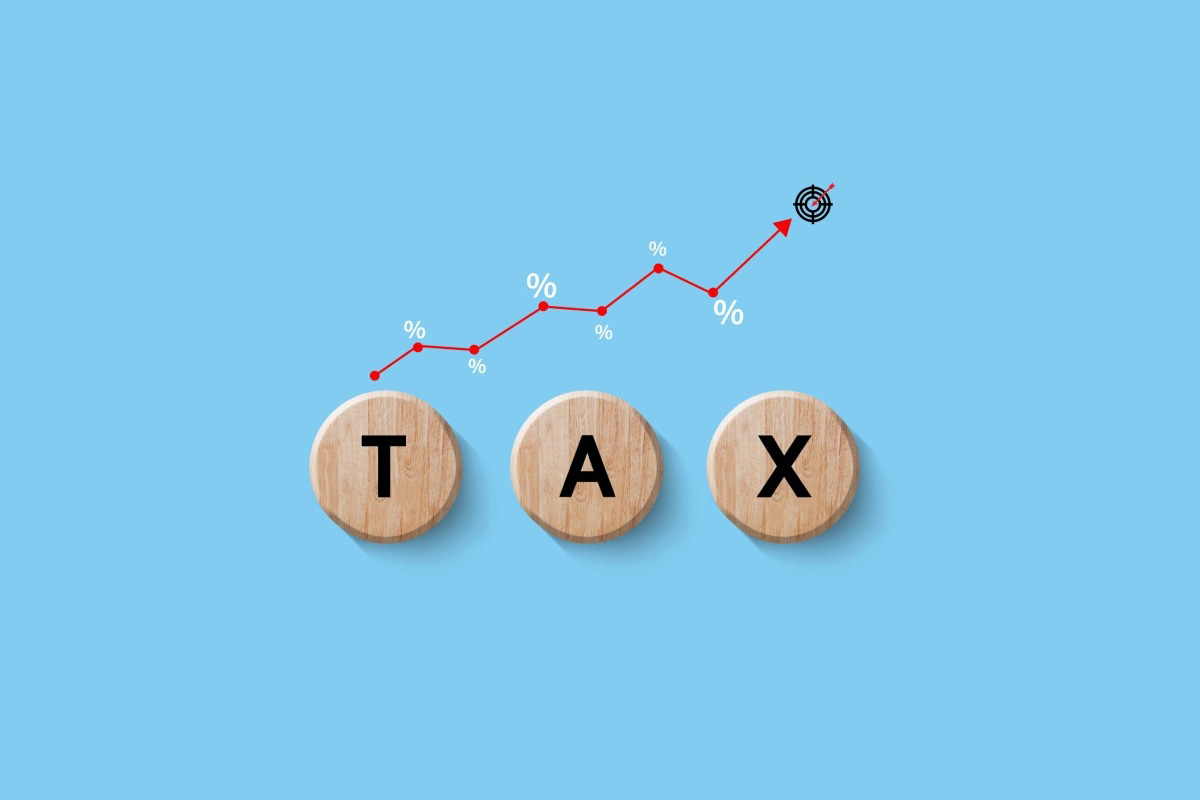
The Betting and Gaming Council (BGC) has warned that the incoming British tax hikes will boost black market activity.
Based on a new polling by Anacta reported in February 2026, there are concerns that proposed UK government gambling strategies, particularly regarding increased taxes, could contradict their intended harm-reduction goals.
While ministers have launched a consultation to ban unlicensed operators from sponsoring football clubs, including in the Premier League, ordinary punters fear the Government’s new tax rises could drive millions straight into illegal gambling sites, the new poll reveals.
The poll, conducted found:
• 52% of people who bet believe higher taxes will make punters more likely to use unlicensed black market sites.
• 66% of those who bet say tax increases will make betting and gaming less enjoyable.
• 57% think UK gambling is already heavily regulated.
With around 22.5 million adults placing a bet each month, the Government’s disastrous tax hikes will drive millions more to the harmful black market.
Grainne Hurst, Chief Executive of the Betting and Gaming Council, said: “When you tax responsible, regulated betting and gaming companies harder, you do not reduce demand you simply drive customers towards the unsafe, unregulated black market.
“Illegal gambling sites do not pay tax. They do not contribute to British sport. They do not invest in safer gambling and they do not protect vulnerable people.
“If the Government wants growth and genuine consumer protection, it must back the regulated sector not make it less competitive against criminals.”
The regulated sector supports 109,000 jobs, contributes £6.8 billion to the economy and generates £4 billion in tax revenue, funding everything from the NHS to schools and local communities.
The post BGC: Government Tax Hike Boost for Black Market appeared first on Eastern European Gaming | Global iGaming & Tech Intelligence Hub.
Gambling advertising spend by licensed operators in the UK is continuing to decline, according to new independent analysis commissioned by the Betting and Gaming Council (BGC). The findings come as the industry warns that unregulated online advertising by illegal operators is becoming the real risk to consumers.
The research, conducted by Alvarez & Marsal (A&M), set out in the Gambling Advertising and Sponsorship Report 2025, shows that gambling advertising accounted for 2.7% of total UK advertising spend in 2024, down from 3% the previous year.
The report also found that overall gambling advertising spend by licensed operators has been declining steadily since 2021, falling by 1.7% year-on-year, driven largely by a £30 million reduction in television advertising.
At the same time, a substantial share of advertising is dedicated to player protection. Around 20% of all gambling advertising is now focused on safer gambling messaging, reinforcing awareness of tools and support.
This focus is delivering tangible results. During the most recent Safer Gambling Week, engagement increased significantly, with 14% more people setting deposit limits and 22% more safer gambling tools in place.
Advertising compliance remains extremely high, with Advertising Standards Authority (ASA) rulings relating to fewer than 0.02% of gambling adverts, highlighting the strength of the UK’s regulatory framework.
Regulated gambling advertising supports 9900 jobs across the advertising, media and creative supply chain, contributes c.£500 million in Gross Value Added (GVA), and underpins 1400 full-time marketing roles. It also plays an important role in supporting free-to-air sport, lower-league and grassroots sport, as well as wider media revenues outside subscription-based models.
Grainne Hurst, CEO of the Betting and Gaming Council, said: “This independent analysis shows that gambling advertising by licensed operators is continuing to fall, with spend increasingly concentrated on safer gambling messaging and consumer protections. Our members operate within some of the strictest advertising rules of any industry and continue to raise standards across the sector.
“By contrast, illegal operators are advertising aggressively online with no safeguards, no age checks and no consumer protections, posing a huge risk to consumers. Any serious approach to advertising must be led by evidence and focused on tackling the harmful black market.”
Adam Rivers, Managing Director at Alvarez & Marsal, added: “We are pleased to have worked with the BGC on this report, which offers an insight into the state of the gambling advertising and sponsorship sector in the UK, based on actual advertising expenditure data from licensed operators.”
The report also highlights the growing scale of illegal gambling advertising. Illegal operators are increasingly using unregulated digital channels, including influencers, search engines and AI-generated content, to target consumers. Many explicitly advertise that they are “not on GAMSTOP”, while others impersonate trusted charities and institutions to deceive the public.
While licensed advertising continues to decline, separate industry analysis estimates that black market sites are spending between £500 million and £700 million on advertising their illegal sites.
The post BGC: Licensed Gambling Advertising Continues to Decline in the UK appeared first on Eastern European Gaming | Global iGaming & Tech Intelligence Hub.
Agrupación de Plataformas de Apuesta en Línea
BGC Enters Cooperation Agreement with Chile’s Online Operators’ Group

The Betting and Gaming Council (BGC) has signed a Cooperation Agreement with Chile’s Agrupación de Plataformas de Apuesta en Línea (aPAL), as part of ongoing efforts to support the development of a sustainable and well-regulated online gambling market in Chile.
The agreement brings together the BGC, which represents around 90% of the UK’s regulated betting and gaming industry, and aPAL, a group of international online betting operators that have been working since 2022, to support the introduction of modern gambling regulation in Chile.
While online gambling is currently not prohibited but also unregulated, Chile already has a land-based casino sector, horseracing and a lottery duopoly, and a draft bill to regulate online operators has been under discussion for several years. Following recent elections, a new Chilean Government is now in a position to advance with the legislation, potentially introducing a licensing regime as early as 2027.
Under the Cooperation Agreement, the two organisations will work together to share international experience and evidence, strengthen the knowledge base around gambling regulation, and engage constructively with policymakers and stakeholders on the development of a sustainable licensing framework in Chile.
Carlos Baeza, Chilean lawyer and representative of aPAL, said: “Chile has a real opportunity to introduce a modern, robust regulatory framework for online gambling that protects consumers, tackles illegal activity and delivers meaningful public benefits. At present, online gambling operates entirely outside any regulatory oversight, leaving players without safeguards and the state without visibility or control.
“By working with the BGC, we can draw on international best practice and ensure policymakers have access to high-quality evidence and experience from well-regulated markets.”
Grainne Hurst, Chief Executive of the Betting and Gaming Council, added: “The BGC is pleased to be working with aPAL at a pivotal moment for gambling reform in Chile. Well-designed regulation is essential to protect players, raise standards and drive out the harmful black market.
“The UK’s regulated market shows how robust licensing, high standards and effective oversight can support safer gambling while allowing a well-regulated industry to thrive. This agreement reflects our commitment to sharing that experience and supporting evidence-based policymaking internationally.”
The Cooperation Agreement will initially run for one year and forms part of the BGC International Committee’s ongoing programme of engagement with global partners.
The post BGC Enters Cooperation Agreement with Chile’s Online Operators’ Group appeared first on Eastern European Gaming | Global iGaming & Tech Intelligence Hub.

-

 Cod of Thunder Dream Drop6 days ago
Prime Casino Rolls Out Exclusive Slot Developed by Relax Gaming
-
Africa6 days ago
EGT Digital Announces New Partnership with Sunbet
-
Canada6 days ago
Soft2Bet Evaluates Alberta Market Entry to Strengthen its Canadian Footprint
-
CULT.6 days ago
Pragmatic Play Earns a Spot in Cult’s Inner Circle
-
ANJL6 days ago
Brazil betting market adjusts to regulation as football sponsorship boom slows
-
AiGC6 days ago
Soft2Bet Eyes Alberta iGaming Market Expansion in Canada
-
Edvardas Sadovskis CPO at ICONIC215 days ago
Patrick’s Lucky Fortune by ICONIC21 Rolls Out to Power Operator Growth and Seasonal Offers
-
Games Global5 days ago
Games Global and Stormcraft Studios dive into aquatic adventure with Mermaid’s Millions Cashingo™