Interviews
Netherlands market exclusive with Greentube and Light & Wonder


Live now for close to a year, the Netherlands has the potential to be a hugely popular market for regulated casino. We sat down with Greentube’s Reg Das, Managing Director at Greentube Netherlands, as well as Light & Wonder’s Enrique Boedo, New Business Manager, to get the latest from two of the market’s player favourites. This one’s not to be missed!
Talk us through your first few months of being live on the regulated market – what’s resonating with players?
(EB) Enrique Boedo – New Business Manager at Light & Wonder: When it comes to our first party content, our presence in the land-based casino sphere has paid off tremendously and we’ve seen that players have been actively looking for our cross-platform titles such as 88 Fortunes, Jin Ji Bao Xi and Dancing Drums, all of which have proven particularly popular both in land-based and online.
In terms of aggregation, we’ve got 38 studios live in the Netherlands. One studio we have been particularly impressed by is ELK Studios, a recent acquisition. They have a tournament feature that’s doing incredibly well in the Netherlands, which has shown us that Dutch players enjoy that social element and like to be engaged by the operator.
(RD) Reg Das, Managing Director at Greentube Netherlands: What we see is that our so-called ‘classic slots’ are especially popular. These are online versions of (once) popular Dutch fruit machines from the land-based space. Several companies that manufacture these Dutch fruit machines are part of our parent company NOVOMATIC, and Greentube Netherlands develops online version of these machines.
Famous game titles owned by NOVOMATIC such as Random Runner, Simply Wild and Club 2000 attract the attention of the players online too. Simply Wild is a machine that can be found in thousands of bars across the Netherlands as well. Next to these classic slots, the NOVOMATIC blue chip games such as Book of Ra are also very popular. These games can also be found in machines in gaming arcades and casinos around the country, indicating that content that is familiar to players already is resonating best in the market.
Given the unique Dutch land-based heritage across arcades and the like – how much do you see that giving Dutch players a unique type of player profile compared to the likes of the UK and Scandinavia?
(RD): What stands out is that Dutch players like the ‘classics’ a lot, much more than in other European countries. This is not something new though, and before the online market became regulated this was already the case. Why Dutch players like these classics so much might be explained by the fact that we still have a lot of ‘analogue machines’ in the land-based market. These machines with electro-mechanical reels have disappeared from nearly all European markets but in the Netherlands, they are still popular and can be found in every bar. Typically, these gaming machines have a specific game structure which is tailored for the Dutch machine regulations. Over the years, many players have learned to love that type of game, and this can now be seen online.
(EB): The Dutch market seems to have a really nice balance. Players tend to stick with their land-based favourites, but they’ve also shown an appetite for new content with unique mechanics. Scandi-type content is also working well in the Netherlands, growing in presence via brands like ELK.
Regarding player profiles, whilst every market is different, I see more similarities between the Dutch and the Scandinavian market compared to the Dutch and UK market.
When it comes to regulation – how much has there been to navigate in comparison with restrictions in other European markets when going live? Does this mean a significant change to strategy?
(RD): As we focus on developing slots, it hasn’t been a lot. Fortunately, the rules that apply to slots are standard and general and they leave enough room for us to be able to build attractive games. The only restriction that stands out is that autoplay is prohibited. However, the fruit machine games we make require player interaction regularly as choices need to be made so it’s different than for standard casino slots.
(EB): Compared to other jurisdictions, I believe Dutch regulation is not at all unreasonable or difficult. Regulatory requirements and restrictions on games haven’t been a problem for us which has meant we’ve been able to focus on offering players a wide variety of content in a safe and secure environment almost from day 1 of the new regulation coning in place. Doing so has helped cement Light & Wonder as a leading cross-platform global game company renowned for building new worlds of play.
Last but not least – what’s your hottest vertical that readers should be watching for this summer?
(RD): I am very excited about a new range of games we are producing which combine the familiarity of our popular brands with mechanics that are trendy now. For example, we have combined our Random Runner brand with the now hugely popular Hold & Spin mechanic and players can expect more of those combinations. We have already seen that new variations on these original games are appreciated by players, as long as we do it right. So, I’m confident that this new range will appeal to the audience of players that prefer the classics.
(EB): We are really excited about our localised content roadmaps, building games that are targeting specific markets. For example, targeting the European market, this summer we’ll be releasing our own new Accumul8 mechanic game that will see players win when eight matching symbols appear, even if they aren’t connected.
We also have some excellent content to roll out from Playzido, a company we recently acquired. Their advanced game development technology which is considered to be one of the best in the iGaming industry allows Light & Wonder to deliver operators custom games for key customers, which is a fantastic way for their players to experience unique, distinctive content.
Powered by WPeMatico


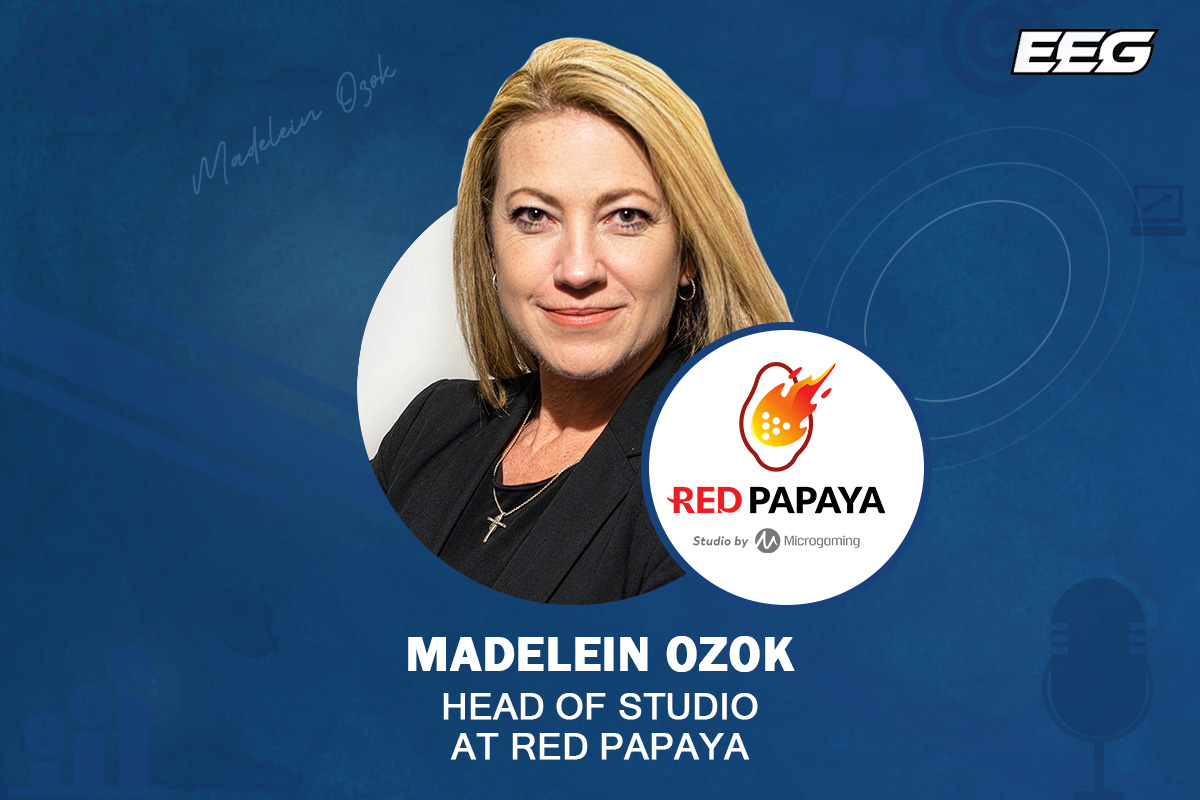
We sit down with Madelein Ozok, Head of Studio at the new Microgaming-powered studio, to learn more about how it’s approaching slot development and why leveraging its highly experienced management team will be key to success.
Red Papaya is a new online slot studio powered by Microgaming. Tell us more about the studio and how you plan to make your mark on the industry.
Red Papaya is a bold and bright studio, powered by Microgaming, with big plans to disrupt the status quo with slots that put players on the edge of their seats spin after spin. How will we ensure we do this? By blending creativity, features and data to create compelling slotting experiences that captivate players in markets around the world. We also have a highly experienced management team in place – it’s made up of award-winning veterans of the slot development space with a proven track record in delivering top-performing, data-driven games that have quickly risen to the top of the charts. When it comes to themes, features and markets, we’ve done it all, and will leverage this experience to ensure Red Papaya creates games that not only meet but exceed player expectations.
You’ve previously said that features will be a big point of differentiation, but in a market flooded with unique mechanics and bonuses mechanisms, how will you stand out?
We aren’t here to reinvent the wheel, rather to take popular, proven mechanics and put our own spin on them. Developing unique mechanics is a high risk strategy that rarely pays off – studios can often indulge in what is actually a passion product for the team, while players are often reluctant to spend time and money learning something new. That said, they do expect studios to keep things interesting, and that’s why we are more about iteration than out and out innovation. Our first run of games includes player favourite features like Hold & Win, Cash Collect and Jackpot, but with a “twist”. Of course, we do have some ideas for unique mechanics and features in the works are taking a very considered approach to developing them for launch so they don’t push players too far out of their comfort zones.
Studios make a lot of noise about their mechanics but is the the only ingredient required for a successful slot game?
For a slot to be a hit, it needs to be the full package. This means it has a great theme, captivating narrative with relatable characters, striking design, big sound, quality animations and, of course, thrilling gameplay delivered through the right combination of mechanics and features. This is why as well as mechanics, Red Papaya is going to set a new standard for the production value of slot games. This will be achieved through cinematic visuals, superior sound design and epic stories that draw players in and put them at the heart of the action.
Take our debut release, Kong’s Jungle Tower, as an example. It’s been designed to deliver an immersive audio and visual experience, including sound cues from Kong which help to amp up the action and then intensify as the features get closer. Kong’s roar builds up and sounds like he’s getting closer while the reels begin to shake and ignite with fiery effects, creating the sense that a big, thunderous win is about to land.
As you say, Kong’s Jungle Tower is Red Papaya’s debut slot. What can players expect when firing up the reels for the first time?
In Kong’s Jungle Tower, players embark on an expedition into uncharted territory where fortunes can be found hidden within a forgotten temple, deep within the jungle. The Cash Collect slot sees players helped on their adventure by several features, including the legendary Jungle Tower which includes 15 Cash Prizes to be won. Then there are Monkey Coins that sweep across the reels, gathering instant treasures and unlocking the mightiest prizes from the summit of the tower. Even when the reels fall silent, Kong’s adventurous spirit electrifies the Tower with Multipliers, charging up Cash Prizes for spectacular wins. But that’s not all. Three Bonus Symbols trigger eight Free Spins – once activated, the reels increase to a 5×5 setup for even more win opportunities. As the Free Spins play out, three Bonus Symbols will award eight additional Free Spins while two Bonus Symbols will grant three more Free Games. As you can see, it’s a feature-rich slot that will get players pounding their chests as the big wins get closer and closer.
For Red Papaya, what does success look like for the rest of the year?
We’re a player-first studio, so success will be players engaging with our growing portfolio of slots and being captivated and entertained by the experience that each has to offer. We know exactly what it takes to develop blockbuster slots, and our first run of titles have the hallmarks of chart-toppers. Of course, you never know how a game will resonate with players, but the early stats coming in from titles like Kong’s Jungle Tower, Nova Blast and Lucky Rainbow Rush suggest we have a hit on our hands. The challenge will be ensuring that our next games on the roadmap, which includes Pirate’s Fight for Fortune, are just as successful but we fully intend for each release to out-perform the game that comes before it.
The post Getting to know Red Papaya appeared first on Eastern European Gaming | Global iGaming & Tech Intelligence Hub.

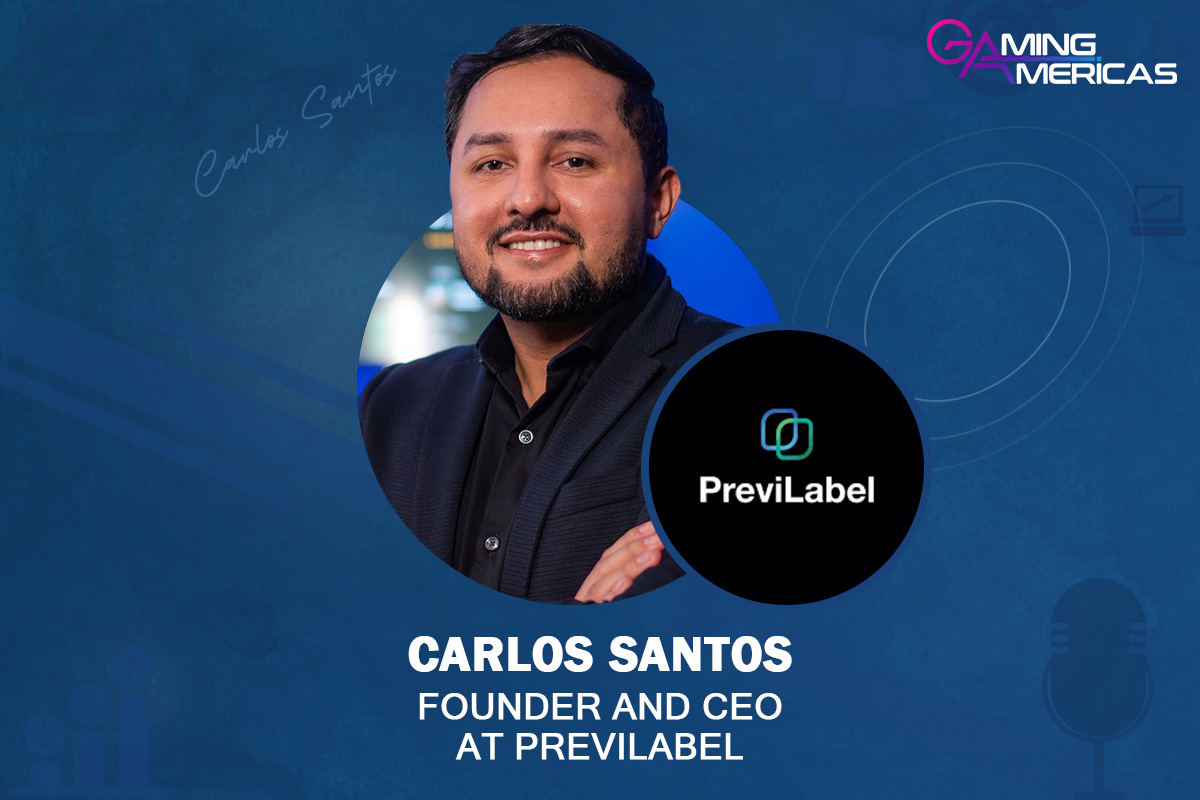
“En el mercado regulado de apuestas sentí que estaba intentando nadar en un océano dominado por tiburones. En el mercado de predicciones, estamos ayudando a construir el propio océano.” (C.S)
El mercado de predicciones comienza a ganar espacio en Brasil en un momento de transformación para la industria del gaming y los productos digitales basados en probabilidades.
Aunque todavía es un concepto incipiente en el país, y contradictorio en países vecinos, este modelo, que combina elementos de mercados financieros, tecnología y comportamiento del usuario, ya ha demostrado su potencial en otras regiones al ofrecer estimaciones colectivas sobre eventos futuros.
Sin embargo, su avance ha sido conflictivo en América Latina.
En mercados como Argentina, por ejemplo, está enfrentado restricciones e incluso prohibiciones, en medio de debates regulatorios sobre su naturaleza y su posible similitud con las apuestas tradicionales.
En este contexto, Brasil aparece como un terreno aún en definición, donde la reciente regulación de las apuestas deportivas abre espacio para discutir nuevos formatos digitales basados en probabilidades.
Es en este escenario donde surge la figura de Carlos Santos, CEO y uno de los impulsores de este segmento en el mercado brasileño con el lanzamiento de Previlabel.
Con experiencia previa en el ecosistema de apuestas, Santos decidió dar un paso más allá del modelo tradicional para apostar por la construcción de una nueva categoría en el país: los mercados de predicción.
A través de su visión y su proyecto, el ejecutivo busca no solo introducir este concepto en Brasil, sino también desarrollar la infraestructura tecnológica necesaria para que nuevos operadores y empresas puedan formar parte de este ecosistema emergente.
En esta entrevista, Carlos Santos analiza el potencial del mercado de predicciones en Brasil, los desafíos de su desarrollo y las oportunidades que pueden definir el futuro de este segmento en la región.
¿El mercado de predicciones aún es poco conocido en Brasil. ¿Cómo explicaría este concepto a alguien que nunca ha oído hablar de él?
Los mercados de predicción son plataformas donde las personas negocian probabilidades sobre eventos futuros.
En lugar de simplemente apostar por un resultado, los usuarios compran o venden posiciones basadas en la probabilidad de que algo ocurra.
El precio de estas posiciones termina reflejando lo que el mercado cree que es la probabilidad de ese evento.
Por eso, muchos describen este modelo como una especie de bolsa de valores de probabilidades, donde la información, la opinión y el dinero se combinan para formar una estimación colectiva del futuro.
¿Por qué cree que Brasil puede convertirse en un mercado relevante para plataformas de predicción?
Brasil tiene varios factores que favorecen este tipo de mercado. En primer lugar, es un país altamente conectado digitalmente y con una gran adopción de nuevas tecnologías financieras.
En segundo lugar, existe una cultura muy fuerte en torno a los deportes y a los eventos públicos, lo que genera naturalmente interés por las predicciones.
Además, la reciente regulación de las apuestas deportivas ha abierto espacio para nuevas discusiones sobre productos relacionados con probabilidades y mercados digitales.
El país acaba de regular las apuestas deportivas. ¿Los mercados de predicción son una evolución natural de esto o una industria diferente?
Están relacionados, pero no son exactamente lo mismo.
En las apuestas deportivas tradicionales, las probabilidades son definidas por la casa de apuestas.
En los mercados de predicción, en cambio, son los propios usuarios quienes forman esas probabilidades al negociar posiciones entre sí.
Esto crea una dinámica más cercana a un mercado financiero, donde el precio cambia a medida que surgen nuevas informaciones y las personas ajustan sus expectativas.
¿Cuáles son los principales tipos de eventos que podrían volverse populares en este mercado en Brasil?
El deporte probablemente será el punto de entrada más natural, ya que existe una gran base de usuarios interesados en este tipo de eventos.
Pero con el tiempo, estos mercados pueden expandirse hacia áreas como política, economía, entretenimiento e incluso tecnología.
En otros países ya existen mercados de predicción sobre elecciones, indicadores económicos y grandes eventos globales.
Esto demuestra que el modelo tiene potencial para ir más allá del entretenimiento.
¿Existe el riesgo de que el mercado de predicciones sea confundido con las apuestas tradicionales?
Sí, especialmente al inicio.
Como ambos involucran dinero y probabilidades, es natural que exista cierta confusión. Sin embargo, la diferencia está en la dinámica del mercado.
En las plataformas de predicción, los usuarios pueden negociar probabilidades y reaccionar ante nueva información, lo que hace que el sistema sea más parecido a un mercado financiero que a una apuesta tradicional.
Con el tiempo, a medida que el público entienda mejor el funcionamiento, esta distinción tenderá a ser más clara.
En el exterior, las plataformas de predicción ya existen desde hace tiempo. ¿Qué puede aprender Brasil de estas experiencias?
La principal lección es que estos mercados funcionan mejor cuando hay transparencia, liquidez y reglas claras de operación.
Las experiencias internacionales muestran que, cuando están bien estructurados, los mercados de predicción pueden generar estimaciones bastante precisas sobre eventos futuros. Sin embargo, también ha quedado claro que es fundamental contar con mecanismos de integridad y un entorno regulatorio que acompañe la innovación.
Brasil tiene la ventaja de poder observar estos ejemplos y adaptar las mejores prácticas a su propio contexto.
¿Qué le hizo mirar hacia los mercados de predicción en lugar de continuar únicamente en el mercado tradicional de apuestas?
Durante el último SBC en Lisboa tuve un momento muy claro de reflexión sobre el mercado. Me di cuenta de que estaba intentando competir en un entorno extremadamente difícil para empresas nuevas: enfrentar directamente a gigantes ya consolidados en el sector de apuestas.
El mercado regulado de apuestas en Brasil es altamente competitivo y está dominado por empresas con gran capital. Es como intentar nadar junto a tiburones en un océano que ya les pertenece.
Fue entonces cuando entendí que tal vez la oportunidad no era competir en ese mercado de la forma tradicional, sino participar en la construcción de una nueva categoría dentro del sector. El mercado de predicciones aún está en sus inicios en Brasil, lo que abre espacio para la innovación, la tecnología y el liderazgo.
Percibí que podía aprovechar toda la experiencia adquirida en el sector de apuestas para ayudar a estructurar este nuevo momento del mercado en el país.
¿Cuál fue el momento en que decidió convertir esto en un negocio?
Cuando regresé a Brasil después del SBC Lisboa, mi visión de negocio cambió completamente.
Comencé a estudiar más profundamente el mercado de predicciones y entendí que no era solo una tendencia global, sino también una oportunidad real para construir infraestructura en este sector en Brasil.
A partir de esta visión, iniciamos una asociación con Brasil Bitcoin, aprovechando toda su experiencia en Web3 e infraestructura digital para desarrollar esta tecnología.
La idea fue combinar esa experiencia en blockchain con nuestra visión de producto y mercado, creando una base tecnológica capaz de aportar más competitividad e innovación a este nuevo segmento.
¿Cuáles fueron los mayores desafíos al comenzar en este sector?
El principal desafío fue construir la tecnología.
Los mercados de predicción requieren una infraestructura muy específica, que incluye sistemas de negociación de probabilidades, liquidez, gestión de eventos y mecanismos de integridad.
Como este mercado aún es muy nuevo en Brasil, prácticamente no existían soluciones listas adaptadas a la realidad local. Esto exigió un gran esfuerzo de desarrollo para crear una tecnología sólida capaz de sostener el crecimiento de este ecosistema.
¿El público brasileño está preparado para entender y utilizar los mercados de predicción?
Creo que sí. El brasileño ya ha demostrado una gran capacidad de adaptación a nuevos productos digitales.
Basta observar el crecimiento de las apuestas deportivas, las criptomonedas y las plataformas financieras en los últimos años.
Cuando el modelo se explica bien y la experiencia es simple, la adopción tiende a ocurrir rápidamente.
¿Qué hace exactamente Previlabel dentro de este mercado?
Previlabel es una empresa de tecnología enfocada en infraestructura para mercados de predicción.
Desarrollamos la tecnología que permite a emprendedores crear sus propias plataformas de predicción y construir negocios dentro de este nuevo segmento que está comenzando a surgir en Brasil.
Nuestro objetivo es facilitar la entrada de nuevos operadores en este mercado.
Ustedes no operan solo una plataforma — venden tecnología para quienes quieren crear la suya. ¿Cómo funciona este modelo?
Exactamente.
Previlabel funciona como un proveedor de tecnología para este mercado. En lugar de operar una única plataforma, desarrollamos la infraestructura que los operadores pueden utilizar para lanzar sus propias marcas dentro del mercado de predicciones.
Esto permite que emprendedores y empresas ingresen en este sector de forma mucho más rápida, sin necesidad de desarrollar toda la tecnología desde cero.
¿Cree que veremos muchas plataformas de predicción surgir en Brasil en los próximos años?
Creo que esto ocurrirá muy rápidamente. En los próximos meses ya deberíamos ver varias plataformas emergiendo en Brasil.
Históricamente, el país siempre ha atraído nuevos modelos de negocio digitales debido al tamaño del mercado y al alto nivel de adopción tecnológica.
Cuando surge un nuevo segmento prometedor, Brasil suele convertirse en uno de los principales mercados de experimentación.
¿Existe una especie de “carrera” para crear el primer gran mercado de predicción brasileño?
Sí, esto es algo natural en cualquier industria naciente.
Cuando un nuevo mercado comienza a formarse, siempre existe una competencia inicial entre empresas para ver quién logra posicionarse primero y convertirse en referencia.
Probablemente estamos en el inicio de este proceso en Brasil, y quien consiga construir una tecnología sólida, ganar la confianza del público y escalar primero tendrá una ventaja muy importante.
The post Los mercados de predicción ganan terreno en Brasil con la entrada de Previlabel appeared first on Americas iGaming & Sports Betting News.
The prediction market is beginning to gain traction in Brazil at a time of transformation for the gaming industry and probability-based digital products.
Although it is still an emerging concept in the country, and a controversial one in neighboring markets, this model, which combines elements of financial markets, technology, and user behavior, has already demonstrated its potential in other regions by offering collective estimations of future events.
However, its development has been uneven across Latin America.
In markets such as Argentina, for example, it has faced restrictions and even bans, amid regulatory debates over its nature and its possible similarity to traditional betting.
In this context, Brazil emerges as a market still in formation, where the recent regulation of sports betting opens the door to discussions around new probability-based digital formats.
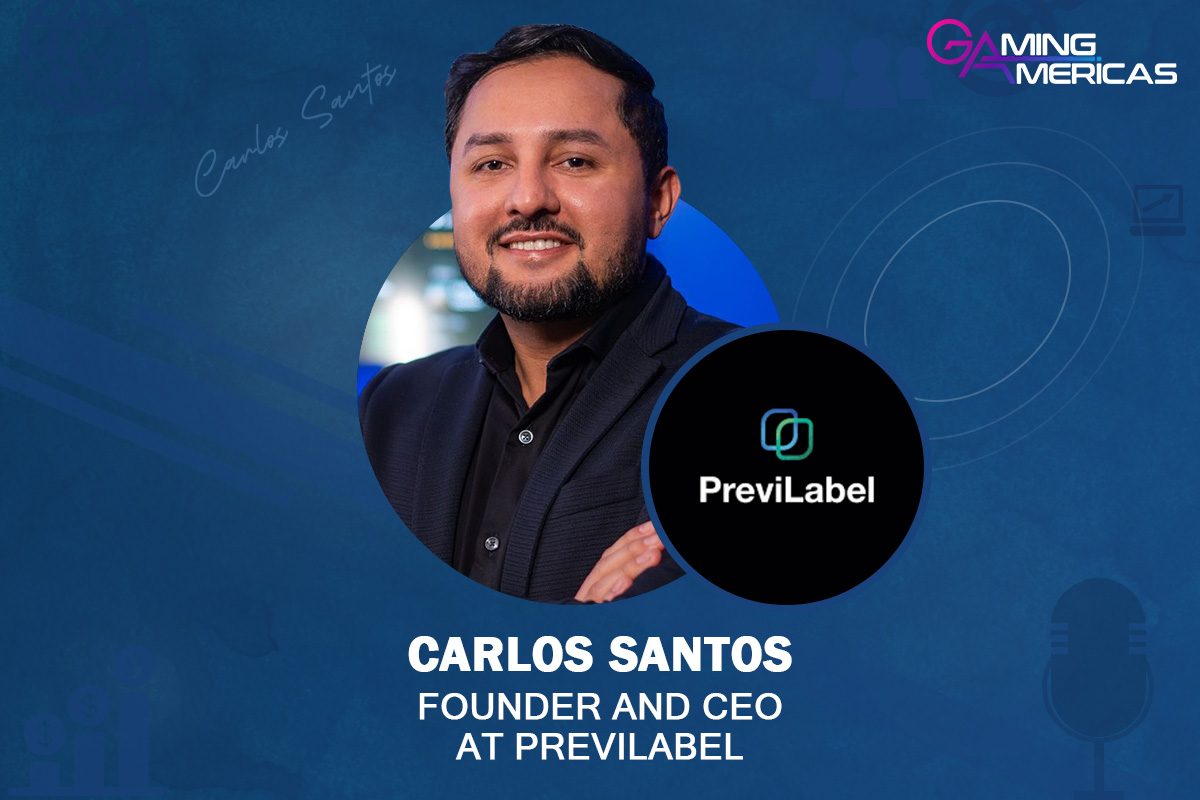
It is in this scenario that the figure of Carlos Santos emerges, CEO and one of the promoters of this segment in the Brazilian market with the launch of Previlabel.
With prior experience in the betting ecosystem, Santos chose to move beyond the traditional model and focus on building a new category in the country: prediction markets.
Through his vision and his project, the executive aims not only to introduce this concept in Brazil, but also to develop the technological infrastructure needed for new operators and companies to participate in this emerging ecosystem.
In this interview, Carlos Santos discusses the potential of prediction markets in Brazil, the challenges of their development, and the opportunities that could shape the future of this segment in the region.
Prediction Markets in Brazil
The prediction market is still relatively unknown in Brazil. How would you explain this concept to someone who has never heard of it?
Prediction markets are platforms where people trade probabilities about future events. Instead of simply betting on an outcome, users buy or sell positions based on the likelihood of something happening.
The price of these positions ultimately reflects what the market believes is the probability of that event.
That’s why many people describe this model as a kind of stock exchange for probabilities, where information, opinion, and money come together to form a collective estimate of the future.
Why do you believe Brazil could become a relevant market for prediction platforms?
Brazil has several factors that strongly support this type of market.
First, it is a highly digitally connected country with strong adoption of new financial technologies. Second, there is a strong cultural interest in sports and public events, which naturally drives interest in predictions.
Additionally, the recent regulation of sports betting has opened the door to discussions around products related to probabilities and digital markets.
The country has just regulated sports betting. Are prediction markets a natural evolution of this, or a different industry?
They are related, but not exactly the same. In traditional sports betting, probabilities are set by the bookmaker. In prediction markets, however, users themselves create those probabilities by trading positions with each other.
This creates a dynamic closer to a financial market, where prices change as new information emerges and as people adjust their expectations.
What types of events do you believe could become popular in this market in Brazil?
Sports will likely be the most natural entry point, as there is already a large audience interested in this type of content.
But over time, these markets can expand into areas such as politics, economics, entertainment, and even technology.
In other countries, prediction markets already exist around elections, economic indicators, and major global events.
This shows that the model has the potential to go beyond entertainment.
Is there a risk that prediction markets could be confused with traditional betting?
Yes, especially in the early stages. Since both involve money and probabilities, some confusion is natural. However, the key difference lies in the market dynamics.
In prediction platforms, users can trade probabilities and react to new information, making the system closer to a financial market than a traditional bet.
Over time, as users better understand how it works, this distinction tends to become clearer.
Abroad, prediction platforms have existed for some time. What can Brazil learn from these experiences?
The main lesson is that these markets work best when there is transparency, liquidity, and clear operational rules.
International experiences show that, when well structured, prediction markets can generate highly accurate estimates of future events.
However, they also highlight the importance of integrity mechanisms and a regulatory environment that keeps pace with innovation.
Brazil has the advantage of being able to observe these examples and adapt best practices to its own context.
What made you look at prediction markets instead of continuing only in the traditional betting industry?
At the last SBC in Lisbon, I had a very clear moment of realization about the market.
I understood that I was trying to compete in a very difficult environment for new companies, going directly against well-established giants in the betting sector.
The regulated betting market in Brazil is extremely competitive and dominated by companies with significant capital.
It’s like trying to swim alongside sharks in an ocean that already belongs to them.
That’s when I realized that the opportunity might not be to compete in that market in the traditional way, but rather to help build a new category within the industry.
Prediction markets are still at an early stage in Brazil, which creates space for innovation, technology, and leadership.
I saw that I could bring all the knowledge I developed in the betting sector to help structure this new phase of the market in the country.
When did you decide to turn this into a business?
When I returned to Brazil after SBC Lisbon, my business perspective changed completely.
I began studying prediction markets more deeply and realized that this was not just a global trend, but also a real opportunity to build infrastructure for this sector in Brazil.
From that point, we started a partnership with Mercado Bitcoin, leveraging the company’s expertise in Web3 and digital infrastructure to develop this technology.
The idea was to combine this blockchain experience with our product and market vision, creating a technological foundation capable of bringing more competitiveness and innovation to this new segment.
What were the biggest challenges when starting in this sector?
The main challenge was building the technology.
Prediction markets require very specific infrastructure, including probability trading systems, liquidity management, event handling, and integrity mechanisms.
Since this is still a very new market in Brazil, there were virtually no ready-made solutions adapted to the local reality.
This required a significant development effort to build a robust technology capable of supporting the growth of this ecosystem.
Is the Brazilian public ready to understand and use prediction markets?
I believe so. Brazilians have already demonstrated a strong ability to adapt to new digital products.
Just look at the growth of sports betting, cryptocurrencies, and financial platforms in recent years.
When the model is well explained and the user experience is simple, adoption tends to happen quickly.
What exactly does Previlabel do within this market?
Previlabel is a technology company focused on infrastructure for prediction markets.
We develop the technology that allows entrepreneurs to create their own prediction platforms and build businesses within this new segment that is starting to emerge in Brazil.
Our goal is to make it easier for new operators to enter this market.
You don’t operate just one platform, you sell technology for others to build their own. How does this model work?
Exactly. Previlabel operates as a technology provider for this market. Instead of running a single platform, we develop the infrastructure that operators can use to launch their own brands within the prediction market space.
This allows entrepreneurs and companies to enter the sector much faster, without needing to build the entire technology from scratch.
Do you believe we will see many prediction platforms emerging in Brazil in the coming years?
I believe this will happen very quickly. In the coming months, we should already see several platforms emerging in Brazil.
Historically, the country has always attracted new digital business models due to the size of its market and the high level of technological engagement.
When a promising new segment appears, Brazil often becomes one of the main markets for experimentation.
Is there a kind of “race” to create the first major Brazilian prediction market?
Yes, this is natural in any emerging industry.
When a new market begins to take shape, there is always an initial competition between companies to see who can position themselves first and become a reference.
We are likely at the beginning of this process in Brazil, and those who manage to build solid technology, gain user trust, and scale quickly will have a significant advantage.
The post Prediction Markets Gain Ground in Brazil as Previlabel Enters the Market appeared first on Americas iGaming & Sports Betting News.

-

 bingo6 days ago
 -
Africa7 days ago
Virgin Bet goes live in South Africa
-
Charity Space Scotland7 days ago
Scottish Government Announces £7.9M Investment to Tackle Gambling Harms
-
BetMGM7 days ago
PA Gaming Control Board Imposes $100,000 Fine on BetMGM
-
ELA Games7 days ago
2026 SiGMA Americas Awards Features ELA Games in Two Major Categories
-
apuestas7 days ago
Brasil 2026: Bets presionan el presupuesto de los hogares y redefinen la competencia por el consumo
-
Compliance Updates7 days ago
Peter Knutsson Becomes New Director General of Swedish Gambling Authority
-
Compliance Updates6 days ago
EGBA Urges EC to Tackle Rising Online Fraud in Gambling Sector