Interviews
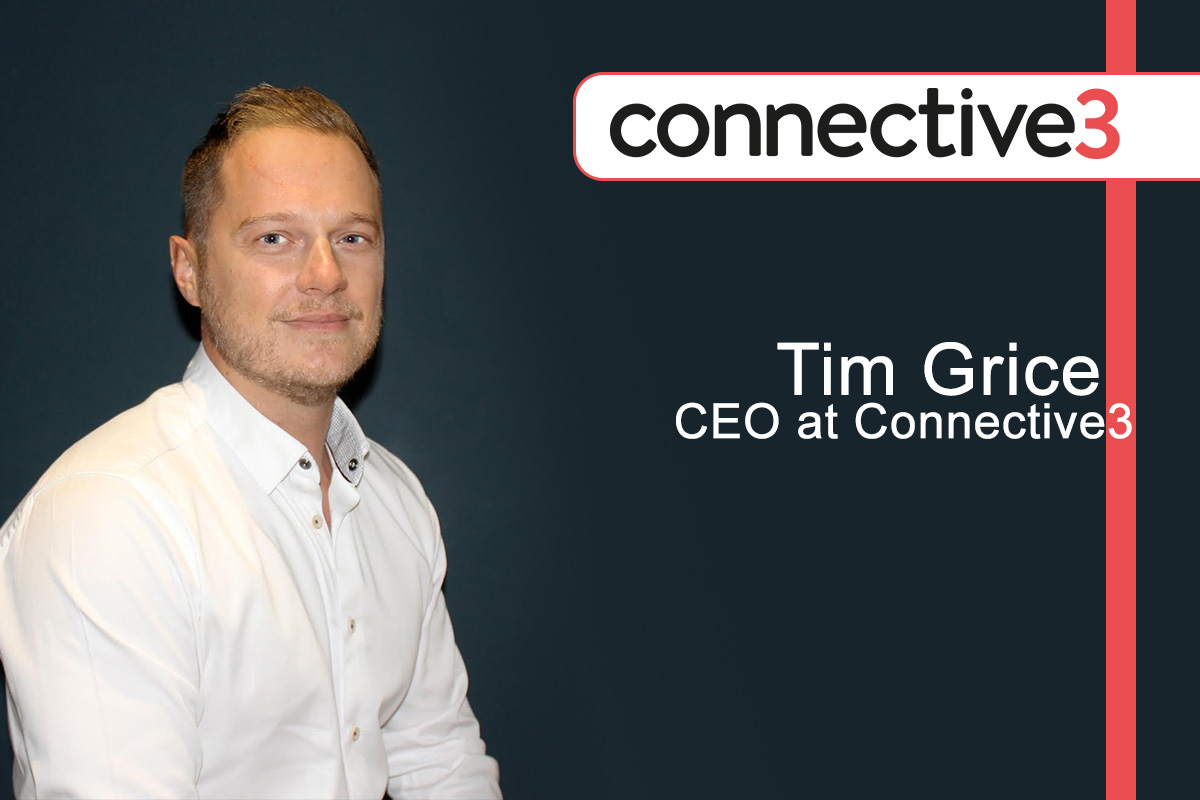
Exclusive Q&A with Tim Grice, CEO of Connective3

We are going through one of the most difficult times in human history. The Corona virus pandemic has affected all spheres of human lives. The gaming industry is no exception.
How do the best minds of the industry analyze this rapidly evolving situation?
That’s what we want to find out with this exclusive interview with Tim Grice, the chief executive officer of Connective3, a top-notch digital marketing agency in the gaming industry based in the UK.

Here he talks about himself, his company, quick impacts of the COVID-19 outbreak in the industry and, best of all, some insightful advice on how to proceed during these tough times.
Here we go!
Q. First up, an introductory question. Tell us about yourself. Our readers love to hear top entrepreneurs talking about themselves.
A. I’ve been working in digital marketing for 13 years. I started out as a consultant in 2007, mainly working across SEO and PPC. In 2010 I joined Branded3 as Head of Search; there were no more than three people in the digital marketing team when I joined, but in 3 years we managed to grow the business to over £4m in revenue and 60 people.
Branded3 was acquired in 2013 and I took over the role of CEO in 2015, generating revenues of £7.2m and nearly 100 people in the business.
In 2019 I decided to collaborate with the founders of Branded3 and introduce a new agency brand to the mix, connective3. We have gathered together the most talented people I have worked with over a decade and have created a £1m / 20 person business in 6 months. We have huge ambitions and want to grow the business in the UK and internationally over the next 5 years.
Q. How is your business going at this time of Corona-induced turmoil?
A. Like everybody else things have slowed down. No businesses are willing to commit at such an uncertain time. However, we are working remotely very well and are even seeing some growth from our igaming and other online-only clients.
Q. What about affiliate marketing industry performance as a whole in these times? Some sectors in the affiliate world of gaming and gambling industry must be hit hard, right?
A. Any affiliates linked to travel, retail and hospitality are going to struggle immensely as no one is buying. However, we have seen an increased amount of traffic and conversions across igaming (casino/poker/bingo) as well as certain financial products and services. So very mixed, but there is no doubt some serious pain across multiple sectors.
Q. What do you think affiliate marketers in the struggling sectors should do at this stage? Any advice based on your experience?
A. It’s very hard to react as this is such a freak even; however, if possible I would recommend reviewing all content on your site, ensuring it caters to those using ‘online’ in their search queries. We have seen huge growth in ‘online + keyword’ searches across the board, and are reacting with our clients.
I think the whole crisis really spells out the need for businesses to invest in content aimed at the awareness stage of the customer journey, aspirational content to cater to customers who are browsing and wanting information before they make a purchase. Everyone is at home, no one is buying, but people are still looking in preparation for the end of this crisis. Investing in this area will put you in a stronger position when conversions dry up.
Q. Was the affiliate industry prepared to face such a crisis? What kind of course correction do the affiliate companies in the gaming and gambling sector require both in operation and strategies for tackling such a potentially long emergency period?
A. As above, I don’t think there is much that can be done to avoid the declines, only ease the pain. Investing in information-rich content, diversifying products and having international websites is probably going to be the best way to minimise the impact of a pandemic like this.
Q. What are your quick insights into the situation as we go through an ongoing crisis caused by the Corona outbreak? What are the lessons that you learned from this episode? This could be important as many warn us about similar outbreaks in the future.
A. The best piece of advice I can give is to keep your business cash rich. Have enough in the bank to see your business through six months of no revenue. It will still hurt when something like this happens, but it will allow you to navigate through it and give you the funds to invest when the world wakes up. We’re anticipating a huge wave of growth when normality returns and as a business, we want to be in position to take full advantage. Our strategy is very simple, give world class service and support to our clients and use this time to invest in our inbound marketing output.
Q. Which of the sectors in the gambling industry gained as a result of the recent crisis? It would be great if you can provide figures and stats to support your answers.
A. I can’t go into specific details about clients or numbers; however, on a whole we’re seeing quite stable numbers across the businesses we work with. Across casino, poker and bingo we’re seeing on an average a 20% increase in traffic in the UK, and even though sports betting has collapsed, we’ve seen a sharp rise in e-sports. People still want to be able to gamble even though certain products are unavailable.
Q. There is of course a reported surge in customer interest on the igaming betting front. Do you think it is sustainable during the post-crisis stage as well, when the traditional sports will be back in action?
A. I think the current surge is temporary and will stabilise when things settle down and events are allowed to continue. However, this may not be for a while looking at the current situation, so this could be a truly unprecedented summer for online casino/online poker/online bingo products. My advice would be to invest hard now in content marketing and make the most of what looks to be double digit growth in this area. We work with igaming brands getting quality links and coverage which are having a huge impact on rankings. This is where I would invest to take advantage.
Q. What would be your advices and suggestions regarding content marketing strategy for the gaming and gambling industry during this outbreak and after it? Should the old practices hold up or new ones should surface?
A. I have no doubt that buying links, link networks and other manipulative techniques still work to deliver rankings. However, we don’t advocate or practice this; our content marketing and digital PR team are one of the best in the industry and are actively working with multiple igaming businesses delivering hundreds of top tier links every month.
I would invest in informational content on your website, answering all the questions your customers could possibly have about your products and services. However, the main part of my strategy would go into digital PR and delivering high quality trusted links that deliver trust and authority in the long term, as opposed to quick fix strategies that last 3- 6 months. Decent link building can be done at scale now and deliver quantity as well as quality.

Baltics
HIPTHER Community Voices: Interview with the CEO and co-founder of Nordcurrent Victoria Trofimova

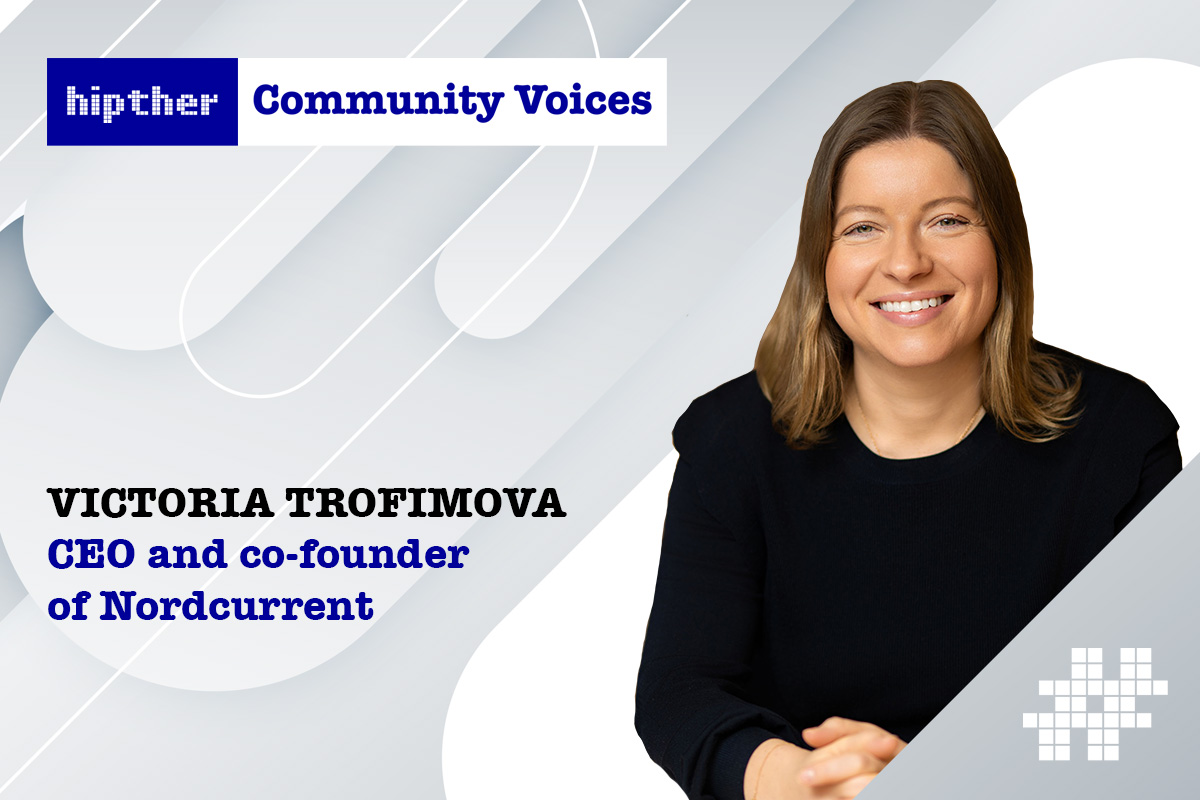
In this edition of HIPTHER Community Voices, we talk with Victoria Trofimova, the CEO and co-founder of Nordcurrent, the biggest game studio to come out of Lithuania and the Baltics. Since starting the company in 2002, Victoria has led Nordcurrent from a small team to an international gaming success story — all without external funding.
She shares how key decisions like focusing on mobile games, building a diverse team, and staying true to their creative vision helped shape Nordcurrent’s growth. We also dive into how she’s helping put the Baltics on the global gaming map, supporting young talent, and what advice she has for the next generation of women leaders in tech.
Nordcurrent has grown into a Baltic powerhouse since its founding in 2002. What were some of the pivotal moments that shaped the studio’s identity and success—especially as a bootstrapped company?
One key moment was our decision to focus fully on mobile gaming early on. That shift, around 2010, allowed us to scale globally with titles like Cooking Fever, which became a long-term success story. Another pivotal step was building and retaining in-house capabilities, from development to marketing, while staying self-funded. Being bootstrapped taught us discipline, resilience, and how to make bold yet thoughtful decisions without external pressure.
You’ve scaled a 360-person team across multiple countries. What have been the biggest challenges—and advantages—of growing Nordcurrent without external funding?
The biggest challenge has been growth pacing. We had to build sustainably, without shortcuts. But that’s also been our advantage; we’ve kept creative control, built long-term trust with our team, and stayed focused on profitability and product quality. It’s a different rhythm, one that favors deep thinking over hype.
Diversity in gaming is still lagging behind. What concrete steps has Nordcurrent taken to drive inclusion, and how do you embed this into studio culture, hiring, and leadership?
We don’t overcomplicate it, we hire the best people who want to build great games with us. We don’t separate or label by gender, background, or title. If someone brings talent, drive, and a collaborative mindset, they belong here. That approach has naturally led to a diverse team, including strong female leadership across departments. We focus on creating an environment where everyone is treated equally, trusted, and heard.
You’ve spoken about attracting global talent to Lithuania and the Baltics. What makes the region appealing—and what misconceptions do you often have to overcome when recruiting internationally?
The Baltics offer a great work-life balance, strong tech ecosystems, and a tight-knit creative scene. But we still need to overcome outdated perceptions; for example, that it’s cold, isolated, or lacking opportunity. The truth is, Vilnius and other cities here are dynamic and are increasingly being recognized for innovation.
In such a saturated gaming market, how does Nordcurrent approach innovation and stay relevant without falling into trend-chasing?
We listen deeply. To players, to data, and to our instincts. With over two decades of experience, we’ve built a rich internal library of what works, what lasts, and what connects. Innovation for us isn’t about reinventing the wheel every time. It’s about layering insight, emotion, and cultural nuance onto strong foundations. We don’t chase trends, we ask how a game fits into people’s lives. That’s why titles like Airplane Chefs resonate. They’re familiar yet fresh, culturally rich but globally accessible. Years of learning has given us the confidence to trust our gut and the clarity to know when to try something bold.
From mobile hits to console and PC publishing—how has your portfolio strategy evolved, and how do you decide what kinds of games to invest in today?
Our mobile success gave us the freedom to diversify. With Nordcurrent Labs, we now publish PC and console games that align with our values: original IP, strong storytelling, and long-tail potential. We look for teams with vision and grit, whether it’s cozy games or narrative-rich adventures.
You recently acquired River End Games and the Cinemaware catalog. What’s the strategic thinking behind those moves, and what can players expect from these legacy properties going Forward?
River End Games brings deep narrative talent and AAA craftsmanship, which complements our publishing ambitions. With Cinemaware, we’re reimagining classics for a new generation. These acquisitions aren’t about nostalgia only, they’re about unlocking untapped creative value in ways that feel both respectful and bold.
How are you helping to nurture the next generation of game developers in the Baltics, and what role do you think studios should play in education or early talent development?
We take this responsibility seriously. As the largest Lithuania-born game developer, we feel a strong duty to help grow the industry, not just our studio. We actively collaborate with the Lithuanian Game Developers Association, support local game jams, and organize major meetups that bring the community together. Our goal is to make the gaming industry more visible, more accessible, and more appealing, especially to young people who may not yet see it as a real career path.
It’s not just about hiring talent, it’s about helping to create it. We believe studios should take an active role in popularizing the industry, opening doors, and building a future where game development is seen as a creative and respected profession.
You’re leading a company that’s rooted in Eastern Europe but competing on a global stage. How do you balance local values with global ambitions?
We don’t see it as a conflict. Our roots give us authenticity and resilience, and these are qualities that resonate globally. We build games that are grounded in strong craft and cultural richness but are universally relatable. Staying true to who we are has been our best strategy for going global.
And finally—what advice would you give to aspiring women leaders in tech and gaming who want to break into this industry and rise through the ranks?
Own your voice. You don’t need to fit a mold to lead. Surround yourself with people who challenge and support you. And remember, leadership isn’t just about a title, it’s about taking responsibility, lifting others, and staying curious. Tech and gaming need your perspective, and there’s room for you at the table.
The post HIPTHER Community Voices: Interview with the CEO and co-founder of Nordcurrent Victoria Trofimova appeared first on European Gaming Industry News.
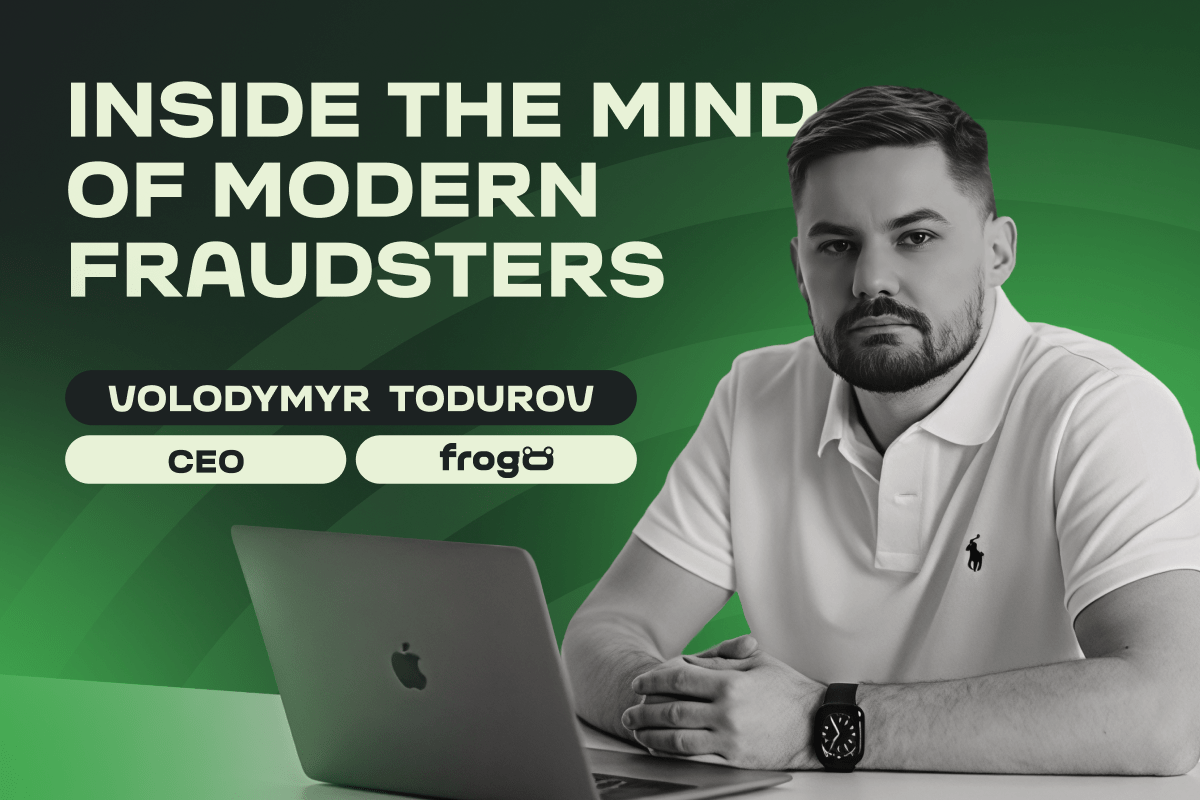
Fraud in the iGaming sector is no longer the work of lone opportunists. Today’s scammers operate in well-organized, tech-savvy networks – quietly exploiting systems that weren’t built to catch them. And as the digital economy grows, so too does the complexity of fraud schemes targeting gaming operators.
Amid this evolving threat landscape, Frogo has emerged as a company redefining how fraud prevention should work. We spoke with Volodymyr Todurov, CEO at Frogo, to get an inside look at how fraudsters are changing their tactics – and what operators can do to stay ahead.
Fraudsters evolve fast – how does your system stay one step ahead without overwhelming teams with false alarms?
Absolutely, the landscape of fraud is constantly shifting and staying ahead requires more than static rules. At Frogo, we’ve developed a dynamic system that adapts in real-time to user behavior and transaction contexts. Our platform learns from both fraudulent and legitimate activities, enabling it to distinguish between the two more effectively. This approach reduces false positives and ensures that our clients’ teams can focus on genuine threats without being bogged down by unnecessary alerts.
Can you walk us through a real-world case where your platform uncovered a fraud scheme traditional tools missed?
Absolutely. One notable case involved a large-scale bot attack targeting SMS-based fraud vectors. Initially, our standard device ID-based defenses helped neutralize the first wave of the attack. However, the adversaries quickly adapted, altering their emulation tactics to bypass traditional checks. At that point, conventional methods were no longer sufficient to detect the evolving fraud.
We responded by implementing a dynamic anomaly detection framework. This involved redefining detection signals in real-time using IP intelligence and deep device fingerprint attributes – areas where our proprietary data collection algorithms provided a significant edge. By anchoring detection logic to more granular and resilient signals, we were able to recalibrate thresholds dynamically, ensuring legitimate users weren’t impacted.
The results were decisive: bot attack efficiency dropped sharply from over 80% to just 3.5%.
What’s something about fraud detection that most businesses get wrong? And how does Frogo challenge that?
A common pitfall we see is operational rigidity – many businesses rely on static rules and general-purpose triggers that result in high false positive rates. This not only burdens anti-fraud teams with unnecessary manual reviews but also degrades the experience for legitimate users, especially loyal or VIP customers.
For example, it’s typical to see blanket rules like “manually verify all payouts over X euros.” While that may seem prudent, in reality it’s inefficient. It overlooks low-value, high-frequency fraud – such as bonus abuse – and disproportionately flags legitimate high-value players.
At Frogo, we take a different approach. Our system adapts rules dynamically based on customer behavior and segmentation. A trusted VIP user with a long-standing reputation shouldn’t be reviewed multiple times a day. But if a wave of new €5 accounts starts exhibiting bonus-hunting behavior, they should run immediate scrutiny – regardless of transaction size.
By aligning detection logic with behavioral context and player reputation, we reduce noise, increase fraud catch rates, and protect real users from unnecessary friction.
How does Frogo automate risk logic without sacrificing the flexibility businesses need to reflect their unique policies and traffic patterns?
At Frogo, we don’t see automation and customization as opposing forces – they operate in different dimensions. Our focus is on automating the customization of risk and scoring policies in a way that respects each client’s specific risk appetite and user behavior.
We achieve this through dynamic triggers. Rather than hardcoding arbitrary rules – like “five failed top-ups per minute equals fraud” – we apply adaptive scoring thresholds that align with real-world usage patterns.. For example, our system might detect that, for a certain payment method and user segment, more than 1.3 failed top-ups per minute is statistically anomalous – because it exceeds the 98th percentile of historical behavior.
But that same trigger adjusts automatically. If the next day a payment provider experiences a technical issue and normal users start retrying more often, the threshold might shift to 2.7. What was anomalous yesterday may no longer be today – and our system adapts accordingly to reflect evolving traffic patterns.
As a result: the clients retain full control over their risk strategy, while Frogo ensures their policies scale efficiently, adapt in real time, and minimize false positives – even in volatile traffic conditions.
Beyond detection – how does Frogo help companies investigate and understand fraud at a strategic level?
Detection is just the beginning. Frogo’s graph-based forensic tools and AI models provide a comprehensive view of the relationships between accounts, transactions and behaviors. This allows companies to identify patterns and vulnerabilities that might not be apparent through traditional analysis. Our analytics layer offers insights into trends and forecasts, enabling businesses to understand the broader context of fraudulent activities and make informed strategic decisions to mitigate future risks.
Fraud might be getting smarter, but so are the solutions built to fight it. Platforms like Frogo are helping operators move beyond reactive security measures and into a space of strategic, data-informed defense. In an industry where trust is everything, that shift might just be the difference between staying one step ahead – or falling behind.
Disclaimer: Frogo’s fraud prevention solutions are developed in full compliance with applicable data protection laws, including GDPR. All behavioural analysis is performed on anonymised or aggregated data, with full transparency and control provided to our clients.
The post Portrait of a Fraudster Then and Now: How Scammers’ Habits and Tactics Are Changing appeared first on European Gaming Industry News.
Interviews
Inside the Matrix: A Conversation with EveryMatrix Founders on Europe, Expansion, and Staying Hands-On
By Maria Emma Arnidou, Event Marketing Director at HIPTHER, for the European Gaming Media
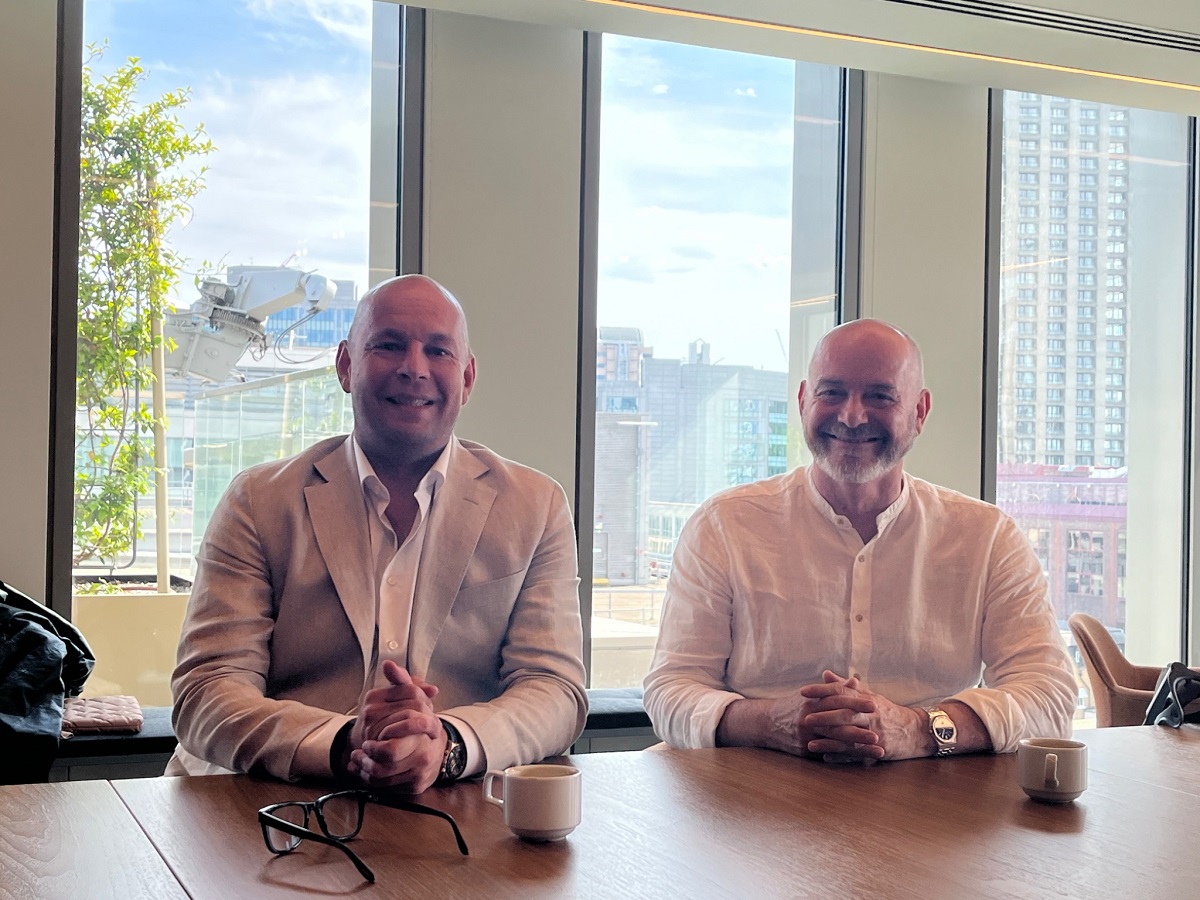
During the recent EveryMatrix Media Day at the company’s opening of their new London office, Co-Founders Ebbe Groes (CEO) and Stian Hornsletten sat down with press to share key insights into their strategic vision. In this exclusive Q&A, we explore their views on the European Market, the evolution of EveryMatrix’s business model, leadership philosophy, and the company’s experience in the ever-evolving U.S. market.
Europe is filled with local heroes. It’s far more fragmented than most people think.
You discussed emerging markets in your presentation. What about Europe – is it considered saturated, or are there still areas of growth?
Ebbe Groes: I really don’t think Europe is saturated at all. In fact, big parts of it are still underdeveloped. Take France for example, it doesn’t allow online casino. Germany has effectively banned it. That’s two of Europe’s three largest economies where casino is either outlawed or nearly impossible. So yes, there is still plenty of room for growth.
Stian Hornsletten: And the market is getting more concentrated around a few bigger players, but even then, it’s not as centralized as in the U.S.
Ebbe Groes: Exactly. Europe is filled with local heroes. You won’t find many players dominating across the board. Kindred, Betsson – they’re strong, but when you go country by country and look at market share, the picture is very fragmented. Even with the economies of scale in marketing – say you sponsor a Premier League team – you’re still not getting the full return unless you’re present across multiple markets. That’s what makes Europe so different from the U.S., where a few big players hold all the cards.
We started with a sportsbook. Now we’re building an ecosystem.
EveryMatrix today operates across multiple verticals with a deeply diversified portfolio. Was this the vision from the start, or did it evolve as the company grew?
Stian Hornsletten: The vision definitely evolved quickly as we grew. We started with OddsMatrix, a B2B sportsbook product that was meant to be an off-the-shelf, managed solution – something that didn’t exist back then. Within a year, we had already expanded into turnkey and PAM solutions. By 2010–2011, we had launched the CasinoEngine and started specializing in product verticals.
We’ve always been very innovation-driven. We keep developing new products – some of which are still under wraps – and R&D remains one of the most exciting parts of what we do. Today, most of our top 10 clients are turnkey. While we still offer standalone modules, our growth has come from cross-vertical synergy.
Despite this scale and complexity, you both remain deeply involved in the company’s day-to-day operations. How do you manage to stay on top of everything across products, people, and processes?
Ebbe Groes: It helps that we’ve been here from the start. I wouldn’t want to be hired into this role now and try to learn everything from scratch – but I’ve had 18 years to absorb it all. We’ve built the company in a way that each vertical operates almost like its own business. For example, the sports division has its own CTO, product team, trading team, and even its own support function. That independence gives us breathing room.
It allows me to focus on high-level strategy, like acquisitions – take FSB, for instance. That required a lot of focus at the start, but eventually it will transition into the core business and require less direct involvement.
Stian Hornsletten: Over the years, we’ve also developed strong planning, reporting, and KPI structures across the business. That consistency makes it easier to monitor everything and integrate new divisions. Whether we open a new office or onboard a new team, we already have the systems in place to support them.
Ebbe Groes: And the same goes for finance and HR. When we opened the London office, the HR team already knew how to handle it – we’d opened three the year before. That kind of maturity allows us to move fast without creating chaos.
“In Europe we have 150 competitors in content; in the U.S., maybe 10.”
And what about the U.S. – a market many see as the holy grail of iGaming? What’s your current position there?
Ebbe Groes: To be honest, the U.S. was a tough lesson. We entered hoping to provide a full turnkey solution, but the market didn’t evolve the way we expected. Many well-funded B2C operators pulled out, and that left little demand for companies like us to offer the full stack. We pivoted to focus on one thing: our own gaming content.
Stian Hornsletten: We’re now live in four out of five regulated U.S. states for our own content, and we have agreements with all the major operators. Some new games from SlotMatrix are set to launch by summer, and they’ve already shown strong performance elsewhere – which gives us hope. If we manage to capture even 1–2% market share with our own content, that would already be meaningful.
But it’s been a long and costly process. Every state has its own regulatory requirements, separate hosting, and certification needs. And if one state’s not ready, operators won’t promote your games nationally. It’s frustrating, but it also reduces competition. In Europe we have 150 competitors in content; in the U.S., maybe 10. So if we can endure, there’s long-term potential.
The post Inside the Matrix: A Conversation with EveryMatrix Founders on Europe, Expansion, and Staying Hands-On appeared first on European Gaming Industry News.

-
 AGCO7 days ago
AGCO Fines Great Canadian Casino Resort Toronto $350,000 for Serious Regulatory Violations Linked to Impromptu After-Party on Gaming Floor
-

 Africa7 days ago
ALA Hosted Seminar on Artificial Intelligence and Cybersecurity
-
Canada7 days ago
IGT and Atlantic Lottery Sign Eight-Year Video Lottery Central System Technology Agreement
-
Africa6 days ago
DRC Signs MoU for Public-Private Partnership with Burundi’s East African General Trade Company
-
First7 days ago
FIRST and Genius Sports Extend Landmark Data Partnership, Powering Continued Growth
-
Latest News7 days ago
Unlock Top-Tier Deals and Careers: Parimatch joins iGB L!VE 2025
-
Blokotech7 days ago
Blokotech unveils Cristian Tonanti as new Casino Partnership Manager
-
Brazil7 days ago
Esportes da Sorte holds forum on “Integrity in Sports” with Ceará and Náutico