Baltics
HIPTHER Community Voices: Interview with the CEO and co-founder of Nordcurrent Victoria Trofimova

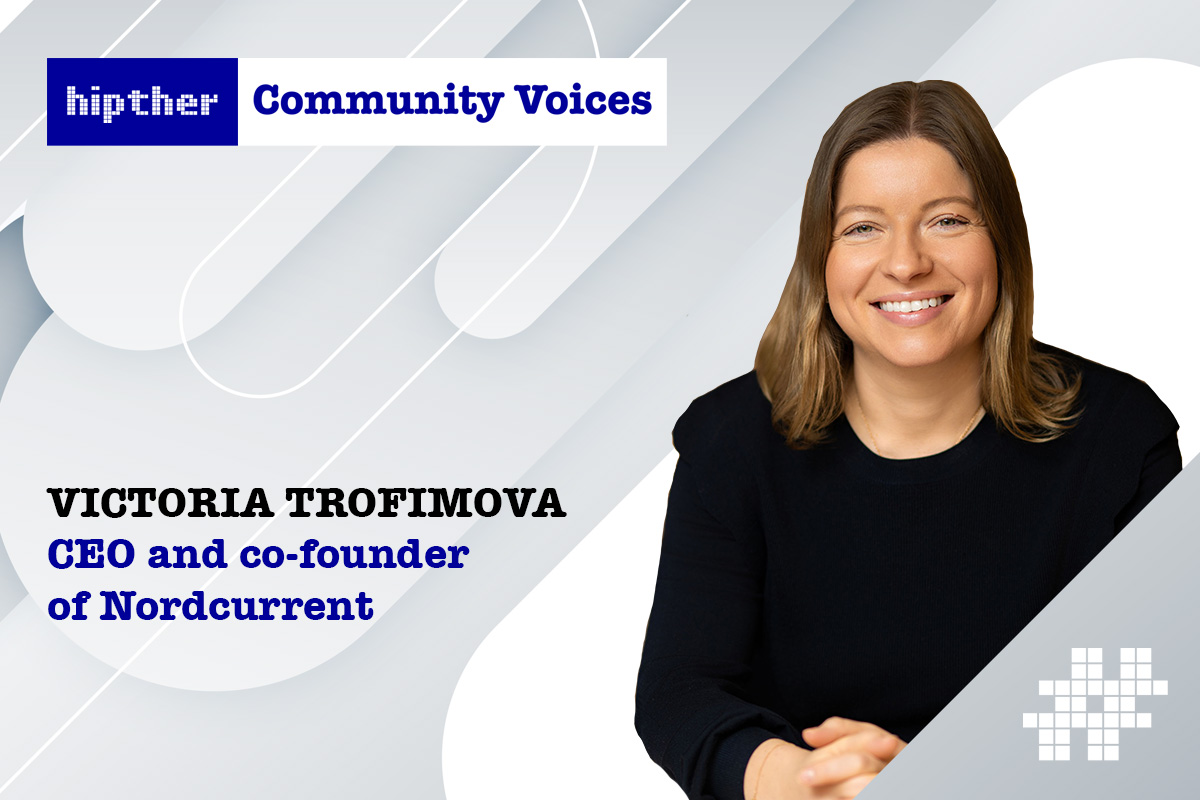
In this edition of HIPTHER Community Voices, we talk with Victoria Trofimova, the CEO and co-founder of Nordcurrent, the biggest game studio to come out of Lithuania and the Baltics. Since starting the company in 2002, Victoria has led Nordcurrent from a small team to an international gaming success story — all without external funding.
She shares how key decisions like focusing on mobile games, building a diverse team, and staying true to their creative vision helped shape Nordcurrent’s growth. We also dive into how she’s helping put the Baltics on the global gaming map, supporting young talent, and what advice she has for the next generation of women leaders in tech.
Nordcurrent has grown into a Baltic powerhouse since its founding in 2002. What were some of the pivotal moments that shaped the studio’s identity and success—especially as a bootstrapped company?
One key moment was our decision to focus fully on mobile gaming early on. That shift, around 2010, allowed us to scale globally with titles like Cooking Fever, which became a long-term success story. Another pivotal step was building and retaining in-house capabilities, from development to marketing, while staying self-funded. Being bootstrapped taught us discipline, resilience, and how to make bold yet thoughtful decisions without external pressure.
You’ve scaled a 360-person team across multiple countries. What have been the biggest challenges—and advantages—of growing Nordcurrent without external funding?
The biggest challenge has been growth pacing. We had to build sustainably, without shortcuts. But that’s also been our advantage; we’ve kept creative control, built long-term trust with our team, and stayed focused on profitability and product quality. It’s a different rhythm, one that favors deep thinking over hype.
Diversity in gaming is still lagging behind. What concrete steps has Nordcurrent taken to drive inclusion, and how do you embed this into studio culture, hiring, and leadership?
We don’t overcomplicate it, we hire the best people who want to build great games with us. We don’t separate or label by gender, background, or title. If someone brings talent, drive, and a collaborative mindset, they belong here. That approach has naturally led to a diverse team, including strong female leadership across departments. We focus on creating an environment where everyone is treated equally, trusted, and heard.
You’ve spoken about attracting global talent to Lithuania and the Baltics. What makes the region appealing—and what misconceptions do you often have to overcome when recruiting internationally?
The Baltics offer a great work-life balance, strong tech ecosystems, and a tight-knit creative scene. But we still need to overcome outdated perceptions; for example, that it’s cold, isolated, or lacking opportunity. The truth is, Vilnius and other cities here are dynamic and are increasingly being recognized for innovation.
In such a saturated gaming market, how does Nordcurrent approach innovation and stay relevant without falling into trend-chasing?
We listen deeply. To players, to data, and to our instincts. With over two decades of experience, we’ve built a rich internal library of what works, what lasts, and what connects. Innovation for us isn’t about reinventing the wheel every time. It’s about layering insight, emotion, and cultural nuance onto strong foundations. We don’t chase trends, we ask how a game fits into people’s lives. That’s why titles like Airplane Chefs resonate. They’re familiar yet fresh, culturally rich but globally accessible. Years of learning has given us the confidence to trust our gut and the clarity to know when to try something bold.
From mobile hits to console and PC publishing—how has your portfolio strategy evolved, and how do you decide what kinds of games to invest in today?
Our mobile success gave us the freedom to diversify. With Nordcurrent Labs, we now publish PC and console games that align with our values: original IP, strong storytelling, and long-tail potential. We look for teams with vision and grit, whether it’s cozy games or narrative-rich adventures.
You recently acquired River End Games and the Cinemaware catalog. What’s the strategic thinking behind those moves, and what can players expect from these legacy properties going Forward?
River End Games brings deep narrative talent and AAA craftsmanship, which complements our publishing ambitions. With Cinemaware, we’re reimagining classics for a new generation. These acquisitions aren’t about nostalgia only, they’re about unlocking untapped creative value in ways that feel both respectful and bold.
How are you helping to nurture the next generation of game developers in the Baltics, and what role do you think studios should play in education or early talent development?
We take this responsibility seriously. As the largest Lithuania-born game developer, we feel a strong duty to help grow the industry, not just our studio. We actively collaborate with the Lithuanian Game Developers Association, support local game jams, and organize major meetups that bring the community together. Our goal is to make the gaming industry more visible, more accessible, and more appealing, especially to young people who may not yet see it as a real career path.
It’s not just about hiring talent, it’s about helping to create it. We believe studios should take an active role in popularizing the industry, opening doors, and building a future where game development is seen as a creative and respected profession.
You’re leading a company that’s rooted in Eastern Europe but competing on a global stage. How do you balance local values with global ambitions?
We don’t see it as a conflict. Our roots give us authenticity and resilience, and these are qualities that resonate globally. We build games that are grounded in strong craft and cultural richness but are universally relatable. Staying true to who we are has been our best strategy for going global.
And finally—what advice would you give to aspiring women leaders in tech and gaming who want to break into this industry and rise through the ranks?
Own your voice. You don’t need to fit a mold to lead. Surround yourself with people who challenge and support you. And remember, leadership isn’t just about a title, it’s about taking responsibility, lifting others, and staying curious. Tech and gaming need your perspective, and there’s room for you at the table.
The post HIPTHER Community Voices: Interview with the CEO and co-founder of Nordcurrent Victoria Trofimova appeared first on European Gaming Industry News.








Baltics
From Ronaldinho Roulette to Next-Generation Game Shows: How CreedRoomz is Expanding Live Casino Entertainment

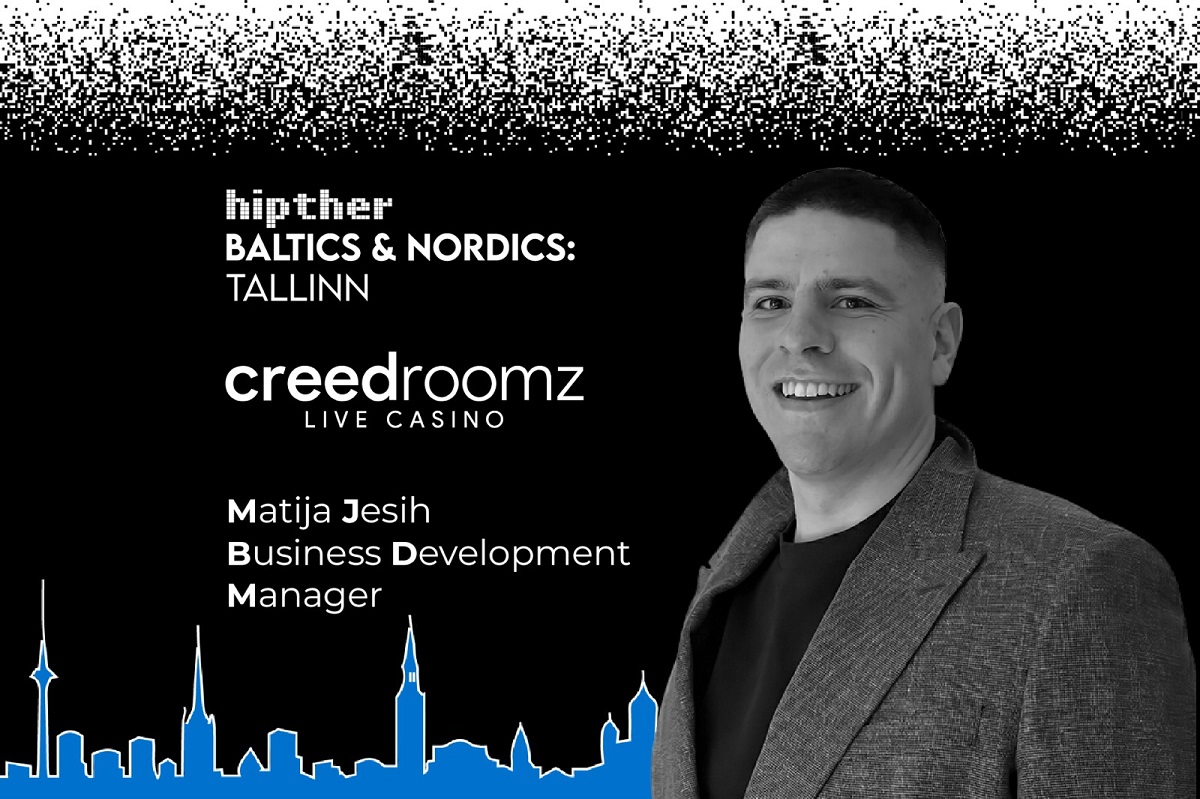
As part of our HIPTHER Baltics & Nordics: Tallinn 2026 Sponsor Spotlight series, we caught up with Matija Jesih, Business Development Manager at CreedRoomz, to discuss the company’s latest innovations, its headline-making collaboration with football icon Ronaldinho, and what operators can expect from the next generation of live casino entertainment.
With a strong background in regulated markets, platform solutions, and commercial growth, Matija shares insights into how CreedRoomz is combining recognizable personalities, innovative game mechanics, and an ambitious game show roadmap to create new engagement opportunities for operators and players alike.
CreedRoomz recently announced a collaboration with football legend Ronaldinho, introducing titles such as Kickoff Roulette and Marble Cup. What inspired this partnership, and what made Ronaldinho the right fit for the brand?
The inspiration behind this partnership stems from our desire to truly bridge the gap between traditional sports entertainment and the fast-evolving live casino space. When you look at live casinos right now, audiences are looking for something more than just standard tables, they want an experience, an emotional connection.
Ronaldinho Gaúcho is the absolute embodiment of that concept. He isn’t just a football legend, his name is universally synonymous with joy, creativity, cross-generational appeal, and unmatched flair. That radiant energy is exactly what makes him the perfect fit for the CreedRoomz brand.
By integrating his persona into titles like Kickoff Roulette and Marble Cup, we aren’t just slapping a famous face on a game thumbnail. We are capturing his signature style and infusing it directly into innovative mechanics. Football and iGaming share a deeply passionate user base, and having a global icon like Ronaldinho headlines these games allows us to help operators attract both sports fans and traditional players, creating an instantly recognizable, high-engagement environment that stands out in a crowded market.
Previously we did a game featuring Maradona, “Maradona Run” and it captures the same philosophy, it bridges the gap between legendary sports entertainment and real-time casino gameplay, ensuring that players don’t just watch the legacy, but actively interact with it.
Celebrity partnerships have become increasingly visible across gaming and entertainment. What role do you believe they can play within the live casino sector, and what should operators consider when evaluating such collaborations?
For the live casino sector, the primary role of a celebrity partnership is instant trust and differentiation. A recognizable face cuts through the noise of a crowded lobby and drives immediate cross-sell opportunities, especially from sportsbooks to live casinos.
However, operators and providers need to look beyond raw social media follower counts when evaluating these collaborations. There are two critical elements to consider: authenticity and cultural alignment and deep Integration over surface branding.
The celebrity’s persona must naturally fit the game’s theme. With Ronaldinho or Maradona, his association with playfulness and unmatched skill fits the dynamics of our sports-themed titles perfectly.
At CreedRoomz, we focus on building a unique brand, creating bespoke environments and gameplay that actually reflect the icon’s legacy, ensuring the partnership delivers long-term player retention rather than just a short-lived spike in traffic.
Let’s talk about the games themselves. What can players and operators expect from Kickoff Roulette and Marble Cup, and how do these titles reflect the broader direction CreedRoomz is taking with its live casino portfolio?
For Kickoff Roulette, we are completely fusing the worlds of sports and live roulette. It is set within an electrifying, sports-themed virtual studio utilizing a green-screen solution. Mechanically, the excitement is amplified by ‘Aurum Numbers’ which award players massive multipliers ranging from x50 up to x700, adding major payout volatility to every single spin.
Crucially, to maximize global appeal and ensure a localized experience, Kickoff Roulette is available in two languages: English and Portuguese.
Given Ronaldinho’s legendary status in Brazil, having a dedicated Portuguese-speaking option is a massive asset for operators targeting the booming Latin American and European Portuguese markets, allowing them to connect with players in their native language.
Marble Cup, on the other hand, leans heavily into unique, fast-paced tournament mechanics that capture the suspense of sporting competitions but in a highly dynamic, game-show format that keeps players glued to the screen. Marble Cup is a first-of-its-kind live betting game that sits at the intersection of live casino and sports entertainment, a space no competitor has meaningfully entered. Unlike traditional live casino games driven by RNG or standard table mechanics, Marble Cup uses a custom-engineered physical device where results are determined by genuine randomness: marbles rolling down a gravity-fed track into goals defended by moving goalies. No algorithm, no simulation, the outcome is real.
Maradona Run:
Maradona Run a fast-paced lottery ball draw with a cinematic, arcade-style endless runner game show. During the main game, players manage up to eight interactive cards as football-styled lottery numbers bounce in a high-tech studio chamber. When the bonus round triggers, players leave the studio behind and hit a digital, festive boulevard alongside Maradona himself.
Instead of traditional coins, the animated legend sprints down the obstacle-filled street course collecting glowing soccer balls. These collectibles correspond to crucial gameplay advantages, including total payout multipliers, energy speed-boosts, and prize doublers, culminating in a massive maximum payout potential of up to 10,000x the bet.
Beyond the Ronaldinho collaboration, CreedRoomz has been expanding its focus on game-show-style experiences. What trends are you currently seeing in player preferences, and how are they influencing your product development strategy?
Modern players view live casinos as a source of full-scale entertainment rather than just digital table games. They want active participation, unpredictable narratives, and community elements.
Currently, we see three dominant trends shaping player preferences:
Cinematic Storytelling: Players want an immersive narrative. This heavily inspired our flagship 2026 game show, The Road to Eldorado, which transports players into an Aztec world utilizing advanced 3D visuals and four interactive bonus rounds.
Rapid-Fire Intuition: The younger demographic thrives on quick-decision, high-suspense gameplay. This led us to develop non-traditional formats like Avi Crash (bringing live-dealer energy to the crash game genre).
Cross-Vertical Fusion: Players love familiar concepts with a twist. We’ve tapped into this with Crypto Market, simulating a rapid live trading environment, BacDice, combining baccarat with dice mechanics, and Lucky Colors a vibrant, high-energy casino experience
Our strategy is to “bring the show back to game shows”. By combining these multi-layered mechanics with advanced virtual studios and native-speaking hosts, we help operators deliver highly engaging, custom-branded experiences.
Can you give us a preview of the CreedRoomz game show roadmap? What types of new experiences, mechanics, or innovations can operators look forward to over the coming months?
Our roadmap is completely focused on transitioning from a fast-growing challenger to the definitive global leader in live entertainment. Operators can look forward to a massive push across both next-generation game shows and highly customizable infrastructure.
However, great games are only half the battle. The other half is how we empower operators, which is why we are heavily expanding our dedicated and customizable solutions.
We recognize that one size no longer fits all. We are offering bespoke Dedicated Studios, allowing partners to design custom-tailored environments with native-speaking tables and preferences to achieve deep, market-specific localization. Furthermore, by advanced multi-stream compositing technology, we are launching Dedicated Card Games. This allows us to run a single, physical studio while simultaneously delivering completely different, uniquely branded virtual skins to multiple operators.
With your experience across regulated markets and content distribution, how do you balance innovation with the realities operators face, such as compliance requirements, integration efficiency, and player retention objectives?
We balance innovation by embedding compliance and infrastructure directly into our creative process from day one. Our games are built with compliance-first architecture to instantly meet strict regulatory standards globally, from Europe to Latin America, while advanced tech like ultra-low latency streaming and virtual green-screen solutions allows operators to launch highly customized content seamlessly without complex integrations. Ultimately, while a celebrity or flashy visual triggers the initial acquisition, it is our deep game math, like volatility shifts, interactive 3D bonus rounds, and native-language localization, that ensures sustainable player retention and commercial success for our partners.
Looking ahead, what are the key priorities for CreedRoomz during the remainder of 2026, and where do you see the biggest opportunities for growth within the live casino and game show segments?
To achieve this, we are capitalizing on two massive growth opportunities. The first is deepening our geographical footprints across booming, new studios coming up in Brazil, Europe and Asia this year. This allows us to provide hyper-localized, native-speaking tables and give operators free-of-charge, customized branding setups that resonate perfectly on a local level.
The second major growth catalyst lies within our core product segments. In the game show vertical, our focus is all about scaling the massive momentum of our flagship launch, Road to Eldorado, alongside our new generation of hybrid titles like Avi Crash and Crypto Market.
The industry opportunity here is immense, players no longer want standard formats, so by delivering highly gamified, multiplier-heavy ecosystems, we are successfully bridging the gap between sports betting, slots, and live tables. By combining these unique mechanics with our advanced, data-light streaming tech, our priority for the rest of the year is ensuring our partner operators can seamlessly maximize player engagement and unlock entirely new revenue streams.
The post From Ronaldinho Roulette to Next-Generation Game Shows: How CreedRoomz is Expanding Live Casino Entertainment appeared first on EE Gaming | Global iGaming & Tech Intelligence Hub.
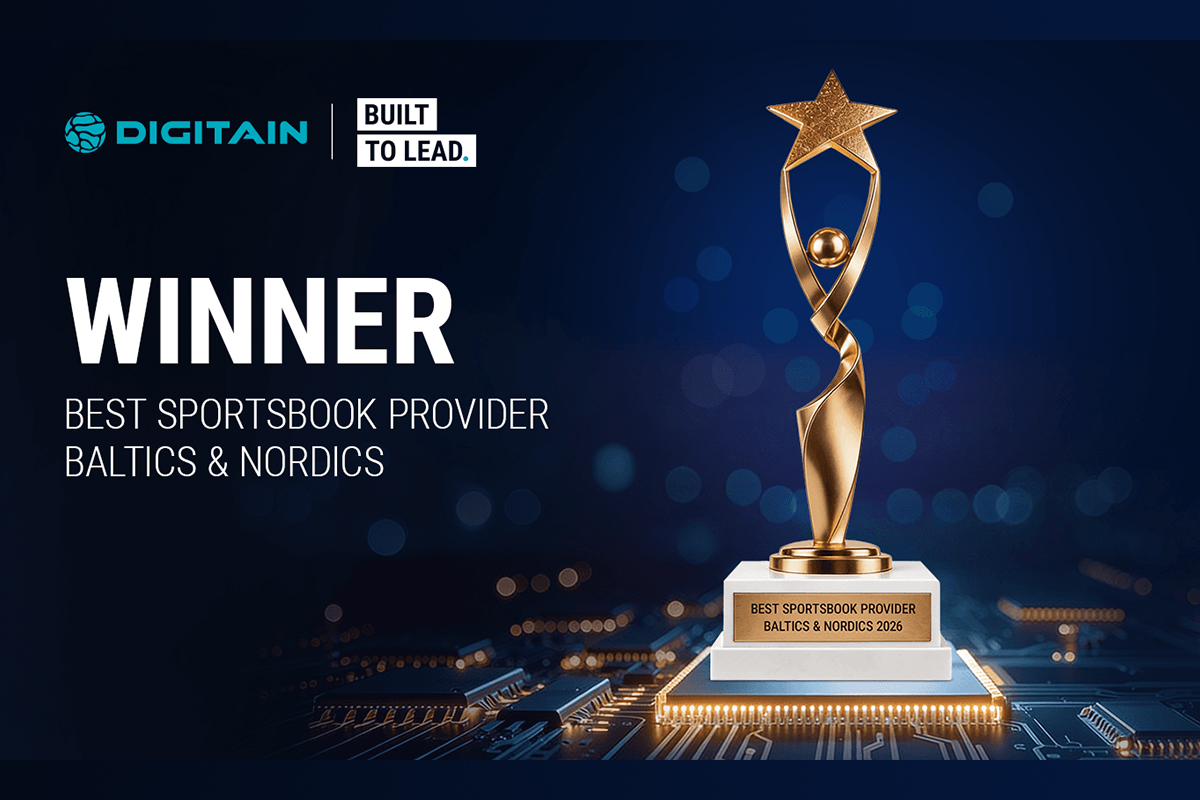
Digitain has been recognised as Best Sportsbook Provider at the HIPTHER Baltic & Nordics Gaming Awards 2026, showcasing its continued commitment to delivering high-performance sportsbook technology for operators across regulated markets.
The HIPTHER Baltic & Nordics Gaming Awards celebrate the operators, suppliers, technology innovators and industry leaders shaping the gaming ecosystem across the Baltic and Nordic regions. Receiving this award reflects Digitain’s ongoing investment in product innovation, trading excellence and technology designed to support long-term operator success.
Digitain’s sportsbook combines proprietary trading, advanced risk management, flexible localisation and scalable infrastructure, enabling operators to deliver competitive betting experiences across diverse markets.
This recognition is shared with the operators who trust Digitain to power their businesses and with the teams across a company whose expertise continues to drive innovation across every product and market.
As Digitain continues to expand its global presence, their mission remains unchanged: empowering ambitious operators with technology built for performance, partnership, and sustainable growth.
The post Digitain Named Best Sportsbook Provider at HIPTHER Baltic & Nordics Gaming Awards 2026 appeared first on EE Gaming | Global iGaming & Tech Intelligence Hub.
Comtrade Gaming, a leading iGaming platform provider delivering enterprise‑level technology for operators worldwide, announced a strategic partnership with 7bet to support the operator’s continued growth across Northern and Eastern Europe.
Under the agreement, 7bet will deploy Comtrade Gaming’s advanced iGaming platform to launch operations in Latvia and Estonia, as well as enter the newly regulated Finnish market upon its opening.
The partnership marks a significant milestone for both companies, combining 7bet’s strong regional presence with Comtrade Gaming’s proven platform capabilities, designed to deliver flexibility, compliance and high-performance player experiences.
Steven Valentine, Chief Commercial Officer at Comtrade Gaming, said: “We are delighted to partner with 7bet at such an exciting stage of their growth journey. This agreement reflects the strength and scalability of our iGaming platform, particularly in regulated and soon-to-regulate markets such as Finland. Supporting 7bet’s expansion across Latvia, Estonia, and Finland, highlights our ability to deliver seamless multi-market solutions for established operators who want to expand. We look forward to a long and successful collaboration.”
Justinas Sliazas, CEO of 7bet, said: “Partnering with Comtrade Gaming is a key step in our strategy to expand and strengthen our presence across regulated European markets. Their technology provides the flexibility and reliability we need to scale efficiently while maintaining a high-quality player experience. We are particularly excited about the opportunities in Finland and confident that this partnership positions us strongly for future growth.”
The collaboration underscores Comtrade Gaming’s continued momentum in regulated markets and reinforces its position as a trusted partner for ambitious operators seeking scalable, compliant and future-ready iGaming solutions.
The post Comtrade Gaming Announces Strategic Partnership with 7bet appeared first on EE Gaming | Global iGaming & Tech Intelligence Hub.

-

 10bet6 days ago
Ellis Park Stadium signs five-year naming rights deal with 10bet
-
central asia6 days ago
Groove confirms attendance at SBC Summit Tbilisi 2026
-
Bucharest5 days ago
Eeze opens 1,200 sqm Bucharest hub for technical teams
-
AB Trav och Galopp4 days ago
BetMakers Technology Group Selected to Distribute ATG Horse Racing Content Across Australia and New Zealand
-
API integration5 days ago
Belatra signs cooperation deal to distribute slots via VeliGames
-
Aviator5 days ago
Pernambuco court revokes Spribe’s interim relief in Aviator trademark dispute
-
BETANO5 days ago
Play’n GO strengthens Latin American presence with Betano Colombia launch
-
game content5 days ago
R. Franco Digital releases fighting game-themed slot Spin Fighters