Industry News
Sports and Gaming – Playing by a New Set of Rules

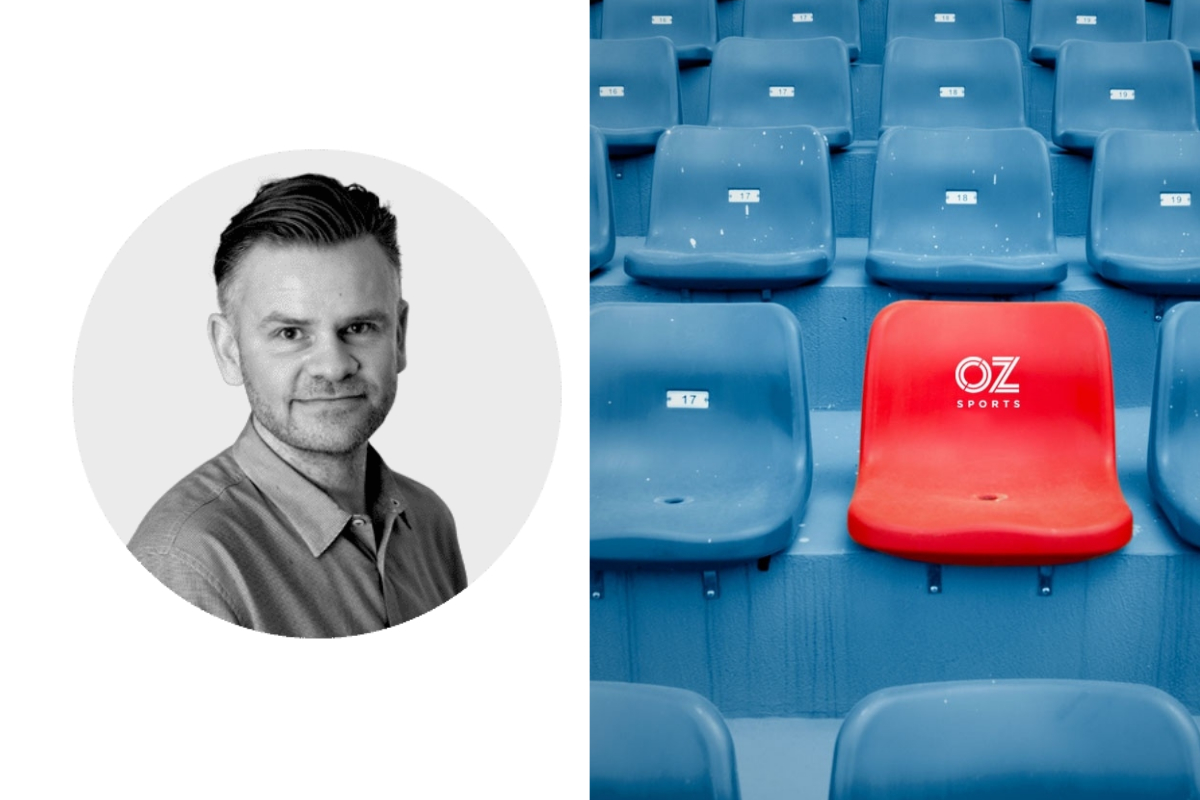
The pandemic has brought the sports industry to its knees but against the backdrop of global crisis, opportunities have arisen for others. While the sports business is set to lose as much as US$61.6 billion1 in missed revenues by the end of the year, the gaming sector, on the other hand, will generate revenues of $159.3 billion, a +9.3% year-on-year increase.2
Although largely driven by unforeseen circumstances, the pandemic has highlighted the large gulf in the prioritisation of fan experience between the two. As OZ Sports CEO Gudjon Gudjonsson explains, the sports industry has much to learn from gaming if it is to maintain and grow its global fanbase.
If there is one positive element to come out of this all for the sports industry, it is that leagues, federations and teams have had to rethink their way of doing business. The pandemic has accelerated innovation on various fronts. This is especially the case with the return of sport behind closed doors, with the need to remotely manage the production of leagues and make fans feel part of the live experience from the comfort of their homes.
The temporary state of the live sports sector, with limited or no fans in stadiums, has only amplified a bigger and more recognisable challenge. Pandemic or no pandemic, studies show that 90% of fans are unable to watch their favourite team in their home stadium due to factors such as location or finance.
At OZ Sports, what COVID-19 has taught us is that we need to accelerate our vision in making the fan experience more interactive and engaging. The new generation of fans expects to be able to share their experiences without geographical boundaries. OZ is keeping sports more relevant, broadening the fanbase by opening up the physical stadium.
This is where we have looked to gaming. The prioritisation of user engagement has seen games companies constantly explore new ways to deliver content to consumers. As a result, gaming platforms are becoming social networks in their own right and established social platforms are seizing this opportunity to invest further in games to maintain and grow their user database. Gaming is driving forward the reality of the metaverse – virtual social spaces that are always open, always on, and always expanding.
So, what does that mean for the sports industry? We are still in the early days of sports broadcasting, and there is a lot we can learn from gaming. Our thinking around the intersection of sports and gaming can be seen everywhere in the OZ Sports strategy. It’s in how we think, how we work, and how we innovate as a company. As a tech business with influential investors from the gaming industry, we foster a different culture than traditional sports broadcasting companies.
Our tech stack is ours, from end-to-end. We mostly leverage technologies on how we do sports production that has until now mostly belonged to gaming companies, which opens up a totally new world for us. At the core, we have our gaming engine, built on a robust machine learning software stack that analyses what is going on in the game, in real-time. From there we further develop our broadcasting technologies, with a layer for services like augmented graphics and avatars, to applications like tracking or a more intuitive replay system, to name but a few. This allows us to work differently as a team of innovators and compete more creatively as a company.
By embracing everything that the gaming industry is positively doing to engage with its fans, we see the world of sports broadcasting becoming far more interesting than it is today. Out of the pandemic, we will see new companies that have succeeded, and these new leaders will foster far more vibrant communities around live events. Gen Z will have emerged with different needs and the more popular short format of sports storytelling will continue to rise.
New exciting technologies will continue to surface in the market that better serve fans’ sports esteem. Use of avatars will be the everyday normal, by representing the digital you in the new metaverse. Fans will be able to instantly express their emotions in the moment of the game, wherever they may be in the world, empowering fans to communicate in ways that are difficult to accomplish in today’s world.
The future of live sport is an exciting one; by embracing gaming technologies OZ Sports will continue to innovate at this intersection. Sports broadcasting as we currently know it is about to change forever, and we’re excited to be at the forefront of that transformation!
Powered by WPeMatico

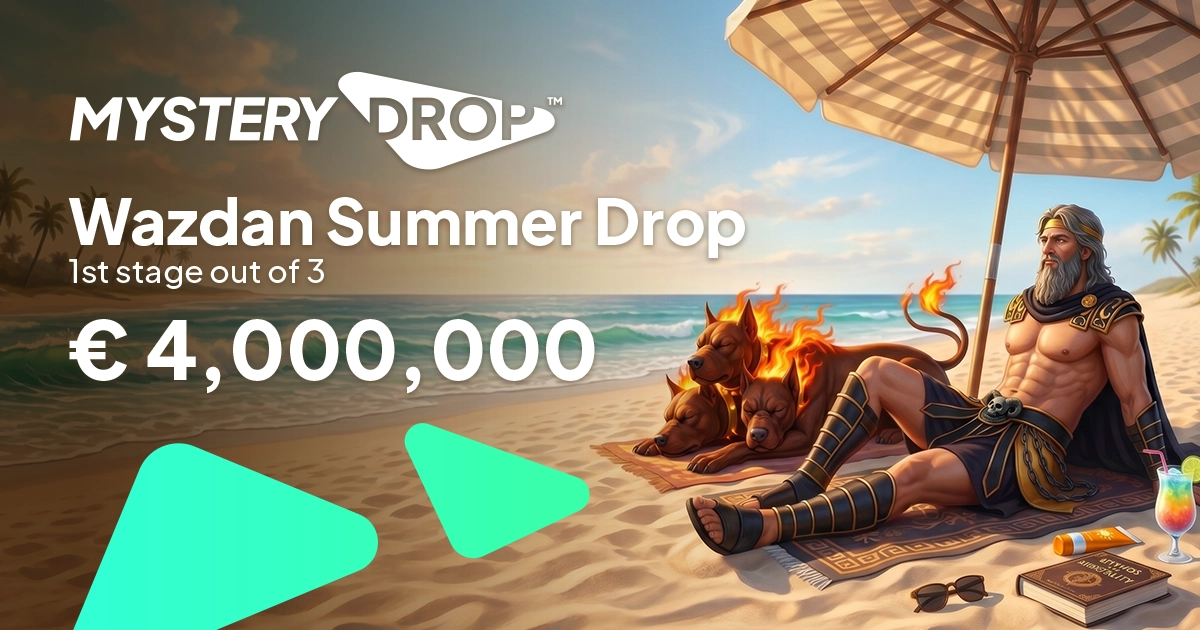
The operator-facing series runs 29 June to 13 September and uses Mystery Drop and Mystery Multiplier Drop mechanics.
Wazdan will launch a summer-long Network Promotion series for partner casinos, running from 29th June to 13th September. The campaign is structured in three stages with breaks between each phase.
The promotion will use Wazdan’s Mystery Drop and Mystery Multiplier Drop mechanics. The supplier said the programme is designed to be easy for operators to activate and will be supported with marketing materials, including promotional assets, brochures and newsletter content for partners to use across their own channels.
Alongside the promotion, Wazdan has a summer content roadmap with three slot releases scheduled: Mighty Hot: Amazonia (30th June), Magic Fruit$: Cherries (30th July) and Mighty Crown: Empire of Gold (6th August).
Radka Bacheva, Head of Sales and Business Development at Wazdan, said: “Summer presents a valuable opportunity for operators to keep engagement levels high, and this promotion has been designed to deliver exactly that through Wazdan’s proven promotional tools.
“Combined with our upcoming game releases, we are excited to offer partners a strong seasonal campaign with plenty of player appeal.”
The post Wazdan schedules three-stage Network Promotion campaign for summer appeared first on EE Gaming | Global iGaming & Tech Intelligence Hub.
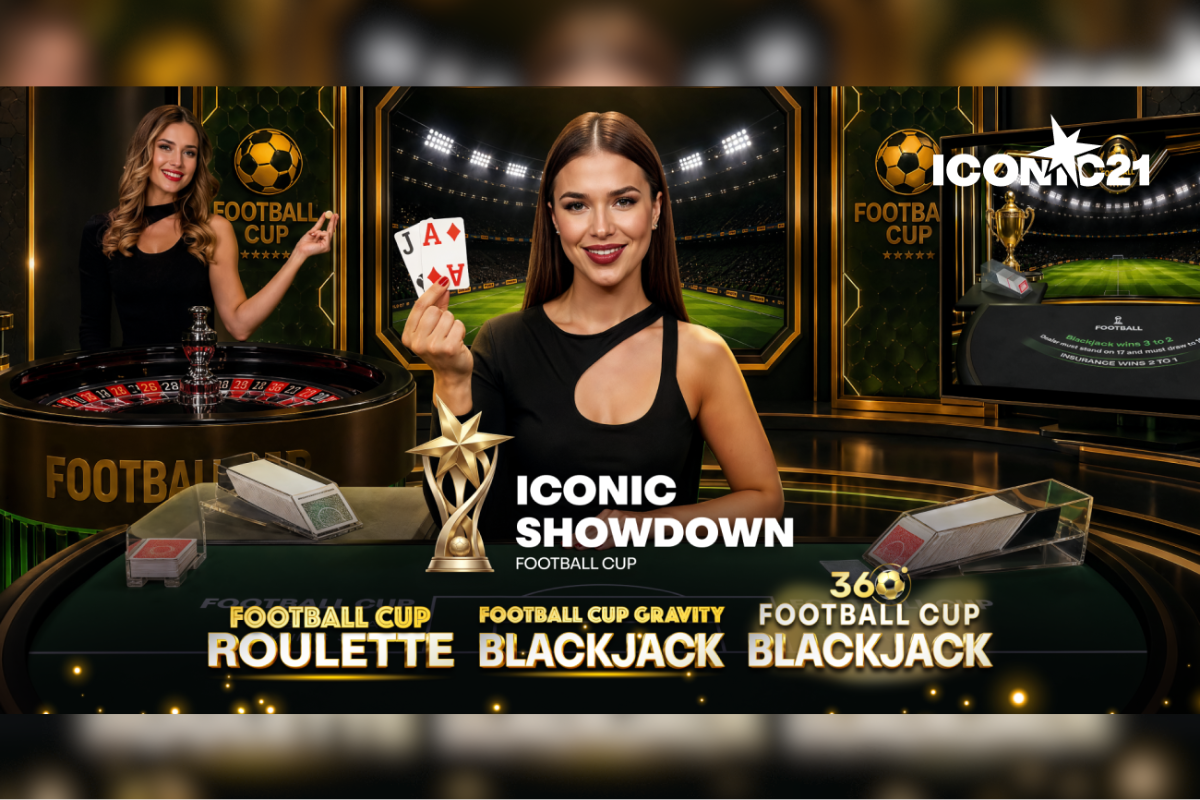
ICONIC21 has rolled out three limited-edition Football Cup-branded casino games and launched its first network tournament, ICONIC Showdown Football Cup, running from 9th of July to 19th of July.
The new titles are Football Cup Roulette, Football Cup Blackjack 360, and Football Cup Gravity Blackjack. ICONIC21 said the releases showcase different customisation approaches, including green screen production for the roulette environment and an updated visual rebrand for its RNG blackjack table.
For Football Cup Gravity Blackjack, ICONIC21 said it used its latest LED technology and applied the Gravity Series multiplier mechanic, with a custom felt, a football gate, and bespoke 3D-printed decorations.
Alongside the three new games, ICONIC21 pointed to its previously launched slot Soccer World Championship, plus The Kickoff and Top Card, which it said received football-season branding and UI/UX updates.
The ICONIC Showdown Football Cup tournament covers 11 games in total and is positioned around the quarter finals, semi-finals and final period. ICONIC21 said 1,000 winners will share a €50,000 prize pool, and operators can enroll via their account manager or by contacting the company directly.
Edvardas Sadovskis, Chief Product Officer at ICONIC21, said:
“What I’m most proud of with this project is the turnaround. We built three fully branded, technically distinct games, enhanced existing ones with promotional branding, and launched our first-ever network tournament around them, all timed to coincide with peak player interest and traffic.
That kind of speed doesn’t happen by accident, it reflects how this team works. ICONIC Showdown is a meaningful first step for us as a provider, and launching it during the Football Cup, with this much energy around the game, feels like the right way to do it. We’re genuinely excited to see how the leaderboard shapes up and even more excited for the finals.”
The post ICONIC21 launches Football Cup-branded casino games and debut network tournament appeared first on EE Gaming | Global iGaming & Tech Intelligence Hub.
Brand Ambassador
Ronaldinho visits CreedRoomz Yerevan studio to front Marble Cup and Kickoff Roulette

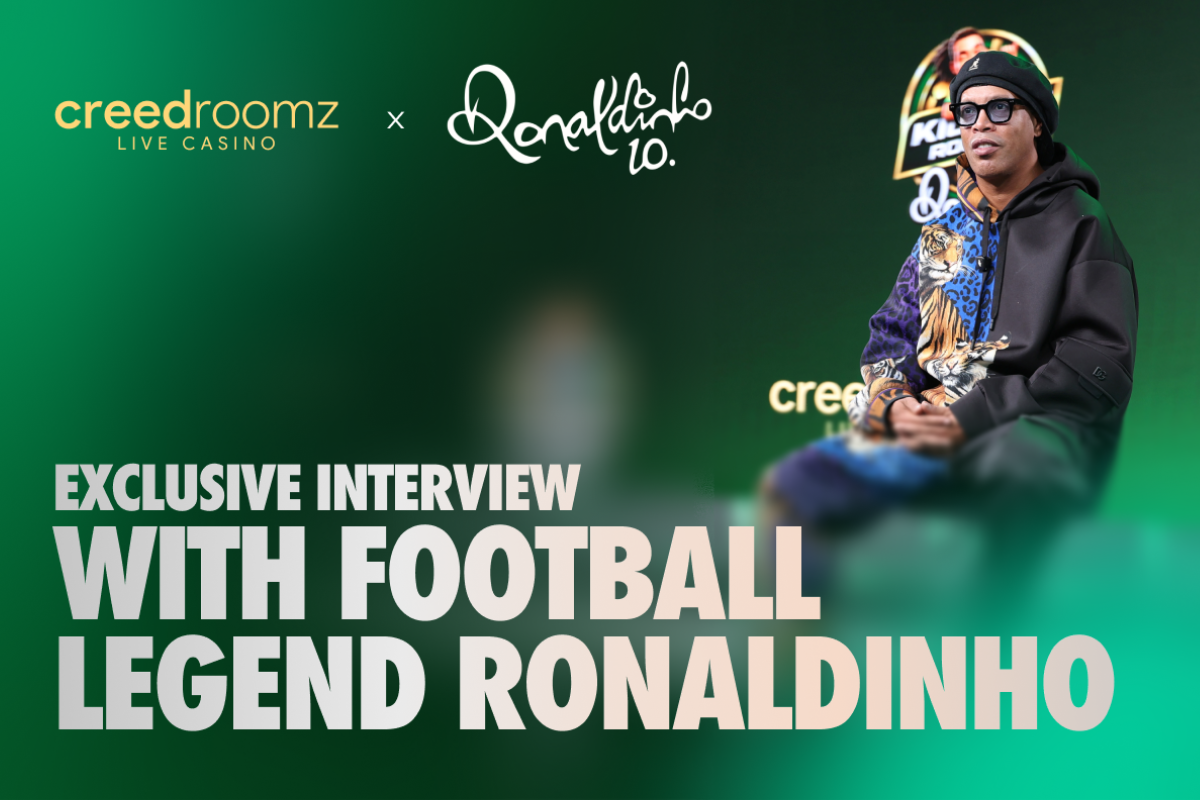
CreedRoomz has brought footballer Ronaldinho to its headquarters in Yerevan, where the company filmed an “exclusive interview” with the former player in connection with two new live casino game shows, Marble Cup and Kickoff Roulette. CreedRoomz said Ronaldinho is the global ambassador for both titles.
In the interview, Ronaldinho said: “For me, it’s a great joy to be a part of this partnership. Since arriving here at the office, everyone has treated me with great affection. I already feel at home, very happy.” Asked to choose between the two games, he added: “Honestly, it’s difficult to choose one, both are wonderful, I loved them, so it’s very difficult to choose one, I think everyone will really like them, I think the whole world will really enjoy them.”
Ronaldinho also described his first impressions of the studio and gameplay: “I was surprised and very happy, everything is very beautiful, everything is very innovative, so I believe that’s why everyone will really like them, so I’m looking forward to everyone starting to enjoy them a lot.”
On why CreedRoomz expects the titles to gain traction, he said: “These are different games. I think that will attract attention, the fact that football is a global passion also helps, so I believe everyone will like it for those reasons.. and for the innovation of everything that is happening.”
CreedRoomz linked the interview to upcoming “World Cup and R10 Tournaments,” with Ronaldinho closing by telling fans: “A message of gratitude for the continued affection. I’m very happy and excited. for the next competitions for the next games, the games are all ready, I hope everyone enjoys them and everyone be very happy and have good times together.”
The post Ronaldinho visits CreedRoomz Yerevan studio to front Marble Cup and Kickoff Roulette appeared first on EE Gaming | Global iGaming & Tech Intelligence Hub.

-

 AGCO7 days ago
AGCO Fines Great Canadian Entertainment $120,000 for Using Unauthorised Gaming System Software at Four Casinos
-
Affiliate Industry6 days ago
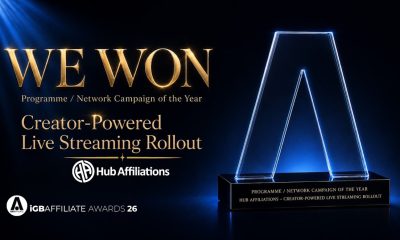
Hub Affiliations Triumphs at the iGB Affiliate Awards 2026: Winner of Programme/Network Campaign of the Year
-
Canada7 days ago
St8 extends Octoplay partnership into Ontario and the UK
-
Asia7 days ago
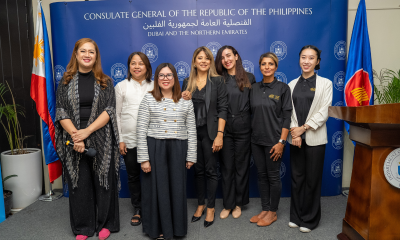
The UAE Lottery joins SAGIP outreach with Philippine Consulate and Infinite Communities
-
Latest News6 days ago
N1 Partners at iGB L!VE 2026: Bringing Together Affiliates, Art and Innovation
-
Latest News7 days ago
LEON announces LEON.bet Masters, a new CS2 tournament in Portugal
-
0007 days ago
Booming Games launches Booming Buffalo Hold and Win Extreme 25,000
-
Austria6 days ago
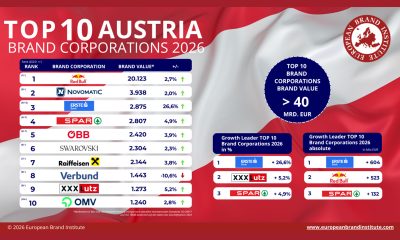
Austrian Brand Value Study: NOVOMATIC Defends Top Ranking