Gaming
Gamecity Hamburg Supports six new Digital Games with Prototype Funding


In the latest round of Prototype Funding, Gamecity Hamburg, part of Hamburg Kreativ Gesellschaft, supports six promising digital games with up to 80,000 euros each as a non-repayable grant. This funding enables start-ups in Hamburg and supports companies in developing marketable prototypes. In addition, start-ups and developers can apply for Gamecity Hamburg’s Games Lift Incubator until June 10: https://www.gamecity-hamburg.de/de/inkubator/
The awarding committee selected projects with the greatest market potential from the many applications. Including this seventh round of funding, the development of 37 prototypes has been supported as part of Prototype Funding since 2020. The application phase for the next Prototype Funding round will start in spring 2026.
“The high quality of the projects submitted to this funding round led to an intensive decision process within the awarding committee. The funded projects show a wide variety of genres, ideas, and teams. With the Prototype Funding, we are supporting established companies and up-and-coming start-ups in Hamburg as a games location,” commented Dennis Schoubye, Head of Gamecity Hamburg and member of the awarding committee.
The 2025 funding recipients were selected by the awarding committee, consisting of Hamburg industry experts Nina Müller (VP Publishing & Development Services, Goodgame Studios), Jonas Hüsges (Publishing Director, Daedalic Entertainment), Valentina Birke (Director Indie Arena Booth / Super Crowd Entertainment), Michael Schade (CEO & Co-Founder ROCKFISH Games) and Dennis Schoubye (Head of Gamecity Hamburg).
The Funded Projects 2025
- NeverLight by Nightless Games – € 80,000
- Pet Universe by Tivola Games – € 80,000
- Space Station Manager by gameXcite – € 80,000
- Unbreachable by Buckfish – € 72,000
- Deep Fog Signals by Symmetry Break Studio – € 32,000
- Cosmic Run by Zinktank Labs – € 30,000
NeverLight by Nightless Games
NeverLight is a dark, cooperative role-playing game with fantasy and extraction elements, in which up to three players act as hunters in an endless night in search of terrifying monsters and collect valuable loot. The game combines monster hunting with the excitement of having to bring each reward to safety with the team to receive it.
Pet Universe by Tivola Games
In the 3D animal shelter simulation “Pet Universe”, players build their animal shelter from the ground up, organize animal care, collect donations, and design the shelter grounds according to their own ideas. The aim is to care for the animals with their individual needs and to find them a loving home.
Space Station Manager by gameXcite
In this strategy building game with real-time space battles, players manage a space station that serves as a base for spaceships, battles, recruitment, and a strategy hub for missions. In addition to organizing the base, players manage their limited resources and various upgrades, improve crew morals, and explore the galaxy with their individual fleets.
Unbreachable by Buckfish
In the multiplayer strategy game “Unbreachable”, players build a fortress in each run that competes with ten castles of rival players. Players strategically construct the different fortress buildings to increase attack power or minimize weaknesses to climb the leaderboard in competition with other players.
Deep Fog Signals by Symmetry Break Studio
In this sci-fi horror game with puzzle mechanics, players are trapped in the communication room of a remote research station during a toxic storm. To escape, they must coordinate the various crew members, decipher cryptic transmissions, and complete the research as the threatening situation escalates over several days.
Cosmic Run by Zinktank Labs
In this humorous and fast-paced roguelite, players fight their way through space with their ship in order to escape from a capitalist alien dictatorship. Weapons, shields, upgrades for the engine, and customization of the ship determine the narrative of the game. Depending on the character chosen, the course of the game and the story told vary in several runs.
All detailed information on the teams and games can be found at: https://gamecity-hamburg.de/funding/#Funded_Projects_2025
Developers, start-ups, and companies from Hamburg were able to apply for Gamecity Hamburg’s prototype funding from March 3 to April 7. In 2024, Gamecity Hamburg introduced a diversity checklist when applying for prototype funding, the answers to which can optionally be used by the awarding committee in the evaluation process.
The next application phase for prototype funding will start in spring 2026.
Further funding opportunities through Gamecity Hamburg
Each year, the Games Lift Incubator supports five teams, developers, and start-ups in the development of digital games. In addition to € 15,000 in start-up funding, the recipients receive a comprehensive coaching and mentoring program with international experts as well as workshops and follow-up individual support. Since 2024, the program has also included a visit to an international industry event.
Teams and developers can currently apply for the Games Lift Incubator until June 10.
All information can be found at: https://gamecity-hamburg.de/incubator/apply-now/
The post Gamecity Hamburg Supports six new Digital Games with Prototype Funding appeared first on European Gaming Industry News.












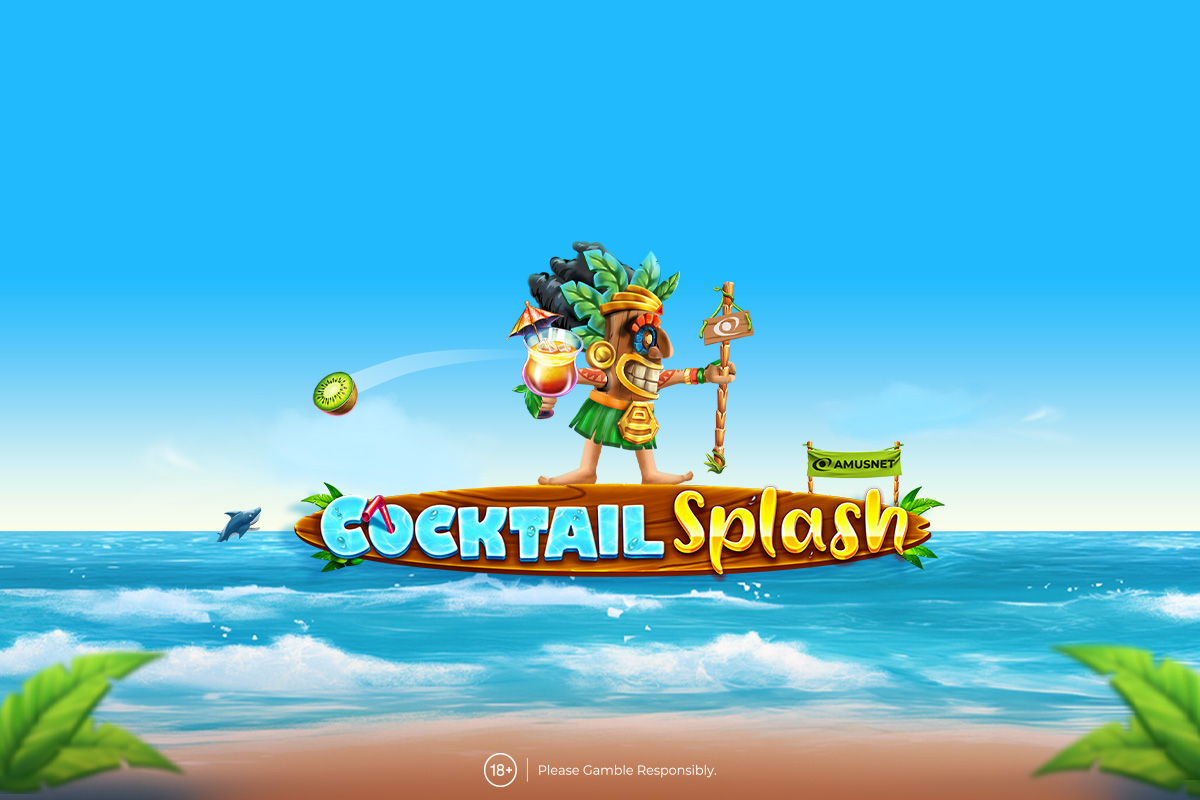
Amusnet has released Cocktail Splash, a high-energy crash game that blends summer vibes, fast decision-making and adrenaline-fueled gameplay into a bold new entertainment experience.
Set in a vibrant tropical ocean, Cocktail Splash throws players into a thrilling chase where a fearless rider glides across sparkling waves, cocktail in hand – while a relentless shark closes in, determined to steal the prize. Every second on the water raises the stakes as the multiplier climbs and tension builds, turning each run into a split-second decision: cash out or push further before the shark strikes.
At the heart of the gameplay is a simple but powerful risk-reward loop, enhanced by the 50% Cash Out feature, allowing players to secure part of their winnings while staying in the action for additional upside. This added layer of control creates more strategic depth without slowing down the fast-paced excitement.
Inspired by the signature Cocktail Rush experience, Cocktail Splash evolves the concept with sharper pacing, expressive visuals and an even more immersive crash structure. Powered by a Provably Fair algorithm, the game ensures transparent outcomes while maintaining the intensity and unpredictability that defines the genre.
With its mix of tropical aesthetics, instant engagement and high-stakes chase mechanics, Cocktail Splash reinforces Amusnet’s focus on delivering innovative, entertainment-driven crash titles designed to stand out in competitive game lobbies.
Amusnet continues to push the crash category forward – creating experiences that are not only visually striking but built to keep players on the edge of their seats from the first second to the last splash.
Gamble
Play the game and multiply the winnings through the Gambling feature.
Multipliers
The game starts with a multiplier set at 1x and rises gradually and can go up to a max coefficient of 1,000,000. Multiplier can potentially crash at 1x, ending the game round.
50% Cash Out
Players can cash out 50% of their bet during the game round and continue playing with the remaining 50%.
Jackpot Cards
The Jackpot Cards bonus game is triggered at random during the gameplay to allow players to win impressive jackpots.
The post Amusnet Releases Cocktail Splash, a Tropical-themed Crash Game appeared first on EE Gaming | Global iGaming & Tech Intelligence Hub.
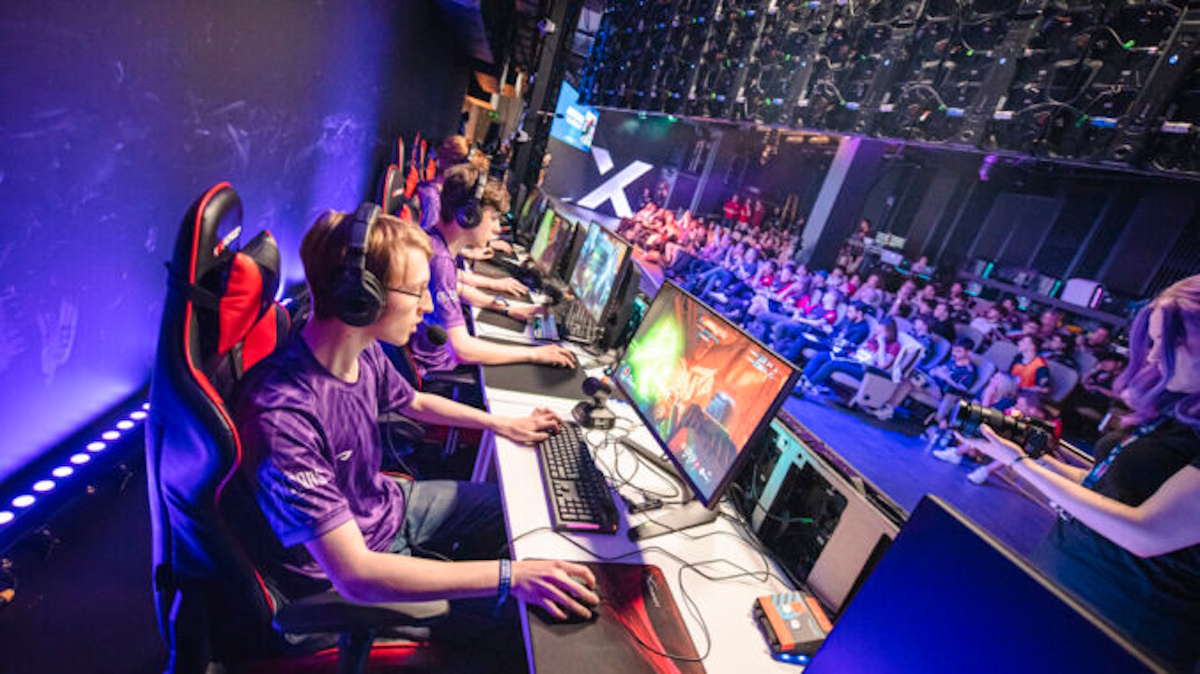
EFG, Hero Esports and Niko Partners survey 8,000 fans across eight markets; 74% report ads and brand presence influence buying.
ESL FACEIT Group (EFG), Hero Esports and Niko Partners have released a multi-country Gen Z esports study claiming around 400 million Gen Z consumers (20%) regularly engage with esports. The findings were published on 25th June 2026 in Cannes, France, in a white paper titled The Esports Generation: Who They Are & Why They Spend.
The report is based on survey data from 8,000 Gen Z esports fans aged 13-30 across eight markets. It positions esports as a high-attention channel for brands: 85% of respondents said they notice branding in esports, while 74% self-reported that advertising and brand participation in gaming spaces influences their purchasing behaviour. The study also reports that 66% have bought a product following a collaboration or co-branding partnership with an esports team, game or player.
On consumption and fandom touchpoints, the study found 71% regularly watch gaming content, including 66% who watch gaming livestreams and 33% who watch or listen to gaming podcasts. It also points to offline reach: 21% said they regularly attend gaming conventions and esports events, with the average respondent attending at least one in-person event in the past nine months.
The white paper also breaks out claimed purchase categories linked to esports collaborations over the past year, led by food and beverage (33%), electronics (33%) and fashion (32%). Beyond core categories, it reports 28% bought esports-related collectibles, 17% purchased makeup, beauty, or skincare products, and 10% bought from partnered brands in other categories.
Niccolo Maisto, CEO at ESL FACEIT Group said: “Esports has evolved into one of the most effective channels for companies looking to connect with Gen Z audiences at scale. What makes it unique is not just its reach, but the depth of engagement and trust that exists between fans, players, teams, and events. This research shows that esports fans are highly invested participants, not passive viewers, creating an opportunity for brands that show up authentically and build meaningful and lasting connections with this key audience.”
Danny Tang, Co-Founder and CEO of Hero Esports said: “This whitepaper confirms what we at Hero Esports have long believed: esports has evolved into a global cultural and economic force. The data shows an audience that is young, diverse, and deeply engaged. For brands, the message is clear—esports is no longer a niche market; it is the premier platform to connect with the next generation of consumers. We are proud to partner with Niko Partners and EFG to provide this blueprint for understanding and succeeding in this dynamic industry.”
Lisa Hanson, CEO at Niko Partners said: “Our data shows that, much like fans of other sports, Gen Z esports fans are incredibly passionate and have formed strong bonds within their communities. However, their media and consumer affinities extend well beyond gaming and esports, with our research revealing naturally connected interest areas that create valuable overlapping opportunities for brands and partners that show up authentically in this ecosystem.”
The post Study: 400m Gen Z esports fans say brand activations drive purchases appeared first on EE Gaming | Global iGaming & Tech Intelligence Hub.


HIPTHER has launched HALLO (Highly Aligned Leaders in Legal Operations), a new platform designed to help organizations find and engage compliance professionals, legal operations experts and industry vendors. The company announced the launch in Europe.
HIPTHER said HALLO brings together a professional directory, industry intelligence hub, community platform and visibility tools aimed at sectors including gaming, fintech, payments, AI, cybersecurity, digital identity, AML and blockchain. The platform includes an Individual Professional Membership and an Enterprise Membership, with HIPTHER stating that all memberships include a 14-day free trial.
Alongside membership options, HIPTHER said compliance professionals can create free, publicly visible “Expert” profiles outlining experience and areas of specialization, with additional premium visibility opportunities available. The company positioned the platform as a way for organizations to discover and evaluate qualified compliance and legal operations expertise.
A core feature at launch is “HALLO Resources,” which HIPTHER described as an open-access compliance intelligence section that aggregates more than 17,000 regulatory and compliance-focused articles from the HIPTHER media network. HIPTHER said the section is updated daily, includes search by topic, jurisdiction and keyword, and covers areas such as gaming, fintech, AI, payments, AML, digital policy, cybersecurity and regulatory affairs.
Zoltan Tuendik, Co-Founder & Head of Business at HIPTHER, said: “Navigating the modern regulatory landscape requires more than just standard legal advice; it demands highly specialized, agile compliance expertise. With the launch of HALLO, we are bridging the critical gap between organizations facing complex global standards and the elite professionals who can guide them through. By combining an active directory with a massive intelligence hub, we are setting a new standard for compliance collaboration and empowering businesses to move forward with absolute confidence.”
HIPTHER also linked HALLO to its conference and media activities, including advertising and thought leadership opportunities through the Wayseers Booklet, an annual handbook it said is distributed at HIPTHER conferences in Europe and reaches more than 1,500 professionals across gaming, fintech, AI, compliance and regulatory sectors.
The post HIPTHER Launches HALLO: The Standard in Compliance Expertise appeared first on Americas iGaming & Sports Betting News.

-

 Casino Content7 days ago
PopOK Gaming secures Argentina certification to supply iGaming content
-
Argentinian market7 days ago
PopOK Gaming Strengthens Latin American Expansion with Argentina Certification
-
Canada7 days ago
Tonybet pays first $15,000 CAD prize in World Cup Card Collection Canada promo
-
Canada7 days ago
Tonybet’s World Cup Card Collection campaign lands first $15k Bronze winner
-
Alberta4 days ago
Octoplay secures conditional Alberta iGaming supplier approval from AGLC
-
Canada4 days ago
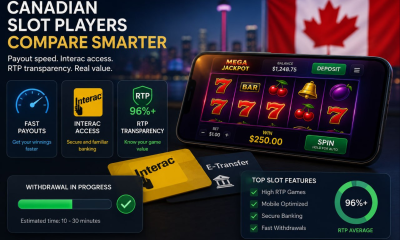
What Canadian Slot Players Are Really Comparing in 2026: Payout Speed, Interac and RTP Transparency
-
Africa3 days ago
SpringbokCasino ties July free spins to ‘Minions in the Wild’ campaign
-
content-supply4 days ago
Million Games launches Skull King’s Treasure with partner studio Arcane Pixel