ANJL
ANJL participates in Legitimuz Day in São Paulo
The entity participates in discussions on regulation, enforcement, and responsible gaming for Brazil’s betting market
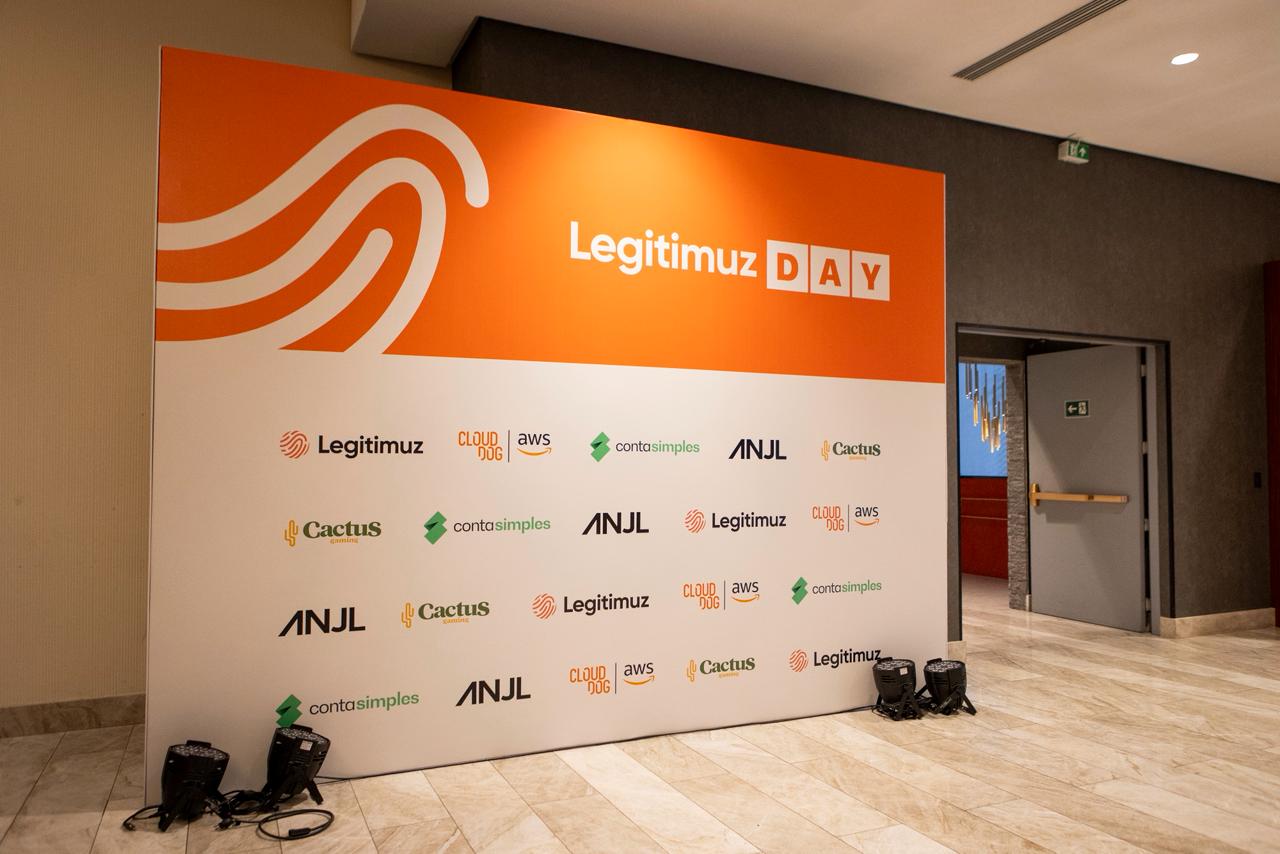
The National Association of Games and Lotteries (ANJL) participated this Monday in Legitimuz Day, an event held at the JW Marriott in São Paulo that brought together specialists, industry representatives, and authorities to discuss some of the main topics on the Brazilian gaming and betting regulatory agenda.
The association was represented by legal consultant Bernardo Cavalcanti Freire and attorney Giovanna Dias.

Their participation reinforces the association’s active role in monitoring discussions surrounding the consolidation of Brazil’s regulated market, especially at a time when the country continues advancing the implementation of rules, controls, and best practices for the sector.
Legitimuz Day was divided into six thematic panels: Regulation, Advertising, Illegal Gambling and Enforcement, Taxation, Responsible Gaming, and B2B Supplier Regulation.
The agenda reflected the complexity of the market and the need for an integrated approach capable of combining legal certainty, consumer protection, operational integrity, and the fight against illegal activities.
For ANJL, exchanging experiences with mature jurisdictions is an important step toward improving the Brazilian regulatory model.

The debate surrounding responsible gaming, enforcement, and the channeling of consumers toward authorized operators is directly linked to building a sustainable and transparent market capable of distinguishing regulated companies from platforms operating outside the law.
In addition to responsible gaming, the program also addressed sensitive topics for the sector’s development, including advertising rules, taxation criteria, enforcement mechanisms, and the role of B2B suppliers within the regulated ecosystem.
The post ANJL participates in Legitimuz Day in São Paulo appeared first on Americas iGaming & Sports Betting News.

“Novo Desenrola Brasil"
Evolution of betting in Brazil: revenue, compliance and integrity
The gaming and lottery sectors in Latin America are undergoing a structural transformation marked by new regulations, disputes over state and federal authority, and profound changes in corporate responsibility models.
In Brazil, the federally regulated betting market continues to expand rapidly.
Tax revenues generated during the first quarter of 2026 reached record levels and fueled legislative debates over the redistribution of resources toward defense, education, and sports initiatives.
At the same time, the federal government strengthened social protection mechanisms through the Prize and Betting Management System (SIGAP), which now allows the automatic blocking of citizens enrolled in official debt renegotiation programs.
Meanwhile, state lotteries are facing stricter oversight from Caixa Econômica Federal, while the broader Ibero-American lottery and marketing ecosystem prepares for one of the most important industry events of the year: the II Ibero-American Lottery Marketing Seminar, scheduled to take place in Buenos Aires.
Record revenues drive new tax legislation
Brazil’s federal regulation of the online betting market has exceeded initial expectations and positioned the country among the world’s most profitable and heavily taxed gaming jurisdictions.
According to recent data from Receita Federal, the government collected R$ 3.4 billion in taxes directly linked to the sector during the first three months of 2026.
The figure represents growth of 123.7% compared to the same period in 2025 and confirms the rapid migration of consumers from unregulated operators to licensed platforms.
To put the growth into perspective, total tax revenue generated throughout 2025, the first full calendar year under federal regulation, reached R$ 9.95 billion.
The most significant increase occurred in December 2025, when monthly revenue surpassed R$ 1.1 billion, more than 3,000% higher than in December 2024.
The tax burden framework
The primary source of revenue comes from the federal tax of 12% imposed on Gross Gaming Revenue (GGR). In addition, licensed operators must also pay corporate taxes such as PIS and Cofins.
A study commissioned by the Brazilian Institute of Responsible Gaming (IBJR) and prepared by LCA Consultoria concluded that the sector’s effective tax burden reached approximately 32% in 2025.
The report also projected that the figure could rise to 42% by 2033 once the national Tax Reform is fully implemented.
Representatives of the National Association of Gaming and Lotteries (ANJL) argue that the industry already ranks among the country’s most heavily taxed economic sectors.
A significant portion of those resources is directed toward public services such as healthcare, education, culture, and sports.
Funds redirected to defense and education
The rapid increase in tax revenue has triggered new political disputes over how betting proceeds should be allocated.
One of the main proposals under discussion is Senate Bill PL 6.124/2025, recently approved by the Senate Sports Committee.
The bill modifies the distribution model established under Law 13.756/2018 and redirects part of the funds previously allocated exclusively to the Ministry of Sports toward the Military Sports Commission, which operates under the Ministry of Defense.
The goal is to finance high-performance sports programs administered by the armed forces. After advancing through the Sports Committee, the proposal moved to the Economic Affairs Committee for final review.
At the same time, Brazil’s Chamber of Deputies approved Bill PL 6133/2025, which proposes the creation of the Federal University of Sports in Brasília.
The institution would serve as a national center for scientific research, sports medicine, and professional athletic training.
The proposal establishes that part of its funding will come directly from revenues generated by online betting and lotteries.
Industry companies and technology providers view the initiative as an example of how regulation can be transformed into long-term social investment and structural development.
New betting restrictions affect debt relief participants
As the market expands, the federal government has intensified policies focused on social protection and financial harm prevention.
On May 15, 2026, a new federal measure officially came into force requiring the suspension of betting access for citizens enrolled in the “Novo Desenrola Brasil” debt renegotiation program.
The rule was implemented through a provisional presidential decree signed by President Luiz Inácio Lula da Silva and imposes a mandatory one-year betting ban on individuals seeking state-supported debt renegotiation.
The government argues that the measure is intended to prevent financially vulnerable citizens from risking money on betting activities while undergoing financial recovery.
Technical controls via SIGAP
The practical implementation of the policy relies heavily on the technological infrastructure of the federal Prize and Betting Management System (SIGAP).
The Secretariat of Prizes and Betting (SPA-MF) updated the system by introducing a new compliance code.
Once a citizen enrolls in the “Novo Desenrola Brasil” program, their information is centralized by Banco do Brasil and integrated into the federal database managed by the SPA.
From that point onward, whenever a licensed operator performs an account validation or login verification, the system automatically returns the following status: “Blocked – Novo Desenrola Brasil Program.”
Operators are therefore required to immediately restrict access once the status is identified.
Strict compliance deadlines for operators
The technical procedures were formalized through SPA/MF Ordinance No. 1,237 and complemented by Normative Instruction No. 3.
The rules establish strict operational obligations for all licensed platforms, including daily user verification, continuous database reviews, and immediate suspension of restricted accounts.
The regulation determines that, once a restriction is identified, the operator has a maximum of three days to finalize the formal account suspension.
Before permanently blocking the account, the operator must inform the user about the legal reason for the restriction and offer the opportunity to voluntarily withdraw remaining funds.
If the user does not withdraw the balance within the established period, the operator must return the funds within two days by transferring the amount to a previously verified bank account linked to the user’s CPF.
In addition, operators are required to maintain complete digital records of communications, transactions, timestamps, and operational receipts for a minimum period of five years in order to facilitate future federal audits.
Caixa revokes state lottery licenses
While online betting operators adapt to new regulatory requirements, the traditional retail lottery sector is also facing stricter enforcement.
In April 2026, Caixa Econômica Federal officially revoked six lottery operating licenses across several Brazilian states.
The decisions were published in the Diário Oficial da União.
For the first time in recent years, two of the revocations occurred due to voluntary withdrawals by the operators themselves rather than direct administrative sanctions.
The affected units were located in Minas Gerais, Pará, Rio de Janeiro, São Paulo, and Paraíba.
Sanctions under Circular 1084
The remaining four closures resulted from mandatory cancellations linked to contractual and operational violations.
The sanctions were applied under Caixa Circular No. 1084/2025, which governs the bank’s Administrative Sanctions System.
Accumulated data indicate an increasingly aggressive enforcement policy. During the first four months of 2026, Caixa canceled 50 lottery licenses nationwide.
January recorded the highest number of sanctions, with 23 revocations, followed by 11 in February, 10 in March, and six in April.
The trend follows the pattern seen in 2025, when Caixa executed 162 mandatory license cancellations, reinforcing the message of zero tolerance toward financial irregularities and compliance failures.
State advertising restrictions face legal challenges
The expansion of the regulated market has also generated legal disputes over the limits between state and federal authority.
The Secretariat of Prizes and Betting (SPA-MF) publicly questioned the constitutionality of a law approved in the state of Rio Grande do Sul that imposes strict restrictions on online betting advertising within the state.
The federal government argues that the Brazilian Constitution grants exclusive authority to the Union to legislate on lotteries, monetary systems, and national commercial activities.
According to the SPA’s interpretation, allowing individual states to establish independent advertising rules could fragment the national regulatory framework and create operational barriers for federally licensed companies.
Furthermore, the regulator argues that excessive regional restrictions could undermine the player channeling process established under Law 14.790/2023.
The dispute is expected to be analyzed by higher courts and may become a landmark case defining the limits of state autonomy within federally regulated industries.

Buenos Aires hosts the Cibelae Seminar
The transformation of the lottery market and communication strategies will be among the main themes of the II Ibero-American Lottery Marketing Seminar, scheduled for May 31 to June 2, 2026, in Buenos Aires.
The event is organized by the Ibero-American Corporation of State Lotteries and Betting (Cibelae) with institutional support from Spain’s ONCE.
Under the theme “Marketing in Times of Change: Change Drives New Opportunities,” the seminar will bring together executives, regulators, and specialists from Latin America and Europe to discuss innovation, consumer behavior, and digital transformation.
The academic program will address changes in consumer behavior, new generational dynamics, and the impact of emerging technologies on traditional lottery models.
Confirmed speakers include:
- Change management: Connie Demuru, CEO of Desti, will analyze business agility models and customer retention strategies.
- Brand transformation: Javier Álvarez Pecol, president of APEIM, will present case studies of traditional companies that successfully adapted to technological modernization.
- Corporate culture: Federico Fros Campelo will discuss how organizational culture influences a company’s ability to innovate.
- Consumer trends: Ximena Alarcón, CEO of Youniversal, and Maria Zavalski will explore macroeconomic consumer trends and their influence on lottery products.
- AI and new media: Mariano Dorfmann will analyze the impact of short-form vertical video content on consumer attention, while Noelia Lara Mansilla will address the use of generative artificial intelligence in marketing.
Regional competitors in the Advertising Awards
In addition to the keynote sessions, the seminar will feature panels bringing together state lottery operators and international technology providers.
Representatives from Loterías de Puerto Rico, CAIXA Loterias, Ecuador’s National Lottery, Uruguay’s La Banca, and the Lottery of the City of Buenos Aires (LOTBA) will participate alongside companies such as Scientific Games, Brightstar Lottery, and EveryMatrix.
Discussions will focus on the adaptation of traditional lotteries to multichannel digital models and the generational challenges linked to consumer behavior and communication.
The event will also host the second edition of the Cibelae Lottery Advertising Awards, created to recognize the industry’s best communication campaigns.
The 2026 edition achieved a record 49 nominations submitted by 18 lottery organizations from ten countries.
All participating campaigns, originally launched during 2025, will compete in three categories:
- Social media advertising: 20 campaigns.
- Commercial advertising: 19 campaigns.
- Institutional advertising: 10 campaigns.
Brazil will have a strong presence in the competition through Caixa Loterias and Lottopar, the lottery operator of the state of Paraná.
The campaigns will be evaluated by a specialized jury composed of five advertising experts and later reviewed by the seminar’s organizing committee.
The five highest-scoring campaigns in each category will advance to a shortlist presented during the closing ceremony.
Final winners will be selected through real-time voting by event attendees using a QR code-based digital system.
Evaluation criteria will include creativity, audience engagement, structural quality, and the ability to reshape consumer perception within an increasingly competitive and digitalized market.
The post Evolution of betting in Brazil: revenue, compliance and integrity appeared first on Americas iGaming & Sports Betting News.

Anatel
Evolución de las apuestas en Brasil: regulación, política y cumplimiento
El mercado de apuestas brasileño atraviesa su período de transición más complejo desde la legalización inicial de las apuestas de cuota fija.
Esta semana, la industria fue testigo de una confluencia de victorias judiciales, consolidación institucional y una aguda escalada en la fricción política que amenaza con polarizar el próximo ciclo electoral de 2026.
A medida que la Secretaría de Premios y Apuestas del Ministerio de Hacienda (SPA-MF) avanza para finalizar la arquitectura técnica del mercado, incluyendo rigurosos estándares de certificación y protocolos contra el lavado de dinero, el sector se encuentra en el corazón de un debate nacional sobre responsabilidad social, integridad financiera y los límites de la intervención estatal.

La ANJL asegura el acceso a la Apple Store para operadores licenciados
Una barrera significativa de entrada para el mercado digital regulado en Brasil ha sido desmantelada tras la presión judicial estratégica de la Asociación Nacional de Juegos y Loterías (ANJL).
Durante meses, los operadores autorizados enfrentaron obstáculos inconsistentes al intentar listar sus aplicaciones en la App Store de Apple, encontrándose a menudo compitiendo en desventaja frente a plataformas ilegales offshore que eludían los canales oficiales.
La decisión de la ANJL de llevar el asunto a los tribunales sirvió como catalizador para un cambio de política.
La asociación argumentó que restringir a los operadores autorizados de los canales oficiales de distribución digital era contraproducente para los objetivos mismos de la regulación brasileña.
Al permitir aplicaciones licenciadas, la industria proporciona un entorno seguro y transparente para los consumidores, facilitando que el público identifique plataformas legítimas que se adhieren a las leyes federales.
Si bien la solicitud inicial de una medida cautelar de urgencia no fue concedida en su totalidad, el reconocimiento judicial del marco regulatorio de Brasil forzó un realineamiento en las operaciones locales de Apple.
El tribunal reconoció que las directrices internas globales de Apple ya permiten aplicaciones de juegos y loterías en jurisdicciones donde son legales y están reguladas.
Este movimiento se ve como una gran victoria para la canalización del mercado, ya que las tiendas de aplicaciones oficiales ofrecen características de seguridad superiores, herramientas de verificación de edad y capacidades de monitoreo que están ausentes en el “mercado gris” o a través de descargas directas de archivos APK.
Para la ANJL, este es un paso fundamental para proteger al consumidor y garantizar que los altos costos de cumplimiento de los actores autorizados se vean recompensados con un acceso justo al ecosistema digital.
SINAPO y el impulso por la armonía regulatoria nacional
En Brasilia, el gobierno federal dio un paso decisivo hacia la unificación del fragmentado panorama regulatorio a través de la primera reunión ordinaria del Foro del Sistema Nacional de Apuestas (SINAPO).
Liderada por la Secretaría de Premios y Apuestas (SPA-MF), la reunión incluyó a representantes de 15 estados y del Distrito Federal, destacando la complejidad de gestionar un mercado de dimensiones continentales donde los poderes estatales y federales a menudo se superponen.
El tema central del foro fue la necesidad de armonía técnica y normativa.
Brasil vive actualmente una “carrera regulatoria” donde diferentes estados están implementando sus propios modelos de lotería y apuestas, a veces con distintos grados de rigor.
El SINAPO busca garantizar que estas iniciativas estatales no se conviertan en refugios seguros para operaciones irregulares ni creen incertidumbre jurídica para los operadores que buscan trabajar en todo el país.
El gobierno federal presentó sus avances desde el inicio de 2024, enfatizando que la transparencia y la protección del apostador deben ser el denominador común en todas las jurisdicciones.
Integración tecnológica a través del sistema SIGAP
Un avance fundamental en las discusiones fue la propuesta de adopción del sistema SIGAP (Sistema de Gestión de Premios y Apuestas) por parte de las loterías estatales.
Desarrollado por el SERPRO, este sistema federal está diseñado para proporcionar un monitoreo en tiempo real de todas las transacciones, el comportamiento de los jugadores y las obligaciones fiscales.
Durante el foro, surgió el consenso de que los estados con menos infraestructura tecnológica podrían beneficiarse del uso del sistema federal, ya sea en su totalidad o como referencia para su propia personalización.
El gobierno federal expresó su disposición a compartir códigos fuente y proporcionar capacitación técnica a los reguladores estatales.
Este movimiento hacia un “entorno tecnológico compartido” es crucial para una aplicación efectiva de la ley.
Si las loterías estatales y el regulador federal operan con sistemas compatibles, se vuelve significativamente más difícil para los operadores ilegales explotar lagunas o para que las empresas licenciadas cometan errores en sus informes fiscales y de responsabilidad social.
El objetivo es establecer una base de datos unificada de sitios autorizados, evitando el bloqueo accidental de operaciones legales mientras se afilan las herramientas utilizadas para identificar las clandestinas.
La ofensiva contra el mercado ilegal: 41.000 sitios bloqueados
La lucha contra el mercado ilegal ha alcanzado una escala sin precedentes. La SPA-MF, en asociación con la Anatel, estableció un laboratorio especializado que utiliza herramientas automatizadas para escanear la web en busca de sitios de juego no autorizados.
Hasta la fecha, se han identificado más de 41.000 sitios ilegales que han sido objeto de órdenes de bloqueo.
Estas herramientas son capaces de capturar evidencia de canales encriptados como Telegram y plataformas de redes sociales populares como Instagram, donde ocurre gran parte de la promoción ilegal.
La automatización del laboratorio permite la rápida distribución de listas de bloqueo a los proveedores de servicios de internet (ISP). Sin embargo, el gobierno reconoce que los operadores ilegales son altamente resilientes, lanzando a menudo nuevos dominios espejo (como 93d.com seguido de 94d.com) tan pronto como se implementa un bloqueo.
Para contrarrestar esto, el gobierno está avanzando hacia un modelo de escaneo sistémico en tiempo real apoyado por asociaciones de la industria, que están ayudando a financiar los costos tecnológicos de estas soluciones de cumplimiento.
La estrategia es aumentar el costo operativo para los actores ilegales hasta un punto en el que el mercado brasileño ya no les resulte rentable.
La Ley Antifacción y la vigilancia financiera
Quizás el desarrollo regulatorio más significativo en 2026 es la implementación de la llamada “Ley Antifacción” (Ley 15.328/2026).
Esta legislación ha cambiado fundamentalmente el panorama de riesgos para las instituciones financieras y los proveedores de pago que operan en el espacio de las apuestas.
La ley fue diseñada para evitar que la industria del juego sea utilizada como vehículo para el crimen organizado y el lavado de dinero, otorgando a las autoridades el poder de ordenar el congelamiento inmediato de fondos en cuentas vinculadas a operaciones de apuestas no autorizadas.
La Secretaría de Premios y Apuestas está revisando actualmente sus ordenanzas existentes para alinearlas con este nuevo poder legal.
Una fecha límite crítica es el 25 de mayo de 2026, para cuando el Banco Central de Brasil debe publicar las normas específicas que dictarán cómo los bancos y las fintechs deben ejecutar estos bloqueos.
La expectativa es que esto cubra las lagunas operativas actuales donde se utilizan empresas “testaferro” o entidades fantasma para mover fondos ilegales incluso después de una intervención inicial.
El PIX bajo escrutinio y la responsabilidad tributaria solidaria
El sistema de pago instantáneo PIX, que se ha convertido en el método dominante para las transacciones de apuestas en Brasil, está bajo una intensa vigilancia.
Las autoridades han identificado un grupo central de aproximadamente 30 a 40 instituciones financieras (de las 950 que participan en el sistema) que están frecuentemente involucradas en facilitar pagos para sitios ilegales.
Estas instituciones han sido criticadas por no reportar actividades sospechosas al COAF (Consejo de Control de Actividades Financieras) y por permitir la rápida reapertura de cuentas bajo diferentes nombres corporativos.
Bajo la Ley Complementaria 224/2025, el gobierno ha introducido el concepto de responsabilidad tributaria solidaria.
Esto significa que si un proveedor de pago es notificado oficialmente de la ilegalidad de un sitio pero continúa procesando sus transacciones, el proveedor se vuelve legalmente responsable de los impuestos y multas que deba el operador.
Esta medida tiene como objetivo forzar una cultura de “autovigilancia” dentro del sector fintech, ya que el riesgo financiero de ignorar las listas de bloqueo del gobierno ahora supera las tarifas de procesamiento obtenidas del volumen ilegal.

Polarización política: la postura prohibicionista de Boulos
Mientras el Ministerio de Hacienda trabaja en la regulación técnica, se ha abierto una brecha política significativa dentro del gobierno federal.
El Ministro de la Secretaría General de la Presidencia, Guilherme Boulos, figura clave del ala política de la administración, se ha manifestado firmemente a favor de una prohibición total de las apuestas en Brasil.
Boulos sostiene que la industria es responsable de una transferencia masiva de riqueza desde familias de bajos ingresos hacia corporaciones offshore, y que se ha convertido en una herramienta principal para el lavado de dinero y la financiación de desinformación antigubernamental.
La retórica de Boulos sugiere que la regulación de 2024 ha fallado en abordar los daños sociales del juego.
Ha pedido el “fin de la fiesta de las apuestas”, afirmando que las plataformas están “comiendo” el tiempo libre de los trabajadores y destruyendo los presupuestos familiares.
Esta posición contrasta agudamente con los esfuerzos del Ministerio de Hacienda, liderado por Fernando Haddad, quien ha argumentado consistentemente que la prohibición solo empuja la actividad a la clandestinidad, donde no se pagan impuestos y no existen protecciones para el consumidor.
Esta división interna se ve cada vez más influenciada por las encuestas de año electoral.
Con la carrera presidencial de 2026 en el horizonte, la “demonización” de las apuestas se ha convertido en una narrativa política conveniente para aquellos que buscan apelar a votantes conservadores o de bajos ingresos preocupados por la deuda familiar.
El líder del gobierno en la Cámara, Paulo Pimenta, presentó recientemente un proyecto de ley para prohibir totalmente los casinos online, señalando además que la administración podría estar moviéndose hacia políticas más restrictivas a pesar del trabajo regulatorio en curso.

Maduración del mercado y la perspectiva de Flutter
El impacto económico de estos cambios regulatorios y políticos fue un tema central en la São Paulo Innovation Week.
Expertos de la industria debatieron el futuro del mercado bajo la premisa de si la “burbuja de las apuestas” finalmente está estallando.
Marcelo Damato, exasesor de la SPA, destacó el peligroso ciclo de patrocinios hiperinflados en el fútbol brasileño.
Señaló que el repentino aumento en el gasto de las marcas de apuestas elevó los costos de los clubes a niveles insostenibles, y ahora que el mercado se está consolidando, muchos clubes enfrentan “deudas explosivas” a medida que los contratos de patrocinio se cancelan o renegocian.
Alvaro Garcia, CMO de Flutter Brazil, ofreció una visión más optimista aunque realista. Garcia sostuvo que el mercado atraviesa actualmente un proceso de “normalización”.
Según Garcia, la fase inicial de adquisición, caracterizada por un gasto irracional y falta de enfoque en la sostenibilidad a largo plazo, está llegando a su fin.
Cree que la industria acabará convirtiéndose en una parte respetada del ecosistema deportivo, siempre que los operadores cambien su enfoque hacia la inversión racional y el marketing basado en el entretenimiento.
Garcia también abordó el debate sobre las restricciones publicitarias.
Argumentó que la mejor manera de proteger a los consumidores es a través de iniciativas de juego responsable basadas en datos, en lugar de prohibiciones totales.
Mediante el uso de datos bancarios y el análisis del comportamiento del jugador, las empresas reguladas pueden identificar hábitos de juego riesgosos a tiempo e intervenir.
La postura de Flutter es que un mercado saludable requiere un esfuerzo conjunto entre el Estado, las plataformas y las instituciones financieras para garantizar que la “larga cola” de operadores depredadores y no regulados sea reemplazada por un sector profesionalizado y sostenible.
Certificación y el futuro de la integridad deportiva
La integridad técnica sigue siendo una alta prioridad para la Secretaría de Premios y Apuestas.
A través de las Ordenanzas 300 y 722, el gobierno ha establecido un riguroso proceso de certificación para los sistemas operativos utilizados por las plataformas de apuestas.
Laboratorios acreditados, que actúan como extensiones técnicas de la SPA, son ahora responsables de auditar algoritmos, sistemas de juego e integraciones de pago.
Estas certificaciones, basadas frecuentemente en el estándar internacional GLI 21, deben renovarse anualmente para garantizar el cumplimiento continuo.
En paralelo, la Policía Federal ha institucionalizado oficialmente un grupo dedicado a investigar la manipulación deportiva y los delitos relacionados con las apuestas.
Este grupo, establecido el 12 de mayo de 2026, tiene como objetivo centralizar todas las investigaciones relacionadas con el amaño de partidos, creando un canal de inteligencia unificado que conecte a las agencias de seguridad federales y estatales.
El objetivo es ir más allá de las medidas reactivas y establecer un sistema de vigilancia proactivo que pueda identificar patrones de apuestas sospechosos antes de que afecten la integridad del deporte brasileño.
Un mercado en la encrucijada
Mientras Brasil se prepara para la siguiente fase de su viaje regulatorio, la industria se encuentra en una encrucijada.
Por un lado, el Ministerio de Hacienda está construyendo un marco técnico de clase mundial centrado en el cumplimiento, la transparencia y el monitoreo estatal.
Por otro lado, una marea creciente de prohibicionismo político amenaza con deshacer años de progreso en favor de ganancias electorales a corto plazo.
Los próximos meses serán críticos para determinar si Brasil puede finalizar con éxito su transición hacia un mercado de apuestas regulado, responsable y económicamente significativo, o si retrocederá a un ciclo de prohibición y actividad clandestina.
El éxito del “experimento brasileño” en la regulación del juego depende ahora tanto de la excelencia técnica como de la estabilidad política.
The post Evolución de las apuestas en Brasil: regulación, política y cumplimiento appeared first on Americas iGaming & Sports Betting News.
ANJL
Brazil’s betting evolution: regulation, politics, and compliance
The Brazilian betting market is navigating its most complex transition period since the initial legalization of fixed-odds betting.
This week, the industry witnessed a confluence of judicial victories, institutional consolidation, and a sharp escalation in political friction that threatens to polarize the upcoming 2026 electoral cycle.
As the Ministry of Finance’s Secretariat of Prizes and Betting (SPA-MF) moves to finalize the technical architecture of the market, including rigorous certification standards and anti-money laundering protocols, the sector finds itself at the heart of a national debate regarding social responsibility, financial integrity, and the limits of state intervention.

ANJL secures Apple Store access for licensed operators
A significant barrier to entry for the regulated digital market in Brazil has been dismantled following strategic judicial pressure from the National Association of Games and Lotteries (ANJL).
For months, authorized operators faced inconsistent hurdles when trying to list their applications on Apple’s App Store, often finding themselves competing at a disadvantage against illegal offshore platforms that bypassed official channels.
The ANJL’s decision to take the matter to court served as a catalyst for a change in policy.
The association argued that restricting authorized operators from official digital distribution channels was counterproductive to the very goals of the Brazilian regulation.
By allowing licensed apps, the industry provides a safe and transparent environment for consumers, making it easier for the public to identify legitimate platforms that adhere to federal laws.
While the initial request for an emergency injunction was not granted in full, the judicial recognition of Brazil’s regulatory framework forced a realignment in Apple’s local operations.
The court acknowledged that Apple’s global internal guidelines already permit gambling and lottery applications in jurisdictions where they are legal and regulated.
This move is seen as a major victory for market canalization, as official app stores offer superior security features, age verification tools, and monitoring capabilities that are absent in the “grey market” or through direct APK downloads.
For the ANJL, this is a fundamental step in protecting the consumer and ensuring that the high costs of compliance for authorized players are met with fair access to the digital ecosystem.
SINAPO and the push for national regulatory harmony
In Brasilia, the federal government took a decisive step toward unifying the fragmented regulatory landscape through the first ordinary meeting of the Forum of the National Betting System (SINAPO).
Led by the Secretariat of Prizes and Betting (SPA-MF), the meeting included representatives from 15 states and the Federal District, highlighting the complexity of managing a continental-sized market where state and federal powers often overlap.
The central theme of the forum was the need for technical and normative harmony.
Brazil is currently seeing a “regulatory race” where different states are implementing their own lottery and betting models, sometimes with varying degrees of rigor.
SINAPO aims to ensure that these state initiatives do not become safe havens for irregular operations or create legal uncertainty for operators looking to work nationwide.
The federal government presented its progress since the start of 2024, emphasizing that transparency and the protection of the bettor must be the common denominator across all jurisdictions.
Technological integration via the SIGAP system
A breakthrough in the discussions was the proposed adoption of the SIGAP system (Management System for Prizes and Betting) by state lotteries.
Developed by SERPRO, this federal system is designed to provide real-time monitoring of all transactions, player behavior, and tax obligations.
During the forum, a consensus emerged that states with less technological infrastructure could benefit from using the federal system, either in its entirety or as a reference for their own customization.
The federal government expressed its willingness to share source codes and provide technical training to state regulators.
This move toward a “shared technology stack” is crucial for effective enforcement.
If state lotteries and the federal regulator operate on compatible systems, it becomes significantly harder for illegal operators to exploit loopholes or for licensed companies to commit errors in their tax and social responsibility reporting.
The goal is to establish a unified database of authorized sites, preventing the accidental blocking of legal operations while sharpening the tools used to identify clandestine ones.
The offensive against the illegal market: 41,000 sites blocked
The fight against the illegal market has reached an unprecedented scale.
The SPA-MF, in partnership with Anatel, established a specialized laboratory that uses automated tools to scan the web for unauthorized gambling sites.
To date, over 41,000 illegal sites have been identified and subjected to blocking orders.
These tools are capable of capturing evidence from encrypted channels like Telegram and popular social media platforms like Instagram, where much of the illegal promotion occurs.
The laboratory’s automation allows for the rapid distribution of block lists to internet service providers (ISPs).
However, the government acknowledges that illegal operators are highly resilient, often launching new mirror domains (such as 93d.com followed by 94d.com) as soon as a block is implemented.
To counter this, the government is moving toward a systemic, real-time scanning model supported by industry associations, which are helping to fund the technological costs of these enforcement solutions.
The strategy is to increase the operational cost for illegal actors to a point where the Brazilian market is no longer profitable for them.
The Anti-Faction Law and financial surveillance
Perhaps the most significant regulatory development in 2026 is the implementation of the so-called “Anti-Faction Law” (Law 15.328/2026). This legislation has fundamentally changed the risk landscape for financial institutions and payment providers operating in the betting space.
The law was designed to prevent the gambling industry from being used as a vehicle for organized crime and money laundering, providing authorities with the power to order the immediate freeze of funds in accounts linked to unauthorized betting operations.
The Secretariat of Prizes and Betting is currently revising its existing ordinances to align them with this new legal power.
A critical deadline is May 25, 2026, by which the Central Bank of Brazil must publish the specific norms that will dictate how banks and fintechs must execute these blocks.
The expectation is that this will fill current operational gaps where “straw man” companies or shell entities are used to move illegal funds even after an initial intervention.
PIX under scrutiny and joint tax liability
The PIX instant payment system, which has become the dominant method for betting transactions in Brazil, is under intense surveillance.
Authorities have identified a core group of approximately 30 to 40 financial institutions out of the 950 participating in the system that are frequently involved in facilitating payments for illegal sites.
These institutions have been criticized for failing to report suspicious activities to COAF (Council for Control of Financial Activities) and for allowing the rapid reopening of accounts under different corporate names.
Under Complementary Law 224/2025, the government has introduced the concept of joint tax liability.
This means that if a payment provider is officially notified of a site’s illegality but continues to process its transactions, the provider becomes legally responsible for the taxes and fines owed by the operator.
This measure is intended to force a “self-policing” culture within the fintech sector, as the financial risk of ignoring government block lists now outweighs the processing fees earned from illegal volume.

Political polarization: the Boulos prohibitionist stance
While the Ministry of Finance works on technical regulation, a significant political rift has opened within the federal government.
Minister of the General Secretariat of the Presidency of the Lula government, Guilherme Boulos, a key figure in the administration’s political wing, has come out strongly in favor of a total ban on betting in Brazil.
Boulos argues that the industry is responsible for a massive transfer of wealth from low-income families to offshore corporations and that it has become a primary tool for money laundering and the financing of anti-government misinformation.
Boulos’s rhetoric suggests that the 2024 regulation has failed to address the social harms of gambling.
He has called for the “end of the betting spree,” claiming that platforms are “eating” the free time of workers and destroying family budgets.
This position contrasts sharply with the efforts of the Ministry of Finance, led by Fernando Haddad, who has consistently argued that prohibition only drives the activity underground, where no taxes are paid and no consumer protections exist.
This internal government division is increasingly influenced by election-year polling. With the 2026 presidential race on the horizon, the “demonization” of bets has become a convenient political narrative for those looking to appeal to conservative or lower-income voters concerned about household debt.
The leader of the government in the House, Paulo Pimenta, recently introduced a bill to ban online casinos entirely, further signaling that the administration may be moving toward more restrictive policies despite the ongoing regulatory work.

Market maturation and the Flutter perspective
The economic impact of these regulatory and political shifts was a central topic at the São Paulo Innovation Week. Industry experts debated the future of the market under the theme of whether the “betting bubble” is finally bursting.
Marcelo Damato, a former SPA advisor, highlighted the dangerous cycle of hyper-inflated sponsorships in Brazilian football.
He noted that the sudden surge in betting brand spending drove up club costs to unsustainable levels, and now that the market is consolidating, many clubs are facing “exploding debts” as sponsorship deals are canceled or renegotiated.
Alvaro Garcia, CMO of Flutter Brazil, provided a more optimistic yet realistic view. Garcia argued that the market is currently undergoing a “normalization” process.
According to Garcia, the initial acquisition phase, characterized by irrational spending and a lack of focus on long-term sustainability, is coming to an end.
He believes that the industry will eventually become a respected part of the sports ecosystem, provided that operators shift their focus toward rational investment and entertainment-based marketing.
Garcia also addressed the ongoing debate over advertising restrictions.
He argued that the best way to protect consumers is through data-driven responsible gaming initiatives rather than total bans.
By using banking data and player behavior analysis, regulated companies can identify risky gambling habits early and intervene.
Flutter’s stance is that a healthy market requires a joint effort between the state, platforms, and financial institutions to ensure that the “long tail” of predatory, unregulated operators is replaced by a professionalized and sustainable sector.
Certification and the future of sports integrity
Technical integrity remains a high priority for the Secretariat of Prizes and Betting.
Through Ordinances 300 and 722, the government has established a rigorous certification process for the operating systems used by betting platforms.
Accredited laboratories, acting as technical extensions of the SPA, are now responsible for auditing algorithms, game systems, and payment integrations.
These certifications, often based on the international GLI Standard 21, must be renewed annually to ensure ongoing compliance.
In parallel, the Federal Police has officially institutionalized a dedicated group to investigate sports manipulation and betting-related crimes.
This group, established on May 12, 2026, aims to centralize all investigations related to match-fixing, creating a unified intelligence channel that bridges federal and state law enforcement agencies.
The goal is to move beyond reactive measures and establish a proactive surveillance system that can identify suspicious betting patterns before they impact the integrity of Brazilian sport.
A market at a crossroads
As Brazil prepares for the next phase of its regulatory journey, the industry stands at a crossroads. On one hand, the Ministry of Finance is building a world-class technical framework centered on compliance, transparency, and state monitoring.
On the other hand, a rising tide of political prohibitionism threatens to undo years of progress in favor of short-term electoral gains.
The coming months will be critical in determining whether Brazil can successfully finalize its transition to a regulated, responsible, and economically significant betting market, or if it will regress into a cycle of prohibition and clandestine activity.
The success of the “Brazilian experiment” in gambling regulation now depends as much on technical excellence as it does on political stability.
The post Brazil’s betting evolution: regulation, politics, and compliance appeared first on Americas iGaming & Sports Betting News.

-
Apple7 days agoIBJR hails App Store approval as a milestone in the fight against illegal betting in Brazil
-
Black Label7 days agoPragmatic Play signs Latam Agreement with Black Label
-
AI6 days agoMGA Launches Consultation on AI Gaming Charter
-
Brasil7 days agoNo próximo ciclo do iGaming regulado, contexto será tão importante quanto tecnologia”
-
Latest News4 days agoStake releases Zoo casino game: a fast, multiplayer Stake Original where players bet on the wild side
-
Brazil6 days agoIBJR: Crackdown on Illegal Betting Critical to Success of Desenrola 2.0
-
Latest News4 days agoCloudbet Adds ELA Games to Its Casino Roster in Latest Move to Diversify Content for Global Crypto Players
-
Brazil7 days ago“In regulated iGaming, context is as important as technology”