bets
The necessary containment of predictive markets in Brazil

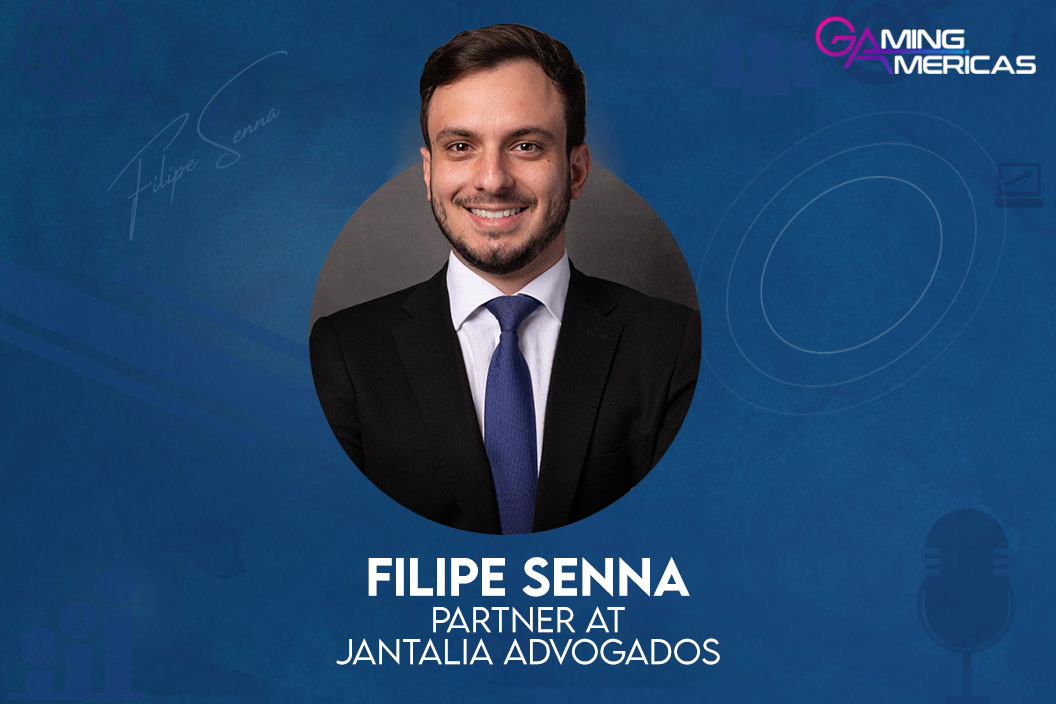
Filipe Senna, Partner at Jantalia Advogados and Secretary-General of the Gaming and Betting Law Commission of the OAB/DF, analyzes the recent decision in Brazil to block predictive market platforms such as Kalshi and Polymarket.
He argues that the measure reflects a necessary regulatory step to address legal ambiguities in a segment that sits between informational tools, betting systems, and financial derivatives, reinforcing the need for coherence and equal treatment within Brazil’s evolving regulated markets.
By Filipe Senna
The blocking of predictive market platforms such as Kalshi and Polymarket in Brazil, following a measure by the National Monetary Council (CMN) and guidance from the Secretariat of Prizes and Betting (SPA), is legally sound and follows the same logic already applied to illegal betting operators. The decision does not stem from a restrictive impulse, but rather from the need to preserve the coherence of a market that has become more clearly regulated in recent years.
Although these platforms present themselves as tools for gauging public opinion, their actual operation goes beyond an informational function. A significant portion of the products offered approaches—and in some cases is equivalent to—fixed-odds betting regulated under Law No. 14,790/2023. Sporting events made available in these environments replicate dynamics similar to so-called betting exchanges, making it difficult to sustain a material distinction between one model and another.
There is also a second sensitive issue. Some of these platforms offer instruments resembling financial derivatives, with assets linked to market prices. Because they operate outside the country, they are not subject to the requirements of the Securities and Exchange Commission. The result is a relevant regulatory asymmetry, in which foreign companies compete under more favorable conditions than operators that comply with Brazilian rules.
In this context, the blocking fulfills an institutional protective function: it safeguards both the betting market and the financial market from competitive distortions. Companies operating in Brazil under authorization must comply with strict obligations, including tax payments, anti-money laundering policies, and data protection mechanisms. Allowing others to operate outside these requirements undermines the system’s fairness.
The measure also has an inducing character. If these platforms wish to operate in the country, they must adapt to the legal framework corresponding to the type of product they offer. If the activity resembles betting, it must follow betting regulations. If it approaches financial instruments, it must comply with the applicable rules for that market. This is a basic principle of economic organization in regulated sectors.
There is no violation of free enterprise. In the Brazilian legal system, economic freedom coexists with the need to comply with rules, especially in activities involving financial risk and social impact. State action, in this context, aims to ensure that competition occurs on legitimate grounds, without undue advantage for those operating outside national jurisdiction.
There is, in fact, an informational component in these environments. Predictive markets can provide useful signals about collective expectations. The problem arises when this element coexists with structures that replicate the logic of betting or high-risk financial products. In such cases, users no longer interact solely with information but instead assume risks typical of gambling or speculative operations.
An example helps illustrate this boundary. There are markets in which participants must predict, in 5-minute intervals, the variation of assets such as Bitcoin. Although presented as predictive, the dynamic is closer to gambling or mechanisms similar to the former binary options, whose nature has always been associated with high risk and insufficient user protection.
Faced with this gray area, the regulator’s stance is prudent. Suspending the activity allows for deeper debate, clearer criteria to be defined, and prevents regulatory gaps from being exploited. Only after such delimitation will it be possible to discuss, with legal certainty, any future regulation for this type of platform.
The ultimate goal is to preserve a balanced economic environment in which innovation and free enterprise can coexist with clear rules. Without this, the risk is not only legal, but also related to the credibility of the entire system.
Filipe Senna
Partner at Jantalia Advogados and Secretary-General of the Gaming and Betting Law Commission of the OAB/DF (Brazilian Bar Association, Federal District chapter). Author of the book ‘The Regulation of Luck on the Internet’.
The post The necessary containment of predictive markets in Brazil appeared first on Americas iGaming & Sports Betting News.













The World Cup 2026 promises to be a turning point for the Brazilian sports betting market, the first major stress test in a fully regulated environment, with projections reaching R$ 19 billion in turnover in the country.
In this scenario, Stellar Gaming (EstrelaBet) positions itself at the center of this transformation, where technology, legal security, and user experience become strategic pillars of growth.
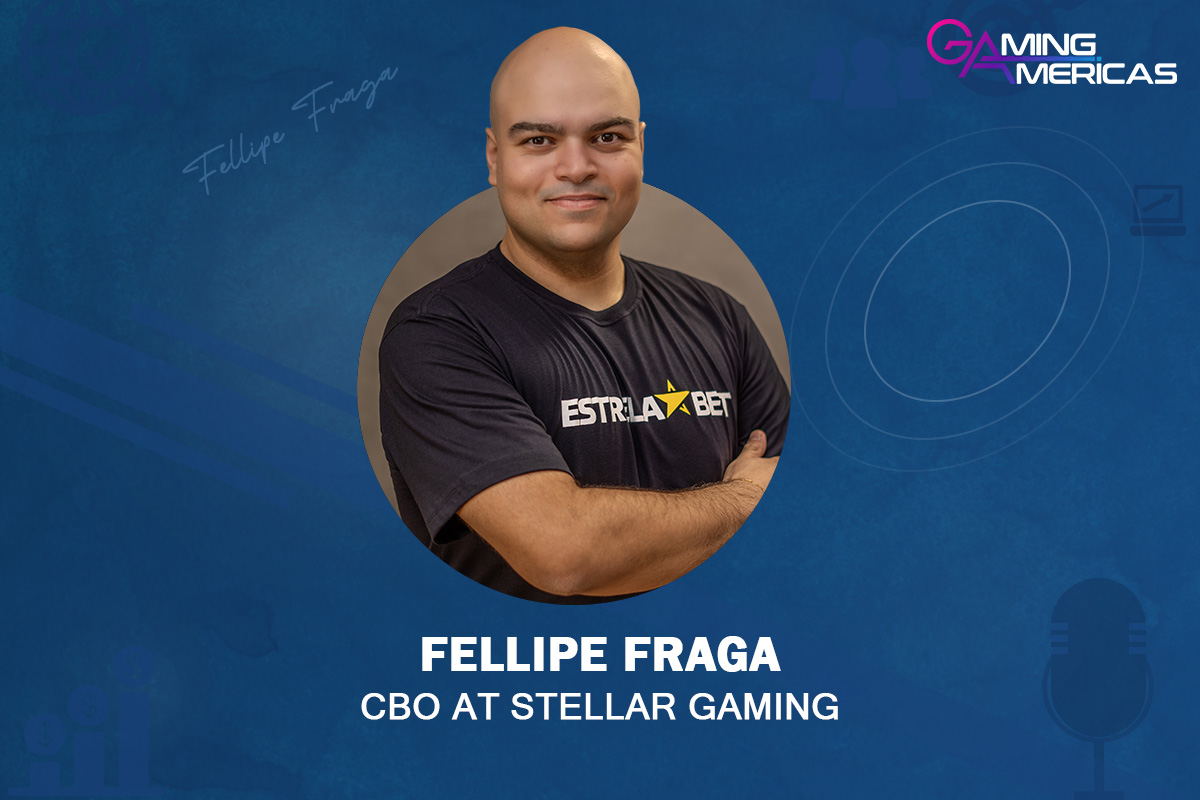
In an exclusive interview, Fellipe Fraga, CBO of Stellar Gaming, analyzes how the maturity of the regulated market, the advancement of responsible gaming, the evolution of technological infrastructure, and the fight against the illegal market will shape the “best World Cup of all time” for digital entertainment in Brazil, and the legacy this event will leave for the industry.
The World Cup 2026 is the first major ‘stress test’ of the fully regulated Brazilian market, with projections of around R$ 19 billion in turnover in the country. How does Stellar Gaming assess that legal certainty and operational maturity will make this tournament the ‘best World Cup of recent times’ for digital entertainment in Brazil?
Fellipe Fraga – In the 2022 World Cup, we were still fighting for market regulation, which unfortunately did not happen in time.
This time, we will have the opportunity to test not only at the technology level, but also in terms of customer behavior, as we will see the impact of the biggest sporting event in the world.
In addition, in regulated operations, the control tools provided for in the specific regulations ensure a safe experience for the customer and enhance the reach of responsible gaming.
With this, the next two months represent great expectations for the sector.
In a mass event that attracts millions of new bettors, concerns about problem gambling come into focus. EstrelaBet has a pioneering partnership with FUMEC. How does the AI-based predictive risk matrix work in practice to identify atypical patterns and ensure that the World Cup is a safe leisure moment, distancing the brand from the stigma of the ‘gray’ market of the past?
One of the great advantages of technological advancement is being able to use it to improve the collective experience, and it is no different when we talk about responsible gaming.
By introducing machine learning mechanisms with data and behavioral science concepts, we can improve risk predictability in behaviors where the customer shows signs of moving away from responsible gaming.
This allows the operation to act to reduce these risks, ensuring that betting entertainment is only what it is meant to be: fun.
We know that Brazilian users are mobile-first and do not tolerate friction during an important match. EstrelaBet has recently improved loading time by 60% and reduced live betting latency by 80%. How does this “Formula 1” infrastructure, led by the technology team, translate into trust and user retention during tournament peak moments?
The main direction we must take is to put ourselves in the customer’s shoes and understand what can create friction in the experience. A site that is unstable and slow is not well received.
That is why we adopted a mindset we called “EstrelaTech”, focused on technological development to improve the customer experience.
This automatically generates confidence in performance, stability, and service quality, which, combined with our technology partners, enables the delivery of a platform where entertainment happens more smoothly.

The brand’s CEO, João Gerçossimo, recently brought from SXSW the concept of the “Attention Economy 3.0”, where community belonging surpasses aggressive offers. How does EstrelaBet plan to apply this philosophy during the World Cup to retain customers without relying solely on transactional acquisition bonuses?
The World Cup is an excellent opportunity to bring the customer closer to the brand.
On June 5th, we will launch a major campaign that connects the audience and the brand to the national desire to achieve the sixth world title.
This connection goes beyond the product itself and is about the relationship between the customer and the company.
Our marketing team’s work has been outstanding, including in the choice of media partners, who are able to communicate with the audience and deliver key messages, not only about entertainment but also about a modern mindset regarding health, physical activity, and technology.
Sports integrity is a cornerstone of a strong regulated market. Today, EstrelaBet uses AI systems that achieve up to 90% accuracy in detecting suspicious behavior, such as multi-account abuse. How will this technology be used to protect the platform against fraudsters during the high volatility of the World Cup?
The betting product is essentially about uncertainty about the future, whether in an online game or a sporting event.
Any situation that tries to guarantee a future outcome empties the essence of the product.
Therefore, defending sports integrity is extremely important to us in itself, and combined with our passion for sport as an entertainment platform, it makes us even more committed to protecting it.
With technology and partnerships, we are able to monitor suspicious behavior and track fraud attempts in real time.
Although the World Cup carries the weight of being the biggest sporting event, with all eyes on it and consequently reducing the risk of suspicious behavior on the field, it is essential to ensure that there is also no negative influence on operations, allowing not only AI but also dialogue with partners to work in the best possible way.
With the World Cup taking place in the Americas (USA, Mexico, and Canada), the time zone is extremely favorable for Brazilian bettors. Combined with the advancement of 5G, what is EstrelaBet’s expectatio for the explosion of in-play betting and micro-moments during Brazil’s matches?
The Brazilian market already predominantly uses mobile phones. Matches taking place, often outside working hours, will allow the act of sitting down and watching a game to be enhanced.
Therefore, the trend is for a significant increase in activity during the World Cup, where the social factor—being with friends, watching the game together, and betting—will play an important role.
You, Fellipe Fraga, as the brand’s CBO, have been vocal about the fact that overly restricting licensed platforms only pushes users toward the illegal market. During an event with the scale of the World Cup, how can the regulated sector and the government work together to educate the public and prevent revenue leakage to unlicensed operators
The World Cup is a huge opportunity for the public sector in a broad sense, not only the regulator, but also the Federal Government and even legislators, to join forces in favor of the regulated sector.
Only through proper operations is it possible to have data, access to behavioral insights, and proper tax collection that will enable the country’s development, along with the correct promotion of responsible gaming initiatives.
We hope this awareness helps to combat an illegal market that, if not addressed, will only benefit illicit activities.
For the market, the 2026 World Cup is considered the “extended Super Bowl.” After the final whistle on July 19, what will be the main legacy of this US$ 35 billion tournament for the Brazilian sports betting market, considering the advances achieved in governance, technology, and end-user protection?
The 2026 World Cup will allow a full understanding of customer behavior in the betting market.
We will have data, results, and information collected from the various initiatives and strategies the market adopts.
The increase in volume will allow the validation of responsible gaming and sports integrity theses, as well as ensuring that users treat betting as proper entertainment during leisure moments while watching matches.
The post Stellar Gaming e the best World Cup of all time appeared first on Americas iGaming & Sports Betting News.

The regulatory landscape of iGaming and electronic betting in Brazil is undergoing a profound realignment that combines high-level political tension, structural mental health metrics, and new financial payment barriers.
Bellow, the core pillars transforming the operational and compliance dynamics of the industry nationwide.
“If it were up to me, I would ban them all”
The online betting ecosystem has established itself as a central agenda item for the federal Executive branch.
President Luiz Inácio Lula da Silva ratified his intention to tighten controls over the marketing campaigns of digital platforms.
Speaking during an interview on EBC’s Sem Censura program, the president was direct in confirming his regulatory plans for advertisements, even revealing a drastic personal stance:
“If it were up to me, I would ban them all.”
However, the head of state recognized the institutional boundaries that limit his administration’s leverage over regulated economic activities, noting that the country’s governance depends on a tripartite system.
“I am not the owner of Brazil. I am part of a system of institutions that govern the country alongside the National Congress and the Judiciary,” he pointed out.
Legislative barriers and the electoral agenda
To illustrate the political complexity of industry oversight, Lula exposed the balance of power within the legislature, noting that his political base holds just 70 deputies out of 513 and 9 senators out of 81.
This correlation means that any unilateral veto by the Executive could easily be overturned by the Legislative branch, where the betting sector maintains significant political influence.
Despite these legislative hurdles, the government highlighted the progress made by the specialized secretariat within the Ministry of Finance, which has successfully deactivated over 90% of illegal gambling domains in the country, and confirmed that the moratorium on granting new operating licenses will extend until the end of the year.
The Executive signaled that market regulation will form an active part of upcoming political campaigns.
The focus will remain on linking digital betting to public health, considering that 1.3 million young citizens, mostly low-income, interact with these platforms, affecting family budgets and justifying containment measures such as the 12-month betting account freeze for individuals seeking to renegotiate their debts.
The New Desenrola initiative and the financial offensive against debt
As part of its macroeconomic strategy to curb household over-indebtedness, the Brazilian government launched the New Desenrola program.
The initiative aims to cut off indirect financing channels in gambling through Article 16, which strictly prohibits any credit operations that serve as a bridge to transfer resources to betting platforms.
The primary objective of the rule is to shut down the use of credit-linked Pix (Pix crédito) as a deposit method.
A technical audit conducted by Folha de S.Paulo revealed that despite the implementation of the rule, major tier-one entities such as Bradesco and Banco do Brasil kept the credit transfer feature available for betting deposits until mid-May.
This government concern is backed by CNC economic indicators, which place Brazil’s family debt index at a critical 80.4%, the highest proportion recorded since the historical data series began in 2010.
The mechanics of credit-linked Pix and the banking response
From the legal perspective of the financial system, credit-linked Pix qualifies technically as a post-paid payment method, given that the user finalizes the cash payment after the transaction rather than upfront.
Lacking specific standalone regulation from the Central Bank (BC), this tool operates under two internal commercial modalities handled by banks:
- Card-backed financing: The financial institution processes the charge on the customer’s credit card limit, deducts operational service fees, and sends an immediate cash transfer via Pix to the recipient. If the user fails to clear their monthly statement, they enter the revolving credit interest pool.
- Direct personal loans: The bank approves an interest-bearing personal loan for the consumer, instantly routing the credit capital generated from the operation to the destination commercial establishment.
Faced with this scenario, most commercial banks chose to block these movements once internal compliance systems flag that the destination corporate ID (CNPJ) belongs to the list of 85 licensed operators published by the Ministry of Finance. Instead, they enforce corporate Pix QR codes restricted to cash transactions and emit risk alerts through platforms like Nubank and PicPay.
Regulatory oversight vacuums and operator reactions
Although the regulatory framework mandates fines of up to R$ 2 billion and license suspensions for betting houses that accept post-paid payment methods, operators represented by the IBJR and the ANJL clarified that they possess no technical means to filter out credit-linked Pix.
Because the financing is cleared entirely within the internal banking environment, the funds reach betting accounts as a standard instant bank transfer, shifting the responsibility of transaction filtering back to the financial institutions.
For its part, the monetary authority has yet to define the definitive inspection framework. The Secretariat of Prizes and Betting (SPA) of the Ministry of Finance holds the power to penalize gambling platforms but lacks the legal jurisdiction to discipline commercial banks.
Legal experts point to a regulatory vacuum that requires a new ordinance to empower the SPA to audit not only betting operators, but also their intermediary payment providers.
Constitutional litigation and the defense of the regulated industry
Regulatory friction has also shifted to the judicial and federal arenas.
The National Association of Games and Lotteries (ANJL) filed a Direct Action of Unconstitutionality (ADI 7971) before the Supreme Federal Court (STF) against Law 16.508/2026 enacted by the state of Rio Grande do Sul.
The provincial statute imposes severe restrictions on the marketing campaigns of iGaming platforms within state lines.
The association representing the regulated market argues that the state government violates Article 22 of the Federal Constitution, which grants the exclusive competence to legislate on telecommunications and commercial advertising solely to the Federal Union.
The case was assigned to Supreme Court Justice Cármen Lúcia, and the industry is seeking an urgent preliminary injunction to prevent a chaotic fragmentation of regional advertising laws from ultimately strengthening unregulated, offshore black-market domains.
Aligning with the sector’s institutional defense, André Gelfi, Director of the Brazilian Responsible Gaming Institute (IBJR), warned about the dangers of turning the regulated betting industry into a “convenient scapegoat” for household default trends.
Gelfi argued that political debates routinely generalize the activity without differentiating authorized environments from clandestine networks.
The director advocated for “Smart Regulation” sustained by behavioral user monitoring, financial education, and technical actions aimed exclusively at the illegal market.
Market indicators: tax collection and self-exclusions
The consolidation of the legal market in the country shows a direct impact on state coffers.
According to the official balance sheet of the Federal Revenue Office (Receita Federal), obtained via the Access to Information Law, the federal government collected R$ 4.17 billion from gaming and lotteries during the first quarter of 2026.
Within this fiscal pool, licensed online fixed-odds betting platforms generated R$ 1.15 billion, consolidating sports betting as a stable source of federal revenue for the National Treasury.
In parallel with economic growth, responsible gaming mechanisms are recording unprecedented activity. In its first five months of operation, the central platform of the Ministry of Finance processed 519,000 player requests for self-exclusion from digital betting environments.
The report details that the system absorbs an average of 144 requests per hour, with 40% of cases based on a loss of behavioral control over gambling, demonstrating the active adoption of these compliance tools by consumers to curb addiction.
The post Betting in Brazil under credit restrictions and regulatory debates appeared first on Americas iGaming & Sports Betting News.
apuestas deportivas
¿Son las casas de apuestas las culpables o la arquitectura económica construida por Brasil en los últimos 35 años?

The post ¿Son las casas de apuestas las culpables o la arquitectura económica construida por Brasil en los últimos 35 años? appeared first on Americas iGaming & Sports Betting News.

-

 Baltics7 days ago
Digitain Named Best Sportsbook Provider at HIPTHER Baltic & Nordics Gaming Awards 2026
-
DBET7 days ago
HockeyAllsvenskan names DBET main partner in three-year deal from 2026/27
-
Asia7 days ago
S8UL’s League of Legends roster qualifies to represent India at Asian Games 2026
-
Blazing Flower7 days ago
CT Interactive Strengthens its Presence in Romania with Newly Certified Games
-
Australia5 days ago
Former Star Entertainment Executives Mathias Bekier and Paula Martin Disqualified and Ordered to Pay Penalties
-
CFTC6 days ago
Novig Secures CFTC Designation, Bringing the First Prediction Market Built for Sports Fans Nationwide
-
LatAm6 days ago
Innovative payment solutions provider teams up with leading LATAM fintech platform to expand digital wallet access for online betting customers in Mexico
-
Alberta6 days ago
MediaTroopers lines up eight operator partners ahead of Alberta launch