Latest News
MGA Publishes its 2024 Annual Report and Financial Statements


The Malta Gaming Authority (MGA) has published its Annual Report and audited Financial Statements for the financial year ending 31 December 2024. The report offers an in-depth overview of the performance of Malta’s land-based and online gaming sectors during 2024, while also highlighting the Authority’s key activities and regulatory developments over the past year. It also offers a medium-term outlook for the broader gaming industry, reflecting emerging trends, regulatory shifts and the evolving market landscape.
Key Highlights from 2024
Supervisory Activity & Enforcement
In 2024, the MGA received 28 applications for new gaming licences and issued 17 licences. In addition, the Authority received a further 12 gaming licence renewal applications from operators to renew their gaming licence that was bound to expire in 2024 and issued eight licence renewals.
Low-risk games require a permit, which is valid only for a singular event and expires when the event is concluded. To this end, the MGA issued 1812 permits for non-profit tombola, 19 permits for non-profit lottery and 84 certificates for commercial communication games.
As part of the Authority’s process to assess applications, the MGA carried out just under 1200 criminal probity screening checks on authorised persons, persons holding qualifying interest, directors, key persons and any third parties providing funding or exercising control over an authorised person in both the land-based and online gaming sectors. The Fit and Proper Committee made 64 decisions, 16 of which determined that the criteria to be considered as fit and proper were not met.
The Supervisory Council reviewed 30 gaming licence applications, including new and renewal requests. Out of these, two applications were rejected on the grounds that information or submissions provided were false, misleading, inaccurate, or materially incomplete following the completion of the “Minded Letter” process. One application remained in the “Minded to Refuse” stage.
In 2024, the MGA concluded 13 compliance audits and 116 desktop reviews.
The Authority was notified by the licensees of 123 Technical Information Security Incidents, which the MGA investigated to ensure that no licensed activity was adversely affected.
The Commercial Communications Committee took seven decisions regarding possible breaches of the Gaming Commercial Communications Regulations.
In 2024, the Authority also issued 35 warnings, 25 administrative penalties amounting to €306,250 and reached three regulatory settlements amounting to €61,522. The MGA also suspended two licences and cancelled eight.
AML/CFT Oversight
43 AML/CFT compliance examinations were initiated by the FIAU or by the MGA on its behalf.
60 examinations were concluded, and 11 closure letters were issued to licensees who either addressed the identified issues or where the findings from the compliance examinations were not deemed to be serious and/or systematic.
The FIAU imposed remediation measures and/or administrative penalties on six licensees. The total administrative penalties issued amounted to just under €185,000.
The Authority conducted 37 interviews on prospective MLROs to ensure that candidates meet the required standards of knowledge and awareness of the Maltese AML/CFT legal framework.
Player Protection and Inspections
As part of its efforts to safeguard players and promote responsible gambling, the MGA resolved 3372 requests for assistance (including spill-over from 2023).
To continue safeguarding player funds, the Authority received 1897 player funds reports and carried out 27 data extractions during the reporting period.
The Authority conducted 40 responsible gambling-themed website checks and issued 27 observation letters outlining the issues and areas for improvement.
The MGA investigated 83 cases involving websites that published misleading information and issued 29 public notices on its website.
During the reporting period, the MGA carried out just over 9000 inspections on Gaming Premises (including casinos and commercial bingo halls), Controlled Gaming Premises, National Lottery Outlets including National Lottery Outlets – Controlled Gaming Premises and Non-Profit Tombola.
National and International Cooperation
In 2024, the MGA received 244 suspicious betting reports from licensees and shared 247 alerts on suspicious betting. The Authority participated in 30 investigations across different jurisdictions.
The MGA collaborated with enforcement agencies, sports governing bodies, integrity units and regulatory authorities on 31 requests for information and participated in 39 data exchanges.
The MGA received 85 requests for international collaboration from other regulators. Most of the requests received were generic requests for cooperation or requests for background checks as part of authorisations processes.
The Authority issued 59 official replies to provide feedback on the regulatory standing of its licensed operators to the relevant authorities requesting the information.
The MGA collaborated with local regulating authorities and governing bodies on 161 requests for information.
“Resilience is not just about endurance – it’s about adapting with purpose and staying focused on what matters,” CEO Charles Mizzi said.
“Over the past year, we improved how we work, strengthened our internal processes, and continued investing in the people and systems that support effective regulation. As the sector continues to evolve, the MGA remains committed to anticipating challenges, adapting with purpose, and upholding the standards that define Malta’s reputation as a trusted jurisdiction.”
The post MGA Publishes its 2024 Annual Report and Financial Statements appeared first on European Gaming Industry News.










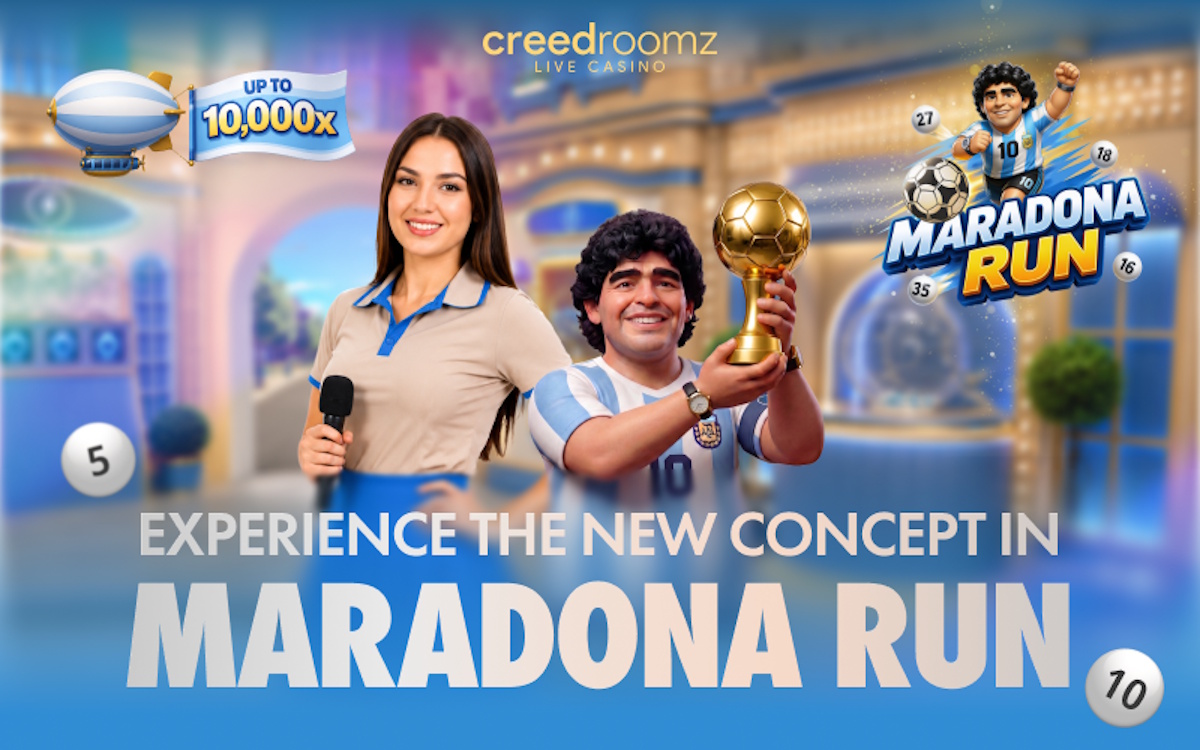
The new football-themed title keeps CreedRoomz’ existing mechanics and adds a Maradona-branded visual overhaul and 10,000x max payout claim.
CreedRoomz has launched a new live game show, “Maradona Run,” which the supplier says is backed by official rights and is now available to partner operators on the CreedRoomz Live Casino platform.
The company positions the release around the upcoming World Cup games, with a football-themed reskin of its existing interactive game show concept. CreedRoomz said the game’s “logic and core mechanics remain exactly the same,” while the visual identity has been rebuilt around a 3D animated caricature of Diego Maradona in a number 10 jersey.
Maradona Run combines a lottery-style ball draw, where players can manage up to eight interactive cards, with an “endless runner” bonus round. In the bonus sequence, the Maradona character runs through an obstacle course collecting glowing soccer balls that the supplier says translate into gameplay advantages including multipliers, speed boosts and prize doublers. CreedRoomz stated the game has a maximum payout potential of up to 10,000x the bet.
“Securing the official rights for Maradona Run allows us to hand our partners a massive competitive advantage just in time for the World Cup games,” said Armen Mnatsakanyan, Head of Sales Department at CreedRoomz. “By merging the legendary global appeal of Maradona with our high-retention endless-runner mechanic, we have created a premium crossover product that effortlessly converts football fans into loyal live casino players. The proven logic and math models are exactly what operators trust, but the brand power and vibrant new look make this a must-have commercial powerhouse.”
The title features a live presenter alongside the animated character and includes three bonus ticket tiers—Sprint, Trailblaze, and Marathon—intended to provide multiple bonus-entry paths per round, according to the supplier.
The post CreedRoomz launches Maradona Run live game show with licensed rights appeared first on EE Gaming | Global iGaming & Tech Intelligence Hub.
Armen Mnatsakanyan Head of Sales Department at CreedRoomz
“Maradona Run” Launched by CreedRoomz as New Live Game Show with Official Rights

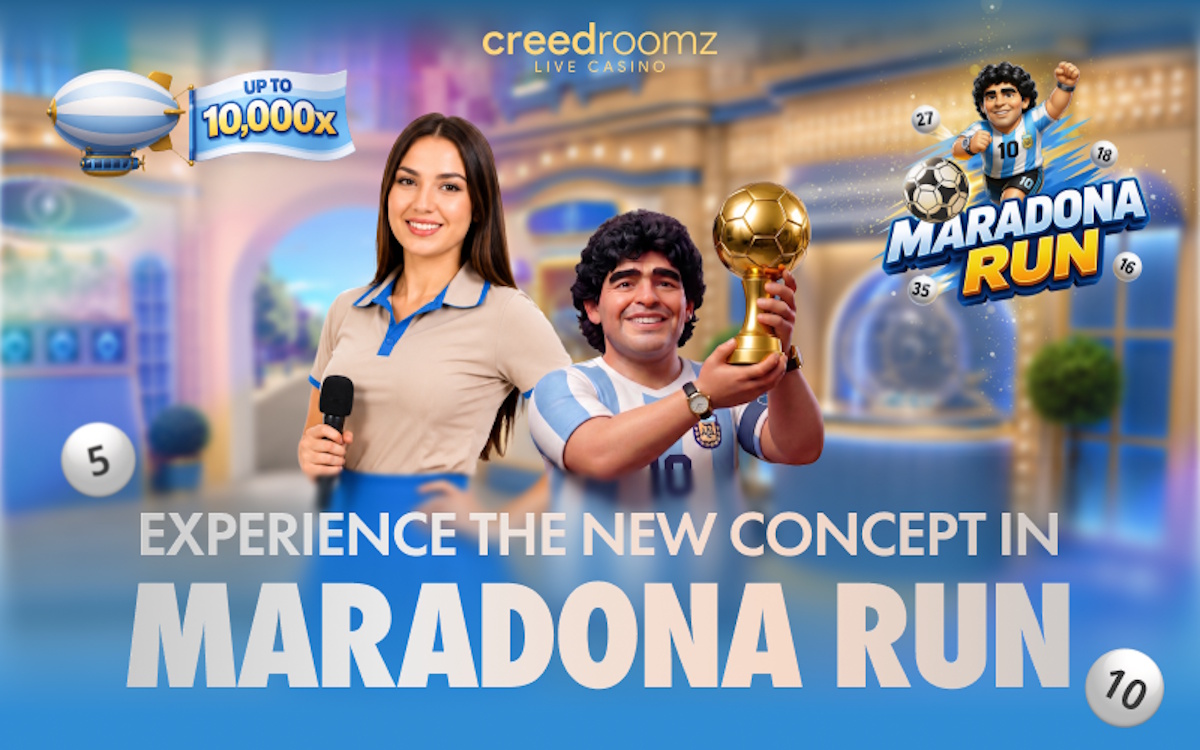
Leading live casino provider CreedRoomz has officially announced the launch of its highly anticipated new live game show, “Maradona Run,” backed by official rights.
Built to capture the celebratory spirit of the upcoming World Cup games, this groundbreaking release introduces an authorized, football-themed transformation of the company’s signature interactive game show concept. By securing the official rights to feature one of the greatest legends in football history, CreedRoomz is inviting global operators and players to engage with an entirely premium, legally authorized gaming experience.
While the game’s flawless logic and core mechanics remain exactly the same, the visual identity has been completely overhauled to welcome the World Cup games. The character has been transformed into a vibrant, 3D animated caricature of the legendary Maradona, proudly wearing his iconic number 10 jersey.
Maradona Run seamlessly bridges a fast-paced lottery ball draw with a cinematic, arcade-style endless runner bonus round. During the main game, players manage up to eight interactive cards as football-styled lottery numbers bounce in a high-tech studio chamber. When the bonus round triggers, players leave the studio behind and hit a digital, festive boulevard alongside Maradona himself.
Instead of traditional coins, the animated legend sprints down the obstacle-filled street course collecting glowing soccer balls. These collectibles correspond to crucial gameplay advantages, including total payout multipliers, energy speed-boosts, and prize doublers, culminating in a massive maximum payout potential of up to 10,000x the bet.
“Securing the official rights for Maradona Run allows us to hand our partners a massive competitive advantage just in time for the World Cup games,” said Armen Mnatsakanyan, Head of Sales Department at CreedRoomz. “By merging the legendary global appeal of Maradona with our high-retention endless-runner mechanic, we have created a premium crossover product that effortlessly converts football fans into loyal live casino players. The proven logic and math models are exactly what operators trust, but the brand power and vibrant new look make this a must-have commercial powerhouse.”
The live game show features a highly interactive setup where a live presenter stands side-by-side with the animated Maradona caricature, engaging with players in real-time. With three distinct bonus ticket tiers Sprint, Trailblaze, and Marathon players have multiple pathways to chase massive wins on every single round.
Maradona Run Live is now available to all partner operators integrating the CreedRoomz Live Casino platform.
The post “Maradona Run” Launched by CreedRoomz as New Live Game Show with Official Rights appeared first on Americas iGaming & Sports Betting News.
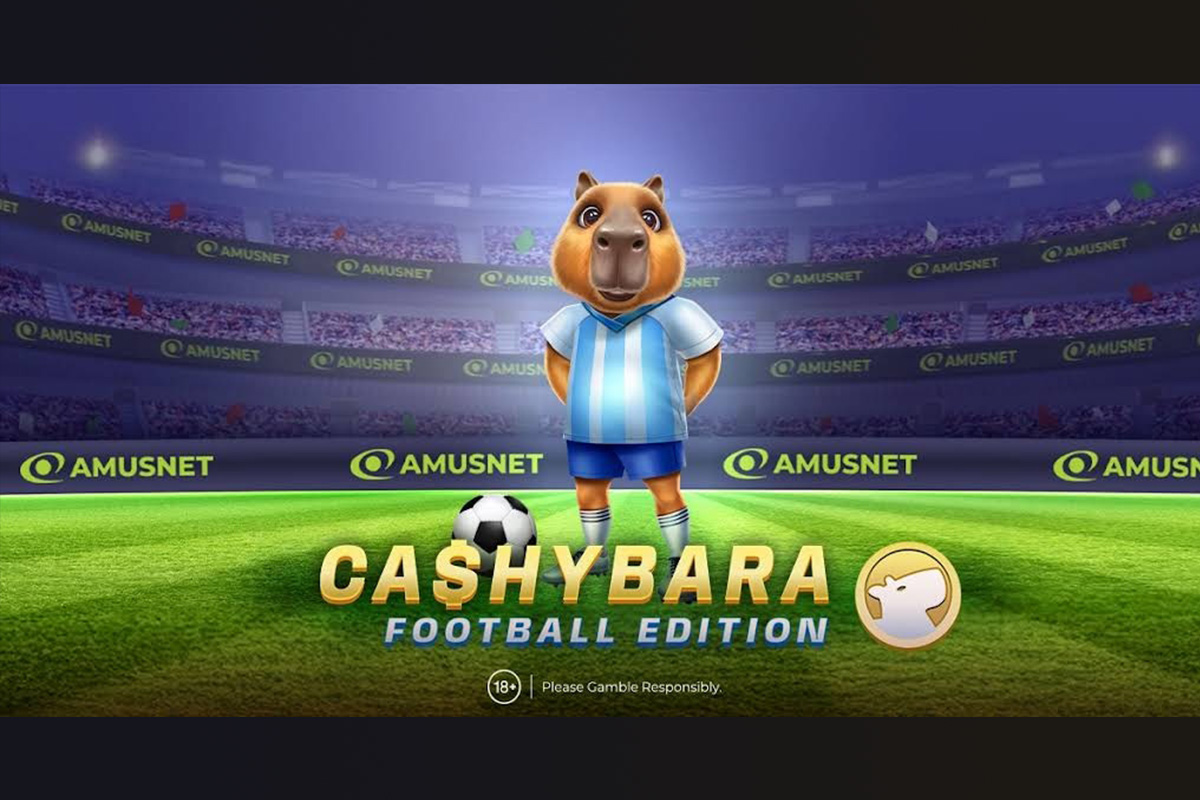
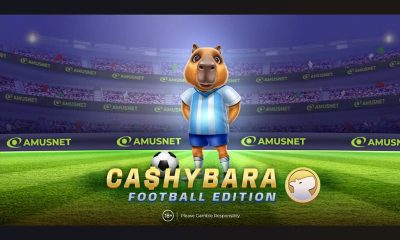
As football fever takes over the world and fans unite around the beautiful game, Amusnet is bringing the excitement from the stadium straight to the casino floor with the launch of Ca$hybara Football Edition – the latest addition to the beloved Ca$hybara series.
This energetic crash game puts players at the center of the action, where every touch of the ball could lead to bigger rewards. Taking the spotlight once again is the unstoppable Ca$hybara, this time stepping onto the football pitch with confidence, skill and plenty of flair.
In Ca$hybara Football Edition, the charismatic sports star keeps the ball airborne through an impressive display of juggling mastery. With every successful touch, the multiplier climbs higher, creating a thrilling balance between risk and reward. The challenge is simple: decide how long to stay in the game before cashing out. The longer Ca$hybara remains in control, the greater the potential winnings – but one missed touch can change everything.
Designed to keep players engaged from kick-off to the final whistle, the game introduces constant decision-making throughout every round. Players can choose to secure part of their winnings with the 50% Cashout option or continue riding the momentum in pursuit of even bigger multipliers. Timing, confidence and a little courage will determine who comes out on top.
Adding another layer of excitement are the popular Jackpot Cards, Amusnet’s signature jackpot feature, offering players additional chances for rewarding surprises and making every session even more dynamic.
With its football-inspired theme, fast-paced gameplay, and familiar Ca$hybara charm, Ca$hybara Football Edition arrives at the perfect moment, capturing the energy and passion of the season when football dominates conversations across the globe.
Whether players are seasoned crash game enthusiasts or discovering the genre for the first time, Ca$hybara Football Edition delivers an entertaining experience where every second counts and every decision matters.
Gamble
Play the game and multiply the winnings through the Gambling feature.
Multipliers
The game starts with a multiplier set at 1x and rises gradually and can go up to a max coefficient of 1,000,000. Multiplier can potentially crash at 1x, ending the game round.
50% Cash Out
Players can cash out 50% of their bet during the game round and continue playing with the remaining 50%.
Jackpot Cards
The Jackpot Cards bonus game is triggered at random during the gameplay to allow players to win impressive jackpots.
The post Amusnet Celebrates Football Season with the Launch of Ca$hybara Football Edition appeared first on EE Gaming | Global iGaming & Tech Intelligence Hub.

-

 América Latina5 days ago
Las diferencias locales de Argentina representan tanto un desafío como una oportunidad para el sector del iGaming
-
Latest News5 days ago
Connect with N1 Partners at G Gate Conf 2026
-
game-launch5 days ago
Million Games launches East West Wild slot with progressive multipliers
-
Gmonitor.ai5 days ago
Gmonitor llega a Latinoamérica: la plataforma de inteligencia de mercado para operadores debuta en seis mercados regulados
-
Africa5 days ago
Booming Games signs content deal with World Sports Betting in South Africa
-
AI5 days ago
Veikkaus rolls out OpenBet’s Neccton responsible gambling platform ahead of 2027 reform
-
 Latest News5 days ago
Sportradar Report | World Cup 2026: Opportunities for the Latin American Sports Betting Market
-
eSports6 days ago
G2 partners with PUBG MOBILE Esports to scale Western Europe competition