Latest News
FTDx Wins Xanada Startup Contest: Unlocking Untapped iGaming Traffic with Innovative Monetization Solutions

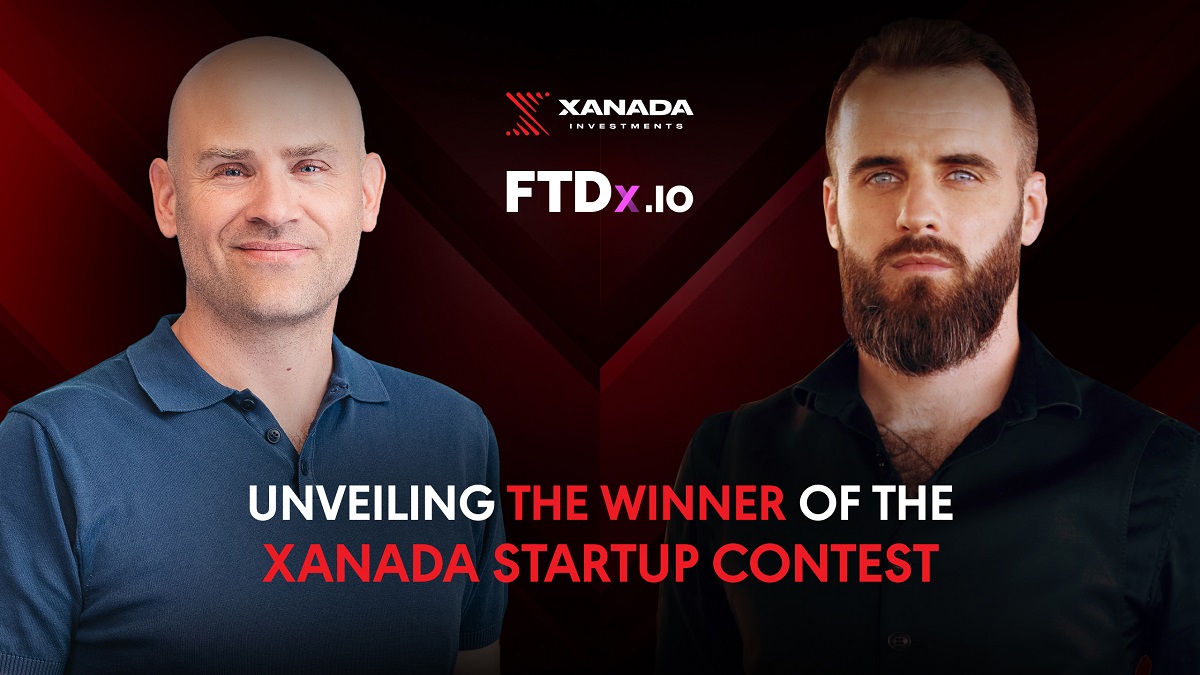
Recently, Xanada Investments announced FTDx as the winner of this year’s Xanada Startup Contest, an investment initiative of the fund. FTDx has demonstrated outstanding innovation in traffic monetization within the gambling industry, earning them the top spot.
In the interview below, Vladimir Malakchi, the CEO and Managing Partner of Xanada Investments, and Björn Nilsson, CEO and co-founder of FTDx, share their perspectives on this achievement and what lies ahead.
Vladimir Malakchi, CEO and Managing partner at Xanada Investments:
What were your overall impressions of this year’s Xanada Startup Contest participants, and why did you choose FTDX as the winner? What key factors stood out about their solution that aligned with Xanada Investments’ vision?”
VM: This year’s Xanada Startup Contest had nearly 250 applications from all over the world. The range of ideas was incredible, everything from gamification to AI-driven user engagement. What made FTDx stand out was how practical and impactful their solution is. They’ve tackled a big issue in iGaming, what to do with traffic that doesn’t convert because it’s from regions operators usually ignore. Their system turns that missed opportunity into real revenue while also encouraging first-time deposits.
We loved how FTDx backed up their idea with real numbers and a solid strategy. They’re not just solving a problem; they’re doing it in a way that scales and adds value for operators. That’s exactly the kind of project we look for at Xanada Investments-solutions that deliver results and create meaningful change in the industry.
Xanada Investments has a history of backing scalable solutions. How do you assess the scalability of FTDX’s technology, and what competitive advantage do you believe this gives them over other monetization platforms in the market?
VM: At Xanada Investments, scalability is a key factor in evaluating projects, and FTDx has shown a strong foundation for growth with its lightweight, adaptable platform. Its seamless integration with operators’ systems and focus on real-time revenue generation make it ideal for scaling across regions, especially in today’s fast-moving digital landscape.
FTDx’s major advantage is efficiency,it captures value from active users during live sessions, reducing the need for costly re-engagement strategies. This cost-effective approach works well in markets with varying tech infrastructure, including those with high mobile traffic but limited resources, enabling FTDx to tap into a wider audience.
The platform’s data-driven design supports continual optimization, allowing operators to refine strategies based on real-time insights. This adaptability keeps FTDx competitive in a rapidly evolving industry. Overall, FTDx’s scalable and proactive monetization tools provide operators with a reliable solution for driving revenue in diverse global markets.
Looking ahead, how do you envision FTDX evolving with the support of Xanada Investments? What role does their team’s expertise play in ensuring the successful execution of these growth plans?
VM: With Xanada’s support, FTDx is well-positioned to expand its reach and develop its platform to meet the growing demands of the iGaming sector. Our resources and strategic network will provide FTDx with the connections and insights needed to enter new markets, particularly in regions like Europe and Latin America, where demand for gamified, real-time engagement solutions is on the rise. Xanada’s role will not only be financial but also advisory-we’ll work closely with FTDx to refine their approach and scale their operations effectively.
The expertise within the FTDx team is a major asset in executing these growth plans. Their background in data analytics and monetization strategies means they have a clear understanding of the market’s demands and a precise approach to addressing them. This technical and strategic expertise allows them to develop solutions that are not only innovative but also grounded in practical applications. Their ability to anticipate and adapt to industry trends is a valuable strength, ensuring they can keep up with evolving customer expectations and continue delivering results as they scale.
FTDX’s ambitions to provide measurable outcomes, whether through immediate revenue generation or long-term user retention aligns closely with Xanada’s vision for sustainable growth. By leveraging our network and expertise, FTDx will have the support needed to continually innovate while expanding into new markets. Together, we envision FTDx not only as a leader in iGaming monetization but also as a standard-setter for efficiency and effectiveness in player engagement solutions.
Björn Nilsson commenting on the win of FTDx in the Xanada Startup Contest:
Congratulations on your victory! What was your strategic motivation for participating in the Xanada Startup Contest, and what advantages do you see from this win in terms of your future development?
BN: Thank you very much! I’ve had experience participating in startup contests before, including one with Triggy. While we didn’t win that time, we made it to the top 10 finalists, which was an invaluable experience for the company’s growth. As I mentioned during my podcast with Vladimir Malakchi, contests like these sharpen your game. As a former athlete, I know firsthand that nothing improves you more than competing. Whether you win or not, participating forces you to refine your pitch, clarify your message, and solidify your business plan.
Beyond this, I genuinely enjoy the thrill of competition.
Your product offers a unique approach to monetizing global visits. What inspired you to develop FTDx? What market challenges did you identify that led you to create this solution?
BN: My co-founder, Fredrik Selin, and I were active in several areas, primarily on the affiliate side, when we had a conversation with Jon Bowden, the CMO of New Jersey-regulated casino PlayStar. Jon mentioned that they were receiving a significant amount of traffic from states other than New Jersey and asked if we had any ideas about how to utilize that traffic. Intrigued, we promised to explore the issue further.
Using tools like Similarweb and Ahrefs, we analyzed traffic data from various brands, both large and small. What we discovered was staggering-there’s an immense amount of “lost” traffic out there. Millions of visits end up on 403/404 blocked pages every month, representing a massive untapped resource.
Ten years ago, this issue wouldn’t have existed. At that time, being online inherently meant being “global.” However, with increasing regulation and rising competition, operators must now specialize and dominate local markets to remain relevant. This focus inevitably results in excess traffic from markets where they aren’t operational. That’s where FTDx comes in-to unlock the value hidden within this overlooked traffic and turn it into a new revenue stream.
How do you see the success of the FTDx solution based on your clients’ experiences? How does their traffic volume change, and what positive side effects have you noticed from implementing your solution?
BN: Though we’re still early in our journey with live clients, the results so far have been extremely promising. For example, blocked traffic from our largest client has generated over 8,000 new accounts with other brands in just the past three months. This is traffic that would have otherwise gone unnoticed and unrealized.
When we enable traffic exchanges—allowing clients to receive blocked traffic from other operators—the volume of relevant traffic in their target markets grows significantly. One of the most notable positive side effects, and a point we’ve emphasized from the start, is how operators begin to see the extended value of brand marketing. They realize that their efforts reach far beyond their primary focus markets and, thanks to FTDx, can now monetize that extended reach.
The post FTDx Wins Xanada Startup Contest: Unlocking Untapped iGaming Traffic with Innovative Monetization Solutions appeared first on European Gaming Industry News.















eGaming Integrity has been named Independent Online Gambling Assurance Provider of the Year 2026 at the UK Enterprise Awards, organised by SME News. The company is based in the Isle of Man and works with operators in regulated online gambling markets.
According to the company, the award recognises its assurance work aimed at helping gambling operators evaluate whether their compliance processes are prepared for regulated market requirements, as regulatory expectations increase around compliance standards and customer protection.
eGaming Integrity said its internal audit reviews assess how gambling businesses operate in practice, including whether procedures and controls meet standards expected by regulators. The company added that the process is designed to help operators identify where controls are effective and where improvements may be needed before issues emerge.
Emma Shilling, Director at eGaming Integrity, said,
“This award recognises the reason eGaming Integrity was created. Responsible operators want to know where they stand before problems appear, and independent assurance provides that outside perspective.
“Our team has seen regulation from both sides, which helps us understand where processes can break down and how operators can make practical improvements.”
Speaking on the accomplishments of the 2026 winners, Laura O’Carroll, Awards Manager, said,
“The announcement of our UK Enterprise Awards is perhaps one of our most anticipated milestones every year, and the 2026 launch is no different. We are truly pleased to deliver our digital magazine and winners list, showcasing such excellence, to our readers again this year. Atop this, to our winners, and from our team to yours, we wish you all a sincere congratulations on your success in this year’s programme.”
The post eGaming Integrity wins SME News UK Enterprise Award for gambling assurance appeared first on EE Gaming | Global iGaming & Tech Intelligence Hub.
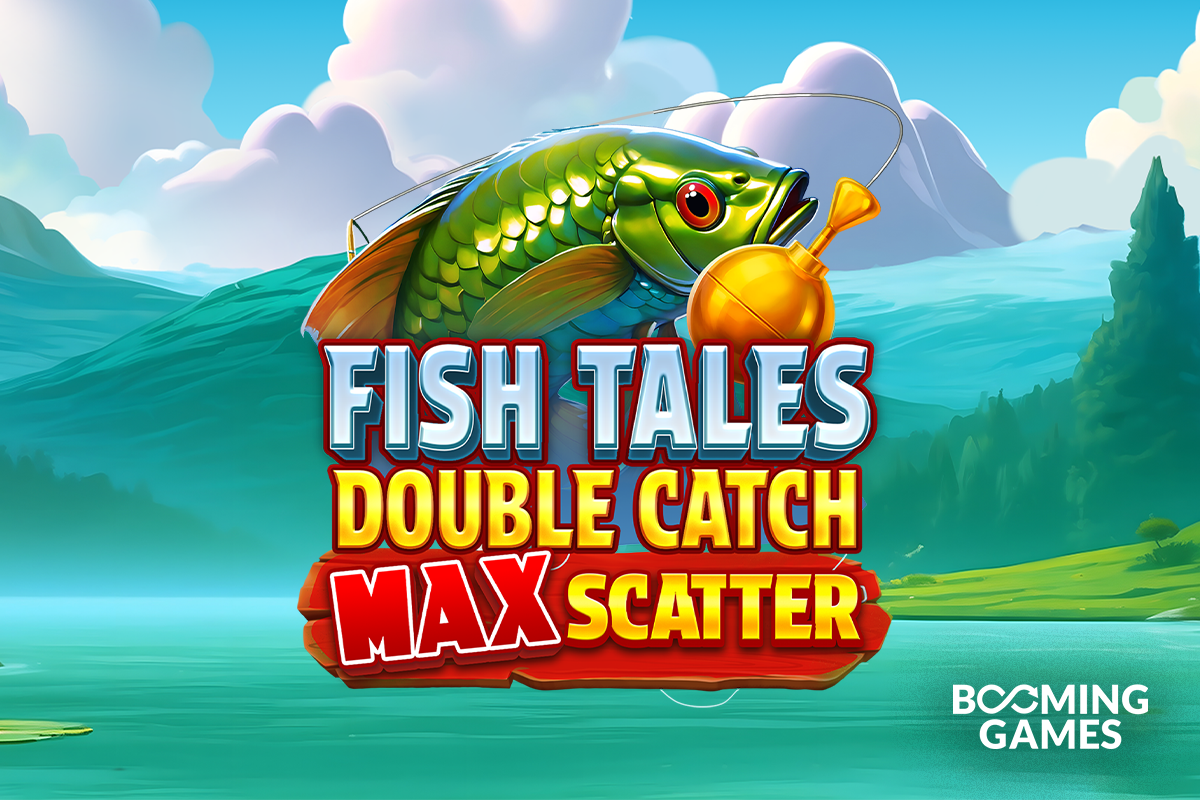
Booming Games has launched Tasty Bonanza Max Scatter, a new online slot released on 16 July 2026 from the supplier’s Malta base. The title is the second game in its Max Scatter series and uses a 6×4 grid with Scatter Pays, cascading wins and a stated maximum win potential of 15,000x.
The game pays when eight or more of the same symbol land. Winning symbols are removed and remaining symbols cascade down, with new symbols dropping in until no further wins are formed.
Free Spins are triggered by landing four or more Scatter symbols, including Scatters and Max Scatters, awarding 10 Free Spins. During the bonus, Random Multipliers can appear with values from 2x to 100x and remain active until the cascade sequence ends, after which multiplier values are combined and applied to the total win. Three or more Scatter symbols during Free Spins add five additional spins, while the feature ends if the max win is awarded.
Booming Games also includes Bonus Buy options priced at 100x the bet amount and a “Super Buy Bonus” at 500x, which the company says offers multipliers from 15x to 100x. A BOOST+ option increases the bet by 25% and increases the chance of triggering bonus features.
Craig Asling, Director of Games at Booming Games, said: “Tasty Bonanza Max Scatter is a great example of how we’re innovating within one of our top performing franchises. By adding exciting new Max Scatter mechanics to one of our most popular slots, we are confident the game will appeal to players looking for top-quality entertainment and high-stakes gameplay.”
The post Booming Games launches Tasty Bonanza Max Scatter slot appeared first on EE Gaming | Global iGaming & Tech Intelligence Hub.

Gaming Realms has launched its Slingo portfolio in Switzerland with Swiss4Win.ch, the online casino brand of Casinò Lugano, on 16th July 2026.
The supplier said the agreement is its second operator launch in the Swiss market and extends distribution of its content library through Playtech’s platform.
Swiss4Win.ch players now have access to a selection of titles including Slingo Sweet Bonanza, Slingo Xxxtreme and Slingo Gold Cash.
Mariachiara Lagravinese, Regional Account Manager at Gaming Realms, said: “Building on our recent debut in Switzerland, this partnership with Swiss4Win.ch will see us reach an even greater audience in the country where our unique content has been popular with local players.
“Switzerland represents an attractive market for us and this launch with a reputable local operator sees us strengthen our foothold in the region.”
Paolo Sanvido, CEO of Casinò Lugano, said: “We’re committed to offering our players a diverse portfolio of premium gaming content, and Gaming Realms’ Slingo titles bring something truly unique to our casino lobby. We’re excited to introduce these games to our customers and further strengthen our entertainment offering with engaging and innovative experiences.”
The post Gaming Realms launches Slingo games with Swiss4Win in Switzerland appeared first on EE Gaming | Global iGaming & Tech Intelligence Hub.

-

 Compliance Updates6 days ago
Arizona Department of Gaming Issues Cease-and-Desist Orders to Multiple Operators Linked to Underage Gambling and Illegal Activity
-
 Compliance Updates6 days ago
KONAMI GROUP’s Konami Gaming Inc. First to Submit Manufacturer License Application in Japan’s Emerging IR Market
-
Latest News7 days ago
PG Soft appoints Hugo Baungartner as General Manager LatAm
-
Latest News7 days ago
PG Soft names Hugo Baungartner as General Manager LatAm
-
Latest News6 days ago
Enjoy Gaming Builds on Slot success with Diamond Slam: Xtra Power
-
Latest News6 days ago
Weekend Reels | Week 28: Slot Drops & Trends
-
Compliance Updates6 days ago
Spillemyndigheden Publishes Report on Illegal Gambling
-
Canada6 days ago
High 5 Games Expands Across Alberta’s Open iGaming Market Following AGLC Supplier Approval