Latest News
Kinetix Launches $1M Fund to Accelerate AI-UGC in Gaming

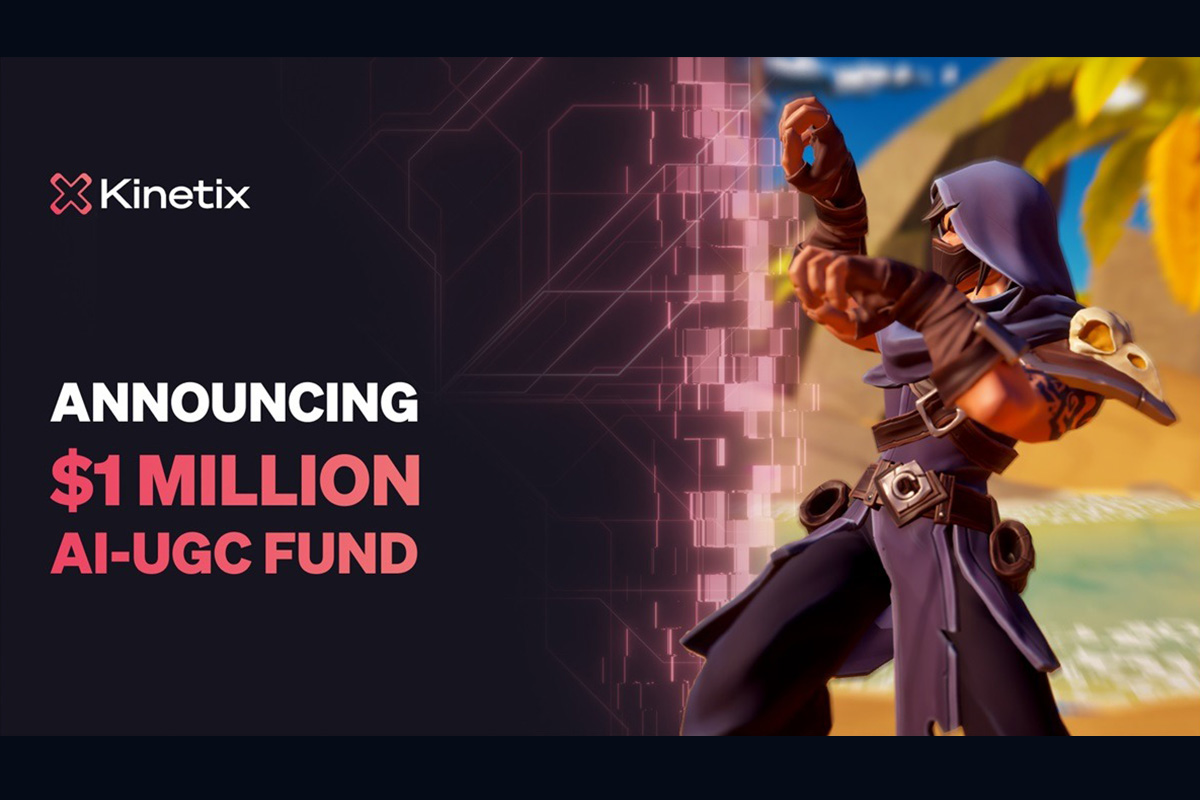
Kinetix has announced the launch of its AI-UGC Fund – a $1 million initiative designed to support game developers and modders to put Generative AI technologies directly into the hands of gamers. SmokeSpot Games, the makers of customisable fighting and fashion title Dropcult, is the first studio to receive support from the Fund.
Kinetix provides game developers with its Embeddable AI Emote Creator, allowing players to create custom 3D animations from videos directly within the game. This enables game studios to turn their players into creators, addressing the growing demand for customization and fresh content. Additionally, it boosts user-created videos shared on social media by players – who eagerly share their best creations on TikTok – hence amplifying user acquisition through virality.
This technology has already been embraced by industry leaders like OVERDARE, the new UGC game from South Korean publishing giant KRAFTON.
The Fund aims to accelerate the adoption of AI-UGC features by game studios. Selected developers will receive up to $75,000 each to bring Kinetix’s User-Generated Emote technology to life in their games or mods, as well as dedicated integration and marketing support.
The User-Generated Emote technology is leading the charge towards a future of gaming experiences which is expected to be enhanced by numerous AI features, impacting everything from interactions with non-playable characters to creation of entire virtual worlds. Enabling players to express themselves through their own emotes satisfies gamers’ increasing needs for endless customisation and opportunities to create the content they want and which reflects their identities. And, by transforming players into active creators, Kinetix helps create an endless flow of content for games and gaming platforms at minimal cost.
“While recent developments in AI make it easy for anyone to create content, this revolution is yet to be provided to players, directly in 3D games. With this Fund and our SDK, we intend to bring Generative AI capabilities into the hands of gamers, like we already did in OVERDARE or Dropcult,” said Yassine Tahi, CEO of Kinetix.
Yuriy Ternovski, CEO of SmokeSpot Games, said: “We centered Dropcult around customizable avatars, fashion and dynamic gameplay that can be streamed and shared on social media. Partnering with Kinetix took this further by letting our community express themselves through movement. Players like to create and share their creations. Everyone wins and we grew a large community around this!”
The AI-UGC Fund Programme is a selective, application-based program designed to identify and support projects with the greatest potential to shape the future of gaming on any platform. Its initial focus will be on live games or those in open/closed beta with established 3D avatar systems and growing monthly active users (MAUs). Applications are open on a rolling basis, early submissions are encouraged. To apply, developers will need to provide detailed information about their project, plans for integrating AI technology, a visual deck or short video and the amount of funding requested.
The post Kinetix Launches $1M Fund to Accelerate AI-UGC in Gaming appeared first on European Gaming Industry News.

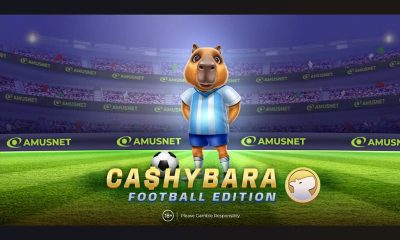









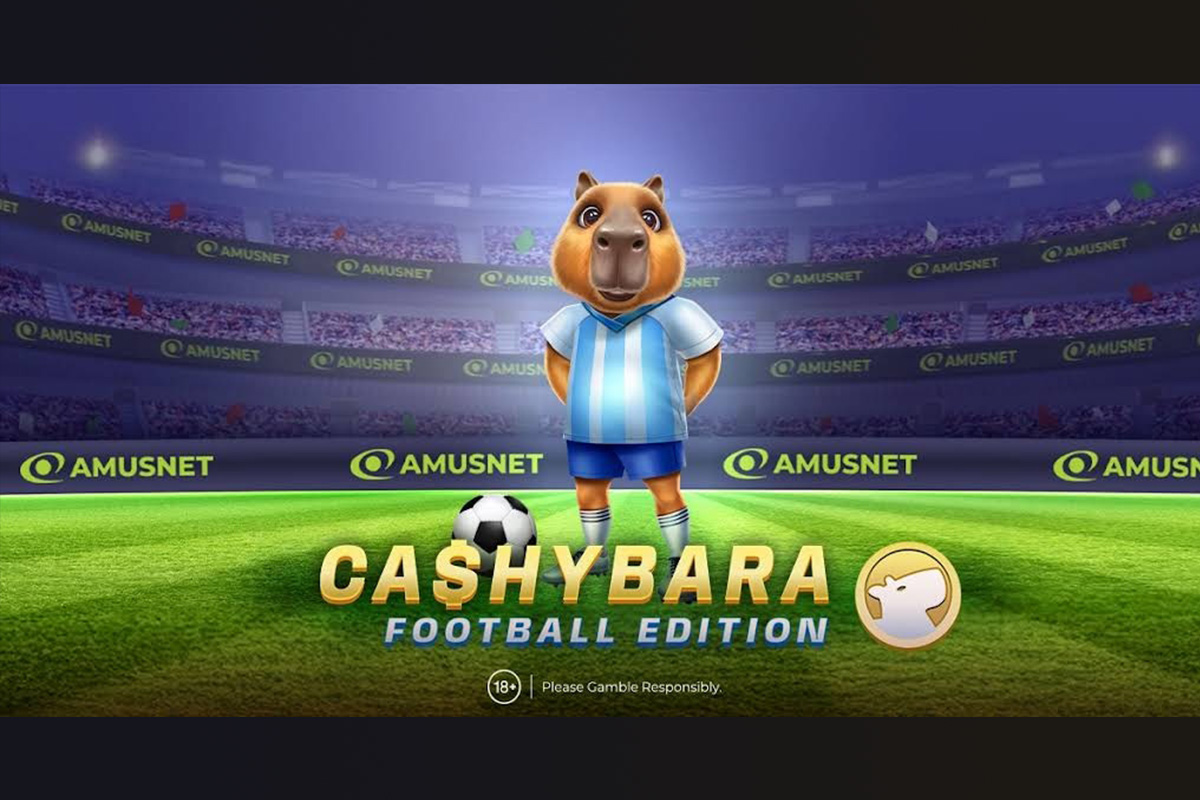
As football fever takes over the world and fans unite around the beautiful game, Amusnet is bringing the excitement from the stadium straight to the casino floor with the launch of Ca$hybara Football Edition – the latest addition to the beloved Ca$hybara series.
This energetic crash game puts players at the center of the action, where every touch of the ball could lead to bigger rewards. Taking the spotlight once again is the unstoppable Ca$hybara, this time stepping onto the football pitch with confidence, skill and plenty of flair.
In Ca$hybara Football Edition, the charismatic sports star keeps the ball airborne through an impressive display of juggling mastery. With every successful touch, the multiplier climbs higher, creating a thrilling balance between risk and reward. The challenge is simple: decide how long to stay in the game before cashing out. The longer Ca$hybara remains in control, the greater the potential winnings – but one missed touch can change everything.
Designed to keep players engaged from kick-off to the final whistle, the game introduces constant decision-making throughout every round. Players can choose to secure part of their winnings with the 50% Cashout option or continue riding the momentum in pursuit of even bigger multipliers. Timing, confidence and a little courage will determine who comes out on top.
Adding another layer of excitement are the popular Jackpot Cards, Amusnet’s signature jackpot feature, offering players additional chances for rewarding surprises and making every session even more dynamic.
With its football-inspired theme, fast-paced gameplay, and familiar Ca$hybara charm, Ca$hybara Football Edition arrives at the perfect moment, capturing the energy and passion of the season when football dominates conversations across the globe.
Whether players are seasoned crash game enthusiasts or discovering the genre for the first time, Ca$hybara Football Edition delivers an entertaining experience where every second counts and every decision matters.
Gamble
Play the game and multiply the winnings through the Gambling feature.
Multipliers
The game starts with a multiplier set at 1x and rises gradually and can go up to a max coefficient of 1,000,000. Multiplier can potentially crash at 1x, ending the game round.
50% Cash Out
Players can cash out 50% of their bet during the game round and continue playing with the remaining 50%.
Jackpot Cards
The Jackpot Cards bonus game is triggered at random during the gameplay to allow players to win impressive jackpots.
The post Amusnet Celebrates Football Season with the Launch of Ca$hybara Football Edition appeared first on EE Gaming | Global iGaming & Tech Intelligence Hub.
ArenaPlus
DigiPlus Wins “Digital Operator of the Year” Award at 2026 Global Gaming Awards Asia-Pacific


DigiPlus Interactive Corp. (DigiPlus), the country’s premier digital entertainment provider behind BingoPlus, ArenaPlus and GameZone, has been named Digital Operator of the Year at the 2026 Global Gaming Awards Asia-Pacific, marking its second consecutive annual win in the category and reinforcing its leading industry position in the APAC region. The recognition was announced during the Global Gaming Awards ceremony held on June 2 at Conrad Manila.
One of the international gaming industry’s most prestigious awards programmes, the Global Gaming Awards, powered by Global Gaming Insider, recognise excellence in innovation, player experience, responsible gaming and operational excellence across both land-based and online gaming sectors. Winners are selected by a panel of senior industry executives with extensive experience and deep knowledge of the market, with the voting process independently adjudicated by KPMG to ensure rigor and transparency.
The Digital Operator of the Year category recognises operators that have demonstrated outstanding growth, innovation and player engagement over the past 12 months. DigiPlus emerged victorious from a shortlist of eight nominees, besting seven other operators across APAC.
Judges highlighted DigiPlus’ strong 2025 performance, the addition of over 500 new e-games on its platforms, and the rollout of industry-first responsible gaming tools. The company also continues its momentum in 2026 through major partnerships, including recently launched collaborations with Manny Pacquiao and the National Basketball Association (NBA).
In addition to its top industry honor, DigiPlus earned further recognition for its social impact initiatives, securing the first runner-up spot in the Corporate Social Responsibility (CSR) of the Year category.
The awards body commended DigiPlus for its impressive CSR work via the DigiPlus Foundation which delivers healthcare, education, disaster relief, and social empowerment programs to over 1 million beneficiaries and counting across the Philippines.
“We are honored to once again be recognized by the Global Gaming Awards. These prestigious international industry accolades reflect DigiPlus’ unwavering pursuit of excellence and our drive to continuously innovate, deepen player engagement, and champion responsible gaming across BingoPlus, ArenaPlus, and GameZone,” said DigiPlus Chairman Eusebio H. Tanco.
“Together with the recognition for DigiPlus Foundation, this back-to-back win affirms our commitment to delivering world-class digital entertainment to Filipinos while contributing to nation-building.”
The Global Gaming Awards also hold annual editions in the Americas and EMEA regions, recognising industry excellence across the globe.
The post DigiPlus Wins “Digital Operator of the Year” Award at 2026 Global Gaming Awards Asia-Pacific appeared first on EE Gaming | Global iGaming & Tech Intelligence Hub.
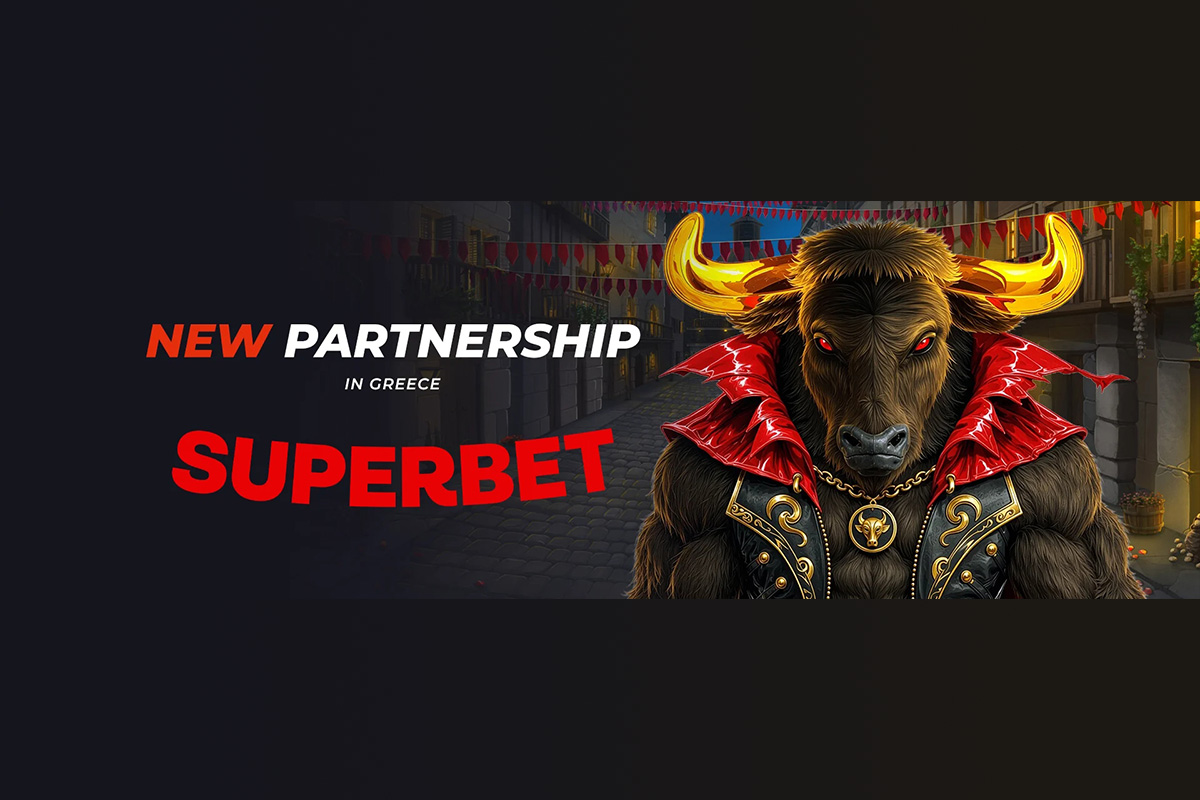
In a move that further reinforces its footprint across regulated European markets, SYNOT Games has announced a new partnership with Superbet, a prominent platform in Greece. The collaboration certified SYNOT titles, including some of the studio’s latest and most innovative releases, to the casino’s rapidly growing grid.
Players on Superbet can now enjoy great slots such as Respin Joker 81, Aztec Jaguar and Toro Wilds Reel. These additions expand Superbet’s offering with a spectrum of engaging mechanics, artistic design and mobile-first performance, ensuring the highest-quality entertainment for Greek audiences.
The agreement is part of SYNOT Games’ strategic initiative to solidify its presence exclusively in licensed, regulated markets by providing certified content through partnerships with established, trusted regional operators.
Martina Krajčí, Chief Commercial Officer at SYNOT Games, said: “We are excited to bring our portfolio to Greek players through this strategic alliance with Superbet. Greece represents a market with great potential and an audience that appreciates quality, variety, and innovation. Superbet’s agility and commitment to delivering premium entertainment make them an ideal partner for our continued Mediterranean expansion.”
Superbet, known for its user-centric approach and cutting-edge platform, views the addition of SYNOT Games content as a key enhancement to its offering and a testament to its mission of hosting best-in-class gaming experiences.
Stathis Leontaritis, Casino Lead at Superbet, said: “Our partnership with SYNOT Games further strengthens our commitment to delivering a diverse and engaging gaming portfolio to Greek customers. With its proven track record across Central and Eastern Europe, unique game mechanics, and strong land-based heritage, Synot brings a distinctive content offering that complements our existing Superbet portfolio and supports our goal of providing a premium online entertainment experience to players in Greece.”
This collaboration not only empowers Superbet to differentiate its portfolio further but also underscores SYNOT Games’ long-term commitment to regulated growth, responsible gaming, and working exclusively with trusted local operators – a model increasingly valued by players and regulators.
The post SYNOT Games Announces New Partnership with Superbet appeared first on EE Gaming | Global iGaming & Tech Intelligence Hub.

-

 2026 World Cup7 days ago
Superbet launches ‘As Odds do Penta’ hub tracking Brazil 2026 title odds
-
Latest News3 days ago
Connect with N1 Partners at G Gate Conf 2026
-
América Latina3 days ago
Las diferencias locales de Argentina representan tanto un desafío como una oportunidad para el sector del iGaming
-
game-launch3 days ago
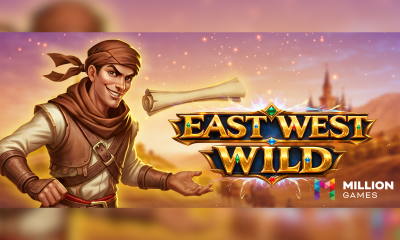
Million Games launches East West Wild slot with progressive multipliers
-
AI3 days ago
Veikkaus rolls out OpenBet’s Neccton responsible gambling platform ahead of 2027 reform
-
Africa3 days ago
Booming Games signs content deal with World Sports Betting in South Africa
-
FIFA 2026 World Cup3 days ago
Connect with N1 Partners at G Gate Conf 2026
-
Compliance Updates3 days ago
Why licensing will always be about jurisdiction, not harmonisation