Latest News
iGaming Influencer Marketing: Metrics That Matter – Measuring Your Campaign Success (bonus piece)


By harnessing the power of influencers, iGaming brands are not only expanding their reach but also forging stronger connections with their target audiences. The realm of iGaming, with its unique blend of entertainment, technology, and finance, presents a fertile ground for influencer collaborations, making it imperative for marketers to understand and navigate this landscape effectively.
If you missed the first two parts of this article series, you can find part one here, and part two here.
The crux of successful influencer marketing lies in its measurement – understanding which aspects are driving success and which need refinement. This is where Key Performance Indicators come into play. KPIs act as a compass, guiding marketers through the complexities of influencer campaigns and providing invaluable insights into their effectiveness.
But in the distinctive context of iGaming, what metrics matter the most? How can these metrics be accurately measured to ensure the best return on investment? In this article, Anna Zhukova, iGaming Team Lead at the Famesters influencer marketing agency, answers these critical questions – all the “whats” and “how tos”, – offering a comprehensive guide to mastering influencer marketing in the iGaming sphere.
Some Peculiarities of the iGaming Influencer Marketing Landscape
The iGaming industry, characterized by its online betting and gaming platforms, stands at the forefront of digital innovation and audience engagement. This sector is rapidly evolving and therefore demands marketing strategies that are not only creative and engaging but also compliant and adaptable to various market dynamics. Influencers in this space serve as vital conduits, bridging the gap between iGaming brands and their diverse audience.
However, leveraging influencer marketing in iGaming is not without its challenges. The industry operates under stringent regulatory frameworks, making compliance a paramount consideration. Additionally, the iGaming audience is diverse and dynamic, necessitating a deep understanding of market variability and player preferences. These challenges call for a strategic approach to influencer marketing, one that aligns with both the brand’s objectives and regulatory standards.
Key Metrics for iGaming Influencer Marketing Campaigns
In the quest to measure the impact of influencer marketing in iGaming, several KPIs stand out:
- Conversion Rate: The cornerstone of performance measurement, the conversion rate reflects the effectiveness of influencer campaigns in prompting desired actions, such as signing up or placing bets. Tracking this metric involves analyzing the ratio of audience actions to total impressions.
- Cost Per Acquisition (CPA): This metric is critical in budgeting and understanding the cost-effectiveness of acquiring new players through influencer campaigns. CPA gives a clear picture of the investment required to gain each new customer, a vital consideration in managing marketing budgets and forecasting ROI.
- RevShare (Revenue Share): This is a payment model in influencer marketing that focuses on long-term gains rather than immediate payouts. It allows influencers to earn a percentage of the profit generated from each player they attract to the platform. This model evaluates not just the initial deposit made by the player but the continuous profit generated over time, making it a potentially lucrative arrangement for influencers. The main challenge is the delayed payment schedule, often spanning 3 to 6 months, making it less attractive for influencers who prefer immediate payouts. Additionally, while hybrid models combining CPA and RevShare exist, they are not commonly used with influencers due to the complexity in calculating metrics.
- Player Lifetime Value (LTV): Beyond immediate conversions, LTV offers insights into the long-term profitability of players acquired via influencer marketing. This metric is key to understanding the enduring value of marketing efforts, guiding strategic decisions for sustained growth.
- Engagement Rate: This metric gauges how well the influencer’s content resonates with the audience, measured through likes, comments, shares, and other forms of interaction. High engagement rates often signal strong audience interest and a potential increase in brand loyalty.
- Click-Through Rate (CTR): CTR measures the effectiveness of influencers in motivating their followers to take specific actions, like visiting a gaming site or engaging with a promotional offer. It’s a direct indicator of the influencer’s ability to drive immediate responses from their audience, which is crucial for time-sensitive promotions or launches in the iGaming industry.
- Brand Sentiment and Awareness: This involves analyzing how the audience perceives the iGaming brand and the extent of its reach. Positive sentiment and increased awareness are key indicators of an influencer’s effectiveness in enhancing the brand’s reputation and appeal.
- Deposit and Retention Rates: Critical in the iGaming sector, these rates measure the number of new players making their first time deposits (FTD) and their continued engagement over time. High retention rates are indicative of successful influencer campaigns that attract and maintain loyal players.
- Return on Investment (ROI): This overarching metric evaluates the financial effectiveness of influencer campaigns by comparing the revenue generated to the cost incurred. A positive ROI signifies a successful campaign, offering insights for future marketing investments. By the way, it is ROI that influencer marketing specialists find the most difficult to evaluate, according to Famesters’ newest report:

- Player Engagement Metrics: Insights into how players interact with games and the platform are invaluable. Metrics like average session duration, frequency of play, and in-game purchases provide a deeper understanding of player engagement and preferences.
- Content Reach and Impressions: This measures the scope and spread of the influencer’s content across platforms. High reach and impressions indicate effective visibility and the influencer’s ability to introduce the brand to a wider audience.
By meticulously tracking these KPIs, iGaming brands can not only assess the immediate impact of their influencer marketing campaigns but also gain strategic insights for long-term player engagement and brand growth. This data-driven approach is essential in the highly competitive world of iGaming, ensuring that influencer marketing efforts are not just creative and compliant but also measurably effective.
Setting and Measuring Effective KPIs
In the high-stakes arena of iGaming, setting and measuring the right KPIs is akin to navigating a labyrinth; one wrong turn, and your marketing efforts could lead to a dead end. To ensure success, it’s imperative to adopt a goal-oriented approach and align your KPIs with your business objectives meticulously.
- Goal-Oriented Approach: Your journey starts with defining clear, SMART (Specific, Measurable, Achievable, Relevant, Time-Bound) objectives for your influencer marketing campaign. Do you wish to boost brand visibility, increase player acquisition, or enhance player retention? Setting specific goals provides a roadmap for your campaign and lays the groundwork for selecting the most pertinent KPIs.
- Aligning KPIs with Business Goals: The next step is to align your KPIs with these identified goals. If your aim is to increase player acquisition, focus on KPIs like Conversion Rate, CPA, and FTD. For enhancing player retention, metrics like LTV and Retention Rates become more relevant. Each KPI should act as a milestone, marking your progress towards your ultimate marketing objectives.
- Establishing Benchmarks: Finally, setting realistic targets for each KPI is crucial. What does success look like for your campaign? Is it a 20% increase in FTDs or a 30% boost in player engagement? Establishing these benchmarks not only helps in measuring campaign performance but also in evaluating the effectiveness of your influencer partnerships.
Analytical Tools and Techniques
The iGaming battlefield is rich with data, and navigating it requires an arsenal of sophisticated analytical tools and techniques. These tools not only provide the compass for measuring your KPIs but also offer insights that can pivot your strategy towards greater success.
- Advanced Analytics Tools: Specific influencer marketing platforms powered by AI, like the ones the Famesters agency uses, offer a treasure trove of data about player behaviors, campaign reach, and engagement levels. They can dissect your campaign performance into actionable insights, enabling you to make data-driven decisions. You can also use tools like Google Analytics, which are more basic.
- Utilizing Social Media and Web Analytics: Social media platforms come with their own analytics, offering a granular view of how content performs. Engagement rates, impressions, and audience demographics can be tracked, providing a clear picture of how influencer content resonates with the audience. Web analytics tools, on the other hand, shed light on the traffic that flows from influencer content to your iGaming platforms. They track metrics like session duration, bounce rate, and user pathways, painting a comprehensive picture of how influencer-driven traffic behaves once it lands on your site.
- Affiliate Links, Promo Codes, and UTM Parameters: These tools are the secret weapons in your arsenal for tracking sales and conversions. By embedding unique affiliate links and promo codes in influencer content, you can track each conversion back to its source, providing a clear view of the direct financial impact of your influencer marketing efforts. UTM parameters, when added to URLs shared by influencers, allow you to track campaign performance in Google Analytics meticulously. This data is invaluable in understanding which influencers are driving the most traffic and conversions, and which content resonates best with your audience.
- Employing Comparative Analysis Using Historical Data: One of the most effective strategies in assessing the success of your influencer marketing campaigns is to compare current campaign data with historical benchmarks. This comparative analysis helps identify trends, measure improvements, and understand the incremental impact of your influencer marketing efforts. By looking at how KPIs have shifted from past campaigns to present, you gain contextual insights that can inform future strategy adjustments and optimization efforts.
Challenges in KPI Measurement and Strategies to Overcome Them
There are no spheres with zero challenges, and, of course, iGaming influencer marketing and measuring its success also has some. Fortunately, there are ways to mitigate the risks.
- One of the most daunting challenges is the attribution of conversions across multiple marketing channels. The solution lies in employing sophisticated attribution models that can track the customer journey across different touchpoints. Utilizing tools like multi-channel funnels in Google Analytics can help in understanding how various channels contribute to conversions and in making more informed decisions about where to allocate marketing resources.
- Often, the impact of influencer marketing extends beyond direct sales; it affects brand perception, customer loyalty, and engagement levels. To quantify these aspects, employ sentiment analysis tools and social listening platforms. These tools can capture the nuances of customer interactions and feedback, providing insights into the brand’s health and audience perception.
- Discrepancies in data collection and analysis can lead to skewed results. Establish standardized procedures for data collection across all campaigns. Regular audits and cross-checks with influencers can also ensure data integrity and accuracy.
- The iGaming industry is bound by stringent regulatory and data privacy laws. Compliance should be a priority, and this involves working closely with legal teams to ensure all influencer marketing activities adhere to industry regulations and data protection laws.
Best Practices for Maximizing Campaign Success
The journey doesn’t end at launching an influencer campaign; it’s a continuous process of refinement and optimization. Here’s what you can do to ensure your influencer marketing campaign on the iGaming sector is a success.
- Regular Review and Adjustment of KPIs: Stay agile in your strategy by regularly reviewing and adjusting KPIs. This ensures your campaigns remain relevant and effective amidst the ever-changing market trends and consumer behaviors.
- Long-Term Player Value Over Immediate Gains: Shift the focus from short-term wins to long-term player value. Cultivate relationships with your audience through influencers, focusing on building trust and loyalty, which will pay dividends in the long run.
- Collaborative Strategies with Influencers: Forge strong partnerships with influencers. Their insights about audience preferences can be invaluable in shaping your campaign strategies. Collaborative efforts lead to more authentic and resonant marketing messages.
- A/B Testing for Optimizing Campaign Strategies: Don’t shy away from experimenting. Use A/B testing to try different approaches in your influencer campaigns to see what works best. This could be varying the content style, the platform, or even the type of influencer.
Bottom Line
Measuring the success of iGaming influencer marketing campaigns is an art that relies hard on analytics. The key takeaways include the importance of setting clear, goal-aligned KPIs, the need for sophisticated tools and methodologies to accurately measure these KPIs, and the significance of addressing the unique challenges in the iGaming sector. The journey of influencer marketing is one of continuous learning and adaptation, where each campaign offers new insights and opportunities for growth.
iGaming brands must embrace these insights, leveraging them to refine their influencer marketing strategies. It’s about striking the right balance between data-driven decision-making and creative marketing approaches. Regularly revisiting and fine-tuning KPIs, embracing the evolving digital landscape, and building strong, collaborative relationships with influencers are key to ensuring that your influencer marketing campaigns are not just successful but also set new benchmarks in the iGaming industry.
The success of influencer marketing in iGaming hinges on a deep understanding of both the metrics that matter and the ever-changing dynamics of the digital world. By staying informed, agile, and data-savvy, iGaming brands can harness the full potential of influencer marketing to captivate audiences, drive engagement, and achieve sustained growth in this competitive arena.











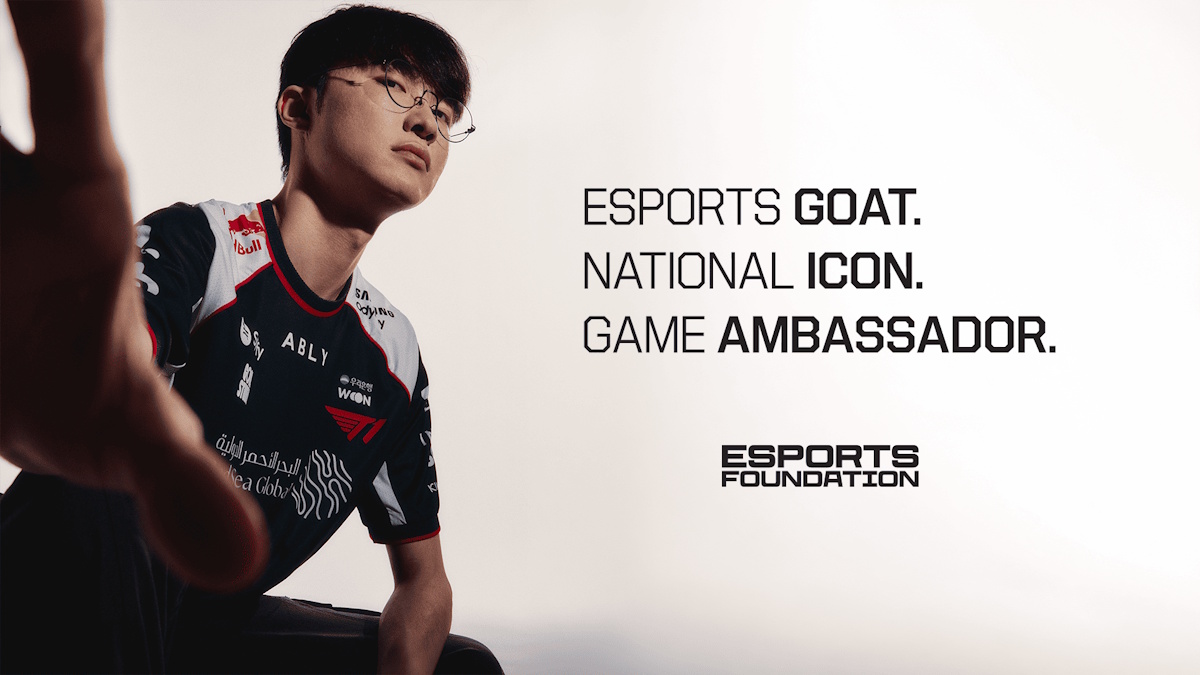
Lee “Faker” Sang-hyeok joins Cristiano Ronaldo and Magnus Carlsen in the Esports Foundation’s Ambassador Program.
The Esports Foundation (EF) has appointed Lee “Faker” Sang-hyeok as a Game Ambassador for the Esports World Cup (EWC) and Esports Nations Cup (ENC) through 2028, the organization said on July 15, 2026 in a statement issued from Riyadh and Paris.
EF said Faker joins Cristiano Ronaldo, listed as the Foundation’s Global Ambassador, and Magnus Carlsen as part of the Esports Foundation Ambassador Program. The Foundation said Faker will represent “the perspective of esports players” across its international events, athlete initiatives, media engagements and leadership forums.
“You can’t talk about esports without mentioning Faker. He is the defining athlete of competitive gaming: a champion whose excellence, discipline and longevity have inspired an entire generation,” said Ralf Reichert, Chief Executive Officer of the Esports Foundation. “As our Game Ambassador, Faker represents something fundamental to the Ambassador Program: esports creates its own global sporting icons. Across EWC, ENC and NGSC, he will help ensure that the players who built this sport have a voice in shaping where it goes next.”
Faker said: “Competition has shaped my life, and I am proud to join the Esports Foundation as Game Ambassador. I want to continue competing for the biggest titles with T1 while representing the players and fans who have helped esports grow worldwide. Through the Esports World Cup, Esports Nations Cup and the Foundation’s wider platforms, I hope to inspire the next generation to pursue excellence, remain resilient and believe in how far competitive gaming can take them. There is still much more to achieve.”
EF highlighted Faker’s competitive record, describing him as a six-time League of Legends World Champion, EWC 2024 winner, two-time MSI champion and ten-time domestic champion with T1. The Foundation also said Faker became the first esports athlete to receive the Blue Dragon Medal in 2026, describing it as the Republic of Korea’s highest sporting honor awarded by President Lee Jae-myung.
The post Esports Foundation names Faker Game Ambassador for EWC and ENC through 2028 appeared first on EE Gaming | Global iGaming & Tech Intelligence Hub.

Midnite has agreed a partnership with Middlesbrough FC that will see the UK bookmaker become the club’s principal partner and front-of-shirt sponsor for the 2026/27 campaign, which Middlesbrough describes as its landmark 150th season.
The companies announced the deal alongside a fan activation at Riverside Stadium on Thursday, July 9, branded “This Season’s On Us”. The initiative offered supporters prizes including 2026/27 season tickets, 2026/27 shirts, match tickets, or a £25 club shop voucher, with fans required to answer Middlesbrough trivia and complete a football challenge.
Middlesbrough former players Craig Hignett and David Wheater attended the event, and, according to the company, took bonus attempts on behalf of participants who missed out.
Andrew Mook, Midnite’s Head of Brand Marketing, said:
“Middlesbrough have a storied history and we’re delighted to announce this partnership during such a monumental year with the club celebrating their 150th anniversary.
“It was great to see so many Middlesbrough fans at the “This Season’s On Us” activation, we hope they enjoyed taking part and meeting club legends, with David Wheater hitting top bins on several occasions and allowing fans to win big with season tickets.
“We can’t wait to get to Riverside Stadium in August to kick-off a new season and we’re excited to say that we have plenty of new and captivating campaigns planned.”
Lee Fryett, Middlesbrough FC Chief Commercial Officer, added:
“We’re delighted to welcome Midnite as our new Principal Partner.
“We’re looking forward to working closely with Midnite to develop engaging campaigns, content and unique experiences that bring our fans even closer to the club.
“We’re confident this partnership will provide real value for our supporters while supporting our ambitions both on and off the pitch.”
The post Midnite signs as Middlesbrough FC principal partner for 2026/27 season appeared first on EE Gaming | Global iGaming & Tech Intelligence Hub.
ThrillTech has been awarded a Gaming-Related Supplier licence by the Alcohol and Gaming Commission of Ontario (AGCO), clearing the company to launch in Ontario’s regulated market.
The licence allows ThrillTech to deploy its opt-in side bet jackpots technology with regulated online casino, sports betting and lottery operators across the province.
Benjamin Bradtke, Co-Founder of ThrillTech, said: “Securing our AGCO licence is a major step in our mission to transform how jackpots are delivered at scale across regulated markets. This latest certification is testament to our robust technology and trusted compliance frameworks, allowing us to continue our global growth trajectory. We are thrilled to bring our proven, compliant jackpot technology to Ontario, empowering locally licensed operators to uplift revenue without cannibalising existing spend.”
The company said its “ThrillPots” mechanics sit as an independent, player-funded side bet and do not alter the underlying game’s return-to-player mathematics.
ThrillTech said the Ontario approval enables its existing multinational partners that also operate in the province to launch its side bet jackpots locally, while it also holds talks with potential new operator partners. The company lists its regulated footprint as including the United Kingdom, Sweden, the Netherlands, Romania, Malta, Gibraltar, Brazil and Peru.
The post ThrillTech secures AGCO supplier licence for Ontario launch appeared first on EE Gaming | Global iGaming & Tech Intelligence Hub.

-

 Compliance Updates5 days ago
Arizona Department of Gaming Issues Cease-and-Desist Orders to Multiple Operators Linked to Underage Gambling and Illegal Activity
-
 Latest News7 days ago
ELA Games releases Flames Fruits Frenzy Hold and Win slot
-
Latest News7 days ago
PG Soft appoints Hugo Baungartner as General Manager LatAm
-
Compliance Updates6 days ago
KONAMI GROUP’s Konami Gaming Inc. First to Submit Manufacturer License Application in Japan’s Emerging IR Market
-
Canada7 days ago
Canada’s Safer Gambling Gap: Why Market Success Doesn’t Always Equal Player Safety
-
Latest News7 days ago
Booming Games launches Fish Tales: Double Catch Max Scatter
-
Latest News7 days ago
Tom Horn Gaming ships Royal Ruby FeatureStorm slot worldwide on 14 July 2026
-
Latest News7 days ago
BC.GAME names Guillermo Ochoa brand ambassador for Mexico push