Latest News
A New Star Is Born: Ukraine’s Role in the Future of the CIS and Eastern European Markets

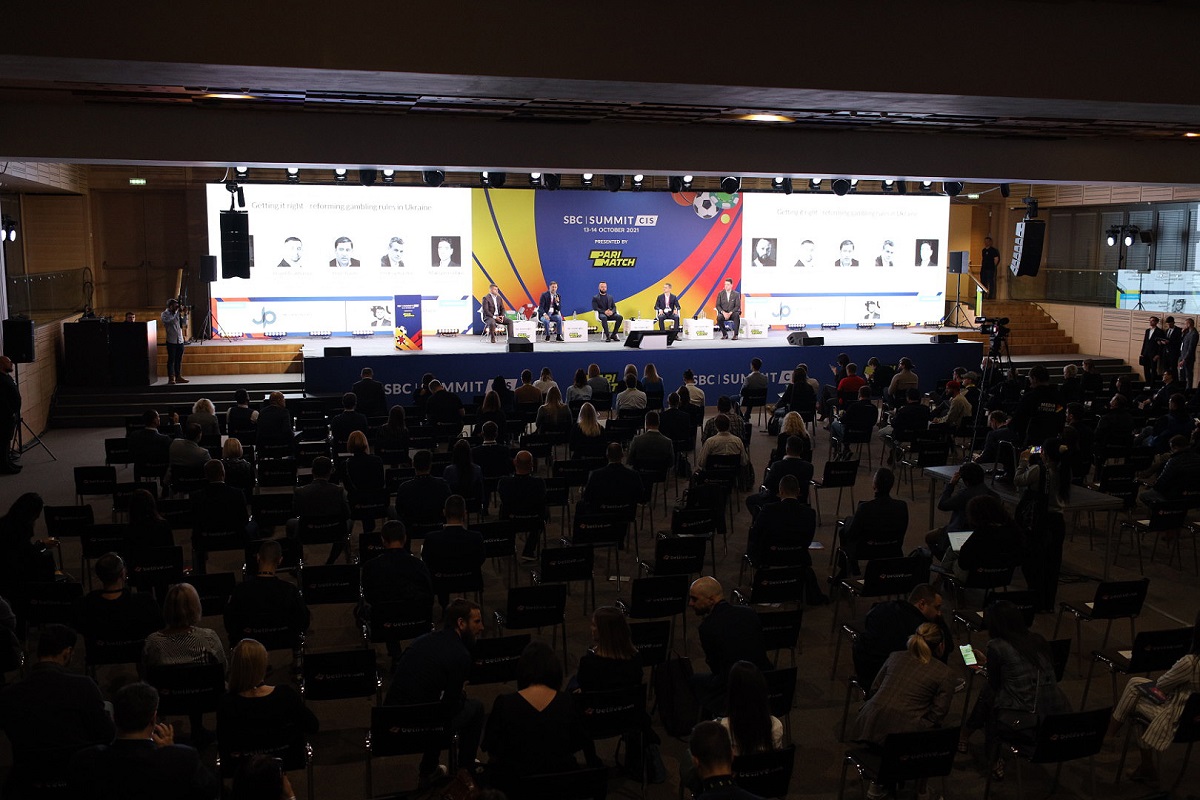
International betting and gaming industry event organizer SBC launches a brand new in-person conference and exhibition for the CIS and Eastern European markets. Presented by Parimatch, SBC Summit CIS brings together regional market leaders, national state authorities, and international partners to discuss the future development of the region.
Holding an event of this magnitude in Kyiv confirms Ukraine is becoming a significant new player on the gambling industry map. On the summit panels, state authorities and business representatives discussed the prospects for the region’s development as a gaming hub for Eastern Europe and the increased interest in the Ukrainian market from global players.
The participation of the Olympic gold medal-winner and First Deputy Head of the Verkhovna Rada Committee on Youth and Sports, Zhan Beleniuk, who opened the summit, served as a powerful reminder of the strong connection between sport, government, and the entertainment industry.
Oleksiy Kucher, Head of Executive Body, State Regulatory Agency of Ukraine:
“It’s our firm position that regulation needs to be simple, transparent, and understandable for business. The state approves such a positive goal as the step out from the shadow of the gambling business, but it can fail at the stage of implementation. If we do not regulate relations between clients, businesses, and regulators, gambling may step into the shadows again. We do not want this, and we will not let it happen. Gambling in Ukraine is doing well now, and it will be even more accessible, so keep it up and develop.”
Besides the latest developments in Ukraine, the conference sees renowned expert speakers examine the scale of the opportunities in other markets in the region and the potential impact of the latest technological developments that will filter through into next-generation iGaming products, and how could we forget the region’s leading suppliers who came to demonstrate their latest innovations.
Maksym Liashko, co-CEO at Parimatch Tech, said:
“The legalization of the market has opened up many opportunities for the development of the industry, attracting international capital and benefits for the state. The betting and gaming industry brings innovative technologies, high-tech jobs, and increasing technical expertise among Ukrainian specialists, thanks to the legalization. Proof of this was evident in the showcases presented at the exhibition. And this is just the beginning of Ukraine unleashing its potential.”
Another integral part of the in-person SBC Summit CIS was responsible gambling. The development of responsible gambling became essential in Ukraine to establish a legal market and comply with international industry standards.
Paul Dent, Gambling Therapy Manager:
“Gambling Therapy is very pleased to be working in partnership with Parimatch, the first of its kind in Ukraine to develop and progress more responsible gambling. Through Gambling Therapy, an online and international service offered by Gordon Moody, we will be offering free practical and emotional support to those struggling with gambling as well as supporting affected others. This will take the form of a helpline available in Ukrainian and Russian with access to highly experienced counselors, along with native-speaking groups and forums available 24 hours a day.”
Rostyslav Maikovich, Chief Analytics Officer, leader of the Parimatch’s Responsible Gambling Project:
“Responsible gaming is a significant part of Parimatch’s business development and caring for customers. We take experiences from successful world practices and European countries in this area: Parimatch’s Responsible Gambling Project is being implemented in development, analytics, and communications with clients. For example, the absolute world heavyweight boxing champion and gold medal-winner of the 2012 Olympics, Oleksandr Usyk, joins Parimatch brand as the Responsible Gambling ambassador. Oleksandr helps us to highlight the values of responsible gambling to audiences around the world.”
Powered by WPeMatico

Central America
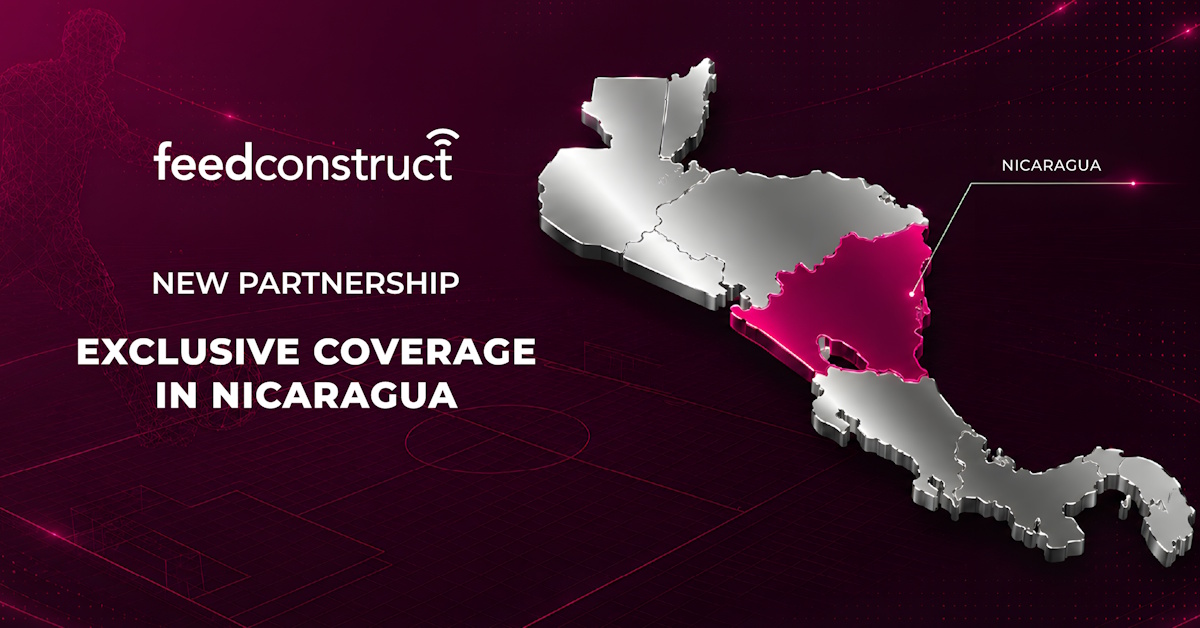
FeedConstruct takes exclusive data and streaming rights for Nicaragua’s Liga Primera

Deal covers worldwide distribution of Liga Primera and Copa Primera content for sportsbooks and betting suppliers.
FeedConstruct has acquired exclusive worldwide streaming and data rights for Nicaragua’s top-tier football competitions, Liga Primera and Copa Primera.
The company said the agreement delivers start-to-finish coverage of every match across both competitions and expands its Central American football portfolio for sportsbook operators and providers using its data integration and streaming.
Ani Isakhanyan, Head of Rights and Content at FeedConstruct, stated, “Securing these exclusive rights is a highly valuable addition to our portfolio. Liga Primera and Copa Primera deliver the consistent football content that the global iGaming industry demands. This acquisition ensures our partners can offer comprehensive coverage of a rapidly emerging betting market.”
Allan J. Chamorro, Managing Partner at Apollo Sports Business Group, added, “Nicaragua has rapidly established itself as one of Central America’s fastest-growing football markets, attracting growing regional recognition and international commercial interest. Our partnership with FeedConstruct builds on that momentum by expanding the global distribution of Liga Primera and Copa Primera while powering sustainable commercial opportunities that strengthen clubs, elevate the competitions, and accelerate the long-term growth of the game.”
Liga Primera and Copa Primera are the main competitions in Nicaragua’s professional football calendar. FeedConstruct said the competitions are gaining regional recognition in Central America, supported by regular participation in CONCACAF tournaments.
The post FeedConstruct takes exclusive data and streaming rights for Nicaragua’s Liga Primera appeared first on EE Gaming | Global iGaming & Tech Intelligence Hub.
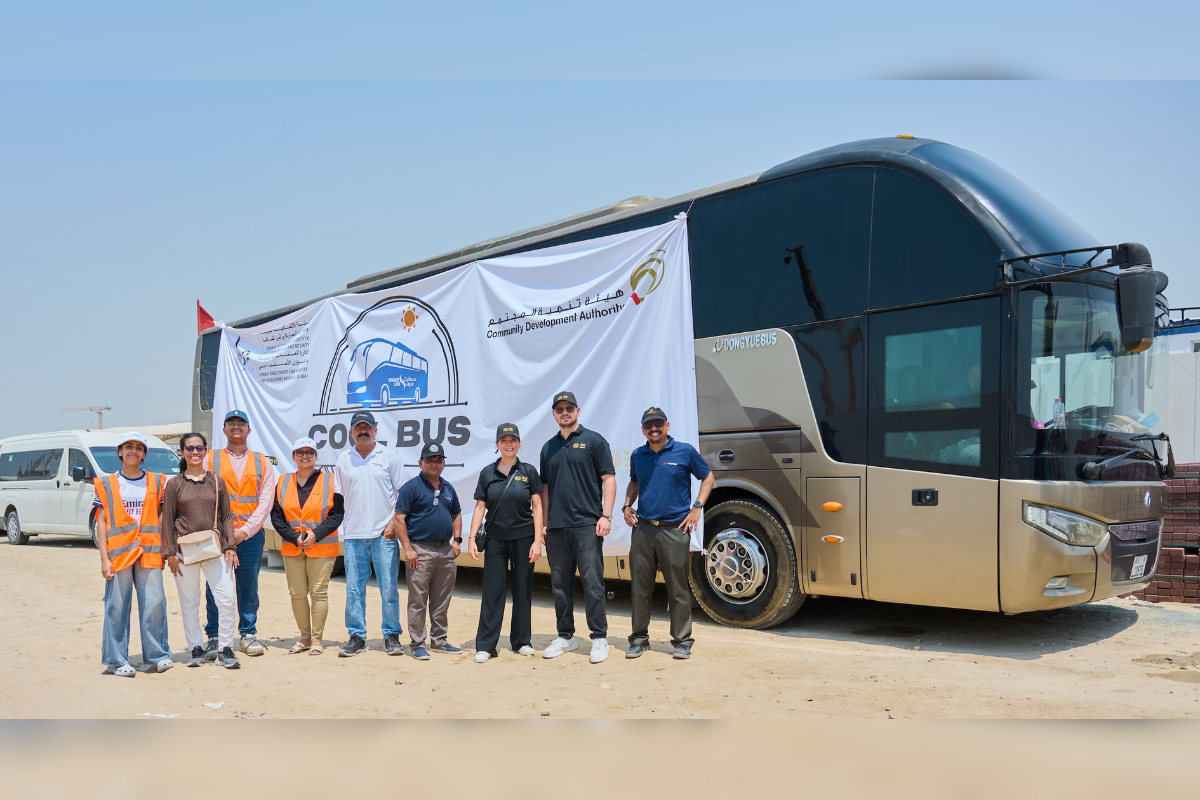
The UAE Lottery has partnered with SmartLife Foundation to support outdoor workers during the UAE summer, backing the Cool Bus Shelter initiative in Abu Dhabi on July 20, 2026.
The programme aligns with the UAE’s Midday Break rules, which require outdoor work to stop between 12:30 PM and 3:00 PM during peak heat. As part of the initiative, air-conditioned buses were stationed near labour sites to provide workers a place to rest before returning outdoors.
Volunteers from The UAE Lottery and SmartLife Foundation provided cold towels, cold water and drinks, according to the organisations. Workers also received portable rechargeable neck fans intended to provide additional cooling after the break.
Suzan Kazzi, Associate Director – Corporate Social Responsibility at Momentum- The UAE Lottery, said: “Outdoor workers are the backbone of our cities’ urban development, and initiatives like the Cool Bus Shelter ensure they receive the care and recognition they deserve during the most challenging months of the year. This is our small way of saying thank you and reminding them that their wellbeing truly matters”.
Abhijeet Oak, Vice President at SmartLife Foundation, added: “At SmartLife Foundation, we believe that protecting the wellbeing of outdoor workforce is a shared responsibility. Through the Cool Bus Shelter initiative, we are proud to collaborate with organizations such as The UAE Lottery and other community partners to create moments of comfort, appreciation and human connection that leave a lasting impact”.
The post The UAE Lottery backs Cool Bus Shelter initiative for outdoor workers appeared first on EE Gaming | Global iGaming & Tech Intelligence Hub.
Bally’s Intralot
Intralot Ireland Limited Signs Seven Year Contract Extension with Premier Lotteries Ireland
Bally’s Intralot announced that its subsidiary Intralot Ireland Limited has signed a seven year contract extension, through November 2034, with Premier Lotteries Ireland (PLI). The agreement supports PLI’s continued operation of the Irish National Lottery through the remainder of its license period and reinforces Bally’s Intralot’s role as a trusted technology and services partner.
Under the terms of the agreement, Bally’s Intralot will modernise PLI’s technology ecosystem by deploying its next-generation LotosX Omni solution and PlayerX Player Account Management platform. The solution will provide a modern, cloud-based technology foundation supporting lottery operations across retail and digital channels, while incorporating advanced retailer management, instant games management, device management and content management capabilities. The agreement also includes comprehensive support and maintenance services, along with cloud operations and cybersecurity services for the first year, designed to ensure the long-term reliability, security and performance of PLI’s technology environment.
Through this partnership, Bally’s Intralot will support PLI in delivering a future-ready operating environment designed to enhance operational efficiency, accelerate innovation and strengthen player engagement. The modernisation will provide a secure, scalable and resilient platform that enables PLI to continue evolving its offerings while improving time-to-market implementation of new initiatives, along with maintaining the highest standards of reliability and service to players and retailers across Ireland.
“We are pleased to extend our partnership with Bally’s Intralot, a relationship built on trust, commitment to excellence, and shared ambition since 2014. As we look to the future, this agreement provides a strong platform for continued innovation and growth, ensuring we can deliver a modern, secure, and world-class National Lottery that places responsible play at its heart while continuing to benefit communities across Ireland,” said Cian Murphy, CEO of PLI.
Robeson Reeves, CEO of the Bally’s Intralot Group, said: “We are proud to extend our long-standing partnership with Premier Lotteries Ireland for a further seven years. This agreement reflects the strength of our technology and the trust we have built with PLI over more than a decade of collaboration. We look forward to continuing to support the National Lottery of Ireland and to delivering innovative, responsible gaming experiences to players across the country.”
The post Intralot Ireland Limited Signs Seven Year Contract Extension with Premier Lotteries Ireland appeared first on EE Gaming | Global iGaming & Tech Intelligence Hub.

-

 ESPN Networks3 days ago
THE 57th ANNUAL WORLD SERIES OF POKER® CONCLUDES AN EXTRAORDINARY SUMMER OF GLOBAL ENGAGEMENT AND ELITE COMPETITION
-
Latest News7 days ago
EveryMatrix’s Fantasma Games launches three-reel slot Bonus Bullets
-
Latest News5 days ago
Booming Games launches Tasty Bonanza Max Scatter slot
-
Latest News6 days ago
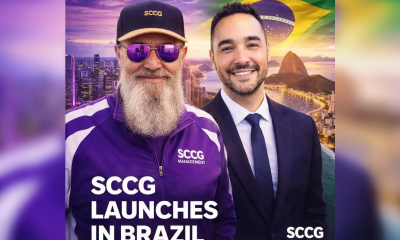
SCCG Management Launches Dedicated SCCG Brazil Division with Local Partner Thomas Carvalhaes
-
Latest News7 days ago
Blokotech adds Wicked Games slots in new content deal
-
Latest News6 days ago
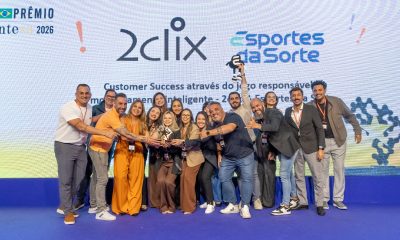
Esportes Gaming Brasil takes two ClienteSA Awards 2026 wins; exec named Personality of the Year
-
Canada5 days ago
ThrillTech secures AGCO supplier licence for Ontario launch
-
Canada5 days ago
Peter & Sons launches full game portfolio in Alberta