Latest News
How to Choose an iGaming Offer: N1 Partners x RichAds Share Their Expertise


What does it really take to pick the right iGaming offer for promotion? With so many variables to consider, it’s easy to make mistakes, especially for affiliates just starting out.
To help clarify things, N1 Partners and the RichAds ad network joined forces to share practical advice on choosing profitable offers and avoiding common pitfalls.
The conversation took place during the N1 Puzzle Promo — a competition where affiliates, both seasoned and new, experiment with different traffic sources, tools, brands, and GEOs to achieve one main goal: maximize profits from their traffic. And selecting the right offer is the first step toward success.
Meet the Experts
Before diving into the tips, here are the people sharing their insights:

Daria Maichuk Affiliate Manager at N1 Partners |
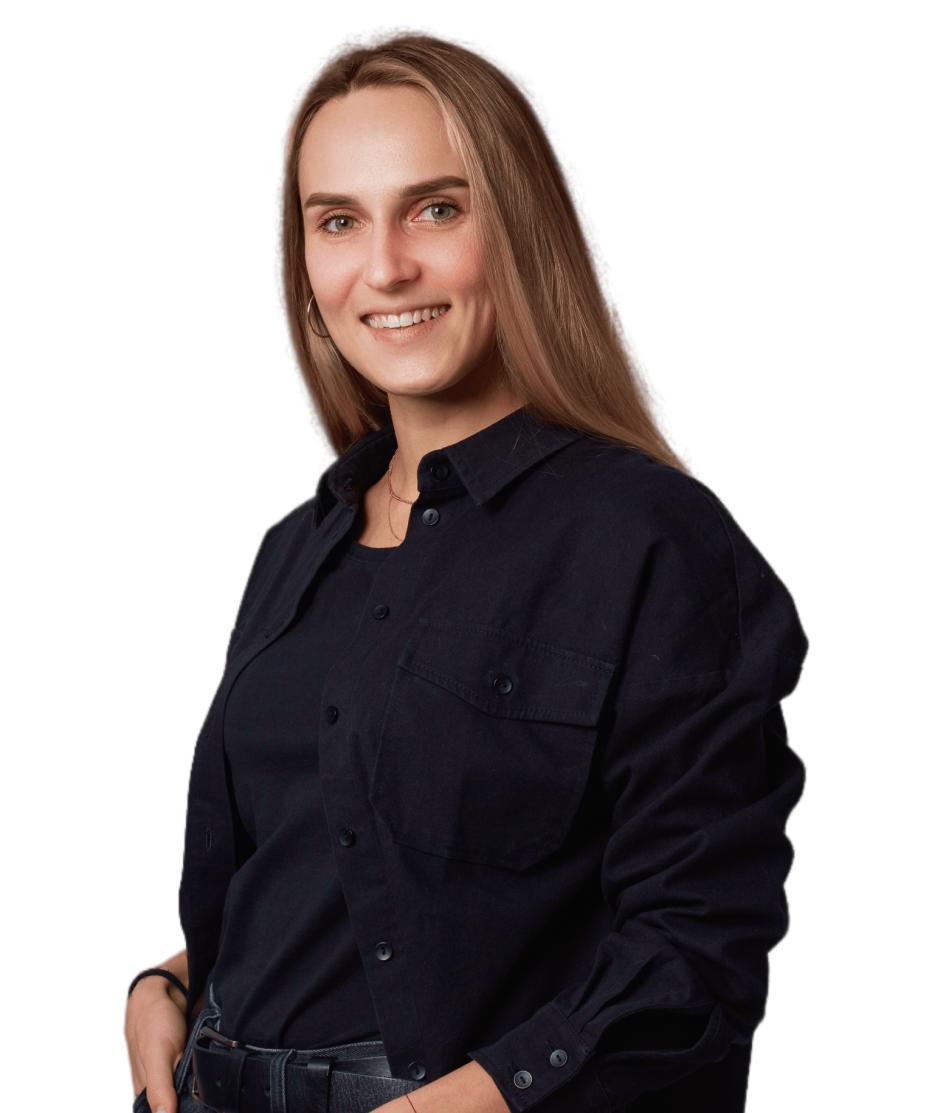 Veronika Ponomareva Head of Customer Service at RichAds |
What is RichAds?
RichAds is an ad network offering a wide range of traffic sources, including:
- Telegram ads
- Push notifications
- Popunders
- Domain redirects
- Native ads
- Display traffic
Prices start at just $0.005 CPC for push ads and $0.5 CPM for popunders, with access to traffic across 200+ GEOs from Tier 3 to Tier 1.
How to Choose an iGaming Offer: Expert Advice
We asked Daria and Veronika the most important questions affiliates have when evaluating iGaming offers.
1. What parameters of an iGaming offer should be analyzed first before launching?
Daria Maichuk
“Start with the GEO: is gambling legal, how competitive is the market, and how solvent is the audience? Then check the payment model (CPA, RevShare, Hybrid) and the funnel: registration flow, minimum deposit, and site usability. The product matters too — top providers, live casino, sports, esports, localization, and bonuses. Finally, look at retention: how long players stay active and what campaigns keep them engaged.”
Veronika Ponomareva
“First of all, it’s the payout conditions, brand and its reputation on the market, as well as the funnel flow and the content of pre-landing/landing pages to pay attention to. Many things can affect a campaign’s result such as verification before the first deposit, the lack of locally popular payment methods support and the first deposit amount.”
2. How can a beginner determine the potential of an offer? Which metrics should they focus on to avoid wasting budget?
Daria Maichuk
“Key metrics are Conversion Rate (CR), Earnings Per Click (EPC), and Click-Through Rate (CTR). A low CTR usually means the offer doesn’t match the audience or creatives. Test multiple landers — welcome pages and reg forms typically perform best. Also consider First Time Deposits (FTD) and retention, as they reflect the long-term potential of an offer.”
Veronika Ponomareva
“Cost per registration, cost per conversion and ROI — are basic yet the most crucial things to look at. Potential means the long-lasting profit, so pay attention to the LTV (Lifetime Value). An offer could have a moderate EPC, but if the player retention is high and brings many secondary deposits, then the LTV would be extremely high accordingly. Ask your manager about the LTV of the offer in the required geo.”
3. How does a brand’s license affect the choice of GEO and traffic?
Daria Maichuk
“White licenses allow affiliates to work in regulated markets and run campaigns on official ad channels like Google Ads, FB, and TikTok. Grey licenses are also usable, but platforms often restrict or ban them, so affiliates need strong moderation skills.”
Veronika Ponomareva
“The licensing topic is highly important due to the fact that it determines the legality of traffic and what sources are acessible. Strict licenses (MGA, UKGC) approve only the cleanest traffic (mostly PPC and SEO). The traffic is very expensive, but provides quality leads. Curacao license gives more freedom as you can work with push-traffic, teasers and popunders. High risks come with no license at all as well as the accessible traffic sources are very limited.”
4. Which three GEOs currently deliver the highest ROI in iGaming, and why?
Daria Maichuk
“Germany: high purchasing power, stable LTV and retention, large deposits, strong conversion.
Canada: fast-growing, high trust in licensed brands, boosting CR and retention.
Australia: players spend more, stay active longer, and convert well into deposits.”
Veronika Ponomareva
“Depends on the traffic source we’re looking at, for example, if it’s either push or pop, then Bangladesh, Brazil and South Africa are currently on top.”
5. How can you understand whether an offer fits your main traffic source (FB, PPC, push, etc.) before testing?
Daria Maichuk
“Beginners often test blindly, but it’s possible to know in advance. FB and Google are the most widespread sources. Google traffic is highly engaged because players search for the product themselves. Facebook is harder for retention, but we work actively to improve it, especially for this audience, where push campaigns are essential. Push/Pop works for most offers, though CR is lower. If an offer has working apps (ASO), it can also be promoted through stores.”
Veronika Ponomareva
“Facebook and Google Ads are following strict guidelines on accessible content regarding iGaming offers, so it’s a common headache for marketers to test offers there and co-exist with moderation rules. Push and pop traffic doesn’t apply so many demands to the advertising content, so they’re way more preferrable for promotion means. So are Telegram Mini Apps, by the way, since they feature more tolerant moderation by advertising networks and fresh relevant audience.”
6. Top 3 traffic sources for iGaming in 2025?
Daria Maichuk
“Google: high-intent users, precise targeting.
Facebook: huge reach, flexible creative testing.
SEO: long-term stability, independent of traffic costs, especially effective for RevShare.”
Veronika Ponomareva
“Telegram Mini Apps: fresh audience, broad opportunities for advertising formats and extremely relevant users who come from casual games and tap-to-earn clickers.
Push-notifications: proven traffic source with high CTR and pre-made user bases that provide easier outreach to converting players.
Popunders: high CR and cost-effective means for promotion, since quality landing pages are usually enough to convert impulsive gamblers.”
7. Do your affiliates drive traffic through Telegram and what are the specifics? What do you think about mini-app traffic?
Daria Maichuk
“Yes, we’ve seen such cases, but most affiliates still prefer other sources. Data is still limited, but we’re closely monitoring Telegram and mini-app traffic and see strong potential here.”
Veronika Ponomareva
“For us it’s a channel that we actively explore, since introducing Telegram Mini App ads showed us how much of a potential they hold straight away. First of all, TMAs themselves offer a global coverage and outreach to a variety of potential leads for the iGaming products, coming from all over games and applications. In fact, since the moderation policies there are independent from the official Telegram Ads platform, that gives additional interest to this traffic.”
8. How many FTDs are needed to objectively evaluate an iGaming offer?
Daria Maichuk
“PPC: 20–30 FTD.
Facebook (slots): 20–30 FTD.
Facebook (crash games): at least 100 FTD.
In-app: around 100 FTD.”
Veronika Ponomareva
“At least 30 FtD, but to evaluate the offer properly it’s best to look into the player activity in the long run, the average amount of the deposits and other in-depth metrics.”
9. Which KPIs do you recommend for testing: ROI, FTD, deposit, or retention?
Daria Maichuk
“We often use soft KPIs. On average, we expect the avg dep count to be >=2. Sometimes we also track the ratio of total deposits to partner payout.”
Veronika Ponomareva
“It’s a complex matter as hitting the KPIs is usually the result of a combination of factors getting along.”
10. What should affiliates do if an offer “drops” after two weeks — switch or optimize?
Daria Maichuk
“If results were good initially, optimize creatives and targeting. If not, check whether the creatives included slots actually available in the product. Our managers always provide updated slot and targeting recommendations.”
Veronika Ponomareva
“Optimize the campaign, examine the metrics, check the creatives, change landing pages – try to find the correlation to this in the traffic performance.”
11. Which statistical indicators show that an offer can be scaled?
Daria Maichuk
“The main sign is stable positive ROI over several days or weeks. Also look at the funnel (click → registration → deposit) and player retention.”
Veronika Ponomareva
“Simply, a more or less stable ROI is the main indicator here.”
12. How to scale an offer within one source without lowering CR?
Daria Maichuk
“Increase budgets gradually — 10–20% every 1–2 days. Scale your best-performing bundles first. Always refresh creatives: without new content, audiences burn out and CR declines.”
Veronika Ponomareva
“The same level scaling is the key. If by creatives, then create new combinations of creatives and landing pages. If by the audience — gradually add more newcomer oriented targetings, instead of increasing the bids on the current ones. Just test everything by degrees.”
Conclusion
The N1 Puzzle Promo highlighted not only the competitive spirit among affiliates but also the importance of knowing how to pick the right iGaming offers. From choosing GEOs and traffic sources to tracking KPIs and scaling campaigns, the advice from N1 Partners and RichAds gives affiliates a clear roadmap to better results.
RichAds continues to support the iGaming community with its self-serve platform, offering access to 220+ GEOs and multiple traffic types from push and popunders to Telegram Mini Apps and native ads.
Launch smarter campaigns, work with the right offers, and grow your iGaming profits!
The post How to Choose an iGaming Offer: N1 Partners x RichAds Share Their Expertise appeared first on European Gaming Industry News.









Boomerang Partners
Overtime begins: Boomerang Partners launches the final stage of the Golden Boomerang Awards 2026

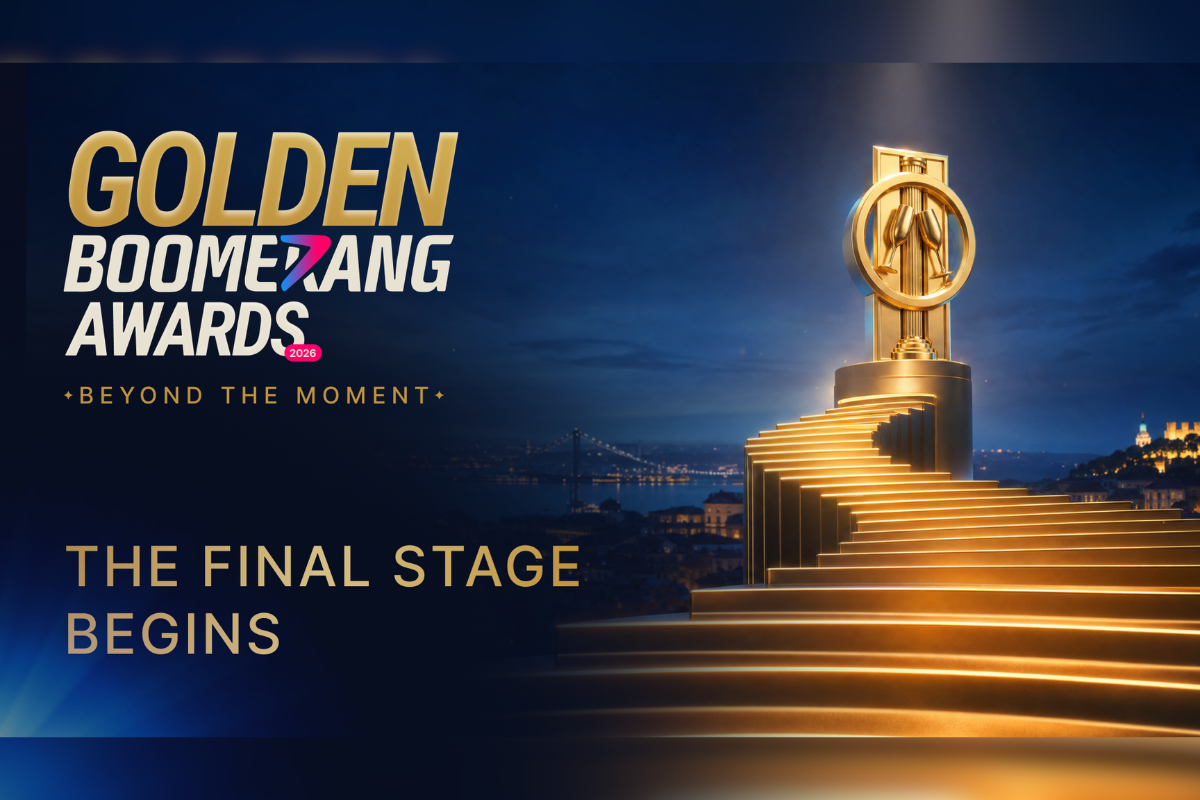
The Golden Boomerang Awards 2026 by Boomerang Partners is moving into its decisive phase. The third and final stage of the tournament – titled “Overtime” – will run from 20 July to 31 August. It marks the last opportunity for participants to reshape the leaderboard and compete for the season’s main prize – an exclusive private dinner with a football legend in September 2026.
Overtime mechanics: points allocation
To intensify competition during the final stretch, Boomerang Partners is introducing an updated scoring system. From now on, affiliate teams will earn 3 points for every FTD generated on any partner brand from the Agency’s clients’ portfolio. In the previous stage, participants received 3 points for each sports FTD and 1 point for each online casino FTD. Now, the value of all FTDs is identical.
Overtime mechanics: performance boosts
Within the Overtime stage of the Golden Boomerang Awards 2026, a set of performance boosts remains active. These mechanics give participating teams the opportunity not only to catch up but also to overtake the leaders.
- Welcome Boost – x2 points for the first 14 days after entering the stage
- Lucky Five – +5 points for achieving 10 Casino FTDs per week
- Last Minutes Winner – x3 points during the final 7 days of Overtime
Martin Černý, CEO at Boomerang Partners said: “Overtime brings the Golden Boomerang Awards 2026 to its most competitive stage. At this point in the tournament, every result can influence the leaderboard, and teams still have the opportunity to improve their positions. We expect the final weeks to bring strong competition and determine the final standings.”
A final stretch where every day counts
With fewer than 40 days left in the GBA 2026, the competition enters its most volatile phase. The leaderboard remains open, and even small performance shifts can significantly alter final standings. Participants are now entering a stage where strategy, timing, and consistent activity define the outcome – and where the final push may determine the season’s ultimate winner.
Overtime has begun. TIME TO WIN THE TITLE.
About Boomerang
Boomerang Partners is a rapidly growing global marketing agency offering a wide range of services. In 2024, it launched the inaugural Golden Boomerang Awards – a global tournament for affiliate teams. More than 400 affiliate teams participated in the second season of the tournament in 2025. Martin Černý – Boomerang Partners’ CEO since June 2025.
The Agency’s clients’ portfolio contains brands offering affiliate and entertainment services across multiple markets in compliance with local regulations. These products provide incentive programs and 24/7 multilingual support.
The post Overtime begins: Boomerang Partners launches the final stage of the Golden Boomerang Awards 2026 appeared first on EE Gaming | Global iGaming & Tech Intelligence Hub.
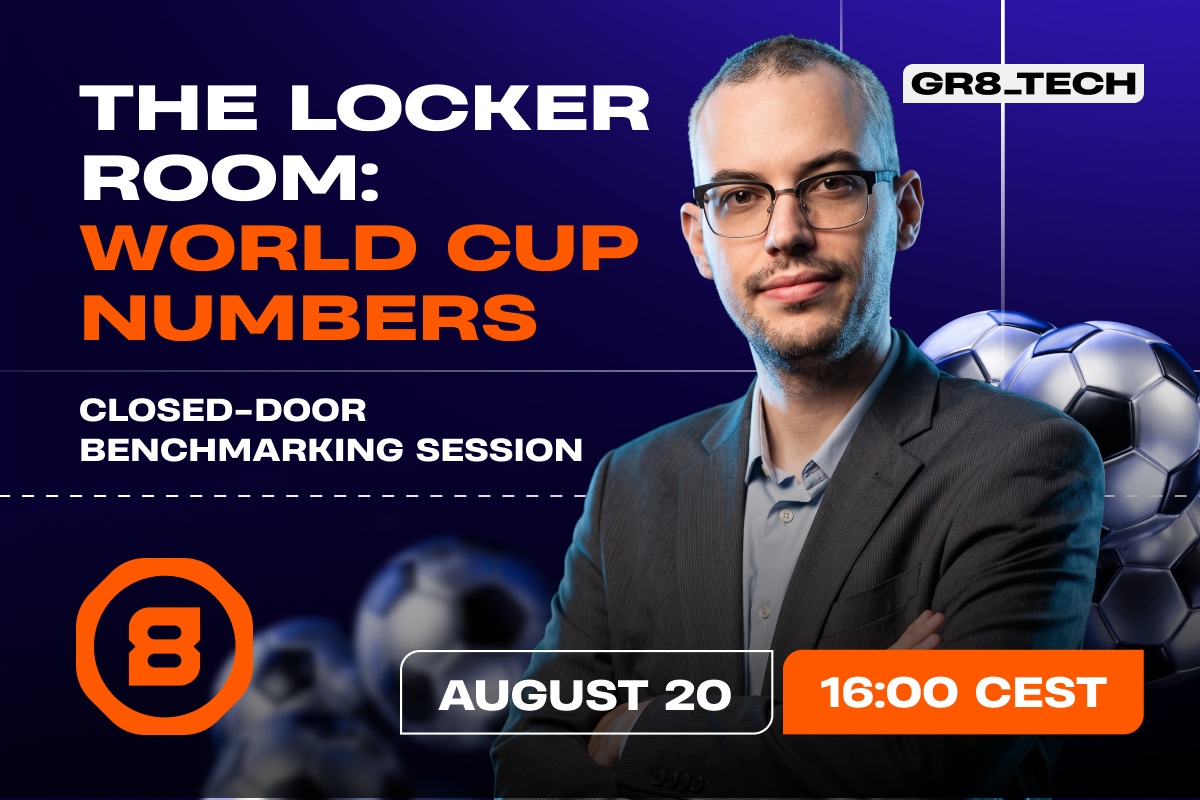
The trophy has been lifted. Now comes the most interesting part for operators: counting the revenue, assessing what worked, learning from what didn’t, and deciding what to change before the next betting event.
On Thursday, August 20, at 4:00 p.m. CEST, GR8_TECH will host “The Locker Room: World Cup Numbers”, a closed-door benchmarking session created to help operators make sense of their tournament results and see how their performance stacked up against the room and the wider market.
Led by Dinos Doxiadis, Head of Sportsbook Business at GR8_TECH, the session will combine anonymized benchmarks with in-depth post-World Cup platform data on margin, player behavior, retention, and peak-load performance. It isn’t a tournament recap, but a working session built around deeper analysis than GR8_TECH releases publicly.
A First Look at the World Cup Numbers
Initial aggregated data from the GR8_TECH platform shows an average tournament margin of over 12%, alongside a significant increase in staking during the knockout stages.
Average stakes during the play-offs were 53% higher than during the group stage, while the average stake on the final was 89% above the tournament average.
Player interest was highly concentrated. Matches featuring Spain, Argentina, England, or France generated 42% of the total World Cup turnover. Argentina was the tournament’s most-bet-on team, accounting for 12.5% of all bets, although Spain finished only 0.09 percentage points behind Argentina by turnover.
The final also created one of the tournament’s most demanding operational moments. Within one minute of the final whistle, GR8_TECH’s platform settled more than half a million bets, demonstrating the level of processing performance required when a global audience reaches the same outcome simultaneously.
Inside The Locker Room, participants will examine what happened across:
- Live betting and bet builders
- Margin and staking dynamics
- Peak-load and settlement moments
- Acquisition compared with player reactivation
- Retention beyond the final whistle
- Unexpected geographic performance
- Operational, product, and campaign failures
- Priorities for the next major event
“The World Cup generates a huge amount of data, but the value comes from understanding what sits behind it,” said Dinos Doxiadis, Head of Sportsbook Business at GR8_TECH. “This session is about identifying the patterns operators might miss in their own reporting, challenging assumptions, and turning one month of World Cup activity into better decisions for future events.”
See How Your World Cup Stacked Up
Leave the session with anonymized benchmarks, exclusive GR8_TECH platform insights, and a clear view of where your World Cup performance led—or lagged—the market.
Turn the lessons into your next strategy. Join The Locker Room: World Cup Numbers on Thursday, August 20, at 4:00 p.m. CEST.
Register here to secure your place.
GR8_TECH. Platform for Champions
GR8_TECH is an award-winning provider, delivering high-performance sportsbook and iGaming solutions that empower operators to lead and win in competitive markets. GR8_TECH’s comprehensive portfolio includes the GREAT_TURNKEY and GREAT_CRYPTO TURNKEY solutions, GREAT_SPORTSBOOK, and GREAT_CASINO AGGREGATION.
With a geo-specific approach to solutions, a focus on practical innovations, and an operator-first mindset, GR8_TECH helps its clients achieve measurable results in their target markets quickly and efficiently. Trusted by top operators worldwide, GR8_TECH has over 100 successful cases and earned multiple recognitions, including the title of Platform Provider of the Year by SBC Awards 2025.
The post The World Cup Is Over. GR8_TECH Opens “The Locker Room” to Count What It Was Worth appeared first on EE Gaming | Global iGaming & Tech Intelligence Hub.
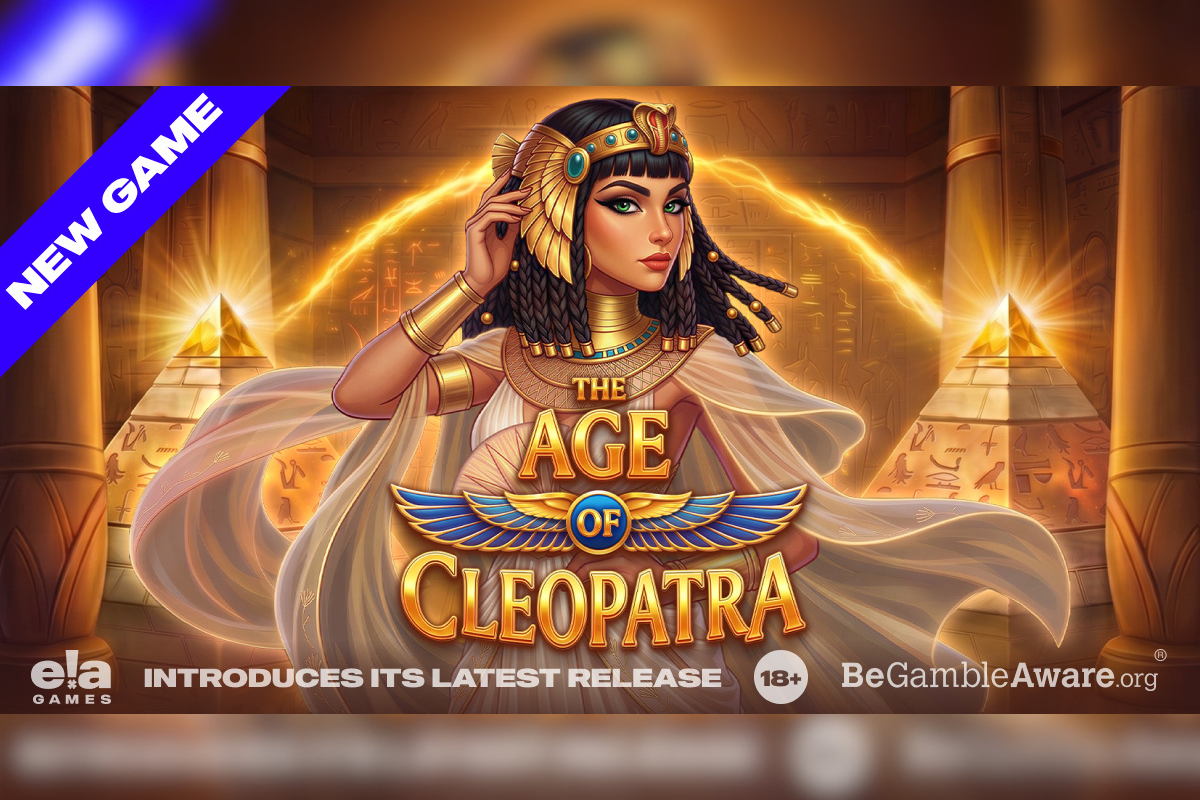
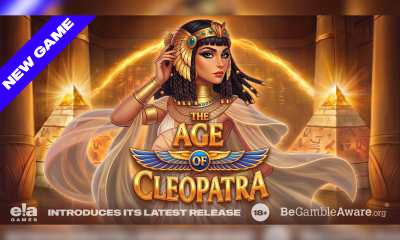
ELA Games has released a new slot, Age of Cleopatra, adding another ancient-Egypt theme title to its portfolio. The studio positions the game as a medium-volatility release and says it is available to demo now.
Age of Cleopatra runs on a 5×3 reel set-up with 25 paylines. ELA Games lists RTP at 93.75% / 95.73%, with Buy Bonus RTP at 93.8% / 95.9%. The maximum win is x5000, according to the company.
In the base game, a Collect Symbol gathers coin prizes visible on the screen, while “colored coins” charge pyramids that can unlock additional value, ELA Games said. The slot’s Hold & Win Bonus Game awards three respins by default (or four in an “Extra Respin” version), with modifiers tied to collected coins.
Features named by the studio include Multipliers, Extra Respins, and an Expand Grid mechanic that increases the layout from 3×5 to 5×5. ELA Games also states that multiple features can trigger at the same time.
“You can’t do justice to a legendary theme with just background art. Building a world around Cleopatra meant it had to feel truly authentic, a standard we apply to all our releases. At ELA Games, we consistently look beyond the visuals to craft an original universe, keeping storytelling through the mechanics at the center of our titles.” Marharyta Yerina, Managing Director at ELA Games.
The post ELA Games launches Age of Cleopatra slot with Hold & Win bonus appeared first on EE Gaming | Global iGaming & Tech Intelligence Hub.

-

 ESPN Networks7 days ago
THE 57th ANNUAL WORLD SERIES OF POKER® CONCLUDES AN EXTRAORDINARY SUMMER OF GLOBAL ENGAGEMENT AND ELITE COMPETITION
-
Canada7 days ago
PENN Entertainment Launches theScore Bet Sportsbook & Casino and theScore Casino and Hollywood Casino Standalone Apps in Alberta
-
Latest News7 days ago
Weekend Reels | Week 29: Slot Drops & Trends
-
Compliance Updates7 days ago
Finland notifies EU of gambling tech rules for data vault and OCSS signing
-
Latest News7 days ago
Jumio Enters into Partnership with BOYLE Sports
-
Alberta4 days ago
Greentube goes live in Alberta as province opens regulated iGaming
-
Latest News7 days ago
DELULU Gaming Hosted an Exclusive Soft Launch Dinner for 250+ iGaming Leaders in London
-
Alberta4 days ago
Greentube strengthens Canadian presence with Alberta debut as market opens