Esportes da Sorte
Esportes Gaming Brasil, the group behind Esportes da Sorte and Onabet, announces Hugo Baungartner as Executive Director for Institutional Relations and Partnerships


The executive will focus on expanding the group’s presence in Brazil’s regulated market, with an emphasis on institutional engagement, new business, and compliance.
Esportes Gaming Brasil, the group composed of Esportes da Sorte and Onabet, announces the appointment of Hugo Baungartner as its new Executive Director of Institutional Relations and Strategic Partnerships (Chief Business Officer – CBO). He joins the company’s leadership team with the mission of strengthening institutional engagement with public authorities, regulatory bodies, and strategic partners, as well as driving the continued expansion of the group in Brazil.
Baungartner will be responsible for liaising with institutions such as the Secretariat of Prizes and Betting (SPA/MF), the Federal Revenue Service, the Central Bank, and COAF, as well as certification bodies and accredited laboratories. His responsibilities also include preparing the company for developments in the regulatory landscape.
“Hugo’s arrival strengthens our ability to act strategically in a constantly evolving sector. He brings an experienced, technical perspective aligned with the principles of governance and innovation that guide our group’s companies,” said Darwin Filho, CEO of Esportes Gaming Brasil.
“Brazil is going through a crucial moment in regulating the sector, and being at the forefront of this movement with such a relevant group is a challenge that truly motivates me. Our goal is to ensure our operations not only meet legal requirements but also serve as a benchmark for best practices, innovation, and sustainable growth,” said Hugo Baungartner.
With over 28 years of experience in the technology and gaming sectors, Baungartner will also be responsible for developing partnerships with global providers, evaluating merger and acquisition opportunities (M&A), and structuring new projects with full legal and regulatory compliance. He previously held leadership roles at companies such as Grupo Aposta Ganha, RCT Gaming, and Prohards.
The post Esportes Gaming Brasil, the group behind Esportes da Sorte and Onabet, announces Hugo Baungartner as Executive Director for Institutional Relations and Partnerships appeared first on Gaming and Gambling Industry in the Americas.











Argentina
iGaming LATAM: SAGSE Leads the Agenda as Regulation Tightens and Operators Expand in Brazil
The iGaming industry in Latin America is experiencing an especially intense week — from Buenos Aires consolidating its position as a regional hub with SAGSE to regulatory movements that could completely reshape the Brazilian market.
At the same time, operators continue to expand their presence and strategies in the country, with Betnacional and Superbet standing out.
SAGSE reinforces its leadership and positions Buenos Aires as a gaming hub in Latin America
The main highlight of the week is, without a doubt, the latest edition of SAGSE (South American Gaming Suppliers Expo), one of the most traditional and relevant events in the Latin American gaming industry.
Held at the Hilton Buenos Aires in Puerto Madero — one of the city’s most strategic and sophisticated districts — the event once again positions itself as a key meeting point for executives, operators, and industry suppliers.
Since 1992, SAGSE has built its reputation as a true business hub. With over 30 editions, it has become a high-level networking platform where companies, technology, and strategic decision-making converge.
The most recent edition further reinforced this positioning.
According to Alan Burak, Vice President of Monografie — the company behind SAGSE — the overall assessment was highly positive:
“The show has been highly positive across all fronts.”
Attendance growth was one of the key indicators of success.
The event recorded a 25% increase compared to the previous year, reaching approximately 3,500 participants.
However, beyond volume, the quality of the audience stood out.
With more than 60% international attendees and a strong presence of C-level executives and decision-makers, SAGSE reinforces its profile as a business-driven event focused on high-value networking.
Over the two days, representatives from key markets such as Brazil, Chile, Colombia, Mexico, Peru, and the Caribbean are participating, reflecting the growing integration of the Latin American ecosystem.
Another key highlight is the curated selection of exhibitors.
With more than 300 companies involved, the event showcases a comprehensive ecosystem that includes:
- sports betting operators
- technology providers
- payment solutions (including crypto and cashless)
- affiliate platforms
- retention and marketing tools
- compliance and responsible gaming solutions
Content also plays a central role.
The conferences address key industry topics such as:
- regulation and compliance
- digital transformation
- new payment methods
- player protection
- the future of responsible gaming
This approach reinforces SAGSE’s positioning as more than just a trade show — it is a platform for education, analysis, and strategic direction.
The closed and exclusive format is another differentiator.
By limiting access to qualified professionals, SAGSE ensures an environment focused on meaningful connections and real business opportunities.
Ultimately, the event acts as a barometer for the market.
And the message is clear: Latin America continues to grow, but with increasing complexity and regulatory demands.
Regulation in Brazil: Pressure on the Growth Model
While SAGSE reflects the region’s potential, regulatory developments highlight the challenges — particularly in Brazil.
The focus is on Bill 1172/2026, introduced by Congresswoman Tabata Amaral, which proposes a total ban on betting advertising in the digital environment.
The measure covers:
- websites
- applications
- social media
- video platforms
If approved, the impact would be structural.
The current user acquisition model — heavily reliant on performance marketing and paid traffic — would be nearly dismantled.
Companies would have to rely exclusively on organic traffic.
This would effectively end:
- targeted advertising
- large-scale acquisition campaigns
- content boosting
- algorithm-driven strategies
Additionally, communication on owned channels would also be restricted.
The bill requires:
- warning messages
- financial risk alerts
- responsible gambling content
The justification is centered on public health.
The proposal references the World Health Organization (WHO), linking gambling advertising to debt and psychological disorders.
Government Opposes Total Ban
Despite legislative pressure, the Brazilian government has taken a different stance.
The Secretariat of Prizes and Betting (SPA) argues that a total ban could have the opposite effect.
According to the regulator, advertising is essential for distinguishing legal operators from illegal ones.
Without it, users could be pushed toward the black market.
This highlights a key point: Brazil’s regulatory framework is still evolving, seeking a balance between consumer protection and market sustainability.
Argentina Blocks Polymarket and Tightens Control
Meanwhile, Argentina has taken concrete enforcement action.
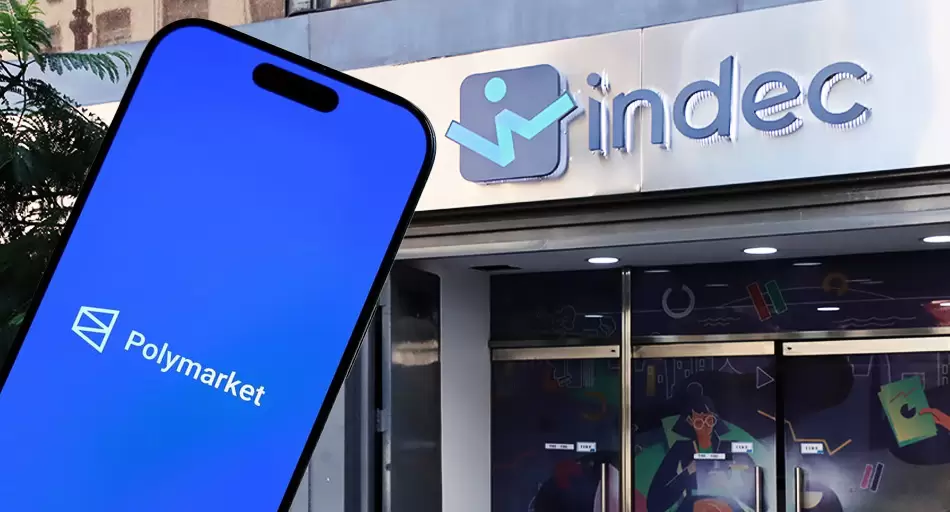
A Buenos Aires court ordered the blocking of Polymarket, one of the world’s leading crypto-based prediction market platforms.
The decision includes:
- blocking the website nationwide
- removing apps from Google and Apple stores
- technical intervention at the ISP level
The main argument was lack of control.
Authorities stated that the platform operated as a disguised betting system, without identity or age verification.
The case intensified following suspicions of insider trading, after unusual activity linked to inflation data before its official release.
A global trend
This is not an isolated case.
Polymarket already faces restrictions in several European countries, signaling a broader global trend toward tighter regulation.
In Brazil, the issue is already under review.
The SPA has confirmed it is analyzing this type of platform, suggesting further regulatory developments ahead.
Innovation and Positioning in the Sector
Despite regulatory pressure, the industry continues to evolve.
The EDScript hackathon, promoted by Esportes da Sorte, aims to drive innovation through the development of new technological solutions.
Meanwhile, the Kaizen Foundation announced a social initiative in partnership with TETO Brasil, focused on building 120 homes for vulnerable communities.
These initiatives show a sector seeking to balance growth with social responsibility.

Brazil: Betnacional and Superbet expand strategies
On the commercial front, two operators stood out:
Betnacional strengthens its presence in football
The company announced:
- master sponsorship of Athletic
- expansion of its agreement with Sport
- investment in women’s football
The strategy focuses on diversification and long-term brand positioning.
Superbet Targets New Audiences
Superbet announced Kelvin “K9” Oliveira as a brand ambassador within the Kings League ecosystem.
The company is aiming to connect with younger audiences through digital entertainment and content creators.
This reflects a broader shift in iGaming marketing strategies.
This week provides a clear snapshot of the iGaming landscape in Latin America.
On one hand, there is growth, professionalization, and regional integration.
On the other, increasing regulatory pressure and the need for adaptation.
Companies that can balance expansion, compliance, and innovation will lead the next phase of the market.
The message is straightforward: the future of iGaming in LATAM will be defined not only by growth, but by the ability to navigate an increasingly complex regulatory environment.
The post iGaming LATAM: SAGSE Leads the Agenda as Regulation Tightens and Operators Expand in Brazil appeared first on Americas iGaming & Sports Betting News.
After a year under its new regulatory framework, Brazil’s betting market is moving beyond its early expansion phase, with operators recalibrating marketing strategies, regulators tightening oversight and new regulatory questions emerging.
Brazil’s regulated betting industry continues to evolve rapidly as the country moves through the first full year of its new legal framework for fixed-odds betting.
Recent developments across football sponsorships, advertising debates and regulatory oversight illustrate how the market is transitioning from its initial boom phase toward a more mature and consolidated ecosystem.
While the sector remains one of the most promising in the global iGaming landscape, operators are now facing higher regulatory costs, growing competition and increasing scrutiny from policymakers.
Together, these dynamics are beginning to reshape how betting companies operate — and how they invest — in Latin America’s largest market.
Football sponsorship boom begins to cool
Perhaps the most visible sign of the industry’s transformation can be seen in Brazilian football.
In 2025, betting companies dominated sponsorship deals in the Campeonato Brasileiro Série A.
Eighteen of the twenty clubs competing in the country’s top division featured betting operators as their main shirt sponsors, reflecting the aggressive marketing strategies that followed the opening of Brazil’s regulated betting market.
But the picture in the 2026 season is notably different.
Six clubs — Santos, Vasco da Gama, Bahia, Internacional, Grêmio and Coritiba — have recently ended or failed to renew sponsorship agreements with betting operators.
The changes occurred between the end of 2025 and the start of the new season.
Each case has its own explanation. Internacional and Grêmio terminated their contracts with Alfa Bet after repeated delays in payments.
Santos and Bahia mutually agreed to end partnerships with 7K Bet and Viva Sorte Bet, respectively. Meanwhile, Vasco and Coritiba simply allowed their deals with Betfair and Reals Bet to expire.
Among these teams, only Santos has secured a new agreement with another betting operator.
However, the new deal reportedly represents a reduction of roughly 30% in annual payments compared with the previous contract.
Analysts say these developments reflect the new economic realities of Brazil’s regulated betting environment.
Regulation increases operational costs
Brazil’s regulatory model for fixed-odds betting came fully into force on January 1, 2025, following the implementation of Law No. 14.790/2023.
Under the new framework, betting operators must establish a legal entity within Brazil and obtain a federal authorization to operate.
The license carries a fee of approximately R$30 million and is valid for five years.
In addition, companies are subject to a 12% tax on Gross Gaming Revenue (GGR), alongside other taxes such as PIS, Cofins and municipal service taxes.
Players are also taxed under the new system. Net winnings exceeding the exemption threshold are subject to a 15% income tax.
According to gambling regulation specialist Gustavo Biglia, partner at the law firm Ambiel Bonilha Advogados, the regulatory shift has significantly altered the economic landscape of the industry.
Before the implementation of the new framework, operators faced fewer regulatory obligations, allowing them to allocate substantial budgets toward marketing and sponsorship deals.
“Previously there was no national authorization requirement nor a comprehensive tax regime covering the activity carried out in Brazil,” Biglia explained.
“That environment allowed companies to invest aggressively in marketing and sports sponsorships.”
Now, operators must operate within tighter margins.
Betting operators shift toward efficiency
Industry experts believe the Brazilian betting market is moving beyond its initial brand-building phase.
Eduardo Corch, a marketing professor at Insper and managing director of EMW Global for Latin America, says operators are increasingly focusing on efficiency rather than visibility.
“The objective is no longer simply to appear on football shirts,” Corch said.
“Companies are prioritizing marketing actions where the return on investment can be measured more clearly.”
Another important factor is competition.
The cost of acquiring customers in Brazil has increased significantly as more operators enter the market.
This intense competition is forcing companies to reconsider how they distribute their marketing budgets.
In many cases, funds are being redirected from high-visibility sponsorships toward digital marketing campaigns and data-driven acquisition strategies.
Pietro Cardia Lorenzoni, legal director of the National Association of Games and Lotteries (ANJL), expects this trend to lead to a more concentrated market structure.
“The initial stage of the market saw large investments from many companies,” Lorenzoni explained. “But the industry is now proving itself and going through a maturation process. A reduction in spending is a natural outcome.”
Major sponsorship deals still exist
Despite the reduction in sponsorship deals across several clubs, betting companies continue to invest heavily in strategic partnerships.
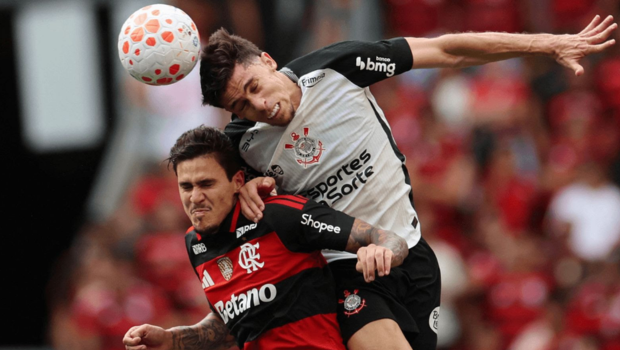
One notable example is Corinthians’ recently renewed agreement with betting brand Esportes da Sorte.
The deal, extended until 2029, increased annual payments from around R$100 million to R$150 million and could reach R$200 million depending on the club’s sporting performance.
For operators, partnerships with major football clubs remain powerful brand-building tools.
Darwin Filho, CEO of Esportes Gaming Brasil — the company behind the Esportes da Sorte brand — described the agreement as a key strategic move.
“It strengthens our connection with fans and expands opportunities to build the brand through experiences, innovation and more comprehensive activations,” he said.
Still, some analysts believe the initial sponsorship wave may have created inflated expectations within football clubs.
José Sarkis Arakelian, consultant and professor at FAAP, argues that certain deals were driven by an early market bubble.
“There was a bubble — and for some clubs there still is — regarding how much betting companies are paying,” he said.
Legal experts also warn that long-term sustainability in the sector will depend more on regulatory compliance than on marketing spending.
“In the short term money buys exposure,” said Leonardo Henrique Roscoe Bessa, consultant to the Brazilian Bar Association and partner at Betlaw. “In the long term only integrity guarantees permanence.”
Advertising restrictions under debate
Beyond sponsorship deals, advertising policy has become another major topic of debate in Brazil’s betting sector.
A bill currently under discussion in the Senate proposes banning advertising and sponsorship by betting companies altogether.
The proposal, known as bill 3563/2024, has sparked strong reactions across the industry.
Brazil’s betting regulator has expressed concerns about such a sweeping measure.
Daniele Correa Cardoso, deputy secretary at the Secretariat of Prizes and Bets (SPA) within the Ministry of Finance, warned that banning advertising could have unintended consequences.
“How will users distinguish legal platforms from illegal ones?” Cardoso asked during a recent interview.
According to the regulator, the legal market is still in its early stages, and advertising plays an important role in helping consumers identify licensed operators.
“The market itself is not prohibited,” she noted. “What is prohibited is operating without authorization.”
Authorities fear that removing advertising visibility could push players toward unregulated platforms.
Crackdown on illegal operators continues
Since the launch of the regulated market in January 2025, Brazilian authorities have intensified enforcement efforts against illegal betting sites.
Through cooperation with the telecommunications regulator Anatel, more than 25,000 unauthorized betting websites have already been blocked.
However, regulators acknowledge that blocking websites alone is not sufficient.
Authorities are now focusing on financial channels used by illegal operators, working with payment institutions to identify and block transactions linked to unauthorized platforms.
These efforts are part of a broader strategy to strengthen the regulated ecosystem and protect consumers.
Responsible gambling becomes regulatory priority
Another key focus for the government is responsible gambling.
In a recent event in Salvador attended by around 1,000 consumer protection professionals, officials from the Secretariat of Prizes and Betting presented new initiatives aimed at strengthening player protection mechanisms.
Brazilian law defines fixed-odds betting as a public service that may be operated by private companies under government authorization.
As a result, operators are required to implement safeguards addressing both financial and mental health risks associated with gambling.
One of the most significant developments has been the launch of a centralized self-exclusion system.
The platform allows players to voluntarily block their access to all licensed betting platforms through a single registration process.
Regulators have also introduced stricter rules governing advertising, particularly regarding vulnerable audiences and misleading claims.
Prediction markets emerge as new regulatory challenge
At the same time, regulators are monitoring new types of betting-adjacent products entering the Brazilian market.
The recent announcement that US-based prediction market operator Kalshi plans to enter Brazil through a partnership with brokerage XP International has drawn attention from regulators.
Prediction markets allow users to trade contracts based on the outcome of future events, ranging from political developments to sports results.
Because these products share characteristics with both financial derivatives and betting, their regulatory classification remains unclear in Brazil.
The SPA has clarified that no companies are currently authorized to operate prediction markets in the country.
Andre Santa Ritta, partner at the law firm Pinheiro Neto, believes the issue may become another complex regulatory challenge.
“In Brazil we still have a grey zone regarding prediction markets,” he said. “They are not clearly part of the fixed-odds betting framework, but they are not formally regulated as financial derivatives either.”
For licensed betting operators, the concern is that such products could attract users away from the regulated betting ecosystem.
A maturing market
Taken together, the latest developments suggest that Brazil’s betting industry is entering a new phase.
The early years of rapid expansion — characterized by heavy marketing spending and aggressive sponsorship strategies — are gradually giving way to a more structured and regulated environment.
Operators must now balance compliance requirements, rising customer acquisition costs and increasing political scrutiny.
At the same time, regulators continue to refine the framework in an effort to protect consumers while maintaining a competitive and sustainable legal market.
For international operators and investors, Brazil remains one of the most attractive opportunities in global iGaming.
But as the market matures, success will depend less on rapid expansion and more on strategic positioning within an increasingly regulated landscape.
The post Brazil betting market adjusts to regulation as football sponsorship boom slows appeared first on Americas iGaming & Sports Betting News.


Esportes da Sorte has renewed its master sponsorship agreement with Sport Club Corinthians Paulista, extending the high-profile partnership through 31 December 2029. The new long-term deal significantly increases investment and expands commercial activations across Brazilian football.
Investment Details and Contract Value
Under the renewed agreement, the sponsorship moves into a higher investment tier, estimated at BRL 150 million per year, with performance-based incentives that could raise the total annual value to over BRL 200 million.
All funds will be allocated directly to Corinthians, with the club maintaining full responsibility for managing the investment and strategic deployment.
Expanded Commercial Rights and Activations
The renewed master sponsorship includes:
- Brand visibility on match and training kits
- Digital and stadium activations
- Fan engagement experiences
- Institutional initiatives
- Support for sporting and social projects
The partnership also strengthens activations at Neo Química Arena, including continued support for the Doe Arena Corinthians campaign, which has already raised more than BRL 40 million.
Strategic Focus on Brazilian Football
Darwin Filho, CEO of Grupo Esportes Gaming Brasil, emphasized that the renewal reinforces the company’s long-term commitment to Brazilian football and its connection with one of the country’s most passionate fan bases. The agreement is positioned as a benchmark master sponsorship model, built on sustained investment, brand engagement and institutional development.
Since the partnership began in 2024, Esportes da Sorte and Corinthians have launched numerous initiatives, including matchday activations, hospitality programs, social media campaigns and on-pitch experiences. The sponsorship has also supported both men’s and women’s football operations, helping strengthen competitive performance and fan engagement across multiple areas of the club.
With this renewal, Esportes da Sorte consolidates its presence in Brazil’s sports sponsorship landscape, while Corinthians secures long-term financial backing to support its sporting and commercial ambitions.
The post Esportes da Sorte and Corinthians Renew Master Sponsorship Until 2029 appeared first on Eastern European Gaming | Global iGaming & Tech Intelligence Hub.

-

 Booming Games5 days ago
Booming Games releases Ultra Buffalo Hold and Win
-
Big Time Gaming5 days ago
BTG brings iconic board game action to the reels with MONOPOLY MEGAPOTS™
-
Baroness Fiona Twycross6 days ago
BGC AGM 2026 Discussed About Surging Illegal Gambling Black Market
-
Latest News4 days ago
ELA Games Contributes to Discussions on Scalable iGaming Ecosystems and Studio Innovation at HIPTHER Prague Summit
-
Bonus Rush7 days ago
RAW iGaming launches BONUS RUSH® – a new family of feature-focused games
-
Arkansas6 days ago
CATALIST SPORTS SECURES NEW SUPPLIER LICENSES IN ARKANSAS AND NEBRASKA
-
Brazil7 days ago
EGT to showcase its gaming portfolio for Brazil at SiGMA Americas 2026
-
Brazil5 days ago
Brazil advances integrity agenda amid strong market growth