eSports
CECC Texas “May Madness” Scores Record Growth Again in its Fourth Year

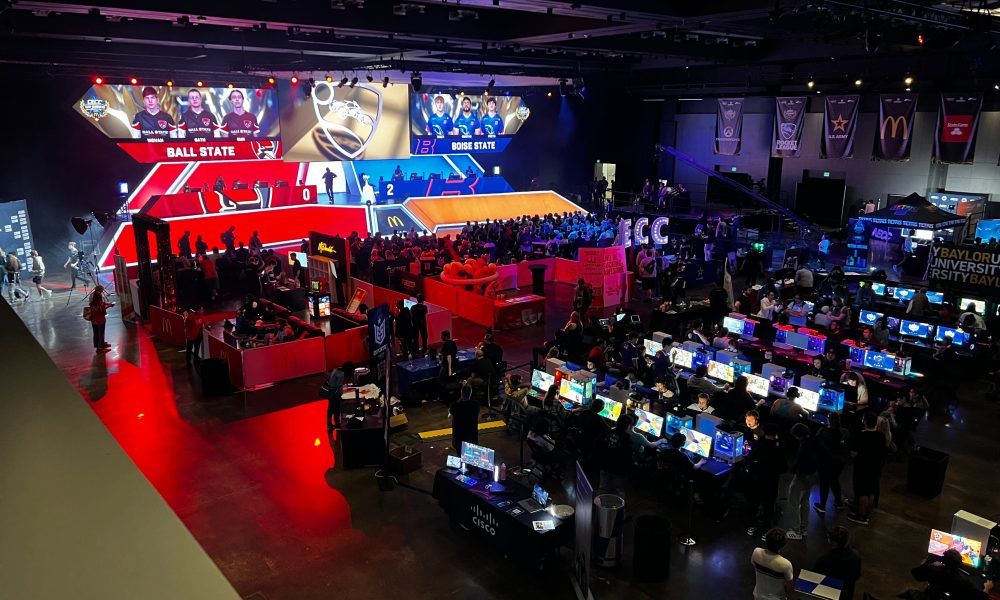
Winthrop University, Ball State University, St. Clair College, and Illinois State University Crowned as Commissioner’s Cup Champions at the largest scholastic esports festival globally
McDonald’s of North Texas, State Farm, Apple Music, Red Bull, U.S. Army 5th Brigade, Smoothie King, along with other world-class partners lend valuable support for event
Collegiate Sports Management Group (CSMG) concluded its fourth Collegiate Esports Commissioner’s Cup (CECC) today crowning four new champions during the largest scholastic esports festival globally and celebrating another year of record growth. CECC Texas presented by McDonald’s welcomed more than 800 student-athletes representing 84 teams (up from 64 in 2023), including a record-breaking 19 conference champions, at Esports Stadium Arlington on May 2-5, along with thousands of fans. In total, 453 teams from 255 schools participated during the 2023-24 CECC season.
Champions included Winthrop University for Super Smash Bros. Ultimate through Generation Esports, Ball State University for Rocket League, St. Clair College for VALORANT, and Illinois State University for Overwatch 2®
“By elevating scholastic esports, we empower students, schools and conferences while fueling industry growth. This is a testament to the increasing interest from brands, media entities, publishers making this the ultimate destination for the scholastic esports and the gaming community.“ said Michael Schreck, CEO for CSMG. “CECC isn’t just a competition; we’re providing structure, recognition and endless opportunities to shape the future of esports.”
Arlington Mayor Jim Ross joined Schreck on stage during the event along with Arminda and Anthony Grissett, Owner/Operators of McDonald’s of North Texas, to announce CECC will return to Esports Stadium Arlington in 2025, marking it the third straight year Texas will host this event.
CSMG also announced during CECC Texas it has joined forces with Capcom to launch the College Street FighterTM Tour during its 2024-25 academic year with the finalists competing at CECC Texas in 2025 throughout its May Madness event. Wim Stocks will serve as the Commissioner of the College Street Fighter Tour and bring his 20 years of experience in college esports to create a dynamic and engaging format of competitive gaming.
CECC Texas offered something for everyone including the Texas High and Middle School Esports Championships, the National Esports Collegiate Conference (NECC) championship finals across League of Legends, Overwatch, Rocket League, and VALORANT, open tournaments for Street Fighter 6, Teamfight Tactics and HALO Infinite 2v2, the Smoothie King Super Smash Bros. Ultimate Open, through Generation Esports with a prize pool up to $5,000, gaming-themed onsite activations, and various industry panels.
McDonald’s of North Texas returned for the second year in a row as the presenting sponsor with various promotions and giveaways through the McDonald’s App as well as awarding a free custom @McDonalds PC built by @Oasis PC’s.
“McDonald’s of North Texas was thrilled to once again sponsor CECC and to see first-hand the incredible experience this tournament brings to the teams and fans nationwide,” said David Floyd, Owner-Operator with McDonald’s of North Texas. “As local business owners, it’s an honor that our community could serve as the center of the esports world this weekend. We were also delighted to add a delivery service this year, which was a great success. This feature allowed fans to order food and continue in their CECC experience.”
The ESPORTSU Collegiate Awards took center stage throughout the weekend recognizing leaders who are driving the ecosystem forward, including:
- Commissioner of the Year – J.J. Myers (NACE)
- Community Ambassador – Yugina Yun (Gen.G)
- Club of the Year – Indiana University
- Club President of the Year – TJ Stephens (University of Georgia)
- Club Impact Award – Arizona State University
- Rising Star Award – Greyson Harding (Michigan State University)
- Coach of the Year – Ethan Stone (Indiana University)
- Director of the Year – Chris Bilski (Michigan State University)
- Program Impact – Michigan State University
- Ally of the Year – Christopher Turner (Southern University)
- Program of the Year – St Clair College
- CECC School of the Year – Winthrop University
The ESPORTSU Awards Committee Members included Kyler Tandal (ESPORTSU), ToniAnn Convertino (ESPORTSU), Nikita Bair (Syracuse University),Joey Gawrysiak (Syracuse University), Aaron Colaiacomo (Fisher College), Adam Antor (Ferris State), and Chase Neukam (St Cloud State University).
Finally, the Aurora Series, dedicated to supporting all who identify with a marginalized gender, made its debut at CECC Texas with the University of Houston Scarlet defeating the University of North Texas in a thrilling VALORANT match 13-11 on the main stage.
“The power of esports was on full display this weekend as many colleges are continuing to push this as the ‘new sport’ on campuses across the nation,” said Angela Bernhard Thomas, Chief Esports Officer for CSMG. “The students arrived in all their team gear, the fans came out to cheer, and the brands integrated into the competition. We’re excited to continue to shape the future of the ecosystem.”
Super Smash Brothers Ultimate through Generation Esports – Winthrop University
2nd seeded Winthrop University battled back after losing the first game to beat defending champion and 5th seeded Fisher College (Northeast), 3-1. Winthrop never backed down throughout the tournament, especially in the Grand Finals with Carlos “Sonix” Perez on the Fisher squad, who is considered a top 10 player globally in Super Smash. Bharat “Lima” Chintipall, a sophomore majoring in computer science from Dallas, TX, was named MVP for the tournament.
Winthrop advanced to the finals beating the 6th seeded University of Texas-Arlington 2-0, while Fisher College (Northeast) denied its fellow students and number one seeded Fisher College (East) 2-1 in best-of-3 series.
Rocket League – Ball State University
In one of the most epic Grand Finals in Rocket League, the top seeded Ball State University needed overtime in the final game of the best-of-7 series to beat the three seeded Boise State University, 4-3. No team won a game by more than one goal throughout the match. Arlin “Oath” Burns, a graduate student majoring in clinical mental health counseling from Westfield, IN, was named MVP for the tournament.
In the semi-finals in the best-of-7 series, Ball State bounced the 5th seeded University of Akron 4-0, while Boise State knocked out the 7th seeded Fisher College, 4-2.
VALORANT – St. Clair College
The 5th seeded St. Clair College completed the sweep in a best-of-3 series to defeat 3rd seeded Blinn College, 2-0. The Saints from Windsor, Canada, become the first non-U.S. college to win a CECC championship. Tanner “geeza” McGhee, a freshman majoring in business from Camarillo, CA, was named MVP for the tournament.
In the semi-finals in the best-of-3 series, St. Clair edged out the 8th seeded Winthrop University, 2-1, while Blinn College held off the 2nd seeded Fisher College (White), 2-1.
Overwatch 2 – Illinois State University
The 6th seeded Illinois State University captured their second CECC trophy in three years after taking down the 5th seeded Northwood University, 3-0, in a best-of-5 series. The Redbirds captured their first title at CECC Atlanta in 2022. Denis “Lethal” Tari, a sophomore majoring in business administration from Dubai, took home MVP honors for the tournament.
In the semi-finals in the best-of-5 series, Northwood upset the top seed Winthrop University, 3-1, while Illinois State advanced by sweeping the 2nd seeded Fisher College Esports, 3-0.
Semi-Finals (best-of-5)
Brand Partners and Talent Elevate CECC Texas
CECC Texas grew its partners from 2023 with the support of McDonald’s of North Texas, State Farm, U.S. Army 5th Brigade, Smoothie King, CTRL, Arlington Convention and Visitors Bureau, Apple Music. Zipchair Gaming, Dairy MAX, Dallas Cowboys Game Time presented by Lenovo, Cisco, Red Bull, Oasis PC, Cirkul, Grand Canyon University, and U.S. Army ROTC, who activated throughout the event.
The broadcast team featured a stacked group of professional esports hosting, desk analyst, and casting talent. The event was stage hosted by Elyse “Herculyse” Herrera and floor hosted by Mathew “Septilence” Corfee II. The desk analysts included Carlos “Carlos Ivan” Braadt, Miles “KilomilesIRL” Catenza, Logan “Catinator” Brown, Cassandra “Chixxa” Meltsch, and Madison “N3RDYBIRD” Benge. Shoutcasters included Keegan “ClutchKey” Ohta and Jesse “Twinsalty” Brawders for Overwatch 2, Samuel “SamTalkz” DeLoach II and Sierra “ Zhobiii” Fisbee for VALORANT, Oliver “Bass” Bass and Jeffrey “TheDangerTaco” Skalamera for Rocket League, and Phil “EE” Visu and Saeed Hassan “Sai” Shareef for Super Smash Bros. Ultimate.
Creators also streamed their own CECC Texas experiences directly to their audiences on their channels. Well-known Twitch personalities included Hungrybox for Super Smash Bros. Ultimate, TenacityTV for Rocket League, QuarterJade for VALORANT, and Flats for Overwatch 2®, creating a new engagement platform to build college esports fandom.
The Road to Texas featured official CECC sanctioned tournaments including the CECC Midwest Online Regional, CECC East Regional presented by the US Army and Army ROTC at Helix eSports in Foxborough, Mass. CECC South Regional, CECC West Regional, the Big Esports Conference live championship event at The Ohio State University and Game Arena featuring fourteen Big 10 schools, the Atlantic Coast Esports Conference online Rocket League championship, the Western Cactus League live championship at Grand Canyon University, the Military Services Academy qualifier, the ESPORTSU n’ I All Womens Qualifier, and the very competitive Last Chance Qualifier.
Champions representing participating conferences that receive automatic bids include the: Atlantic Coast Esports Conference, Big Esports Conference, Big Sky Conference, Eastern Collegiate Athletic Conference, East Coast Conference, Great Lakes Esports Conference, Great Lakes Intercollegiate Athletics Conference, Metro Atlantic Athletics Conference, Mid-American Conference, Mid-Atlantic Esports Conference, Midwest Esports Conference, Missouri Valley Conference, Mountain West Conference, National Esports Collegiate Conferences, National Junior College Athletics Association Esports, Peach Belt Conference,,Western Cactus League and Western Esports Conference
Full list of CECC Texas-qualified teams (in order of seeding):
Super Smash Brothers Ultimate (through Generation Esports)
Fisher College (East), Winthrop University, Northwood University, University of California-Riverside, Fisher College (Northeast), University of Texas-Arlington, Lubbock Christian University, Manchester College (Indiana), University of Akron, New Jersey City College, Oakland University, Wichita State University, Quinnipiac University, Sacramento State University, University of Houston, University of Miami-Ohio, Southwestern Oklahoma State University, San Jose State University, Marist College, University of North Texas, Southern New Hampshire University, Illinois State University, Arizona State University, and Michigan Tech University.
Rocket League
Ball State University, Boise State University, Indian River State College, Nichols College, University of Akron, Lubbock Christian University, Maryville University, St. Clair College, Davenport College, Fisher College, Syracuse University, Indiana University, University of Arizona, Old Dominion University, University of Air Force, Northern Arizona University, San Jose State University, Staten Island College, Montevallo University, and Saint Xavier University.
Valorant
Blinn College, Simon Fraser College, Northwood University, Fisher College (White), St. Clair College, Fisher College, San Jose State University, Winthrop University, Texas A&M University, Brewton-Parker College, Converse University, Boise State University, Grand Canyon University, Purdue University, Northeastern University, Utica University, Manhattan College, University of North Texas, University of Air Force, and Saint Xavier University.
Overwatch® 2
Wintrhop University, Maryville University, Fisher College, Northwood University, Arizona State University, Illinois State University, University of California-Irvine, Fisher College (Freaks), Converse University, Boise State University, Blinn College, Bryant and Stratton College, University of Miami-Ohio, Southern New Hampshire University, University of Maryland, University of Texas-Arlington, Grand Canyon University, Cleary University, University of Army-West Point, and Salt Lake Community College.








eSports
Esports Nations Cup 2026 Awards Official Partner Status Across 100+ Nations to Build the Future of Nation-Based Esports

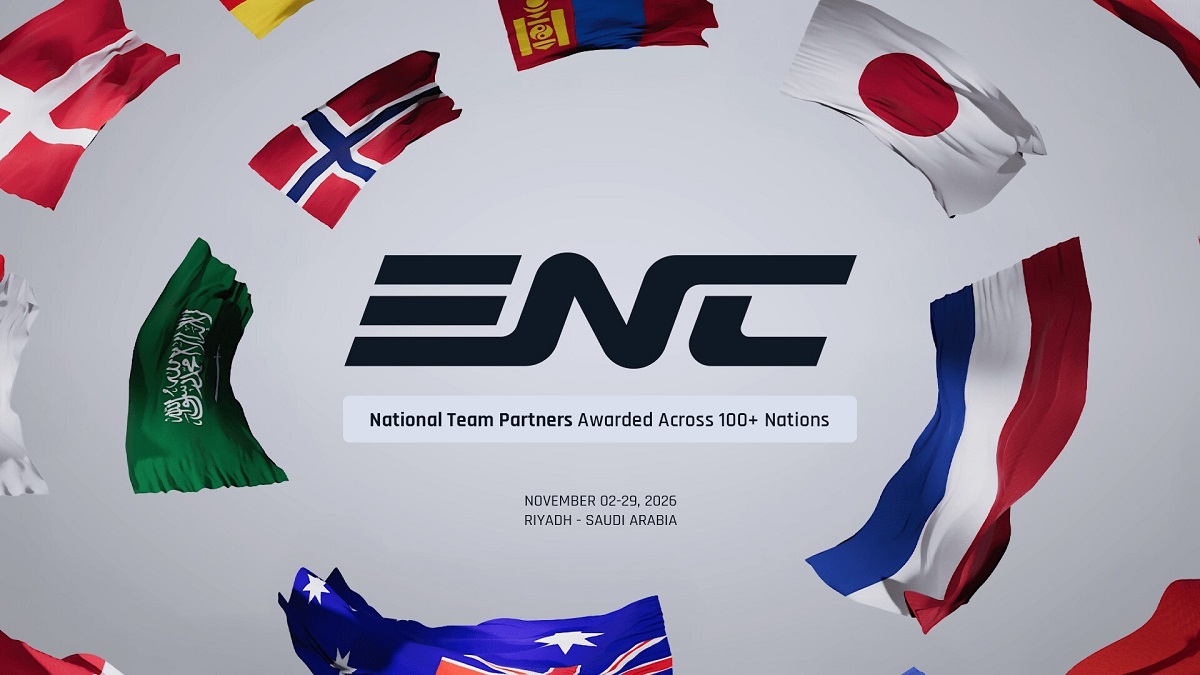
The Esports Foundation (EF) awarded National Team Partner status to organisations and individuals across more than 100 countries and territories for the Esports Nations Cup 2026 (ENC), the global nation-based esports competition set to debut in Riyadh from November 2-29, 2026.
This marks the first time esports introduces a structured global system for national teams at scale, adding a new layer to the industry’s ecosystem alongside club-based competition. Designed to complement existing frameworks rather than replace them, the ENC will work with local stakeholders closest to the sport to strengthen connections and support long-term national development.
National Team Partners will lead team formation, mobilize local communities and establish the structures needed to enable participation and the growth of esports. To ensure worldwide participation, countries and territories without a partner will be supported through regional structures provided by the EF.
The EF received more than 630 applications from 150 countries and territories, reflecting the global interest in and opportunity for nation-based esports. The partners represent legacy esports organisations that have shaped their national scenes for decades alongside emerging forces driving the next wave of competitive gaming. The list of organisations and individuals who have been awarded this status is available on the ENC website and will be updated as additional appointments are confirmed.
‘The Esports Nations Cup introduces something esports has never had before: a global system for national teams at an unprecedented scale. The response we received from across the world shows that communities are ready for this next step. Together with our partners, we are building the structures that will allow players to represent their nations and compete on the biggest stage in esports. With more than 100 nations now part of the system, the Esports Nations Cup moves from concept to reality, establishing national esports as a lasting part of the global competitive landscape,” said Ralf Reichert, CEO of the Esports Foundation.
Recognising that esports has developed differently in many nations, the ENC adopts a partnership-led approach rather than relying on a single model, marking a first in global sport and esports alike. By working with recognised local stakeholders, whether institutions, Clubs or community-led organisations, this model is designed to unlock the full creative and competitive potential of each nation.
National Team Partners will operate through a range of structures, from established national bodies such as the Korea Esports Association and the Saudi Esports Federation, to club-led coalitions in Brazil and the US, and hybrid public-private alliances in countries like Germany, Canada and the UAE.
In markets such as Malaysia, Turkey and Thailand, partners include federations working closely with grassroots communities, while in emerging regions like Indonesia and Mongolia, partners are being supported through structured development to represent their nations on a global stage.
For the first time in the history of esports, national teams will be formed from these local structures, bringing players together to compete for their nation and unlocking a new dimension of fandom built on identity and pride. From South Korea’s legendary League of Legends dominance and India’s Chess affinity, to Brazil’s Counter-Strike tradition, Japan’s fighting games heritage and Southeast Asia’s mobile games’ powerhouses, the ENC creates a new global stage for competition.
The post Esports Nations Cup 2026 Awards Official Partner Status Across 100+ Nations to Build the Future of Nation-Based Esports appeared first on Eastern European Gaming | Global iGaming & Tech Intelligence Hub.
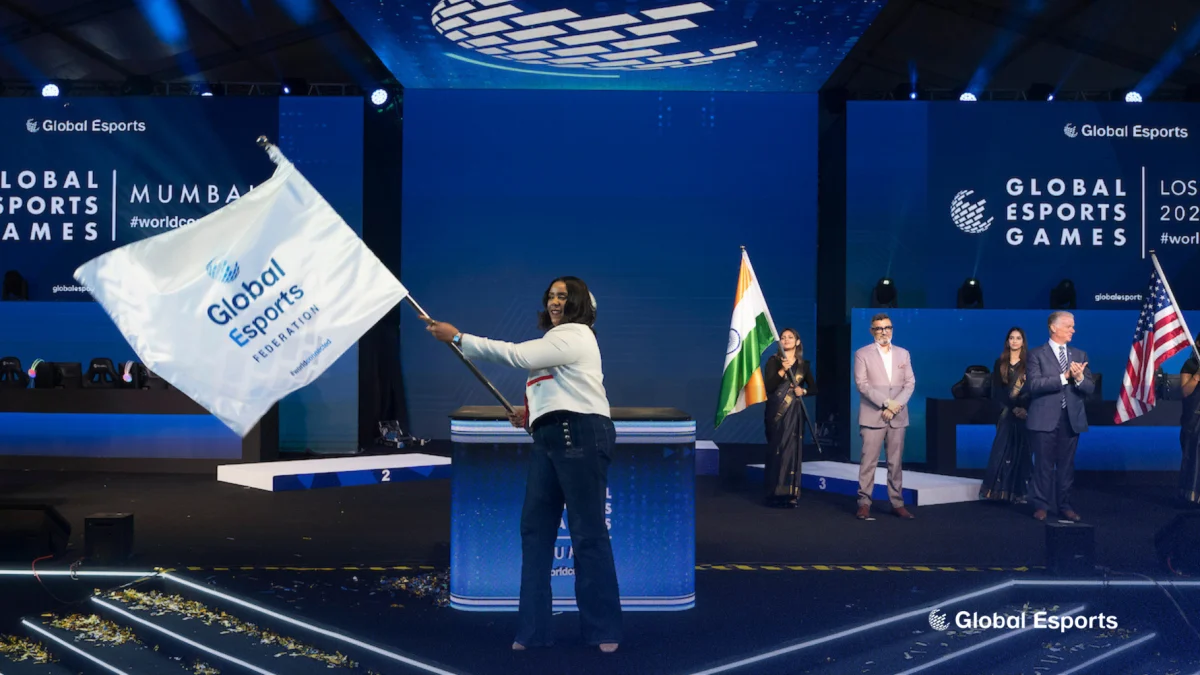
Team India and Türkiye won Gold at the Global Esports Games Mumbai, delivering electrifying performances in front of a packed arena and thousands more tuning in online worldwide. India’s Anuhith Gosala edged Kazakhstan 3–2 in a thrilling Clash Royale Grand Final, while Türkiye secured a commanding 3–1 victory over Mongolia in the Dota 2 Grand Final. With a Gold in Clash Royale and a Bronze in Dota 2, Team India was crowned Overall Champion.
India stormed into the Clash Royale Grand Final with a 2–1 win over the USA in a tense lower bracket decider, setting up a rematch with Kazakhstan. Having fallen 0–2 in the upper bracket, India turned the tables when it mattered most, as Anuhith Gosala delivered a clutch performance to seal a dramatic 3–2 victory and the Gold medal.
In Dota 2, Team India secured Bronze after falling to Mongolia in the lower bracket. Mongolia advanced to the Grand Final, where Türkiye asserted its dominance with a composed 3–1 victory to take the title.
Sharing his thoughts on the victory, Team India’s Clash Royale gold medallist, Anuhith Gosala, said: “This moment is surreal. To win the Grand Finals here in India, in front of a home crowd, makes it even more emotional. The preparation was relentless, the pressure was intense, and every match tested my limits—but that’s what makes this victory so special. Hearing the cheers, feeling that energy, and lifting this title for the country is an indescribable pride. This is for India, and for everyone who believes in us. I hope this win inspires many others to follow in our path.”
Sir Paul J. Foster, President & CEO, Global Esports Federation, said: “As the Global Esports Games Mumbai comes to a close, we celebrate not only the incredible performances of our athletes, but the spirit of unity and connection that defines our global community. Mumbai has delivered exceptional energy, passion, and hospitality, reinforcing our belief that esports transcends borders and brings the world together. We are deeply grateful to our partners in India for setting a new benchmark for excellence—and we now look ahead with excitement to Los Angeles, where this journey continues on an even greater stage.”
Shripad Ashtekar, Founder of Eflag Corp, said: “Over the past few days, we have witnessed not just world-class competition, but the coming together of talent, innovation, and community on a truly global stage. We hope to keep delivering such platforms and strong foundations for future growth by unlocking new opportunities for Indian players, creators, and the broader AVGC ecosystem. We are proud to have played a key role and look forward to building on this momentum in the years ahead.”
Organized by the Global Esports Federation in partnership with Eflag Corp, with the support of Maharashtra Tourism, the Global Esports Games Mumbai was inaugurated by the Hon’ble Chief Minister of Maharashtra, Shri Devendra Fadnavis. Over four days, Mumbai welcomed 48 elite athletes from 19 countries, emerging from a global field of 78 nations in the Regional Qualifiers.
The post Team India and Türkiye Win Gold at the Global Esports Games Mumbai appeared first on Eastern European Gaming | Global iGaming & Tech Intelligence Hub.
Asia
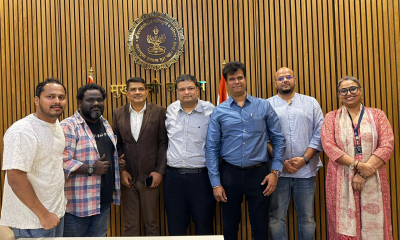
Skyesports and GodLike signs MoU with Maharashtra Cyber to promote esports and cyber hygiene in Maharashtra
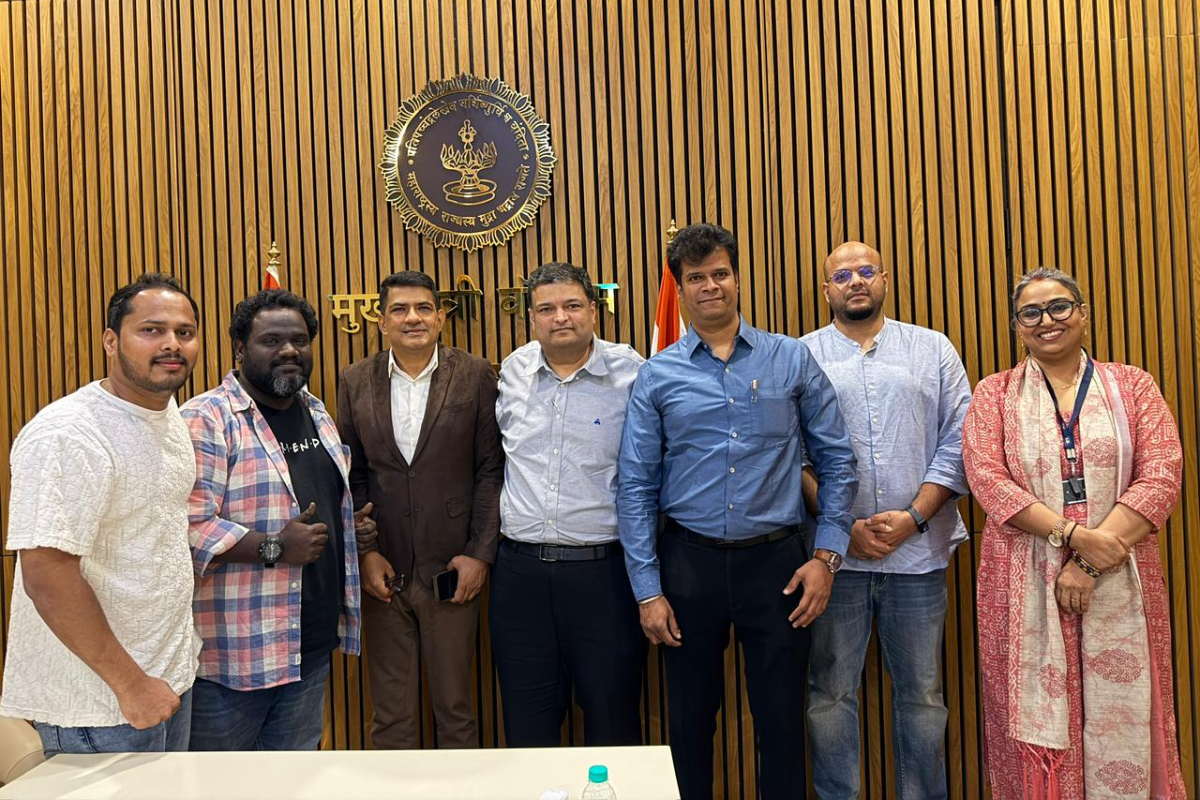
India’s esports ecosystem is taking another step forward as Skyesports and GodLike Esports sign a Memorandum of Understanding (MoU) with Maharashtra Cyber, the Government of Maharashtra’s nodal cybersecurity body. The partnership aims to grow the state’s esports ecosystem while promoting cyber hygiene and responsible digital behaviour among gamers.
The agreement was signed during a closed-door meeting in Mumbai and reflects a broader push by the state to develop its digital and creative industries. As India’s leading state economy, Maharashtra is positioning itself as a hub for esports and gaming, aligning with its wider “orange economy” strategy.
Under the MoU, the three parties will collaborate on esports tournaments, leagues, and community initiatives, while embedding cyber safety messaging into all activities. This includes raising awareness around cyberbullying, fraud prevention, data privacy, and responsible online conduct—key concerns as esports audiences continue to grow, particularly among younger users.
Skyesports will lead tournament organisation and community engagement, while GodLike Esports will support through mentorship programmes, professional player involvement, and grassroots initiatives. Maharashtra Cyber will focus on amplifying cyber awareness and promoting safe digital practices across the ecosystem. Eyrie Entertainment will support outreach efforts and help scale campaign visibility across the state.
Commenting on the initiative, Shiva Nandy, Founder and CEO of Skyesports, said:
“The growth of esports requires strong collaboration between the industry and government stakeholders. This MoU with Maharashtra Cyber represents an important step toward strengthening Maharashtra’s esports ecosystem through responsible gaming initiatives and grassroots engagement. As India prepares to compete at global events such as the Esports World Cup (EWC), Esports Nations Cup (ENC), and the Asian Games 2026, partnerships like this will play a key role in building a stronger pipeline of talent and opportunities for young gamers. With GodLike Esports also joining the initiative, we aim to combine competitive expertise and creator reach to drive deeper community engagement. The MOU is a first-step towards solidifying Maharashtra as an esports hub globally.”
Yashasvi Yadav, Additional Director General of Police at Maharashtra Cyber, added:
“As esports continues to grow rapidly among young audiences, it is equally important to promote safe and responsible digital practices within the gaming ecosystem. Through this collaboration with Skyesports and GodLike Esports, we aim to raise awareness around cyber hygiene, online safety, and responsible behaviour in gaming communities. Initiatives like these will help ensure that the growth of esports in Maharashtra is supported by strong awareness of cybersecurity, digital discipline, and safe online participation.”
Chetan “Kronten” Chandgude, Founder of GodLike Esports, said:
“At GodLike Esports, we have always believed that the true growth of esports in India lies in strengthening its roots at the grassroots level. Through this collaboration with Maharashtra Cyber and Skyesports, we aim to support the state’s vision of building a strong and sustainable esports ecosystem. Our focus will be on engaging young gamers through mentorship, community initiatives, and professional player interactions, while also promoting cyber hygiene and responsible gaming practices. This MoU also marks the first step toward our vision of putting the state on the global esports map, and we look forward to sharing some exciting announcements around this soon.”
The initiative also aligns with global recommendations from organisations such as the International Telecommunication Union, which highlight the importance of cybersecurity awareness as digital participation expands.
For more on esports growth and regulation, see Europa Gaming’s coverage on India Esports Market Growth and Esports Regulation Trends.
As esports continues to scale in India, partnerships like this underline a key industry shift: growth is no longer just about tournaments and audiences, but also about building a safer, more responsible digital environment for the next generation of players.
The post Skyesports and GodLike signs MoU with Maharashtra Cyber to promote esports and cyber hygiene in Maharashtra appeared first on Eastern European Gaming | Global iGaming & Tech Intelligence Hub.

-

 Asia5 days ago
Skyesports and GodLike signs MoU with Maharashtra Cyber to promote esports and cyber hygiene in Maharashtra
-
Africa5 days ago
TaDa Gaming Officially Enters the Regulated South African Market
-
AGLC5 days ago
Bede Gaming cleared for Alberta market entry
-
Central Europe5 days ago
Casino Interlaken teams up with Wazdan to bolster Swiss market presence
-
Central Europe5 days ago
Sportradar Extends its Data and Audiovisual Betting Rights Agreement with Deutscher Fussball-Bund
-
Andrzej Hyla5 days ago
Wazdan Releases its Latest Slot “Easter Coins”
-
Alberta4 days ago
Media Troopers Prepares for Alberta iGaming Launch with Canadian Gaming Law Firm
-
Australasian Hospitality & Gaming Expo5 days ago
Light & Wonder to Showcase its Latest Gaming Innovations at AHGE 2026