Latest News
7777 gaming set to showcase innovative content for online casinos and digital lotteries at ICE London 2024

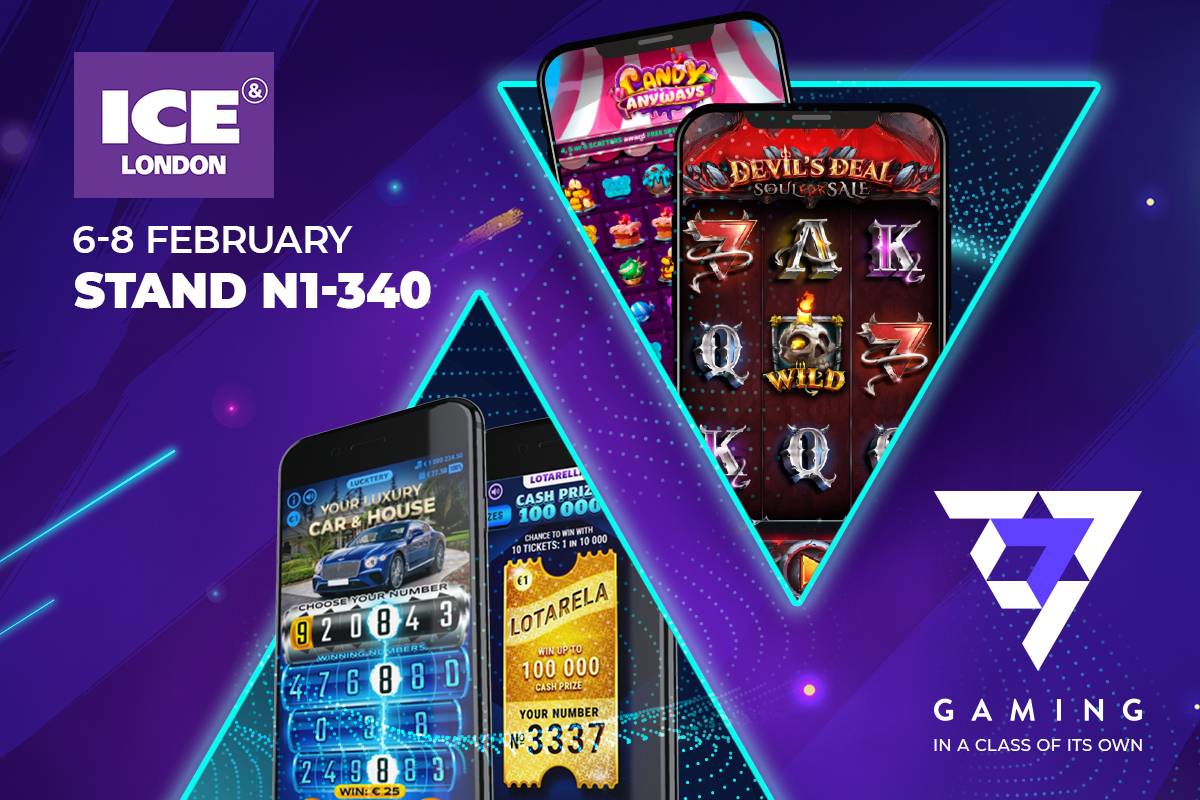
7777 gaming, a prominent B2B game provider specializing in online casinos and digital lotteries, is set to make waves at ICE London 2024. The international gaming exhibition, scheduled for 6-8 February, will host 7777 gaming at stand N1-340.
At ICE London, 7777 gaming will introduce a dedicated pack featuring 10 new games, expanding its diverse portfolio to an impressive 140+ games. Committed to an ambitious game development strategy for 2024, the company aims to release 3-4 new games every month.
The online casino games portfolio is now organized into two distinct verticals. The first caters to conservative players who prefer classic slots with fruit themes and traditional symbols, offering a wide variety of options. The second vertical embodies the modern spirit of the gaming world, featuring unconventional offerings with exceptional graphics and sounds. These games include buy bonus features, double chances, expanding symbols, and reels, appealing to a broad spectrum of preferences among the new generation of players.
7777 gaming will unveil an expanded series of games tied to two popular jackpot concepts – Crazy Bucks Jackpot and Juicy Cash Jackpot. Juicy Cash Jackpot now includes 10 top-performing classic slots with a mystery jackpot concept, enhancing the gaming experiences of classic slot enthusiasts. On the other hand, Crazy Bucks Jackpot caters to casual players seeking substantial wins with modest bets, featuring all the games from the beloved ‘Crazy Bucks’ collection.
Building on the success of customized games for digital lotteries in 2023, 7777 gaming will present the continued expansion of its iLottery game portfolio at ICE. This includes Sport Lottery, Digital Scratch ticket games, Instant Win Games, Slottery concepts, Instant Bingo, Keno Games, and Fast Draw Games. The diverse portfolio reflects 7777 gaming’s commitment to providing exciting and innovative gaming solutions for digital lotteries globally.
As the company’s promo wheel “HIT THE DEAL” was a favorite promotion last year, 7777 gaming will bring it once again, and it will be waiting for all operators at stand N1-340 during ICE London, 6-8 February, 2024.
All operators who commit to getting 7777 gaming content during the 3 days of the show will have the privilege to take a spin on the wheel of deals and win some amazing discounts for the promotional period when the games are launched in their operations.
In less than two years since its global launch, 7777 gaming has expanded its portfolio to over 140+ games across online casinos and digital lotteries. Currently certified and live in seven highly regulated markets, the company anticipates entering three additional markets in the coming months.
Visit 7777 gaming at stand N1-340 at ICE London 2024, 6-8 February, to explore the latest innovations in online gaming and digital lotteries.
About 7777 gaming:
7777 gaming is an innovative and data-driven B2B iGaming provider, founded in 2020 with the mission to revolutionize and challenge the status quo in the industry by offering 360-degree platform, state-of-the-art online casino games, iLottery, Jackpot, and marketing solutions, draw-based games, scratch cards, and much more.
The product is built by a dedicated team of visionaries with over 20 years of experience. The games and the RNG are tested and compliant in several highly regulated jurisdictions worldwide. Besides, the company achieved and maintained ISO 27001 certification. 7777 gaming holds a gambling license in Bulgaria and Romania and an MGA Certificate to provide its online casino games to these markets.
7777 gaming is already partnering with the leading aggregators and platform providers in the iGaming industry.












Conferences
HIPTHER Prague Summit 2026 Becomes History: 400 Industry Leaders Celebrate 10 Years of Impact in a Landmark Edition

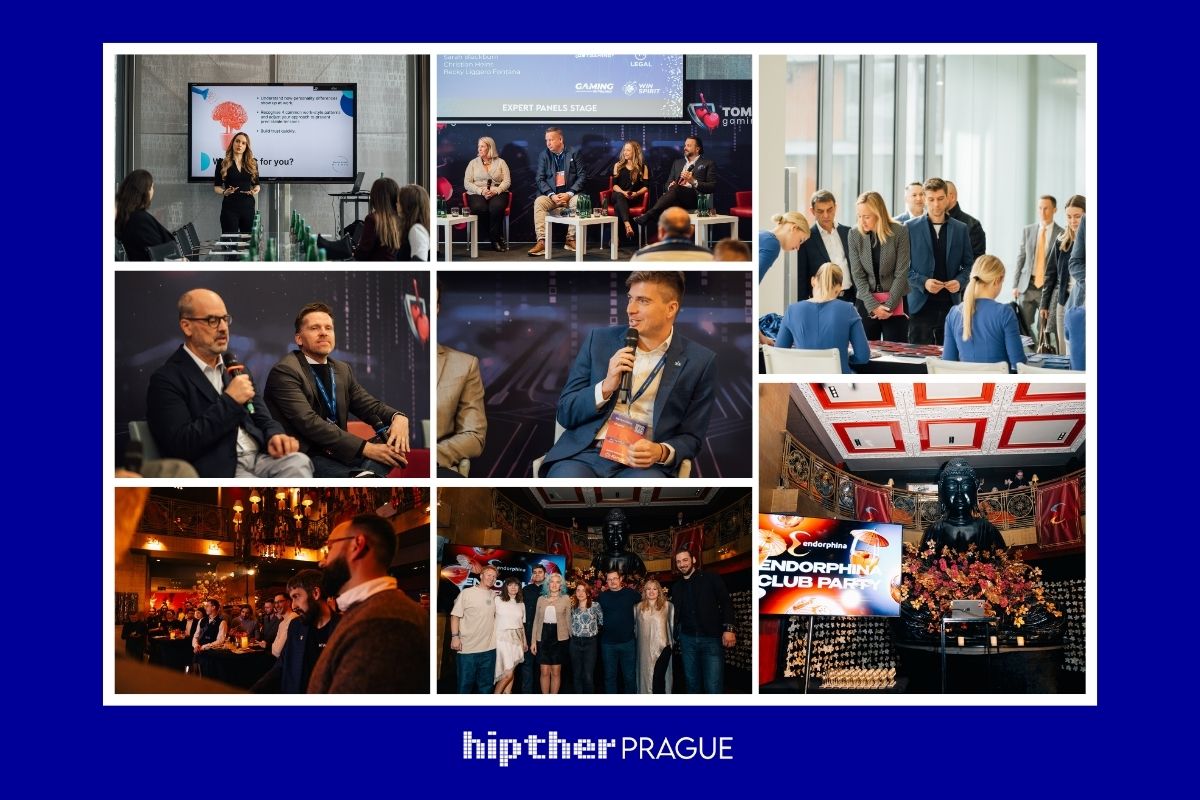
The HIPTHER Prague Summit 2026 has officially concluded, marking not only the end of another exceptional edition, but the celebration of a defining milestone: 10 Years of Impact.
Bringing together nearly 400 professionals from across iGaming, technology, fintech, compliance, AI, and blockchain, this year’s summit stood as the most ambitious and dynamic edition to date — two days of high-level insights, meaningful connections, hands-on learning, and unforgettable experiences.
From early-morning wellness sessions to late-night celebrations, HIPTHER Prague Summit 2026 delivered a complete, immersive industry experience — one that will be remembered as a benchmark moment for the European Gaming & Tech ecosystem.
A Summit Designed for Insight, Strategy & Real Connections
Held on 24–25 March 2026 at OREA Hotel Andel’s Prague, the summit once again proved why it remains a cornerstone event where technology, compliance, and innovation converge.
The 10th Anniversary edition expanded into its full-scale format featuring:
- Three core conference stages
- The hands-on HIPTHER Academy
- The GamingTECH CEE Awards 2026
- Curated networking experiences across every touchpoint
The result? A boutique, high-impact environment where conversations weren’t just happening — they were shaping the next decade of the industry.
Four Stages. One Unified Vision of the Future
The summit unfolded across four stages, bringing together compliance, regulation, business strategy, and innovation into one cohesive narrative. From regulatory deep dives and enforcement trends to cross-industry discussions spanning iGaming, fintech, AI, and media, the agenda balanced specialization with meaningful dialogue between operators, suppliers, and advisors.
A standout element was the dedicated Responsible Gaming & Player Safety focus on Day 2, curated by the Institute for Gambling Regulation (IPRH). This track placed player protection and sustainable industry growth at the forefront, addressing emerging risks, early detection mechanisms, and the need for greater cross-border regulatory alignment through expert-led panels and case-driven discussions.
Elevating the conference, the HIPTHER Academy further expanded the summit’s scope into a practical learning environment, offering hands-on workshops and certifications across AI, compliance, marketing, and leadership. With a clear emphasis on real-world application, the Academy positioned itself as a platform for professionals looking to strengthen both their expertise and strategic impact.
Networking: From Morning Energy to Nights of Excellence
At HIPTHER Prague Summit 2026, networking extended far beyond the conference floor, shaping the experience from early morning and delicious breaks, to late-night celebrations.
The days began with intention, from a calming yoga session on Day 1 to the Morning Networking Run on Day 2 — blending wellness, movement, and connection in true #hipthers style.
As evening fell, the spotlight turned to recognition and celebration. The GamingTECH CEE Awards 2026 honoured the industry’s standout performers, announced in the exciting Endorphina Club Party & Awards Ceremony at Buddha-Bar Prague. As the official Awards Ceremony & Party Sponsor, Endorphina delivered a premium networking experience where prestige met Asian culture and vibrant energy.
The momentum continued with the Closing Party at Reduta Jazz Club, while the now-traditional Unofficial Karaoke Afterparty added a final, memorable touch — proving once again that the strongest connections are often built beyond the stage.
Powered by Industry Leaders: Our Sponsors
The success of HIPTHER Prague Summit 2026 was made possible thanks to the incredible support of its partners and sponsors:
- Grand Stage Sponsor: Tom Horn Gaming
- Grand Quality & Compliance Sponsor: Gaming Laboratories International (GLI)
- Silver Sponsor & Badge/Bracelet Sponsor: Kanggiten
- Awards Ceremony & Party Sponsor: Endorphina
- Lanyard Sponsor: DSTGAMING
- General Sponsors: Gaming in Poland, RM Legal, WinSpirit Casino
Their continued support reflects a shared commitment to advancing innovation, compliance, and collaboration across the industry.
A Decade of Impact — And the Next Chapter Begins
Under the theme “Decoding the Future: 10 Years of Impact,” the 2026 edition didn’t just celebrate the past — it set the tone for what comes next.
Zoltan Tündik – HIPTHER Co-Founder & Head of Business stated: “Reaching the 10-year milestone with the HIPTHER Prague Summit is a proud moment of reflection for us. With 19 years of navigating the ever-evolving media and news landscape, we have seen firsthand how vital authentic connection is to industry progress. This edition was a celebration of a decade of impact, but it was also a launchpad for our next chapter. Over the next five years, our focus is on consolidation. We are deepening our roots in the CEE, D-A-CH, Baltic, and Nordic regions. However, we aren’t standing still. We are thrilled to announce the upcoming launch of the HIPTHER Balkans Summit in 2027, and we are keeping a very close watch on North America. The market there is ripe for the unique ‘HIPTHER-style’ of boutique, high-value networking, and I suspect we may have some surprises in store for that region very soon.”
Get ready for the next great chapter starting next year — Save the Date & Join us: 23–24 March 2027
Over the last decade, HIPTHER Prague Summit has grown into a trusted platform for knowledge-sharing, cross-border dialogue, and real business connections, bringing together regulators, operators, innovators, and decision-makers shaping the future of Gaming & Tech .
And if this edition proved anything, it’s that the next decade will be even bigger.
The post HIPTHER Prague Summit 2026 Becomes History: 400 Industry Leaders Celebrate 10 Years of Impact in a Landmark Edition appeared first on Eastern European Gaming | Global iGaming & Tech Intelligence Hub.
DigerPAM
Digicode Launches DigerPAM: A Next-Generation Player Account Management System for iGaming Operators
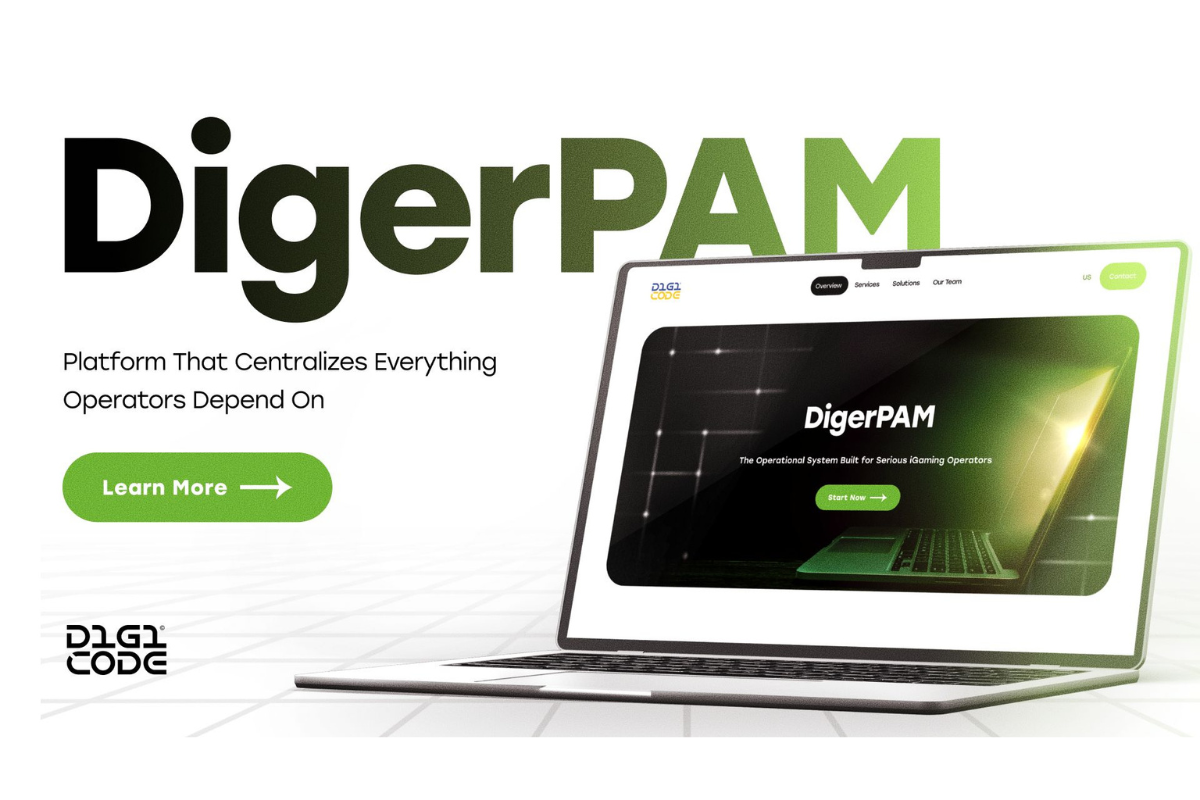
International software provider Digicode has unveiled DigerPAM, an enterprise-grade Player Account Management (PAM) system designed to serve as the operational backbone for modern iGaming operators. DigerPAM integrates core account management, CRM, compliance, promotions, analytics, and growth workflows into a single, scalable platform, giving operators full visibility, control, and performance across their brands and player base.
Built for operational excellence and regulatory compliance
Engineered for operators navigating complex regulations and multi-brand strategies, DigerPAM centralises every player interaction—from acquisition and registration to lifecycle engagement and retention—within one intelligent framework.
Key capabilities include:
- Unified operational core: Manage player profiles, wallets, CRM, bonus engines, content, compliance workflows, and reporting seamlessly from a single system.
- Full lifecycle oversight: Track and engage players from first interaction to lifetime value with real-time behavioural insights and segmentation.
- Built-in compliance and reporting: Optional KYC/identity verification, responsible gaming tools, immutable tax logs, and regulatory reporting across jurisdictions.
- Modular, scalable architecture: Cloud-agnostic microservices built for high-traffic, multi-currency operations and rapid provider integration.
- Optional suite integrations: Full compatibility with Digicode’s ecosystem, including DigerRGS, DigerPay, DigerClick, and DigerCompanion, to expand platform functionality.
A solution for modern iGaming realities
DigerPAM supports both standalone operations and complex multi-brand ecosystems, giving operators actionable insights into player behaviour, campaign performance, compliance readiness, and key business KPIs—all without relying on fragmented legacy systems.
“Operators today need a unified engine that not only manages accounts but drives growth with intelligence and compliance at its core,” said Max Maslii, Global CEO at Digicode. “DigerPAM delivers a single, cohesive view across the player lifecycle, eliminates operational fragmentation, and empowers brands to scale confidently.”
The post Digicode Launches DigerPAM: A Next-Generation Player Account Management System for iGaming Operators appeared first on Eastern European Gaming | Global iGaming & Tech Intelligence Hub.
Latest News
Sporting Risk Extends Sportradar’s Agreement to Deliver Player Markets Across 50 Soccer Competitions

Sporting Risk, the sports analytics company specializing in predictive models for market-leading pricing and betting content, has announced the extension of its soccer distribution agreement with Sportradar Group AG.
Sporting Risk’s team and player stat markets are now accessible to Sportradar’s global network of 800 sportsbook operator clients via the Unified Odds Feed (UOF). Covering up to 50 pre-match competitions and 24 in-play competitions, the extensive player market coverage and combinability enhances Sportradar’s existing soccer portfolio. This portfolio already includes exclusive betting data agreements with AFC, Bundesliga, CONMEBOL, CONCACAF, CAF, MLS, and UEFA, offering operators a comprehensive, standout soccer betting experience.
For the upcoming World Cup, Sporting Risk will expand its offering to include 100+ player markets, spanning singles, head-to-head, micro markets, and multis, ensuring players have a wide range of betting opportunities.
Sporting Risk’s solutions are designed for real-time engagement, delivering fast, relevant, and entertaining betting options that align with player behaviour and market demand.
Andy Phillips, CBDO at SportingRisk.com, said:
“We’re thrilled to extend our partnership with Sportradar and reach its unmatched operator network. With the World Cup on the horizon, it’s the perfect time to enhance our offering for the tournament. Together, we’re redefining how player data and analytics power the next generation of betting experiences.”
Karl Danzer, SVP Business Development, Sports Content at Sportradar, added:
“Partnering with Sporting Risk ensures our operator clients have access to a market-leading soccer portfolio, helping drive engagement with the world’s most popular sport.”
The post Sporting Risk Extends Sportradar’s Agreement to Deliver Player Markets Across 50 Soccer Competitions appeared first on Eastern European Gaming | Global iGaming & Tech Intelligence Hub.

-

 Betnacional6 days ago
Operational Leadership and the Driving Force Behind LatAm’s Largest Event
-
Australia6 days ago
NSW: More Than 650 Gaming Machine Exemptions Revoked to Address Gambling Harm
-
Compliance Updates6 days ago
UK Government proposals to undermine the ‘aim to permit’ of the Gambling Act 2005?
-
2026 SPiCE South Asia Awards6 days ago
QTech Games wins Innovation of the Year at the 2026 SPiCE South Asia Awards
-
Andrea Rossi7 days ago
REEVO Goes Live with Betsson in Brazil
-
BIS SIGMA SOUTH AMERICA 20265 days ago
VeliTech makes its Brazil debut at BiS SiGMA South America 2026
-
AMUSEBOX5 days ago
Casino Iveria Tbilisi Installs Amusnet’s Type S 50 F Slot Cabinets at its Gaming Floor
-
Canada5 days ago
Peter & Sons Goes Live in Ontario with Ellipse Entertainment