Latest News
Steve Parkinson joins The National Lottery as Brand and Marketing Director

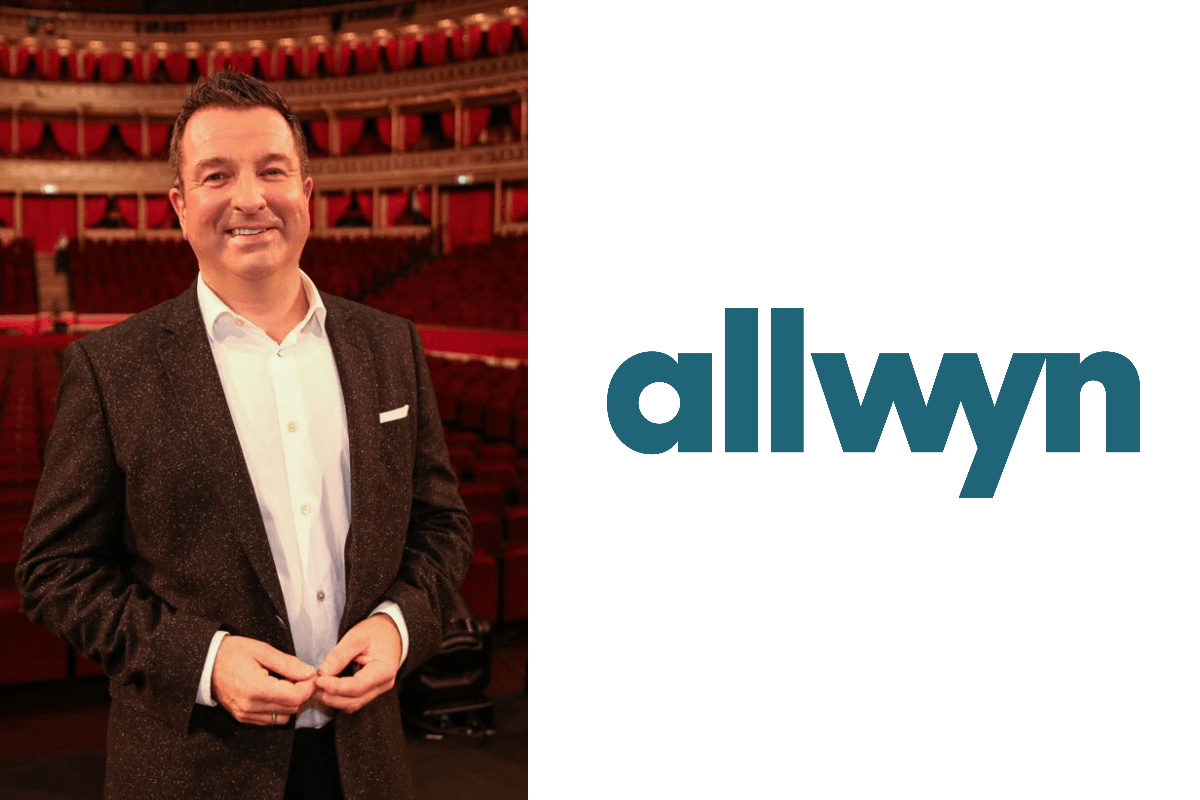
Incoming National Lottery operator, Allwyn UK, announced that Steve Parkinson has been appointed as its new Brand and Marketing Director.
Steve joins Allwyn from Bauer Media, where he held senior marketing and business leadership roles, including overseeing the growth and brand development of Kiss, Magic, Absolute Radio, Jazz FM, Planet Rock and more. He also has extensive experience in leading post-acquisition integrations. Most recently, Steve was head of Strategic Partnerships and Events for Bauer, where he was also the executive lead for its national charity, Cash for Kids.
Prior to this, Steve was Marketing and Brand Director at EMAP, where he managed a portfolio of consumer brands across multiple channels, as well as a roster of creative and media agencies. This followed almost a decade at Chrysalis plc where he held senior roles, including Managing Director and Marketing Director for the Heart, Galaxy and LBC brands, as well as the wider group. Steve brings with him a wealth of experience in transforming brands, with extensive knowledge of media partnerships and creative production in a constantly evolving media landscape.
Steve commented: “I’m delighted to be joining Allwyn at such an important time as we approach the start of the fourth National Lottery licence period. The National Lottery is a huge part of UK life and contributes so much to society through Good Causes funding – so to come on board at the very beginning of a new era, with a new operator, is incredibly exciting.”
Current incumbent Ivor Burns will be stepping down in April to take a well-deserved career break after 14 years with The National Lottery. Leading an award-winning team, he has made a fantastic contribution to The National Lottery, delivering highly effective integrated marketing campaigns with consumers and integrity at their core.
Allwyn’s Chief Commercial Officer Lucy Buckley, commented: “In Steve, we have appointed a proven marketing leader who has been integral to the development and growth of key media brands. We’re excited about what he can bring to Allwyn and The National Lottery, with his wealth of experience in senior marketing roles.
“We’re hugely grateful to Ivor for everything he’s done for The National Lottery and would like to thank him for his enormous contribution. We’ll continue to benefit from his expertise right up until April as he hands over the reins to Steve – but he leaves The National Lottery’s brands in great shape.”
Steve’s appointment comes as Allwyn looks to evolve The National Lottery over the next decade. This has already seen a number of key marketing and media agency appointments, with Hearts & Science taking on the role of media agency, and Leo Burnett and VCCP selected as joint creative advertising agencies. Together, they will help deliver Allwyn’s vision for the future: growing The National Lottery in a safe and responsible way by increasing its relevance and introducing its range of games to new audiences responsibly– enabling it to return even more money to Good Causes.







New software option replaces standard table announcements across cash games, tournaments and formats including All-In or Fold and Spin & Gold.
GGPoker on July 9, 2026 announced Action Voice, a new software feature that lets players replace standard table announcements with voice packs recorded by poker personalities, including Doyle Brunson.
The initial lineup named by the operator includes ten-time WSOP bracelet winner Doyle Brunson, Daniel Negreanu, Michael “The Grinder” Mizrachi and Kevin Martin, with additional voices “to be confirmed in the near future.”
Action Voice is available now across GGPoker’s product offering, including cash games, tournaments and formats such as All-In or Fold and Spin & Gold. Players can select voice packs in the desktop client via ‘My Page’ and then ‘My Action Voice’.
“Doyle Brunson may not be at the tables in the way that he used to, but his voice still can be,” said Sarne Lightman, Managing Director of GGPoker. “Action Voice is our way of keeping the legends who built this game part of the everyday experience – right alongside the players carrying it forward today, like Daniel and Michael. It’s a unique and fun new element to our software, and we can’t wait to reveal the rest of the lineup soon.”
GGPoker said more Action Voice packs will be announced in the coming weeks as it rolls out the full roster.
The post GGPoker adds Action Voice packs featuring Doyle Brunson and other pros appeared first on EE Gaming | Global iGaming & Tech Intelligence Hub.


GGPoker introduces Action Voice, letting players hear poker icons – including Doyle Brunson, Daniel Negreanu, Michael “The Grinder” Mizrachi and more – call their action at the tables
GGPoker, the World’s Biggest Poker Room, today unveiled Action Voice, a unique feature that gives players the option to replace GGPoker’s standard table announcements with those voiced by some of poker’s most iconic figures. For the first time, players can bet, raise, call, and fold to the voice of ten-time WSOP bracelet winner and back-to-back Main Event champion Doyle Brunson – alongside a growing roster of legends including Daniel Negreanu, Michael “The Grinder” Mizrachi, Kevin Martin, and additional names to be confirmed in the near future.
Action Voice is now available to all GGPoker players, who can select their preferred voice pack in the GGPoker software and hear it call their action while playing their favorite GGPoker games, including cash games, tournaments, and exclusive formats such as All-In or Fold and Spin & Gold.
“Doyle Brunson may not be at the tables in the way that he used to, but his voice still can be,” said Sarne Lightman, Managing Director of GGPoker. “Action Voice is our way of keeping the legends who built this game part of the everyday experience – right alongside the players carrying it forward today, like Daniel and Michael. It’s a unique and fun new element to our software, and we can’t wait to reveal the rest of the lineup soon.”
To select a new voice from within the desktop software, click on ‘My Page’, then ‘My Action Voice’. Choose your preferred voice by selecting the avatar, click ‘Apply’ and you are ready to hit the tables!
Additional voices will be revealed in the coming weeks as GGPoker rolls out the full Action Voice roster.
The post The Godfather Of Poker Returns To The Table: Doyle Brunson’s Voice Comes To GGPoker appeared first on Americas iGaming & Sports Betting News.
Haaland
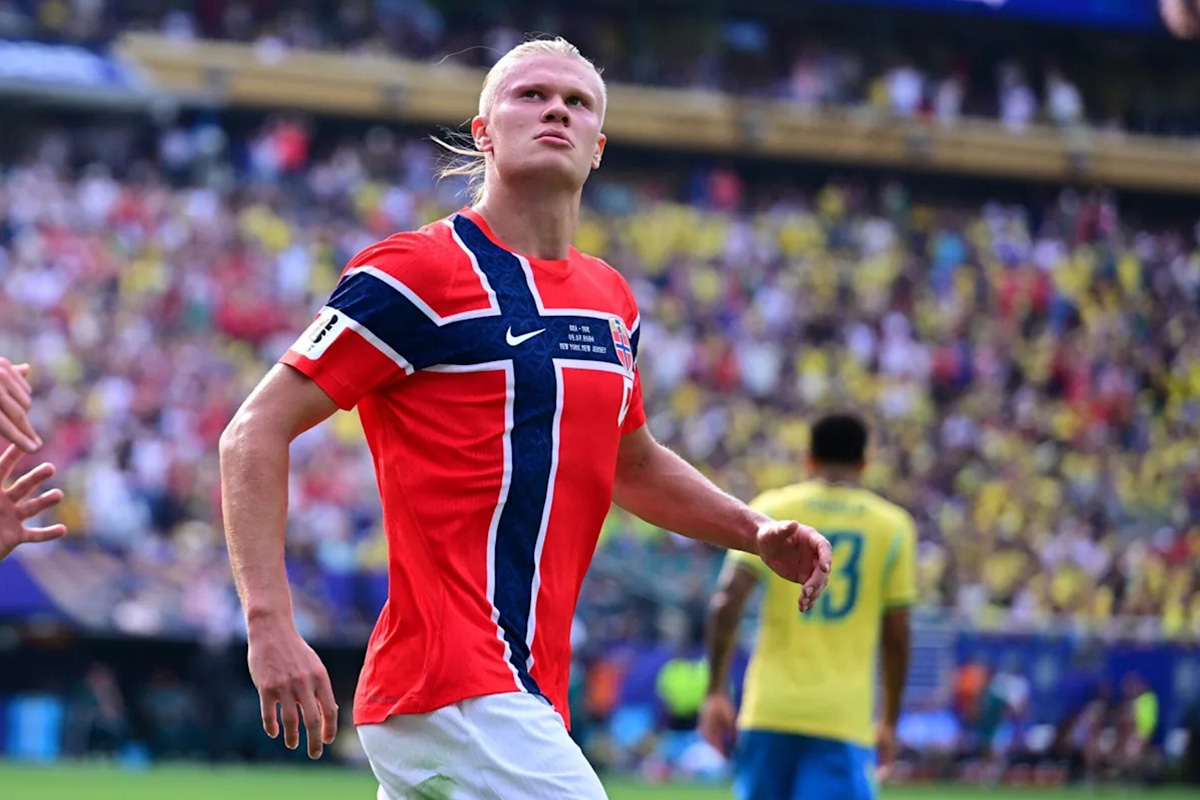
International bettors back Haaland’s Norway to beat England in World Cup Quarter Final Clash

Kaizen Gaming shares Betano users’ predictions on teams heading to the World Cup semi-finals
As the World Cup moves into the last eight stage, Kaizen Gaming unveils exclusive proprietary data from its Betano platform, which reveals Argentina, Norway, Spain and France as the most backed teams by users globally to progress into the semi-finals.
Predicting the teams to qualify to the semi-finals (selections from the “To Qualify” market):
- Norway backed by 75% of users to qualify over England
- Argentina favoured by 80% of users to win over Switzerland
- Spain narrowly predicted to come out on top over Belgium with 55% of users’ bets
- France has been selected by 67% of users to pass through Morocco
With regards to two of the biggest surprises of the tournament this far, Brazil’s defeat to Norway and Germany’s elimination by Paraguay, it seems that for Betano users the shock wasn’t that big. In fact, 42% of users had seen Paraguay’s qualification coming, and 45% had predicted Norway getting through Brazil to reach the quarterfinals.
*The data shared has been extracted on the morning of July 8, 2026 from across 18 markets, excluding the UK. The international data sources may vary according to betting option availability per market.
The post International bettors back Haaland’s Norway to beat England in World Cup Quarter Final Clash appeared first on EE Gaming | Global iGaming & Tech Intelligence Hub.

-

 Latest News6 days ago
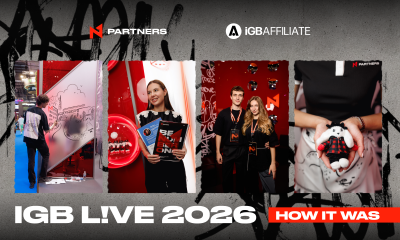
N1 Partners at iGB L!VE 2026: Bringing Together Affiliates, Art and Innovation
-
Affiliate Industry6 days ago
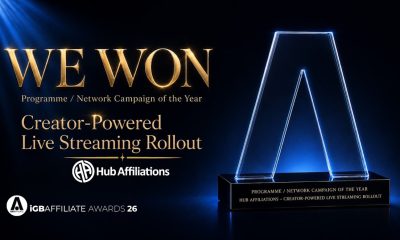
Hub Affiliations Triumphs at the iGB Affiliate Awards 2026: Winner of Programme/Network Campaign of the Year
-
Austria7 days ago
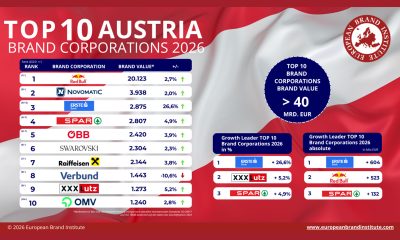
Austrian Brand Value Study: NOVOMATIC Defends Top Ranking
-
Africa7 days ago
PopOK Gaming sponsors Botswana’s TT Cup Challenge horse racing event
-
Betsson CEO Pontus Lindwall7 days ago
Gaming in the Nordics launch event sets annual Copenhagen conference from 2027
-
Amusnet7 days ago
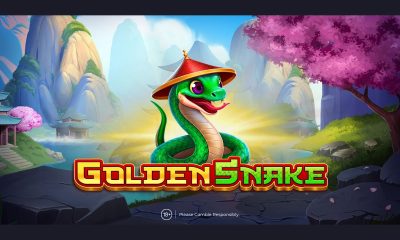
Amusnet Releases its Latest Video Slot “Golden Snake”
-
Azerbaijani Parliament7 days ago
Azerbaijan to Impose Tougher Penalties for Illegal Online Gambling
-
Amusnet7 days ago
Weekend Reels | Week 27: Slot Drops & Trends