Gambling
Jackpot Alert | Caesars Palace and Paris Las Vegas

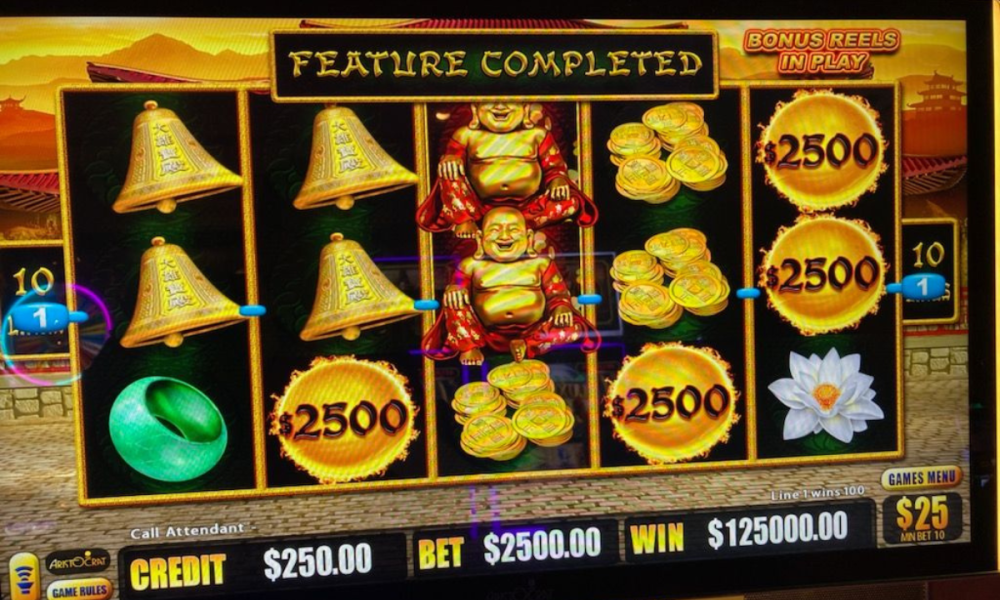
- On Saturday, Nov. 18 at 6 p.m., a visiting Caesars Rewards® member won $195,975.
- On Sunday, Nov. 19 at 2 a.m., another Caesars Rewards® member won $100,000.
- On Sunday, Nov. 19 at 5 p.m., an additional six-figure jackpot worth $167,562 was awarded to a Caesars Rewards® member visiting during race weekend.
- On Sunday, Nov. 19 at 8 p.m., a Caesars Rewards® member hit a Major jackpot for $59,666 playing Face Up Pai Gow Poker at Paris Las Vegas.












“En el mercado regulado de apuestas sentí que estaba intentando nadar en un océano dominado por tiburones. En el mercado de predicciones, estamos ayudando a construir el propio océano.” (C.S)
El mercado de predicciones comienza a ganar espacio en Brasil en un momento de transformación para la industria del gaming y los productos digitales basados en probabilidades.
Aunque todavía es un concepto incipiente en el país, y contradictorio en países vecinos, este modelo, que combina elementos de mercados financieros, tecnología y comportamiento del usuario, ya ha demostrado su potencial en otras regiones al ofrecer estimaciones colectivas sobre eventos futuros.
Sin embargo, su avance ha sido conflictivo en América Latina.
En mercados como Argentina, por ejemplo, está enfrentado restricciones e incluso prohibiciones, en medio de debates regulatorios sobre su naturaleza y su posible similitud con las apuestas tradicionales.
En este contexto, Brasil aparece como un terreno aún en definición, donde la reciente regulación de las apuestas deportivas abre espacio para discutir nuevos formatos digitales basados en probabilidades.
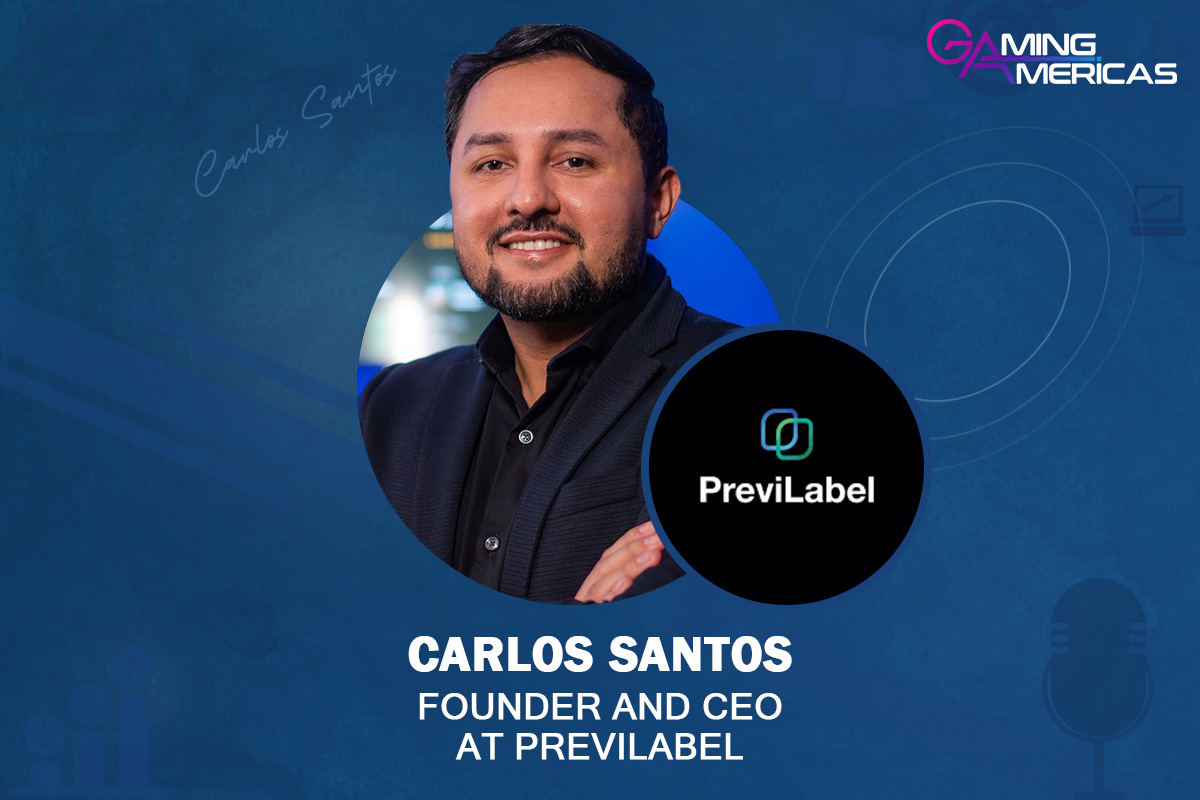
Es en este escenario donde surge la figura de Carlos Santos, CEO y uno de los impulsores de este segmento en el mercado brasileño con el lanzamiento de Previlabel.
Con experiencia previa en el ecosistema de apuestas, Santos decidió dar un paso más allá del modelo tradicional para apostar por la construcción de una nueva categoría en el país: los mercados de predicción.
A través de su visión y su proyecto, el ejecutivo busca no solo introducir este concepto en Brasil, sino también desarrollar la infraestructura tecnológica necesaria para que nuevos operadores y empresas puedan formar parte de este ecosistema emergente.
En esta entrevista, Carlos Santos analiza el potencial del mercado de predicciones en Brasil, los desafíos de su desarrollo y las oportunidades que pueden definir el futuro de este segmento en la región.
¿El mercado de predicciones aún es poco conocido en Brasil. ¿Cómo explicaría este concepto a alguien que nunca ha oído hablar de él?
Los mercados de predicción son plataformas donde las personas negocian probabilidades sobre eventos futuros.
En lugar de simplemente apostar por un resultado, los usuarios compran o venden posiciones basadas en la probabilidad de que algo ocurra.
El precio de estas posiciones termina reflejando lo que el mercado cree que es la probabilidad de ese evento.
Por eso, muchos describen este modelo como una especie de bolsa de valores de probabilidades, donde la información, la opinión y el dinero se combinan para formar una estimación colectiva del futuro.
¿Por qué cree que Brasil puede convertirse en un mercado relevante para plataformas de predicción?
Brasil tiene varios factores que favorecen este tipo de mercado. En primer lugar, es un país altamente conectado digitalmente y con una gran adopción de nuevas tecnologías financieras.
En segundo lugar, existe una cultura muy fuerte en torno a los deportes y a los eventos públicos, lo que genera naturalmente interés por las predicciones.
Además, la reciente regulación de las apuestas deportivas ha abierto espacio para nuevas discusiones sobre productos relacionados con probabilidades y mercados digitales.
El país acaba de regular las apuestas deportivas. ¿Los mercados de predicción son una evolución natural de esto o una industria diferente?
Están relacionados, pero no son exactamente lo mismo.
En las apuestas deportivas tradicionales, las probabilidades son definidas por la casa de apuestas.
En los mercados de predicción, en cambio, son los propios usuarios quienes forman esas probabilidades al negociar posiciones entre sí.
Esto crea una dinámica más cercana a un mercado financiero, donde el precio cambia a medida que surgen nuevas informaciones y las personas ajustan sus expectativas.
¿Cuáles son los principales tipos de eventos que podrían volverse populares en este mercado en Brasil?
El deporte probablemente será el punto de entrada más natural, ya que existe una gran base de usuarios interesados en este tipo de eventos.
Pero con el tiempo, estos mercados pueden expandirse hacia áreas como política, economía, entretenimiento e incluso tecnología.
En otros países ya existen mercados de predicción sobre elecciones, indicadores económicos y grandes eventos globales.
Esto demuestra que el modelo tiene potencial para ir más allá del entretenimiento.
¿Existe el riesgo de que el mercado de predicciones sea confundido con las apuestas tradicionales?
Sí, especialmente al inicio.
Como ambos involucran dinero y probabilidades, es natural que exista cierta confusión. Sin embargo, la diferencia está en la dinámica del mercado.
En las plataformas de predicción, los usuarios pueden negociar probabilidades y reaccionar ante nueva información, lo que hace que el sistema sea más parecido a un mercado financiero que a una apuesta tradicional.
Con el tiempo, a medida que el público entienda mejor el funcionamiento, esta distinción tenderá a ser más clara.
En el exterior, las plataformas de predicción ya existen desde hace tiempo. ¿Qué puede aprender Brasil de estas experiencias?
La principal lección es que estos mercados funcionan mejor cuando hay transparencia, liquidez y reglas claras de operación.
Las experiencias internacionales muestran que, cuando están bien estructurados, los mercados de predicción pueden generar estimaciones bastante precisas sobre eventos futuros. Sin embargo, también ha quedado claro que es fundamental contar con mecanismos de integridad y un entorno regulatorio que acompañe la innovación.
Brasil tiene la ventaja de poder observar estos ejemplos y adaptar las mejores prácticas a su propio contexto.
¿Qué le hizo mirar hacia los mercados de predicción en lugar de continuar únicamente en el mercado tradicional de apuestas?
Durante el último SBC en Lisboa tuve un momento muy claro de reflexión sobre el mercado. Me di cuenta de que estaba intentando competir en un entorno extremadamente difícil para empresas nuevas: enfrentar directamente a gigantes ya consolidados en el sector de apuestas.
El mercado regulado de apuestas en Brasil es altamente competitivo y está dominado por empresas con gran capital. Es como intentar nadar junto a tiburones en un océano que ya les pertenece.
Fue entonces cuando entendí que tal vez la oportunidad no era competir en ese mercado de la forma tradicional, sino participar en la construcción de una nueva categoría dentro del sector. El mercado de predicciones aún está en sus inicios en Brasil, lo que abre espacio para la innovación, la tecnología y el liderazgo.
Percibí que podía aprovechar toda la experiencia adquirida en el sector de apuestas para ayudar a estructurar este nuevo momento del mercado en el país.
¿Cuál fue el momento en que decidió convertir esto en un negocio?
Cuando regresé a Brasil después del SBC Lisboa, mi visión de negocio cambió completamente.
Comencé a estudiar más profundamente el mercado de predicciones y entendí que no era solo una tendencia global, sino también una oportunidad real para construir infraestructura en este sector en Brasil.
A partir de esta visión, iniciamos una asociación con Brasil Bitcoin, aprovechando toda su experiencia en Web3 e infraestructura digital para desarrollar esta tecnología.
La idea fue combinar esa experiencia en blockchain con nuestra visión de producto y mercado, creando una base tecnológica capaz de aportar más competitividad e innovación a este nuevo segmento.
¿Cuáles fueron los mayores desafíos al comenzar en este sector?
El principal desafío fue construir la tecnología.
Los mercados de predicción requieren una infraestructura muy específica, que incluye sistemas de negociación de probabilidades, liquidez, gestión de eventos y mecanismos de integridad.
Como este mercado aún es muy nuevo en Brasil, prácticamente no existían soluciones listas adaptadas a la realidad local. Esto exigió un gran esfuerzo de desarrollo para crear una tecnología sólida capaz de sostener el crecimiento de este ecosistema.
¿El público brasileño está preparado para entender y utilizar los mercados de predicción?
Creo que sí. El brasileño ya ha demostrado una gran capacidad de adaptación a nuevos productos digitales.
Basta observar el crecimiento de las apuestas deportivas, las criptomonedas y las plataformas financieras en los últimos años.
Cuando el modelo se explica bien y la experiencia es simple, la adopción tiende a ocurrir rápidamente.
¿Qué hace exactamente Previlabel dentro de este mercado?
Previlabel es una empresa de tecnología enfocada en infraestructura para mercados de predicción.
Desarrollamos la tecnología que permite a emprendedores crear sus propias plataformas de predicción y construir negocios dentro de este nuevo segmento que está comenzando a surgir en Brasil.
Nuestro objetivo es facilitar la entrada de nuevos operadores en este mercado.
Ustedes no operan solo una plataforma — venden tecnología para quienes quieren crear la suya. ¿Cómo funciona este modelo?
Exactamente.
Previlabel funciona como un proveedor de tecnología para este mercado. En lugar de operar una única plataforma, desarrollamos la infraestructura que los operadores pueden utilizar para lanzar sus propias marcas dentro del mercado de predicciones.
Esto permite que emprendedores y empresas ingresen en este sector de forma mucho más rápida, sin necesidad de desarrollar toda la tecnología desde cero.
¿Cree que veremos muchas plataformas de predicción surgir en Brasil en los próximos años?
Creo que esto ocurrirá muy rápidamente. En los próximos meses ya deberíamos ver varias plataformas emergiendo en Brasil.
Históricamente, el país siempre ha atraído nuevos modelos de negocio digitales debido al tamaño del mercado y al alto nivel de adopción tecnológica.
Cuando surge un nuevo segmento prometedor, Brasil suele convertirse en uno de los principales mercados de experimentación.
¿Existe una especie de “carrera” para crear el primer gran mercado de predicción brasileño?
Sí, esto es algo natural en cualquier industria naciente.
Cuando un nuevo mercado comienza a formarse, siempre existe una competencia inicial entre empresas para ver quién logra posicionarse primero y convertirse en referencia.
Probablemente estamos en el inicio de este proceso en Brasil, y quien consiga construir una tecnología sólida, ganar la confianza del público y escalar primero tendrá una ventaja muy importante.
The post Los mercados de predicción ganan terreno en Brasil con la entrada de Previlabel appeared first on Americas iGaming & Sports Betting News.
The prediction market is beginning to gain traction in Brazil at a time of transformation for the gaming industry and probability-based digital products.
Although it is still an emerging concept in the country, and a controversial one in neighboring markets, this model, which combines elements of financial markets, technology, and user behavior, has already demonstrated its potential in other regions by offering collective estimations of future events.
However, its development has been uneven across Latin America.
In markets such as Argentina, for example, it has faced restrictions and even bans, amid regulatory debates over its nature and its possible similarity to traditional betting.
In this context, Brazil emerges as a market still in formation, where the recent regulation of sports betting opens the door to discussions around new probability-based digital formats.
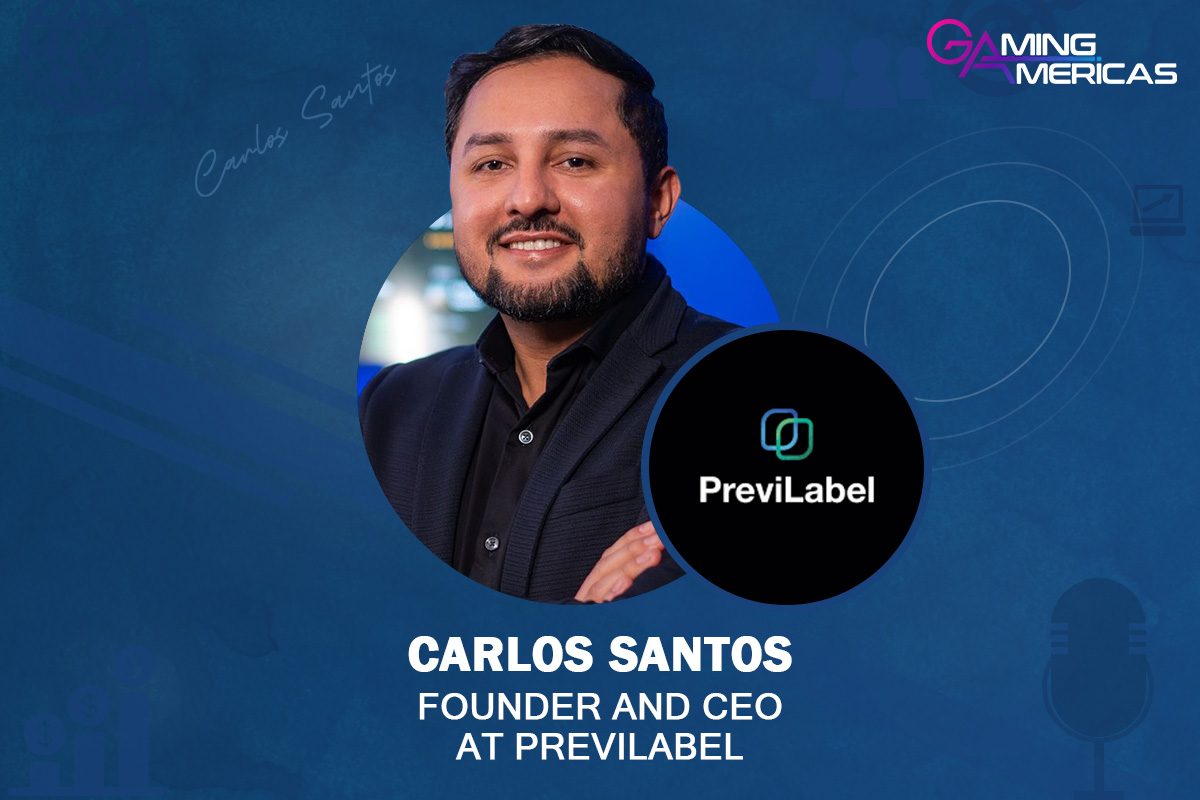
It is in this scenario that the figure of Carlos Santos emerges, CEO and one of the promoters of this segment in the Brazilian market with the launch of Previlabel.
With prior experience in the betting ecosystem, Santos chose to move beyond the traditional model and focus on building a new category in the country: prediction markets.
Through his vision and his project, the executive aims not only to introduce this concept in Brazil, but also to develop the technological infrastructure needed for new operators and companies to participate in this emerging ecosystem.
In this interview, Carlos Santos discusses the potential of prediction markets in Brazil, the challenges of their development, and the opportunities that could shape the future of this segment in the region.
Prediction Markets in Brazil
The prediction market is still relatively unknown in Brazil. How would you explain this concept to someone who has never heard of it?
Prediction markets are platforms where people trade probabilities about future events. Instead of simply betting on an outcome, users buy or sell positions based on the likelihood of something happening.
The price of these positions ultimately reflects what the market believes is the probability of that event.
That’s why many people describe this model as a kind of stock exchange for probabilities, where information, opinion, and money come together to form a collective estimate of the future.
Why do you believe Brazil could become a relevant market for prediction platforms?
Brazil has several factors that strongly support this type of market.
First, it is a highly digitally connected country with strong adoption of new financial technologies. Second, there is a strong cultural interest in sports and public events, which naturally drives interest in predictions.
Additionally, the recent regulation of sports betting has opened the door to discussions around products related to probabilities and digital markets.
The country has just regulated sports betting. Are prediction markets a natural evolution of this, or a different industry?
They are related, but not exactly the same. In traditional sports betting, probabilities are set by the bookmaker. In prediction markets, however, users themselves create those probabilities by trading positions with each other.
This creates a dynamic closer to a financial market, where prices change as new information emerges and as people adjust their expectations.
What types of events do you believe could become popular in this market in Brazil?
Sports will likely be the most natural entry point, as there is already a large audience interested in this type of content.
But over time, these markets can expand into areas such as politics, economics, entertainment, and even technology.
In other countries, prediction markets already exist around elections, economic indicators, and major global events.
This shows that the model has the potential to go beyond entertainment.
Is there a risk that prediction markets could be confused with traditional betting?
Yes, especially in the early stages. Since both involve money and probabilities, some confusion is natural. However, the key difference lies in the market dynamics.
In prediction platforms, users can trade probabilities and react to new information, making the system closer to a financial market than a traditional bet.
Over time, as users better understand how it works, this distinction tends to become clearer.
Abroad, prediction platforms have existed for some time. What can Brazil learn from these experiences?
The main lesson is that these markets work best when there is transparency, liquidity, and clear operational rules.
International experiences show that, when well structured, prediction markets can generate highly accurate estimates of future events.
However, they also highlight the importance of integrity mechanisms and a regulatory environment that keeps pace with innovation.
Brazil has the advantage of being able to observe these examples and adapt best practices to its own context.
What made you look at prediction markets instead of continuing only in the traditional betting industry?
At the last SBC in Lisbon, I had a very clear moment of realization about the market.
I understood that I was trying to compete in a very difficult environment for new companies, going directly against well-established giants in the betting sector.
The regulated betting market in Brazil is extremely competitive and dominated by companies with significant capital.
It’s like trying to swim alongside sharks in an ocean that already belongs to them.
That’s when I realized that the opportunity might not be to compete in that market in the traditional way, but rather to help build a new category within the industry.
Prediction markets are still at an early stage in Brazil, which creates space for innovation, technology, and leadership.
I saw that I could bring all the knowledge I developed in the betting sector to help structure this new phase of the market in the country.
When did you decide to turn this into a business?
When I returned to Brazil after SBC Lisbon, my business perspective changed completely.
I began studying prediction markets more deeply and realized that this was not just a global trend, but also a real opportunity to build infrastructure for this sector in Brazil.
From that point, we started a partnership with Mercado Bitcoin, leveraging the company’s expertise in Web3 and digital infrastructure to develop this technology.
The idea was to combine this blockchain experience with our product and market vision, creating a technological foundation capable of bringing more competitiveness and innovation to this new segment.
What were the biggest challenges when starting in this sector?
The main challenge was building the technology.
Prediction markets require very specific infrastructure, including probability trading systems, liquidity management, event handling, and integrity mechanisms.
Since this is still a very new market in Brazil, there were virtually no ready-made solutions adapted to the local reality.
This required a significant development effort to build a robust technology capable of supporting the growth of this ecosystem.
Is the Brazilian public ready to understand and use prediction markets?
I believe so. Brazilians have already demonstrated a strong ability to adapt to new digital products.
Just look at the growth of sports betting, cryptocurrencies, and financial platforms in recent years.
When the model is well explained and the user experience is simple, adoption tends to happen quickly.
What exactly does Previlabel do within this market?
Previlabel is a technology company focused on infrastructure for prediction markets.
We develop the technology that allows entrepreneurs to create their own prediction platforms and build businesses within this new segment that is starting to emerge in Brazil.
Our goal is to make it easier for new operators to enter this market.
You don’t operate just one platform, you sell technology for others to build their own. How does this model work?
Exactly. Previlabel operates as a technology provider for this market. Instead of running a single platform, we develop the infrastructure that operators can use to launch their own brands within the prediction market space.
This allows entrepreneurs and companies to enter the sector much faster, without needing to build the entire technology from scratch.
Do you believe we will see many prediction platforms emerging in Brazil in the coming years?
I believe this will happen very quickly. In the coming months, we should already see several platforms emerging in Brazil.
Historically, the country has always attracted new digital business models due to the size of its market and the high level of technological engagement.
When a promising new segment appears, Brazil often becomes one of the main markets for experimentation.
Is there a kind of “race” to create the first major Brazilian prediction market?
Yes, this is natural in any emerging industry.
When a new market begins to take shape, there is always an initial competition between companies to see who can position themselves first and become a reference.
We are likely at the beginning of this process in Brazil, and those who manage to build solid technology, gain user trust, and scale quickly will have a significant advantage.
The post Prediction Markets Gain Ground in Brazil as Previlabel Enters the Market appeared first on Americas iGaming & Sports Betting News.
Argentina
iGaming LATAM: SAGSE Leads the Agenda as Regulation Tightens and Operators Expand in Brazil
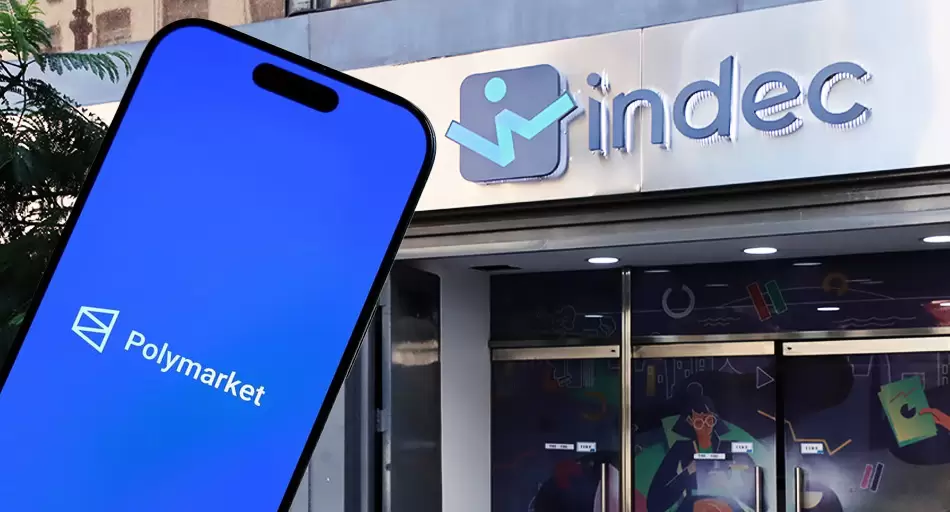
The iGaming industry in Latin America is experiencing an especially intense week — from Buenos Aires consolidating its position as a regional hub with SAGSE to regulatory movements that could completely reshape the Brazilian market.
At the same time, operators continue to expand their presence and strategies in the country, with Betnacional and Superbet standing out.
SAGSE reinforces its leadership and positions Buenos Aires as a gaming hub in Latin America
The main highlight of the week is, without a doubt, the latest edition of SAGSE (South American Gaming Suppliers Expo), one of the most traditional and relevant events in the Latin American gaming industry.
Held at the Hilton Buenos Aires in Puerto Madero — one of the city’s most strategic and sophisticated districts — the event once again positions itself as a key meeting point for executives, operators, and industry suppliers.
Since 1992, SAGSE has built its reputation as a true business hub. With over 30 editions, it has become a high-level networking platform where companies, technology, and strategic decision-making converge.
The most recent edition further reinforced this positioning.
According to Alan Burak, Vice President of Monografie — the company behind SAGSE — the overall assessment was highly positive:
“The show has been highly positive across all fronts.”
Attendance growth was one of the key indicators of success.
The event recorded a 25% increase compared to the previous year, reaching approximately 3,500 participants.
However, beyond volume, the quality of the audience stood out.
With more than 60% international attendees and a strong presence of C-level executives and decision-makers, SAGSE reinforces its profile as a business-driven event focused on high-value networking.
Over the two days, representatives from key markets such as Brazil, Chile, Colombia, Mexico, Peru, and the Caribbean are participating, reflecting the growing integration of the Latin American ecosystem.
Another key highlight is the curated selection of exhibitors.
With more than 300 companies involved, the event showcases a comprehensive ecosystem that includes:
- sports betting operators
- technology providers
- payment solutions (including crypto and cashless)
- affiliate platforms
- retention and marketing tools
- compliance and responsible gaming solutions
Content also plays a central role.
The conferences address key industry topics such as:
- regulation and compliance
- digital transformation
- new payment methods
- player protection
- the future of responsible gaming
This approach reinforces SAGSE’s positioning as more than just a trade show — it is a platform for education, analysis, and strategic direction.
The closed and exclusive format is another differentiator.
By limiting access to qualified professionals, SAGSE ensures an environment focused on meaningful connections and real business opportunities.
Ultimately, the event acts as a barometer for the market.
And the message is clear: Latin America continues to grow, but with increasing complexity and regulatory demands.
Regulation in Brazil: Pressure on the Growth Model
While SAGSE reflects the region’s potential, regulatory developments highlight the challenges — particularly in Brazil.
The focus is on Bill 1172/2026, introduced by Congresswoman Tabata Amaral, which proposes a total ban on betting advertising in the digital environment.
The measure covers:
- websites
- applications
- social media
- video platforms
If approved, the impact would be structural.
The current user acquisition model — heavily reliant on performance marketing and paid traffic — would be nearly dismantled.
Companies would have to rely exclusively on organic traffic.
This would effectively end:
- targeted advertising
- large-scale acquisition campaigns
- content boosting
- algorithm-driven strategies
Additionally, communication on owned channels would also be restricted.
The bill requires:
- warning messages
- financial risk alerts
- responsible gambling content
The justification is centered on public health.
The proposal references the World Health Organization (WHO), linking gambling advertising to debt and psychological disorders.
Government Opposes Total Ban
Despite legislative pressure, the Brazilian government has taken a different stance.
The Secretariat of Prizes and Betting (SPA) argues that a total ban could have the opposite effect.
According to the regulator, advertising is essential for distinguishing legal operators from illegal ones.
Without it, users could be pushed toward the black market.
This highlights a key point: Brazil’s regulatory framework is still evolving, seeking a balance between consumer protection and market sustainability.
Argentina Blocks Polymarket and Tightens Control
Meanwhile, Argentina has taken concrete enforcement action.
A Buenos Aires court ordered the blocking of Polymarket, one of the world’s leading crypto-based prediction market platforms.
The decision includes:
- blocking the website nationwide
- removing apps from Google and Apple stores
- technical intervention at the ISP level
The main argument was lack of control.
Authorities stated that the platform operated as a disguised betting system, without identity or age verification.
The case intensified following suspicions of insider trading, after unusual activity linked to inflation data before its official release.
A global trend
This is not an isolated case.
Polymarket already faces restrictions in several European countries, signaling a broader global trend toward tighter regulation.
In Brazil, the issue is already under review.
The SPA has confirmed it is analyzing this type of platform, suggesting further regulatory developments ahead.
Innovation and Positioning in the Sector
Despite regulatory pressure, the industry continues to evolve.
The EDScript hackathon, promoted by Esportes da Sorte, aims to drive innovation through the development of new technological solutions.
Meanwhile, the Kaizen Foundation announced a social initiative in partnership with TETO Brasil, focused on building 120 homes for vulnerable communities.
These initiatives show a sector seeking to balance growth with social responsibility.

Brazil: Betnacional and Superbet expand strategies
On the commercial front, two operators stood out:
Betnacional strengthens its presence in football
The company announced:
- master sponsorship of Athletic
- expansion of its agreement with Sport
- investment in women’s football
The strategy focuses on diversification and long-term brand positioning.
Superbet Targets New Audiences
Superbet announced Kelvin “K9” Oliveira as a brand ambassador within the Kings League ecosystem.
The company is aiming to connect with younger audiences through digital entertainment and content creators.
This reflects a broader shift in iGaming marketing strategies.
This week provides a clear snapshot of the iGaming landscape in Latin America.
On one hand, there is growth, professionalization, and regional integration.
On the other, increasing regulatory pressure and the need for adaptation.
Companies that can balance expansion, compliance, and innovation will lead the next phase of the market.
The message is straightforward: the future of iGaming in LATAM will be defined not only by growth, but by the ability to navigate an increasingly complex regulatory environment.
The post iGaming LATAM: SAGSE Leads the Agenda as Regulation Tightens and Operators Expand in Brazil appeared first on Americas iGaming & Sports Betting News.

-

 bingo6 days ago
 -
apuestas7 days ago
Brasil 2026: Bets presionan el presupuesto de los hogares y redefinen la competencia por el consumo
-
Compliance Updates6 days ago
EGBA Urges EC to Tackle Rising Online Fraud in Gambling Sector
-
Betnacional7 days ago
Brazil: Betting pressures household budgets and reshapes the competition for consumer spending
-
Endorphina7 days ago
NAZAR WISHES AWAIT YOUR COMMAND
-
Greentube6 days ago
Greentube hauls in big wins with Rumble Riches™ Haulin’ Gold™
-
DEGEN Studios6 days ago
DEGEN Studios ignites a brutal blood feud with Vendetta Fury
-
Bonus Rush5 days ago
RAW iGaming launches BONUS RUSH® – a new family of feature-focused games