Latest News
TRUE reveals the Victoria Wild West NFT gamification campaign results

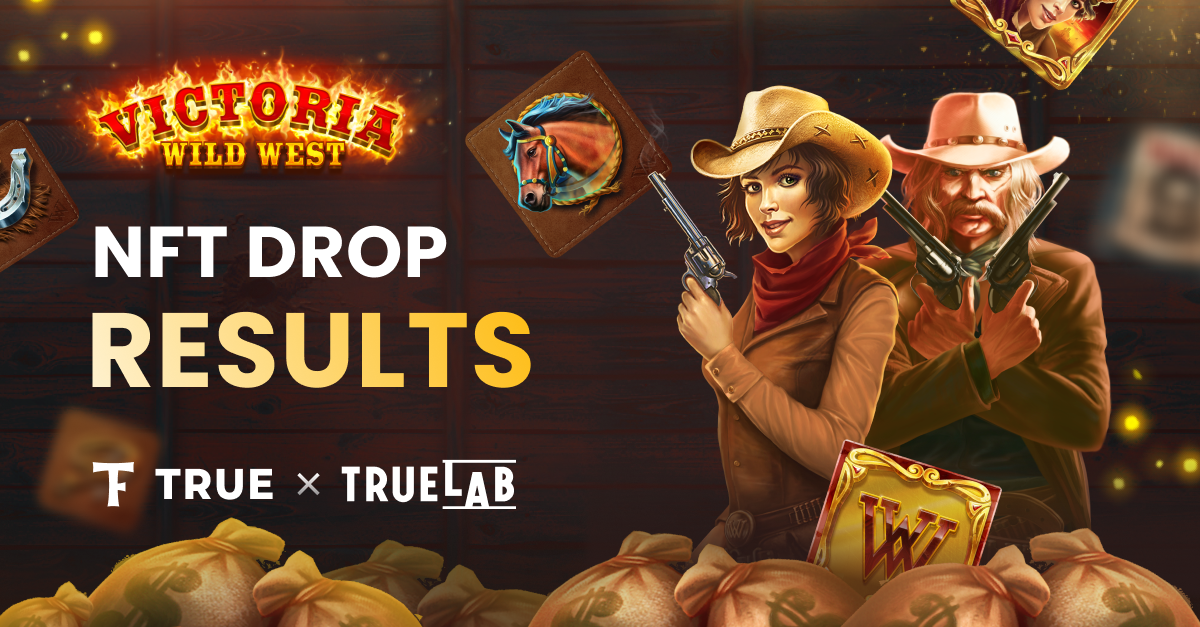
TRUE, in partnership with the innovative casino game provider TrueLab Game Studios, have introduced NFT gamification mechanics into their game Victoria Wild West by means of TRUE solution for the online gambling industry. Now, the team is ready to reveal the intermediate results since the launch of the project six months ago.
A wild-west-themed slot game Victoria Wild West is the first-to-market production release with the seamless integration of NFT gamification mechanics. This innovative experience is supposed to combine the fast evolving spheres of iGaming and NFT to boost player engagement and retention.
To integrate the NFT drop into the already existing game, TRUE developed a fully-fledged white-label NFT marketplace for the game provider, including all the required functionality for creating the engagement mechanics. Notably, a TRUE Wallet account is automatically created for every new player with one click to store and manage user’s NFTs.
Player metrics results
Initially envisioned as a tool to influence player retention, the Victoria Wild West NFT drop has gone above and beyond, producing far-reaching impacts on user behavior. By comparing metrics between users who activated at least one NFT in the drop and those who did not, the TRUE team discovered the following compelling results:
- Number of players. Since the launch, the number of players has surged by an impressive 7 times, reaching a peak of 10 during the promotion. It is worth mentioning, NFT integration into a game, being an innovative engagement tool is an attractive promotional mechanism by itself and can create additional hype for any online casino or game provider.
- Total bets volume. The implementation of NFT mechanics has increased the game’s overall bet volume by 3.5 times, and this upward trend continues. The NFT collection has breathed new life into the title as the original game marks its one-year availability in casinos this September. Eventually, the NFT drop not only captured the attention of players but also sparked interest from the operators.
- Total bets count. The total bets count has soared by 4 times, and notably, players who have acquired NFTs are more actively engaged in the game than those who did not participate in the drop. On average, players owning at least one NFT place bets 6 times more frequently per session.
- Bets volume per user. Remarkably, although players with NFTs still represent a minority, comprising only up to 25% of the game’s user base, they contribute over 50% of the total betting volume. This segment effectively drives the overall performance of the game title.
- Players community. One of TrueLab’s notable achievements is fostering a vibrant player community within the game, where participants actively compete for rare NFTs, trade them on the TRUE-powered marketplace, and anticipate new album releases with rewarding incentives.

Currently, the Victoria Wild West NFT collection is integrated into 35 casinos, receiving enthusiastic endorsements from project partners. Operators confirm that NFTs, as engagement tools, boost player retention and frequency, adding extra appeal and encouraging players to select titles with these incentives.
“We are thrilled to be pioneers in bridging the worlds of NFT and iGaming,” remarked a representative from N1 Partners, a network of casinos among the first to implement the NFT Drop. “The results have surpassed our expectations, and we’re delighted to witness its positive impact on our players’ engagement and overall experience.”
Looking ahead, the dedicated teams behind TRUE and TrueLab remain committed to advancing the project further. They are actively working on introducing new albums with unique benefits for players to collect, ensuring a continuously evolving and engaging gaming experience. The success of the NFT drop integration serves as a testament to the teams’ vision and dedication to creating an immersive and rewarding gaming environment.
About Victoria Wild West NFT drop
A wild-west-themed slot game Victoria Wild West is the first-to-market production release with the seamless integration of NFT gamification mechanics. The NFT collection is embedded directly into the game, with the NFT tokens randomly dropped while playing.
The drop contains 15,000 NFTs of different rarity to help the main character achieve her mission. Each of the items has a high-utility rate and complements the storyline of the game. Players pick up NFTs during the gameplay, collect them in albums and craft higher-level NFTs to receive various benefits, up to a share of the Holders Treasury — a percentage of all bets placed on Victoria Wild West paid monthly. NFTs, being a separate entity, can be collected and crafted, exchanged for benefits, or even resold on the external marketplace as is.








Industry News
SpringbokCasino.co.za Presents ‘Savanna Stand-Up’ This ‘Funny April’ — with 25 Free Spins on Devil’s Jackpot

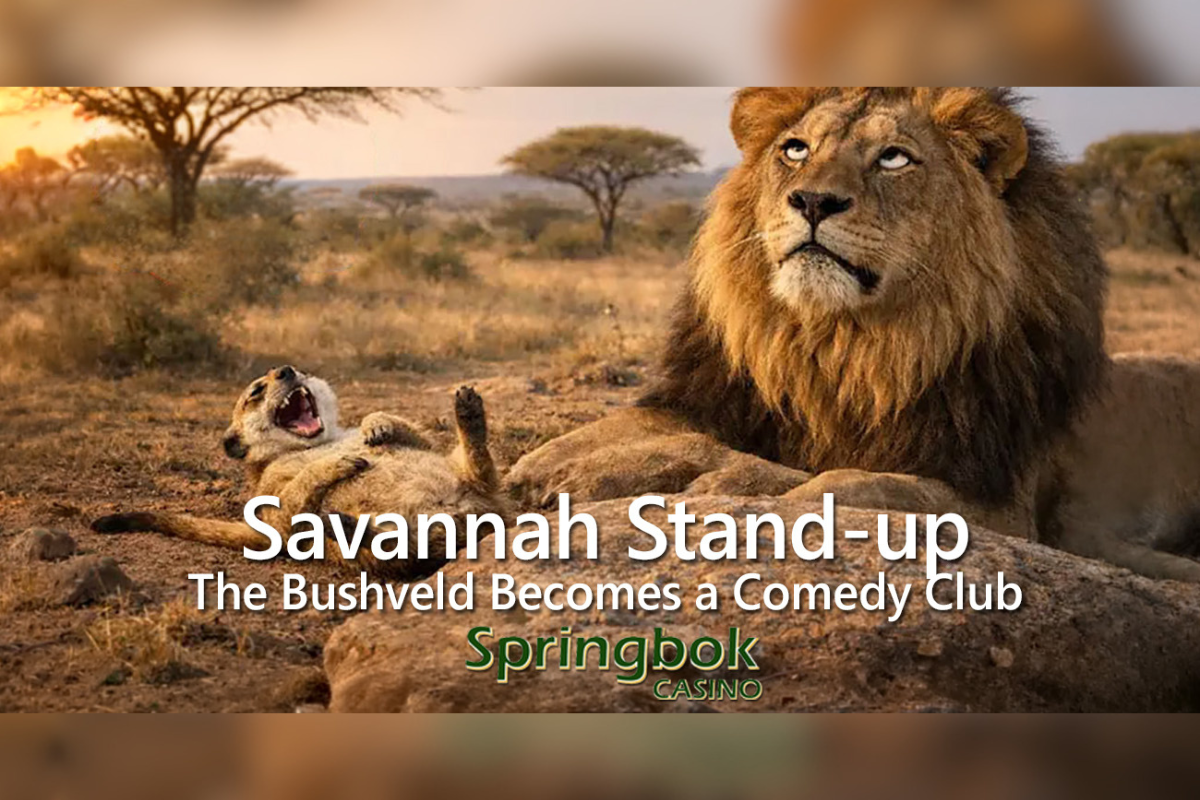
SpringbokCasino.co.za is turning the African savanna into a comedy stage with “Savanna Stand-Up”, a five-part series where animals take the spotlight to deliver classic jokes with a uniquely wild twist.
Each episode features a bold performer stepping up to the mic—only to reveal a deeper survival lesson hidden behind the punchline. As part of the Funny April promotion, players can also enjoy 25 Free Spins on the fiery slot Devil’s Jackpot.
The Comedy Lineup
Episode 1: When the Lion Played Poker – A poker face means little when you already hold all the cards—and the sharpest claws.
Episode 2: The Elephant and the Mouse – A tiny troublemaker pushes patience to its hilarious limits.
Episode 3: The Rhino and the Stomp Sign – A simple misunderstanding leads to a ground-shaking joke.
Episode 4: Never Argue with a Buffalo – A hyena learns that brute force wins every debate.
Episode 5: The Penguin Who Didn’t Fly – When a high-flying joke fails, waddling saves the day.
From the Wild to the Reels
Out in the savanna, survival depends on playing to your strengths—and the same holds true at Springbok Casino. Whether chasing jackpots with a lion’s confidence or spinning the reels with a penguin’s determination, knowing your game is key.
“We wanted to create something truly South African—comedy that reflects the spirit of the bushveld,” said Daniel Van Wyke, Casino Manager. “Now we’re putting animals in the spotlight and giving our players even more reason to join the fun with free spins.”
April Free Spins Offer
Players can claim:
25 Free Spins on Devil’s Jackpot (no deposit required)
Coupon Code: STANDUP
Step into the heat with Devil’s Jackpot from RTG, a medium-volatility slot featuring an RTP of 96.25% and win potential of up to 50,000x your bet. With wilds, nudges, multipliers, a bonus round, and progressive jackpots, it delivers a thrilling, high-energy experience.
The post SpringbokCasino.co.za Presents ‘Savanna Stand-Up’ This ‘Funny April’ — with 25 Free Spins on Devil’s Jackpot appeared first on Eastern European Gaming | Global iGaming & Tech Intelligence Hub.
Bjørnar Heggernes Chief Commercial Officer at The Mill Adventure
The Mill Adventure Strengthens Its European Footprint With Winz.nl Alliance
Top platform provider launches Netherlands’ latest brand delivering a player-centered experience.
The Mill Adventure, a technology-oriented platform provider, has significantly enhanced its presence in the European regulated market by successfully facilitating the launch of the new Dutch brand Winz.nl.
By partnering with The Mill Adventure, operator Orange Gaming’s new brand is leveraging the provider’s comprehensive turnkey solution, which features AI-powered SmartLobbies, enhanced player personalization options, and real-time Business Intelligence tools.
The platform has been tailored to align with Dutch regulations, integrating extensive responsible gambling protocols, strong player protection features, and complete adherence to KSA standards.
The complete launch comes after Orange Gaming obtained its license from Kansspelautoriteit (KSA) in late 2025, with Winz.nl having a soft launch in January. The brand has launched in the Dutch market with a clear goal of offering a superior, player-focused option in a field primarily controlled by global companies.
A significant differentiator is WinClub, a loyalty program intended to provide players real options regarding how and when they can redeem rewards. Departing from conventional operator-managed bonus systems, the platform enables players to accumulate points via consistent gameplay and choose from a selection of bonuses, free spins, and rewards as they wish. This player-driven approach closely follows responsible gambling guidelines, promoting more intentional participation while steering clear of forceful promotional “pressure” tactics.
Through the integration of local market aspirations and The Mill Adventure’s scalable, compliance-focused technology, the partnership highlights the provider’s capability to launch ambitious brands in Europe’s leading regulated markets.
Bjørnar Heggernes, Chief Commercial Officer at The Mill Adventure, said: “Going live with Winz.nl marks another important milestone in our European growth strategy. The Netherlands is a highly regulated and competitive market, and this launch demonstrates both the flexibility of our platform and our ability to support ambitious new entrants from day one.
“Our turnkey solution enables partners to combine strong brand vision with advanced personalisation, automated lobby management and real-time data insight, all within a fully compliant framework. We are excited to support Winz.nl as it builds momentum and delivers a differentiated, player-first experience in the Dutch market.”
Petrit Dibrani, CEO at Orange Gaming, said: “Our vision is to make the regulated Dutch offer the clear first choice for players – safer, more trustworthy and genuinely enjoyable. Launching with The Mill Adventure’s platform gives us the technology, compliance confidence and analytical capabilities to execute that vision effectively.
“Early results show that players are not only signing up but staying engaged. By focusing on quality, transparency and giving players meaningful control, we are building a brand designed for sustainable growth within the regulated Dutch landscape.”
The post The Mill Adventure Strengthens Its European Footprint With Winz.nl Alliance appeared first on Eastern European Gaming | Global iGaming & Tech Intelligence Hub.
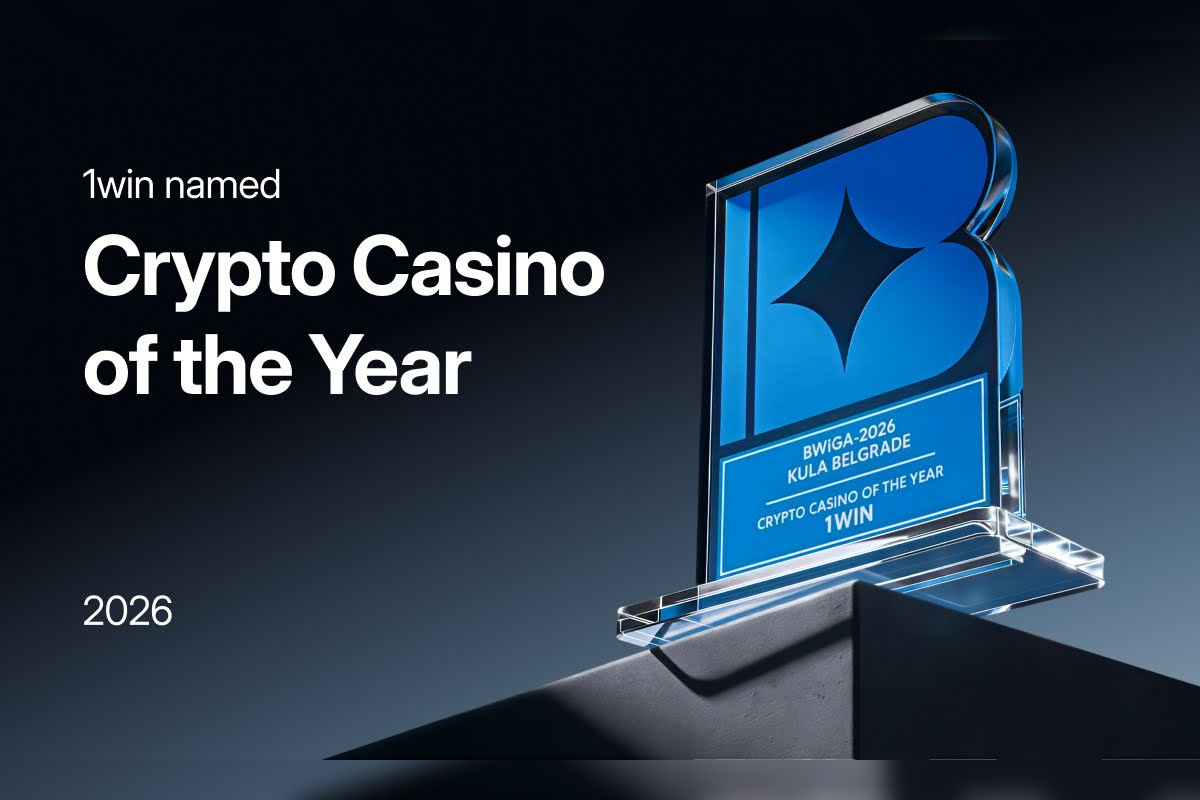
Global iGaming platform 1win has been named “Crypto Casino of the Year 2026” at the Belgrade Web3 & iGaming Awards (BWIGA Awards), a leading event uniting experts from Web3, blockchain, and iGaming industries. 1win Partners also received additional recognitions for “Best Affiliate Program” and “Best CMO,” highlighting its growing influence in the global crypto iGaming ecosystem.
The award recognizes 1win’s focus on building a high-performance platform designed for the crypto-friendly generation. Since its launch in 2016, 1win has been refining the balance between premium entertainment and blockchain technology, offering a product where speed, privacy, and accessibility are built into the core experience. As a Curaçao-licensed casino, 1win provides a globally accessible platform with multi-language support and seamless performance across devices, including native iOS and Android applications.
At the heart of its offering is a crypto-first approach. The platform supports a wide range of digital assets, including BTC, ETH (ERC-20), TRX (TRC-20), BSC (BEP-20), TON, SOL, DOGE, DASH, and XRP, allowing users to move funds efficiently across networks. In line with its focus on crypto users, 1win offers an enhanced bonus system, with up to 600% on crypto deposits.
Commenting on the recognition, Mike Danshin, CMO 1win Crypto, said: “Today, the market is no longer competing on bonuses or traffic, it is competing for attention. In crypto iGaming, players are exposed to similar offers across platforms, and the real difference comes from how well a brand understands its audience and builds trust. At 1win, we focus on being a truly crypto-native product. This means clear positioning, tailored communication for different player segments, and a scalable marketing ecosystem that combines global brand presence with local relevance. Receiving this award as the best crypto casino is a strong validation of our approach.”
The Belgrade Web3 & iGaming Awards is one of the key industry platforms in the region, recognizing companies that demonstrate innovation, scalability, and impact across emerging digital ecosystems. The recognition further reinforces 1win’s position as a major player shaping the future of crypto-powered online entertainment.
About 1win
Founded in 2016, 1win is a crypto platform in the global gaming industry. Operating across Asia, Latin America, and Africa, 1win offers a wide range of services adapted to regional audiences. In 2024, 1win partnered with actor Johnny Sins as its brand ambassador. In 2025, MMA legend Jon Jones joined 1win as its global ambassador. American professional wrestler and mixed martial artist, Gable Steveson, stepped into the 1win global ambassador team earlier this year.
Contact
Press Office
1win
The post 1win Named Crypto Casino of the Year and Takes Top Honors at BWIGA appeared first on Eastern European Gaming | Global iGaming & Tech Intelligence Hub.

-

 Asia7 days ago
GLI Becomes the First Company Accredited by PAGCOR to Test and Certify iGaming Platforms in the Philippines
-
Betnacional6 days ago
Operational Leadership and the Driving Force Behind LatAm’s Largest Event
-
Compliance Updates7 days ago
Playtech Enters Connecticut iGaming Market
-
Asia7 days ago
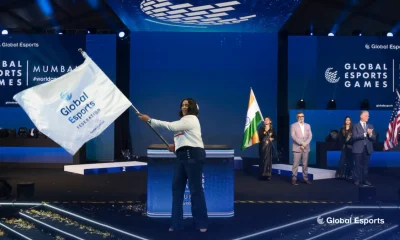
Team India and Türkiye Win Gold at the Global Esports Games Mumbai
-
Australia6 days ago
NSW: More Than 650 Gaming Machine Exemptions Revoked to Address Gambling Harm
-
Compliance Updates6 days ago
UK Government proposals to undermine the ‘aim to permit’ of the Gambling Act 2005?
-
2026 SPiCE South Asia Awards6 days ago
QTech Games wins Innovation of the Year at the 2026 SPiCE South Asia Awards
-
BIS SIGMA SOUTH AMERICA 20265 days ago
VeliTech makes its Brazil debut at BiS SiGMA South America 2026