Canada
Rivalry Issues 2023 Business Update

Rivalry Corp., an internationally regulated sports betting, media, and technology company, today issued a letter to shareholders summarizing recent progress and outlining strategic priorities for 2023. The full text of the letter follows. All dollar figures are quoted in Canadian dollars.
Rivalry Corp. 2023 Business Update
To our Shareholders,
Rivalry experienced a breakout year in 2022, with exceedingly strong performance across the business.The early indicators of sustainable and profitable growth that we demonstrated in October are a positive sign of what’s to come as the business continues to execute its strategic priorities. Having achieved record results every quarter, we believe the prospects for our business are as strong as ever as we kick off 2023.
In 2022 we delivered triple-digit year-over-year growth in both revenue and betting handle, with average month-over-month revenue growth accelerating to 32% through the first 10 months of the year. At the same time, we reduced bonus/promotional spend relative to revenue by over 50% year-over-year, and achieved our first-ever profitable month in October. These results were underpinned by greater product diversification that reduced the impact of seasonality. We’re proud to have finished the year strong and look forward to reporting our full Q4 results.
We have high expectations for 2023, and are confident that it will be another year of record achievements. This shareholder letter provides an update on our business, our place in the industry, and some of the things we’re excited about for Rivalry in 2023.
We are executing against a generational opportunity, and our vision remains clear:
-
Become the leader in betting and entertainment globally for the next generation.
-
Build the most engaged brand and portfolio of IP in esports betting (original games, content, creators, and more).
-
Leverage our technology to innovate on product at every turn, creating a proprietary, interactive, and entertaining betting experience customers won’t find elsewhere.
With an ever-evolving gaming industry and a product suite still in the early stages of fulfilling our vision, we see a huge amount of market opportunity as we continue to trailblaze in this category. We are eager to continue executing on our strategy with financial discipline and scaling purposefully toward profitability.
2022 highlights
We’re proud of our 2022 accomplishments, including:
-
Delivering significant growth, including year-to-date betting handle increasing 181% YoY to $186 million, and revenue increasing 130% YoY to $21.7 million in Q3 2022.2
-
Continued to build upon the most engaged esports betting brand globally.
-
Demonstrating our market leadership in esports betting with 90% of sportsbook handle driven by esports.
-
Increasing market share ownership of Millennial and Gen Z consumers, represented by 82% of our active user base being under 30-years old, and an average customer age of 25, approximately a decade younger than legacy sportsbooks.
-
Expanding our esports betting product, including the introduction of mobile game titles in March, which has already contributed a meaningful amount of betting handle and strong signs it will carry its momentum throughout 2023.
-
Successful expansion into a new product category with the launch of Casino.exe, our proprietary casino interface, which drove immediate impact, contributing 30% of betting handle and 15% of revenue in Q3 2022 with minimal marketing efforts.
-
Launching in two new regulated markets: the province of Ontario, Canada, and Australia.
-
Best-in-class creative execution, leveraging 100+ brand partners in more than a dozen markets and 20+ owned social media channels to deepen brand awareness and engagement among our target audience, while enhancing customer acquisition and retention.
Notably, these results and signals of sustainable growth are all organic, driven by an overarching strategy that prioritizes great consumer products and brand engagement over flash-in-the-pan trends and promotional spend.
Rivalry’s growing role in betting, esports, and entertainment
Rivalry has created a truly differentiated position within the betting industry that we believe will make a meaningful impact on our financial performance as we scale the business.
The global sports betting industry eclipsed $83 billion in 2022 and is set to grow at a CAGR of 10.2%. Meanwhile, the $197 billion global video game industry is experiencing similar growth with an expected CAGR of 12.9% and expanded generational significance, seeing 87% of Gen Z playing video games weekly among a larger population of 3.1 billion gamers globally. It is at this valuable intersection where Rivalry lives.
Our approach toward attracting the next generation of consumers is different from legacy operators. We scale through word of mouth and organic market entrenchment of brand equity that allows us to operate without a dependency on excess bonusing and player subsidies. This approach helped drive a 50% reduction year-over-year in bonus/promotional spend relative to our revenue, supporting our below-market cost of customer acquisition and further reducing our reliance on linear net new spend for growth. This is continuing to create the operating leverage that has set Rivalry on a path toward profitability.
Gaming and internet culture guides this successful player acquisition strategy, and allows us to engage with a deeply valuable and nuanced demographic of users that legacy operators aren’t equipped to serve. There is tremendous value gained by participating in these communities and cultures, building lasting brand affinity among gaming fans who are quickly emerging as the consumer economy of the future, and similarly by attaching ourselves to the pervasiveness and virality of the internet.
In a world where live-service games are the standard and long-term player engagement is the new benchmark for success, Rivalry is poised to play a prominent role in the future of esports. Betting activity translates into the enhanced viewership, engagement, and economics that are directly aligned with the KPIs of esports and gaming stakeholders, and those represent significant long-term tailwinds for our business.
We believe an intimate understanding of these audiences and cultures will shape the next generation of great consumer products. It is with this understanding that Rivalry is able to tap into a global gaming audience and drive betting activity among the 532 million esports viewers worldwide.
We will continue making strategic and measured investments in key areas of the business that we believe set the stage for further growth in 2023, and beyond, with objectives that should ensure our current momentum toward profitability remains intact. Some of the initiatives we expect to drive continued growth in 2023 include:
-
Expanding our esports offering with new titles and markets to deepen our core product and attract new customers.
-
Continued evolution of our proprietary Casino.exe platform and release of additional in-house developed and third-party games that cater to our core demographic and further establish a gaming experience unique to Rivalry.
-
Launch of a mobile app in our regulated markets to increase accessibility of our product.
-
Geographic expansion to increase our addressable market and customer base.
-
Expanded content and creator partner program to deepen our ability to reach and engage customers, solidifying Rivalry’s leadership position in the esports betting industry.
-
Continuing to grow our investor base through proactive capital markets outreach.
These initiatives are designed to advance us toward consistent profitability, through measurable outcomes including:
-
Increased product depth and diversity creates greater margin stability and reduces seasonality while increasing average customer spend.
-
Increased TAM through new market launches builds greater intrinsic value capture for Rivalry, and thus upside for our investor base.
-
Enhanced brand engagement cultivates a dedicated customer base, which organically improves retention and lowers cost of customer acquisition.
I’m extremely proud of the differentiated approach Rivalry has taken from day one and what it has enabled us to achieve, creating a truly distinct product and brand that is driving operating leverage and bearing fruit across the business. As we move into 2023, we’re eager to continue demonstrating the same operational excellence which has enabled us to stand out in a deeply competitive industry.
With that, I wish everyone a happy, successful, and healthy year.
Steven Salz
Co-Founder & CEO
Rivalry Corp.
Powered by WPeMatico

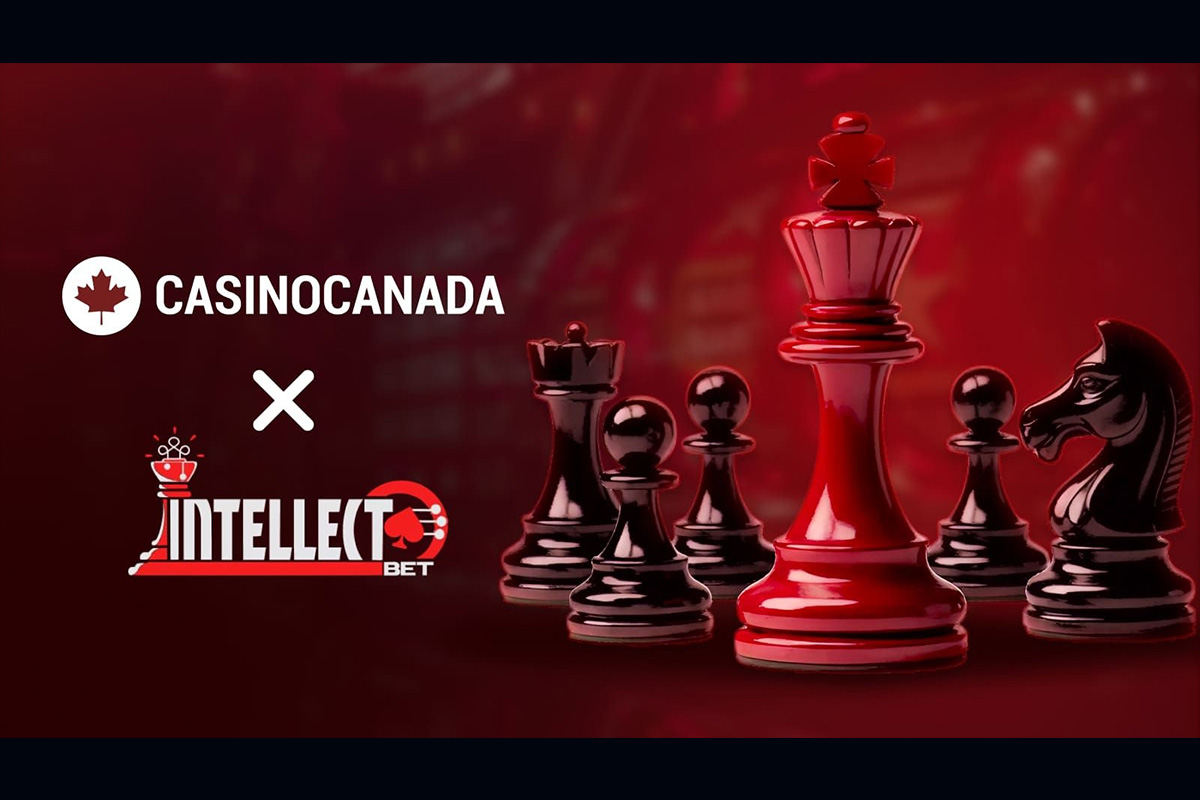
CasinoCanada.com, an online casino information portal operated by SEOBROTHERS, has partnered with the IntellectBet online casino. The collaboration focuses on content development, traffic acquisition, and informational coverage of the IntellectBet platform for users in Canada.
Eugene Ravdin, Head of PR at SEOBROTHERS, said: “The partnership with IntellectBet implies the creation of content describing the platform’s offering, its game portfolio, provider network, and payment systems. The collaboration includes traffic acquisition focused on directing users from Canada to the platform.”
The platform provides access to a library of 16,000 games aggregated from more than 85 studios. The portfolio includes slots, live dealer games, and RNG table games, as well as additional categories such as crash and penny games from the likes of Booming Games, InOut, Playson, and BGaming.
The platform supports more than 15 payment methods, including Interac, Bitcoin, and MiFinity. IntellectBet Casino operates in Canada under the Curacao licence and reports around 94,000 active players monthly.
IntellectBet is operated by Casiworx, which also unites other casino brands such as RockstarWin, StakeBro, FreakyBillion, PokerbetCasino, VipCasino, SlotyStake, Slotobit, StakeMania, SlotoRush, Norsewin.
The post CasinoCanada Partners with IntellectBet appeared first on Americas iGaming & Sports Betting News.
Adam Pentecost Chief Revenue Officer at Gaming Corps
Gaming Corps Taps Betty to Boost Content Options for Ontario Players

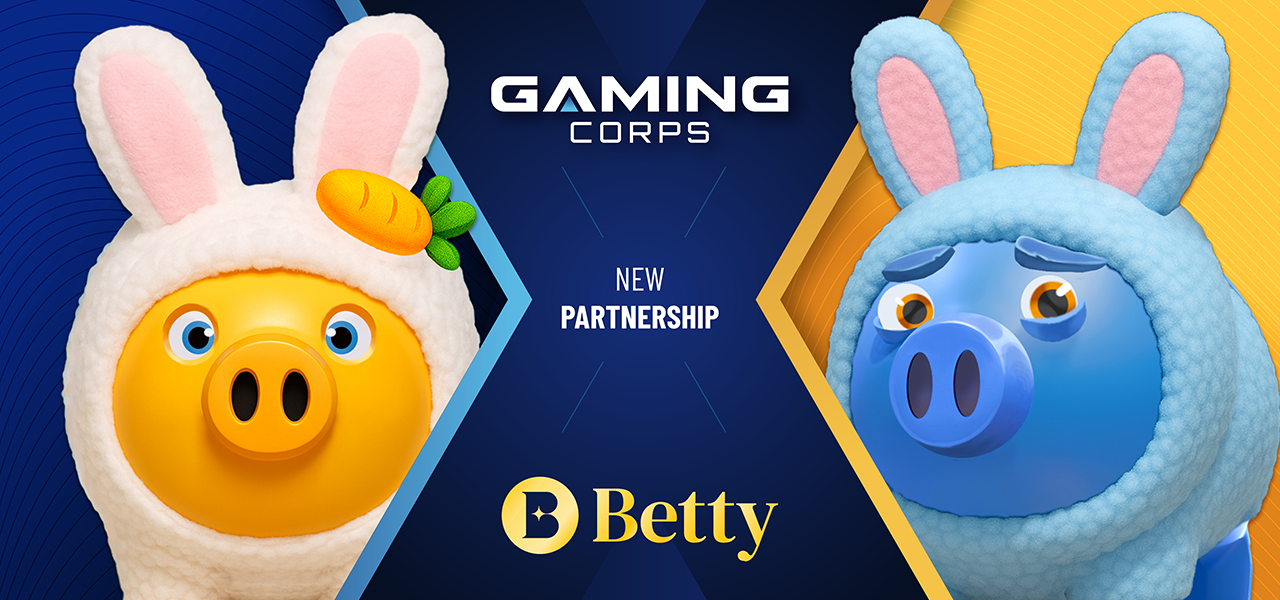
Gaming Corps, a publicly traded game development firm located in Sweden, has entered into a new distribution deal with Betty, one of the rapidly expanding iGaming operators in Ontario. The agreement enhances Betty’s platform with Gaming Corps’ growing collection of content, increasing options for players in a market where the brand currently provides over 2,800 slot titles.
Thanks to the collaboration, Betty customers will soon enjoy the latest slot releases from Gaming Corps, featuring 3 Easter Pigs, the latest chapter in the well-known 3 Pigs series, which adds a new seasonal element to one of the studio’s most iconic franchises. Players will also gain access to the latest release, Vendetta Fury, from DEGEN Studios, Gaming Corps’ newest RGS partner.
This launch leverages the solid success of the broader 3 Pigs franchise, featuring games like 3 Pigs of Olympus and 3 Pigs of the Caribbean that are already part of Gaming Corps’ collection. These are included with the studio’s wider range of Slots, Plinko, Mine, Crash, and Table games.
Adam Pentecost, Chief Revenue Officer at Gaming Corps, said: “Ontario has become one of the most exciting regulated markets in North America, and Betty has built an impressive reputation by offering players both quality and variety. We’re delighted to partner with such a progressive operator and look forward to showcasing how our latest content can bring something genuinely different to their already rich portfolio.”
Paraskeva Smirnova, Senior Casino Operations Manager at Betty, added: “Betty has built its identity on being a homegrown Ontario brand with a clear focus on what local players want. Working with Gaming Corps allows us to continue that mission, adding content that stands out and gives our players something new to discover alongside the thousands of titles we already host.”
The post Gaming Corps Taps Betty to Boost Content Options for Ontario Players appeared first on Eastern European Gaming | Global iGaming & Tech Intelligence Hub.
Adam Pentecost Chief Revenue Officer at Gaming Corps
Gaming Corps partners with Betty to expand content choice in Ontario
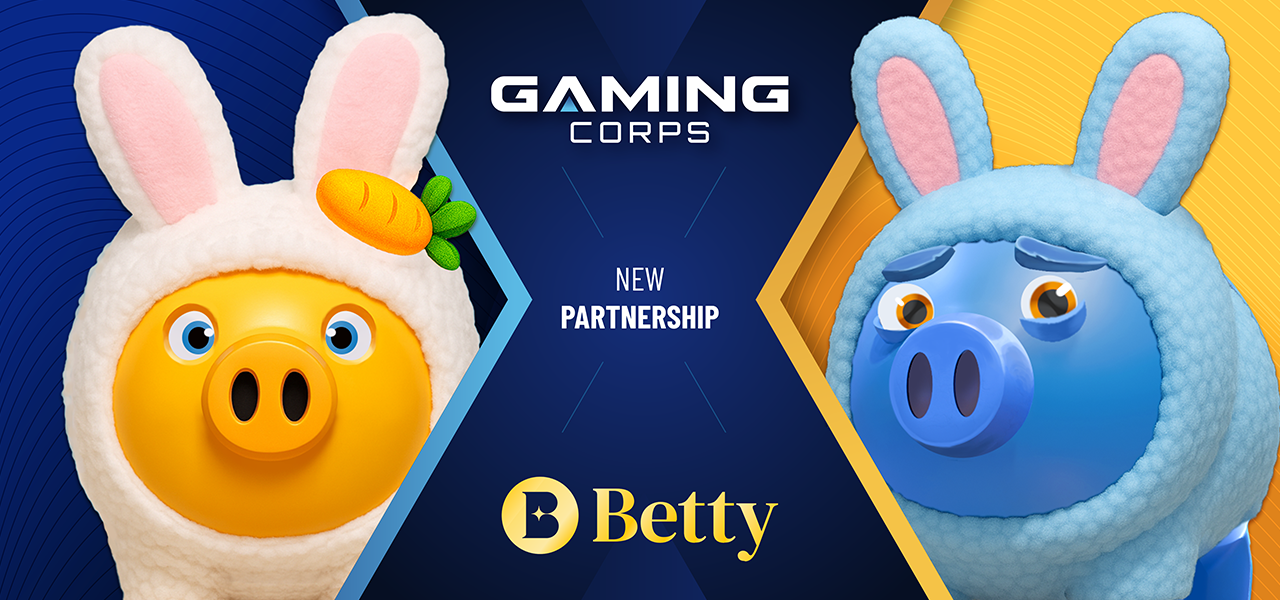
Gaming Corps has signed a new distribution agreement with Betty, one of Ontario’s fastest-growing iGaming operators. The deal adds Gaming Corps’ expanding suite of content to Betty’s platform, strengthening the choice for players in a market where the brand already offers more than 2,800 slot titles.
Through the partnership, Betty customers will soon have access to the latest Gaming Corps slot releases, including 3 Easter Pigs, the newest instalment in the popular 3 Pigs series, which introduces a fresh seasonal twist on one of the studio’s most recognisable franchises. Players will also have access to Gaming Corps’ newest RGS partner, DEGEN Studios’, latest release, Vendetta Fury.
This launch builds on the strong performance of the wider 3 Pigs franchise, with titles such as 3 Pigs of Olympus and 3 Pigs of the Caribbean already established within Gaming Corps’ portfolio. These sit alongside the studio’s broader offering of Slots, Plinko, Mine, Crash and Table games.
Adam Pentecost, Chief Revenue Officer at Gaming Corps, said: “Ontario has become one of the most exciting regulated markets in North America, and Betty has built an impressive reputation by offering players both quality and variety. We’re delighted to partner with such a progressive operator and look forward to showcasing how our latest content can bring something genuinely different to their already rich portfolio.”
Paraskeva Smirnova, Senior Casino Operations Manager at Betty, added: “Betty has built its identity on being a homegrown Ontario brand with a clear focus on what local players want. Working with Gaming Corps allows us to continue that mission, adding content that stands out and gives our players something new to discover alongside the thousands of titles we already host.”
The post Gaming Corps partners with Betty to expand content choice in Ontario appeared first on Americas iGaming & Sports Betting News.

-

 bingo6 days ago
 -
apuestas7 days ago
Brasil 2026: Bets presionan el presupuesto de los hogares y redefinen la competencia por el consumo
-
Compliance Updates6 days ago
EGBA Urges EC to Tackle Rising Online Fraud in Gambling Sector
-
Betnacional7 days ago
Brazil: Betting pressures household budgets and reshapes the competition for consumer spending
-
Endorphina7 days ago
NAZAR WISHES AWAIT YOUR COMMAND
-
Greentube6 days ago
Greentube hauls in big wins with Rumble Riches™ Haulin’ Gold™
-
DEGEN Studios6 days ago
DEGEN Studios ignites a brutal blood feud with Vendetta Fury
-
Baroness Fiona Twycross4 days ago
BGC AGM 2026 Discussed About Surging Illegal Gambling Black Market