eSports
Alonso and Barrichello team up for Le Mans Virtual assault with Torque Esports’ simulator company Allinsports

- The Spanish/Brazilian combination have an incredible 633 Formula 1 race starts and 43 wins between them
- Sim racing stars Olli Pahkala and Jarl Teien to join F1 stars
- Torque Esports’ sim manufacturer Allinsports throw support behind Le Mans entry
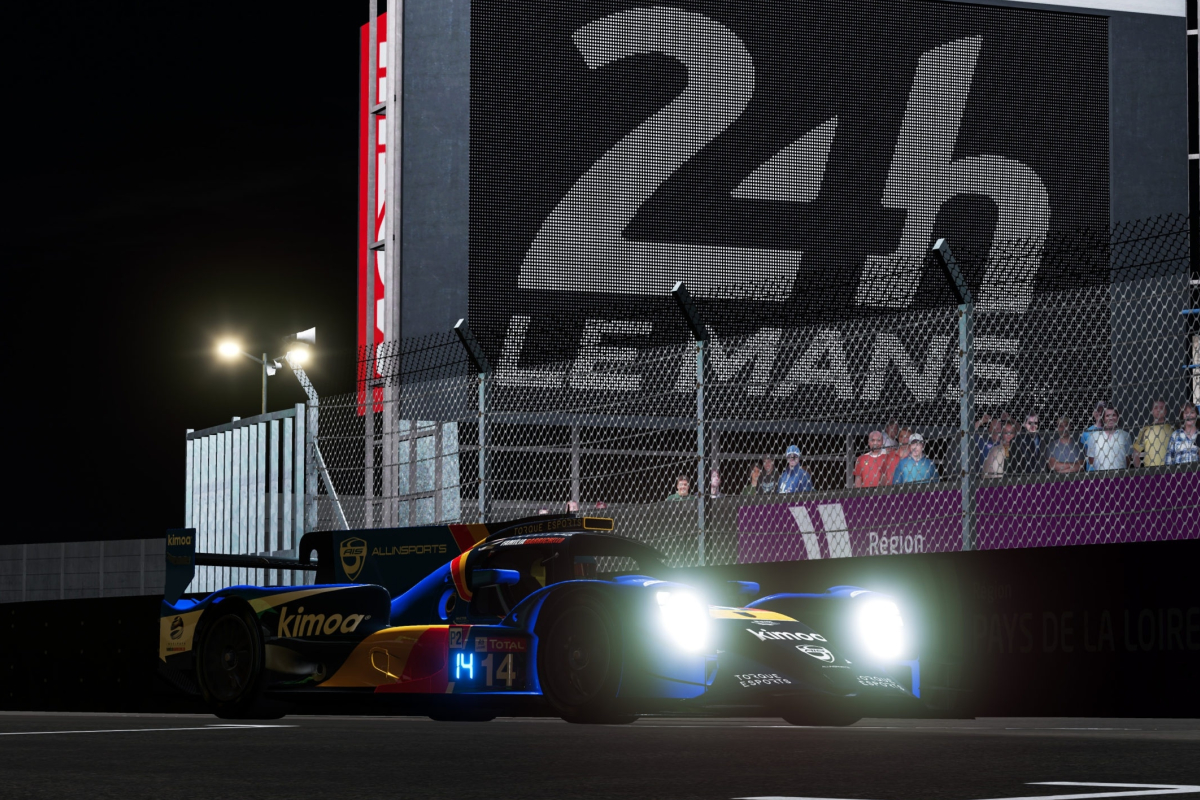
Formula 1 legends Fernando Alonso and Rubens Barrichello are teaming up for an assault on the 24 Hours of Le Mans Virtual – launching the FA/RB Allinsports team for the virtual version of the fabled French endurance racing event.
The duo are two of only five men with more than 300 Formula 1 race starts to their credit, with Barrichello holding the record at 322 with Alonso not far behind on 311.
Scheduled for June 13/14 – the 24 Hours of Le Mans Virtual will fill the date that was originally scheduled for the 88th running of the legendary French endurance race, which Alonso has previously won twice.
The Alonso/Barrichello team is backed by Torque Esports (TSX-V: GAME) (OTCQB: MLLLF) and its market-leading simulator manufacturer Allinsports, which build and supply Formula 1-level simulators to both racing legends.
Headed by ex-Ferrari, McLaren and Red Bull development and electronics expert Anton Stipinovich, Allinsports not only design and build full-size, full-motion simulators from its base in Maranello, Italy, but also market the eRacer simulator that is used by leading motorsport stars including Alonso, Barrichello, Sebastian Vettel, Kimi Raikkonen, Charles Leclerc, Emerson Fittipaldi, Tony Kanaan, Helio Castroneves, Gil de Ferran, David Brabham, Conor Daly and Nicholas Latifi
The Torque Esports team has a long history at Le Mans with President and CEO Darren Cox creating the Nissan PlayStation GT Academy program which turned gamers into real-world race drivers and spearheaded the successful Le Mans debut for the likes of Jann Mardenborough and Lucas Ordonez.
Joining the Formula 1 stars for the event will be top Nordic sim racing racers Olli Pahkala (Finland) and Jarl Teien (Norway).
“I’ve been very fortunate to have two victories at the 24 Hours of Le Mans in the past two years, but the level of competition for the virtual race could be even tougher,” Alonso said.
“I’m thrilled to team up with Rubens and delighted to add Olli and Jarl to our team. Allinsports played a big role in getting both Rubens and I involved in sim racing, and we’re very excited to be working together with Anton and his team as well as the guys from Torque Esports who are putting this together.”
Allinsports’ Stipinovich previously worked closely with both Barrichello and Alonso during their Ferrari Formula 1 stints. The South African-born electronics expert worked with Barrichello during the dominant Ferrari Schumacher/Barrichello era and worked with the Ferrari Driver Academy during Alonso’s stint.
“Anton and I had a lot of success together back in the day and he has been a huge help in getting me involved in esports racing,” Barrichello said.
“I did Le Mans back in 2017 and loved the experience, and now I’m really looking forward to going back and doing it virtually with this great team. We have a lot of work to do to prepare for the race, but it is going to be a brilliant challenge.”
Both Alonso and Barrichello have showcased their virtual talents in the Torque Esports’ The Race All-Star Series powered by ROKiT Phones in the Legends Trophy division.
Alonso starred last week at Indianapolis, taking two victories, including a win in the reverse grid event. Barrichello has also been to victory lane in the series, taking a victory at NOLA Motorsport Park earlier this year.
The FA/RB Allinsports team has also enlisted the support of former Le Mans LMP2 winning squad Greaves Motorsport to support the virtual Le Mans assault. Jacob Greaves and his team will handle the preparations and in-race strategy for the team.
The Greaves Motorsport squad is no stranger to tackling the 24 Hours of Le Mans with gamers. Torque Esports’ Cox previously worked with the UK-based squad for the GT Academy graduates.
“We have a massive task ahead, but we’re doing everything we can to make sure we give this the best shot we can,” Cox said.
“Even though the weather, safety cars, and everything may be virtual, we’re treating this like the real thing, and Jacob and his team have that race-winning experience that we’re adding to our ‘virtual’ pit wall. We had great real-world success with Jacob and his team with gamers in the past – now we’re taking two real-world motorsport legends into the virtual world. It is a perfect flip from what we’ve done previously.”
The Formula 1 stars’ sim racing teammates have equally as impressive resumes. Pahkala finished third three times in the iRacing World Championship Grand Prix Series in 2014, 2015 & 2016, and second in the Road Pro Series in 2013. He finished fourth in the Formula 1 Esports Pro Series Team Championship in 2018 and was third in the Formula E Visa Vegas eRace in 2017.
Teien is a two-time LFSCart champion and has driven for G2 Esports in the eNASCAR Coca-Cola iRacing Series.
The 24 Hours of Le Mans Virtual will kick off at 15:00 (CEST) on Saturday, June 13, with racers greeting the chequered flag at the same time on Sunday.
Source: Torque Esports
Powered by WPeMatico


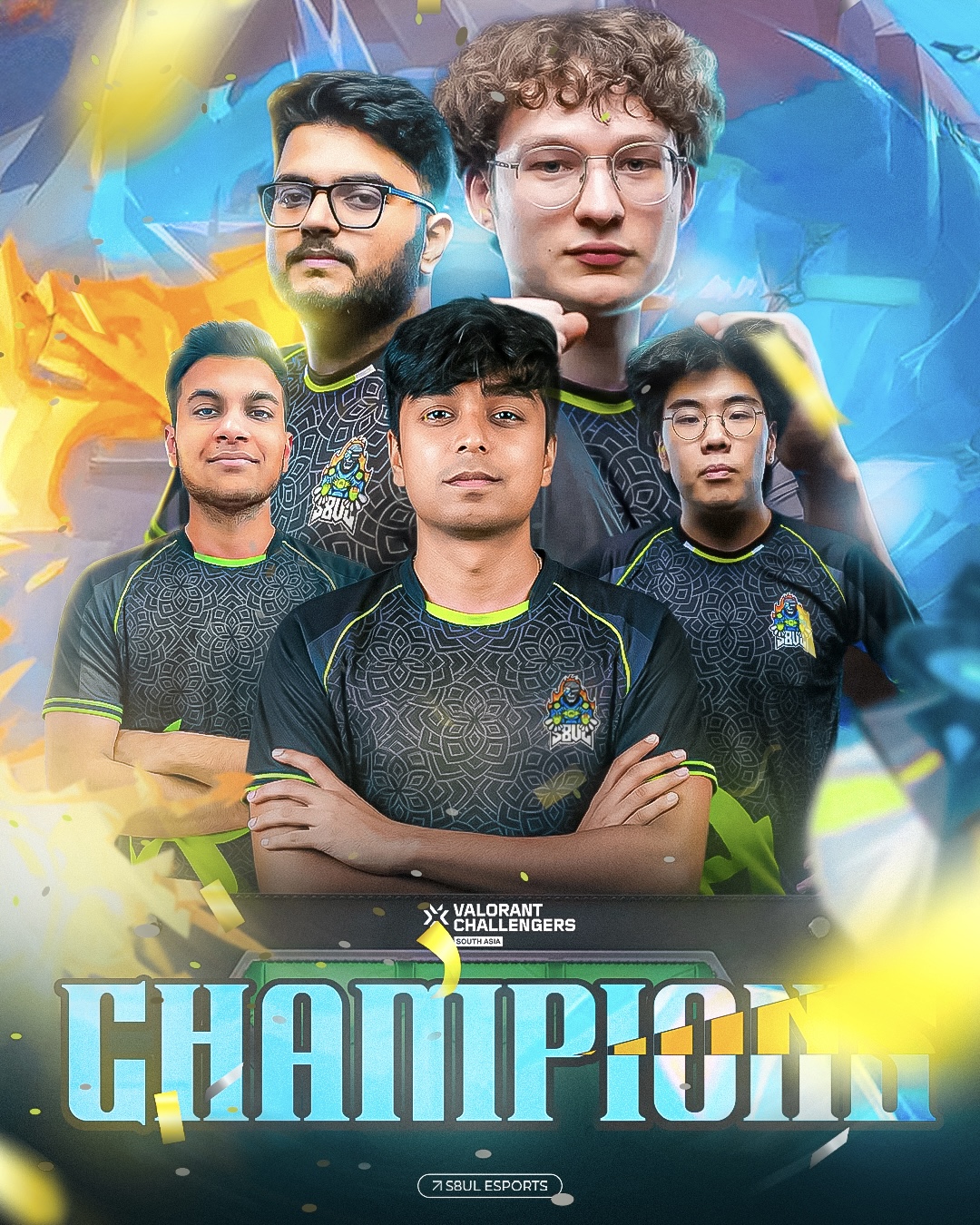
In a heart-pounding display of tactical precision and mental fortitude, S8UL Esports has been crowned the VALORANT Challengers South Asia (VCSA) 2026 Split 1 Champions. The victory came after an intense five-map Grand Final against Revenant Xspark, where S8UL emerged victorious with a 3-2 scoreline, solidifying their dominance in the regional VCT ecosystem.
With this win, S8UL takes home the lion’s share of the prize pool—INR ₹9,00,000—and sets a high benchmark for the remainder of the 2026 season.
The Road to the Trophy
S8UL’s journey through Split 1 was a testament to their growth following the 2025 season. Their path to the podium included:
-
League Phase Dominance: Consistent performance against seven of South Asia’s elite teams.
-
Semifinal Sweep: A commanding 2-0 victory over Asterisk, showcasing a roster peaking at the perfect moment.
-
The 5-Map Thriller: A back-and-forth Grand Final against Revenant Xspark that tested the limits of both skill and composure.
Strategic Growth and Leadership
The victory highlights the successful vision of Mithul “8bit Binks” Nayak, the driving force behind this revamped roster. Under the leadership of veteran captain Ganesh “SkRossi” Gangadhar, the team displayed evolved coordination and the ability to clutch out decisive rounds under immense pressure.
“Winning Split 1 gives us confidence, but we know the season is long,” said SkRossi. “I’m proud of how the team stayed focused in the crucial moments.”
Impact on the VCT Ecosystem
VCSA Split 1 serves as the critical pathway for South Asian teams to climb into the VALORANT Champions Tour (VCT). By securing the first title of the year, S8UL not only establishes themselves as the team to beat but also positions themselves favorably for international qualification opportunities in Split 2 and beyond.
Animesh ‘Thug’ Agarwal, Co-Founder and CEO of S8UL, noted: “The team showed incredible composure in a high-pressure final. This result is a testament to the work they’ve been putting in behind the scenes. We’ve always believed in this roster.”
The post S8UL Esports Triumphs in VCSA 2026 Split 1: A Grand Final Masterclass appeared first on Eastern European Gaming | Global iGaming & Tech Intelligence Hub.
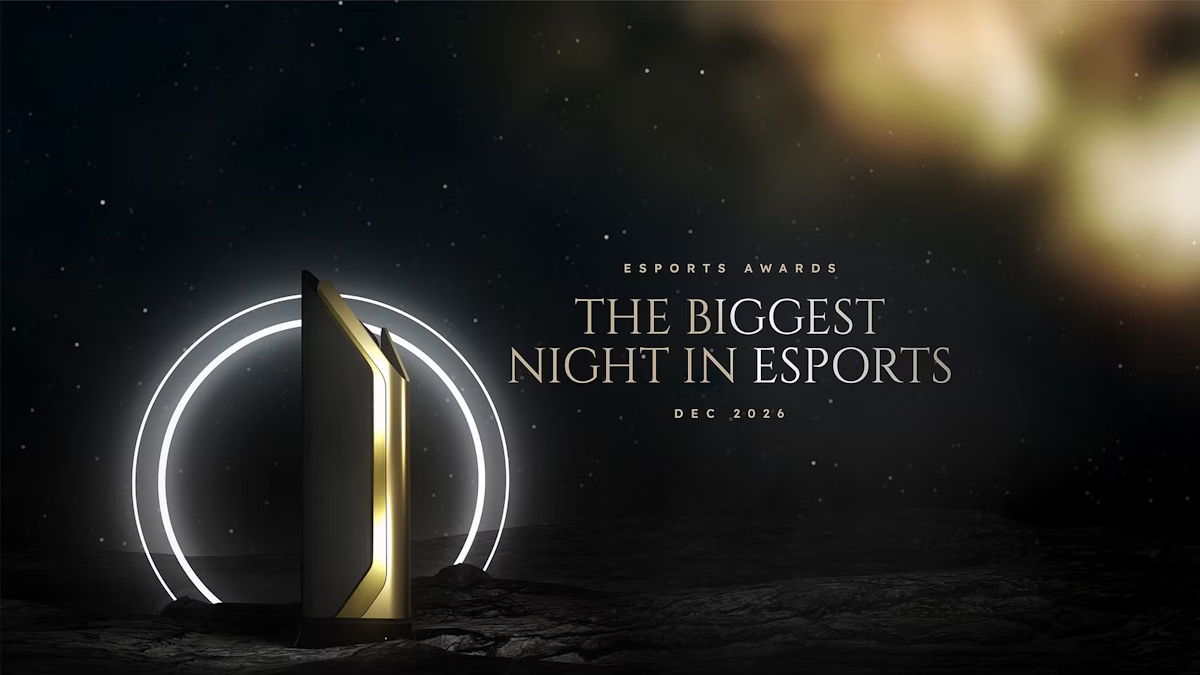
The Esports Awards is set to return in 2026, bringing together the global esports community for its annual celebration of excellence.
Scheduled to take place in North America later this year, the awards will honor the top players, teams, creators, and innovators who defined the past year in competitive gaming. Exact dates and venues will be revealed in the coming months.
Last year marked a major milestone for the Esports Awards, celebrating 10 years of esports achievements at the HyperX Arena in Las Vegas. The ceremony recognized industry icons such as Mathieu “Zywoo” Herbaut, iShowSpeed, and Animesh “Thug” Agarwal, while inducting six new members into the Lifetime Achievement in Esports: Class of 2025. Earlier in 2025, the Esports Awards hosted the one-off Decade Awards, which drew a global audience of 36.25 million live viewers.
For the 2026 edition, fan-favorite categories such as Esports Game of the Year, Esports Personality of the Year, Streamer of the Year, and Esports Team of the Year will return, giving fans a direct voice in recognizing the standout moments and figures in esports over the past year. Winners will be determined through a combination of community voting and input from the Esports Awards Panel, which includes seasoned industry veterans, broadcasters, creators, and professional players, ensuring both credibility and integrity.
In addition to the main ceremony, the Esports Awards Golf Invitational will make a comeback, offering a day of networking and friendly competition for industry leaders, creators, and esports competitors ahead of the awards.
Michael Ashford, CEO of the Esports Awards, said: “The Esports Awards continues to shine a spotlight on the very best in esports and gaming, and we’re pleased to return for 2026. Following the success of the Decade Awards and our 10th anniversary celebrations, we look forward to recognizing the individuals, teams, and moments that defined the past year in esports.”
Fans are encouraged to follow the Esports Awards’ official X account for updates on venues, dates, nominees, and voting.
The post Esports Awards 2026 Returns for Global Honors appeared first on Eastern European Gaming | Global iGaming & Tech Intelligence Hub.

- The Esports Awards will return later this year for its 2026 edition, taking place in North America and honouring the outstanding players, teams, creators and innovators of the past year in esports
- Last year marked a major milestone for the Esports Awards, celebrating 10 years of excellence at the HyperX Arena, alongside the one-off Decade Awards, which reached 36.25M live views globally
- The Esports Awards Golf Invitational will also return, bringing together industry leaders, creators and competitors for a day of networking and competition ahead of the main ceremony
- Full details on the venue, date, nominees and voting will be revealed in the coming months
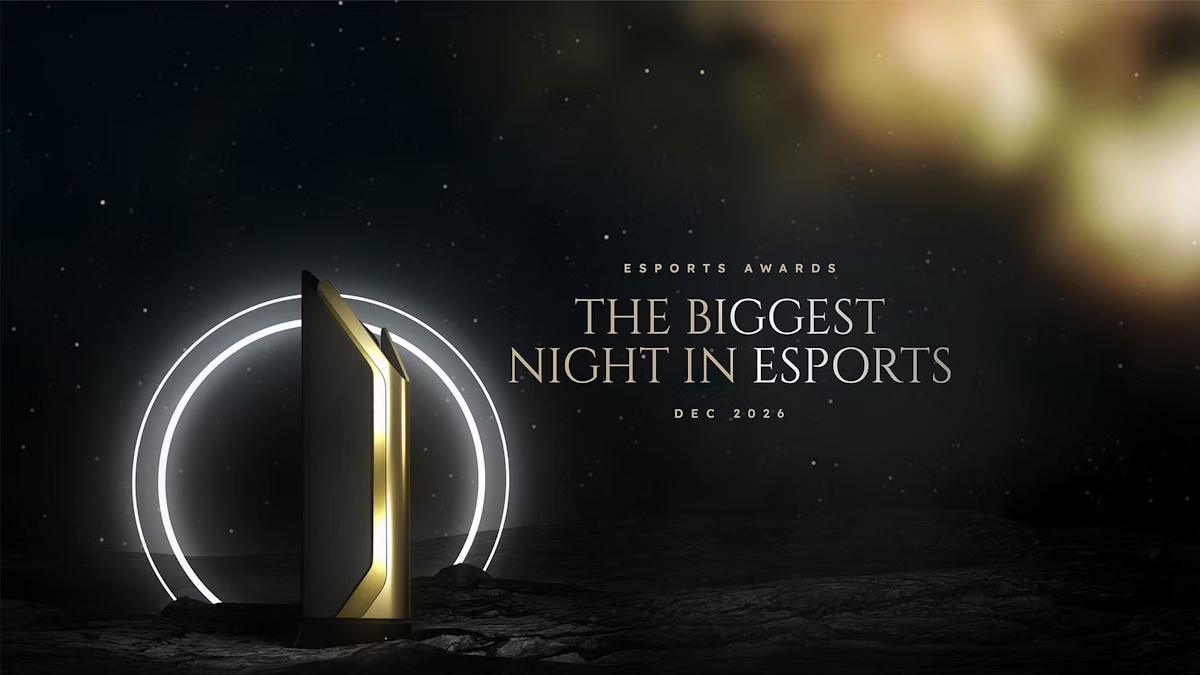
The Esports Awards has announced the return of its annual ceremony for 2026. Bringing together the global esports community under one roof, the Esports Awards will once again recognise the players, teams, creators and innovators who have defined the past year. The ceremony will take place in North America later this year, with exact dates and venue to be revealed in the coming months.
Last year’s edition of the Esports Awards marked a significant milestone, celebrating 10 years of esports excellence at the HyperX Arena in Las Vegas. The ceremony honoured some of the industry’s most recognised figures, including Mathieu “Zywoo” Herbaut, iShowSpeed and Animesh “Thug” Agarwal, while welcoming six new inductees into the Lifetime Achievement in Esports: Class of 2025 award. Earlier in the year, the Esports Awards also hosted the one-off Decade Awards in August, presented by Trevor “Quickshot” Henry, Jessica “JessGOAT” Bolden and Barney Banks, reaching 36.25M live views globally.
For the 2026 edition, fan-favourite categories including Esports Game of the Year, Esports Personality of the Year, Streamer of the Year and Esports Team of the Year will return, giving the community a voice in recognising the moments and individuals that shaped the past year in esports.
Winners will be determined through a combination of community voting and input from the Esports Awards Panel, a group of industry veterans, broadcasters, creators and players, ensuring the integrity and credibility of the awards.
In addition to the main ceremony, the Esports Awards Golf Invitational will return, bringing together industry leaders, creators and competitors for a day of networking and competition ahead of the awards.
“The Esports Awards continues to shine a spotlight on the very best in esports and gaming, and we’re pleased to return for 2026” said Michael Ashford, CEO of the Esports Awards. “Following the success of the Decade Awards and our 10th anniversary celebrations, we look forward to recognising the individuals, teams and moments that defined the past year in esports.”
Further updates regarding the venue, date, nominees and voting will be announced in the coming months. Fans are encouraged to follow the Esports Awards’ X account for the latest updates.
The post THE ESPORTS AWARDS RETURNS IN 2026 FOR A CELEBRATION OF ESPORTS EXCELLENCE appeared first on Americas iGaming & Sports Betting News.

-

 BNL6 days ago
Paneles SiGMA South America concentran debates claves para Brasil
-
ALL FOR ONE Studios5 days ago
Unlock the Sands’ Bounty — Games Global and ALL FOR ONE Studios introduce rewards in Queens of Ra Rising Coin Collect
-
Andrew Humphreys Chief Product Engineering Officer at Bede Gaming5 days ago
OLG Launches Innovative New React Native Mobile App with Bede Gaming
-
Alea5 days ago
Alea Returns to SiGMA South America as Brazil’s iGaming Market Enters a More Demanding Stage
-
bets6 days ago
SiGMA South America panels focus on key debates to Brazil
-
Evoplay5 days ago
Evoplay Embarks on a Heart of Africa: Lion Way
-
Best Slot Developer5 days ago
Amusnet Named Best Slot Developer at GamingTECH Awards 2026
-
Booming Games4 days ago
Booming Games targets South American dominance with major investment, flagship partnerships and exclusive Ronaldinho content