Latest News
Rising Bonus Abuse in Sports Betting: Fraudsters Leveraging Hidden AI Powered Bots


As digitalisation sweeps through the industry, the sports betting market has flourished. Taking betting online has made the experience more accessible, convenient, and interactive than ever. Artificial intelligence (AI) has made a big splash in recent years, giving sportsbooks access to more detailed data analytics. AI doesn’t only benefit sportsbooks however, as fraudsters have taken advantage of the technology for more malicious purposes. If sportsbooks don’t take action now, they face rapid losses to their budgets.
Sportsbooks frequently invest in pay-per-click (PPC) campaigns to drive first-time depositors (FTDs), using promotions such as bonuses to attract new users. However, these bonuses are a prime target for fraudsters, who leverage advances in AI to exploit them—driving fake sign-ups that drain budgets without delivering genuine new players.
To accomplish this, bad actors program AI-powered bots to rapidly create new accounts and take advantage of promotions without ever generating a conversion on the site. Bot networks like this are detrimental to advertising budgets, being responsible for nearly 40% of click fraud according to FraudLogix.
Most sportsbooks have fraud management systems in place to intercept and block these bad actors during the sign-up process. However, this does not prevent bots from clicking on paid search ads in the first place, driving up costs and draining marketing budgets before fraud can even be detected.
Sportsbooks need to take it upon themselves to develop a proactive strategy to identify fraudulent engagement. Without a strategy in place, sportsbooks risk significant profit loss and distorted campaign metrics.
Evolving Fraud tactics
Sportsbooks have been reaping the rewards of digitalisation, but this increased success comes with a hidden cost. The success of the industry has drawn the attention of bad actors, and with AI they pose a bigger threat than ever. Bad actors can now program AI bots to convincingly behave as a human user would. Bots can then carry out repetitive tasks repeatedly, allowing fraudsters to create floods of them to interfere with campaigns.
The PPC campaigns utilised by sportsbooks are often targeted by bots which repeatedly click on these paid ads. This drives up ad revenue for the publisher drastically, as bots increase the overall customer acquisition costs (CACs).
To carry out an attack, fraudsters use hosting servers. These servers can be used to store large amounts of data. From here, bad actors can then disguise themselves using a residential Internet Service Provider (ISP) to blend in with other users. Bad actors can mask their real location by routing their connection through a different server. This is typically carried out by using a residential IP address through a residential proxy, making the fraudster appear like a legitimate user to trick systems.
Fraudsters are experts at covering their tracks, as they can program bots to delete their information and cookies after clicking on a paid ad. Bots can then carry out the task on repeat by switching to a different device to appear as a new user. Fraudulent clicks from bots increase market expenditure without leading to a legitimate conversion, draining resources, and diluting return on investment (ROI). The problem is plaguing the industry as bots are responsible for approximately 24% of all clicks according to Imperva, and the risk is only increasing.
Bots Taking Advantage of Paid Promotions
A great way for sportsbooks to capture a new audience is through one-time special promotions. Bonuses like these are a popular hook, and encourage players to keep betting, even after the bonus funds are used up. Most of these promotions are offered once per account, but fraudsters can use bots to manipulate the system. These bots are programmed to generate multiple fake accounts and abuse the bonus repeatedly. Funds intended to drive FTDs are then diverted by bots without delivering genuine value, significantly draining resources.
Fraudulent traffic negatively impacts future campaigns as bot activity skews metrics. An influx of bot activity provides marketers with false positive results. Sportsbooks will then mistakenly direct more funds to these campaigns, setting them up for future losses and more bot activity.
Legacy fraud tools typically concentrate on the sign-up stage, targeting and blocking fraud there. However, this tactic doesn’t stop bots from siphoning media spend beforehand. Differentiating between sophisticated bots and legitimate traffic is difficult for these tools, allowing fraudsters to act before they can be identified. Attacks are on the rise, and if sportsbooks fail to take the necessary precautions to protect themselves against fraudulent clicks, they face considerable losses.
Utilising Transparency to Tackle Fraud
To ensure marketing efforts aren’t wasted and first-time depositors can be reached, sportsbooks need a strategy in place to combat fraud. Sportsbooks should be analysing their traffic for any sign of potential bot activity before they suffer multiple losses.
Monitoring traffic allows sportsbooks to identify irregular engagement, such as high bounce or click rates, or traffic from suspicious locations. To identify bots before they can impact campaigns, sportsbooks should continuously monitor their traffic for anomalies like these so they can be dealt with.
Fake accounts run by bots are a growing problem for sportsbooks, therefore sportsbooks should deploy strong identity verification alongside a trusted partner. This prevents fraudsters from creating multiple accounts to exploit promotions by forcing them to prove their identity.
Sportsbooks can also set click frequency limits for users. Setting limits prevents a particular user from repeatedly clicking on the same paid ad campaign. Bots are especially vulnerable to this tactic, preventing them from driving up costs by blocking them with a click threshold.
Ending Bonus Abuse
Digitalisation has provided both opportunities and complex challenges for sportsbooks. The pivot towards online betting has presented sportsbooks with the chance to reach a whole new audience. However, sportsbooks can’t truly capitalise on this new opportunity as long as bots are draining budgets behind the scenes.
To protect their advertising investments, sportsbooks need to take action. Sportsbooks need to take control of their traffic and identify any bot activity before bad actors have the chance to take advantage. By taking an active role in their defence, sportsbooks can ensure their bonuses stay strictly in the hands of their real audience.
 Article by Chad Kinlay, Chief Marketing Officer, TrafficGuard
A driven, open-minded, creative senior marketer with a strong sense of dedication and commitment. With over 15 years of progressive international experience in marketing and communications management, Kinlay has a credible history of commercial success.
The post Rising Bonus Abuse in Sports Betting: Fraudsters Leveraging Hidden AI Powered Bots appeared first on European Gaming Industry News.














Xpoint has launched a proprietary pattern-analysis engine aimed at helping betting and gaming operators detect coordinated fraud, including organized bonus abuse and location spoofing. The company announced the product on 6th July 2026 and said it is currently rolling out with partners in North America.
Xpoint said the engine is designed to catch groups that cycle the same devices, accounts, and locations to farm sign-up bonuses and exploit promotions. Unlike conventional geolocation checks that assess each login in isolation, the new engine analyzes historical location activity to identify patterns that emerge over time.
As an example, Xpoint said the engine can flag groups of users that repeatedly appear together across locations, particularly where some members have previously been linked to location spoofing—signals the company associates with coordinated bonus-abuse rings. Xpoint added that the analysis runs in the background against historical data and is intended to avoid adding friction to the player journey.
The launch follows a new investment round earlier this year, which Xpoint said was dedicated to accelerating growth and supporting further product enhancement.
Manu Gambhir, CEO of Xpoint, said: “Attempts to defraud operators are becoming ever more coordinated and advanced, so operators need the best possible tools to spot areas of concern early.
“Our pattern-analysis engine examines historical data to uncover unusual patterns an operator needs to be aware of, without in any way adding friction to the player journey. It further underlines our commitment to innovative, adaptable compliance solutions for operators.”
The post Xpoint rolls out pattern-analysis engine to flag coordinated bonus abuse appeared first on EE Gaming | Global iGaming & Tech Intelligence Hub.
Fan Engagement
Midnite extends Southampton FC sponsorship through 2026/27 and rolls out ‘2UP’ fan prize


Midnite has renewed its partnership with Southampton FC for the 2026/27 season, continuing as the club’s Official Training Kit partner and back-of-shirt sponsor.
The company said the extension builds on its first season with the club in 2025/26, when it ran supporter activations including “Midnite Express” away travel, a commemorative tifo marking the 50-year anniversary of Southampton’s FA Cup success, and hospitality giveaways via its “Ticket Treats” campaign.
For 2026/27, Midnite is introducing a season-long fan initiative called “2UP”. Under the format, if Southampton go two goals up in any home league match, one fan wins the 2UP prize pot. Midnite said the pot increases by £1,000 each week a jackpot is not won, and noted Southampton held a two-goal home lead on six occasions last season.
Greg Baker, Chief Revenue Officer of Southampton Football Club said:
“We’re delighted to continue our partnership with Midnite after a successful first season together.
“They’ve consistently looked for new and engaging ways to reward our supporters, whether through unique matchday experiences, away travel or fan competitions, and we’re excited to see that continue this season.
“The launch of 2UP is another fantastic example of that commitment and we look forward to seeing Saints fans enjoying the campaign throughout the 2026/27 season.”
Andrew Mook, Midnite‘s Head of Brand Marketing, added:
“We’re excited to be Southampton’s Official Training Kit partner for a second year.
“During the 2025/26 campaign, Midnite worked closely with the club to create experiences that reward Saints supporters. From helping fans travel in style on the Midnite Express and commissioning the club’s commemorative FA Cup tifo, to providing hospitality experiences through Ticket Treats, our aim has always been to add something extra for Saints fans.
“With that said, we are pleased to introduce ‘2UP’ where one lucky fan will win prize money if Southampton take a two-goal lead in any home league fixture, with £1,000 being added to the pot after each game at St Mary’s.
“With Southampton taking a two-goal lead at home six times last season, we’re looking forward to seeing a number of Saints fans rewarded through ‘2UP’ during the campaign.”
The post Midnite extends Southampton FC sponsorship through 2026/27 and rolls out ‘2UP’ fan prize appeared first on EE Gaming | Global iGaming & Tech Intelligence Hub.
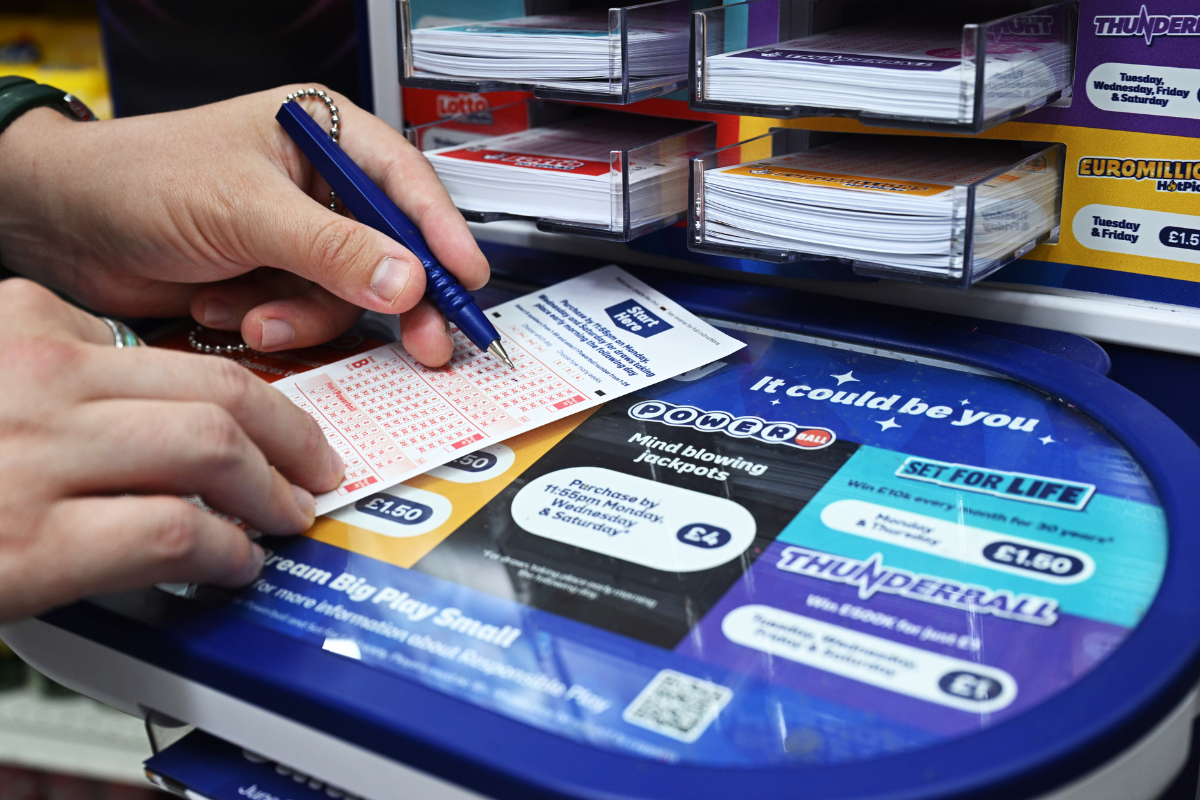
National Lottery operator Allwyn said on 6 July 2026 that it plans to launch a UK version of Powerball on Tuesday 21 July, subject to final regulatory approval. The company said UK players will be able to buy a £4 Powerball line in National Lottery retailers and via the National Lottery website and app.
Allwyn said the UK-specific version will offer jackpots starting at £12M and will be linked to the US Powerball game through a partnership with the Multi-State Lottery Association (MUSL). The company said UK jackpot winners will be paid over 30 years, and that UK players will pick five main numbers from 1 to 69 and one Powerball number from 1 to 26, with draws held three times a week.
Allwyn said the first UK draw is scheduled for 23 July, with ticket sales closing at 11.55pm the night before draws on Mondays, Wednesdays and Saturdays, and draws taking place around 4am the next morning on Tuesday, Thursday and Sunday from a Powerball studio in Florida. It added that the UK game includes an additional “Match 2 main numbers” prize tier exclusive to UK players, paying a fixed £8, while the “Match 5 main numbers” tier pays a fixed £1M.
Allwyn CEO, Andria Vidler, said, “We’re excited to give National Lottery players the chance to dream bigger, while supporting thousands of Good Cause projects across the UK every week. Powerball jackpots can soar into the billions, offering breath-taking sums with the potential to transform lives and communities.
“As we begin the countdown to the first draw later this month, you won’t be able to miss Powerball’s arrival with a major launch lined up. We’re encouraging players to get involved when tickets go on sale, and we’ll be crossing our fingers for our first UK winner.”
Rebecca Paul, President & CEO of the Tennessee Lottery and former President of the World Lottery Association, said “This next step brings us closer to a thrilling milestone for Powerball. More players means faster-growing jackpots, more excitement and even greater impact for the communities we serve.”
Allwyn said the game is expected to raise around £1BN for UK Good Causes over its first five years, with funding generated from UK ticket sales going to UK beneficiaries and projects. It also referenced recent changes to the National Lottery’s Lotto game and said the revised format has produced 27 millionaires since the first draw under the new format on 10 June.
The post Allwyn sets UK launch date for Powerball game on 21 July, pending approval appeared first on EE Gaming | Global iGaming & Tech Intelligence Hub.

-

 Africa6 days ago
Booming Games renews Hollywoodbets Durban July activation partnership
-
content-supply7 days ago
Million Games launches Skull King’s Treasure with partner studio Arcane Pixel
-
Africa6 days ago
SpringbokCasino ties July free spins to ‘Minions in the Wild’ campaign
-
Evoplay6 days ago
Evoplay launches Safari Coins slot with fixed jackpots and collector mechanic
-
GGPoker7 days ago
GGPoker opens satellites for WSOP Circuit CDMX México 2026
-
Baltics6 days ago
From Ronaldinho Roulette to Next-Generation Game Shows: How CreedRoomz is Expanding Live Casino Entertainment
-
game launches6 days ago
Habanero launches Happy Hatchlings slot with screen-wide Wild transforms
-
 Arizona Department of Gaming6 days ago
Arizona Department of Gaming Concludes Legislative Session with Approved Agency Continuation and Enhanced Spending Authority for Problem Gambling