Latest News
Movers and Shakers – Beyond integration: Why system interoperability is the real game changer

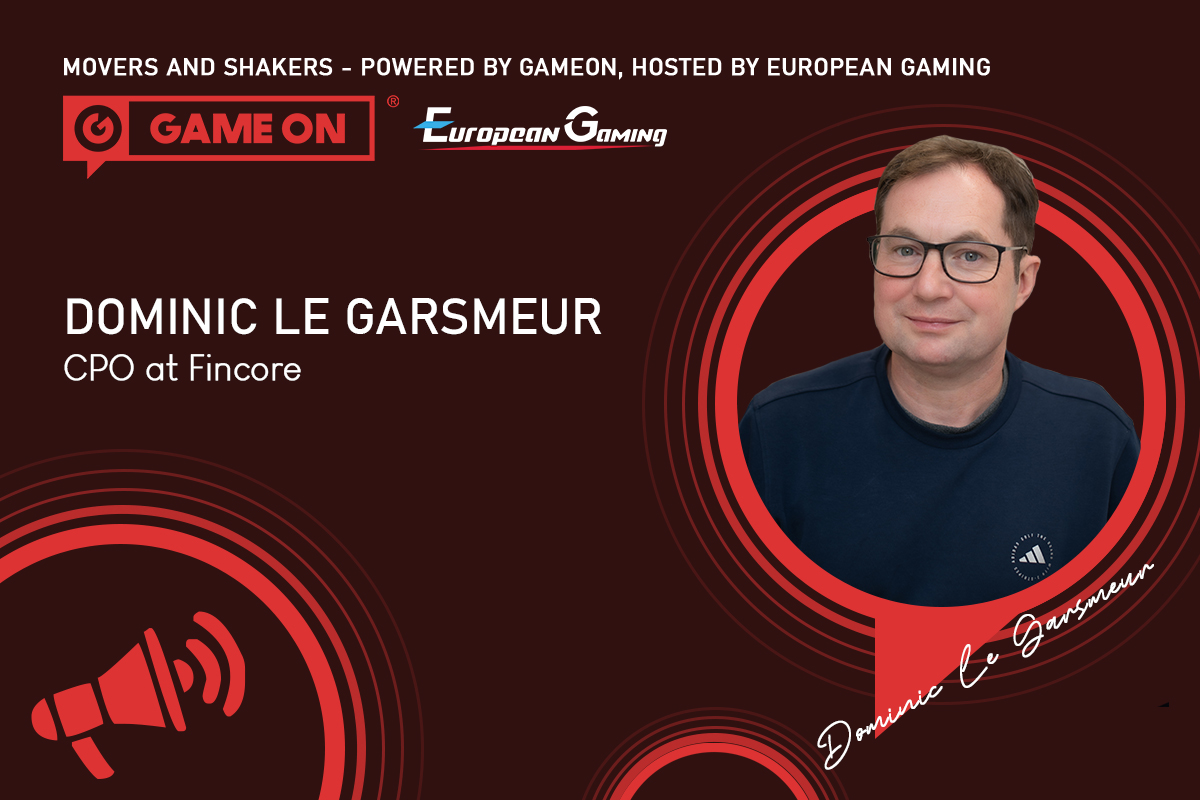
“Movers and Shakers” is a dynamic monthly column dedicated to exploring the latest trends, developments, and influential voices in the iGaming industry. Powered by GameOn and supported by HIPTHER, this op-ed series delves into the key players, emerging technologies, and regulatory changes shaping the future of online gaming. Each month, industry experts offer their insights and perspectives, providing readers with in-depth analysis and thought-provoking commentary on what’s driving the iGaming world forward. Whether you’re a seasoned professional or new to the scene, “Movers and Shakers” is your go-to source for staying ahead in the rapidly evolving iGaming landscape.
Dominic Le Garsmeur (CPO) at Fincore, says integrations without a clear interoperability strategy add technical and operational debt, hampering future growth.
System integrations are hugely important for any online sportsbook or casino, adding capabilities and features to drive growth. But integrating without considering and optimising interoperability can do more harm than good by adding technical and operational debt to the business and ultimately hitting growth.
Integrating without interoperability pushes information from one system to another, but the connection itself has no intelligence. It’s a mechanical link, and the systems remain fundamentally separate, each operating with its own distinct rules. Any real understanding, like why that data was sent or what other processes it should trigger, is lost, creating data silos that are technically connected but strategically disconnected.
System interoperability provides the intelligence the connection lacks, establishing a shared operational model for the platform so all systems can act in concert. Most importantly, it creates a future-proof foundation, allowing new capabilities and features to be added with agility and confidence, turning the platform into an engine for innovation rather than a source of technical debt.
Before looking at why interoperability is more powerful than integration, and how companies can solve it, it’s important to understand how disconnects between platforms and systems occur in the first place.
Why does disconnection happen?
Operators acquire their tech stacks in different ways, but usually through a combination of building, inheriting legacy tech, acquisition and third-party providers. This often leads to platform and system silos with little to no compatibility between them.
Ultimately, disconnected systems drag down delivery and without interoperability, companies waste time reconciling platforms and tech rather than advancing forward.
Interoperability is more powerful than integration
Integration often means linking systems at a basic level, but interoperability ensures that data, logic and workflows are aligned and extensible.
It’s critical to have a strategic data layer and shared data structures that enables standardising of data representations, aligning systems at the logic level, not just the interface, and building an architecture designed to unify and extend across platforms.
In complex industries such as gaming, where tech plays such an important role in the user experience and the trust consumers have in brands, system interoperability is the only way to scale with control. In short, integration links, interoperability empowers.
Why interoperability is such a challenge in the gaming industry
Each integration is unique. Why? Because the combination of legacy systems, niche vendors and varying regulations in markets across the world means there is no blueprint for operators to follow.
Remember, most operator platforms are now decades old and were not built with modularity or openness in mind. And even those developing new platforms and systems from scratch often lack the in-house capability to design for interoperability from the get-go.
The risk of not achieving interoperability
When systems don’t interoperate, things start to fall apart. For example, delivery can grind to a halt, with every new feature launch or market entry becoming a grind. There are compliance risks, too, especially when it comes to fractured data and an increased risk of errors and audit gaps.
Then, of course, there is the poor player experience that will be provided. This could be anything from glitchy games to failed deposits and even the wrong marketing communications being sent to the wrong player cohorts.
It also impacts an operator’s ability to develop and innovate, as IT and tech become reactive rather than proactive. And in such a competitive market, this can see a brand quickly fall behind the curve.
How to solve the interoperability conundrum
Ensuring interoperability is a complex and comprehensive undertaking, but there are some high-level things operators can do.
This starts with standardising critical data flows and logic, not just the interface. Remember, a single view of data is what ensures all the platforms, systems and networks communicate with each other in the same language.
Operators should also design for change, as architecture must support long-term growth and plug-and-play modularity. In most cases, it’s best to invest in strategic partners, not just tools.
How strategic partners can help
Partners such as Fincore can provide the strategic clarity operators need, defining what interoperability looks like for them and based on their business goals. We also bring execution muscle – we don’t just design it, we build it.
The right partner also brings compliance confidence. Companies such as Fincore are highly experienced when it comes to interoperability, and everything we do stands up to regulatory scrutiny.
This can be seen in our proven track record for delivering interoperability for everything from complex migrations to global-scale game roll-outs.
A real-world example of interoperability
Fincore worked with a US-based gaming services provider whose legacy systems across its land-based venues had created silos in payments, loyalty and in-resort experiences.
The solution we proposed saw us design and deliver a digital wallet that became the unified digital layer across the physical properties. We also integrated deeply with multiple rigid legacy systems to provide secure and compliant interoperability at scale.
The result? We delivered on time, unlocked a new digital product line and created a long-term tech foundation for the company to continue to build on.
When it comes to integrations, you can always wire systems together, but if you don’t do it in the right way, you get chaos. Interoperability is about creating order within platforms and systems, which in turn allows for unlimited scaling and growth.
And that’s why interoperability is the real game-changer.
The post Movers and Shakers – Beyond integration: Why system interoperability is the real game changer appeared first on European Gaming Industry News.








Anthony Dalla-Giacoma Chief Commercial Officer at Swintt
Swintt launches Elysium Studios slots on Kaizen Gaming’s Stoiximan.gr

15 titles are live in Greece, with more Elysium Studios releases scheduled to follow.
Swintt has rolled out a selection of Elysium Studios slot content on Stoiximan.gr, expanding its distribution in Greece through a partnership with Kaizen Gaming.
The supplier said 15 titles are already live on the Stoiximan platform. Games named in the announcement include I Hate Fairytales and Law of Gilgamesh, with additional Elysium Studios releases due to be added later.
Anthony Dalla-Giacoma, Chief Commercial Officer at Swintt, said: “We’re delighted to see our games go live with another brand in the Kaizen Gaming portfolio, especially as this latest launch takes us to Greece, where Stoiximan.gr is widely recognised as a market leader.
“With its strong reputation and extensive player base, Stoiximan.gr is the perfect platform for us to introduce more Greek players to Elysium Studios content. With 15 titles already live and more to come, we’re confident our games will add real value to the operator’s casino offering and help drive strong engagement among its players.”
The post Swintt launches Elysium Studios slots on Kaizen Gaming’s Stoiximan.gr appeared first on EE Gaming | Global iGaming & Tech Intelligence Hub.
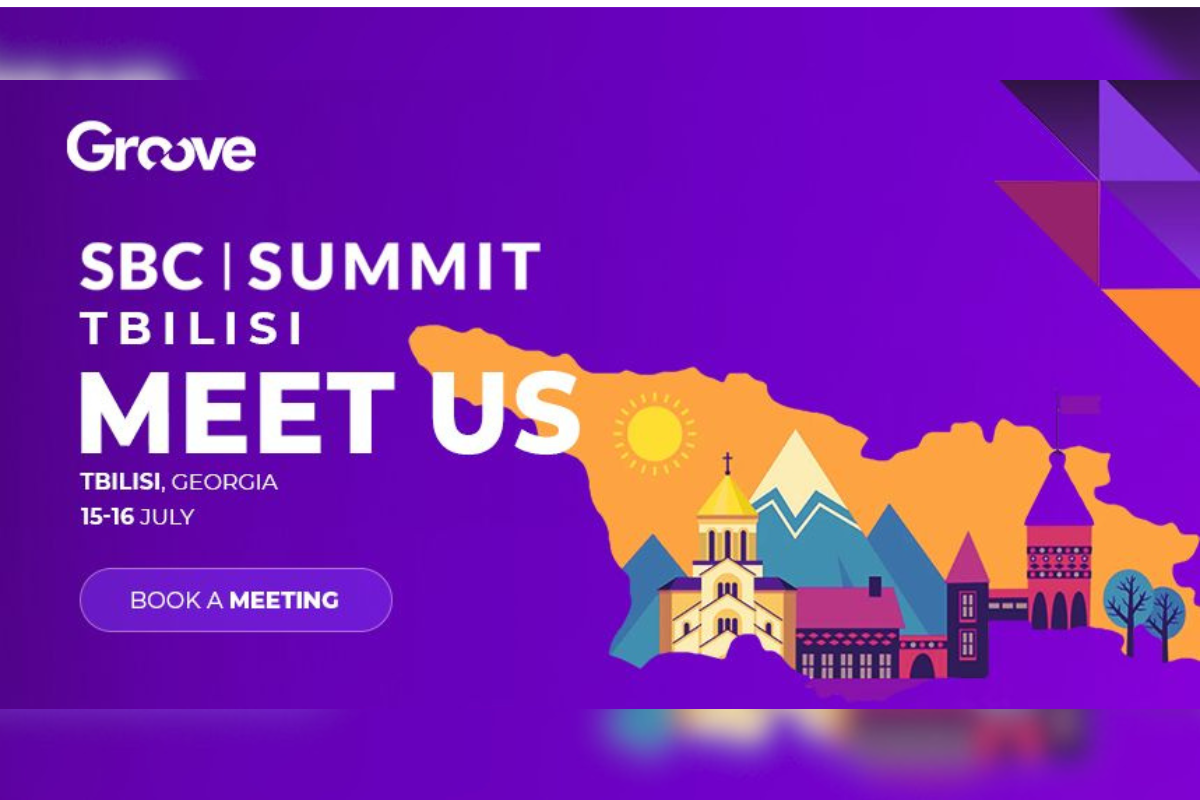
Groove has confirmed it will attend SBC Summit Tbilisi 2026, scheduled for 15–16 July at the Sheraton Grand Tbilisi Metechi Palace, as it targets growth across Eastern European and Central Asian iGaming markets.
The conference is expected to draw more than 2,500 industry professionals, according to the company, following 2025’s record attendance with delegates from 44 countries. Groove said it will bring a full commercial delegation to pursue partnerships with regional operators.
Yahale Meltzer, Co-Founder and CEO of Groove, said: “Eastern Europe and Central Asia represent some of the most dynamic growth opportunities in iGaming today. SBC Summit Tbilisi is where the region’s decision-makers converge, and we are arriving with a platform built for scale, speed, and regulatory precision.” He added: “Our Unseen Architecture of predictive auto-scaling, atomic transactions, and a real-time compliance mesh ensures operators can launch fast and adapt locally, whether they are entering Georgia, the Balkans, the Baltics, or Central Asia.”
Meltzer also pointed to the SBC Regulators Summit as a factor in the company’s focus on the event, saying: “With regulation front and centre as a business-critical priority, and direct access to regulators through the SBC Regulators Summit, this event is where commercial realities are forged. Groove delivers the toolbox, the content, and the expertise to turn ambition into measurable growth.”
Ana Sokhadze, Operations Manager at Groove, who will lead the company’s presence in Tbilisi, said: “SBC Summit Tbilisi is the meeting point for the region’s most ambitious operators, affiliates, and technology suppliers. This is where high-value networking translates into real commercial opportunity.” She added: “We are not here to hand out brochures. We are here to have conversations that become partnerships.”
The post Groove confirms attendance at SBC Summit Tbilisi 2026 appeared first on EE Gaming | Global iGaming & Tech Intelligence Hub.
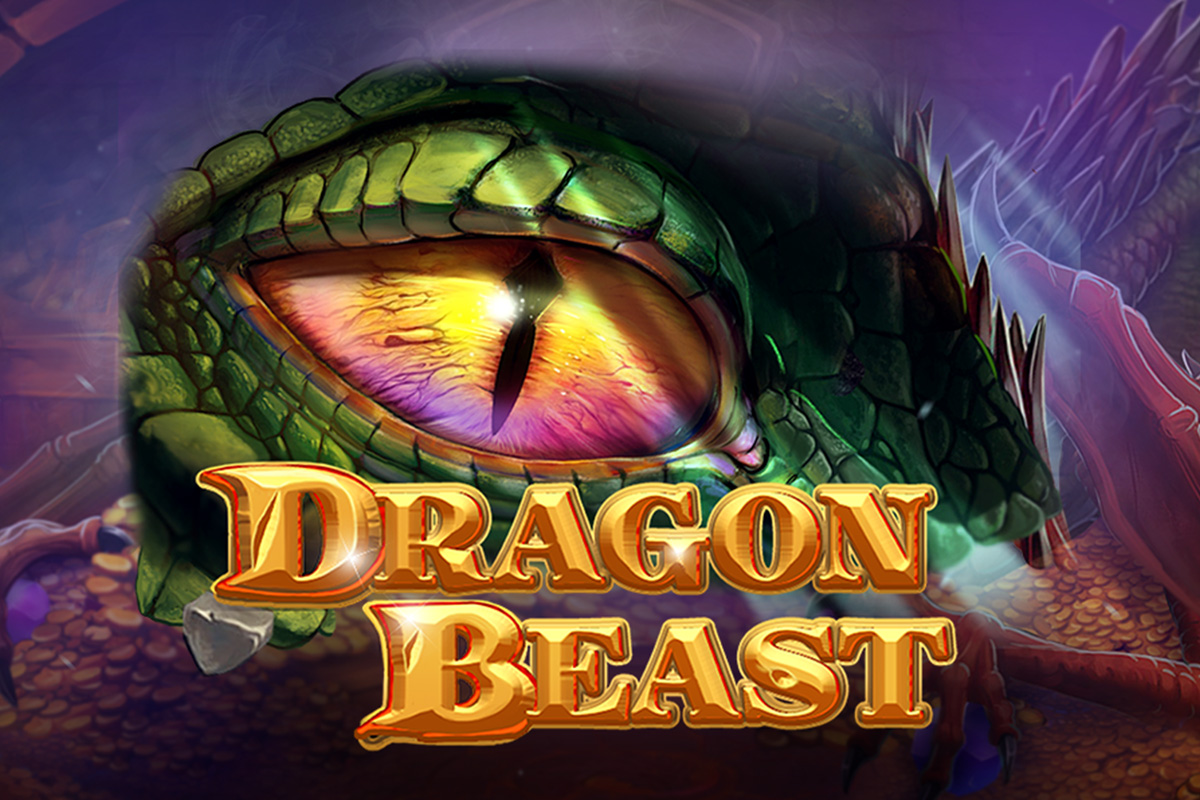
CT Interactive has released Dragon Beast, a visually refined and feature-rich slot that combines classic mechanics with a modern presentation set in a rich world of dragons and royal symbols.
Dragon Beast takes players on a thrilling journey through a mystical world filled with hidden wealth and legendary creatures. Set on a 4×3 reel layout, the game offers exciting gameplay and rewarding opportunities with every spin. Along the way, players will encounter the special Dragon Eye Wild symbol, as well as valuable treasures such as Money, Goblet, Crown, Ruby and Diamond. Together, these symbols create an immersive adventure where fortune, mystery and the power of the dragon combine to deliver an unforgettable slot experience.
Special Features
The Wild: The Dragon Eye Wild substitutes for all other symbols.
The Hold and Respin: All wins in the game are scatter wins. Dragon Eye Wild substitutes for all symbols. When 3 or more Dragon Eye Wild appear on the screen, the player is offered a respin. To play the respin, the player must pay for it. During a Respin, the bet is the same as in the initiating game that triggered it. During the Respin, the chosen symbol sticks on the screen and a new spin of the reels is made for the remaining positions. If the Respin results in a higher win from the symbol than in the initiating game, only the higher win is paid out. If there are 12 identical symbols on the screen, no Respin is offered.
Legendary Rewards
Catch the maximum win of up to 1000x total bet by landing 12 Diamonds in a winning combination.
The post CT Interactive Releases its Latest Title, Dragon Beast appeared first on EE Gaming | Global iGaming & Tech Intelligence Hub.

-

 Africa6 days ago
Booming Games renews Hollywoodbets Durban July activation partnership
-
content-supply6 days ago
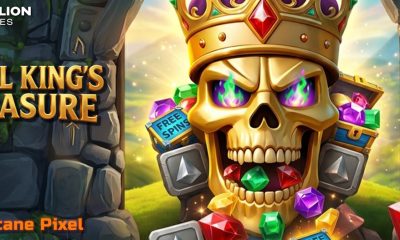
Million Games launches Skull King’s Treasure with partner studio Arcane Pixel
-
Canada7 days ago
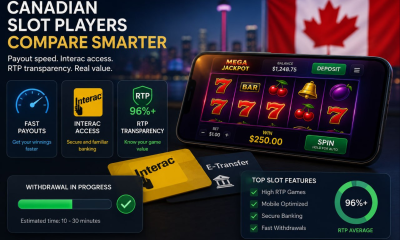
What Canadian Slot Players Are Really Comparing in 2026: Payout Speed, Interac and RTP Transparency
-
Africa6 days ago
SpringbokCasino ties July free spins to ‘Minions in the Wild’ campaign
-
Evoplay6 days ago
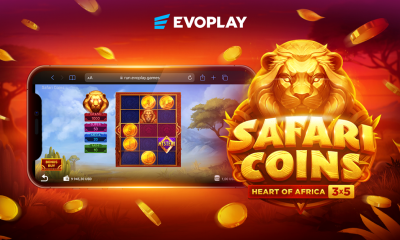
Evoplay launches Safari Coins slot with fixed jackpots and collector mechanic
-
Casino Content7 days ago
SkillOnNet adds ODDSworks casino content across Ontario sites
-
GGPoker6 days ago
GGPoker opens satellites for WSOP Circuit CDMX México 2026
-
Baltics6 days ago
From Ronaldinho Roulette to Next-Generation Game Shows: How CreedRoomz is Expanding Live Casino Entertainment