Compliance Updates
Washington’s Lottery Achieves Nation’s Highest Level of Responsible Gambling Certification

Washington’s Lottery announced that it has achieved the highest level of responsible gambling certification in the country. As acknowledged by the National Council on Problem Gambling (NCPG) and the North American Association of State and Provincial Lotteries (NASPL), Washington’s Lottery officially was certified for “Responsible Gambling Verification Best Practices at the Sustaining Level” in December 2024, the culmination of a process that began with certification at the Planning Level in 2019 and Implementation Level in 2021.
Washington’s Lottery is only the third state lottery in addition to Virginia and Ohio to achieve this milestone. NCPG and NASPL also recognize nine other state lotteries that have achieved a similar certification through the World Lottery Association.
“I can’t begin to express how proud I am of the work our team has done to achieve this important standard. We have a unique obligation as a state agency that sells a gambling product and need to balance the goal of raising money for important state initiatives like education with the need to acknowledge and assist the small percentage of players who may experience gambling-related distress. We take that work very seriously and weave it into all aspects of our jobs,” Kristi Weeks, Director of Legal Services for Washington’s Lottery, said.
To receive the Sustaining Level certification, Washington’s Lottery was evaluated by a team of four independent experts, who reviewed the lottery’s efforts in eight key categories related to responsible gambling: planning, employee training, retailer training, public education and awareness, product oversight, research, advertising, and resources.
“The key to our success has been the integration of responsible gambling initiatives into each and every employee’s position rather than centralizing it into only one or a few positions,” Weeks added.
The post Washington’s Lottery Achieves Nation’s Highest Level of Responsible Gambling Certification appeared first on Gaming and Gambling Industry in the Americas.











Compliance Updates
KSA – Target for Gambling Tax Increase Not Achieved: Expected Tax Revenues Turn Out Lower
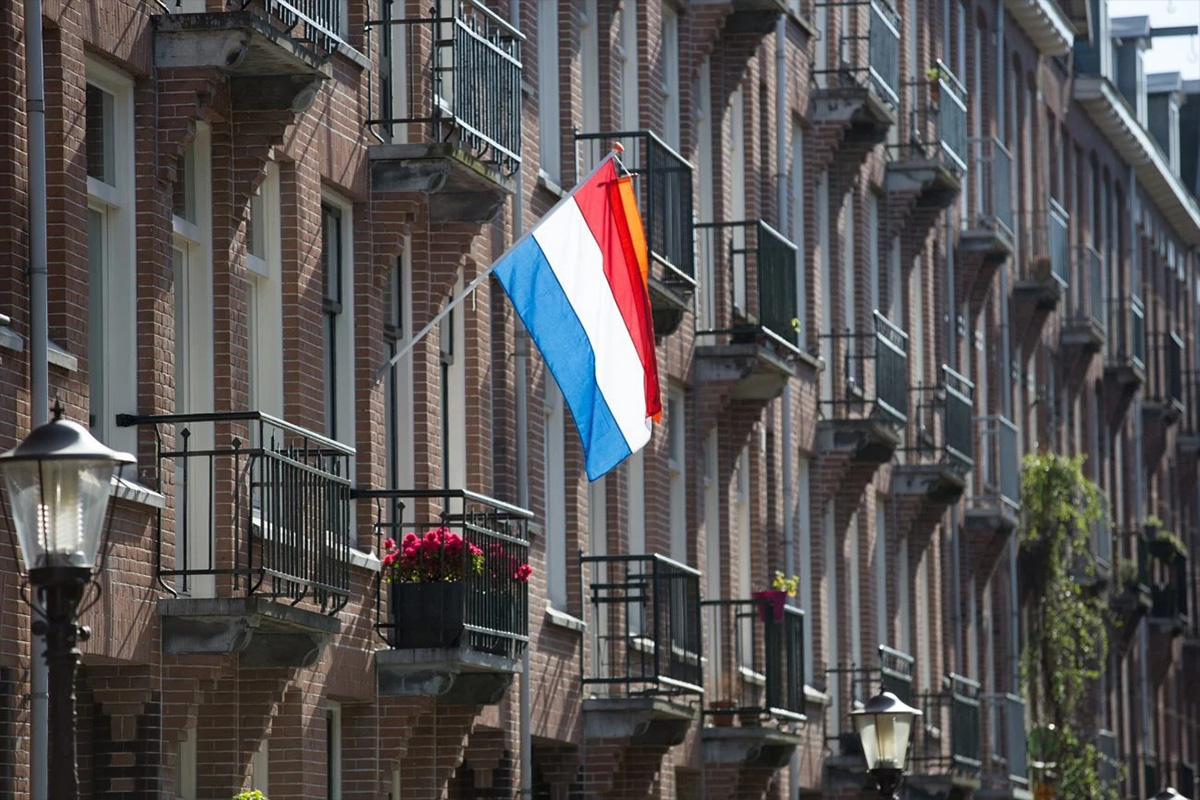
The recent increase in the Dutch gambling tax has failed to achieve its primary financial objectives. This is evident from the “monitor of the effects of the increase in gambling tax,” conducted by the Ministry of Finance and the Dutch Gaming Authority. As of January 1, 2025, the gambling tax was increased from 30.5% to 34.2%, and in 2026 the rate was further raised to 37.8%. The aim of this increase was to raise government revenue. The monitor shows that this goal is not being achieved as expected: the projected tax revenues turned out lower.
The tax increase was expected to yield an additional €108 million in 2025 compared to the previous year, and €216 million in 2026. However, the monitor shows that these amounts are turning out much lower: an additional €2 million was collected in 2025, and €57 million in 2026. Moreover, the tax increase is causing a decrease in revenue from state participations, resulting in even lower additional revenue for the State.
The fact that tax revenues are lower is due to several developments. In the years measured, various measures were taken to better protect players, causing the gross gaming result (GSR) of providers to decrease. This leads to a decrease in the tax base, the amount on which tax must be paid. The tariff increase itself may also have led to a decrease in the tax base, for example because physical establishments of gambling companies were closed in the interest of profitability.
The monitor also examined the effects on market size, channeling, and contributions to charities and sports. It is not possible to draw conclusions regarding this, as multiple changes occurred simultaneously. For instance, the aforementioned rules to better protect players and various advertising restrictions have also impacted the gambling market.
The post KSA – Target for Gambling Tax Increase Not Achieved: Expected Tax Revenues Turn Out Lower appeared first on Americas iGaming & Sports Betting News.

Looking beyond Brazil, which LatAm market stands out most right now, and what makes it attractive?
Liam Hoofe, Content Strategist at GameOn
Based on our research for GO Intel, I think Chile is the market to watch out for the most. The size of the opportunity is potentially massive, with the Chilean Senate’s own figures estimating that more than 5 million Chileans are already gambling online.
The demand is definitely there, and broader discussions about a regulatory framework are underway. Our estimates in GO Intel also put channelisation rates at 80% if enforcement and regulation ran smoothly.
The proposed ‘cooling-off’ period for operators already active there is also quite a unique approach, and it will benefit those who approach the market with the right foundations in place.
Of course, as we’ve seen with Brazil, there will no doubt be a lot of public debate around the market, and the tax structure could be complex, but of the three we researched, this one still stands out the most.
Paulina Hovar, Lead Sales Manager LATAM at BGaming
Right now, Mexico and Argentina stand out the most to me.
Mexico has been showing steady growth for a while now. It’s already a fairly mature market with strong operator presence, but there’s still plenty of room to scale. At the same time, one of the main things to watch is the tax situation and how regulation may develop in the future, since that could impact profitability and market dynamics.
Argentina is interesting for a different reason. The market is regulated at the provincial level, so it’s much more decentralized. That creates opportunities because entry can be more flexible, but it also means you need to understand the local landscape and choose partners and regions carefully.
Ramiro Atucha, Board Advisor to Kiron Interactive
Mexico stands out. The size of the market alone makes it attractive, and the current regulation is already acceptable enough for public companies to feel comfortable operating there. It’s also moving toward a more formal framework, so there’s still margin to grow. Beyond Mexico, I’d point to Chile, certain provinces in Argentina, and Colombia. All three have their own dynamics, but they’re markets you can’t ignore right now.
When entering markets that are still evolving from a regulatory perspective, what’s the right balance between moving early and waiting for clarity?
Liam Hoofe, Content Strategist at GameOn
That’s the million-dollar question, and it’s one I’m not sure there is a 100% correct answer to. For me, it’s about building relationships, ensuring you have the right infrastructure in place, and understanding a market before you invest.
Operators and studios that just enter with no understanding of the culture and of the way the regulatory landscape could adapt are putting themselves at risk of failing.
Trying to remain one step ahead of regulation and working alongside the regulators to help the market mature is always going to be a much better approach than just waiting for regulation to come into place and being reactive.
Paulina Hovar, Lead Sales Manager LATAM at BGaming
It depends on how mature the market is.
If the regulatory framework is already clear and established, then the best approach is to operate fully within the licensed model from day one.
But in markets that are still in a gray or transitional stage, where operators are already active, it can make sense to take a more gradual approach. That could mean building partnerships, adapting the product to local needs, and preparing for future regulation before fully committing.
You also have to be very careful about legal and reputational risks. Every market is different, so timing and level of involvement should be assessed on a case-by-case basis.
Ramiro Atucha, Board Advisor to Kiron Interactive
As early as possible, as long as it isn’t illegal or forbidden. That’s the right moment to enter and transition through the regulatory process. Brazil is the clearest example. Sports betting was legalized in 2018, but the full regulatory framework only came in late 2023, with licensed operations starting in 2025. The operators that used those years to attract players, test the market and build name recognition without breaking the law made a real difference. By the time regulation arrived, they were already established.
As markets like Chile, Peru, and Uruguay develop, what will separate the brands that succeed from those that struggle?
Liam Hoofe, Content Strategist at GameOn
The biggest differentiator for me is localisation, and by that, I mean real localisation, not just translating a game into Spanish and calling it a day. This means actually creating products and promotions that speak to local audiences. LatAm is not just some big monolithic market with a one-size-fits-all solution – brands that succeed there are the ones that understand this. The ones who know that a player in Chile is not the same as one in Uruguay or Brazil are going to be the big winners.
On top of that, working closely with regulators and showing genuine concern for players’ well-being in these markets will make a huge difference. It’s not enough anymore to just display simple responsible gambling tools; players want to see it in your actions, and it’s obvious to them which brands really care and which are just ticking boxes.
And finally, local partnerships. Some of the most successful companies we work with are those that really integrate themselves and find local partners that offer genuine insight into communities, and can be leveraged to build trust. This can be achieved in a number of different ways, whether it’s through working with local content creators and influencers or getting involved with local charities and events.
Paulina Hovar, Lead Sales Manager LATAM at BGaming
As markets like Chile, Peru, and Uruguay continue to develop, the following three factors will set successful brands apart from the rest.
First, strong local partnerships. Without people on the ground and a real understanding of how each market works, it’s very difficult to build a sustainable position.
Second, product adaptation. Translation alone is never enough. Companies need proper localization that reflects user behavior, cultural differences, and local audience preferences.
And third, regulatory readiness. The companies that invest early in certification, compliance, and building the right processes will have a major advantage later on. It’s expensive and takes time, but in regulated markets, long-term preparation usually makes the difference between short-term growth and lasting success.
Ramiro Atucha, Board Advisor to Kiron Interactive
Brands that bring international experience and proven competitiveness from other markets, combined with genuine local understanding, will get the best of both worlds. The international background gives you credibility and product depth. The local presence gives you a product that’s actually adapted to how players in that country behave. Neither side works on its own. In Chile, Peru, and Uruguay, the operators who get this combination right are the ones who’ll separate from the pack.
The post LatAm: Beyond Brazil – Chile, Uruguay and Peru’s Regulatory Trajectories appeared first on Americas iGaming & Sports Betting News.


Dutch gambling trade association VNLOK is going to sue Meta and is filing a complaint with the European Commission regarding the large-scale dissemination of illegal gambling advertisements on Facebook and Instagram. According to VNLOK, the tech company’s measures are structurally inadequate, while vulnerable groups – including young people – are being reached en masse by the illegal gambling advertisements.
Meta has for quite some time refused to enter into a substantive dialogue with the Dutch trade association of legal online gambling providers. VNLOK now announces that it is taking both legal action and involving the European Commission.
Illegal Gambling Market Continues to Grow
The illegal gambling market in the Netherlands is now approximately as large as the legal market. It is estimated that over 1 billion euros is involved in illegal online gambling annually.
“This is not only an economic problem, but above all a major risk to consumer protection. Illegal providers do not adhere to rules regarding addiction prevention and actively target vulnerable groups such as minors and problem gamblers,” said VNLOK Chairman Björn Fuchs.
Facebook and Instagram Flooded with Illegal Gambling Advertisements
Facebook and Instagram play a central role in the growth of the illegal market. VNLOK has been conducting research into advertisements for illegal gambling sites for some time. This research shows that in the last quarter of 2025, an average of over 70,000 gambling advertisements targeting the Netherlands were visible on Meta platforms. More than 95% of this gambling promotion originated from illegal providers, generating tens of millions of monthly impressions among Dutch consumers. Less than 5% of these advertisements were removed by Meta. Consequently, illegal gambling providers continue to reach Dutch consumers on a large scale via Meta platforms.
VNLOK is highly critical of Meta’s approach. The tech company relies primarily on retroactive reporting via standard user tools. “That is like trying to mop up water with the tap still running,” says VNLOK. “Illegal providers keep returning with new advertisements. The Gaming Authority submits thousands of reports of illegal gambling advertisements to Meta every month. Large online platforms are legally obliged to continue investing in the detection, monitoring, and restriction of illegal gambling advertisements targeting Dutch consumers. As long as Meta fails to meet its legal obligation, the illegal market will continue to grow and vulnerable players will be exposed to significant risks. That is why we are now taking legal action as well as taking the matter to Brussels.”
According to VNLOK, the European Digital Services Act (DSA) obliges very large online platforms such as Meta to take adequate measures to limit the risks of illegal content on their platform, especially if it occurs structurally and on a large scale. Given the large number of illegal gambling advertisements, this system falls structurally short at Meta.
According to VNLOK, the situation has escalated further because Meta refuses to enter into a substantive dialogue with the trade association.
It is not the first time Meta has had to answer to a Dutch court. In 2025 and 2026, Meta was already ordered by the District Court and the Amsterdam Court of Appeal to remedy a structural violation of the DSA. “Dutch judges have frequently taken a critical stance towards Meta,” states VNLOK, “So it is possible. And without this constituting a disproportionate burden.”
Summons and complaint in Brussels
Because negotiations are yielding no results, VNLOK is now taking two drastic steps:
• VNLOK requests a declaration from the judge that Meta has violated the DSA and is directly liable for the illegal content; an order compelling Meta to comply with the DSA, for example by using better systems to prevent and detect problems; and a penalty payment for each day that Meta fails to comply with this order.
• VNLOK has notified the European Commission and requests an investigation, enforcement, and possible sanctions due to the violation of the DSA.
Political Pressure is Mounting
The move comes just before a debate in the House of Representatives on online gambling and consumer protection. Attention to illegal gambling advertisements on major platforms is also growing in Brussels. MEPs had previously warned that Meta plays a key role in the dissemination of these advertisements.
While VNLOK currently focuses on Meta, it points out that Google, banks, and game providers must also do more to stop the activities of illegal gambling companies, including advertising.
The post Dutch Gambling Trade Association Sues Meta Over Illegal Gambling Ads appeared first on EE Gaming | Global iGaming & Tech Intelligence Hub.

-

 Australia7 days ago
Former Star Entertainment Executives Mathias Bekier and Paula Martin Disqualified and Ordered to Pay Penalties
-
Alejandra Burato7 days ago
Record Attendance, Exciting New Releases, and a Resounding Success: This was Zitro Experience Peru
-
ArenaPlus7 days ago
DigiPlus Wins “Digital Operator of the Year” Award at 2026 Global Gaming Awards Asia-Pacific
-
Anthony Dalla-Giacoma7 days ago
Elysium Studios Releases its Latest Slot Game “Hood and Loot”
-
Greece7 days ago
SYNOT Games Announces New Partnership with Superbet
-
Bragg Gaming Group4 days ago
Massive Gaming launches Blitzcrown titles on Superbet Brazil via Bragg Hub
-
Compliance4 days ago
HIPTHER Launches HALLO: The Standard in Compliance Expertise
-
BurraPay7 days ago
Byte Federal Announces Successful Launch of Custom-Built Integration Supporting BurraPay’s Historic Entry into America’s Regulated Gaming Market