Latest News
The Basis of the Architecture of iGaming Platforms: What Is the Peculiarity and Influence of RGS Development on the Work of Online Platforms?

The key to success in the iGaming industry in this day of sophisticated cross-platform and cloud-enabled distribution and administration systems is obtaining game servers that assist in hosting the platform globally. Itai Zak, Executive Director at Digicode iGaming division, declares that RGS technology is a driving force for innovation, scalability, and regulatory compliance behind the iGaming business. Remote game servers are a crucial tool for gaming companies, allowing players to satisfy games through hosted services on any device.
In September 2024, Itai will participate at the SBC Summit in Lisbon – stay tuned to get more industry inputs.
Why RGS is a fundamental part of iGaming architecture
Remote Gaming Server (RGS) is an offering for iGaming content providers that includes the functional and infrastructure components needed for the software supplier’s games or content to be sent to the gaming system via online and mobile distribution channels.
In today’s fast-paced industry, where content is king, the flexibility and functionality provided by the RGS system are essential. These features may help businesses stand out in their digital player acquisition and retention marketing campaigns.
Understanding RGS: historical development and evolution
The evolution of RGS technology has had a remarkable impact on how the iGaming industry has developed. Important turning points include the introduction of cloud computing and cross-platform interoperability, which enable scalability and performance optimization. Furthermore, the use of sophisticated APIs and protocols has enabled developers to produce more complex game environments. Additionally, the creation of regulatory frameworks that guarantee security and justice has been crucial in building player trust.
Several iGaming platforms have been incorporating blockchain, AI, and machine learning technologies into their RGS in the last few years, providing fair, customized gaming experiences. These developments have combined to make RGS the cornerstone of contemporary iGaming platforms, spurring creativity and raising player engagement.
Impact of RGS on iGaming platforms
Remote Gaming Server technology has a significant impact on iGaming platforms in several ways:
- Efficient content distribution. RGS gives game providers the flexibility to easily disseminate game material across a range of platforms, according to the ever-changing tastes of players.
- Scalability and performance. RGS empowers platforms to scale operations dynamically and optimize performance even at times of high usage.
- Innovation and differentiation. RGS promotes innovation by providing developers with a range of tools to craft unique game experiences.
- Personalization and player engagement. RGS technology enables iGaming platforms to apply advanced player profiling strategies.
In essence, RGS technology serves as a skeleton for iGaming architecture. Access to a variety of game content and simplified game management improves the overall gaming experience for players, helping to attract new ones.
Unique features and challenges of RGS within the architecture of iGaming platforms
In the realm of iGaming, RGS technology offers special features crucial for platform success such as:
- Cross-platform compatibility. Players may access gambling content from PCs, mobile devices, and other platforms due to RGS technology’s seamless compatibility across various devices and platforms.
- Centralized content management. RGS serves as a center for managing and distributing gambling content across different channels and markets.
- Regulatory compliance solutions. Robust compliance tools and features are integrated into RGS systems to assist operators in navigating the intricate regulatory environment of the gaming sector.
In essence, RGS providers offer comprehensive solutions to ensure legal and regulatory compliance, optimizing time-to-market strategies, giving high availability and performance, and delivering uninterrupted gambling experiences to players.
While RGS technology presents numerous benefits, it also poses several challenges that require careful consideration within the context of iGaming platforms:
- Security and data protection. RGS providers must put strong encryption protocols, authentication methods, and fraud prevention measures in place to protect player information and uphold integrity and confidence within the gambling ecosystem.
- Integration complexity. Careful preparation, coordination, and occasional modification are needed for seamless integration to guarantee compatibility and interoperability amongst various platform components.
- Performance optimization across devices. To maintain seamless gameplay experiences across desktops, smartphones, and other devices developers must use responsive design concepts and optimize resource use.
The integrity, security, and regulatory compliance of RGS providers and gambling operators’ platforms depend on their proactive handling of these issues, which will eventually promote the iGaming ecosystem’s sustainability and trustworthiness.
Predictions for the future of RGS’s impact on iGaming platforms
The RGS technology and iGaming platforms are expected to undergo a significant metamorphosis in the future, propelled by changes in consumer preferences, regulatory developments, and technological breakthroughs. Here’s a detailed exploration of what lies ahead:
- Technological innovation. AI algorithms will improve customization by evaluating player data to forecast preferences, and AR and VR technologies will allow players to interact with virtual surroundings.
- Blockchain and cryptocurrency adoption. The iGaming sector will face a change with the implementation of blockchain technology and cryptocurrency payments, which will provide improved efficiency, security, and transparency.
- Hyper-personalization and gamification. Operators will be able to provide customized gaming experiences depending on player choices, actions, and gaming patterns due to RGS technology.
In summary, the future of RGS and iGaming platforms is promising and dynamic. RGS platforms will continue to influence the future of online gaming by embracing emerging technology, emphasizing player-centric experiences, and upholding a commitment to responsible gaming practices. This will allow them to provide gamers globally with exciting and engaging gaming experiences.
About Digicode
Digicode is a leading global IT service provider with a worldwide presence and offices in the USA, UK, and EU countries. It specializes in delivering top-tier solutions in software development, cloud computing, artificial intelligence, big data, and automation across various industries, including iGaming, FinTech, healthcare, e-learning, and digital marketing. Working with top iGaming brands, operators, and suppliers, the company provides cutting-edge technology, products, and solutions across all iGaming verticals—from game design and development to banking, cashier, and payment gateways, as well as comprehensive iGaming platforms and seamless integration with value-added providers. Trusted by clients in over 25 countries, Digicode is at the forefront of innovation and reliability in IT services.
The post The Basis of the Architecture of iGaming Platforms: What Is the Peculiarity and Influence of RGS Development on the Work of Online Platforms? appeared first on European Gaming Industry News.










The N1 SEO Traffic Cup, the first tournament in the global N1 Traffic Cups series by N1 Partners, is approaching its midpoint, and competition between teams is getting stronger. Participants continue scaling volumes, refining their strategies, and actively adding new brands to boost their N1 Cup Score and secure positions in the reward tiers.
More than 200 teams are still in the game, striving to achieve KPIs to gain participant status and reach the prize levels.
Win Big with N1 Partners
The prize pool of the N1 SEO Traffic Cup is one of the most extensive and flexible in the industry. Participants are grouped into performance-based levels: the more points they earn, the greater the rewards, and each team can choose a prize or cash equivalent from their level.
Level 1 (7,000+ points) – €25,000 per team
- VIP experience at the Formula 1 Monaco Grand Prix
- Trip to a FIFA World Cup 2026 match in the USA
- 7 nights in the Maldives with business class flights
- Rolex Cosmograph Daytona
- BMW S 1000 XR motorbike
- Hublot Unico Titanium
Level 2 (3,500–6,999 points) – €15,000 per team
- One week of golf at Monte Rei with a private villa stay
- Private island getaway in the Seychelles (Four Seasons Desroches Island)
- Ducati Monster motorbike
- Bottega Veneta travel kit
Level 3 (1,500–3,499 points) – €7,000 per team
- Zero-gravity flight (90 minutes)
- Custom Luxury ski or snowboard gear set of your choice
- Balenciaga Snowboard
- Cartier Juste un Clou bracelet
- Kronos Massage Chair
Level 4 (500–1,499 points) – €5,000 per team
- Apple Vision Pro
- MacBook Pro M4
- Cartier LOVE ring
- Pioneer OPUS-QUAD DJ system
- Sonos Arc Ultra home audio system
- Dior beauty set
Participant Giveaways
Even if a team doesn’t reach a reward level, the opportunity doesn’t end there. Bringing just 20 FTD on any brand unlocks participant status and access to a separate prize draw, featuring PlayStation 5 Pro, iPhone 17 Pro Max, and exclusive N1 Partners merch.
This means you still have a real chance to win prizes, even with a late start or smaller volumes.
How to increase your chances of winning
The key tournament metric is the N1 Cup Score, calculated as: FTD × brand coefficient.
The coefficient depends on how many brands you run:
- 1 brand – 1x
- 2–3 brands – 2x
- 4+ brands – 5x
This means teams that diversify traffic across multiple products gain a strong strategic advantage and scale results much faster.
Why join the race now
The final stage of the tournament is not just about holding positions. It’s the perfect moment to rethink your strategy, test new approaches, and maximize the value of your current traffic.
Late entry is no longer a limitation. With the right approach to brands and GEOs, teams can quickly scale FTD and break into the reward tiers.
Period: March 1 – April 30, 2026
Results announcement: by May 10
Entry: from 20 FTD per brand
N1 Partners means:
- 14+ casino and sportsbook brands with up to 70% Reg2Dep
- 10+ Tier-1 GEOs
- CPA up to €700 and RevShare up to 45% + NNCO for top partners
Be number one with N1.

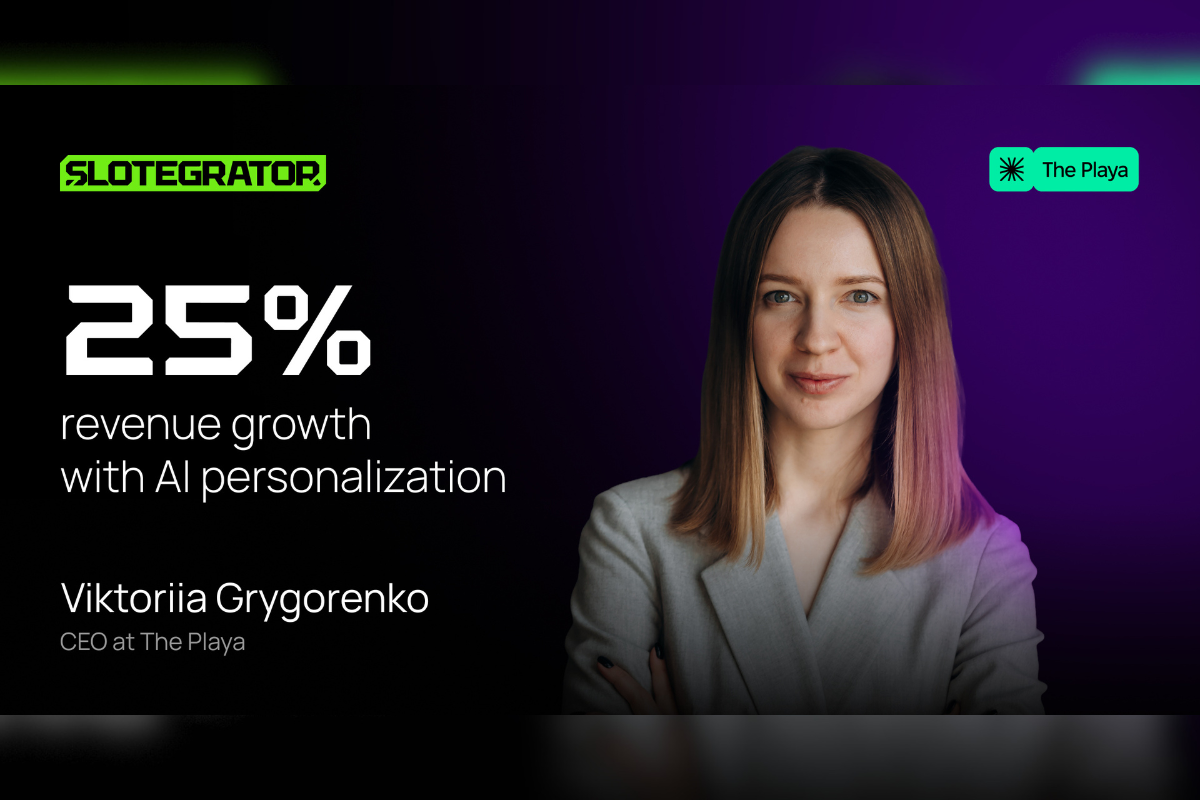
As player expectations rise, generic casino lobbies are no longer enough — AI-driven personalization is becoming essential to engage, retain, and grow audiences.
In this evolving landscape, The Playa is positioning itself at the forefront of iGaming personalization. Slotegrator spoke with Viktoriia Grygorenko, CEO, about the company’s journey, emerging industry trends, and how data-driven experiences can boost revenue by up to 25%, and often beyond.
Founded at the intersection of artificial intelligence and iGaming, The Playa started as a small experimental project and quickly grew into a full-scale platform. Today, the company delivers solutions across the entire player lifecycle — from lobby personalization and acquisition intelligence to VIP insights and retention optimization — serving operators with a monthly GGR of over $10 million.
According to Viktoriia, the industry has long underutilized one of its most valuable assets: player data. “iGaming generates enormous amounts of behavioral data — from game preferences to betting patterns — but most operators still rely on basic segmentation,” she explains. “That’s a missed opportunity.”
The gap is even more obvious compared to global entertainment platforms competing for audience attention. As Viktoriia points out, top companies invest billions in learning what their users want and delivering it instantly, while many online casinos offer identical experiences to all players. However, the industry is beginning to catch up.
Internal research by The Playa shows that 77% of iGaming companies leaders believe AI will be a key competitive advantage within the next two to three years. At the same time, major operators are rapidly expanding their data science capabilities — a clear signal of where the market is heading.
Beyond technology, player behavior itself is evolving. A new generation of users is entering the market, bringing different expectations around user experience. Behavioral data can reveal differences in preferences and risk patterns — opening the door to more effective personalization strategies.
Looking ahead to 2026, Viktoriia highlights three major trends shaping the industry: a stronger focus on retention, the rise of true one-to-one personalization, and a redefinition of loyalty. Retention, in particular, is becoming critical as rising acquisition costs and tighter regulations put pressure on margins.
Read the full interview to discover how The Playa is transforming player experiences with AI-driven personalization and why growth in iGaming depends on understanding players at every step of their journey.
Contact Slotegrator to learn how customized solutions can help grow your business.
Slotegrator
ABOUT THE COMPANY
Since 2012, Slotegrator has been one of the iGaming industry’s leading software and business solution providers for online casino and sportsbook operators.
The company’s main focus is software development and support for online casino platforms, as well as the integration of game content and payment systems.
The company works with licensed game developers and offers a vast portfolio of casino content: slots, live casino games, poker, virtual sports, table games, lotteries, casual games, and data feeds for betting.
Slotegrator also provides consulting services in gambling license acquisition and business incorporation.
ABOUT THE PLAYA
The Playa is a leading iGaming company specializing in AI-powered personalization solutions, enabling operators to deliver tailored player experiences across the full lifecycle — from lobby personalization and acquisition intelligence to VIP insights and retention optimization.
Through advanced behavioral profiling and personalized player recommendations, the company provides iGaming operators with the tools they need to grow, retain players, and maximize revenue.
The post The Playa for Slotegrator: why personalized player experiences are the future of growth appeared first on Eastern European Gaming | Global iGaming & Tech Intelligence Hub.
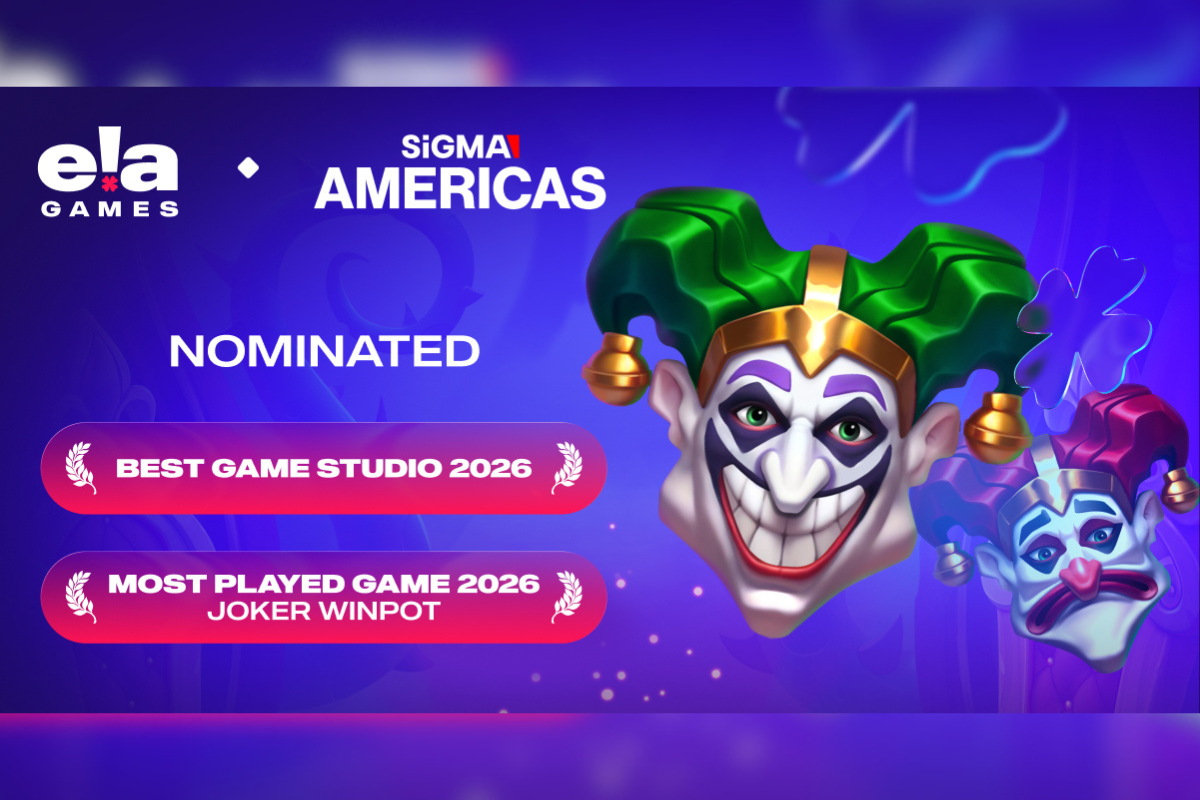
ELA Games, the innovative slot developer, has secured nominations in two prominent categories at the upcoming SiGMA Americas Awards, one of the most prestigious events on the Latin American iGaming calendar.
The awards celebrate creativity, technical excellence, and market impact among the industry’s leading suppliers and operators. These nominations highlight ELA Games’ growing influence and its ability to create engaging slot content that resonates with players across Latin America and beyond.
ELA Games’ Nominations:
- Delegate Vote: Best Game Studio 2026
ELA Games is in the running for Best Game Studio, recognizing studios that make a significant impact on their local industry through innovative design, technical expertise, and creative excellence. - Public Vote: Most Played Game – Joker Winpot
The studio’s fan-favorite slot, Joker Winpot, has been nominated for Most Played Game. Departing from classic themes, Joker Winpot delivers high-energy gameplay, featuring a strikingly animated Joker and the strategic, interactive Winpot feature that has captivated players worldwide.
“It’s always an honor to be recognized by SiGMA, particularly in a region where we’ve focused so much effort,” said Marharyta Yerina, Managing Director at ELA Games. “Being nominated for Best Game Studio in Latin America shows that our games are resonating with local operators. Joker Winpot’s public vote nomination further proves that the interactivity of Winpot is appreciated globally, exactly as we intended.”
The winners will be revealed at the BiS SiGMA South America Expo, hosted at the Transamerica Expo Center in São Paulo, Brazil, from April 6 to 9, 2026. The official awards night will take place on April 6.
Voting is open until March 30, and players and iGaming enthusiasts are encouraged to visit the official SiGMA website to cast their votes for ELA Games and Joker Winpot.
The post 2026 SiGMA Americas Awards Features ELA Games in Two Major Categories appeared first on Eastern European Gaming | Global iGaming & Tech Intelligence Hub.

-

 Asia7 days ago
Skyesports and GodLike signs MoU with Maharashtra Cyber to promote esports and cyber hygiene in Maharashtra
-
Alberta6 days ago
Media Troopers Prepares for Alberta iGaming Launch with Canadian Gaming Law Firm
-
40 Sparkling Crown6 days ago
TaDa Gaming Enters South Africa via Strategic Betway Partnership
-
Asia5 days ago
GLI Becomes the First Company Accredited by PAGCOR to Test and Certify iGaming Platforms in the Philippines
-
3 Oaks Gaming7 days ago
SAGSE leads while Brazil advances regulation and global positioning
-
Bettingbladet.se6 days ago
Bettingbladet Aims to Become Sweden’s Central Hub for Gambling Industry News & Trends
-
Barbie Nerz Head of Online Games at Staatliche Toto-Lotto GmbH Baden-Württemberg6 days ago
Peter & Sons Partners with Staatliche Toto-Lotto GmbH Baden-Württemberg for German Market Entry
-
Games Global6 days ago
Games Global and Just For The Win® continue the ghostly adventure in Dark Waters III Power Combo: The Cursed Voyage™