Latest News
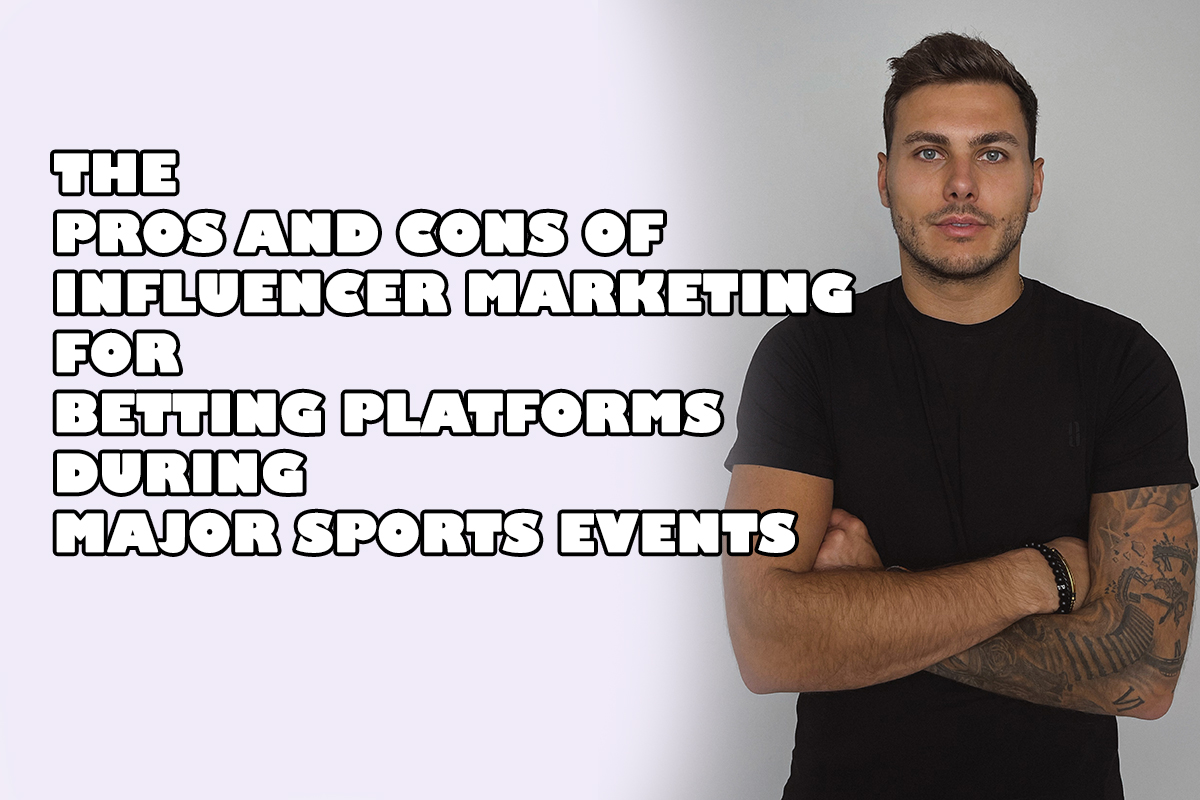
The Pros and Cons of Influencer Marketing for Betting Platforms During Major Sports Events

The online sports betting industry is skyrocketing: according to Statista, the market revenue is predicted to reach approximately $46B in 2024, and grow up to $65.68B by 2029. This growth is driven by numerous factors, including accessibility and convenience of betting from home; shift in consumers preferences; emerging trends and technologies; female users growth; and more.

The availability of a wide range of sports events and the ease of placing bets with just a few clicks attract increasing numbers of people seeking excitement and wins. And it is obvious that major events like the UEFA Euro, Copa America, the Super Bowl, and the Olympics represent golden opportunities for betting platforms to engage with their audiences and boost deposits. These events capture the attention of millions of fans worldwide, and create a fertile ground for marketing strategies that can drive user engagement and boost platform activity. One such strategy that has gained significant traction in recent years is influencer marketing.
Influencer marketing has proven to be a powerful tool across various industries, and its impact on the betting sector is no different. 89% of marketers admit that the ROI from influencer marketing is comparable to or better than other marketing channels. By leveraging the reach and credibility of influencers, betting platforms can tap into their followers’ enthusiasm and encourage participation in betting activities.
Most betting platforms prefer to invest in influencer marketing during major sports events. However, while the benefits are significant, there are also challenges that must be navigated. In this article, Pavel Beinia, CEO & Founder of Famesters, will delve into the pros and cons of this approach, providing insights and strategies for betting platforms to maximize their marketing efforts.
The pros of influencer marketing for betting platforms
-
Engaged audience eager to bet.
Major sports events generate an immense amount of excitement and engagement among sports fans. This heightened interest creates an opportunity for betting platforms to capitalize on the attention. Influencers, with their dedicated follower base, can amplify this excitement by sharing their own enthusiasm for the events, thereby encouraging their followers to engage in betting activities. 72% of consumers trust influencers’ opinions as much as their own friends’. When influencers discuss upcoming matches, share their predictions, or highlight special bets, it resonates with their audience, making them more likely to participate.
-
User acquisition.
Influencer marketing can extend the reach of betting platforms beyond their typical audience. During major sports events, even individuals who do not regularly engage in betting might be tempted to place a wager. Influencers can appeal to these casual fans by framing betting as an integral part of enjoying the event. For example, an influencer might say, “Everyone’s placing bets on the Euro – it’s part of the fun!” This approach can draw in new users who might not have considered betting before, broadening the platform’s user base.
-
Enhanced user attraction mechanisms.
Betting platforms can leverage influencer partnerships to promote special bonuses and other promotions tied to major sports events. For instance, a platform might offer a limited-time promotion where deposits are doubled if users enter a specific promo code shared by the influencer. However, the bonus program can be enhanced further – for instance, “only for this match”, or “if you register today before midnight, you will receive not only the standard $200 deposit bonus, but also 50 free spins”. Additionally, influencers can create excitement around merchandise giveaways or exclusive event-related contests. These tactics enhance user attraction mechanisms and not only encourage to place bets but also create a sense of urgency that prompts users to act quickly to take advantage of the offers.
The cons of influencer marketing for betting platforms
-
High demand for top influencers.
One of the significant challenges of influencer marketing during major sports events is the high demand for top influencers. Influencers with large followings and strong engagement rates are often booked months in advance. This means that betting platforms planning their campaigns close to the event dates may find it difficult to secure these high-profile influencers. As a result, they might have to settle for less popular influencers who may not deliver the desired results. Moreover, last-minute planning increases the risk of relying on influencers who have suddenly become available due to cancellations, potentially compromising the quality and consistency of the campaign.
Start planning and reaching out to influencers several months before the event. This will increase the chances of securing top influencers at more reasonable rates.
-
Saturation of advertising content.
Many betting brands are taking advantage of increased audience attention during sports events and buy lots of influencer integrations. This leads to a saturation of advertising content, with numerous brands competing for the same audience. When multiple betting platforms launch similar campaigns, the audience may experience ad fatigue. This leads to decreased effectiveness of brands’ marketing efforts: ad fatigue can lead to a 30% decrease in engagement rates. This is why it is crucial for betting platforms to differentiate their campaigns and constantly vary the advertising content and messaging.
Avoid repetitive and intrusive advertising by diversifying content. Incorporate behind-the-scenes footage, live interactions, and unique storytelling to keep the audience engaged.
-
Increased rates from influencers.
The high demand for influencers during major sports events often results in increased rates. Influencers are aware that brands are competing for their endorsement and can therefore command higher fees for their services. For betting platforms, this means a higher marketing budget to secure the right influencers.
Select influencers in advance and negotiate long-term contracts that include multiple posts leading up to and during the event. By locking in agreements early, platforms can avoid last-minute price surges and ensure a more stable and predictable budget.
Conclusion
Influencer marketing is a potent strategy for betting platforms, especially during major sports events when audience engagement is at its peak. While influencer marketing during major sports events presents both opportunities and challenges, strategic planning and execution can lead to significant rewards. Betting platforms that effectively leverage the power of influencers will find themselves well-positioned to engage their audience, attract new users, and drive successful campaigns.
As you prepare for the next major sports event, consider how you can integrate influencer marketing into your strategy. Plan early, be creative, and form strategic partnerships to maximize your campaign’s impact.
Pavel Beinia, CEO & Founder of Famesters influencer marketing agency
The post The Pros and Cons of Influencer Marketing for Betting Platforms During Major Sports Events appeared first on European Gaming Industry News.










Brazil’s regulated betting market continues to gain structure and momentum, as the country balances regulatory consolidation, integrity safeguards, and commercial growth.
Over the past week, key developments, from federal policy implementation to strategic partnerships and product innovation, highlight how the ecosystem is maturing ahead of major global sporting events.
Government launches national policy to combat match-fixing
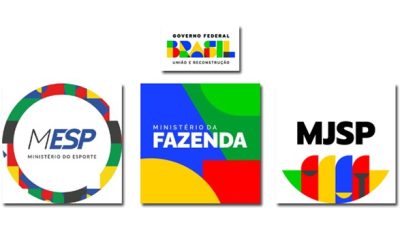
A major regulatory milestone was reached with the creation of the National Policy for the Prevention and Combating of Sports Manipulation (PNPEMR). Established through a joint ordinance by the Ministries of Sports, Finance, and Justice, the policy introduces a comprehensive national framework designed to address integrity risks in sports.
The initiative is structured around four central pillars: regulation, prevention, monitoring and enforcement, aiming to protect the credibility and unpredictability of sporting competitions in Brazil.
The policy emphasizes interinstitutional cooperation, bringing together public authorities, sports organizations, betting operators and international bodies.
Among its key measures are:
- Standardization of reporting flows for suspicious betting activity
- Continuous education programs for athletes, referees and sports officials
- Protection mechanisms for whistleblowers
- Strengthening of criminal investigations targeting organized match-fixing networks
Under the framework, the Ministry of Sports will coordinate implementation, while the Ministry of Finance will oversee betting regulation and operator compliance. The Ministry of Justice and Public Security, alongside the Federal Police, will lead intelligence-sharing and enforcement efforts, particularly in cases with interstate or international scope. See DOU
A multi-stakeholder governance committee will be responsible for monitoring progress and proposing adjustments, ensuring that the policy evolves alongside the market.
This move reinforces Brazil’s intention to align regulatory oversight with global integrity standards, particularly relevant as the country prepares for high-volume betting scenarios during major international competitions.

Sportradar expands iGaming strategy with Playradar launch
On the corporate front, Sportradar announced the launch of Playradar, a new brand dedicated to its iGaming vertical, signaling a strategic shift toward more integrated and immersive betting experiences.
The new offering is built around hybrid gaming concepts, combining real-time and historical sports data with live streaming and casino content.
Among the key features is a 24/7 live experience hub, where users can engage simultaneously with sports events and interactive gaming formats.
The initiative will be led by Edo Haitin, a seasoned executive with over two decades of experience in live gaming and product development.
The company plans to roll out Playradar starting in 2026, initially targeting regulated markets in the UK, North America and Latin America.
According to CEO Carsten Koerl, the move represents a natural evolution of the company’s capabilities, leveraging its existing infrastructure in data, streaming and user behavior analytics to enhance engagement and monetization across the player lifecycle.
Haitin also emphasized the strategic vision behind the launch, highlighting the ability to combine technology and content in line with evolving market demands, particularly as operators look for differentiated and immersive user experiences.
Importantly, Playradar will operate exclusively in regulated environments, maintaining a strong focus on responsible gaming and integrity, aligning with broader industry and regulatory trends.
Playson strengthens Brazilian footprint through Betnacional partnership
Further reinforcing Brazil’s position as a high-growth market, Playson expanded its regional presence through a new partnership with Betnacional, a leading local operator owned by Flutter Entertainment.
The agreement will see a portfolio of Playson’s top-performing titles integrated into Betnacional’s platform, including 4 Pots Riches, Diamonds Power, and Sugar Teddy x1000, all recognized for their strong performance in regulated markets and engaging gameplay mechanics such as Hold and Win.
The partnership reflects a broader industry trend toward localization and mobile-first strategies, as operators seek to better align content with regional player preferences.
Cristhian Zito, Head of LatAm at Playson, highlighted the strategic importance of the deal:
“Partnering with Betnacional is an important milestone for us in Brazil. It is a highly respected local brand with a deep understanding of its audience, and we are confident our content will resonate strongly with its players.
This launch further strengthens our position in the market and reflects our commitment to delivering engaging, high-performing games to operators across Latin America.”
From the operator’s perspective, Frederico Cunha, Head of Commercial at Betnacional, also emphasized the value of the collaboration:
“We are delighted to welcome Playson’s portfolio to Betnacional. Their games are recognised for their quality, strong mechanics, and consistent performance, making them a valuable addition to our offering.
We look forward to working closely together and bringing an enhanced entertainment experience to our players.”
A market balancing integrity and growth
Taken together, this week’s developments illustrate a clear dual trajectory in Brazil’s betting sector: strengthening institutional and integrity frameworks while simultaneously attracting investment, innovation and international partnerships.
As regulatory structures become more sophisticated and collaboration between stakeholders deepens, Brazil is positioning itself not only as a compliant and secure market, but also as a central hub for growth in Latin America’s gaming industry.
SportyBet appoints DJ Khaled as global ambassador to expand connection between sports, culture and entertainment
SportyBet has announced DJ Khaled as its new global ambassador, strengthening its positioning at the intersection of sports, music, and contemporary culture.
He joins a global roster that includes José Mourinho and Éder Militão, reinforcing the company’s strategy of connecting with audiences through entertainment. The partnership will roll out across key markets such as Brazil, the United States, Mexico, and parts of Africa, supporting SportyBet’s expansion as an experience-driven platform.

According to Elias Gallego, Vice President of Sporty Group, the collaboration reflects the company’s focus on partnering with culturally relevant figures to engage diverse audiences, particularly in markets like Brazil where sports and lifestyle are closely linked.
Deeper push into music and entertainment
The move also signals a broader effort by Sporty Group to integrate music into its entertainment ecosystem. Earlier this year, the company partnered with Burna Boy on the “For Everybody” project, blending music, football, and global culture.
In this context, DJ Khaled’s appointment further strengthens a strategy centered on storytelling and fan engagement, especially in regions where sports and music are deeply connected.
Global mindset and brand evolution
DJ Khaled highlighted the shared vision behind the partnership, emphasizing mindset, authenticity, and global connection with fans.
The agreement reinforces SportyBet’s evolution beyond sports betting, positioning the brand within a broader entertainment ecosystem. In Brazil, it aligns with the company’s ongoing growth and its focus on delivering integrated experiences that combine content, culture, and user engagement.
The post Brazil advances integrity agenda amid strong market growth appeared first on Americas iGaming & Sports Betting News.
affiliate automation
ReferOn Shortlisted for “Best Affiliate Software 2026” at SiGMA Awards South America

ReferOn, the next-generation affiliate management platform, has been shortlisted for the “Best Affiliate Software 2026” category at the upcoming SiGMA Awards South America.
The nomination recognises ReferOn’s continued growth and the platform’s ability to support operators with scalable, transparent, and efficient affiliate management solutions in increasingly complex markets.
ReferOn has become a trusted foundation for businesses worldwide looking to scale their operations. With rapid adoption across the globe, the platform is now the go-to choice for companies that need to scale quickly and reliably. Because the platform handles large volumes of data with ease, it is a vital tool for teams that need speed and precision. In such a competitive market, we provide the accuracy and simplicity required to stay ahead, allowing our users to focus on their goals without the technical stress.
A New Chapter: The Era of “Refie”
This nomination arrives at a defining moment for the company, after the 2025 launch of Refie, the latest evolution of ReferOn. We have humanized B2B software with Refie, an integrated assistant that acts as a helpful navigation layer for our users. This milestone completely removed the struggle of getting started on the platform by visually guiding people through complex steps, making sure everyone can find their way without any stress or confusion.
Refie transforms repetitive daily tasks into an engaging experience that actively minimizes human error. It was specifically designed to eliminate the manual bottlenecks affiliate managers have traditionally faced, making their daily operations much faster and more efficient.
Alex Bukin, General Manager at ReferOn, commented: “Being shortlisted for the SiGMA Awards South America is a strong recognition of the progress our team has made. We are focused on building technology that simplifies affiliate management and gives operators clearer, faster access to the data they need to grow. With Refie and our upcoming developments, we’re continuing to move in that direction”.
Ambitious Plans for 2026
In 2026, ReferOn will upgrade Refie with sophisticated gamification to boost user engagement and streamline daily tasks for affiliate managers. These updates will introduce personalized, smart features, establishing a new industry benchmark for affiliate technology.
Cast Your Vote
We invite all industry peers and partners to support the work we’re doing. If you are a registered delegate attending SiGMA South America 2026, your voice matters.
- Award Category: Best Affiliate Software 2026
- How to Vote: Voting is open exclusively to delegates who hold valid event tickets. Please visit the official SiGMA Awards portal to cast your vote for ReferOn.
The post ReferOn Shortlisted for “Best Affiliate Software 2026” at SiGMA Awards South America appeared first on Eastern European Gaming | Global iGaming & Tech Intelligence Hub.
Latest News
ELA Games Contributes to Discussions on Scalable iGaming Ecosystems and Studio Innovation at HIPTHER Prague Summit

ELA Games recently took the stage at the HIPTHER Prague Summit, joining top industry leaders to discuss the rapidly evolving landscape of the iGaming sector. Represented by Yaroslav Soloshenko, Head of Business Development, the studio participated in a forward-looking panel focused on building a more scalable iGaming ecosystem and advancing game innovation for 2026 and beyond.
Rather than just looking at incremental changes, the panel challenged speakers to envision an ideal, universal platform of the future before tackling everyday industry challenges. From there, the conversation shifted to real-world strategies, exploring how enhanced operator-supplier collaboration, gamification, and advanced platform architecture will shape the next generation of iGaming.
One focus of the session was the ongoing evolution of game development and distribution. The group highlighted the necessity of building bespoke, trust-based relationships with operators to secure the best visibility in increasingly crowded game libraries. Tied to this was the critical importance of early operator feedback and MVP (Minimum Viable Product) testing, with panelists noting that smaller studios often have a distinct advantage in implementing operator-driven changes faster than larger competitors.
The topic of artificial intelligence was also raised, with the point made that some studios already have proof-of-concept for fully AI-generated slots. This led the panelists to tackle the relationship between AI and traditional game design, weighing the balance between mass-produced, AI-generated content and the slower, human-led craftsmanship required to build higher-value games.
Addressing the realities of market distribution, the panel discussed how operators are becoming much stricter about the number of games they release to prevent market oversaturation. They also examined how rigorous testing rules in regulated regions can significantly delay product launches. Weighing in on these challenges, Soloshenko brought ELA Games’ forward-thinking perspective to the table, advocating for the ideal of a single global license to reduce regulatory barriers and accelerate market entry.
During the session, Soloshenko emphasized the necessity of uniting departments to achieve complete, A-to-B game design. He stressed the fundamental alignment required between product and business teams, noting that because the business division operates on the frontline of the market—tracking industry changes and operator demands—they must actively help guide the product’s direction. To achieve this, he advocated for transitioning away from a factory-line style of production in favor of a “boutique” approach, where all teams collaborate intimately from the initial project kick-off all the way to release day.
“Participating in the HIPTHER Prague Summit gave us a great opportunity to explore how development strategies must adapt to current industry realities,” said Yaroslav Soloshenko, Head of Business Development at ELA Games. “The foundation of our approach is continuous collaboration, both internally and externally. By working as closely as possible with operators to share early MVPs, we gather invaluable feedback. When those insights are handed directly to a unified development team, it allows us to consistently develop titles crafted exactly for what the market needs at any given time.”
Being a part of these high-level industry talks is part of ELA Games’ strategy to remain closely aligned with operator needs and player expectations as the market evolves.
Play the demo and other games here: www.elagames.com/our-games
The post ELA Games Contributes to Discussions on Scalable iGaming Ecosystems and Studio Innovation at HIPTHER Prague Summit appeared first on Eastern European Gaming | Global iGaming & Tech Intelligence Hub.

-

 bingo4 days ago
 -
Africa5 days ago
Virgin Bet goes live in South Africa
-
Charity Space Scotland5 days ago
Scottish Government Announces £7.9M Investment to Tackle Gambling Harms
-
BetMGM5 days ago
PA Gaming Control Board Imposes $100,000 Fine on BetMGM
-
ELA Games5 days ago
2026 SiGMA Americas Awards Features ELA Games in Two Major Categories
-
apuestas5 days ago
Brasil 2026: Bets presionan el presupuesto de los hogares y redefinen la competencia por el consumo
-
Eilers & Krejcik – Fantini Game Performance Report5 days ago
Zitro Remains Latin America’s Top-Performing Supplier in the Eilers & Krejcik – Fantini Report
-
Compliance Updates5 days ago
Peter Knutsson Becomes New Director General of Swedish Gambling Authority