Latest News
The psychology of slot symbols: how iconography influences player behaviour


Imagery has always been a central part of the slot gaming experience. Even manufacturers of the most primitive one-armed bandits knew the power that could potentially be harnessed by employing psychology to attract players and keep them playing.
It remains no less true today that, through imagery, operators and developers know exactly how to push our buttons.
Nostalgia and imagery
Amongst the most potent of human emotions is nostalgia, a wistful yearning for a previous time, whether we lived through it or not.
Classic slot symbols, such as 7s, bars, bells and fruit, are all used to elicit a feeling of nostalgia for the time of traditional, physical machines in brick-and-mortar casinos. This has the effect of making us feel like we’re engaging with something wholesome and familiar, and this familiarity in turn serves to reassure us that whatever we’re doing is okay.
By evoking memories of a simpler time, whether on a conscious or subconscious level, and whether the player actually experienced those times or not, a zone of psychological comfort and safety can be created for the player.
Wealth
Slot players are often dreaming of those big, life-changing wins, and the iconography of slot machines feeds on this, providing reassurance that one’s big win is always just around the corner.
By employing images which suggest wealth, such as coins, dollar symbols and stacks of cash, slot machines continuously remind us that there’s real money on the table, and that this particular game offers a potential path to riches.
The power of colour
Colour psychology is a scientific field in its own right, and slot machines have been utilising the wealth of research on this topic since their conception.
The overall brightness of slot machines stimulates the player’s brain, keeping them engaged, whilst specific colours are used to create a unique ambience, giving each game an identity related to its colour palette.
Certain colours can evoke certain emotions, and there are many colour-related patterns which can be seen across modern slot machines. For instance, greens are often used in the design of slot machines, to elicit a sense of nature and freshness. Similarly, golds are used to suggest wealth and prosperity.
Familiar themes
The iconography of recurring themes is another way that designers can create specific associations with their games in the minds of their players.
Popular themes include ancient Egypt (Cleopatra, Magic of the Nile), the luck of the Irish (Rainbow Riches, Pot o’ Gold), and many more. Recently, there’s been an upsurge in the number of games based on fishing themes (Big Bass Bonanza, Golden Catch).
Familiar symbolism also comes in the form of existing intellectual properties, such as TV shows (Deal or No Deal, Game of Thrones), musical groups (Guns N’ Roses, Kiss), and popular movies (Rocky, Beetlejuice, The Godfather).
These slot games may be licensed, or they may simply refer to these IPs in an unofficial capacity. Either way, players enjoy the familiarity they offer, as well as the chance to engage with references to their favourite media.
Some games even allow operators to become the theme, customising the game as they see fit. For example, Fluffy Favourites can be adapted to reflect the theme of an operator’s website, reinforcing brand loyalty within the game.
The psychology of winning
It’s the idea of a win that keeps players playing, and slot machine designers use this fact, along with established psychological theories and phenomena, to make their games gripping.
For instance, cognitive biases are thought processes which are often observed, according to which the human brain tends to follow certain heuristic paths, simplifying information and passing it through a system of mental filters.
In terms of slot machine design, this means that, for example, a player who comes close to hitting a high-value combination of symbols is likely to interpret this as almost winning, which has the effect of making them more likely to spin again.
The psychological concept of conditioning can also be applied to slot machine design. Winning combos are often accompanied by celebratory sound effects and animations, including raining coins and victorious trumpets, creating positive associations in the minds of players, and encouraging them to seek this reward out again.
Psychology and ethics in gambling
There are, of course, moral and ethical implications of applying psychology to gambling. At what point does it become coercive? When is suggestion actually manipulation? The burden of answering these questions and monitoring appropriate slot machine design falls on the Gambling Commission.
The Commission have already implemented several rules which seek to minimise problem gambling and the development of bad habits, such as banning auto-play functions, limiting the time between spins, and ensuring that players have access to safer gambling tools.
However, it may be the case that more could be done to educate players on the psychological effects of symbolism in their favourite games.
Beating the system
Being aware of the psychological methods used by operators to keep a person playing is the first step in ensuring that one isn’t being manipulated.
Making good use of bonuses and promotions is a good way to enjoy better value gaming, and setting strict limits will help to ensure that players only spend what they can afford to lose.
Online casino free spins are a great way to try out slot games without risking real money. Customers can get free spin offers from no-deposit sign-up bonuses, or use the available demo versions to try games out for free.
Because many psychological methods operate on an unconscious level, and therefore cannot necessarily be noticed, good responsible gambling practices are a must if we are to ensure that gambling takes place in a healthy environment, and that players are not being taken advantage of.



Corporate Governance
SolutionsHub appoints former PokerStars and VGW executive David Lyons to lead Irish operations

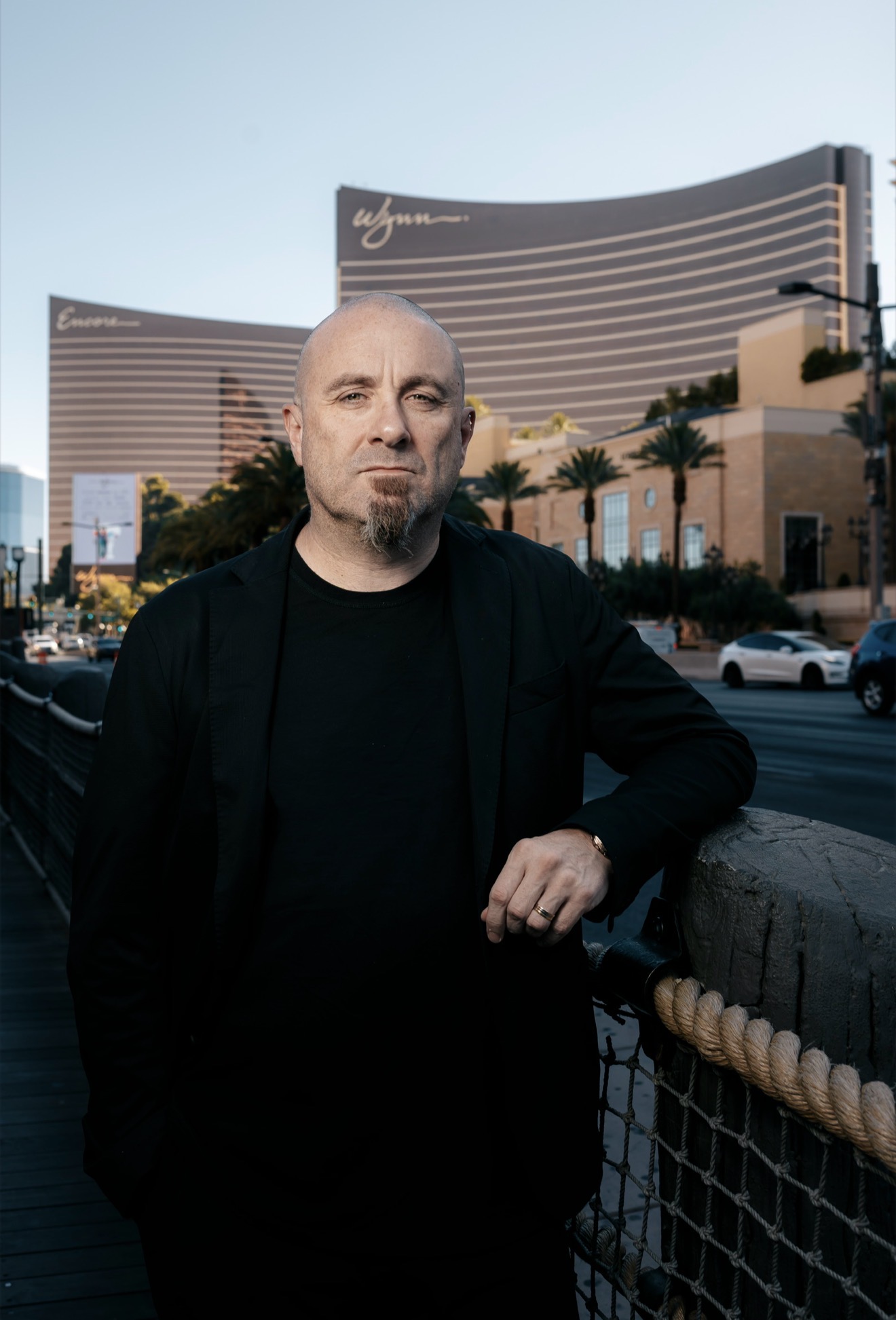
SolutionsHub, a leading provider of iGaming licensing and regulatory services, has appointed David Lyons as a Non-Executive Director to support the development of its Irish business as the country’s gambling regulatory framework enters a new phase.
Lyons brings three decades of experience across online gaming, financial services and corporate governance to the consultancy at a time when operators, suppliers and investors are preparing for regulatory change in Ireland.
Ireland is entering a new regulatory phase following the introduction of the Gambling Regulation Act and the establishment of the Gambling Regulatory Authority of Ireland (GRAI). As licensing structures, compliance requirements and regulatory expectations take shape, businesses operating in the market face important decisions around governance, operational readiness and long-term planning.
SolutionsHub has been building its Irish capability with that environment in mind. SolutionsHub opened its Dublin office last year to support companies looking to obtain an Irish gambling licence. The appointment of Lyons strengthens the firm’s ability to support businesses preparing for the next stage of regulation.
Based in Dublin, Lyons has held senior leadership positions across several major gaming businesses during a career spanning Ireland, Malta, the Isle of Man and Australia.
He spent eight years with PokerStars on the Isle of Man, where he held a number of senior roles including Associate Director of Poker Engagement, with responsibility across payments, product and player engagement. He then joined Luckbox as Director of Player Engagement and later as Associate Director of Player Engagement at partypoker, before joining Virtual Gaming Worlds (VGW), where he became General Manager of Global Poker, later extending his brief to include the social casino brands Chumba Casino and LuckyLand Casino.
Alongside his career in the online gaming industry, Lyons spent more than 16 years in financial services with Bank of Ireland and Standard Life, working across technology, risk and operations. He is a graduate of Trinity College Dublin and is a Board Member of the Asthma Society of Ireland.
Lyons is also a board member of VGW Games Limited, bringing additional governance experience to the role.
The appointment comes as SolutionsHub expands its presence in Ireland to support operators and suppliers preparing for new regulatory requirements.
Lee Hills, CEO of SolutionsHub, said: “Ireland is entering a new phase, and businesses will have important decisions to make as the regulatory framework takes shape. David has worked at senior levels inside gaming businesses for many years and understands the practical challenges operators face.
“He’s seen the industry from different angles, from player engagement and operations through to governance and board-level responsibilities. That experience will be valuable as we continue to grow our Irish portfolio.”
David Lyons said: “I’ve spent a lot of my career working inside businesses that have had to balance commercial priorities with regulatory obligations. Ireland is moving into a period where businesses will need to get governance, licensing and operational readiness right from the start.
“SolutionsHub has built a strong reputation for helping businesses approach licensing, governance and compliance in a practical way. That focus on real-world outcomes was a big part of what attracted me to the role.”
The post SolutionsHub appoints former PokerStars and VGW executive David Lyons to lead Irish operations appeared first on EE Gaming | Global iGaming & Tech Intelligence Hub.
40 Under 40
FIRST.bet Founder and CEO Tom Light Named to Emerging Leaders of Gaming 40 Under 40 Class of 2026
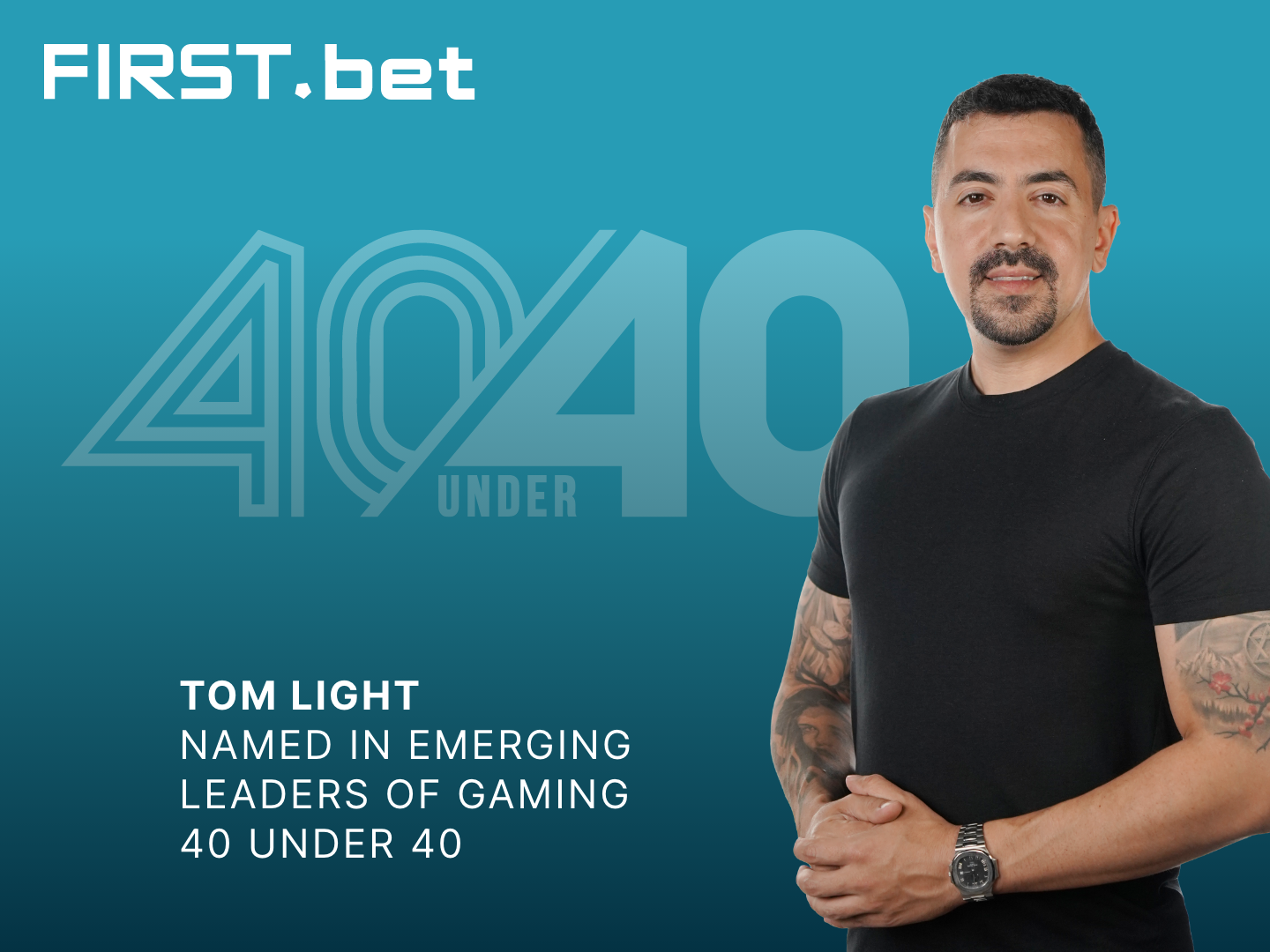
The FIRST.bet Founder and CEO joins the 2026 list of influential leaders shaping the global gaming industry
Tom Light, Founder and CEO of FIRST.bet, has been named a member of the Emerging Leaders of Gaming 40 Under 40 Class of 2026. Presented by The Innovation Group in partnership with Global Gaming Business and iGB, the program recognizes professionals under 40 who are making a significant impact on the global gaming industry.
The professionals recognized were selected from a record field of more than 250 nominations from around the world. Tom Light is also featured in a profile published by Global Gaming Business magazine as part of the Class of 2026. The recognition follows his Individual Achievement Award at the EGR Awards 2026, where FIRST.bet was also named Sports Betting Supplier of the Year.
“Building in this space requires long term thinking. Results take time, and consistency matters more than short term wins,” said Tom Light, Founder and CEO of FIRST.bet.
Building FIRST.bet with one clear focus
Born and raised in Israel, Tom Light moved to Bulgaria in 2013. Over more than a decade, he has built sportsbook and trading platforms used by some of the largest betting operators in the world. He was part of the early evolution of live betting and helped shape many of the core mechanics that are now standard across the industry.
Under Tom Light’s leadership, FIRST.bet has grown to more than 500 employees, with major operations in Sofia and Plovdiv, two of Bulgaria’s largest cities. The company delivers a full sportsbook engine built for speed, scalability, real-time performance, dynamic pricing and efficient risk management.
“Today we are talking about thousands of events per day and hundreds of markets,” said Tom Light. “We focus on speed, scalability and real time performance.”
Product leadership through focus
FIRST.bet covers a broad range of global and local sports while adapting its product to real player behavior in each market. In Brazil, for example, the company offers vaquejada, a traditional local sport that ranks among the most popular betting categories in certain regions.
The company continues to develop areas including bet builders, automation, data driven pricing and personalization, giving operators more flexibility and stronger tools to compete.
“This reflects our approach. We adapt to real market demand and local player behavior,” said Tom Light.
Looking ahead
Tom Light expects the industry to become increasingly sophisticated as regulation expands and operators demand stronger products, faster execution and better compliance.
“In this industry, product quality and speed of execution are what ultimately determine success,” said Tom Light. “Unlike many providers, we are fully dedicated to sportsbook. That focus allows us to move faster and deliver a stronger product to our partners.”
The post FIRST.bet Founder and CEO Tom Light Named to Emerging Leaders of Gaming 40 Under 40 Class of 2026 appeared first on EE Gaming | Global iGaming & Tech Intelligence Hub.
BetGuard
World’s Third-Largest Gambling Market Has No National Self-Exclusion Register, New CasinoCanada Research Warns
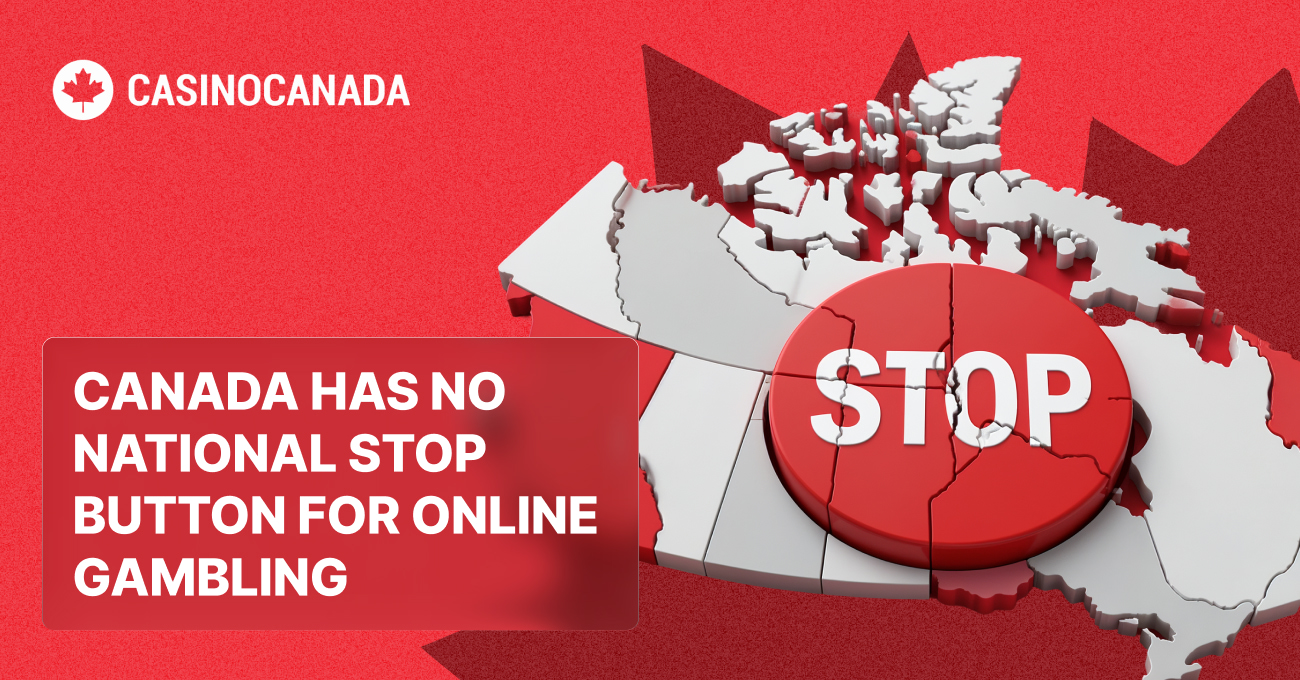
Canada is now the third-largest online gambling market in the world with an estimated CAD 13.15 billion generated in 2025, yet new research from CasinoCanada.com finds it still has no national self-exclusion register and no national licensing framework – meaning a player who self-excludes in one province can continue gambling offshore, or across provincial borders.
Drawing on iGaming Ontario figures, provincial regulatory data, Blask’s 2025 iGaming Landscape Report and peer-reviewed public health research, the analysis traces the gap to a constitutional structure that leaves gambling to the provinces and Ottawa without a national regulator. In effect, there are ten parallel regimes that do not connect to one another.
As a consequence, estimated offshore leakage outside Ontario ranges from 49% in British Columbia to 93% in Saskatchewan, with Alberta and Manitoba at 88%. Offshore platforms also grew 40% year-on-year in 2025 – nearly double the 23% growth of licensed operators.
Most starkly, a January 2026 study in the Canadian Medical Association Journal found gambling-related contacts to Ontario’s ConnexOntario helpline rose an estimated 198% after the market opened in 2022, concentrated almost entirely among boys and men aged between 15 and 44.
Ontario remains a success, with channelisation at 91.1% and its new BetGuard self-exclusion tool drawing more than 500 registrations in its first two weeks. But set against 1.235 million active player accounts, and stopping at the provincial border, it underlines how far the country still has to go.
Eugene Ravdin, Head of PR for CasinoCanada, said: “Record wagers and a near-200% rise in helpline contacts are happening at the same time, which tells you market growth and player protection are not the same thing. The tools that work internationally – GAMSTOP, Spelpaus, BetStop – all cover the whole market under a single registration.
“Canada has nothing like it. A national register wouldn’t just protect players, it would also help licensed operators compete against offshore sites. This is a commercial argument as much as a moral one.”
The full article can be read here: https://casinocanada.com/blog/canadas-safer-gambling-gap-why-market-success-doesnt-always-equal-player-safety/
The post World’s Third-Largest Gambling Market Has No National Self-Exclusion Register, New CasinoCanada Research Warns appeared first on EE Gaming | Global iGaming & Tech Intelligence Hub.

-

 Bucharest6 days ago
Eeze opens 1,200 sqm Bucharest hub for technical teams
-
AB Trav och Galopp5 days ago
BetMakers Technology Group Selected to Distribute ATG Horse Racing Content Across Australia and New Zealand
-
API integration6 days ago
Belatra signs cooperation deal to distribute slots via VeliGames
-
BETANO6 days ago
Play’n GO strengthens Latin American presence with Betano Colombia launch
-
affiliate marketing7 days ago
SEOBROTHERS’ Aleksandra Drigo flags higher barriers for affiliates in regulated Alberta
-
Aviator6 days ago
Pernambuco court revokes Spribe’s interim relief in Aviator trademark dispute
-
game content6 days ago
R. Franco Digital releases fighting game-themed slot Spin Fighters
-
Aino Lahti6 days ago
Kasinohai Audit: Most Slots Could Be Affected by Finland’s Draft Gambling Rules