eSports
Esports Exposure Exploding During COVID-19 Outbreak

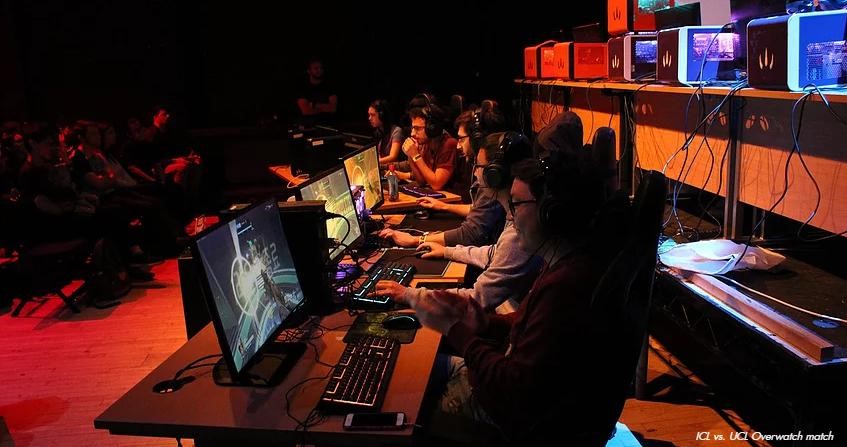
Esports was already a booming business coming into 2020. Last year, Esports topped $1 billion in revenue for the first time. That was a 26.7% increase from 2018.
A sure sign of the growth in the popularity of Esports is shown by the fact that its highest-grossing revenue stream in 2019 was in the area of sponsorship. According to a published report, there was nearly $457 million generated in sponsor money by Esports last year.
Esports leagues and tournaments are drawing huge audience numbers. Estimates were that almost 454 million took in an Esport event last year. Those are the kinds of numbers that encourage major corporate sponsorship of the events.
COVID-19 Impact
The outbreak of the coronavirus has led to another spike in popularity among Esports. In North America, the NHL, NBA and MLB halted their seasons. The NCAA men’s basketball tournament was canceled. Golf and tennis also stopped playing. The launch of NFL and NCAA football seasons in the fall remain uncertain.
Around the globe, almost of the world soccer shut down. The European Champions League and the English Premier League took a hiatus. Euro 2020 and the 2020 Tokyo Summer Olympics were postponed.
With all of the major sporting leagues forced to shut down due to the COVID-19 virus and the accompanying bans on large gatherings, there’s little in the way of sports to entertain the masses. Sports fans were left desperate for an outlet. Sports networks sought out programming. Sportsbooks looking for other forms of betting turned their attention to writing more wagers around Esports events.
Esports are stepping up and proving capable of filling the void. While not completely bereft from feeling the impact of COVID-19 – the large tournament events held in halls filled with spectators watching video game team competitions such as Counter Strike: Global Offensive, Call of Duty and Dota 2 are currently not permitted.
The Overwatch League is playing its entire 2020 season online. Play! Pokémon canceled its North American International Championship and World Championship.
However, the ability of Esports to adapt and be played by players under quarantine is giving them a leg up on actual sports.
Industry estimates are that the demand for Esports has increased by 300% since the outbreak of the coronavirus.
Big League Sports Entering The Fray
Virtual sports are also a big part of the Esports explosion. Competition in soccer, basketball, tennis, horse and greyhound racing are among the many virtual sports on offer.
There are events built around tournaments in such popular sports-themed video games as Madden NFL, NBA 2K20, FIFA, and NHL 20.
The major sports leagues already recognized the potential for virtual spots as a revenue growth stream. Both the NBA and NHL began holding tryouts to pick players to form virtual versions of their actual teams that would eventually compete in simulated leagues.
During the COVID-19 outbreak, the big leagues are looking to get in on the Esports explosion and keep their sports going at the same time.
NASCAR has been holding the eNASCAR Pro Invitational iRacing Series, where actual NASCAR drivers compete in races as their virtual selves. The simulations are carried live by Fox Sports and are proving to be a big hit with racing fans.
NascarPro Invitational iRacing Series (Photo by: YouTube.com screenshot).
The Nielsen ratings for the first event of the iRacing Series came in at an average of 638,000 households and 903,000 viewers, making it the most-watched Esports event of all-time.
By comparison, live NASCAR racing during the 2019 NASCAR Cup Series averaged 2.1 million viewers per race. NASCAR’s iRacing ratings are almost on par with the 2019 numbers for viewers of their second-tier racing competition, the NASCAR Xfinity Series. Those races averaged 725,000 homes and 948,000 viewers.
Formula One is also contesting virtual Grand Prix races, with its drivers racing as their virtual selves. Australian SuperCars competition is doing likewise.
Other sports also are holding Esports competitions to give their fans a regular fix during the coronavirus quarantine. The NFL organized a Madden tournament featuring eight current NFL players. The NBA put together an NBA 2K20 tournament with 16 current players in action.
The most ambitious of these virtual sports simulations is currently being undertaken by Major League Baseball. An MLB The Show competition is pitting 30 of today’s MLB players, each representing their own team.
They are playing a 29-game regular season, facing each other player once. The top eight players will qualify for postseason play, which will lead to a virtual World Series champion being crowned.
Other sports have opted to take their Esports competitions in an entirely different direction. With the Australian National Rugby League season on hold, instead of their slated match, members of the Canterbury-Bankstown Bulldogs and Wests Tigers competed in a game of Fortnite that was live-streamed on both team’s Facebook pages.
Esports Future Bright
During the 2004-05 lockout that wiped out the entire NHL season, poker utilized that opportunity to fill the broadcasting void left by no hockey and became a television staple.
COVID-19 has created a similar opportunity for Esports to grow exponentially and gain a foothold with a mainstream sports audience that might not have given it a second thought otherwise.
Esports was growing rapidly regardless. As one of the few sports still currently playing, its already bright future is blossoming with significantly more glow.

Brazilian Carnival
Esportes da Sorte transforms Carnival 2026 into a nationwide immersive experience

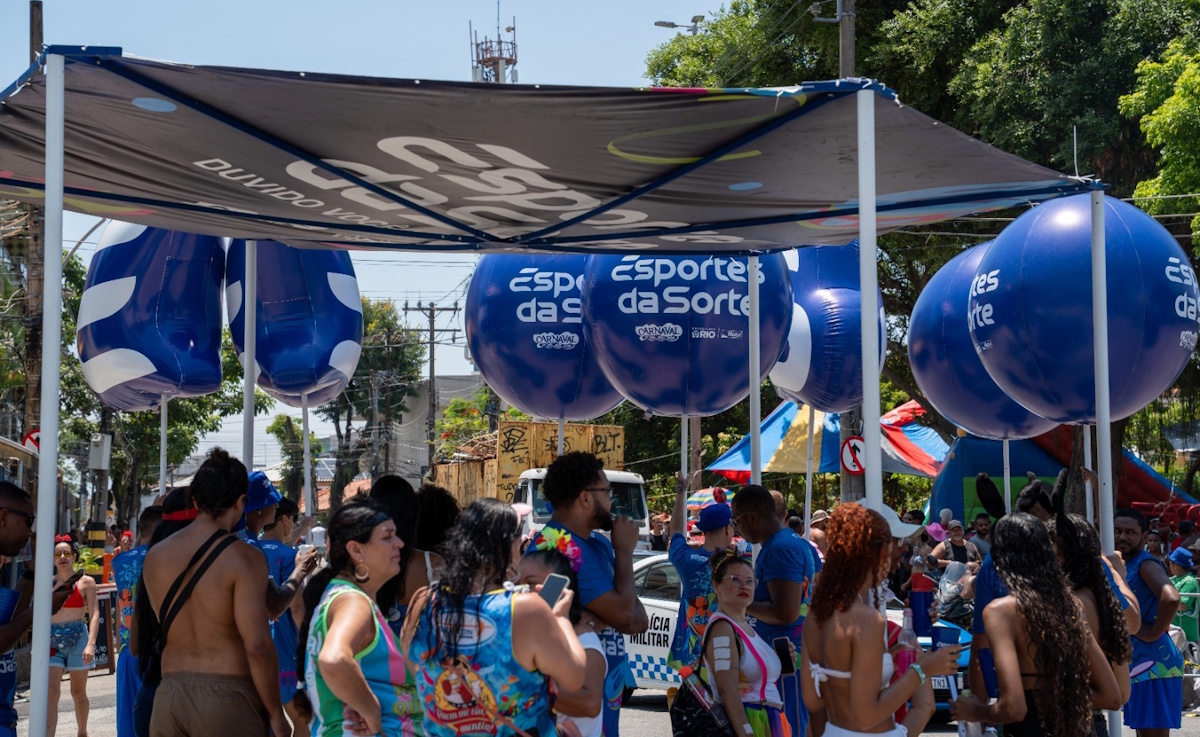
Leading Brazilian iGaming company Esportes da Sorte has transformed Carnival 2026 into a nationwide immersive experience, activating urban art installations, hydration stations and large‑scale attractions across nine cities in Brazil. As part of its expanded cultural engagement strategy, the brand is serving as an official sponsor in key Carnival locations and delivering experiential initiatives designed for revelers in the streets and major public spaces.
Esportes da Sorte’s nationwide platform builds on its history of investing in popular culture and public events, moving beyond traditional branding to create meaningful on‑site activations that enhance the urban environment and respond to the unique character of each city’s Carnival celebrations.
In Rio de Janeiro, the company’s efforts focus on the street Carnival experience with hydration points, cool zones and shaded areas in high‑traffic celebration routes. São Paulo’s megabloc circuits feature water trucks, hydration stations and on‑site urban support.
In Recife Antigo, one of Carnival’s cultural centers, Esportes da Sorte installed a standout Ferris wheel at Marco Zero, offering panoramic views of the festivities and historic landscape. Urban transformations like video mapping on iconic buildings and aerial installations along Rua Marquês de Olinda further blend public space with the Carnival experience.
Other cities such as Olinda and Salvador also feature tailored activations, including sensory design, refreshment tunnels and themed artistic displays that align with local traditions and festival dynamics.
In addition to physical structures, the initiative includes a robust communications strategy, sensory activations, public well‑being supports and content campaigns that amplify the carnival‑street experience across digital and traditional media.
According to Germana Casal, Production Coordinator at the Esportes Gaming Brasil Group, the goal is to “be present in a meaningful way at the country’s biggest popular celebration,” respecting each city’s identity and delivering initiatives that improve the Carnival experience for participants.
Esportes da Sorte’s Carnival 2026 project builds on the brand’s presence at more than 100 Carnival parties and street blocos in 2025, reinforcing its leadership role in Brazil’s largest cultural event and deepening its connection with urban celebration culture nationwide.
The post Esportes da Sorte transforms Carnival 2026 into a nationwide immersive experience appeared first on Eastern European Gaming | Global iGaming & Tech Intelligence Hub.
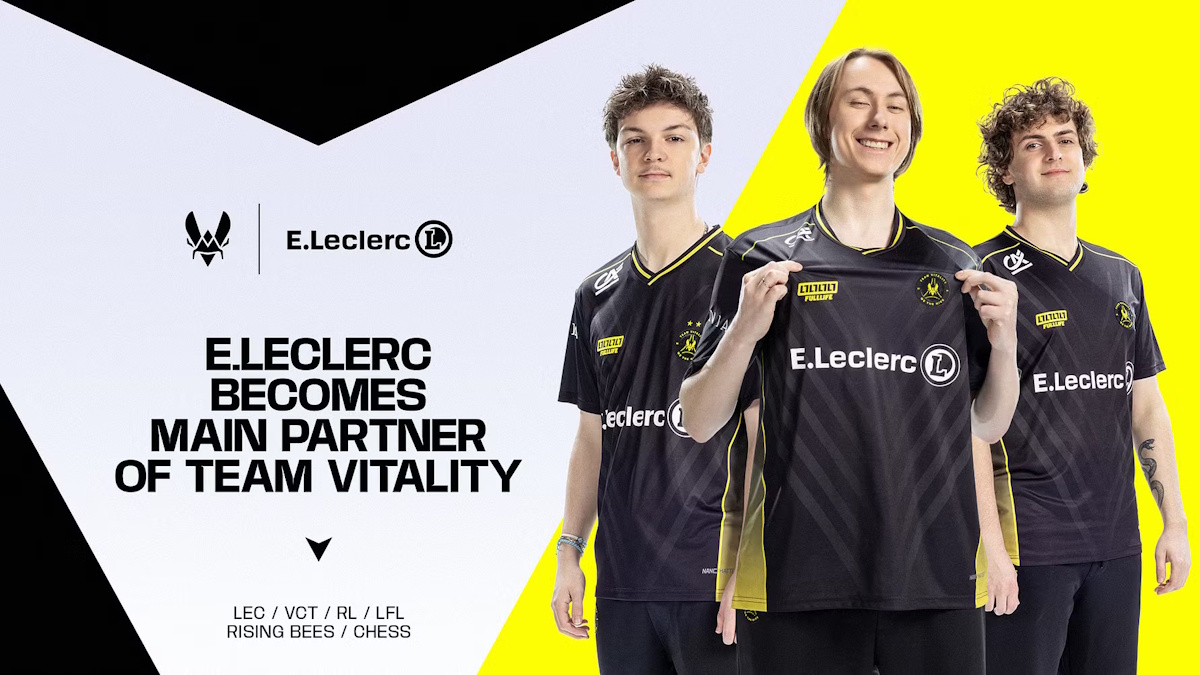
Team Vitality, one of France’s leading esports organizations, has announced a strategic new partnership with French retail giant E.Leclerc, naming the supermarket chain as the club’s Main Partner for 2026.
Under the agreement, E.Leclerc’s logo will feature prominently on Team Vitality’s international team jerseys, including rosters for League of Legends (LEC and LFL), Valorant (VCT EMEA), Rocket League, Rising Bees and Chess.
Shared Values and Fan Initiatives
The partnership aims to promote accessibility, wellness, and nutrition within the esports community, while bringing gaming culture into E.Leclerc retail spaces through immersive experiences, tournaments and activations designed to engage fans across France.
Team Vitality’s holistic wellbeing program, KARE, which supports performance, nutrition and mental health, aligns closely with E.Leclerc’s focus on responsible lifestyle initiatives. Together, they plan to champion inclusivity, provide unique gaming opportunities, and celebrate esports culture in both digital and physical environments.
With a global audience exceeding 10 million followers, Team Vitality’s influence in competitive gaming makes this partnership a landmark moment for both brands. E.Leclerc’s commitment to youth engagement and cultural connection positions the retailer as a significant non‑endemic supporter of the growing esports ecosystem.
Nicolas Maurer, CEO and Co‑Founder of Team Vitality, described the alliance as a historic milestone that will broaden esports’ reach across everyday life in France and reinforce its cultural legitimacy.
The post Team Vitality announces E.Leclerc as new Main Partner appeared first on Eastern European Gaming | Global iGaming & Tech Intelligence Hub.
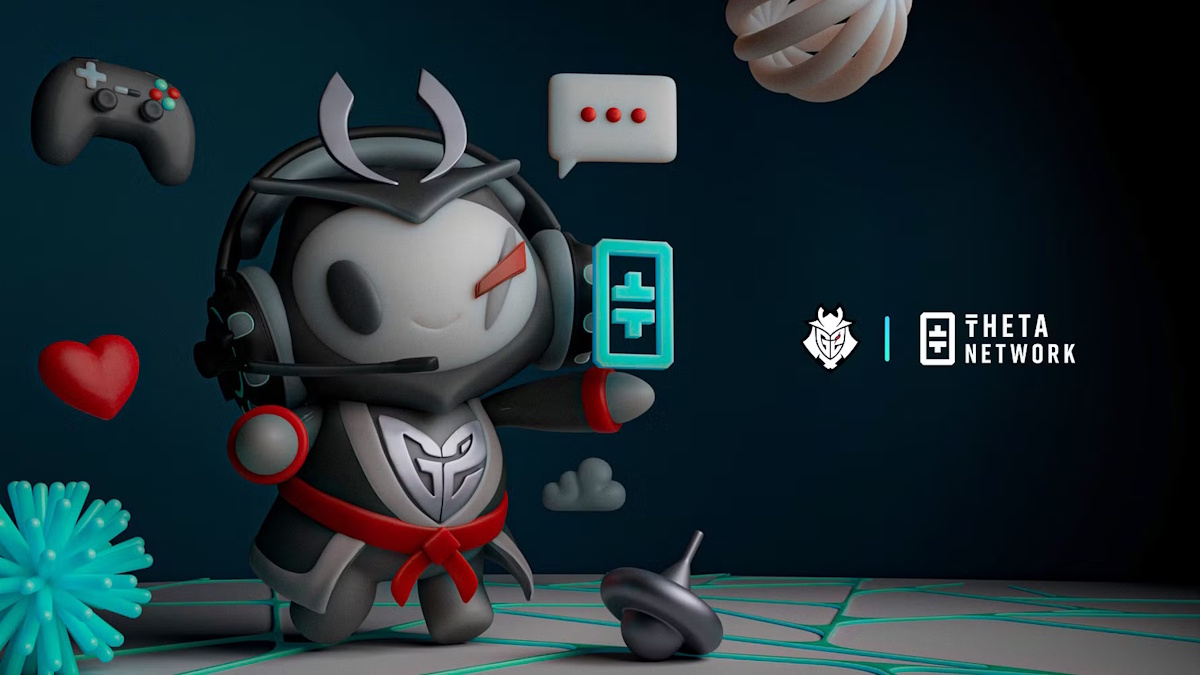
G2 Esports has partnered with Theta Labs to launch “Sami,” a next-generation AI agent designed to enhance fan engagement across multiple competitive esports titles.
The AI-powered assistant will provide G2’s global fanbase with instant access to match schedules, player stats, team rosters, tournament standings, and real-time competitive updates. Sami supports major titles including League of Legends, Counter-Strike 2, VALORANT, Tom Clancy’s Rainbow Six Siege, and Call of Duty.
Accessible via the official G2 website and Discord starting February 17, Sami is built to deliver accurate, always-on responses to fan queries in natural language. From tournament updates to player performance metrics and G2-specific trivia, the AI agent reflects the organization’s unique brand voice and competitive culture.
AI-Powered Fan Engagement at Scale
Sami is trained and deployed using Theta EdgeCloud’s hybrid cloud-edge infrastructure, which integrates over 30,000 distributed edge nodes with cloud services from Google Cloud and Amazon Web Services. The system delivers approximately 80 PetaFLOPS of GPU compute power, enabling real-time processing and analysis at significantly reduced costs compared to traditional centralized cloud platforms.
The AI infrastructure dynamically assigns workloads to high-performance GPUs, including NVIDIA A100 and H100 cloud GPUs, as well as RTX 3090 and 4090 desktop GPUs, optimizing performance and cost efficiency. This decentralized architecture allows G2 to scale fan engagement globally while maintaining low latency and high reliability.
Strengthening Esports AI Innovation
Theta Labs has rapidly expanded its presence in the esports industry, powering AI-driven fan experiences for organizations such as Cloud9, FlyQuest, Evil Geniuses, NRG, Gen.G, Dignitas, 100 Thieves, Method, and Team Heretics.
According to Mitch Liu, CEO of Theta Labs, esports fans increasingly demand instant access to team data and competitive updates. AI agents like Sami enable organizations to provide 24/7 automated engagement while maintaining a unique community personality.
Sabrina Ratih, COO of G2 Esports, emphasized that Sami is more than a standard chatbot. Built to reflect G2’s playful and competitive tone, the AI assistant combines advanced machine learning with brand-driven communication to deliver both entertainment and functionality.
The Future of AI in Esports
The launch of Sami positions G2 Esports at the forefront of AI-driven fan engagement in competitive gaming. By leveraging decentralized GPU infrastructure and blockchain-powered cloud computing, the partnership with Theta Labs signals a broader industry shift toward scalable, cost-efficient AI solutions for esports organizations.
As AI integration becomes a competitive differentiator in esports, solutions like Sami are expected to redefine how teams interact with their global communities in real time.
The post G2 Esports and Theta Labs Launch AI Agent Sami appeared first on Eastern European Gaming | Global iGaming & Tech Intelligence Hub.

-

 Amusnet6 days ago
Week 7/2026 slot games releases
-
Brino Games6 days ago
QTech Games integrates more creative content from Brino Games
-
Aphrodite’s Kiss6 days ago
Love on the Reels: Slotland Introduces “Aphrodite’s Kiss”
-
Alex Malchenko6 days ago
Evoplay Strengthens Canadian Presence with BetMGM Partnership
-
3 Oaks Gaming6 days ago
3 Oaks Gaming Enters Spanish Market
-
Latest News6 days ago
Red Papaya Presents: Lucky Rainbow Rush Adventure
-
AMLA6 days ago
AMLA Launches Public Consultation on Three Draft Regulatory Acts
-
3 Oaks Gaming6 days ago
3 Oaks Gaming Secures Registration from MINCETUR to Enter the Regulated Peruvian Market