Interviews
Driving the Future of Fast-Betting Esports: Inside BETER’s Global Expansion


In the dynamic and rapidly evolving world of esports, a new chapter is being written at BETER with the appointment of Adam Conway as the General Manager of Esports. A veteran with over a decade of experience at SIS, where he was instrumental in shaping their esports and trading strategies, Conway brings a wealth of knowledge and a fresh perspective to his new role. In this exclusive interview, we delve beyond the surface-level discussions and get a frank, insightful look into the core issues driving the esports betting industry today.
Conway offers a deep dive into the burgeoning trend of fast-bet esports, examining its growth trajectory and its place within a regulatory framework that is still playing catch-up. He sheds light on the crucial interplay of computer vision, cutting-edge integrity technology, and live data, explaining how these elements are forging the next generation of betting models. The conversation also turns to BETER’s impressive scaling, revealing how the company manages to host over 500,000 monthly events while maintaining an exceptionally low integrity breach rate of under 0.01%.
Furthermore, Conway outlines the strategic importance of key markets such as the US, Latin America, and the APAC region in the future evolution of esports products. This Q&A is a refreshing departure from the usual industry fluff, offering a candid look at both the commercial drivers and the compliance challenges. Conway provides his unique perspective on what regulators often misunderstand about micro-markets, making this a must-read for anyone interested in the future of esports betting.
You spent more than a decade at SIS where you oversaw its trading desks and in-house tournaments. Why after such a long and successful period with the company, did you decide to jump ship to BETER? And what are you hoping to achieve with BETER?
Fast-betting content for esports and sports was pioneered by BETER, which soon became the in-demand provider of this type of content to operators worldwide. Being offered the chance to lead its esports division was an opportunity I knew I was best placed to take, so I couldn’t turn it down. Naturally, it was a tough decision to leave SIS, a company where I spent more than a decade working my way up through senior roles such as Head of Trading and Global Head of Esports and Competitive Gaming, but all good things must come to an end, and for me, the scale of the opportunity and the timing were just right.
In terms of what can be achieved, it’s about building on the incredibly strong foundation that is already in place. This has been done by being a trailblazer in the fast-betting esports content space and bringing next-generation products to market, such as its flagship ESportsBattle tournaments, which set the industry standard. It covers multiple disciplines, including eFootball, eHockey, eBasketball, and most recently, eTennis, with contests held in dedicated facilities located in three countries. Across these titles, BETER has more than 300 semi-professional athletes on its books, just to give you an idea of the scale of the operation. We deliver live streams, real-time data, and odds for more than 35,000 exclusive ESportsBattle events each month, and we are on track to scale that to 500,000 events annually. But this will only be possible because of the passion, commitment, and dedication of the BETER team, while maintaining leading uptime and margins from a trading perspective.
This sheer volume ensures operators can consistently provide a wide range of engaging content, tailored to the interests of their players. And despite the scale, only 0.01% of matches are flagged for investigation as suspicious, thanks to our dedicated Integrity team, which operates around the clock with a clear framework and robust oversight tools.
Additionally, BETER offers a powerful Esports Odds Feed, delivering market-leading odds with the highest uptime for more than 450 tournaments globally. This includes over 40,000 pre-match and live events annually across popular titles such as CS2, Dota 2, League of Legends, Valorant, and more. Our coverage spans tournaments from Tier 1 to Tier 3, accounting for up to 95% of all available contests. Odds are calculated using official data and refined by our in-house team of more than 130 expert traders.
As you can see, BETER is the most promising fast-betting content provider in the industry. Its scale is unmatched across esports and sports products, locations and venues, monthly event volume, athletes, and the calibre of its trading team. But most importantly, this is only the beginning. I see tremendous potential to further expand BETER’s portfolio and transform it into a true industry powerhouse, leveraging my 20+ years of experience to help drive that vision forward.
The scope and scale of your tournaments are unrivalled, with thousands of contests taking place each month with the goal of offering even more. But how are you elevating your offering beyond the quantity of contests run, and how do you ensure you continue to meet the highest standards of quality?
Being able to offer enough events to fill gaps in operators’ offerings is a powerful advantage, especially when it comes to selecting a reliable content provider. However, volume alone isn’t enough to keep bettors engaged 24/7, particularly when catering to Gen Z and Millennial audiences.
That’s why we constantly diversify our offerings by adding disciplines and experimenting with new formats. For example, our eFootball content includes three formats (2×4, 2×6, and Volta), while eBasketball is available in two formats (4×5 and 4×8).
We’ve also recently launched eTennis tournaments, making BETER the first provider to bring such content to the market. This allows operators to stand out with a truly unique product. We’re starting with around 400 monthly events, with plans to scale up to 2,200 by year-end, featuring various match formats across two concurrent 24/7 streams.
It`s just a small part of our broader product development roadmap. We’re actively exploring new opportunities and assessing the potential value we can deliver to partners across the Atlantic. Among the most promising additions to our tournament lineup are eBaseball and American eFootball—two disciplines that align well with the preferences of key target markets and can be seamlessly launched and integrated thanks to our technical capabilities and dedicated professional team.
We’re also focused on delivering a more engaging and comprehensive bettor experience by expanding the number and variety of available markets. Our trading team is currently working on integrating player props, corners, card markets and more into our fast-betting offering, designed to bring more thrills and boost bettor retention.
Our expansion spans all key markets: North America, Latin America, APAC, and Europe. However, global reach also requires continuous product validation and adjustments, particularly in terms of localisation and compliance with local regulatory policies. That’s why we prioritise stability, transparency and reliability—qualities that operators consistently demand. Because of this, ESportsBattle maintains one of the highest uptimes in the industry, exceeding 90%, while also delivering a sustainable operator margin of 7.5%.
In response to partner demand, we’ve also begun offering fully branded, dedicated eFootball tournaments. These give operators the ability to further differentiate themselves and engage bettors more effectively.
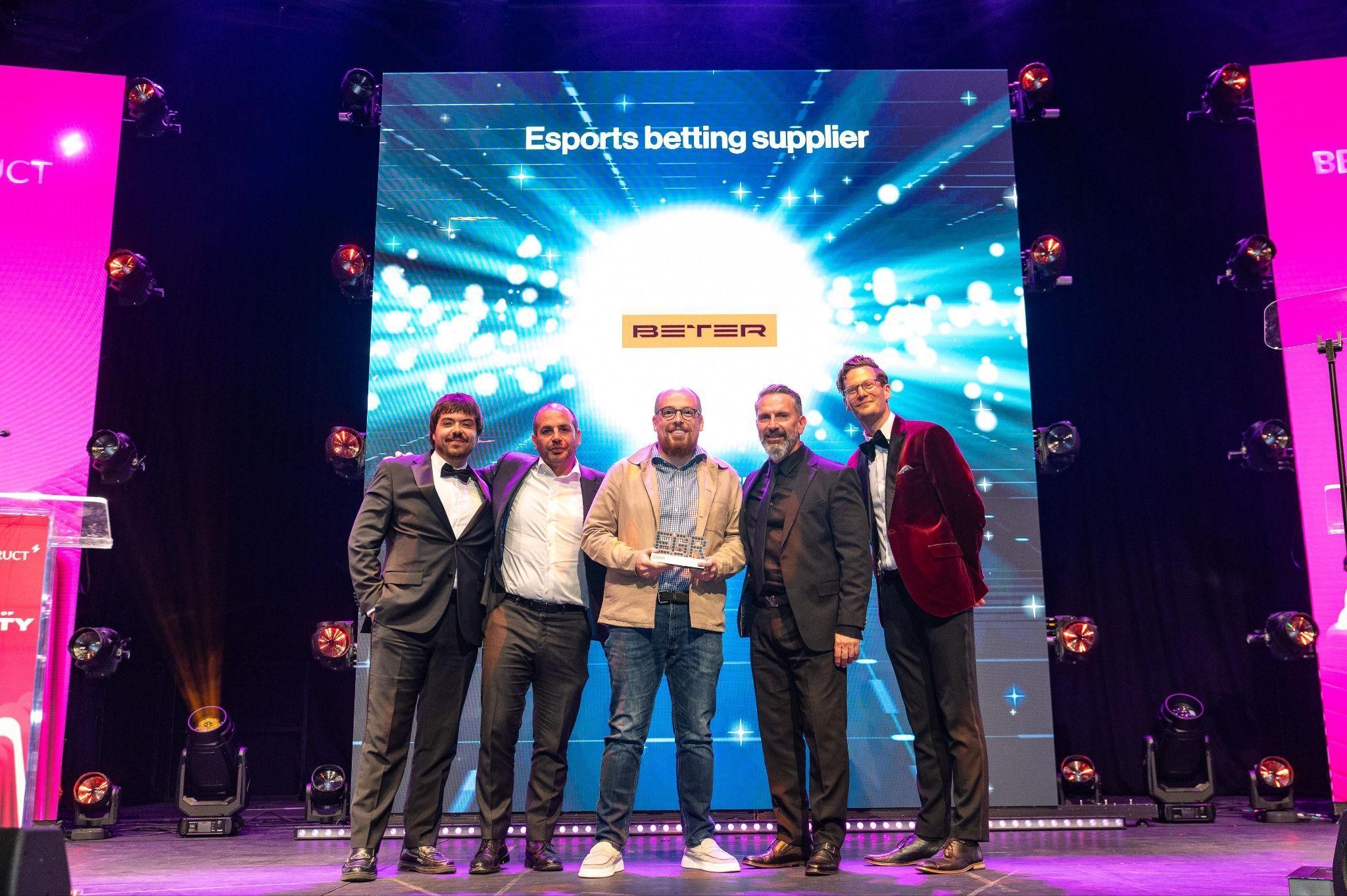
BETER team at the EGR B2B Awards 2025 — proud winners of the Esports Betting Supplier award
What integrity safeguards do you consider absolutely essential today, given your pioneering work with sub-second latency streams and on-camera referees? And where do you still see cracks that technology or policy must address?
There are very few cracks left, thanks to the outstanding work of our dedicated Integrity team, which is now over 20 strong and led by Andrii Nekrutov, our Chief Integrity Officer, who brings more than 20 years of experience in law enforcement and security. Integrity is the cornerstone of our operations, and we uphold the principles of fair play across all tournaments and matches.
We’ve developed a comprehensive, multi-pillar approach to integrity, which includes onboarding, education and prevention, regulations, monitoring, investigation and prosecution. We also collaborate closely with law enforcement agencies, sporting bodies and federations.
We maintain a holistic approach to corporate governance, supported by an integrity certification system, multilingual and multi-platform educational programs, our proprietary Integrity Incident Database and Operations Centre, dedicated whistleblowing platform and more. These measures have collectively earned us several accolades, including the Safer Gambling Award at this year’s European iGaming Awards.
To bring all these initiatives together, we developed Integrity+, our proprietary digital platform designed to prevent match-fixing, support athletes and uphold fair play. Powered by AI and accessible across all devices, Integrity+ seamlessly integrates education, reporting and real-time risk management into a single, comprehensive tool tailored to the needs of today’s sports professionals.
Additionally, we recently signed a Memorandum of Understanding with the International Betting Integrity Association (IBIA) and became a member of the Esports Integrity Commission (ESIC, also receiving its Gold Standard Accreditation. As part of that process, ESIC conducted a thorough review of our operations, including physical studio security, access control, surveillance and CCTV coverage, communication device restrictions, event oversight, personnel requirements and game settings. We successfully met all their criteria.
Trading is now very much a data game, but that hasn’t always been the case. Looking back, which single data signal had the greatest impact on pricing accuracy and what underrated metric will you deploy at BETER to keep your esports traders ahead of the competition?
Without a doubt, the automation of scouting through Computer Vision has been a game-changer, and it’s something I’ve made a top priority since joining BETER. This technology, which is set to go live soon, is fundamental because it delivers both speed and precision in trading processes, a combination that’s no longer optional in today’s market.
Looking ahead, the next frontier for us is machine learning. By embedding it into our trading models, we’ll be able to continuously refine and optimise our strategies, unlocking deeper insights, increasing responsiveness, and ultimately delivering greater value to our operator partners and their players. It’s not just about staying ahead—it’s about setting the pace.
Globally, it seems regulators are getting more comfortable with esports but remain cautious about micro-markets. What is it about fast-betting products that some regulators don’t like and how are you looking to educate them as to how the product can be offered responsibly?
As a provider of fast-betting products, it is our responsibility to work closely with regulators, not only to meet their rigorous standards but also to ensure we partner exclusively with official operators and aggregators who hold the necessary approvals in their respective jurisdictions.
For instance, in securing vendor registration in New Jersey, we worked hand in hand with the Division of Gaming Enforcement to obtain the required approvals to deliver our content to local operators and players. We have taken the same collaborative approach in other regulated markets such as Buenos Aires and Peru, where we also maintain the necessary licences and certifications.
In every case, our commitment to integrity has helped reassure regulators that our content is fair, secure, and compliant. We have also demonstrated how we support our operator partners in offering our content responsibly, with our Integrity and Trading teams working side-by-side with partners’ teams.
Of course, it’s essential for operators to offer the experiences players are seeking— increasingly fast-bet products for esports. By partnering with BETER, they can meet this demand while being fully confident in the fairness, integrity, and safety of the content they offer.
The post Driving the Future of Fast-Betting Esports: Inside BETER’s Global Expansion appeared first on European Gaming Industry News.










Central Europe
Powering the Next Generation of Online Casinos: Inside DSTGAMING’s Scalable iGaming Ecosystem

Interview with John Tan, Digital Marketing Analyst at DSTGAMING
Ahead of HIPTHER Prague Summit 2026, we speak with John Tan, Digital Marketing Analyst at DSTGAMING, to explore how their white label, turnkey, crypto-ready platforms, and powerful game aggregation solutions empower operators – from rapid launch and unified game integration to risk management, payments, and next-generation crypto deployment.
From your perspective, what are the biggest operational barriers new casino operators face today – and how does DSTGAMING address them through technology and infrastructure?
New casino operators often underestimate the complexity of launching and sustaining an iGaming operation. Beyond platform development, they face challenges related to licensing alignment, payment integrations, risk management, game provider negotiations, fraud prevention, and ongoing technical maintenance. Each of these components requires expertise, time, and significant capital investment.
DSTGAMING addresses these barriers by delivering a structured, technology-driven ecosystem that consolidates critical operational components into a single, unified infrastructure. Instead of managing multiple vendors and fragmented systems, operators gain access to a centralized platform that integrates game aggregation, payment gateways, compliance-ready frameworks, and backend management tools. This significantly reduces operational friction and allows operators to focus on market growth, branding, and player acquisition rather than technical troubleshooting.
DSTGAMING provides White Label solutions enabling casinos to go live in as little as a few weeks. What operational processes and technical frameworks make such rapid deployment possible?
Rapid deployment is made possible through a pre-configured yet flexible platform architecture. DSTGAMING’s White Label solution is built on a modular infrastructure where essential systems — player management, payment integrations, risk control, reporting dashboards, and game aggregation — are already technically optimized and tested.
Instead of building from scratch, operators plug into an established framework that supports domain setup, branding customization, provider configuration, and payment integration within a structured onboarding workflow. Automated compliance tools, ready-made back-office dashboards, and scalable cloud infrastructure further streamline the process. This approach minimizes development cycles while maintaining operational stability and performance.
The Turnkey solution focuses on full branding flexibility, user-friendly management, and extensive game libraries. How does this differ strategically from White Label in terms of operator control and long-term scalability?
Strategically, the White Label model is ideal for operators seeking speed-to-market with lower upfront investment and reduced technical responsibility. It provides a comprehensive operational framework where much of the infrastructure and maintenance is centrally managed.
The Turnkey solution, however, is designed for operators who require greater autonomy and long-term strategic control. It offers full branding flexibility, deeper system customization, independent licensing alignment, and enhanced scalability options. From a business standpoint, Turnkey allows operators to build their own technology identity while retaining access to DSTGAMING’s infrastructure backbone. This structure supports expansion into multiple jurisdictions, diversified payment ecosystems, and tailored player engagement strategies over time.
DSTGAMING’s Casino Game Aggregator provides access to more than 10,000 games from 100+ providers – how do you approach game content management, performance consistency, and provider diversity to ensure long-term player engagement?
Managing a large-scale aggregation portfolio requires structured curation rather than simple volume expansion. DSTGAMING focuses on performance analytics, regional player preferences, and technical optimization when onboarding providers.
Game content is continuously monitored for performance indicators such as session duration, retention rates, and conversion metrics. Low-performing titles can be rotated, while trending categories — whether slots, live casino, or crash games — are strategically highlighted. Provider diversity is carefully balanced to include established industry brands alongside emerging studios offering innovative mechanics.
From a technical standpoint, standardized API integration protocols and server optimization ensure latency consistency and stable gameplay across regions. This combination of analytics-driven curation and infrastructure reliability supports sustained player engagement rather than short-term spikes.
DSTGAMING also offers crypto-focused casino deployment. How is cryptocurrency reshaping payment flows, compliance considerations, and global player acquisition strategies?
Cryptocurrency is fundamentally reshaping cross-border transaction efficiency and player accessibility. Traditional payment systems often involve processing delays, regional banking restrictions, and high transaction fees. Crypto payments reduce these friction points by enabling faster settlement, lower costs, and broader global reach.
However, crypto integration also requires structured compliance frameworks. Responsible implementation includes wallet verification systems, AML alignment, transaction monitoring, and jurisdictional risk assessment. DSTGAMING integrates crypto-ready infrastructure within a controlled environment to balance operational efficiency with regulatory awareness.
From a growth perspective, crypto expands access to digitally native audiences and markets where conventional banking infrastructure may limit participation. Operators can position themselves competitively by offering both fiat and digital asset payment options within a secure and scalable ecosystem.
What key iGaming technology or business trends should operators watch most closely heading into 2026?
Heading into 2026, operators should closely monitor three primary areas: infrastructure scalability, payment diversification, and data-driven personalization.
First, scalable cloud-based architectures will become increasingly important as competition intensifies and multi-market expansion accelerates. Second, payment ecosystems will continue diversifying, including alternative payment methods, regional wallets, and cryptocurrency adoption. Third, advanced data analytics and AI-driven personalization will play a central role in player retention, segmentation, and responsible gaming monitoring.
Additionally, regulatory adaptability will remain critical. Operators must design systems that allow compliance updates without disrupting operational continuity.
DSTGAMING is joining the HIPTHER Prague Summit 2026 as the Lanyard Sponsor. What would you like operators and partners to take away from engaging with your team there?
DSTGAMING’s participation at the HIPTHER Prague Summit 2026 as Lanyard Sponsor reflects its long-term commitment to industry collaboration and technological advancement.
At the summit, the objective is not simply to present solutions, but to engage in strategic discussions with operators and partners about sustainable growth models, market expansion strategies, and infrastructure optimization. Visitors should walk away with a clear understanding that DSTGAMING provides more than a platform — it delivers a structured ecosystem designed to support rapid launch, scalable expansion, diversified payments, and long-term operational stability.
The focus remains on building partnerships grounded in technology reliability, strategic flexibility, and measurable business outcomes as the industry moves into its next phase of evolution.
The post Powering the Next Generation of Online Casinos: Inside DSTGAMING’s Scalable iGaming Ecosystem appeared first on Eastern European Gaming | Global iGaming & Tech Intelligence Hub.
In an industry where margins are thin and player loyalty is fleeting, customer experience has become a key differentiator for operators. As AI becomes a core operational requirement, leadership teams face a clear choice: build proprietary technology in house, or partner with purpose built AI CX providers.
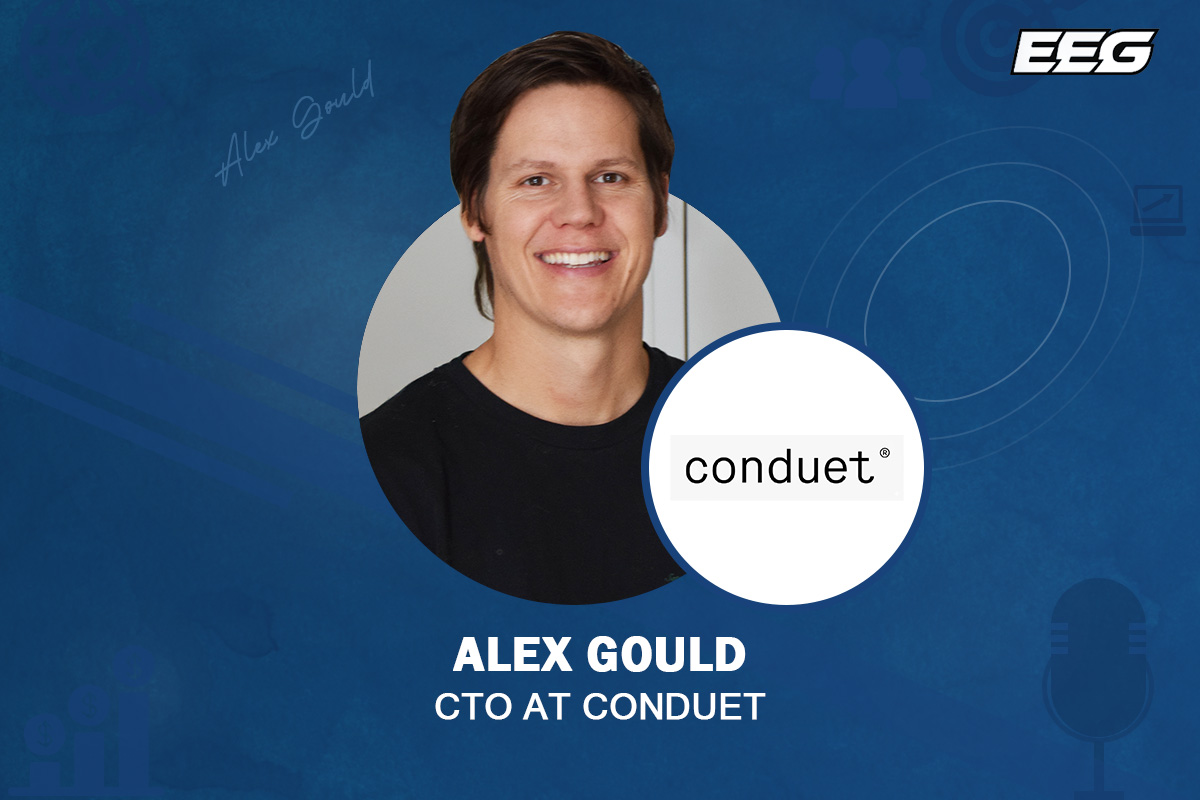
Alex Gould, CTO at Conduet, explains why more operators are choosing the latter.
What industry-specific CX challenges can an exterior solution address ‘out of the box’ compared to a generic build?
Generic AI struggles in sports betting and iGaming because player inquiries are shaped by complex, domain-specific rules and edge cases. Questions about settlements, promotions, withdrawals, or cash outs are rarely straightforward. They depend on wager structure, timing, eligibility criteria, and operator-specific logic.
Over 80% of player inquiries require pulling live, account-specific information from the PAM and applying it correctly within that broader rule set. Without purpose-built logic to interpret both the data and the edge cases around it, responses quickly become incomplete or incorrect.
This limitation is reflected more broadly in enterprise AI adoption. Research from MIT found that 95% of enterprise AI initiatives fail to deliver measurable business impact, often because broadly trained models are pushed into live environments without the domain context needed to handle real-world variability. What appears to work in controlled testing breaks down once exposed to operational complexity.
Purpose-built platforms are designed around this reality. By training on gaming-specific data, workflows, and failure modes, they can interpret live PAM data in context and handle both common and complex inquiries accurately from day one, without relying on extensive rules, manual escalation, or post-deployment patchwork.
How would you characterise the current skills gap within operator teams regarding AI implementation?
Operator CX teams are closest to the customer and understand where friction exists. The challenge is not identifying opportunities, but delivering AI that performs reliably in production. Turning insight into production-ready capability requires technical depth, dedicated ownership, and sustained iteration that sit outside the remit of most CX organisations.
Deploying AI in gaming requires expertise across model evaluation, conversation design, failure handling, and real-time interaction with PAMs and ticketing systems. It also requires ongoing investment to monitor performance, manage edge cases, and improve outcomes as volumes and player behaviour change. CX teams are structured to run day-to-day operations, which makes sustaining this work in parallel difficult.
As a result, many internal AI CX efforts stall or remain narrow in scope, not because the opportunity is unclear, but because the execution burden is too high.
What is the average time to market using a specialist platform, versus a full in-house build?
In-house AI efforts typically take 18 to 36 months to reach enterprise-ready scale. The delay is driven by the need to coordinate across CX, product, data, and engineering while establishing new ownership and operating models inside live CX environments.
A specialist platform compresses this timeline materially. With gameLM, operators can move from concept to live inbound CX in six to 12 weeks. Operators achieve 60%+ resolution within 90 days, scaling toward 80%+ shortly thereafter.
Why does a purpose built partnership model matter in iGaming & OSB CX?
In iGaming and online sports betting, the challenge is not adopting AI, but making it work reliably at scale. Generic platforms often shift the burden onto operators after deployment, requiring significant time and internal effort to adapt the technology to gaming-specific realities. That effort compounds as complexity grows.
A purpose built partnership model changes that dynamic. Instead of operators spending months closing gaps, AI is deployed using operating patterns already proven in live gaming CX. Common failure modes, escalation paths, and performance tradeoffs are understood upfront, reducing the need for downstream rework and ongoing firefighting.
Conduet applies this approach through gameLM, informed by operating a 500+ agent gaming CX organisation. That operating knowledge functions as an embedded R&D capability, shaping how the platform is tuned, prioritised, and extended alongside each operator’s environment. Inbound CX performance today directly informs the development of additional, gaming-specific capabilities such as reactivation, payments optimisation, and fraud prevention.
The result is a partnership model that delivers strong outcomes without transferring the hidden cost of adaptation and maintenance back to the operator, allowing CX capability to keep pace as the industry evolves.
Alex Gould is the CTO at Conduet, where he leverages his technical and strategic background to guide technology strategy and innovation. He is also the Founder and CTO of Everyday AI and previously founded computer vision company ViewX. Alex’s earlier experience includes roles at Primary Venture Partners and Bain & Company, and he holds an MBA from Columbia Business School and a Bachelor of Engineering (Hons) from the University of Canterbury.
The post Why operators are choosing to buy in their AI strategy appeared first on Eastern European Gaming | Global iGaming & Tech Intelligence Hub.
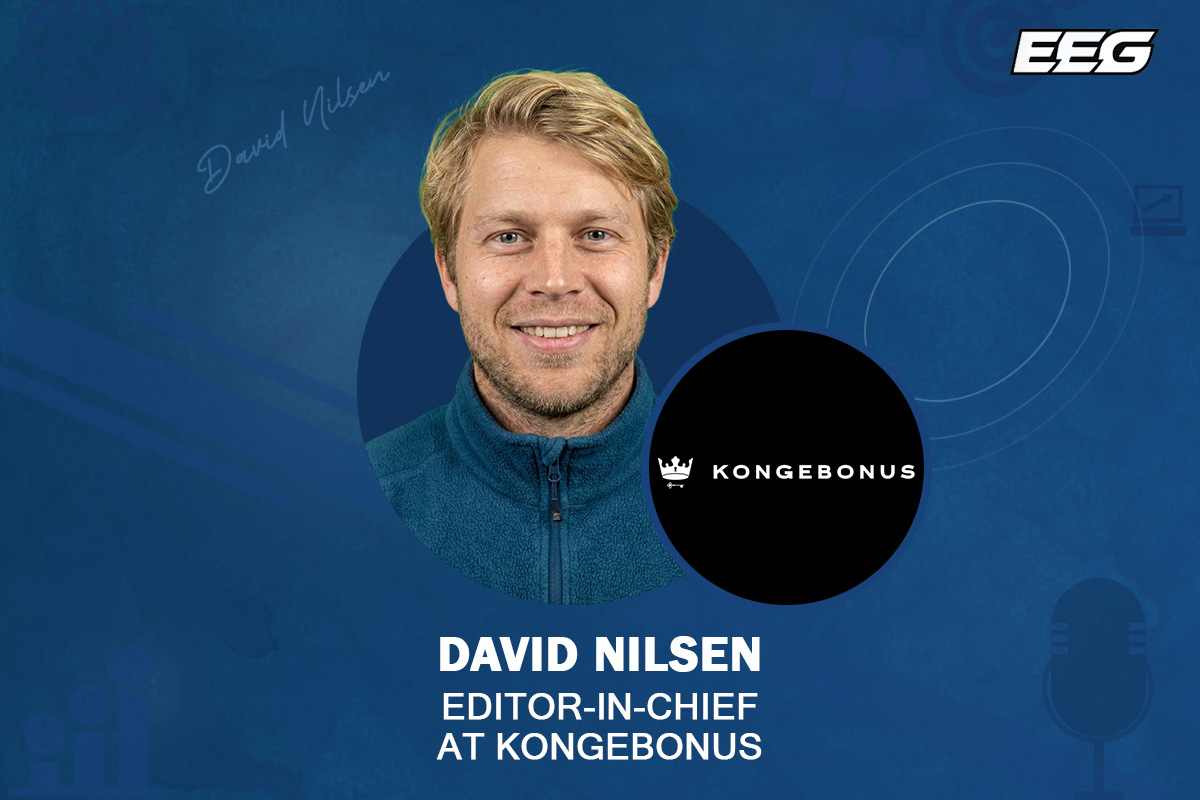
As the only iGaming awards originating from Norway, the Kongebonus Awards are decided entirely by open player voting, offering a rare, unfiltered view into what truly resonates with a dedicated gaming community. Kongebonus Editor-in-Chief, David Nilsen, explains how this year’s results reflect shifting player expectations, highlight both emerging and established studios, and contribute to wider industry conversations around quality, innovation and long-term engagement.
The Kongebonus Awards are now in their fourth year. How have you seen them evolve since the first edition?
Since the first edition, the Kongebonus Awards have grown both in reach and in significance. What started as a way to highlight standout games for our Norwegian audience has developed into a recognised annual moment where player sentiment is clearly reflected back to the industry. Each year we see greater engagement from the community and more awareness among studios and suppliers about what the awards represent. The structure has also matured, with categories that better capture the diversity of modern game development. Most importantly, the awards have become a consistent reference point for which games and providers have truly connected with players over the past year, giving the results increasing weight within the wider iGaming conversation.
This year’s awards were presented in connection with ICE Barcelona. How important is it to connect a Norwegian, player-driven initiative with the wider international industry?
Connecting the awards to an international event like ICE Barcelona helps bring local player insight into the global industry spotlight. While the voting comes from Norwegian players, the studios and games involved operate across many markets. Presenting the results in that setting underlines that player preferences in Norway are part of wider trends in iGaming. It also allows international stakeholders to see how a Nordic audience responds to different styles of games, mechanics and themes. That perspective can be valuable for product planning and market strategy.
This year’s winners were decided through open public voting. Why is it important that the results reflect the voice of players so directly?
Having the winners decided through open public voting ensures the results are grounded in real player experience. The recognition comes directly from the people who have spent time with the games, formed opinions and chosen their favourites. That gives the awards a strong sense of authenticity. It moves the focus away from internal industry perspectives and places it firmly with the end users. For studios, this kind of recognition signals that their work has genuinely resonated with players, not just performed well commercially. Player-led results offer a clear and transparent indicator of which games and providers have built lasting appeal, and that makes the outcomes especially meaningful within the industry.
The awards focus not only on commercial performance, but also on quality, innovation and player experience. From this year’s winners, what stood out most to you?
What stood out most was the balance between creativity and accessibility. Players clearly reward innovation, but only when it is paired with strong execution and an enjoyable overall experience. Many of the recognised titles combine distinctive mechanics with clear game identity and smooth gameplay. There is also evidence that consistency matters. Studios that repeatedly deliver engaging, reliable experiences tend to build strong followings, and that loyalty is reflected in the voting.
How do categories such as Rising Star Game Developer and the Readers’ Hall of Fame help ensure the awards spotlight both emerging studios and more established names?
These categories make sure the awards reflect the full spectrum of achievement in the industry. The Rising Star category gives visibility to newer studios that are already making a strong impression with players through innovation and creativity, even if they do not yet have the scale of the largest providers. In contrast, the Readers’ Hall of Fame recognises games that have achieved lasting popularity and become long-term favourites. Including both perspectives shows that excellence is not limited to one stage of growth. It highlights that players value both fresh ideas and proven experiences.
Looking ahead, how do you expect the awards to continue growing, and what role do you see Kongebonus playing in shaping player-led conversations in the industry?
As player expectations continue to change, the awards will develop alongside them. The aim remains to document and highlight the studios and games that genuinely stand out from a player perspective. Over time, this may mean refining categories or exploring new ways to reflect emerging trends, while keeping open voting at the core. Kongebonus will continue to act as a bridge between players and the industry, translating community sentiment into insights that studios and suppliers can learn from. By keeping the focus on player experience and feedback, the awards can play a growing role in encouraging the industry to prioritise quality, innovation and long-term player engagement.
To find out more about this year’s Kongebonus Awards and see the full list of winners, visit: https://www.kongebonus.com/nyheter/vinnere-av-kongebonus-awards-2025/
The post Inside the Kongebonus Awards: What Norway’s Players Are Telling the iGaming Industry appeared first on Eastern European Gaming | Global iGaming & Tech Intelligence Hub.

-

 Blueprint Gaming6 days ago
Blueprint Gaming unleashes Frankenstein’s Fortune blending dynamic modifiers with multi-path bonus offering
-
Compliance Updates7 days ago
How to Apply for a Finnish iGaming License: Gaming in Finland Webinar on Application Steps and Technical Standards
-
Big Daddy Gaming7 days ago
Big Daddy Gaming® Expands European Footprint After MGA Licence Approval
-
Latest News4 days ago
GGBET UA hosts Media Game – an open FC Dynamo Kyiv training session with journalists from sports publications
-
Compliance Updates6 days ago
MGA Publishes Results of Thematic Review on Self-exclusion Practices in Online Gaming Sector
-
Amusnet6 days ago
Amusnet Unveils Casino Engineering and Technology Milestones Achieved in 2025
-
Brais Pena Chief Strategy Officer at Easygo7 days ago
Stake Goes Live in Denmark Following Five-Year Licence Approval
-
Dan Brown6 days ago
Games Global and Foxium return to the Colosseum in Rome Fight for Gold the Tiger’s Rage™