Interviews
Strategies for Cultivating Player Engagement: Insights from Head of SOFTSWISS Sportsbook Alexander Kamenetskyi

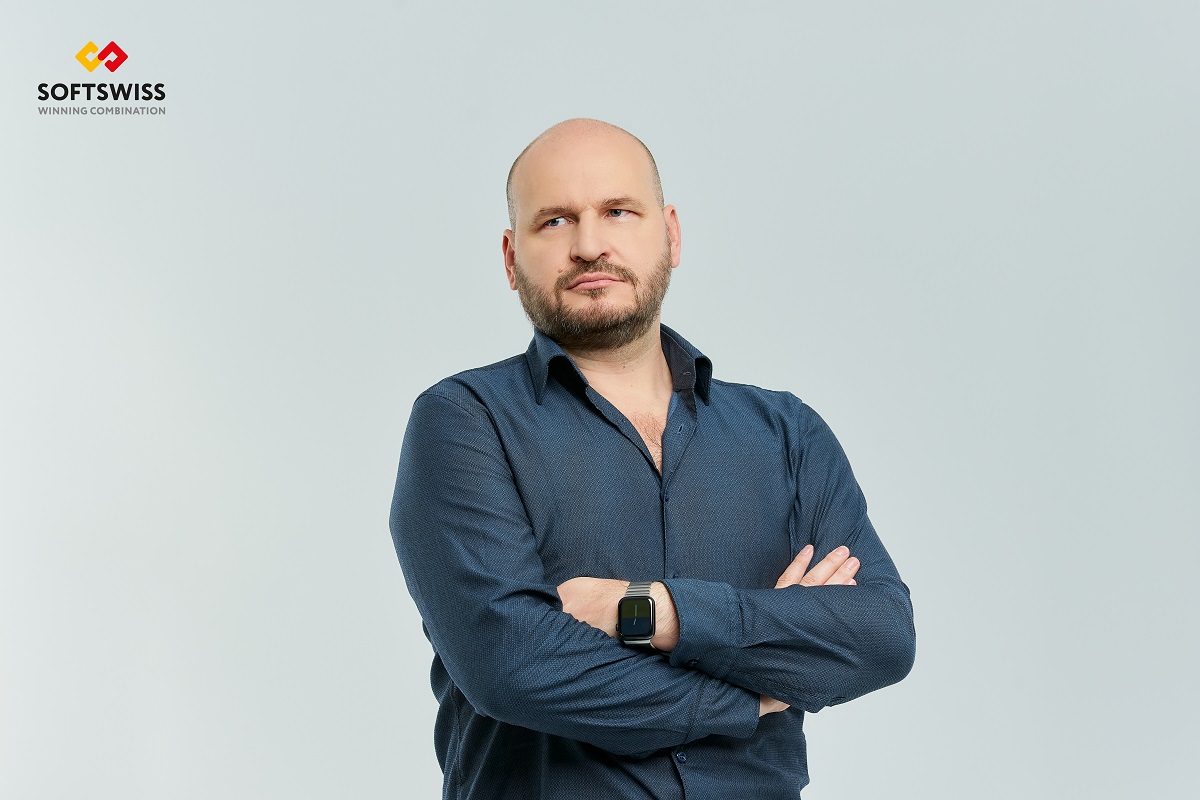
Alexander joined the company in May 2020. He has more than 26 years of experience in Sports Betting and Gambling. His expertise lies in betting trends, iGaming sports industry analytics, product development, and product team management.
From your perspective what are the most significant issues confronting betting and gaming companies?
Within the iGaming industry, two core objectives take centre stage: player attraction and player retention. In this context, two pivotal aspects demand our attention.
Firstly, if we take a closer look at the strategies and products of B2B companies, it becomes quite evident that many of them grapple with truly understanding what players really need. Secondly, in the world of betting, it’s not just about offering a product, it’s about making sure that product actively engages players.
What is more, it’s imperative for a bonus system to operate like a well-tuned instrument in the operator’s hands. It should allow them the flexibility to finely adjust the player journey from the moment they step into the project and keep them engaged for the long haul. We are talking about creating an environment where players are not just involved but genuinely interested.
At the same time, we understand that players may want to explore other gaming projects. Our key objective here is to ensure that once they switch to another platform, they immediately come to realise that our bonus system offers a more captivating and user-friendly experience. They might not be able to explicitly explain why, but they will unmistakably feel the distinction. This remains the foundational principle behind our development efforts.
What do you think about such methods of keeping attention, as gamification?
We all have this inner child inside us, right? And we often end up telling that inner child to put away the toys. That’s where gamification steps in. It’s like this cool trick where even apps that have nothing to do with games sneak in some fun stuff.
In the financial sector, there’s this interesting bank app that cleverly incorporates gamification principles. Now, you might think banking is far from gaming, but this app offers some cool incentives. Imagine getting extra cashbacks, cool avatars, and bonuses just for using the app actively. For instance, when you buy tickets to three different countries, they reward you with a ‘traveller’ avatar. They’ve even got this central character, a cat, that you can interact with, turning your banking tasks into a fun gaming experience.
It all comes down to our basic need to play, something we usually hold back on. But when you sprinkle in a bit of fun, engagement shoots up. We start getting into missions and quests, and that keeps us coming back for more. That’s exactly what these app developers are after – they want to keep us hooked. So, we keep coming back to take care of our virtual cat or spin that wheel because, let’s be honest, missing out on those means fewer bonuses. Plus, we are all in on those weekly missions to boost our ranking. It’s all about that core principle – making it fun to keep us around.
How can an operator gain player loyalty?
Throughout my years in this field, I’ve come to truly appreciate the power of personalisation. It’s a game-changer that goes beyond the allure of bonuses or the thrill of gamification.
Within our operations, we have specialised departments like retention and VIP retention. Their mission is to treat each VIP player as a unique individual, not just another customer. It’s about understanding that VIP players have distinct needs and preferences. By promptly addressing their requests and concerns, we make them feel genuinely valued. This principle isn’t confined to the betting world, it’s a universal truth. Bonuses certainly add excitement, but they’re just an extra layer.
When it comes to engaging with VIP players, I have frequently witnessed various scenarios. Sometimes, players approach with questions that have nothing to do with the project itself. They might ask for directions or assistance with entirely unrelated matters. Those who actively step in to help in such situations often become heroes in the eyes of the players. It’s akin to creating a bond where players instinctively look to us for any need, whether it’s related to placing a bet or seeking guidance on entirely different matters. It’s about cultivating a reflex in the player that says, “If I need something, I know where to go.”
When considering regular players who are not in the VIP category, it’s imperative to gauge their retention levels. For example, a company might use a system featuring five retention levels based on player profitability. Employees are assigned KPIs, which might include elevating their clients to the next retention level. Based on their performance, employees can also progress to the next level. This strategy has proven to be highly effective.
Furthermore, when discussing player retention, I would pay attention to recommendations. For instance, consider a scenario where we inform a player that their favourite team is scheduled to play today, but one of the key players is sidelined, and the team is facing issues with their striker. Our approach isn’t about misleading the player; it’s about establishing trust, knowing that maths will do the rest.
Another effective approach to engage players is by introducing tournaments, quests, and jackpots that encourage friendly competition among players. These diverse tools can be harnessed to incentivise players to participate in various activities. For instance, the operator might announce that all bets placed on the International 2023 will contribute to a specific jackpot. This strategy motivates players to actively partake in these actions, enhancing their overall experience.
When discussing betting with odds, it’s important to keep in mind that our profits are linked to the margin. Unfortunately, this fundamental concept is often overlooked by many operators in the betting industry, even those with extensive expertise. It’s common for them to disregard the critical point that a bookmaker’s earnings aren’t intricately tied to the odds they present but are, in reality, shaped by the margin they can uphold.
In certain tournaments, we encourage players to engage in a competition for a shared prize pool. These tournaments come with two key limitations: firstly, the prize pool is fixed for that specific tournament, and secondly, there is a time limit since the pool gradually decreases if players are not actively involved.
Moreover, we can design tournaments where players receive rewards for specific in-game actions or achievements, adding an extra layer of excitement and engagement to the competition.
At SOFTSWISS, what are your primary areas of focus when it comes to designing and enhancing your products?
We have three main criteria in mind. The first two are super important, while the third serves to complement them.
Firstly, we always look at the player’s needs. Keeping players engaged and interested is a top priority. Secondly, we’ve got what the operator needs. We want to motivate players to do things that are not only fun for them but also good for the operator. Like, encouraging bets on live and express events – it’s a win-win. Lastly, there’s market trends. We are always keeping an eye on what’s hot and what’s not because we know other operators are doing the same. We want to stay in the game and make sure our players have the latest and greatest.
And let’s not forget about the importance of automation. The smoother and more automated these tools are, the better they work for both operators and players.
Diving into the finer details, let’s examine what a player really needs. Ideally, betting should be effortless for them, requiring minimal thought, and in return, they should receive bonuses for their actions, serving as a catalyst for their engagement. It’s imperative that players feel acknowledged, encouraged, and valued – just like that.
When it comes to bookmakers, their main objective is to motivate players to bet on live and express events. This is all about boosting player engagement. However, operators generally prefer not to invest excessive time and resources into managing bonuses and customisation, as it can be a challenging task.
Another challenge revolves around content. It involves the need to brainstorm ideas, create content, publish it on the site, promote it to players, and most importantly, ensure that they engage with it. Many companies maintain dedicated departments to handle these tasks, specifically focusing on content management. Unfortunately, this can result in substantial financial overhead as these departments need ongoing maintenance and resources.
Our system empowers operators to effortlessly create new bonuses in a matter of minutes. Even for bonuses that were issued in the past, it takes less than a minute to relaunch them. The brilliance of our system lies in its ability to automatically generate T&C and banners, completely removing the need for operators to get involved in this process.
Furthermore, when a bonus reaches its expiration date, our system removes the associated banner and all related content automatically. This means operators don’t have to spend their valuable time and energy on content management. In essence, we strive to save our partners precious time and streamline their operations. With our product, we aim to shift operators’ primary focus towards attracting more traffic while automating repetitive tasks, ultimately making their workflow much more efficient.
The SOFTSWISS Sportsbook comes equipped with integrated gamification features, including exclusive industry bonuses and jackpots, providing both players and operators with a wide array of enhancements to elevate their gaming experience. Beyond the typical sports betting bonuses, the SOFTSWISS Sportsbook boasts four entirely unique bonuses that play a pivotal role in substantially boosting player engagement – Hunting Bonus, Hunting Tournaments, Lootbox Bonuses, Freebet Booster.
Another challenge that operators often grapple with is determining the right value for bonuses. It’s essential that players receive bonuses that match their betting activity and continue to entice them. This balance is critical in all areas of betting, whether it is online casinos, offline casinos, or sports betting.
The main obstacle here is finding a way to reward smaller players appropriately without overly lavishing them with bonuses. For instance, it wouldn’t make sense for a player betting just 1 euro to receive a whopping 100 euro bonus. Conversely, it’s equally vital not to underwhelm high-value players. It can be quite awkward when a VIP player, who is wagering substantial amounts, is offered a mere 100 euro bonus. Finding this balance is a delicate yet crucial aspect of our work.
The real challenge here is to make sure we automate this system effectively. Fortunately, we’ve got it covered through our Hunting Bonus. Our system operates seamlessly in automatic mode, guaranteeing that players who consistently bet larger amounts, like 3,000 euro, get the free bets they deserve.
The SOFTSWISS Sportsbook smoothly integrates with various platforms, seamlessly collaborating with their CRM systems and features. This eliminates the need for extensive operator retraining, allowing them to continue working with familiar tools and processes. Additionally, it offers enhanced customisation options for a more personalised experience.
More importantly, this flexibility extends beyond SOFTSWISS platforms. Operators are not confined to using platforms exclusively developed by SOFTSWISS. They can effortlessly incorporate our Sportsbook functionality into a diverse array of platforms, whether within or outside the SOFTSWISS ecosystem.
What business metrics can be improved with gamification tools and bonuses?
The operator can offer a bonus for the next month if a player’s deposits exceed 1,000 euro for the current month, given that the player typically deposits around 800 euro. In this scenario, even if the player’s current deposits stand at 800 euro, and they may not have the full amount readily available, there’s a strong likelihood that they will make an additional 200 euro to qualify for the bonus. This action automatically elevates the player’s status or level.
By focusing on a player group that typically places an average bet of, let’s say, 5 euro, the operator can implement a unique bonus strategy. For instance, for players who achieve a winning streak in football bets with a wager of 7.5 euro, every third successful bet activates a 10 euro free bet. As players persist in their betting activities and progressively raise their average bet, often without being consciously aware of it, the operator witnesses a natural 50% increase in their average bet size.
Consequently, the operator anticipates a corresponding 50% increase in Gross Gaming Revenue (GGR). While the bonus component of the operator’s expenses does increase in this scenario, it typically remains around 25%, and the GGR surges by 50%. In essence, the operator gains an additional 25% in overall revenue.
Regarding bonuses, operators in both casinos and sports betting often fail to address a crucial aspect: defining the bonus offer’s purpose. Operators must precisely determine their incentive goals, whether it’s increasing deposits, raising the average bet size, or prolonging player engagement. Bonuses should be strategically tailored to encourage players to take particular actions that align with the operator’s objectives.
When implementing a bonus, it’s imperative to recognise the intended impact on a particular metric and establish clear, measurable criteria for assessing its success. This clarity ensures that bonuses are not just a perk for players but also a strategic tool for driving desired outcomes in the operator’s favour.
About SOFTSWISS
SOFTSWISS is an international iGaming company supplying certified software solutions for managing gambling operations. The expert team, which counts 1,500+ employees, is based in Malta, Poland, Georgia, and Belarus. SOFTSWISS holds a number of gaming licences and provides one-stop-shop iGaming software solutions. The company has a vast product portfolio, including the Online Casino Platform, the Game Aggregator with thousands of casino games, the Affilka affiliate platform, the Sportsbook Platform and the Jackpot Aggregator. In 2013 SOFTSWISS was the first in the world to introduce a bitcoin-optimised online casino solution.









API integration
Reliability in Motion: Why Modern Digital Businesses are Abandoning the Single-Vendor Model


In the fast-paced environment of digital businesses, communication isn’t just a utility – it’s the heartbeat of the business. Whether it’s a high-stakes trade confirmation or a time-sensitive user’s notification, a lost message is often a direct precursor to lost revenue. Today, we sat down with Bohdan Bulatsan, CTO at CommsHub to discuss why the industry is shifting away from traditional messaging setups toward a more resilient, “strategic redundancy” approach. We explore how CommsHub is redefining delivery standards through intelligent routing and financial transparency.
In the high-stakes world of digital businesses, we often talk about “guaranteed delivery,” but the reality of infrastructure is that things break. From a technical leadership perspective, why is the “Single Vendor” model becoming a terminal risk for modern enterprises?
That’s right. No technical system is infallible. Downtime and glitches are inherent to infrastructure; the real differentiator is how you manage those failures to protect the business. Relying on a single vendor creates a “Single Point of Failure.” If that one provider goes down, your entire operation grinds to a halt.
At CommsHub, we address this by implementing a sophisticated provider cascading system. This architecture ensures that if one path is blocked, the traffic finds another. By eliminating the reliance on a single provider, we transform communication from a financial gamble on uptime into a stable, predictable business process.
CommsHub moves the conversation from “sending messages” to “strategic redundancy.” Can you walk us through the logic of your automated routing – how does the platform decide which path a message takes in milliseconds to ensure the highest delivery rate?
Our cascading logic functions as an intelligent safety net. When our system detects a failure signal from a provider, it triggers a reaction in milliseconds. The mechanism immediately consults a predefined routing roadmap and reroutes the message through the next optimal path in the chain.
Crucially, we allow clients to configure response wait times in both static and dynamic modes. This is a game-changer for businesses where speed is as vital as the delivery itself. Ultimately, our system is built for flexibility; we don’t just send messages – we architect a logic that supports virtually any messaging scenario a business requires.
Integration speed is often a bottleneck; you’ve managed to cut the industry standard from 45 days down to just 10. How does this technical agility impact a brand’s ability to scale into new, unpredictable international markets?
In the modern economy, standing still is the same as moving backward. Our clients are constantly expanding into new geographic territories and they need a partner that moves at their speed. By shrinking integration time to around 10 days, we allow businesses to respond to market opportunities almost instantly.
Our priority is the continuous onboarding of validated providers. This doesn’t just give our clients access to new GEOs; it gives them the power of choice within their existing markets, ensuring they always have the most competitive and reliable options available.
We’ve seen that “lost messages” translate directly to “lost revenue.” How does CommsHub’s unified dashboard bridge the gap between technical delivery logs and the financial transparency that C-level executives need?
Data is only useful if it’s actionable. C-level executives need to see the “why” behind the spend. The CommsHub analytics module is divided into two pillars: Performance and Finance.
The Performance section allows teams to monitor delivery rates and message statuses by country in real-time. Meanwhile, the Financial section provides total visibility into spending, broken down by provider and region. This bridge between technical performance and cost-efficiency allows Finance and Marketing departments to make data-driven decisions rather than educated guesses.
Looking at the mission of CommsHub – to make communication “simple, clear and predictable” what is the one technical myth about bulk messaging you want to debunk for businesses currently struggling with delivery stability?
The most dangerous myth is the belief that finding one “perfect” or “premium” provider is enough. The reality is that no provider – regardless of their size – is immune to regional outages, regulatory shifts or sudden performance drops.
If you want stability, stop looking for the perfect provider and start building a resilient strategy. True reliability comes from intelligent routing, multi-vendor redundancy and the ability to adapt to changing conditions in real-time. That is the mission we fulfill at CommsHub.
As we’ve discussed, the transition from a single-vendor dependency to a diversified, intelligent routing system is no longer a luxury – it is a necessity for survival in high-growth sectors. CommsHub continues to lead this charge, proving that when technical agility meets financial transparency, businesses can scale without the fear of silence. For those looking to turn their communication infrastructure into a competitive advantage, the path forward is clear: prioritize resilience over the illusion of a “perfect” single source.
The post Reliability in Motion: Why Modern Digital Businesses are Abandoning the Single-Vendor Model appeared first on Eastern European Gaming | Global iGaming & Tech Intelligence Hub.
As the Lanyard Sponsor of HIPTHER Baltics: Vilnius 2026, DSTGAMING brings more than a decade of iGaming technology expertise to the Baltic stage. Known for white-label and turnkey casino solutions, advanced game aggregation, secure payment gateways, and GLI-19 compliant platforms certified by BMM Testlabs, DSTGAMING represents the next generation of scalable and regulation-ready gaming infrastructure.
Ahead of the conference, we speak with John Tan, Digital Marketing Analyst at DSTGAMING, about one of the most important topics shaping regulated industries today: The role of AI and automation in regulatory processes.
Regulation is becoming faster, stricter, and more data-heavy. Where do you see AI making the biggest immediate impact in regulatory and compliance workflows?
AI is already proving valuable in areas where large volumes of operational data must be processed quickly and accurately. One of the most immediate impacts is in automated data validation, reporting preparation, and anomaly detection. Regulatory workflows often involve reviewing player activity logs, financial transactions, and system records, which can be time-consuming when handled manually.
For platform providers like DSTGAMING, AI can assist operators by flagging irregular patterns, organizing compliance-related records, and improving the speed and consistency of reporting processes. This reduces the burden on compliance teams while helping ensure that submissions to regulators are more accurate and timely. The ability to turn raw operational data into structured insights is where AI delivers strong short-term value.
Many businesses still view compliance as reactive and manual. How can automation transform it into a smarter, proactive function?
Automation shifts compliance from a task-driven activity into a continuous monitoring function. Instead of waiting for scheduled checks or audits, automated systems can monitor key indicators in real time and notify operators when thresholds are exceeded or unusual activity is detected.
This proactive approach allows operators to address potential risks before they escalate into compliance issues. Over time, automation also creates consistent records and audit trails, making regulatory reporting more structured and transparent. From a platform perspective, embedding automation into workflows ensures that compliance checks become part of daily operations rather than a separate responsibility handled only during audits or investigations.
From AML monitoring to player protection and fraud detection, which regulatory areas are best suited for AI-driven decision support today?
Fraud detection and transaction monitoring are among the most mature use cases for AI-driven support, as they rely heavily on identifying patterns across large datasets. AI models are particularly effective at detecting irregular transaction behaviors, unusual login patterns, or activity sequences that differ from typical user behavior.
Player protection is another area where AI can add value by identifying behavioral signals that may indicate risk, such as sudden changes in activity intensity or spending patterns. While AML monitoring also benefits from AI, the most practical applications today involve supporting human analysts by highlighting suspicious cases rather than replacing manual decision-making entirely. The strength of AI lies in prioritizing risk signals so compliance teams can focus their attention where it matters most.
How can operators balance efficiency through automation while still maintaining human oversight, judgment, and accountability?
Automation should be viewed as a decision-support layer rather than a decision-maker. The most effective balance is achieved when automated systems handle repetitive tasks—such as monitoring, logging, and flagging—while human teams retain authority over final decisions and interpretations.
Clear governance frameworks are also essential. Operators should establish defined escalation paths, validation checkpoints, and audit procedures to ensure that automated outputs are reviewed when necessary. This hybrid approach preserves accountability while still benefiting from improved speed and efficiency. Human judgment remains critical, particularly in complex cases that require contextual understanding or regulatory interpretation.
What are the biggest mistakes companies make when trying to introduce AI into regulated environments?
One of the most common mistakes is adopting AI without clearly defining its role within regulatory workflows. Without structured objectives and validation processes, organizations risk creating systems that generate outputs without meaningful oversight or traceability.
Another challenge is underestimating the importance of data quality. AI systems depend heavily on reliable, well-organized datasets, and inconsistent data can lead to inaccurate outputs. Companies also sometimes move too quickly without aligning AI deployment with regulatory expectations, which can create compliance risks instead of reducing them. Introducing AI gradually, with clear documentation and validation processes, helps ensure responsible adoption.
As a technology provider, how does DSTGAMING approach building solutions that are both innovative and regulator-ready from day one?
DSTGAMING prioritizes architecture that supports transparency, scalability, and operational clarity. From the early stages of development, systems are designed to maintain structured logs, clear data flows, and configurable reporting capabilities that help operators meet regulatory expectations across different jurisdictions.
Innovation is approached with practicality in mind. New technologies, including AI-driven features, are integrated in ways that enhance performance and usability without compromising system reliability. The focus is on delivering tools that support operators in maintaining operational discipline, while also enabling flexibility to adapt to evolving regulatory standards.
By aligning technical development with industry compliance requirements from the outset, DSTGAMING ensures that innovation and regulatory readiness progress together rather than in conflict.
The post AI Meets Accountability: DSTGAMING on the Future of Regulatory Automation appeared first on Eastern European Gaming | Global iGaming & Tech Intelligence Hub.
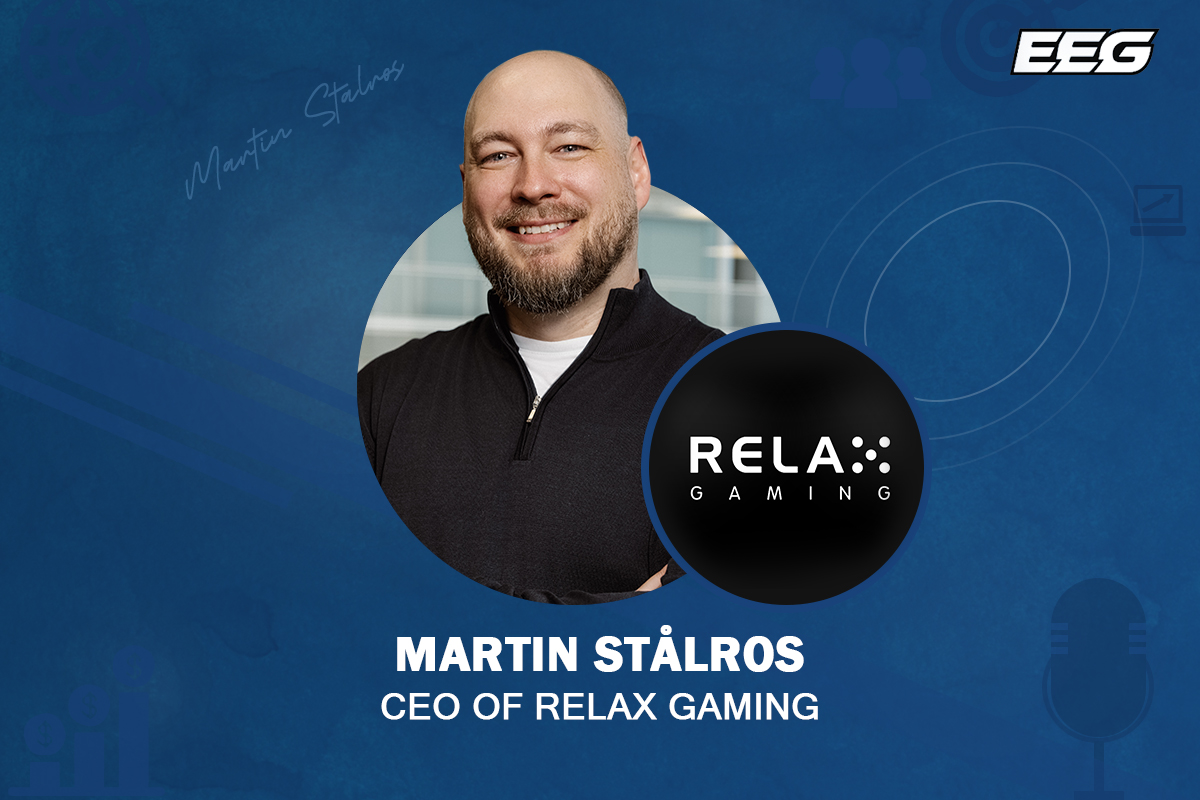
Relax Gaming CEO Martin Stålros explores the growing power of slot sequels, revealing how data, player feedback and innovation are driving franchise success in today’s gaming landscape.
Relax has built a reputation for turning strong titles into even stronger sequels. What signals tell you a game has the potential to evolve into a franchise rather than remain a one-off success?
The main signal is the engagement response from both players and operators. Within the first couple of weeks following a launch, we get a clear indication of whether a game has long-term potential, as there needs to be strong demand for a sequel to even be considered.
From there, our in-house studios analyse behavioural patterns to understand what resonates with players, identifying how a game can be further developed while aligning with both player preferences and operator requirements.
We typically see franchise potential when player retention is driven by the core gameplay loop and the excitement of “near-miss” moments, rather than simply high RTP or jackpot size. Increasingly, the response from the streaming community also plays a role, with titles that deliver high volatility, watchable moments tending to sustain interest over time.
Mechanical versatility is another key factor, and we look for frameworks where the underlying math model is robust enough to support feature layering. If a mechanic can be expanded or refined without breaking the game’s logic, it becomes a strong candidate for a sequel.
Alongside this, distinct character and theme identity are crucial. Memorable protagonists, such as the Money Train crew or the duo in Bill & Coin, help build an emotional connection with players. For example, in Bill & Coin 2, we introduced Dicey and The Mummy to extend the narrative and integrate them into gameplay.
Looking at Relax’s most successful titles like Bill & Coin 2 and the Money Train series, how do you approach evolving mechanics and features without losing the simplicity and appeal that made the original resonate with players?
Our approach is to retain a familiar base game while introducing one major new layer or hero mechanic. This allows us to deliver an exciting experience that still feels natural and recognisable to players.
As mechanics become more complex, such as the addition of more symbols in Money Train 4, we rely on intuitive visual cues. We use distinct animations and sound design to ensure that players clearly understand why they have won, even if the underlying math behind it is more sophisticated.
At the same time, we focus on retaining the soul of a title and preserving what we consider the non-negotiables, which are the specific features that players loved in the original. These elements remain the anchor of the experience, even as we expand volatility or increase maximum win potential, maintaining that balance is key to evolving a game without losing the original appeal.
The Money Train series is often cited as a benchmark for sequel success. How important has player and operator feedback been in shaping each iteration of the franchise?
Operator feedback is crucial when it comes to technical and UI refinements, while player feedback directly influences feature frequency and volatility curves, and together these insights play an important role in shaping how each instalment evolves and improves on the last.
Building on this, each Money Train sequel has been developed using the data from its predecessor; for instance, the introduction of persistent symbols was a direct response to player desire for high-anticipation, long-tail bonus rounds. This allows us to refine the experience while continuing to build on what players already enjoy.
As a result, the Money Train series has become part of the Relax DNA, with each instalment somehow managing to take the game even further. Everyone has their favourite Money Train slot, and that is a testament to all of the teams involved in creating such a powerful series over a number of years.
With recognisable IP now proving so effective, how do you balance investing in established franchises versus taking risks on entirely new concepts?
Established franchises act as an anchor for stability and performance within our roadmap, which is carefully planned, and this foundation allows us to invest in new concepts and bring fresh ideas to market.
We believe taking risks on new titles is essential, as this is how future franchises are discovered. Without backing original concepts like Bill & Coin, we would not be able to create the “new classics” of tomorrow.
From a resource perspective, this balance is reflected in how we operate, with our core internal studios focus on developing flagship sequels, while our Silver Bullet and Powered By partners are empowered to explore more niche or experimental gameplay. This ensures we can continue to innovate while building on proven successes.
Looking ahead, do you think the industry is moving toward a more franchise-driven approach?
We are seeing a clear trend shifting from simple sequels to broader ecosystems, where a franchise can span multiple verticals, including slots, crash games, and even brand-integrated jackpot systems like Dream Drop. This reflects a move towards more connected, long-term player experiences, where a title can evolve beyond a single release into something more expansive.
Franchises will continue to play a dominant role, but the breakout hit will always come from a new concept, with the future belonging to those who can build a franchise around genuine innovation rather than simply reskinning existing ideas.
The post Expanding on excellence: The power of sequels appeared first on Eastern European Gaming | Global iGaming & Tech Intelligence Hub.

-

 Betsson5 days ago
What the Betsson/Inter Milan case reveals about cross-border gambling branding when two restrictive regimes collide
-
Balkans5 days ago
CT Interactive Expands its Certified Portfolio in Bulgaria
-
Africa4 days ago
Amusnet and Goldrush Strike Strategic Partnership to Enhance SA Online Gaming
-
Betting and Gaming Council4 days ago
Betting and Gaming Council Appoints Kane Purdy as New Chair
-
AGLC4 days ago
Inspired Entertainment Secures Alberta iGaming Supplier Registration
-
ABBIATI Casino Equipment5 days ago
Abbiati to Exhibit at G2E Asia 2026
-
Anatel5 days ago
El choque entre crecimiento, política y supervisión en Brasil
-
Africa4 days ago
TaDa Strengthens its Presence in South Africa Through New Partnership with Sunbet