Interviews
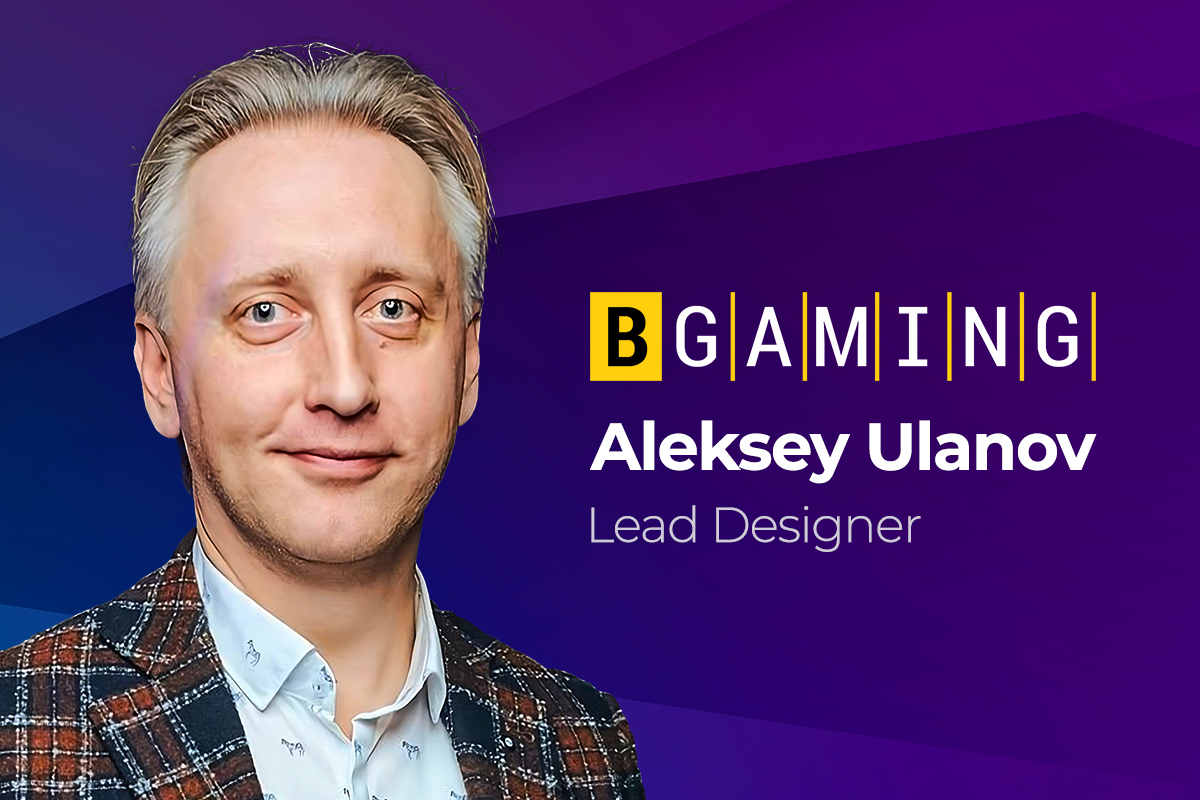
Exclusive Q&A with Aleksey Ulanov, Lead Designer at BGaming

Reading Time: 4 minutes
Thank you for taking the time to answer some questions. Before we jump into the more specific questions, could you please introduce BGaming to our readers?
BGaming is a creative and fast-growing iGaming content provider, as we love to say, converting gambling into gaming. The studio revealed itself to the world with its variety of thrilling online casino games and became the pioneer in supporting cryptocurrencies.
Our fundamental value is that the Player and Player’s choice always come first. For this reason, we constantly analyze and study player needs and preferences to make unique and attractive products.
What types of games does BGaming’s portfolio include?
Today BGaming’s portfolio includes more than 80 products such as video slots, video poker, lottery, table games, card and casual games with HD graphics, quality sound design, and a clear user interface for every device.
Since we strive to expand our network of crypto projects and pass over a successful experience of crypto casinos to fiat ones, we also draw particular attention to our portfolio of Fast (casual) games.
With so many games out there, what differentiates BGaming from the rest of iGaming content providers?
I would say everything begins with the team. BGaming’s team includes professionals with 20+ years in the iGaming sphere, which bring vast improvement to work on each stage of game development. Thanks to team experience, we became the pioneer in supporting cryptocurrencies, the first major provider to introduce the Provable Fairness feature in online slots, and have found a perfect balance between ideal visuals and maths, along with rich gameplay and surprising features.
BGaming is a frontrunner in Brand exclusive slots production. We collaborate with casinos as true partners, striving to be flexible and provide their players with the best experiences. We offer a variety of customization packs for casino operators starting from a light touch, through deep customization, and up to an exclusive slot or crash game.
As I highlighted before, our fundamental value is that the Player and Player’s choice always come first. Such a player-driven approach is another essential feature of BGaming.
What are the key guidelines that you follow when designing a new game?
There is a saying in slot development, “The art is what attracts the players, but it is the math that keeps them.”
I’m all too familiar with an excellent math model that suffers if the art does not attract new customers. Our design team puts a lot of effort into characters’ creation, pays attention to details, constantly experiments with the graphics, and implements the best practices to make our games eye-catching.
Since we’ve been creating games for a long time now, we are armed with deep knowledge of the sphere and extensive analytical data. We use it to find valuable insights and better navigate which math, mechanics, sound, and of course, graphics hold the potential to become a hit. These insights and tendencies provide the basis for further experiments in design.
For example, our hit character Elvis the Frog was fueled by such an experiment. We aimed to create a brightly-painted character that could support dynamic gameplay, share the festive atmosphere, be associated with luck, and could be easily recognized. As a result, our Elvis Frog in Vegas appeared and became the best support to the game’s captivating math and mechanics.
The game was a blast and Elvis the Frog, who knows how to have a good time and brings luck, became extremely popular.
Is there any room for variety in gambling games? What do you do to avoid producing repetitive games? Slots for example all work following the same basic mechanics. Is it possible to keep the experience fresh?
A player is a king in iGaming. Some players value variety, while others stick to particular math, mechanics, or design.
Most content providers are balancing fresh experiences and classic, well-loved features and characters. Learning from complementary spheres, such as game development and crypto space, works well in our case.
We have a successful case in our portfolio, the pack of Fast g
ames. This genre of games came from the crypto casinos. Clear rules, rapid results, and simple graphics are the features that unite these games. Our fast games package includes five games now: multiplayer crash Space XY, Plinko XY, Rocket Dice XY, Heads&Tails XY and Minesweeper XY. The games are much different from what we used to see among classic slots. But we notice the success of these games at crypto casinos and want to pass it over to fiat ones.
Analytics helps us understand the gaming space changes, highlight trendsetters in math, mechanics, and art, and keep the experience not only fresh but, first of all, relevant.
Could you tell us a bit more about current trends? What makes a game successful nowadays?
We analyze players’ preferences from release to release and see that it’s always a good idea to allow players to choose extra bonuses.
The Player’s interest in the game can be increased if the game’s mechanics offers features that provide rapid results or multiply the winning chances.
Among particular audiences, if we talk about crypto gamers migrating to fiat casinos, there is a tendency to simplify mechanics and art. But at the same time, this audience brings high standards for transparency in game results and freedom to choose game currency.
Unfortunately, or maybe, fortunately, there’s no “one size fits all” solution to make a game successful. Great space for action and experiments, though!
Finally, without sharing too much information, tell us about what we can expect in the future from BGaming!
For the new releases, we are working on upgrading the package of Fast games in our portfolio. This year it will grow to at least ten games, including new games Keno, Limbo, and Mines. Also, BGaming works to expand its portfolio with a Wheels, BlackJack and Dice Battle towards the end of the year.
A new version of our big hit Lucky Lady Moon enhanced with popular MEGAWAYS™ mechanics launches this July. The slot will be fitted with thrilling features, including Free Spins with the Wheel of Fortune, Refilling reels and Wild symbols with x2 multiplier.
To sum it up, BGaming is on the way to strengthening its positions and presence in the European and LATAM regions, which means a lot of great things ahead!
Powered by WPeMatico


In an industry where margins are thin and player loyalty is fleeting, customer experience has become a key differentiator for operators. As AI becomes a core operational requirement, leadership teams face a clear choice: build proprietary technology in house, or partner with purpose built AI CX providers.
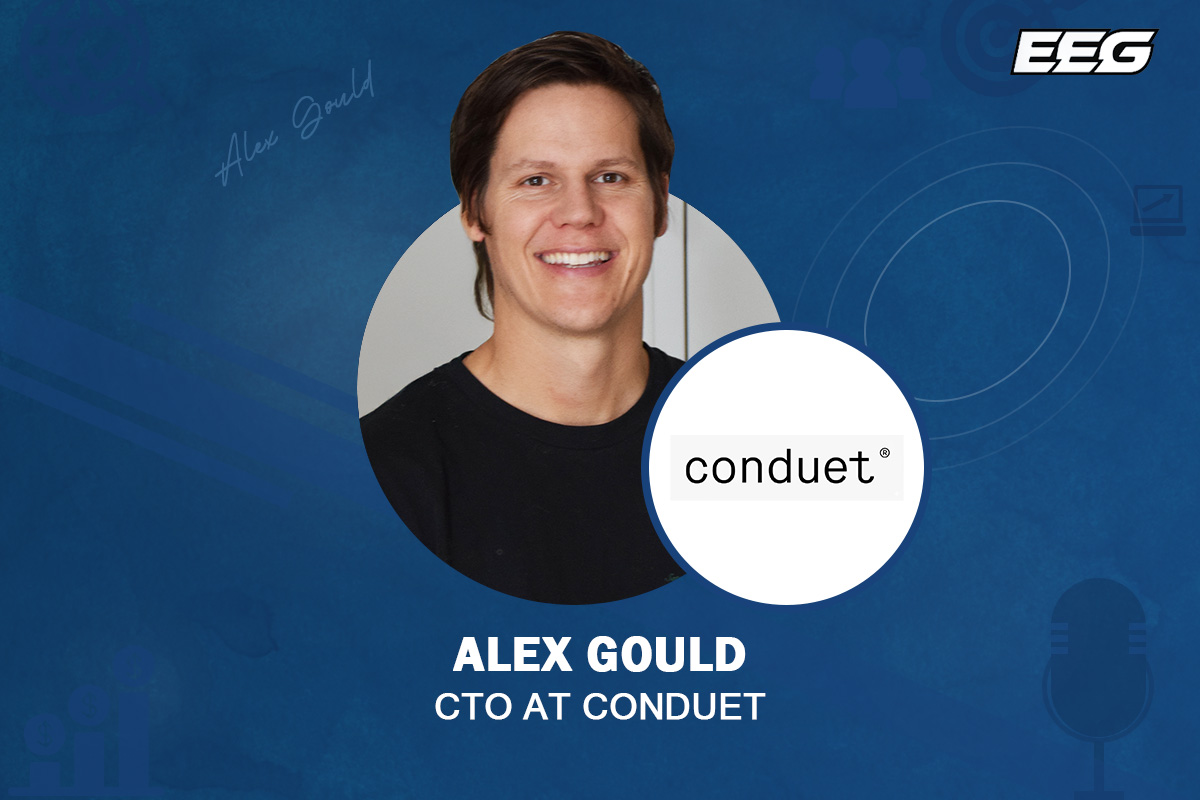
Alex Gould, CTO at Conduet, explains why more operators are choosing the latter.
What industry-specific CX challenges can an exterior solution address ‘out of the box’ compared to a generic build?
Generic AI struggles in sports betting and iGaming because player inquiries are shaped by complex, domain-specific rules and edge cases. Questions about settlements, promotions, withdrawals, or cash outs are rarely straightforward. They depend on wager structure, timing, eligibility criteria, and operator-specific logic.
Over 80% of player inquiries require pulling live, account-specific information from the PAM and applying it correctly within that broader rule set. Without purpose-built logic to interpret both the data and the edge cases around it, responses quickly become incomplete or incorrect.
This limitation is reflected more broadly in enterprise AI adoption. Research from MIT found that 95% of enterprise AI initiatives fail to deliver measurable business impact, often because broadly trained models are pushed into live environments without the domain context needed to handle real-world variability. What appears to work in controlled testing breaks down once exposed to operational complexity.
Purpose-built platforms are designed around this reality. By training on gaming-specific data, workflows, and failure modes, they can interpret live PAM data in context and handle both common and complex inquiries accurately from day one, without relying on extensive rules, manual escalation, or post-deployment patchwork.
How would you characterise the current skills gap within operator teams regarding AI implementation?
Operator CX teams are closest to the customer and understand where friction exists. The challenge is not identifying opportunities, but delivering AI that performs reliably in production. Turning insight into production-ready capability requires technical depth, dedicated ownership, and sustained iteration that sit outside the remit of most CX organisations.
Deploying AI in gaming requires expertise across model evaluation, conversation design, failure handling, and real-time interaction with PAMs and ticketing systems. It also requires ongoing investment to monitor performance, manage edge cases, and improve outcomes as volumes and player behaviour change. CX teams are structured to run day-to-day operations, which makes sustaining this work in parallel difficult.
As a result, many internal AI CX efforts stall or remain narrow in scope, not because the opportunity is unclear, but because the execution burden is too high.
What is the average time to market using a specialist platform, versus a full in-house build?
In-house AI efforts typically take 18 to 36 months to reach enterprise-ready scale. The delay is driven by the need to coordinate across CX, product, data, and engineering while establishing new ownership and operating models inside live CX environments.
A specialist platform compresses this timeline materially. With gameLM, operators can move from concept to live inbound CX in six to 12 weeks. Operators achieve 60%+ resolution within 90 days, scaling toward 80%+ shortly thereafter.
Why does a purpose built partnership model matter in iGaming & OSB CX?
In iGaming and online sports betting, the challenge is not adopting AI, but making it work reliably at scale. Generic platforms often shift the burden onto operators after deployment, requiring significant time and internal effort to adapt the technology to gaming-specific realities. That effort compounds as complexity grows.
A purpose built partnership model changes that dynamic. Instead of operators spending months closing gaps, AI is deployed using operating patterns already proven in live gaming CX. Common failure modes, escalation paths, and performance tradeoffs are understood upfront, reducing the need for downstream rework and ongoing firefighting.
Conduet applies this approach through gameLM, informed by operating a 500+ agent gaming CX organisation. That operating knowledge functions as an embedded R&D capability, shaping how the platform is tuned, prioritised, and extended alongside each operator’s environment. Inbound CX performance today directly informs the development of additional, gaming-specific capabilities such as reactivation, payments optimisation, and fraud prevention.
The result is a partnership model that delivers strong outcomes without transferring the hidden cost of adaptation and maintenance back to the operator, allowing CX capability to keep pace as the industry evolves.
Alex Gould is the CTO at Conduet, where he leverages his technical and strategic background to guide technology strategy and innovation. He is also the Founder and CTO of Everyday AI and previously founded computer vision company ViewX. Alex’s earlier experience includes roles at Primary Venture Partners and Bain & Company, and he holds an MBA from Columbia Business School and a Bachelor of Engineering (Hons) from the University of Canterbury.
The post Why operators are choosing to buy in their AI strategy appeared first on Eastern European Gaming | Global iGaming & Tech Intelligence Hub.
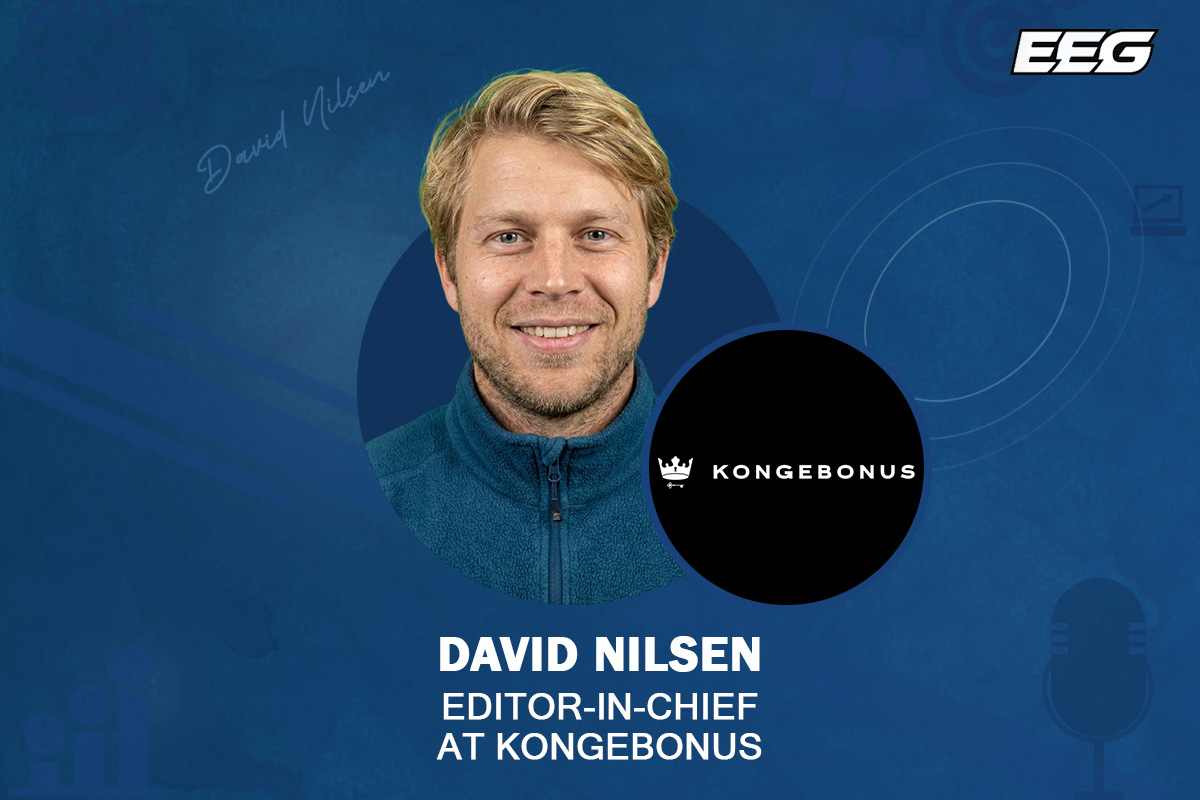
As the only iGaming awards originating from Norway, the Kongebonus Awards are decided entirely by open player voting, offering a rare, unfiltered view into what truly resonates with a dedicated gaming community. Kongebonus Editor-in-Chief, David Nilsen, explains how this year’s results reflect shifting player expectations, highlight both emerging and established studios, and contribute to wider industry conversations around quality, innovation and long-term engagement.
The Kongebonus Awards are now in their fourth year. How have you seen them evolve since the first edition?
Since the first edition, the Kongebonus Awards have grown both in reach and in significance. What started as a way to highlight standout games for our Norwegian audience has developed into a recognised annual moment where player sentiment is clearly reflected back to the industry. Each year we see greater engagement from the community and more awareness among studios and suppliers about what the awards represent. The structure has also matured, with categories that better capture the diversity of modern game development. Most importantly, the awards have become a consistent reference point for which games and providers have truly connected with players over the past year, giving the results increasing weight within the wider iGaming conversation.
This year’s awards were presented in connection with ICE Barcelona. How important is it to connect a Norwegian, player-driven initiative with the wider international industry?
Connecting the awards to an international event like ICE Barcelona helps bring local player insight into the global industry spotlight. While the voting comes from Norwegian players, the studios and games involved operate across many markets. Presenting the results in that setting underlines that player preferences in Norway are part of wider trends in iGaming. It also allows international stakeholders to see how a Nordic audience responds to different styles of games, mechanics and themes. That perspective can be valuable for product planning and market strategy.
This year’s winners were decided through open public voting. Why is it important that the results reflect the voice of players so directly?
Having the winners decided through open public voting ensures the results are grounded in real player experience. The recognition comes directly from the people who have spent time with the games, formed opinions and chosen their favourites. That gives the awards a strong sense of authenticity. It moves the focus away from internal industry perspectives and places it firmly with the end users. For studios, this kind of recognition signals that their work has genuinely resonated with players, not just performed well commercially. Player-led results offer a clear and transparent indicator of which games and providers have built lasting appeal, and that makes the outcomes especially meaningful within the industry.
The awards focus not only on commercial performance, but also on quality, innovation and player experience. From this year’s winners, what stood out most to you?
What stood out most was the balance between creativity and accessibility. Players clearly reward innovation, but only when it is paired with strong execution and an enjoyable overall experience. Many of the recognised titles combine distinctive mechanics with clear game identity and smooth gameplay. There is also evidence that consistency matters. Studios that repeatedly deliver engaging, reliable experiences tend to build strong followings, and that loyalty is reflected in the voting.
How do categories such as Rising Star Game Developer and the Readers’ Hall of Fame help ensure the awards spotlight both emerging studios and more established names?
These categories make sure the awards reflect the full spectrum of achievement in the industry. The Rising Star category gives visibility to newer studios that are already making a strong impression with players through innovation and creativity, even if they do not yet have the scale of the largest providers. In contrast, the Readers’ Hall of Fame recognises games that have achieved lasting popularity and become long-term favourites. Including both perspectives shows that excellence is not limited to one stage of growth. It highlights that players value both fresh ideas and proven experiences.
Looking ahead, how do you expect the awards to continue growing, and what role do you see Kongebonus playing in shaping player-led conversations in the industry?
As player expectations continue to change, the awards will develop alongside them. The aim remains to document and highlight the studios and games that genuinely stand out from a player perspective. Over time, this may mean refining categories or exploring new ways to reflect emerging trends, while keeping open voting at the core. Kongebonus will continue to act as a bridge between players and the industry, translating community sentiment into insights that studios and suppliers can learn from. By keeping the focus on player experience and feedback, the awards can play a growing role in encouraging the industry to prioritise quality, innovation and long-term player engagement.
To find out more about this year’s Kongebonus Awards and see the full list of winners, visit: https://www.kongebonus.com/nyheter/vinnere-av-kongebonus-awards-2025/
The post Inside the Kongebonus Awards: What Norway’s Players Are Telling the iGaming Industry appeared first on Eastern European Gaming | Global iGaming & Tech Intelligence Hub.
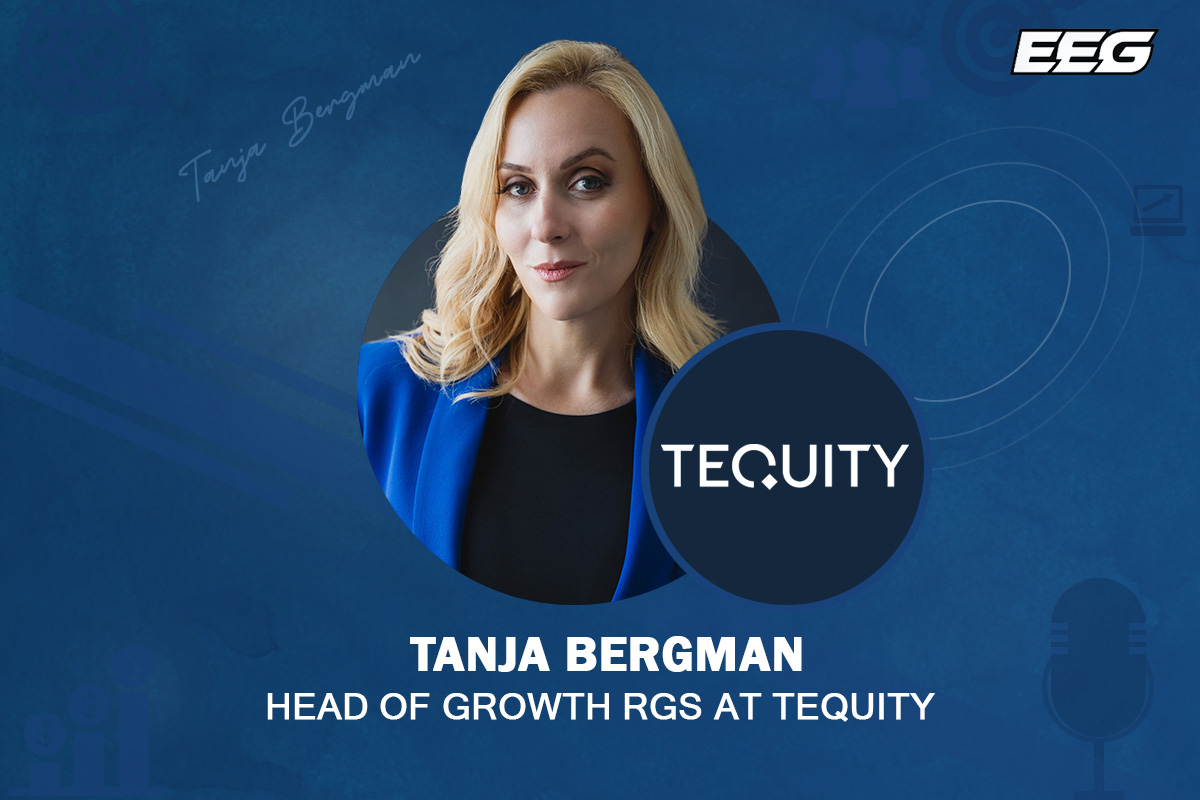
Following the announcement of its new publishing vertical and the successful debut of Royal Drop, we sat down with Tanja Bergman, Head of Growth RGS at Tequity, to discuss how this new arm is set to dismantle technical barriers for ambitious studios and why scalability is the new frontier for the ‘Burst Games’ genre.
Tequity has just officially launched its Publishing vertical. What was the primary catalyst behind this move?
The industry is currently in a fascinating place. There is no shortage of creative talent among studios, but there is a massive technical bottleneck. We have seen so many ambitious studios with incredible concepts – especially those moving beyond traditional slots – who have been getting bogged down in terms of getting those concepts out into the marketplace.
The catalyst for Tequity Publishing was simple. We wanted to break down those technical barriers. By handling the infrastructure, distribution, and compliance frameworks, we allow studios to do what they do best, which is build outstanding games. It’s about speed-to-market without compromising on the quality or the vision of their content.
The launch coincides with the release of Royal Drop. How does this game, and the partnership with Mirror Image Gaming and The Fortune Engine, showcase what Tequity Publishing is all about?
Royal Drop is the perfect proof of concept. It’s a collaboration that highlights three important pillars of modern game delivery. You have Mirror Image Gaming bringing that fresh, video-game-influenced Burst Games energy, The Fortune Engine provide the math tools and templates, and Tequity Publishing offers the global scale and distribution pathway.

It shows that when you remove operational friction, you can create a game-first experience that appeals to a new generation of players who want something more interactive than a standard 5×3 reel.
Tequity Publishing offers two models: RGSaaS and RGS-to-RGS. Can you walk us through the strategic benefits of each?
Flexibility is key, because no two studios are at the same stage of their journey. The RGSaaS model is our full-service offering. It’s designed for studios that want to focus 100% on the creative side. We provide the entire infrastructure and publishing framework and it is essentially a business-in-a-box for game creators.
The RGS-to-RGS model is a more streamlined, tech-first approach for studios that already have their own RGS but lack the distribution muscle. It allows them to plug into our growing operator and aggregator network instantly. Both models are built on the same philosophy: helping studios reach parts of the market they otherwise couldn’t access on their own.
You mentioned reaching new generations of players. How does this vertical specifically empower studios to innovate in ways they couldn’t before?
When a studio is concerned about how they are going to integrate with a multitude of different operators or how to navigate complex jurisdictional requirements, they tend to play it safe. They stick to what they know.
By taking that weight off their shoulders, we give them the opportunity to be brave. Studios like Mirror Image Gaming are pushing the boundaries of modern iGaming, taking influences from the video game world. This is exactly what the new generation of players is looking for. We provide the scalability so that these niche, innovative ideas can achieve mass-market impact.
It’s been a busy period for Tequity, following the success of your Originals series and the iBankroll partnership. How does the Publishing vertical fit into the broader Tequity roadmap for 2026?
It’s all part of becoming the ultimate technology partner for the gaming industry. Whether it’s our streamer-friendly Originals or our Bankroll-as-a-Service offering, the goal is to provide scalable, customisable solutions. Tequity Publishing is the natural evolution of that mission. We aren’t only providing the tools anymore, but also the pathway to the player. Looking ahead, you can expect a series of further launches through our three-way collaborations. We’re proving that the barrier to entry for innovation has never been lower.
Finally, for studios looking to scale quickly, what is your main message to them?
Don’t let technical noise drown out your creative signal. If you have a game concept that breaks the mould, you shouldn’t have to spend years building the distribution architecture to get it seen. That’s what we’re here for. We want to help you launch at a speed and scale that matches your ambition, so that you can make a significant splash in the industry.
The post Scaling innovation through the launch of Tequity Publishing appeared first on Eastern European Gaming | Global iGaming & Tech Intelligence Hub.

-

 Amusnet6 days ago
Week 7/2026 slot games releases
-
Aphrodite’s Kiss6 days ago
Love on the Reels: Slotland Introduces “Aphrodite’s Kiss”
-
Brino Games6 days ago
QTech Games integrates more creative content from Brino Games
-
Alex Malchenko6 days ago
Evoplay Strengthens Canadian Presence with BetMGM Partnership
-
3 Oaks Gaming6 days ago
3 Oaks Gaming Enters Spanish Market
-
blask7 days ago
When LATAM gambles: Blask reveals seasonality patterns across six countries
-
Latest News6 days ago
Red Papaya Presents: Lucky Rainbow Rush Adventure
-
AMLA6 days ago
AMLA Launches Public Consultation on Three Draft Regulatory Acts