Interviews
What the Euros taught us


Morten Hauge, Head of Sports at Aspire Global, tells European Gaming about what the company learned during the Euros and how this will impact its approach as the industry gets ready for the domestic season to kick off.
Talk us through the Aspire/BtoBet performance across the Euros, did it exceed expectations in terms of engagement? Any stats that you can share?
It’s fair to say the tournament met our expectations. Certainly, from a CRM and acquisitions point of view. We saw engagement gradually increasing throughout the event and saw spikes when England were playing, as the UK is our most prominent market.
The outcome of the final was the perfect scenario for UK-facing bookmakers – England going all the way to the final and losing on penalties, ensuring their key market was engaged all the way through. England winning the tournament would have seen bookies paying out a great deal at that point.
So, we are now wrapping up all the learnings we have taken from the Euros and devising how we will apply this to the World Cup in Qatar next year. That really will be a tournament like no other, with it taking place over the winter and air conditioning being pumped through the stadiums. Turning around such learnings quickly will become more important as we grow our Latin American business, however.
Were there any noticeable betting behaviour trends from the month-long tournament?
There was a definite sense of cautiousness from UK bettors during the early stages of the tournament. Certainly, when compared to what we saw at the last World Cup. There was a lot less action in the initial round of fixtures, but it built up a steady momentum and that came to a head in the knockout phase. Bets on correct scorelines, as always, saw a huge surge and it was fantastic to see our new widgets such as our free to play AspireBattle, performing as we hoped it would do, attracting players that wouldn’t usually be interested in the Euros. We actually used it to host our own office competition for the Euros, which was a lot of fun. We are going to look to include this in our Premier League acquisition package as well heading into the new domestic season.
Now we’ve entered the post-tournament phase and the quieter betting period before the domestic season begins, how do you support operators in keeping bettors interested and engaged?
Virtual sports are an important product during this quieter period, but sometimes it’s good practice to just let the players breathe a little bit so we’re not overloading them with content. We’ll create some soft awareness around the Olympics, but in truth it isn’t a huge betting event. The 100m sprint is a good betting event that will keep us in the player’s mind before the next big tournament. There might also be some interest in handball soccer and basketball, but even then, that’s only the case when the country has a better chance of winning a medal. On top of that, the time difference means that many of the events are taking place throughout the early hours of the morning, which isn’t ideal for our European audience.
This time is vital for us to take all the data we’ve accumulated from the Euros and put it to good use before the Premier League commences. We will take a look at all the players that gamers bet on to score, for example, so we can identify crossover opportunities and provide a more personalised experience based on their betting behaviour. End users appreciate this tailored service, and it helps give operators a competitive edge. This will also apply to the World Cup qualifiers in September.
The UK recently announced stadiums will be able to return to full capacity for the new season. Does this influence your approach to trading at all, given home crowds are likely to have an impact on games once again?
I don’t think it will influence our approach to trading. I think it would probably have a bigger effect on the market – the bigger betting syndicates will probably have an influence on the market price, particularly at the beginning. It will most likely be priced in the first one to three games and we’ll see some big moves around matchday, in all likelihood, but that’s it.
Some home teams are likely to perform a lot better than they would in empty stadiums. With that in mind, Liverpool would be a good bet to challenge for the title. Their form at Anfield dipped significantly last season and arguably that’s because of the famous Kop crowd not being able to influence games.
Ahead of every new domestic football season, competition is typically fierce as sportsbooks look to acquire and retain customers. How crucial are sophisticated CRM systems in re-engaging with bettors, particularly at a time when acquisition can be expensive?
It will be more important than ever and thankfully for our operator partners, we’ll be ready to provide them with a comprehensive CRM system through our newly launched intelligent software, AspireEngage. We are expecting great things from our new customer lifestyle journey. We are sending all bets in real-time directly to the CRM system so we can use these as triggers very early on to build an individual journey for each player.
Automation with relevance is the key here. AspireEngage is for operators who want to do CRM and do it properly. We can be a lot more targeted with a relevant message, which will be a welcome change to the usual Premier League reactivation strategy because everybody does that. This gives operators a definite edge.
Widgets like Aspiretip that weren’t exactly designed for the Euros, but which performed well, will be important when the domestic season kicks off. This informs players of the different bets and activities that are available to them and will really come into its own for events like the Premier League and the Six Nations.
How can operators maximise the use of AspireEngage ahead of the new domestic season? How will it improve performance?
It’s a real-time, easy to use solution and will open the opportunity for operators to deliver sophisticated marketing techniques that offers the kind of personalised customer experience that gets bettors coming back for more.
So, if a player bets on the Premier League or LaLiga in August, they will have a completely different experience to those that go down the rugby union path, for example.
Automation is difficult when an operator also wants to remain consistently relevant and up to date. With this journey builder we can offer a lot more value than ever and really improve customer satisfaction.
It also makes a big difference for bettors that are just joining for events like darts, snooker or rugby union. Traditionally, these demographics aren’t huge bettors but the operator still needs to make the most out of them when they do want to engage. It’s easy to offer CRM that caters to the customers that are naturally engaged but targeting those players that only dip in now and then is what AspireEngage offers. Put together, all those players add up.
Powered by WPeMatico


In an industry where margins are thin and player loyalty is fleeting, customer experience has become a key differentiator for operators. As AI becomes a core operational requirement, leadership teams face a clear choice: build proprietary technology in house, or partner with purpose built AI CX providers.
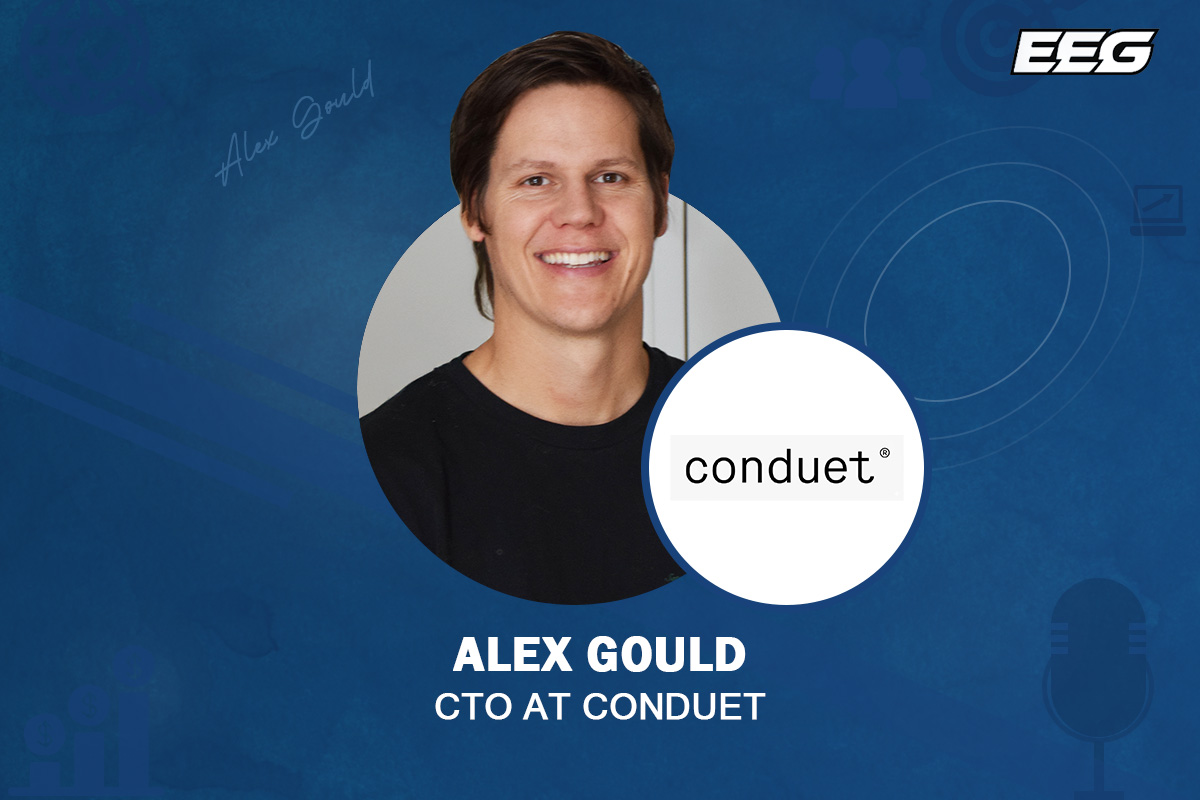
Alex Gould, CTO at Conduet, explains why more operators are choosing the latter.
What industry-specific CX challenges can an exterior solution address ‘out of the box’ compared to a generic build?
Generic AI struggles in sports betting and iGaming because player inquiries are shaped by complex, domain-specific rules and edge cases. Questions about settlements, promotions, withdrawals, or cash outs are rarely straightforward. They depend on wager structure, timing, eligibility criteria, and operator-specific logic.
Over 80% of player inquiries require pulling live, account-specific information from the PAM and applying it correctly within that broader rule set. Without purpose-built logic to interpret both the data and the edge cases around it, responses quickly become incomplete or incorrect.
This limitation is reflected more broadly in enterprise AI adoption. Research from MIT found that 95% of enterprise AI initiatives fail to deliver measurable business impact, often because broadly trained models are pushed into live environments without the domain context needed to handle real-world variability. What appears to work in controlled testing breaks down once exposed to operational complexity.
Purpose-built platforms are designed around this reality. By training on gaming-specific data, workflows, and failure modes, they can interpret live PAM data in context and handle both common and complex inquiries accurately from day one, without relying on extensive rules, manual escalation, or post-deployment patchwork.
How would you characterise the current skills gap within operator teams regarding AI implementation?
Operator CX teams are closest to the customer and understand where friction exists. The challenge is not identifying opportunities, but delivering AI that performs reliably in production. Turning insight into production-ready capability requires technical depth, dedicated ownership, and sustained iteration that sit outside the remit of most CX organisations.
Deploying AI in gaming requires expertise across model evaluation, conversation design, failure handling, and real-time interaction with PAMs and ticketing systems. It also requires ongoing investment to monitor performance, manage edge cases, and improve outcomes as volumes and player behaviour change. CX teams are structured to run day-to-day operations, which makes sustaining this work in parallel difficult.
As a result, many internal AI CX efforts stall or remain narrow in scope, not because the opportunity is unclear, but because the execution burden is too high.
What is the average time to market using a specialist platform, versus a full in-house build?
In-house AI efforts typically take 18 to 36 months to reach enterprise-ready scale. The delay is driven by the need to coordinate across CX, product, data, and engineering while establishing new ownership and operating models inside live CX environments.
A specialist platform compresses this timeline materially. With gameLM, operators can move from concept to live inbound CX in six to 12 weeks. Operators achieve 60%+ resolution within 90 days, scaling toward 80%+ shortly thereafter.
Why does a purpose built partnership model matter in iGaming & OSB CX?
In iGaming and online sports betting, the challenge is not adopting AI, but making it work reliably at scale. Generic platforms often shift the burden onto operators after deployment, requiring significant time and internal effort to adapt the technology to gaming-specific realities. That effort compounds as complexity grows.
A purpose built partnership model changes that dynamic. Instead of operators spending months closing gaps, AI is deployed using operating patterns already proven in live gaming CX. Common failure modes, escalation paths, and performance tradeoffs are understood upfront, reducing the need for downstream rework and ongoing firefighting.
Conduet applies this approach through gameLM, informed by operating a 500+ agent gaming CX organisation. That operating knowledge functions as an embedded R&D capability, shaping how the platform is tuned, prioritised, and extended alongside each operator’s environment. Inbound CX performance today directly informs the development of additional, gaming-specific capabilities such as reactivation, payments optimisation, and fraud prevention.
The result is a partnership model that delivers strong outcomes without transferring the hidden cost of adaptation and maintenance back to the operator, allowing CX capability to keep pace as the industry evolves.
Alex Gould is the CTO at Conduet, where he leverages his technical and strategic background to guide technology strategy and innovation. He is also the Founder and CTO of Everyday AI and previously founded computer vision company ViewX. Alex’s earlier experience includes roles at Primary Venture Partners and Bain & Company, and he holds an MBA from Columbia Business School and a Bachelor of Engineering (Hons) from the University of Canterbury.
The post Why operators are choosing to buy in their AI strategy appeared first on Eastern European Gaming | Global iGaming & Tech Intelligence Hub.
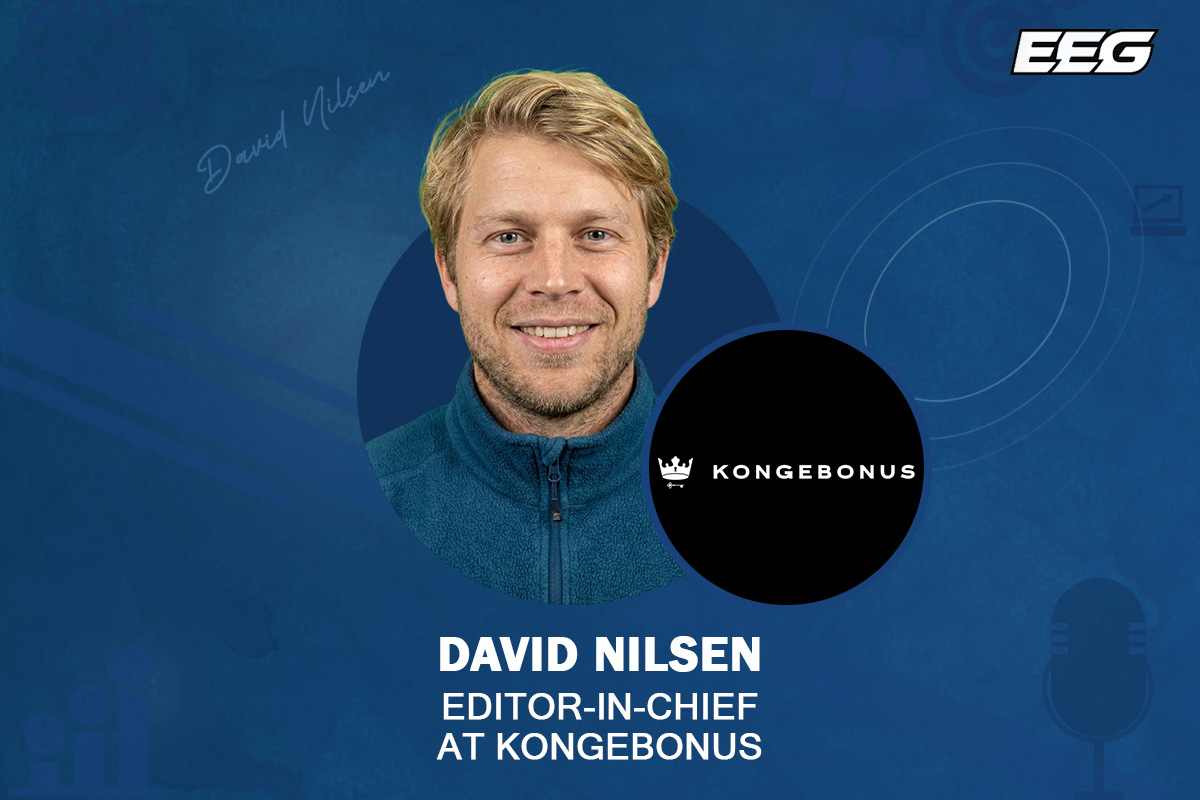
As the only iGaming awards originating from Norway, the Kongebonus Awards are decided entirely by open player voting, offering a rare, unfiltered view into what truly resonates with a dedicated gaming community. Kongebonus Editor-in-Chief, David Nilsen, explains how this year’s results reflect shifting player expectations, highlight both emerging and established studios, and contribute to wider industry conversations around quality, innovation and long-term engagement.
The Kongebonus Awards are now in their fourth year. How have you seen them evolve since the first edition?
Since the first edition, the Kongebonus Awards have grown both in reach and in significance. What started as a way to highlight standout games for our Norwegian audience has developed into a recognised annual moment where player sentiment is clearly reflected back to the industry. Each year we see greater engagement from the community and more awareness among studios and suppliers about what the awards represent. The structure has also matured, with categories that better capture the diversity of modern game development. Most importantly, the awards have become a consistent reference point for which games and providers have truly connected with players over the past year, giving the results increasing weight within the wider iGaming conversation.
This year’s awards were presented in connection with ICE Barcelona. How important is it to connect a Norwegian, player-driven initiative with the wider international industry?
Connecting the awards to an international event like ICE Barcelona helps bring local player insight into the global industry spotlight. While the voting comes from Norwegian players, the studios and games involved operate across many markets. Presenting the results in that setting underlines that player preferences in Norway are part of wider trends in iGaming. It also allows international stakeholders to see how a Nordic audience responds to different styles of games, mechanics and themes. That perspective can be valuable for product planning and market strategy.
This year’s winners were decided through open public voting. Why is it important that the results reflect the voice of players so directly?
Having the winners decided through open public voting ensures the results are grounded in real player experience. The recognition comes directly from the people who have spent time with the games, formed opinions and chosen their favourites. That gives the awards a strong sense of authenticity. It moves the focus away from internal industry perspectives and places it firmly with the end users. For studios, this kind of recognition signals that their work has genuinely resonated with players, not just performed well commercially. Player-led results offer a clear and transparent indicator of which games and providers have built lasting appeal, and that makes the outcomes especially meaningful within the industry.
The awards focus not only on commercial performance, but also on quality, innovation and player experience. From this year’s winners, what stood out most to you?
What stood out most was the balance between creativity and accessibility. Players clearly reward innovation, but only when it is paired with strong execution and an enjoyable overall experience. Many of the recognised titles combine distinctive mechanics with clear game identity and smooth gameplay. There is also evidence that consistency matters. Studios that repeatedly deliver engaging, reliable experiences tend to build strong followings, and that loyalty is reflected in the voting.
How do categories such as Rising Star Game Developer and the Readers’ Hall of Fame help ensure the awards spotlight both emerging studios and more established names?
These categories make sure the awards reflect the full spectrum of achievement in the industry. The Rising Star category gives visibility to newer studios that are already making a strong impression with players through innovation and creativity, even if they do not yet have the scale of the largest providers. In contrast, the Readers’ Hall of Fame recognises games that have achieved lasting popularity and become long-term favourites. Including both perspectives shows that excellence is not limited to one stage of growth. It highlights that players value both fresh ideas and proven experiences.
Looking ahead, how do you expect the awards to continue growing, and what role do you see Kongebonus playing in shaping player-led conversations in the industry?
As player expectations continue to change, the awards will develop alongside them. The aim remains to document and highlight the studios and games that genuinely stand out from a player perspective. Over time, this may mean refining categories or exploring new ways to reflect emerging trends, while keeping open voting at the core. Kongebonus will continue to act as a bridge between players and the industry, translating community sentiment into insights that studios and suppliers can learn from. By keeping the focus on player experience and feedback, the awards can play a growing role in encouraging the industry to prioritise quality, innovation and long-term player engagement.
To find out more about this year’s Kongebonus Awards and see the full list of winners, visit: https://www.kongebonus.com/nyheter/vinnere-av-kongebonus-awards-2025/
The post Inside the Kongebonus Awards: What Norway’s Players Are Telling the iGaming Industry appeared first on Eastern European Gaming | Global iGaming & Tech Intelligence Hub.
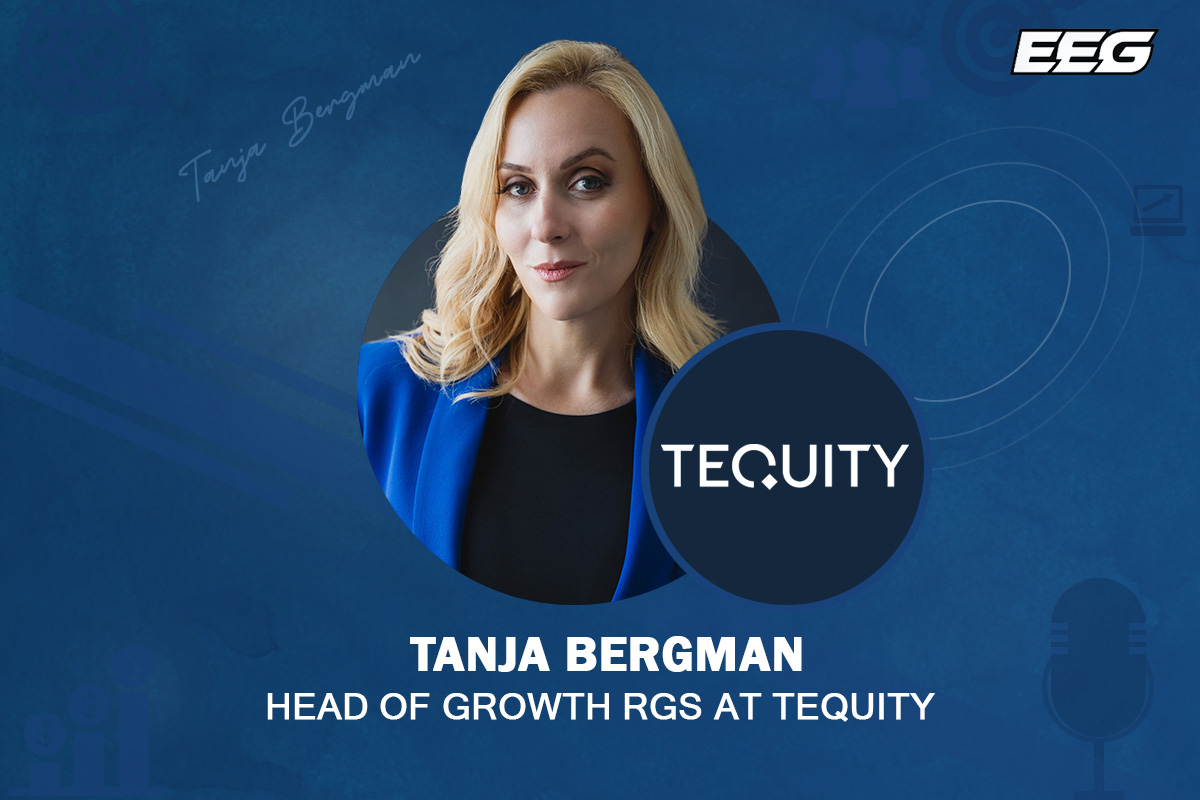
Following the announcement of its new publishing vertical and the successful debut of Royal Drop, we sat down with Tanja Bergman, Head of Growth RGS at Tequity, to discuss how this new arm is set to dismantle technical barriers for ambitious studios and why scalability is the new frontier for the ‘Burst Games’ genre.
Tequity has just officially launched its Publishing vertical. What was the primary catalyst behind this move?
The industry is currently in a fascinating place. There is no shortage of creative talent among studios, but there is a massive technical bottleneck. We have seen so many ambitious studios with incredible concepts – especially those moving beyond traditional slots – who have been getting bogged down in terms of getting those concepts out into the marketplace.
The catalyst for Tequity Publishing was simple. We wanted to break down those technical barriers. By handling the infrastructure, distribution, and compliance frameworks, we allow studios to do what they do best, which is build outstanding games. It’s about speed-to-market without compromising on the quality or the vision of their content.
The launch coincides with the release of Royal Drop. How does this game, and the partnership with Mirror Image Gaming and The Fortune Engine, showcase what Tequity Publishing is all about?
Royal Drop is the perfect proof of concept. It’s a collaboration that highlights three important pillars of modern game delivery. You have Mirror Image Gaming bringing that fresh, video-game-influenced Burst Games energy, The Fortune Engine provide the math tools and templates, and Tequity Publishing offers the global scale and distribution pathway.

It shows that when you remove operational friction, you can create a game-first experience that appeals to a new generation of players who want something more interactive than a standard 5×3 reel.
Tequity Publishing offers two models: RGSaaS and RGS-to-RGS. Can you walk us through the strategic benefits of each?
Flexibility is key, because no two studios are at the same stage of their journey. The RGSaaS model is our full-service offering. It’s designed for studios that want to focus 100% on the creative side. We provide the entire infrastructure and publishing framework and it is essentially a business-in-a-box for game creators.
The RGS-to-RGS model is a more streamlined, tech-first approach for studios that already have their own RGS but lack the distribution muscle. It allows them to plug into our growing operator and aggregator network instantly. Both models are built on the same philosophy: helping studios reach parts of the market they otherwise couldn’t access on their own.
You mentioned reaching new generations of players. How does this vertical specifically empower studios to innovate in ways they couldn’t before?
When a studio is concerned about how they are going to integrate with a multitude of different operators or how to navigate complex jurisdictional requirements, they tend to play it safe. They stick to what they know.
By taking that weight off their shoulders, we give them the opportunity to be brave. Studios like Mirror Image Gaming are pushing the boundaries of modern iGaming, taking influences from the video game world. This is exactly what the new generation of players is looking for. We provide the scalability so that these niche, innovative ideas can achieve mass-market impact.
It’s been a busy period for Tequity, following the success of your Originals series and the iBankroll partnership. How does the Publishing vertical fit into the broader Tequity roadmap for 2026?
It’s all part of becoming the ultimate technology partner for the gaming industry. Whether it’s our streamer-friendly Originals or our Bankroll-as-a-Service offering, the goal is to provide scalable, customisable solutions. Tequity Publishing is the natural evolution of that mission. We aren’t only providing the tools anymore, but also the pathway to the player. Looking ahead, you can expect a series of further launches through our three-way collaborations. We’re proving that the barrier to entry for innovation has never been lower.
Finally, for studios looking to scale quickly, what is your main message to them?
Don’t let technical noise drown out your creative signal. If you have a game concept that breaks the mould, you shouldn’t have to spend years building the distribution architecture to get it seen. That’s what we’re here for. We want to help you launch at a speed and scale that matches your ambition, so that you can make a significant splash in the industry.
The post Scaling innovation through the launch of Tequity Publishing appeared first on Eastern European Gaming | Global iGaming & Tech Intelligence Hub.

-

 ACMA6 days ago
ACMA Blocks More Illegal Online Gambling Websites
-
CEO of GGBET UA Serhii Mishchenko6 days ago
GGBET UA kicks off the “Keep it GG” promotional campaign
-
Aurimas Šilys6 days ago
REEVO Partners with Betsson Lithuania
-
Canada5 days ago
Rivalry Corp. Announces Significant Reduction in Operations and Evaluation of Strategic Alternatives
-
Latest News5 days ago
TRUEiGTECH Unveils Enterprise-Grade Prediction Market Platform for Operators
-
Central Europe6 days ago
NOVOMATIC Once Again Recognised as an “Austrian Leading Company”
-
Acquisitions/Merger5 days ago
Boonuspart Acquires Kasiino-boonus to Strengthen its Position in the Estonian iGaming Market
-
Firecracker Frenzy™ Money Toad™5 days ago
Ancient fortune explodes to life in Greentube’s Firecracker Frenzy™: Money Toad™