Brazil
Brazil: Regulation, market dynamics and tax pressure shape a new phase for iGaming

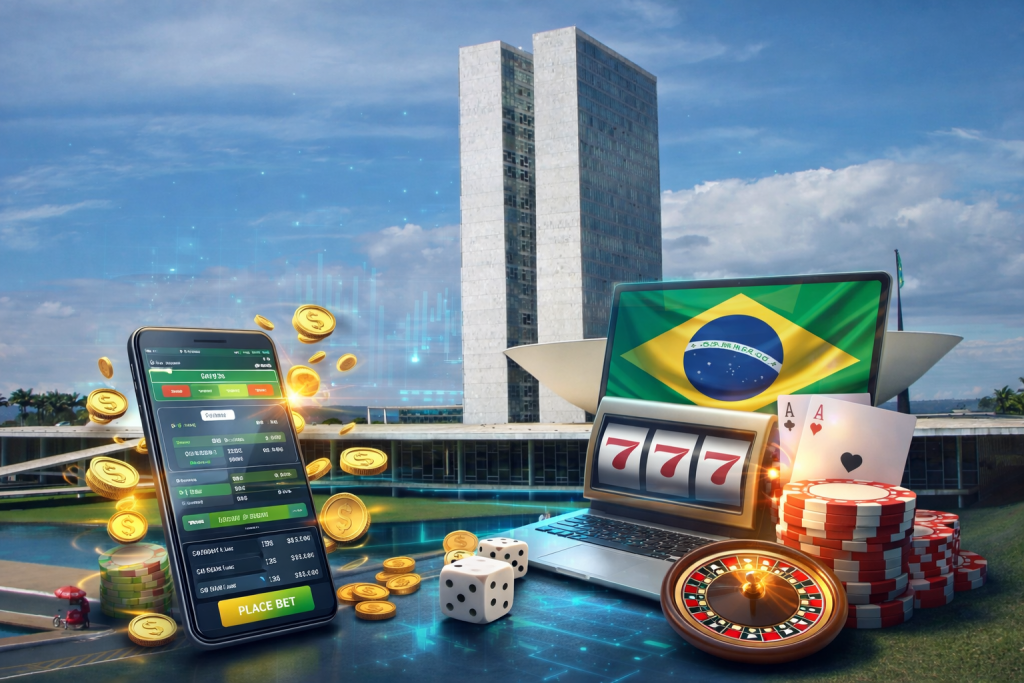
The past week has clearly highlighted how the Brazilian iGaming and sports betting market is moving into a more structured, institutionalized and, at the same time, more demanding phase.
Decisions by the federal government, official data released by the Ministry of Finance, and private initiatives focused on regulatory intelligence point to an ecosystem that is leaving behind its experimental stage and entering a cycle of regulated consolidation.
More than isolated developments, recent events reveal a shift in posture by both public authorities and market participants.
Brazil is no longer treating the sector merely as a new source of tax revenue, but increasingly as an industry that requires governance, legal predictability, systemic oversight and clearly defined enforcement mechanisms.
This approach repositions the country on the international radar, bringing it closer to more mature jurisdictions and raising the level of responsibility for all stakeholders involved.
At the same time, the rapid expansion in the number of authorized operators, the broadening of the regulatory scope beyond B2C activities, and the advancement of the tax debate are creating a more competitive and selective environment.
Operating in Brazil continues to offer scale and growth potential, but it now requires strategic planning, robust compliance capabilities and continuous monitoring of the political and regulatory landscape.
The themes that defined the week help illustrate how Brazil is laying the foundations for its new phase in iGaming — one in which growth, institutional control, market intelligence and tax pressure move in parallel and begin to define who is truly prepared to remain and compete in the medium and long term.
Regulation moves beyond operators
One of the most relevant developments of the week was the launch of a public consultation by the Ministry of Finance to discuss regulatory requirements applicable to suppliers within the betting and iGaming sector.
The initiative is being led by the Secretariat of Prizes and Betting (SPA), the body responsible for implementing and supervising the regulated market, currently operating under the Ministry headed by Fernando Haddad.
Until now, Brazil’s regulatory process has been heavily focused on B2C operators.
With the new consultation, the scope expands to encompass the entire value chain that supports the ecosystem, including technology providers, gaming platforms, aggregators, betting systems, payment methods, KYC, AML, anti-fraud and compliance solutions.
In practical terms, the government is signaling its intention to establish minimum operating criteria, technical responsibilities and compliance standards for suppliers as well, reducing grey areas and operational risks.
The proposal
The proposal follows the logic adopted in more mature regulated markets, where oversight is not limited to consumer-facing offerings but extends to the technological and financial infrastructure behind the operation.
For supplier companies, this represents a significant structural shift.
In addition to increasing adaptation and compliance costs, regulation is likely to redefine commercial relationships, requiring closer alignment between licensed operators and their technology partners.
At the same time, it creates a more predictable environment, with clearer rules and lower exposure to regulatory risk in the medium and long term.
The move also reinforces a clear political message: Brazil does not intend to build its regulated market with a purely permissive or revenue-driven approach.
The expansion of the regulatory scope indicates a strategy of systemic control, aimed at sustainability, operational integrity and greater institutional credibility in the eyes of investors and international bodies.
Official operator list confirms accelerated expansion in Brazil
The publication by the Ministry of Finance of an official list of 184 platforms authorized to operate in Brazil’s regulated online betting market confirms the speed at which the sector has expanded since the new legal framework came into force.
The list, released by the Secretariat of Prizes and Betting (SPA), includes operators deemed eligible to operate in the country under the rules established by the federal government.
The figure is striking not only for its size, but for what it represents in terms of competitiveness and market maturity.
In just a few months, Brazil has moved from a largely unregulated landscape to a formally structured ecosystem, with authorization criteria, compliance requirements and centralized supervision.
According to the Ministry of Finance itself, the publication of the list aims to provide market transparency, guide consumers and signal which companies meet the legal requirements to operate while the licensing process is finalized.
It also serves as a tool to organize the sector at a time of transition from an informal market to a fully regulated model.
As the ecosystem becomes increasingly crowded, simply holding a license ceases to be a competitive advantage and becomes a minimum condition for remaining in the market.
Competition is likely to shift toward factors such as operational efficiency, financial robustness, brand positioning, cultural adaptation to the local audience and the ability to operate within a more stringent regulatory environment.
For international operators, the list also serves as a barometer of global appetite for the Brazilian market, now viewed as one of the most promising — and simultaneously most challenging — among newly regulated jurisdictions.
The full list of authorized platforms is available on the official federal government website.
Data and Intelligence take center stage
Oddsgate launches “Brasil On Track”, a strategic platform for Brazil’s regulated iGaming market
Oddsgate has announced the launch of “Brasil On Track”, a strategic platform designed to help operators and ecosystem participants navigate Brazil’s regulated iGaming market.
The initiative was presented on February 5, 2026, at a time when Brazilian regulation marks its first year under Law 14.790/2023, which introduced greater legal clarity, a defined tax structure and compliance requirements for the sector.
“Brasil On Track provides real-time monitoring of regulatory milestones, market indicators and operational requirements, connecting legal updates to direct business impact and linking directly to official sources,” Oddsgate stated in its launch announcement.
The platform was designed to transform regulatory complexity and legal obligations into a continuous, accessible intelligence framework.
Its features include:
- live tracking of regulatory updates and pending legislation; an operational map translating legal changes into practical compliance actions
- market intelligence on player demographics and key performance indicators
- visibility into tax structures, licensing stages and market entry requirements; and specific focus areas covering KYC (Know Your Customer), AML (Anti-Money Laundering), self-exclusion tools, consumer protection and responsible gaming.
According to Oddsgate’s Director of Regulatory Affairs, Valter Delfraro Jr., Law 14.790/2023 marked a milestone that “ended years of uncertainty and provided legal security and operational clarity.”
He emphasized that this new phase places Brazil’s gaming sector on equal footing with mature markets, increasing international competitiveness and attracting global investors.
“We have transformed regulation into a practical, ongoing guide to operating in Brazil with less risk and greater clarity,” added Wagner Fernandes, Oddsgate’s Chief Marketing Officer, noting that the platform is designed to equip teams entering, expanding or optimizing operations in the country.
The launch of “Brasil On Track” comes amid a rapidly evolving regulatory environment in Brazil, where, according to official data from the Ministry of Finance, the sector generated approximately BRL 36 billion in gross gaming revenue between January and September 2025, with BRL 3.3 billion collected in federal taxes during the same period — highlighting the scale and dynamism of the national market.
The arrival of this tool reflects a growing demand for structured market intelligence, indicating that operators and suppliers are seeking not only news and updates.
But solutions capable of integrating regulatory data with real-time operational and strategic insights.
Taxation moves to the center of the debate
While regulation advances and the market becomes more organized, the tax debate has emerged as one of the most sensitive issues of the moment, both for the government and for industry participants.
The possibility of a total tax burden of up to 42% on iGaming and sports betting is no longer merely theoretical; it is being actively discussed with direct political and economic implications — including in exchanges between Finance Minister Fernando Haddad and industry representatives.
Commenting on proposals to increase taxation, Pietro Cardia, legal director of the National Association of Games and Lotteries (ANJL), warned that tax hikes above international standards could undermine the economic performance of companies operating legally and compliantly in Brazil.
João Fraga, CEO of payment solutions provider Paag, highlighted that tax changes in such a young market could directly impact business strategies, particularly less than a year after operations began under the new regulatory framework.
Organized industry groups have also publicly reinforced the need to balance tax collection with the sector’s ability to compete in a market where illegal operators remain strong.
Organizations such as the Brazilian Institute for Responsible Gaming (IBJR) stress that if tax policy focuses solely on revenue generation without a parallel strengthening of enforcement against unlicensed operators, regulated players may lose ground to the informal market, increasing risk and eroding fiscal revenues.
This discussion returns to the center of the agenda at a time when the Ministry of Finance and the National Congress are debating broader fiscal adjustments in the country — debates in which betting taxation has been explicitly mentioned as part of wider revenue-raising proposals.
The weight of this tax burden is being assessed not only in numerical terms, but also in terms of its impact on investment in product development, technology, compliance and consumer protection, placing operators and suppliers in a dilemma that goes beyond a simple cost calculation.
A larger, clearer — and more demanding market
The week’s developments point to a common denominator: Brazil is rapidly moving toward a more structured, but also more rigorous, regulated market. There is greater legal clarity, stronger institutional control and increased competition, but also higher costs and far less room for improvisation.
For those monitoring Brazil as part of an international strategy, the moment calls for careful analysis. The country continues to offer scale and potential, but now demands regulatory maturity, fiscal planning and a long-term perspective.
The consolidation of iGaming in Brazil is entering a decisive phase.
The combination of broader regulation, growth in the number of operators, professionalization of market intelligence and rising tax pressure is shaping a more predictable — and at the same time more selective — environment.
Brazil is definitively leaving behind the status of a disorganized emerging market and operating under clearer rules and constant oversight.
For companies viewing Brazil as part of a global strategy, this is a moment that requires measured reading and well-calibrated decisions.
Scale potential remains high, but so do entry and operating costs, along with the need for compliance, efficiency and differentiation.
The market is likely to continue growing, but in a more rational manner, favoring players prepared to operate in a regulated, competitive and increasingly tax-intensive environment.
The post Brazil: Regulation, market dynamics and tax pressure shape a new phase for iGaming appeared first on Americas iGaming & Sports Betting News.












ANJL
Brasil avanza contra el fraude deportivo y redirige recursos de apuestas a la seguridad pública
El escenario de las apuestas deportivas y el iGaming en Brasil atraviesa un periodo de maduración acelerada, donde la agenda de integridad y la arquitectura fiscal asumen el protagonismo en las discusiones entre el sector privado y el poder público.
A lo largo de la última semana, una serie de medidas regulatorias, alianzas institucionales y movimientos de mercado consolidaron la percepción de que la industria de juegos no es solo un nicho de entretenimiento, sino un pilar estratégico para el desarrollo económico y la seguridad institucional del país.
Desde la creación de herramientas educativas para atletas hasta la destinación de ingresos para la Policía Federal, el ecosistema brasileño está siendo rediseñado para cumplir con estándares de cumplimiento internacionales, al mismo tiempo que lidia con las complejidades inherentes a un mercado de proporciones continentales.

El ministerio del deporte y la ANJL transforman una iniciativa privada en política nacional de integridad
La agenda de integridad deportiva en Brasil dio un paso determinante con el lanzamiento de una plataforma educativa centrada en la prevención de la manipulación de resultados.
El proyecto, presentado durante el SIGMA South America, es fruto de una colaboración entre el ministerio del deporte y la ANJL, con el soporte técnico de Sportradar.
La herramienta representa la escala nacional de una iniciativa pionera del grupo Esportes Gaming Brasil, propietario de la marca Esportes da Sorte, que ya aplicaba el modelo en clubes patrocinados.
El secretario nacional de apuestas deportivas y de desarrollo económico del deporte, Giovanni Rocco, destacó que la plataforma es el eje central de la nueva política nacional de integridad.
Para el secretario, entregar conocimiento técnico a los atletas es una medida preventiva esencial para evitar que los profesionales se conviertan en agentes criminales por desconocimiento.
Rocco afirmó que el papel de los atletas es garantizar la competitividad, y el gobierno está listo para aplicar castigos severos si se violan las normas.
El CEO del grupo Esportes Gaming Brasil, Darwin Filho, participó en la ceremonia y reforzó que la integridad se construye a través de la educación activa.
El grupo fue el principal impulsor de la transición de este modelo al ámbito público, tras probar la eficacia de los entrenamientos en equipos como Corinthians, Ceará y Náutico.
Filho cree que la prevención es el camino más eficaz para proteger las competiciones y elevar la capacidad de respuesta de los atletas ante propuestas ilícitas.
Para el presidente de la ANJL, Plínio Lemos Jorge, la transparencia es la base del juego responsable y un requisito para las operadoras profesionales que actúan bajo la ley.
Jorge resaltó que muchas de estas empresas tienen acciones en bolsas de valores y dependen de la credibilidad del deporte para mantener su sostenibilidad.
La alianza con el poder público garantiza que el mercado brasileño se alinee con las mejores prácticas de países con regulaciones maduras, como Inglaterra e Italia.
La plataforma, desarrollada por Sportradar, consiste en un programa en línea que estará disponible para todos los clubes y atletas del país a partir de mayo.
El director de integridad de Sportradar LATAM, Felippe Marchetti, explicó que los módulos pedagógicos abordan desde la escala del problema hasta las formas de protección.
Además de educar a los profesionales, la herramienta contribuirá a la calificación de las fuerzas policiales brasileñas en la interpretación de informes técnicos de monitoreo.
Brasil redirecciona una parte de la recaudación de apuestas hacia la Policía Federal
La arquitectura fiscal del iGaming en Brasil sufrió una alteración estructural significativa con la edición de la Medida provisional nº 1.348 por parte del presidente de la República.
La nueva norma establece el redireccionamiento de parte de la recaudación de las apuestas de cuota fija hacia el fondo para equipamiento y operacionalización de las actividades finales de la Policía Federal (FUNAPOL).
Este cambio altera artículos de la ley de apuestas y de la ley complementaria nº 89 de 1997, consolidando al sector como un financiador directo de la seguridad pública federal.
El movimiento es estratégico, ya que no representa la creación de una nueva carga tributaria para las operadoras, sino una reiteración del destino de los recursos que ya estaban previstos para ser escalonados en los próximos años.
Para el sector privado, el aspecto más positivo de la medida es el mantenimiento de la neutralidad fiscal inmediata.
El redireccionamiento del 3% de reajuste escalonado, que originalmente sería destinado a la seguridad social y a la salud general, ahora pasará a costear el auxilio de salud y actividades operativas extraordinarias de los servidores de la Policía Federal, la Policía Rodoviaria Federal y la Policía Penal Federal.
La implementación de esta nueva estructura será gradual, buscando preservar la liquidez y evitar choques financieros en el agente operador y en las plataformas licenciadas.
En el ciclo de 2026, el FUNAPOL recibirá el 1% de la recaudación, porcentaje que subirá al 2% en 2027 hasta alcanzar el techo definitivo del 3% a partir de 2028.
Como la recaudación de las apuestas en el mercado regulado aún está en proceso de estabilización, el gobierno federal autorizó un aporte anticipado de hasta R$ 200 millones del Tesoro Nacional para el FUNAPOL en 2026.
Este aporte funciona como una anticipación financiera que señala la confianza del poder ejecutivo en el desempeño recaudatorio de la industria de juegos en los próximos años.
Analíticamente, esta decisión crea un blindaje institucional importante para el sector.
Al convertirse en un pilar de sustentación para la seguridad pública, la industria de apuestas gana legitimidad y se convierte en un objetivo más difícil para los ataques prohibicionistas, ya que sus ingresos pasan a costear servicios esenciales para el Estado.
Por otro lado, el mercado debe permanecer atento a los márgenes de operación, ya que la parte destinada al mantenimiento del sistema se reducirá para acomodar el traspaso al fondo policial.
Gobierno federal crea una política nacional para combatir fraudes y manipulación en el deporte
En paralelo a las iniciativas educativas, el gobierno federal formalizó la Política nacional de prevención y enfrentamiento a la manipulación de resultados deportivos (PNPEMR) a través de una resolución interministerial.
Firmada por los ministerios del Deporte, de Hacienda y de Justicia y Seguridad Pública, la nueva norma establece directrices rígidas para monitorear, prevenir y reprimir fraudes que puedan comprometer la imprevisibilidad de las competiciones.
La política se estructura en cuatro ejes operativos: reglamentación, prevención, monitoreo y fiscalización, y represión, buscando preservar el mérito deportivo y la ética competitiva como valores innegociables.
Dentro de esta nueva política, los roles institucionales han sido claramente definidos.
El Ministerio del Deporte asume la coordinación general de las acciones, mientras que el Ministerio de Hacienda mantiene la responsabilidad por la regulación y fiscalización financiera del mercado de apuestas.
El Ministerio de Justicia y Seguridad Pública actuará en la articulación directa de las fuerzas policiales para la conducción de investigaciones criminales.
La Policía Federal tendrá un papel central en la investigación de crímenes con repercusión interestatal o internacional, con un enfoque especial en el monitoreo de movimientos financieros sospechosos que puedan estar ligados a redes transnacionales de manipulación.
La política también prevé la creación de mecanismos de denuncia con protección de identidad, incentivando que los profesionales del sector reporten actividades ilícitas sin miedo a represalias.

Barrichello abre el SIGMA South America en un momento de expansión regulatoria
El dinamismo del mercado brasileño fue evidenciado durante la apertura del SIGMA South America 2026 en São Paulo, uno de los mayores eventos globales del sector.
El ex piloto de Fórmula 1 Rubens Barrichello, hoy director no ejecutivo de Softswiss, fue el responsable de la ceremonia de apertura, destacando la rápida transformación de la industria de apuestas en el país impulsada por la convergencia entre deporte, tecnología y entretenimiento.
Barrichello utilizó su experiencia en el automovilismo para hacer una analogía sobre la gestión del iGaming, afirmando que la tecnología debe ir acompañada de un control riguroso de seguridad, comparando la potencia de las plataformas con la potencia de un coche de carreras que exige equilibrio entre el equipo y la integridad del conductor.
El evento reunió a nombres de peso del fútbol, como Júlio César, Zinho, Diego Lugano y Aloísio Chulapa, reforzando el papel central de la modalidad como el principal motor de participación del sector.
La presencia de atletas de alto perfil ayuda a acercar la industria al público general, desmitificando el segmento y fortaleciendo su conexión con la pasión nacional.
Durante los debates, el enfoque regulatorio dominó la atención, con paneles discutiendo los desafíos de la tributación, el combate al mercado ilegal y el mantenimiento de la competitividad de las operadoras licenciadas ante las nuevas reglas.
Eman Pulis, fundador del SIGMA Group, enfatizó que el objetivo de la organización hasta 2030 es ser la fuente más confiable para los jugadores, actuando como un escudo para los operadores que cumplen las reglas.
Para los expertos presentes, aunque Brasil ha avanzado significativamente en la creación de un ambiente regulado, el éxito continuo del mercado dependerá de la capacidad de las autoridades y del sector privado para superar obstáculos como la alta carga tributaria y la persistencia de plataformas no licenciadas.
El diálogo entre formuladores de políticas públicas y ejecutivos durante el SIGMA mostró que la colaboración mutua es el único camino para sostener el crecimiento sostenible del sector en los próximos años.

Optimove adquiere Smartico en un movimiento estratégico para consolidar el CRM y la gamificación
En el plano internacional de tecnología aplicada al iGaming, Optimove anunció la adquisición de Smartico, empresa pionera en la combinación de CRM y gamificación.
El acuerdo prevé que ambas marcas continuarán operando de forma independiente, manteniendo a sus fundadores, equipos y hojas de ruta de productos autónomos.
Esta estrategia de independencia operativa es vista como un movimiento para preservar la innovación orgánica y el espíritu emprendedor que llevaron a Smartico a destacarse como un competidor notable en el mercado de retención de jugadores.
Pini Yakuel, CEO y fundador de Optimove, expresó su admiración por la forma en que Smartico construyó su negocio sin capital externo y cómo fue la primera en integrar la gamificación al marketing de crm de manera eficaz.
Para Optimove, la adquisición es una forma de apoyar un enfoque original que los operadores de iGaming adoptaron ampliamente.
Mientras que Optimove basa su estrategia en el análisis de datos avanzado y agentes de decisión basados en inteligencia artificial, Smartico aporta el diferencial de la gamificación directa en el viaje del jugador, ahora potenciada por la integración de ia generativa en toda su plataforma.
El mercado global de apuestas online, proyectado para duplicar su tamaño hasta 2033, alcanzando la marca de US$ 185 mil millones, exige herramientas de participación cada vez más sofisticadas.
Arman Gal, CEO y cofundador de Smartico, destacó que la unión con Optimove ocurre en un momento crucial para la industria, donde la complejidad regulatoria en regiones como América Latina y Europa exige plataformas de CRM confiables e innovadoras.
La competencia entre las dos unidades de negocio dentro del mismo grupo es vista como una dinámica intencional que promete entregar mejores resultados para los operadores, impulsando la evolución tecnológica del sector de retención de usuarios.
Los brasileños gastaron casi R$ 2,5 mil millones en Las Vegas en el año 2024
Un relevamiento exclusivo obtenido por el portal BNLData ante la autoridad de convenciones y visitantes de Las Vegas (LVCVA) reveló el impacto económico y el comportamiento del turista brasileño en la capital mundial del entretenimiento.
En 2024, Brasil registró 138.200 turistas en la ciudad estadounidense, ocupando la séptima posición entre los principales mercados emisores de visitantes.
Más impresionante que el volumen de personas es el nivel de gastos: los turistas brasileños dejaron aproximadamente R$ 2,5 mil millones en la economía local, con un gasto promedio por viaje de US$ 3.351.
Este valor sitúa a Brasil en la tercera posición global en gastos promedio por turista, siendo superado solo por Australia e India, y quedando por delante de mercados maduros como Canadá, México, Alemania y el Reino Unido.
El informe detalla que el 48,7% de los visitantes brasileños apostaron en casinos o participaron en juegos durante su estancia en Nevada, un dato irónico considerando que los casinos físicos permanecen prohibidos en Brasil desde 1946.
Este comportamiento sugiere una familiaridad y una demanda natural del público brasileño por experiencias de juego en ambientes regulados y de alta calidad.
El perfil promedio del turista brasileño en Las Vegas es el de una persona de aproximadamente 40 años, con ingresos familiares anuales de US$ 44.456, que planea su viaje con más de cuatro meses de antelación.
La mayoría viaja motivada por el ocio y las vacaciones, permaneciendo en promedio seis noches en la ciudad.
El consumo es diversificado, con gastos significativos en alojamiento, compras y alimentación, además del entretenimiento.
La preferencia por vuelos directos y horarios convenientes también fue destacada como factor determinante en la elección del viaje.
Estos datos ofrecen una perspectiva valiosa para los nuevos operadores del mercado regulado brasileño, demostrando que existe un público de alto valor, educado para el consumo de juegos y ansioso por opciones de entretenimiento sofisticadas dentro del territorio nacional.
The post Brasil avanza contra el fraude deportivo y redirige recursos de apuestas a la seguridad pública appeared first on Americas iGaming & Sports Betting News.
The sports betting and iGaming landscape in Brazil is going through a period of accelerated maturity, where the integrity agenda and fiscal architecture are taking center stage in discussions between the private sector and public authorities.
Over the past week, a series of regulatory measures, institutional alliances, and market movements have consolidated the perception that the gaming industry is not just an entertainment niche, but a strategic pillar for the country’s economic development and institutional security.
From the creation of educational tools for athletes to the allocation of revenue to the Federal Police, the Brazilian ecosystem is being redesigned to meet international compliance standards while dealing with the inherent complexities of a market of continental proportions.
Ministry of sport and ANJL transform private initiative into national integrity policy
The sports integrity agenda in Brazil took a decisive step forward with the launch of an educational platform focused on preventing match-fixing.
The project, presented during BiS SIGMA Americas 2026, is the result of a collaboration between the ministry of sport and the ANJL, with technical support from Sportradar.
The tool represents the national scaling of a pioneering initiative by the Esportes Gaming Brasil group, owner of the Esportes da Sorte brand, which already applied the model in sponsored clubs.
The national secretary of sports betting and economic development of sport, Giovanni Rocco, highlighted that the platform is the central axis of the new national integrity policy.
According to the secretary, providing technical knowledge to athletes is an essential preventive measure to stop professionals from becoming criminal agents through lack of knowledge.
Rocco stated that the role of athletes is to guarantee competitiveness, and the government is ready to apply severe punishments if rules are violated.
The ceo of the Esportes Gaming Brasil group, Darwin Filho, participated in the ceremony and reinforced that integrity is built through active education.
The group was the main supporter of the transition of this model to the public sphere, after testing the effectiveness of training in teams such as Corinthians, Ceará, and Náutico.
Filho believes that prevention is the most effective way to protect competitions and improve the response capacity of athletes when faced with illicit proposals.
For the president of the ANJL, Plínio Lemos Jorge, transparency is the foundation of responsible gaming and a requirement for professional operators acting within the law.
Jorge emphasized that many of these companies are listed on stock exchanges and depend on the credibility of sports to maintain their sustainability.
The partnership with public authorities ensures that the Brazilian market aligns with the best practices of countries with mature regulations, such as England and Italy.
The platform, developed by Sportradar, consists of an online program that will be available to all clubs and athletes in the country starting in May.
The director of integrity at Sportradar LATAM, Felippe Marchetti, explained that the pedagogical modules cover everything from the scale of the problem to forms of protection.
In addition to educating professionals, the tool will contribute to the qualification of Brazilian police forces in interpreting technical monitoring reports.
Brazil redirects a portion of betting revenue to the Federal Police
The fiscal architecture of iGaming in Brazil underwent a significant structural change with the issuance of Provisional Measure (MP) No. 1.348 by the president of the Republic.
The new rule establishes the redirection of part of the revenue from fixed-odds betting to the fund for the equipment and operationalization of the core activities of the Federal Police (FUNAPOL).
This change alters articles of the betting law and complementary law No. 89 of 1997, consolidating the sector as a direct financier of federal public security.
The movement is strategic, as it does not represent the creation of a new tax burden for operators, but rather a reiteration of the destination of resources that were already planned to be phased in over the coming years.
For the private sector, the most positive aspect of the measure is the maintenance of immediate fiscal neutrality.
The redirection of the 3% staggered adjustment, originally intended for social security and general health, will now go toward funding health assistance and extraordinary operational activities for members of the Federal Police (PF), the Federal Highway Police (PRF), and the Federal Penal Police.
The implementation of this new structure will be gradual, seeking to preserve liquidity and avoid financial shocks for the operating agent and licensed platforms.
In the 2026 cycle, FUNAPOL will receive 1% of the revenue, a percentage that will rise to 2% in 2027 until reaching the definitive ceiling of 3% starting in 2028.
As betting revenue in the regulated market is still in the process of stabilization, the federal government authorized an advance contribution of up to R$ 200 million from the National Treasury to FUNAPOL in 2026.
This contribution acts as a financial anticipation that signals the executive branch’s confidence in the revenue performance of the gaming industry in the coming years.
Analytically, this decision creates a significant institutional shield for the sector.
By becoming a pillar of support for public security, the betting industry gains legitimacy and becomes a more difficult target for prohibitionist attacks, as its income now funds essential services for the state.
On the other hand, the market must remain attentive to operating margins, as the portion allocated to system maintenance will be reduced to accommodate the transfer to the police fund.
Federal government creates a national policy to combat fraud and manipulation in sport
In parallel with the educational initiatives, the federal government formalized the National Policy for the Prevention and Confrontation of Match-Fixing (PNPEMR) through an inter-ministerial resolution.
Signed by the ministries of Sport, Finance, and Justice and Public Security, the new rule establishes rigid guidelines for monitoring, preventing, and repressing fraud that could compromise the unpredictability of competitions.
policy is structured into four operational axes: regulation, prevention, monitoring and supervision, and repression, seeking to preserve sporting merit and competitive ethics as non-negotiable values.
Within this new policy, institutional roles have been clearly defined.
The Ministry of Sport assumes general coordination of actions, while the Ministry of Finance remains responsible for the regulation and financial supervision of the betting market.
The Ministry of Justice and Public Security will act in the direct articulation of police forces to conduct criminal investigations.
The Federal Police (PF) will play a central role in investigating crimes with interstate or international impact, with a special focus on monitoring suspicious financial movements that may be linked to transnational match-fixing networks.
The policy also provides for the creation of reporting mechanisms with identity protection, encouraging professionals in the sector to report illegal activities without fear of retaliation.
Barrichello opens BiS SIGMA Americas in a moment of regulatory expansion
The dynamism of the Brazilian market was evidenced during the opening of BiS SIGMA Americas 2026 in São Paulo, one of the largest global events in the sector.
Former Formula 1 driver Rubens Barrichello, now non-executive director at Softswiss, was responsible for the opening ceremony, highlighting the rapid transformation of the betting industry in the country driven by the convergence of sport, technology, and entertainment.
Barrichello used his experience in motor racing to draw an analogy about the management of iGaming, stating that technology must be accompanied by rigorous security control, comparing the power of platforms to the power of a racing car that requires balance between the equipment and the driver’s integrity.
The event brought together major names from football, such as Júlio César, Zinho, Diego Lugano, and Aloísio Chulapa, reinforcing the central role of the sport as the main driver of engagement in the sector.
The presence of high-profile athletes helps bring the industry closer to the general public, demystifying the segment and strengthening its connection with the national passion.
During the debates, the regulatory focus dominated attention, with panels discussing the challenges of taxation, the fight against the illegal sector, and the maintenance of competitiveness for licensed operators in the face of new rules.
Eman Pulis, founder of the SIGMA Group, emphasized that the organization’s goal by 2030 is to be the most trusted source for players, acting as a shield for operators who follow the rules.
For the experts present, although Brazil has made significant progress in creating a regulated environment, the continued success of the market will depend on the ability of authorities and the private sector to overcome obstacles such as the high tax burden and the persistence of unlicensed platforms.
The dialogue between public policy makers and executives during BiS SIGMA showed that mutual collaboration is the only way to sustain the long-term growth of the sector in the coming years.
Optimove acquires Smartico in a strategic move to consolidate CRM and gamification
In the international sphere of technology applied to iGaming, Optimove announced the acquisition of Smartico, a pioneering company in the combination of CRM and gamification.
The agreement provides that both brands will continue to operate independently, maintaining their autonomous founders, teams, and product roadmaps.
This strategy of operational independence is seen as a move to preserve the organic innovation and entrepreneurial spirit that led Smartico to stand out as a notable competitor in the player retention market.
Pini Yakuel, CEO and founder of Optimove, expressed his admiration for how Smartico built its business without external capital and how it was the first to effectively integrate gamification into CRM marketing.
For Optimove, the acquisition is a way to support an original approach that iGaming operators have widely adopted.
While Optimove bases its strategy on advanced data analysis and decision-making agents based on artificial intelligence, Smartico brings the differentiator of direct gamification in the player’s journey, now enhanced by the integration of generative IA across its entire platform.
The global online betting market, projected to double in size by 2033, reaching the US$ 185 billion mark, demands increasingly sophisticated engagement tools.
Arman Gal, CEO and cofounder of Smartico, highlighted that the union with Optimove occurs at a crucial moment for the industry, where regulatory complexity in regions like Latin America and Europe requires reliable and innovative CRM platforms.
The competition between the two business units within the same group is seen as an intentional dynamic that promises to deliver better results for operators, driving the technological evolution of the user retention sector.
Brazilians spent nearly R$ 2.5 billion in Las Vegas in the year 2024
An exclusive survey obtained by the BNLData portal from the Las Vegas Convention and Visitors Authority (LVCVA) revealed the economic impact and behavior of Brazilian tourists in the world capital of entertainment. In 2024, Brazil recorded 138,200 tourists in the American city, occupying the seventh position among the main source markets for visitors.
More impressive than the volume of people is the level of spending: Brazilian tourists left approximately R$ 2.5 billion in the local economy, with an average spending per trip of US$ 3,351.
This value places Brazil in the third position globally in average spending per tourist, surpassed only by Australia and India, and ahead of mature markets such as Canada, Mexico, Germany, and the United Kingdom.
The report details that 48.7% of Brazilian visitors gambled in casinos or participated in games during their stay in Nevada, an ironic fact considering that physical casinos remain prohibited in Brazil since 1946.
This behavior suggests a familiarity and a natural demand from the Brazilian public for gaming experiences in regulated and high-quality environments.
The average profile of the Brazilian tourist in Las Vegas is a person of approximately 40 years old, with an average annual family income of US$ 44,456, who plans their trip more than four months in advance.
Most travel motivated by leisure and holidays, staying an average of six nights in the city.
Consumption is diversified, with significant spending on accommodation, shopping, and food, in addition to entertainment.
The preference for direct flights and convenient schedules was also highlighted as a determining factor in the choice of trip.
These data offer a valuable perspective for the new operators of the regulated Brazilian market, demonstrating that there is a high-value audience, educated in gaming consumption and eager for sophisticated entertainment options within the national territory.
The post Brazil targets match-fixing and redirects betting revenue to security appeared first on Americas iGaming & Sports Betting News.
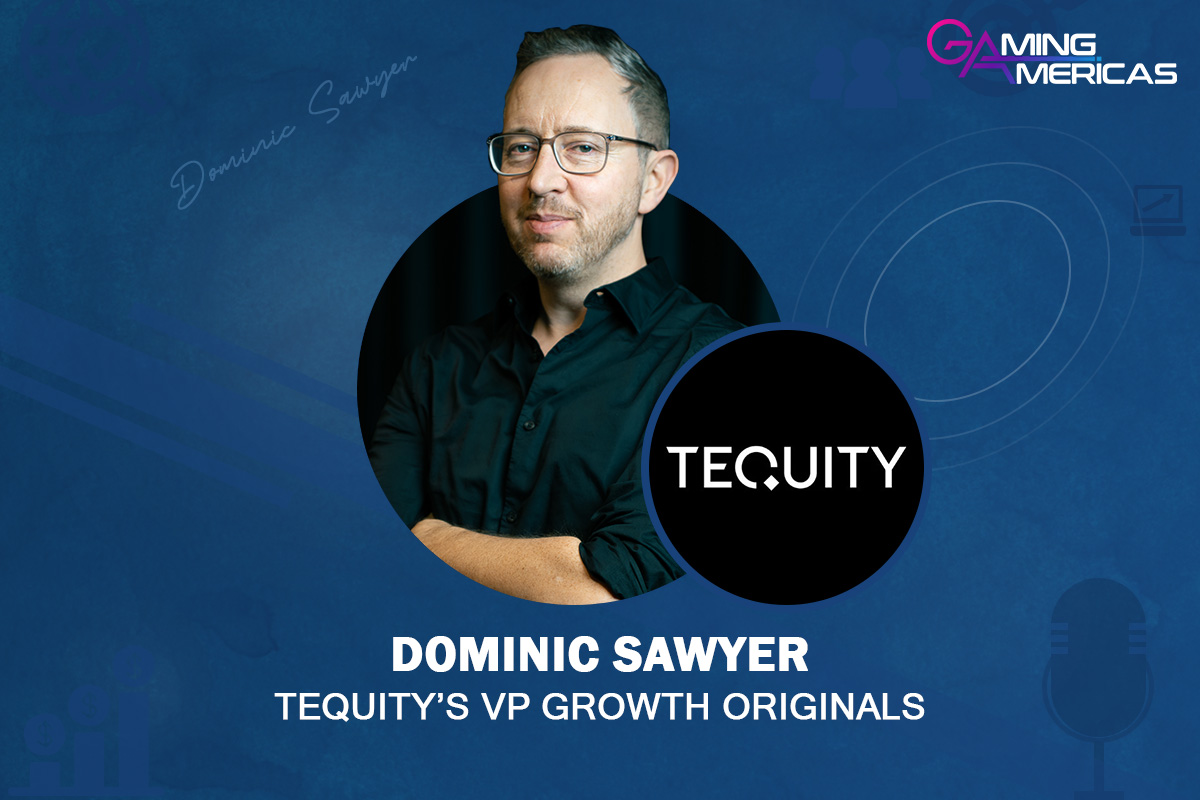
We sat down with Tequity’s VP Growth Originals, Dominic Sawyer, to discuss how the industry is evolving to meet the unique appetites of Brazilian players and how technical scaling is the secret weapon for ambitious studios.
Brazil is now well over a year into its regulated era. How has the focus shifted for operators who are looking beyond that initial launch phase?
The first year was about land grabs and establishing a footprint. In 2026, the conversation is much more grounded in operational efficiency and the cost of player acquisition. Brazil is a massive market, but it is also an expensive one. If an operator is spending a premium to bring a player through the door, losing them to a generic, uninspired lobby is a massive waste of resources.
The focus has shifted heavily toward retention. We are seeing operators move away from the volume at all costs approach and towards building a brand-based ecosystem. This is where bespoke content comes in. By using our Originals framework, operators can create games that feel like a native part of their platform. This builds a sense of familiarity and trust. In a regulated market, player loyalty is the only thing that can protect your margins against evolving tax frameworks and marketing restrictions.
We know Brazilian players have a deep-seated love for sports. How is this influencing the types of casino games that are succeeding in the market?
The crossover between sports betting and casino in Brazil is perhaps more pronounced than anywhere else. Brazilian players crave high-energy, high-frequency interaction. They want the tension of a live match translated into a casino format. This is why we have seen such an explosion in the popularity of ‘burst games’ and instant-win titles.
Our product roadmap is heavily influenced by this desire for real-time excitement. Our Crypto Trading Games range, for instance, resonates because it mimics the volatility and decision-making of a live market or a high-stakes football bet. Features like 1,000x leverage and the ability to manage multiple active bets simultaneously provide a level of agency that traditional slots often lack. With the World Cup on the horizon, we expect this appetite for sports-adjacent casino content to reach a fever pitch. Operators who can bridge that gap effectively will see the highest levels of cross-vertical engagement.
With so many international brands entering Brazil, how can an operator ensure their content doesn’t just look like a translated version of a European site?
Laziness in localization is a fast track to irrelevance. A player in São Paulo isn’t looking for a translated UK slot, but a game that feels like part of the local culture. True differentiation involves cultural alignment, brand recall, and a pacing of gameplay that matches local preferences.
We believe in providing a modular approach that hands the creative keys back to the operator. This allows them to tailor visual treatments and UI to reflect local festivals, brand ambassadors, or specific colour palettes. When a game feels like it was built for the Brazilian market rather than just adapted for it, the player connection is significantly stronger. You want your content to feel like part of the local furniture, reinforcing the operator’s brand identity at every turn.
Innovation is high, but technical barriers often slow things down. How is Tequity helping studios scale faster to bring high-quality games to the Brazilian market?
There is no shortage of brilliant creative ideas in the industry, but there is often a massive technical bottleneck when it comes to global distribution and compliance. For an ambitious studio, the prospect of navigating the specific regulatory requirements of Brazil while trying to build a global presence is daunting.
This is exactly why we launched Tequity Publishing. We want to dismantle those technical barriers. Through our RGSaaS (Remote Game Server as a Service) model, we provide the infrastructure, distribution muscle, and compliance frameworks that allow studios to focus entirely on the creative side. Whether it’s a small studio with a fresh concept or a more established provider looking to plug into our aggregator network, we provide the pathway to the player. By removing the operational friction, we ensure that high-quality, innovative content can hit the market at the speed the industry demands.
The industry is increasingly streamer-driven. How are suppliers ensuring games are stream-ready for the influencers who currently dominate Brazilian social feeds?
Social media is the new storefront in Brazil. The traditional casino lobby is being bypassed in favour of TikTok, Twitch, and Telegram feeds. If a game isn’t visually engaging or doesn’t provide natural clipping moments, it’s missing a massive trick. Successful suppliers are engineering content to be inherently shareable, creating a narrative that is easy for a streamer’s audience to follow. When an influencer shares a high-multiplier win, it creates an organic marketing event that is far more effective than a standard banner ad. It’s about providing the tools for operators to lower their acquisition costs by creating content that players want to emulate and share.
The post Mastering the Brazilian maturity curve appeared first on Americas iGaming & Sports Betting News.

-

 BNL5 days ago
Paneles SiGMA South America concentran debates claves para Brasil
-
ALL FOR ONE Studios5 days ago
Unlock the Sands’ Bounty — Games Global and ALL FOR ONE Studios introduce rewards in Queens of Ra Rising Coin Collect
-
Andrew Humphreys Chief Product Engineering Officer at Bede Gaming5 days ago
OLG Launches Innovative New React Native Mobile App with Bede Gaming
-
Alea5 days ago
Alea Returns to SiGMA South America as Brazil’s iGaming Market Enters a More Demanding Stage
-
bets5 days ago
SiGMA South America panels focus on key debates to Brazil
-
Evoplay5 days ago
Evoplay Embarks on a Heart of Africa: Lion Way
-
Best Slot Developer5 days ago
Amusnet Named Best Slot Developer at GamingTECH Awards 2026
-
Booming Games4 days ago
Booming Games targets South American dominance with major investment, flagship partnerships and exclusive Ronaldinho content