Gaming
Gaming is in the mainstream and it’s here to stay


By Tobias Knutsson, CEO, Adverty
It’s taken a lot to finally rub out marketers’ lingering belief that gaming is a thing for kids, a niche media channel, a flash in the pan. The pandemic did some of the final lifting, but in a gaming business that is booming on all sides, absorbing women, older people, obsessive Esports fans, cloud gamers, monthly subscribers – you name it – the numbers are now unignorable: an estimated audience of somewhere between 2.5bn and 3bn+, with a global value of $162.32bn last year. If that’s not mainstream, what is?
Nike, Coca-Cola, Redbull, even Gucci and L’Oréal have all waded into the gaming space, and smaller brands with more modest budgets are beginning to follow. So gaming is having a moment that started some time ago and promises to last – what should its exponents do to maximise it and build strong, sustainable connections with brands?
Hold their hands
Brands that are new to gaming often lack in-house expertise and even background knowledge. As with social media, gaming needs dedicated experts on the client side, and inevitably brands will recruit their own, but until that part of the puzzle falls into place, it is incumbent on publishers and ad tech providers to explain the protocols, the opportunities and the rules of thumb in clear and accessible terms. (In brief: respect the space, add value, but don’t get in the way.)
Bring gaming ads in line with other media
Convincing marketers is one thing, but the gaming advertising business needs to give those executives the tools to win the argument with the finance people. That means the gaming world needs to work hard to standardise its metrics, its formats, its sizes, in order to bring itself into line with the wider ad industry. Gaming is a complex environment for brands, who will ultimately only invest in what they understand. So the emergence of formats that stand direct comparison with those of other media – such as Adverty’s own In-Play branding ads and In-Menu performance ads – combined with robust metrics, strengthen gaming’s pitch for brand dollars.
Never generalise
The gaming audience is indescribably varied and ranges far beyond the young, male stereotype. More than 50% of mobile gamers are older than 34 [source: Mediakix] and 51% are women [source: MoPub]. So the question isn’t any longer about which brands could benefit from targeting ‘a gaming audience’, but exactly how to target your brand’s precise audience through gaming.
Make it worthwhile for users
The predominance of mobile games – which last year claimed $120 billion of consumer spend against home and handheld consoles’ $43 billion [source: App Annie] – indicates a need for strong mobile-friendly advertising models. A weight of research points to the fact that free-to-play gamers understand the value exchange and are comfortable with the presence of advertisers, but tolerance turns to genuine enthusiasm when brands add value to gaming. In-game rewards such as hints and power-ups work well in exchange for watching ads and dovetail nicely with in-game purchases. Further research points to the effectiveness of in-game branding advertising as a driver of positive sentiment.
Powered by WPeMatico

Battle Royale
Prime Rush Goes Live in Early Access, Bringing a Brazil-First Mobile Battle Royale to Players

Supergaming, one of India’s leading game developers, in partnership with Spacecaps, the parent company of LOUD, has announced the early access launch of Prime Rush, a new mobile battle royale game. The game is initially available in Brazil, with a wider release in Latin America to follow.
Prime Rush is a Brazil-first game, developed with a hyper-local, community-first approach. The game’s development was shaped by cultural insights and community feedback, including inputs from Brazilian creators associated with LOUD, to ensure its gameplay, world, and characters feel native to local players.
“Our collaboration with Supergaming on Prime Rush is a significant step in our mission to bring authentic and engaging gaming experiences to our community,” said Bruno Bittencourt, CEO of LOUD. “We are thrilled to have our community be a part of the development process and to see a game that is truly made for them. Prime Rush is a celebration of Brazilian culture and a testament to the power of community-driven game development.”
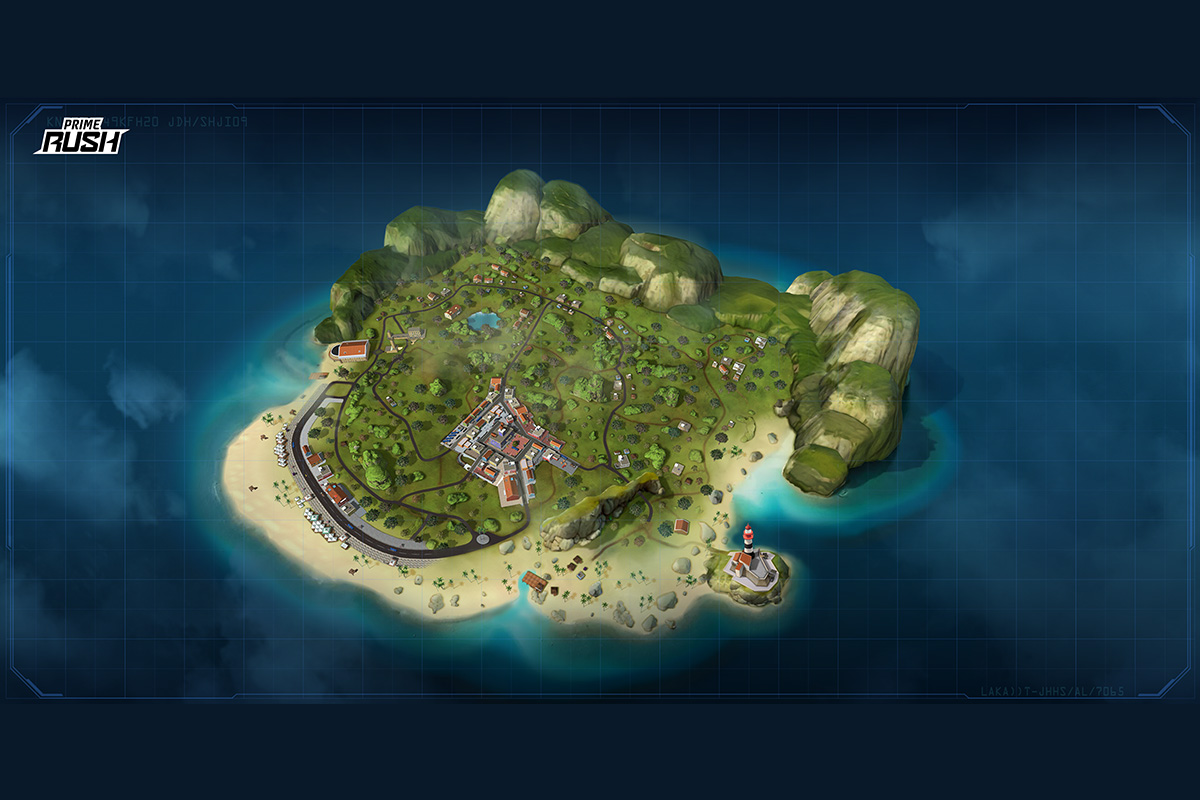
Set in Maré, a floating battleground shaped by the everyday Brazilian landscapes, Prime Rush offers a unique and high-energy take on the battle royale genre. Rather than recreating a single-world city, Maré blends recognisable elements from across Brazil to create a location that feels familiar yet fresh to players. The map is built to support fast, tactical engagements and multiple win conditions, adding new layers to the traditional battle royale format.
Players will travel to Maré via mysterious portals powered by Cosmium, a rare extradimensional substance that can blend space and time. In each match, players must navigate convergence storms, hunt for cosmic shards, and decide whether to risk everything for one last fight or extract Cosmium while they still can.
“Brazil has one of the most competitive and distinct mobile shooter audiences in the world, and from the beginning we wanted to build Prime Rush with authenticity,” said Roby John, CEO and Co-founder of SuperGaming. “For us that meant spending time on ground, listening to players and creators, and understanding how the Brazilian community plays, competes, and connects. Working alongside LOUD has allowed us to test, learn, and improve Prime Rush in close partnership with players before scaling the experience across LATAM.”
At launch, players can choose from five avatars inspired by Brazilian culture, each offering a range of emotes and weapon cosmetics for personal expression.
Prime Rush also introduces a flexible tactical ability system built for high-tempo mobile combat. Abilities such as Deadeye, Shield Dome, Super Speed, and Hunter’s Instinct allow players to shape engagements around precision, defence, mobility, and intel respectively.
These abilities sit on top of a fully loaded arsenal and a range of different weapons that gives players multiple ways to define their playstyle.
Early Access and Pre-Registration
Early Access for Prime Rush is now live in Brazil, available to a limited number of players via PrimeRush.GG. Players can also pre-register on the Google Play Store for Android in Brazil and will be notified when Prime Rush becomes more widely available and to unlock exclusive pre-registration rewards.
Additional LATAM regions will follow as SuperGaming and LOUD expand testing, game identity and scale servers across the region.
The post Prime Rush Goes Live in Early Access, Bringing a Brazil-First Mobile Battle Royale to Players appeared first on Americas iGaming & Sports Betting News.
Australia
Regulating the Game 2026 Draft Program Unveiled, Spotlighting the Issues Shaping the Sector

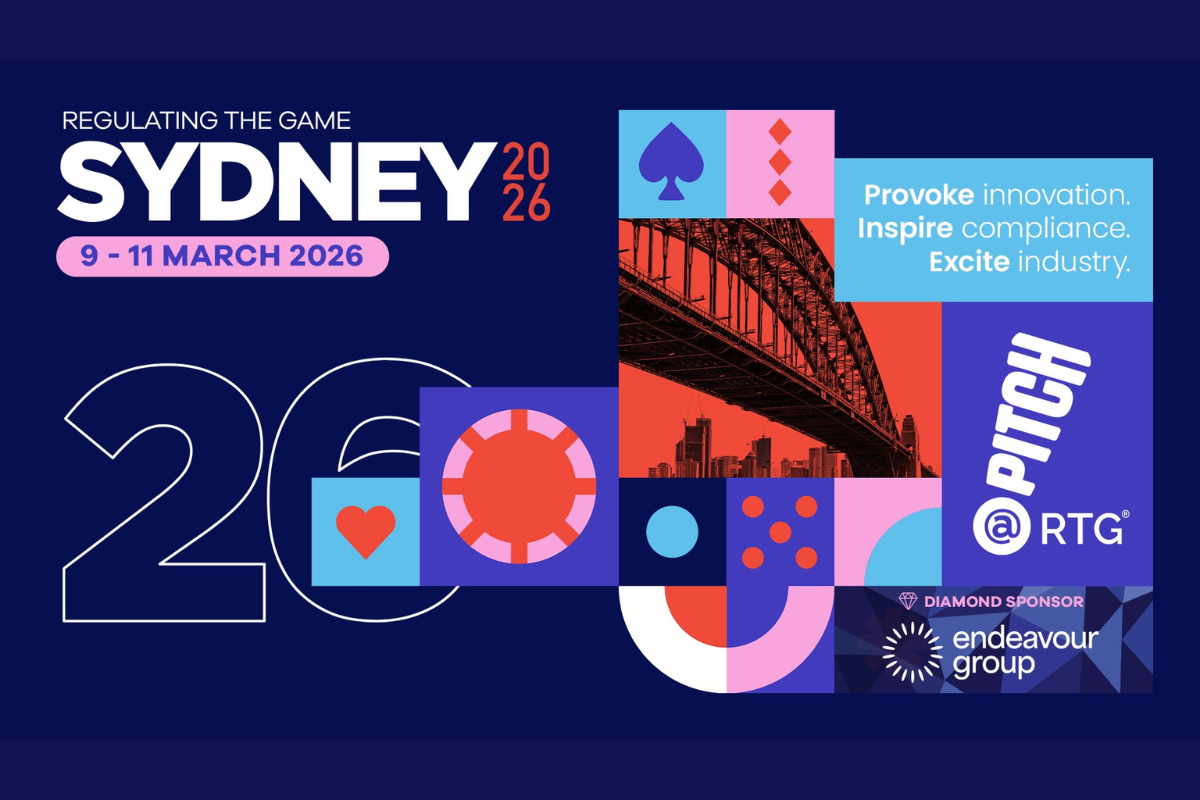
Regulating the Game has published the draft program for its 2026 Sydney conference, outlining a comprehensive agenda of keynotes, featured addresses, panels, and expert masterclasses examining the most consequential regulatory, policy and operational issues facing the global gambling sector.
Regulating the Game 2026 will be held 9–11 March 2026 at the Sofitel Sydney Wentworth and represents the sixth edition of the conference as a forum for rigorous, cross-jurisdictional engagement on gambling regulation and sector performance and uplift.
The draft program confirms that each conference day is anchored by keynote and featured speakers, whose addresses are designed to frame and contextualise the broader program of talks, panels and masterclasses that follow. These speakers bring senior executive leadership, policy and advisory insight, and deep subject-matter expertise, helping to frame the regulatory and operating environment, its trajectory, and the lenses through which the agenda is explored.
Across the three days, the program integrates:
- Context-setting sessions that frame the regulatory and operating environment and its direction, including examinations of where gambling regulation and policy are heading, how enforcement and sanctioning approaches are evolving post-inquiry, and how governments and markets are responding to persistent black-market and grey-market pressures. These sessions establish the policy, strategic and operating lenses through which the broader agenda is explored.
- Moderated panels that interrogate regulatory assumptions and reform outcomes in practice, including discussions on harm minimisation in increasingly data-driven environments, the limits and consequences of intensified regulation, and the interaction between market design, consumer behaviour and regulatory intent.
- Expert masterclasses, including a session led by Jay Robinson focused on embedding the Responsible Gambling Officer role with purpose, authority and practical impact, and a second masterclass convened by the International Masters of Gaming Law, with final scope and focus to be confirmed. Together, these sessions are designed to support practical capability uplift and address the implementation risks that sit between policy intent and operational reality.
- Industry Spotlight sessions, introduced in 2026, comprising tightly curated 15-minute presentations from incumbent organisations. These sessions provide a platform to articulate strategic direction, investment priorities and innovation pathways, and to examine what lies ahead for the sector as regulatory expectations, technology and market structures continue to evolve.
Collectively, the agenda addresses:
- The trajectory of gambling regulation, enforcement and sanctioning frameworks
- AML/CTF reform, financial crime risk and supervisory expectations
- Safer gambling governance, harm minimisation and behavioural insight
- Black market and grey market dynamics in increasingly regulated environments
- Technology, data governance and the use of AI in regulatory and compliance systems
- Leadership, accountability and the operational reality of reform delivery
While the program is deliberately broad, particular attention has been given to curating sessions and contributors that surface topical and often unresolved issues facing the sector. The agenda is designed to frame the current environment and its direction, provoke informed debate, stimulate curiosity, and act as a catalyst for new ways of thinking, innovation bets and next practice across regulation, policy and operations.
Paul Newson, Principal at Vanguard Overwatch and Founder of Regulating the Game, said the 2026 draft program reflects a deliberate architecture:
“The program is designed to open up the problem space, not to close it down. Early sessions are intended to frame the environment honestly and rigorously, so that the discussions that follow can interrogate options, trade-offs and solutions with clarity and discipline.”
He added:
“Regulating the Game is deliberately structured to move from context to analysis to application. The draft program makes that progression clear and intentional.”
The program is supported by flagship events including Pitch!, the RTG Global Awards Gala Dinner, and an expanded Exhibition Showcase, which together complement the formal agenda and support cross-sector engagement.
The draft program reflects the core structure of the conference, with final speaker confirmations and minor refinements to be completed in the coming week.
The post Regulating the Game 2026 Draft Program Unveiled, Spotlighting the Issues Shaping the Sector appeared first on Eastern European Gaming | Global iGaming & Tech Intelligence Hub.
Adam Smart Director of Product Gaming at AppsFlyer
AppsFlyer State of Gaming Report: AI Is Flooding Mobile Gaming Marketing Channels and Raising the Cost of Standing Out
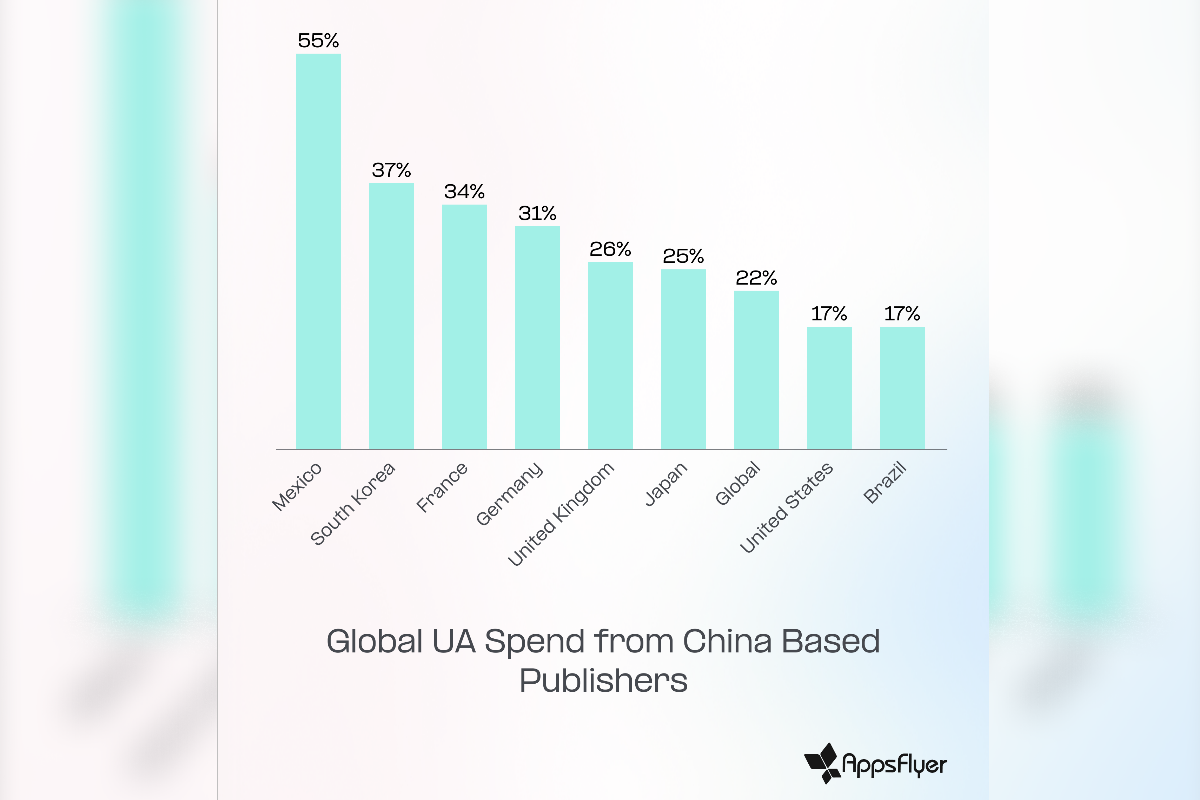
State of Gaming for Marketers 2026 reveals how AI-driven scale, global UA spend, and China-based publishers are reshaping mobile gaming competition
AppsFlyer, the Modern Marketing Cloud, today released the State of Gaming for Marketers 2026, an in-depth analysis of how AI, creative scale, and rising paid pressure reshaped mobile gaming marketing in 2025. Drawing on AppsFlyer data, the report examines how studios adapted as marketing activity expanded faster than player attention.
In 2025, AI-enabled production coincided with a sharp increase in advertising across iOS and Android. Creative output scaled rapidly across all spending tiers, with top gaming advertisers producing between 2,400 and 2,600 creative variations per quarter, up 25–30% YoY. That expansion increased pressure on paid acquisition channels. Paid install share rose 10% YoY across iOS and Android, while ad impressions increased 20%, indicating a significant rise in the number of ads competing for the same pool of players. To manage rising marketing volume and fragmentation, AI-enabled tools became a common part of daily workflows with 46% of AI assistant queries focused on reporting and performance breakdowns, reflecting the need for faster visibility as data volumes grew.
“AI has dramatically increased the speed and volume at which games and marketing assets reach the market,” says Adam Smart, Director of Product, Gaming at AppsFlyer. “The result is not a shortage of creativity, but a surplus of it. As paid activity and creative supply expand faster than player attention, marketing success depends on how effectively teams can measure, interpret, and act on an increasing volume of fragmented signals.”
Additional key insights from the State of Gaming for Marketers 2026
- Global gaming app UA spend reached $25B in 2025. Midcore UA spend increased 28% YoY on iOS, while Android spend remained largely flat.
● China-headquartered publishers increased their share of global gaming UA spend. Their share grew by 26% YoY in the UK, and 22% globally, with gains strongest on Android.
● iOS paid installs reached record highs. Share in the UK rose across Casino (+13%), Hypercasual (+10%), and Midcore (+30%).
● iOS advertisers expanded media mix to find incremental scale. iOS gaming advertisers increased the number of media sources they used by up to 15% YoY, reflecting growing fragmentation and the need to diversify beyond core channels.
● AI is still used primarily to manage marketing scale, not strategy. With 46% of AI assistant queries focused on reporting and performance breakdowns, teams are using AI to keep pace with rising data volumes rather than replace decision-making, but some genres are already employing more complex tasks and asks.
Methodology
AppsFlyer’s State of Gaming for Marketers 2026 is based on anonymized, aggregated data from 9.6 thousand gaming apps worldwide, analyzing 24.8 billion total installs, including 14.1 billion paid installs, alongside ad spend, creative production, monetization, AI-assisted workflows, and media source usage across iOS and Android during 2025.
The full report is available at: appsflyer.com/resources/reports/gaming-marketers/
The post AppsFlyer State of Gaming Report: AI Is Flooding Mobile Gaming Marketing Channels and Raising the Cost of Standing Out appeared first on Americas iGaming & Sports Betting News.

-

 AI6 days ago
Primero Games Uses XGENIA for Their First AI-Generated Slot Game
-
Baltic Tech Week6 days ago
HIPTHER Baltics Announces Riga Event and Strategic Partnership with LexLegas
-
Balkans6 days ago
Kiril Kirilov takes on new leadership role at CT Interactive
-
ALGS 2026 Championship6 days ago
S8UL Esports secures historic top five finish at ALGS 2026 Championship; bags INR 1 crore in prize money
-
College Sport Prediction Markets6 days ago
NCAA Urges CFTC to Suspend College Sport Prediction Markets
-
Compliance Updates6 days ago
SEON Launches Identity Verification Built on Real-Time Fraud Intelligence
-
Compliance Updates4 days ago
Dabble introduces GeoComply’s digital identity platform, achieving 90%+ KYC pass rates and gaining deeper fraud visibility through device and location intelligence
-
Birgit Wimmer5 days ago
Birgit Wimmer Named Chairwoman as NOVOMATIC AG Reshapes Supervisory Board