Boomerang Partners
Boomerang Partners’ case study: exploring the new rules of sports marketing

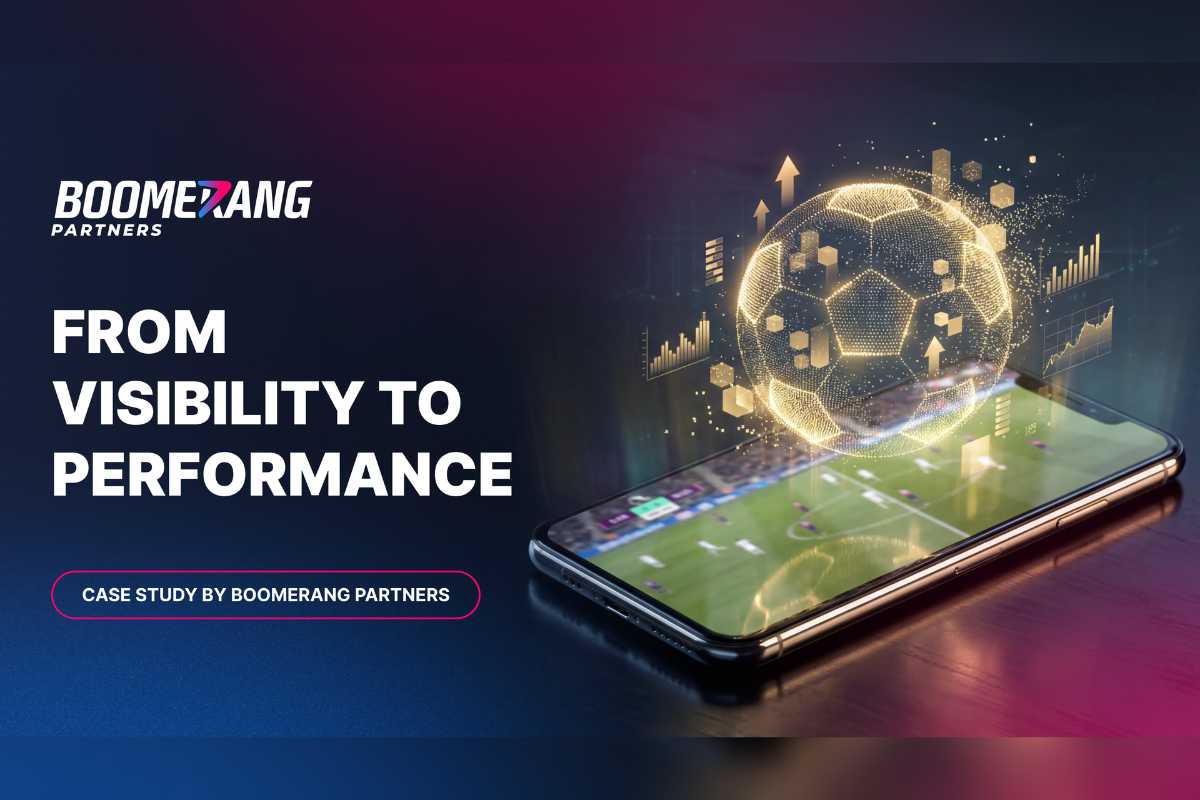
Sports marketing used to be relatively straightforward. Major sports events – from international tournaments to league finals – meant big audiences, and visibility was often enough to drive results.
By 2026, that model is no longer enough. Competition for sports traffic has intensified, acquisition costs have increased, and audiences have become more selective in how they engage. Being present around major sports events is no longer a differentiator – everyone is there.
What matters now is not just how brands capture attention, but how they choose to work with it.
This shift is especially visible in affiliate-driven environments. As brands rethink how they engage sports audiences – and face tighter regulation and greater competition – affiliate strategies have to adapt just as quickly.
Performance is measured in real time, with teams competing under the same conditions and reacting to the same events.
This is where new formats and mechanics start to matter. Earlier this year, Boomerang Partners, a sports-focused affiliate program, brought together affiliate teams as part of the TIME TO WIN affiliate tournament.
The insights in this article come from real partner activity – from day-to-day campaign work to what teams tested during the TIME TO WIN tournament.
It’s no longer campaign-driven
The way sports marketing works is no longer built around campaigns. It’s built around behavior. What used to be planned weeks in advance now shifts during the event itself. Timing changes. Messaging changes. Sometimes, even the format changes.
The shift is simple: marketing is no longer planned around events – it adapts to them continuously, with messaging, concepts, and storytelling evolving from one moment to the next. These shifts don’t just affect how brands work with players – they also reshape how affiliate partners operate. As a result, partners have to adapt their strategies, formats, and approaches to engagement.
Personalization plays a big role here. Not as a feature, but as a baseline. Generic offers don’t hold attention anymore. If it’s not relevant to what the user is watching or reacting to, it gets ignored.
This is also changing how sponsorships work. Visibility still matters, but it’s no longer enough on its own. Brands are moving into formats that go beyond the match – content, integrations, and ongoing digital touchpoints.
At the same time, the space has expanded. Sports, esports, streaming – they now compete for the same attention, alongside a much broader set of content and digital experiences.
That makes timing harder. Big tournaments still drive peaks, but the build-up and the drop-off matter just as much. Planning around these moments is becoming more data-driven. Earlier this year, Boomerang Partners introduced its Sports Marketing and Betting Calendar 2026, built to map those patterns and help affiliates align campaigns with key moments and make more informed decisions around their strategy. In practice, partners use it to plan ahead for major events, streamline research, and structure content around both high-demand and niche sports.
From watching to reacting
Audience behavior has changed faster than most strategies – and it becomes especially visible in live, competitive environments.
During the TIME TO WIN tournament, this shift was hard to miss. Affiliate teams worked with sports traffic in real time, around live events, where attention moved constantly, and decisions were made on the spot.
Watching sport is no longer passive. During major matches, users follow the game while checking odds, reacting to moments, and switching between platforms. The second screen is no longer secondary – it’s part of the experience.
In practice, this meant that teams competing in the tournament had to adapt quickly – reacting to live moments, adjusting content, and aligning campaigns with audience behavior in real time.
That changes how campaigns are built. Timing matters more. Missing the moment often means losing the user.
Content is changing as well – and fast. Short-form formats capture a growing share of attention, especially among younger audiences. The full match is no longer the only point of engagement.
Behavior is becoming more social. Communities form around events – not just around teams, but around the experience itself.
Olesea Naidion, Brand Manager at Nightrush, TIME TO WIN participant, noted:
“The biggest shift I’ve noticed is that audiences don’t just ‘watch’ sports anymore – they’re actively participating. During major matches, people react to every moment – every corner, every substitution, every momentum shift.
The second-screen behavior is fascinating. Fans have their phones out the entire time – checking odds, chatting, and reacting on social media while the match is happening.
The traditional ‘sit back and watch’ experience is no longer how a large part of the audience engages with sport.”
What actually matters now
Not all traffic is equal anymore. Volume still matters, but it no longer defines success. What matters is what happens after the click – how fast users convert, how long they stay, and whether they come back.
This shift was clearly visible during the TIME TO WIN tournament. When campaigns ran around real-time events, performance was measured differently. There was no long funnel – the decision happened immediately, or not at all.
In practice, traffic and performance closely followed the sports calendar. Early peaks aligned with major tournaments, while quieter periods – such as international breaks – led to visible slowdowns. Consistent spikes on weekends also highlighted how closely user activity tracked live-event density.
Conversion has become time-sensitive. Delays cost results.
Retention matters more now. Acquiring users is more expensive, and users have more options. If they don’t see value quickly, they move on.
As a result, performance is evaluated differently. Impressions and reach are no longer enough to justify spending. What matters is whether activity turns into deposits, bets, and repeat engagement.
Olesea Naidion, Brand Manager at Nightrush, TIME TO WIN participant, commented:
“Engagement rate, conversion velocity, and customer lifetime value have become the most critical metrics. Impressions don’t pay the bills — action does.
We need to understand if content drives real behavior in real time, especially during live events when the conversion window is minutes, not days.”
What defines success
Sustaining results has become harder. Strong performance can still happen in short bursts. But without consistency, it doesn’t hold. The gap between short-term gains and long-term growth is becoming more visible.
What separates teams now is not access to traffic or events. It’s how that traffic is handled – how quickly it converts, how long it stays, and whether it returns.
That shifts the focus from individual campaigns to the full user journey. Acquisition, conversion, and retention are no longer separate – they have to work as a single system.
This is also reflected in how partners performed in the TIME TO WIN tournament. Even beyond the initial launch phase, participation continued to build, showing that sustained performance – not just early momentum – defines success.
When that connection breaks, performance drops just as quickly as it grows.
Anete Dunina, Head of Sales at Revpanda Group, TIME TO WIN participant, noted:
“Success in sports marketing will be defined by control over the full user journey. It’s about acquiring, converting, and retaining the right users, not just traffic.
Short-term wins don’t build long-term business.”
The shift is already visible across the market. It goes beyond marketing – reflecting broader changes in how sport is consumed, how brands operate, and how affiliate ecosystems evolve. Those who can adapt to it consistently will shape what sports marketing looks like next.
About Boomerang
Boomerang Partners is a rapidly growing global marketing agency offering a wide range of services. Boomerang Partners is an Official Regional Partner of AC Milan. In 2024, it launched the inaugural Golden Boomerang Awards – a global tournament for affiliate teams. More than 400 affiliate teams participated in the second season of the tournament in 2025. Partners of the Agency launched six new products in 2024-2025, contributing to a nearly 1.5-fold increase in product users.
The Agency’s clients’ portfolio contains 10+ brands offering affiliate and entertainment services across 40+ markets in compliance with local regulations. These products provide incentive programs and 24/7 multilingual support.
The post Boomerang Partners’ case study: exploring the new rules of sports marketing appeared first on Eastern European Gaming | Global iGaming & Tech Intelligence Hub.







Boomerang Partners
Boomerang Partners delivered expert sports insights during two days of iGB L!VE London 2026
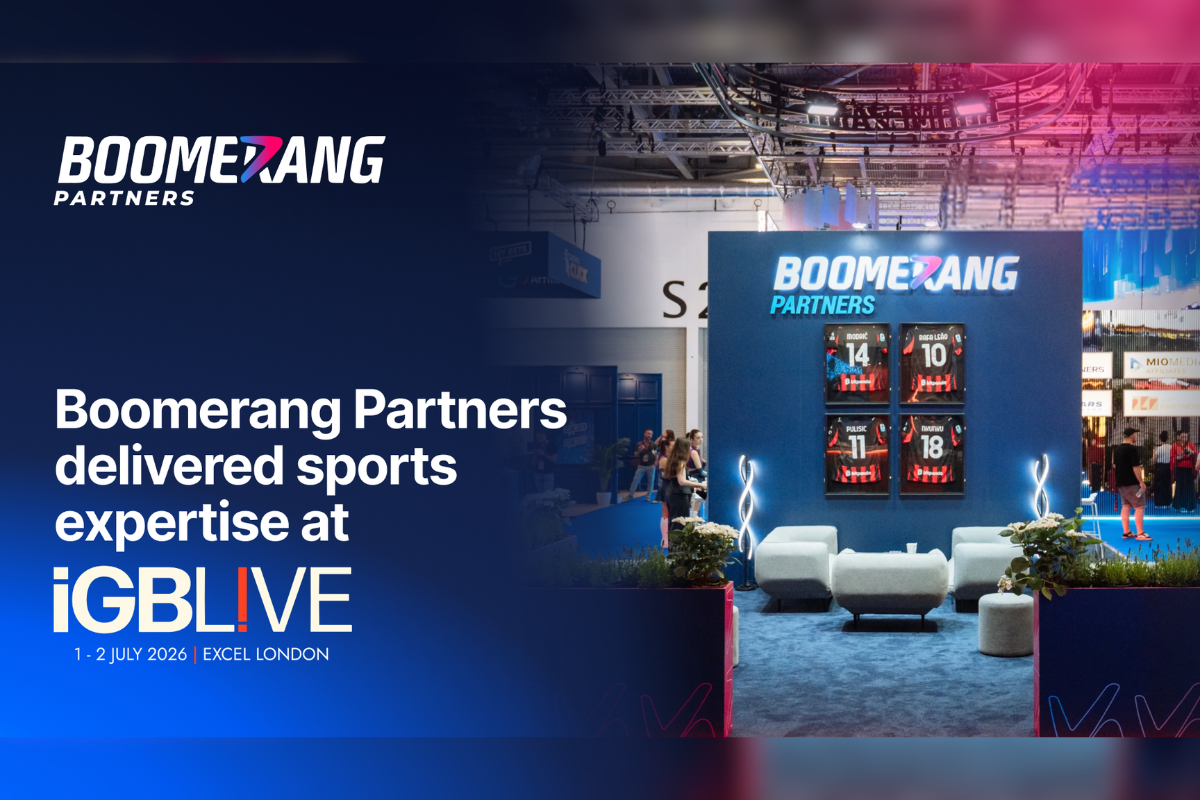
From July 1 to 2 inclusive, Boomerang Partners, an Affiliate Gambling & Betting Marketing Agency, participated in iGB L!VE London on stand F50. One of the world’s largest iGaming events was held on a grand scale at ExCeL London. It proved to be an effective networking platform for major operators, affiliate teams, tech vendors, and game providers.
Meetings, sports expertise, and new agreements
One of the main topics attracting visitors to the stand was Boomerang’s expertise in sports. The company runs one of the leading sports-focused affiliate programs in the industry and is eager to share its expertise with market players. This knowledge is built on the support of a strong in-house analytics department, and one of its results was the launch of the Sports Marketing and Betting Calendar 2026 earlier this year. Numerous affiliate teams use insights from this guide to launch and run campaigns throughout the current year, which is packed with high-level sports competitions.
Shortlist in the Best Affiliate Programme category
On July 2, the final day of the conference, the iGB Affiliate Awards 2026 ceremony took place in a stylish venue at the legendary The Shard. Boomerang Partners were shortlisted in the prestigious Best Affiliate Programme category. This marked a high recognition of the company’s achievements by industry leaders. In 2026, it celebrates its 5th anniversary. Boomerang has over 3,000 active affiliate partners, 10+ partner brands in its portfolio, and is an Official Regional Partner of AC Milan. Since July 2026, the partnership has entered its third season – a collaboration that has become a benchmark for cooperation between one of the world’s leading football clubs and a top iGaming company.
Kristina Shkredova, Affiliate Team Lead at Boomerang Partners, commented: “iGB L!VE London is always a powerful platform for meaningful dialogue and professional networking. This year, we felt a particularly strong interest in our sports-focused expertise, which confirms that affiliates are looking for deep market knowledge, not just traffic volumes. Now our sights are set on SBC Summit Lisbon, where we will once again connect with affiliates and showcase what we do best.”
What’s next
The next major industry exhibition where affiliate teams can see Boomerang Partners will be the SBC Summit Lisbon. The event will take place from September 29 to October 1, and the company has announced that it will also hold the Golden Boomerang Awards 2026 award ceremony in Lisbon. The TOP 30 teams of this landmark annual affiliate traffic tournament will visit a secret location, where the company will announce the winners in 11 categories. The third season is in full swing – affiliate teams can follow its progress or join the participation on the GBA’s official website.
About Boomerang
Boomerang Partners is a rapidly growing global marketing agency offering a wide range of services. Boomerang Partners is an Official Regional Partner of AC Milan. In 2024, it launched the inaugural Golden Boomerang Awards – a global tournament for affiliate teams. More than 400 affiliate teams participated in the second season of the tournament in 2025. Partners of the Agency launched six new products in 2024-2025, contributing to a nearly 1.5-fold increase in product users.
The Agency’s clients’ portfolio contains 10+ brands offering affiliate and entertainment services across multiple markets in compliance with local regulations. These products provide incentive programs and 24/7 multilingual support.
The post Boomerang Partners delivered expert sports insights during two days of iGB L!VE London 2026 appeared first on EE Gaming | Global iGaming & Tech Intelligence Hub.
Boomerang Partners
Boomerang Partners delivered expert sports insights during two days of iGB L!VE London 2026

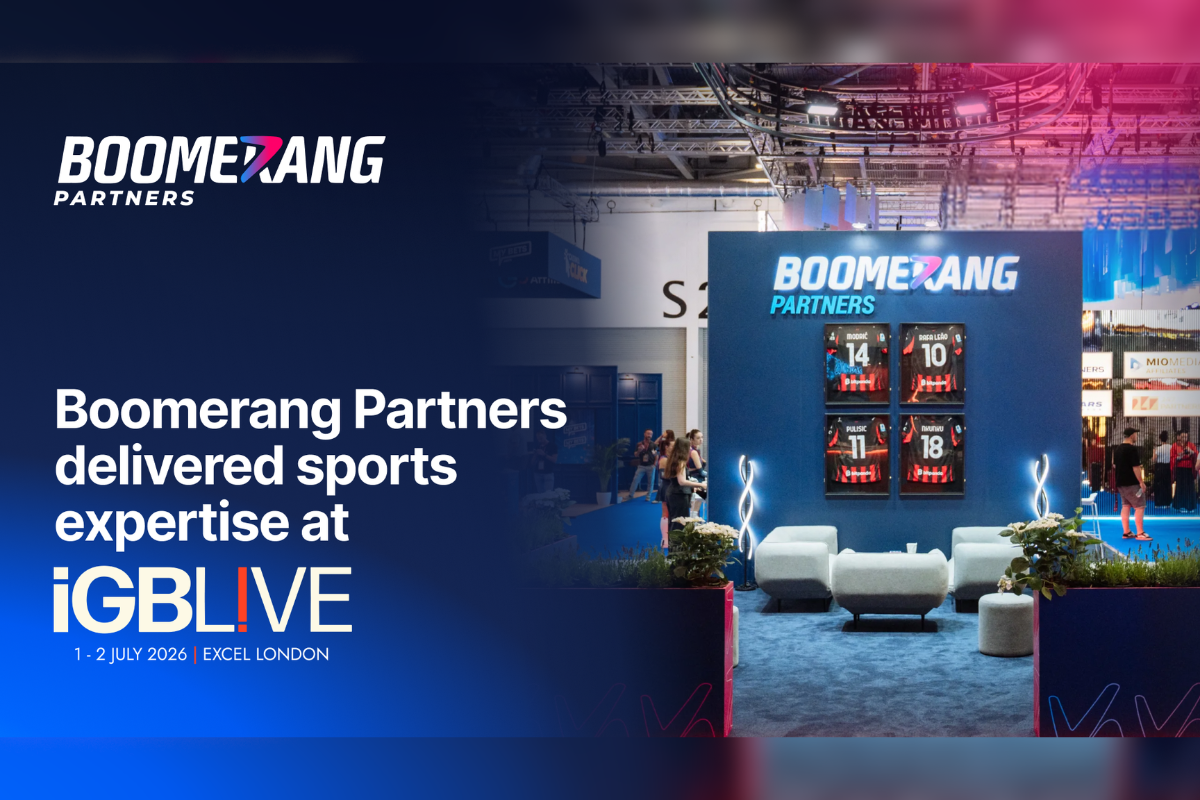
From July 1 to 2 inclusive, Boomerang Partners, an Affiliate Gambling & Betting Marketing Agency, participated in iGB L!VE London on stand F50. One of the world’s largest iGaming events was held on a grand scale at ExCeL London. It proved to be an effective networking platform for major operators, affiliate teams, tech vendors, and game providers.
Meetings, sports expertise, and new agreements
One of the main topics attracting visitors to the stand was Boomerang’s expertise in sports. The company runs one of the leading sports-focused affiliate programs in the industry and is eager to share its expertise with market players. This knowledge is built on the support of a strong in-house analytics department, and one of its results was the launch of the Sports Marketing and Betting Calendar 2026 earlier this year. Numerous affiliate teams use insights from this guide to launch and run campaigns throughout the current year, which is packed with high-level sports competitions.
Shortlist in the Best Affiliate Programme category
On July 2, the final day of the conference, the iGB Affiliate Awards 2026 ceremony took place in a stylish venue at the legendary The Shard. Boomerang Partners were shortlisted in the prestigious Best Affiliate Programme category. This marked a high recognition of the company’s achievements by industry leaders. In 2026, it celebrates its 5th anniversary. Boomerang has over 3,000 active affiliate partners, 10+ partner brands in its portfolio, and is an Official Regional Partner of AC Milan. Since July 2026, the partnership has entered its third season – a collaboration that has become a benchmark for cooperation between one of the world’s leading football clubs and a top iGaming company.
Kristina Shkredova, Affiliate Team Lead at Boomerang Partners, commented: “iGB L!VE London is always a powerful platform for meaningful dialogue and professional networking. This year, we felt a particularly strong interest in our sports-focused expertise, which confirms that affiliates are looking for deep market knowledge, not just traffic volumes. Now our sights are set on SBC Summit Lisbon, where we will once again connect with affiliates and showcase what we do best.”
What’s next
The next major industry exhibition where affiliate teams can see Boomerang Partners will be the SBC Summit Lisbon. The event will take place from September 29 to October 1, and the company has announced that it will also hold the Golden Boomerang Awards 2026 award ceremony in Lisbon. The TOP 30 teams of this landmark annual affiliate traffic tournament will visit a secret location, where the company will announce the winners in 11 categories. The third season is in full swing – affiliate teams can follow its progress or join the participation on the GBA’s official website.
About Boomerang
Boomerang Partners is a rapidly growing global marketing agency offering a wide range of services. Boomerang Partners is an Official Regional Partner of AC Milan. In 2024, it launched the inaugural Golden Boomerang Awards – a global tournament for affiliate teams. More than 400 affiliate teams participated in the second season of the tournament in 2025. Partners of the Agency launched six new products in 2024-2025, contributing to a nearly 1.5-fold increase in product users.
The Agency’s clients’ portfolio contains 10+ brands offering affiliate and entertainment services across multiple markets in compliance with local regulations. These products provide incentive programs and 24/7 multilingual support.
The post Boomerang Partners delivered expert sports insights during two days of iGB L!VE London 2026 appeared first on Americas iGaming & Sports Betting News.
Boomerang Partners
Golden Boomerang Awards First Half by Boomerang Partners wrapped: next prize – the Formula 1 Grand Prix experience
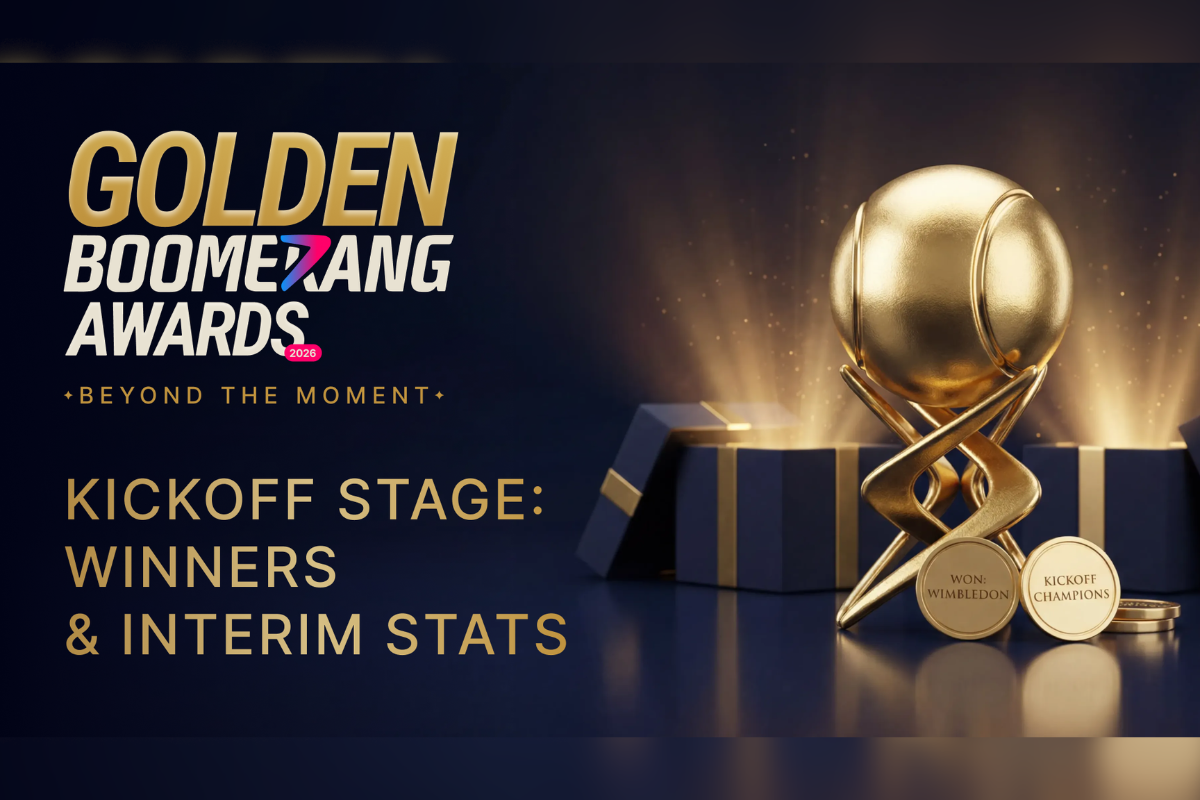
The third season of the Golden Boomerang Awards by Boomerang Partners is not losing momentum. Following the conclusion of the First Half, the tournament has confirmed one of the main ideas behind this season: long-term mechanics can increase partner engagement, while a sports-focused strategy can help turn that activity into measurable results.
First Half leaderboard and highlights
The Kickoff stage concluded on June 9, with impressive participant engagement. Mystery Boxes were raffled off among all participants, featuring exclusive prizes such as limited-edition FIFA World Cup 2026 jerseys – three per box, each representing a different participating country. The winner of this opening stage – team AskBonus – will attend the Wimbledon Championships from June 29 to July 12, 2026. For Boomerang Partners, sport remains one of the key areas of expertise, which is why it runs through the tournament mechanics, partner activities, and even the prize pool.
The rules are the same across all stages: the top 10 teams qualify for a random draw for the main stage prize, while Mystery Boxes are available to all active participants – not only the leaders. This keeps the competition open for everyone.
Tracking the leaders: The GBA 2026 standings update
Currently, a clear leader has emerged in the tournament. Team Lily has already scored 6,029 points (of which nearly 5,200 points come from sports FTDs). Team O follows in second place with 2,677 points. The rest of the top five – third, fourth, and fifth – currently hold 750, 504, and 341 points respectively. At the same time, the leaderboard is changing dynamically, driven by high participant activity.
The sports vertical accounts for nearly half of all FTD activity
According to Boomerang Partners, about half of the FTDs brought by Golden Boomerang Awards participants to the partner brands in the company’s portfolio come from the sports segment. This confirms a strong audience interest in sports events, especially given the active stage of the FIFA World Cup in North America.
The organizers have noted on multiple occasions that the third season of GBA prioritizes long-term strategy over participants’ short-term successes. This point is backed up by data on activities in the online casino segment. So, about a third of participating teams actively use the LUCKY FIVE mechanic. It allows affiliate teams to earn 5 bonus points per week if they generate 10 or more Casino FTDs during the reporting week.
The second half has introduced upgraded mechanics
The Second Half kicked off on June 10 – the winner of this stage will visit the Formula 1 Grand Prix on September 6. The stage runs through July 19. Thus, even for those joining the race now, there is every chance of catching up with the leaders and seriously competing for the prize.
To help teams with this, Boomerang Partners introduced a key feature for the Second Half aimed at new participants – WELCOME BOOST. Every new affiliate team will receive double points for every FTD throughout the first 14 days from the moment of joining. The LUCKY FIVE and LAST MINUTES WINNER mechanics also continue to be active, with the latter allowing participants to earn three times the points for every FTD during the last 7 days of the stage. In addition, the value of sports FTDs has increased – compared to the first stage, teams can now earn 3 points instead of 2 for each such FTD. This will be particularly beneficial for sports-focused affiliates, especially given that the stage runs alongside the FIFA World Cup and Wimbledon, both of which are driving high demand from audiences.
Race remains open at any stage of the season
As soon as the Second Half concludes, the Overtime stage will begin, featuring its own prizes, bonus mechanics, and enhanced point scoring. This keeps the tournament challenges completely open, giving every active participant a real opportunity to reach the top ranks. The awards ceremony in 11 categories will take place in September in Lisbon as part of the SBC Summit, allowing winners to gain not just physical prizes, but a sense of belonging among the best in the affiliate marketing industry – a feeling that fully aligns with the concept of the third season, Beyond the Moment. More details are available on the official Golden Boomerang Awards website.
About Boomerang
Boomerang Partners is a rapidly growing global marketing agency offering a wide range of services. Boomerang Partners is an Official Regional Partner of AC Milan. In 2024, it launched the inaugural Golden Boomerang Awards – a global tournament for affiliate teams. More than 400 affiliate teams participated in the second season of the tournament in 2025. Partners of the Agency launched six new products in 2024-2025, contributing to a nearly 1.5-fold increase in product users.
The Agency’s clients’ portfolio contains 10+ brands offering affiliate and entertainment services across multiple markets in compliance with local regulations. These products provide incentive programs and 24/7 multilingual support.
Disclaimer:
The FIFA World Cup and Wimbledon Championships are made for descriptive purposes only. Boomerang Partners is not affiliated with, endorsed by, or officially connected to these entities in any way.
The post Golden Boomerang Awards First Half by Boomerang Partners wrapped: next prize – the Formula 1 Grand Prix experience appeared first on EE Gaming | Global iGaming & Tech Intelligence Hub.

-

 Affiliate Industry6 days ago
Hub Affiliations Triumphs at the iGB Affiliate Awards 2026: Winner of Programme/Network Campaign of the Year
-
Austria6 days ago
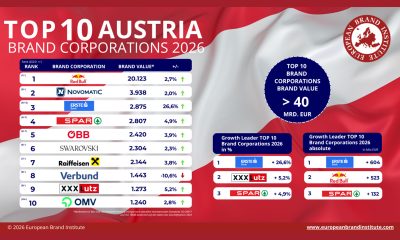
Austrian Brand Value Study: NOVOMATIC Defends Top Ranking
-
Latest News6 days ago
N1 Partners at iGB L!VE 2026: Bringing Together Affiliates, Art and Innovation
-
Africa7 days ago
PopOK Gaming sponsors Botswana’s TT Cup Challenge horse racing event
-
Betsson CEO Pontus Lindwall7 days ago
Gaming in the Nordics launch event sets annual Copenhagen conference from 2027
-
Amusnet6 days ago
Amusnet Releases its Latest Video Slot “Golden Snake”
-
Azerbaijani Parliament6 days ago
Azerbaijan to Impose Tougher Penalties for Illegal Online Gambling
-
Amusnet6 days ago
Weekend Reels | Week 27: Slot Drops & Trends