bets
Overview of the Fixed-Odds Betting Market in Brazil

The Brazilian fixed-odds betting market is at a pivotal moment, driven by regulatory progress and rapid sector growth. However, this development is occurring alongside the expansion of a strong illegal market, which challenges the effectiveness of current measures.
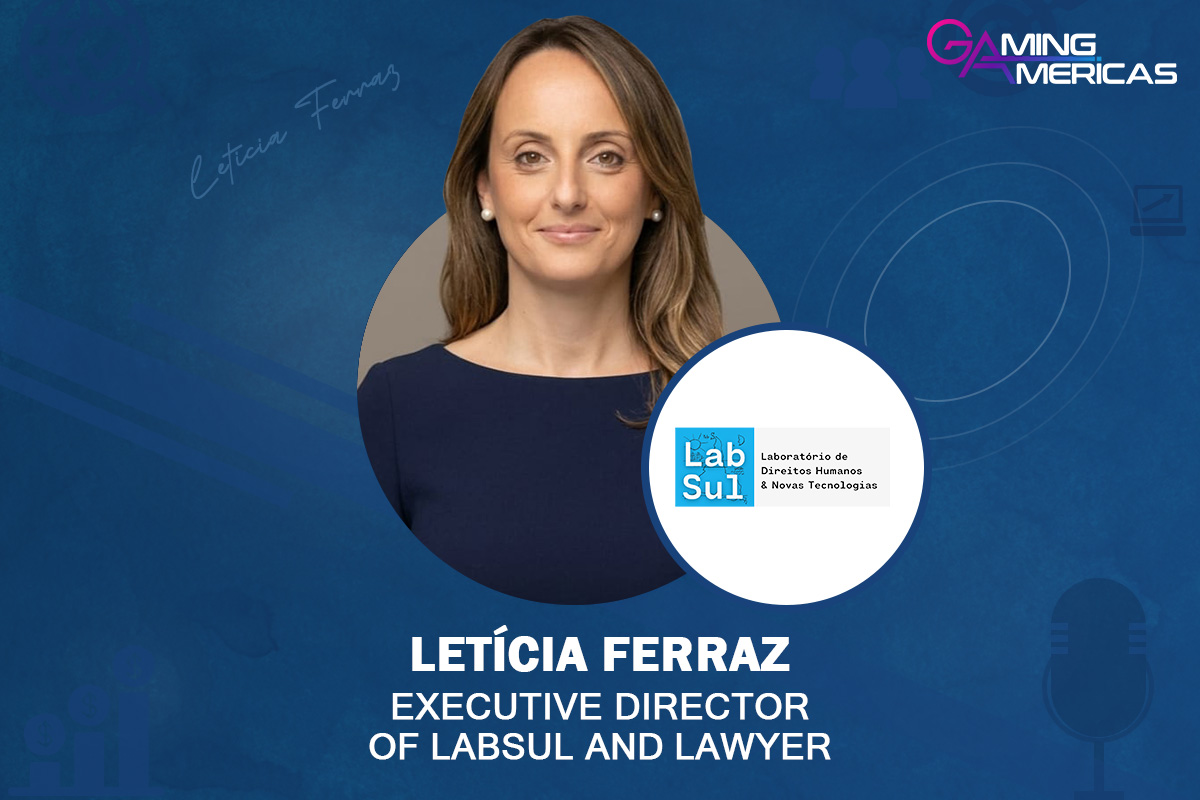
In this exclusive article, the lawyer and Executive Director of LabSul, Letícia Ferraz examines the key challenges, risks, and pathways toward building a safer, more competitive, and sustainable environment in Brazil.
Brazil is emerging as one of the most relevant jurisdictions in the global betting landscape. It has a large-scale market, a significant user base, and a recently structured regulatory framework with appropriately stringent requirements.
However, there are serious obstacles to the consolidation of this market, as a parallel economy of illegal betting is growing rapidly, already rivaling—and in some segments surpassing—the formal sector.
Understanding this duality is essential for a realistic assessment of the Brazilian case.
From a regulatory standpoint, Brazil has made significant progress. The consolidation of fixed-odds betting, particularly since 2023, has established a model that seeks to balance market openness, tax revenue generation, and consumer protection.
Authorized operators are subject to strict requirements, including identity verification, restrictions on minors, responsible gambling mechanisms, monitoring of risky behavior, and specific advertising rules.
The economic results are already tangible. In 2025, the sector generated approximately R$ 9.9 billion in tax revenue, allocated to strategic areas such as healthcare, public security, and sports.
This is the picture of the visible market: regulated, supervised, and institutionally integrated.
At the same time, however, an illegal market of equally significant proportions operates in parallel. Estimates indicate that around 51% of betting activity in Brazil takes place outside the regulated environment, generating between R$ 26 billion and R$ 40 billion annually.
Meanwhile, approximately 70% of users are unable to distinguish between legal and illegal operators, highlighting not only enforcement failures but also a structural deficit in information and transparency.
This is not a residual phenomenon, but a consolidated parallel economy.
The illegal market benefits from structural asymmetries.
By operating outside regulation, it avoids licensing costs, does not implement consumer protection mechanisms, and exploits weaknesses in financial supervision systems. In practice, a robust parallel infrastructure is formed, often connected to illicit activities, particularly money laundering.
The impacts are systemic and span multiple dimensions. For consumers, risks of fraud, financial loss, and misuse of personal data increase.
For public health, the absence of control tools exacerbates risky behaviors and intensifies problem gambling. For the State, the loss of tax revenue is significant, estimated between R$ 7 billion and R$ 10 billion annually, undermining the funding of essential public policies.
In terms of public security, there is a strengthening of criminal structures that increasingly operate in the digital environment, shifting from territorial control to technological infrastructures.
The data presented highlights the need for broad discussion and for enforcement actions and regulatory improvements, without substantially altering the structures already in place.
Proposals that seek to excessively restrict the regulated market or disproportionately increase the tax burden tend to produce adverse effects.
By reducing the competitiveness of licensed operators, such measures encourage consumers to migrate to the illegal environment, where risks are higher and consequences potentially more harmful.
Thus, the regulatory challenge lies not only in establishing rules, but in ensuring that regulation is economically viable, technically feasible, and institutionally effective.
Addressing the illegal market requires a coordinated and multisectoral approach.
This involves strengthening oversight of financial flows, integrated action between regulatory and law enforcement bodies, and expanding regulatory reach across the entire value chain, including intermediaries and service providers that, even indirectly, enable illegal operations.
In addition, there is a central component of education and transparency.
In a digital environment where interfaces and brands can easily simulate legitimacy, it is essential to develop clear mechanisms for identifying the regulated market, combined with consistent consumer awareness policies.
The country has made progress in structuring its regulatory framework. The next challenge, more complex and decisive, is to ensure that this model can compete with the illegal economy and progressively reduce, and ideally eliminate, its space.
I conclude by arguing that the consolidation of a safe and sustainable betting market in Brazil depends on coordinated action among legislators, regulators, private companies, and consumers themselves.
The continuous improvement of market practices, combined with balanced and effective regulation, requires ongoing dialogue and shared responsibility among all stakeholders.
Only through this joint effort will it be possible to strengthen the regulated environment, curb the advance of illegality, and generate concrete benefits for the State, bettors, and society as a whole.
Letícia Ferraz
Executive Director of LabSul and lawyer.
The post Overview of the Fixed-Odds Betting Market in Brazil appeared first on Americas iGaming & Sports Betting News.











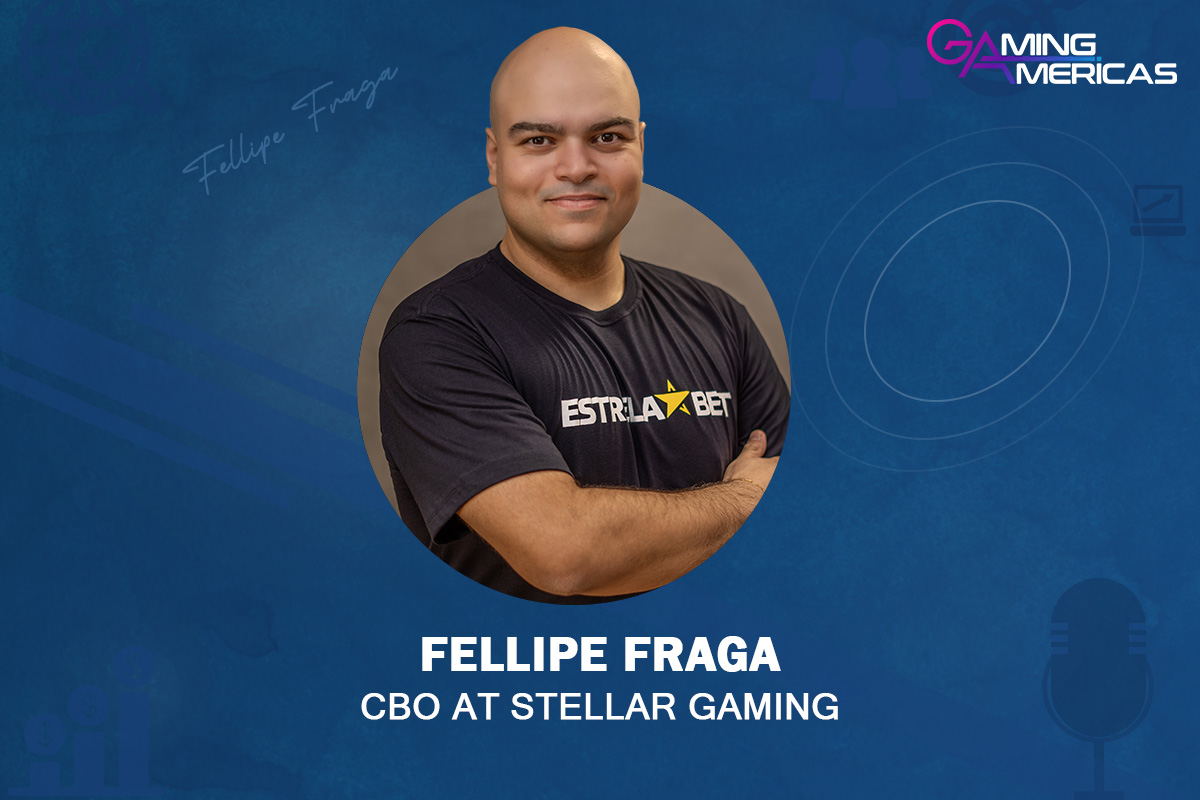
The World Cup 2026 promises to be a turning point for the Brazilian sports betting market, the first major stress test in a fully regulated environment, with projections reaching R$ 19 billion in turnover in the country.
In this scenario, Stellar Gaming (EstrelaBet) positions itself at the center of this transformation, where technology, legal security, and user experience become strategic pillars of growth.
In an exclusive interview, Fellipe Fraga, CBO of Stellar Gaming, analyzes how the maturity of the regulated market, the advancement of responsible gaming, the evolution of technological infrastructure, and the fight against the illegal market will shape the “best World Cup of all time” for digital entertainment in Brazil, and the legacy this event will leave for the industry.
The World Cup 2026 is the first major ‘stress test’ of the fully regulated Brazilian market, with projections of around R$ 19 billion in turnover in the country. How does Stellar Gaming assess that legal certainty and operational maturity will make this tournament the ‘best World Cup of recent times’ for digital entertainment in Brazil?
Fellipe Fraga – In the 2022 World Cup, we were still fighting for market regulation, which unfortunately did not happen in time.
This time, we will have the opportunity to test not only at the technology level, but also in terms of customer behavior, as we will see the impact of the biggest sporting event in the world.
In addition, in regulated operations, the control tools provided for in the specific regulations ensure a safe experience for the customer and enhance the reach of responsible gaming.
With this, the next two months represent great expectations for the sector.
In a mass event that attracts millions of new bettors, concerns about problem gambling come into focus. EstrelaBet has a pioneering partnership with FUMEC. How does the AI-based predictive risk matrix work in practice to identify atypical patterns and ensure that the World Cup is a safe leisure moment, distancing the brand from the stigma of the ‘gray’ market of the past?
One of the great advantages of technological advancement is being able to use it to improve the collective experience, and it is no different when we talk about responsible gaming.
By introducing machine learning mechanisms with data and behavioral science concepts, we can improve risk predictability in behaviors where the customer shows signs of moving away from responsible gaming.
This allows the operation to act to reduce these risks, ensuring that betting entertainment is only what it is meant to be: fun.
We know that Brazilian users are mobile-first and do not tolerate friction during an important match. EstrelaBet has recently improved loading time by 60% and reduced live betting latency by 80%. How does this “Formula 1” infrastructure, led by the technology team, translate into trust and user retention during tournament peak moments?
The main direction we must take is to put ourselves in the customer’s shoes and understand what can create friction in the experience. A site that is unstable and slow is not well received.
That is why we adopted a mindset we called “EstrelaTech”, focused on technological development to improve the customer experience.
This automatically generates confidence in performance, stability, and service quality, which, combined with our technology partners, enables the delivery of a platform where entertainment happens more smoothly.

The brand’s CEO, João Gerçossimo, recently brought from SXSW the concept of the “Attention Economy 3.0”, where community belonging surpasses aggressive offers. How does EstrelaBet plan to apply this philosophy during the World Cup to retain customers without relying solely on transactional acquisition bonuses?
The World Cup is an excellent opportunity to bring the customer closer to the brand.
On June 5th, we will launch a major campaign that connects the audience and the brand to the national desire to achieve the sixth world title.
This connection goes beyond the product itself and is about the relationship between the customer and the company.
Our marketing team’s work has been outstanding, including in the choice of media partners, who are able to communicate with the audience and deliver key messages, not only about entertainment but also about a modern mindset regarding health, physical activity, and technology.
Sports integrity is a cornerstone of a strong regulated market. Today, EstrelaBet uses AI systems that achieve up to 90% accuracy in detecting suspicious behavior, such as multi-account abuse. How will this technology be used to protect the platform against fraudsters during the high volatility of the World Cup?
The betting product is essentially about uncertainty about the future, whether in an online game or a sporting event.
Any situation that tries to guarantee a future outcome empties the essence of the product.
Therefore, defending sports integrity is extremely important to us in itself, and combined with our passion for sport as an entertainment platform, it makes us even more committed to protecting it.
With technology and partnerships, we are able to monitor suspicious behavior and track fraud attempts in real time.
Although the World Cup carries the weight of being the biggest sporting event, with all eyes on it and consequently reducing the risk of suspicious behavior on the field, it is essential to ensure that there is also no negative influence on operations, allowing not only AI but also dialogue with partners to work in the best possible way.
With the World Cup taking place in the Americas (USA, Mexico, and Canada), the time zone is extremely favorable for Brazilian bettors. Combined with the advancement of 5G, what is EstrelaBet’s expectatio for the explosion of in-play betting and micro-moments during Brazil’s matches?
The Brazilian market already predominantly uses mobile phones. Matches taking place, often outside working hours, will allow the act of sitting down and watching a game to be enhanced.
Therefore, the trend is for a significant increase in activity during the World Cup, where the social factor—being with friends, watching the game together, and betting—will play an important role.
You, Fellipe Fraga, as the brand’s CBO, have been vocal about the fact that overly restricting licensed platforms only pushes users toward the illegal market. During an event with the scale of the World Cup, how can the regulated sector and the government work together to educate the public and prevent revenue leakage to unlicensed operators
The World Cup is a huge opportunity for the public sector in a broad sense, not only the regulator, but also the Federal Government and even legislators, to join forces in favor of the regulated sector.
Only through proper operations is it possible to have data, access to behavioral insights, and proper tax collection that will enable the country’s development, along with the correct promotion of responsible gaming initiatives.
We hope this awareness helps to combat an illegal market that, if not addressed, will only benefit illicit activities.
For the market, the 2026 World Cup is considered the “extended Super Bowl.” After the final whistle on July 19, what will be the main legacy of this US$ 35 billion tournament for the Brazilian sports betting market, considering the advances achieved in governance, technology, and end-user protection?
The 2026 World Cup will allow a full understanding of customer behavior in the betting market.
We will have data, results, and information collected from the various initiatives and strategies the market adopts.
The increase in volume will allow the validation of responsible gaming and sports integrity theses, as well as ensuring that users treat betting as proper entertainment during leisure moments while watching matches.
The post Stellar Gaming e the best World Cup of all time appeared first on Americas iGaming & Sports Betting News.

The regulatory landscape of iGaming and electronic betting in Brazil is undergoing a profound realignment that combines high-level political tension, structural mental health metrics, and new financial payment barriers.
Bellow, the core pillars transforming the operational and compliance dynamics of the industry nationwide.
“If it were up to me, I would ban them all”
The online betting ecosystem has established itself as a central agenda item for the federal Executive branch.
President Luiz Inácio Lula da Silva ratified his intention to tighten controls over the marketing campaigns of digital platforms.
Speaking during an interview on EBC’s Sem Censura program, the president was direct in confirming his regulatory plans for advertisements, even revealing a drastic personal stance:
“If it were up to me, I would ban them all.”
However, the head of state recognized the institutional boundaries that limit his administration’s leverage over regulated economic activities, noting that the country’s governance depends on a tripartite system.
“I am not the owner of Brazil. I am part of a system of institutions that govern the country alongside the National Congress and the Judiciary,” he pointed out.
Legislative barriers and the electoral agenda
To illustrate the political complexity of industry oversight, Lula exposed the balance of power within the legislature, noting that his political base holds just 70 deputies out of 513 and 9 senators out of 81.
This correlation means that any unilateral veto by the Executive could easily be overturned by the Legislative branch, where the betting sector maintains significant political influence.
Despite these legislative hurdles, the government highlighted the progress made by the specialized secretariat within the Ministry of Finance, which has successfully deactivated over 90% of illegal gambling domains in the country, and confirmed that the moratorium on granting new operating licenses will extend until the end of the year.
The Executive signaled that market regulation will form an active part of upcoming political campaigns.
The focus will remain on linking digital betting to public health, considering that 1.3 million young citizens, mostly low-income, interact with these platforms, affecting family budgets and justifying containment measures such as the 12-month betting account freeze for individuals seeking to renegotiate their debts.
The New Desenrola initiative and the financial offensive against debt
As part of its macroeconomic strategy to curb household over-indebtedness, the Brazilian government launched the New Desenrola program.
The initiative aims to cut off indirect financing channels in gambling through Article 16, which strictly prohibits any credit operations that serve as a bridge to transfer resources to betting platforms.
The primary objective of the rule is to shut down the use of credit-linked Pix (Pix crédito) as a deposit method.
A technical audit conducted by Folha de S.Paulo revealed that despite the implementation of the rule, major tier-one entities such as Bradesco and Banco do Brasil kept the credit transfer feature available for betting deposits until mid-May.
This government concern is backed by CNC economic indicators, which place Brazil’s family debt index at a critical 80.4%, the highest proportion recorded since the historical data series began in 2010.
The mechanics of credit-linked Pix and the banking response
From the legal perspective of the financial system, credit-linked Pix qualifies technically as a post-paid payment method, given that the user finalizes the cash payment after the transaction rather than upfront.
Lacking specific standalone regulation from the Central Bank (BC), this tool operates under two internal commercial modalities handled by banks:
- Card-backed financing: The financial institution processes the charge on the customer’s credit card limit, deducts operational service fees, and sends an immediate cash transfer via Pix to the recipient. If the user fails to clear their monthly statement, they enter the revolving credit interest pool.
- Direct personal loans: The bank approves an interest-bearing personal loan for the consumer, instantly routing the credit capital generated from the operation to the destination commercial establishment.
Faced with this scenario, most commercial banks chose to block these movements once internal compliance systems flag that the destination corporate ID (CNPJ) belongs to the list of 85 licensed operators published by the Ministry of Finance. Instead, they enforce corporate Pix QR codes restricted to cash transactions and emit risk alerts through platforms like Nubank and PicPay.
Regulatory oversight vacuums and operator reactions
Although the regulatory framework mandates fines of up to R$ 2 billion and license suspensions for betting houses that accept post-paid payment methods, operators represented by the IBJR and the ANJL clarified that they possess no technical means to filter out credit-linked Pix.
Because the financing is cleared entirely within the internal banking environment, the funds reach betting accounts as a standard instant bank transfer, shifting the responsibility of transaction filtering back to the financial institutions.
For its part, the monetary authority has yet to define the definitive inspection framework. The Secretariat of Prizes and Betting (SPA) of the Ministry of Finance holds the power to penalize gambling platforms but lacks the legal jurisdiction to discipline commercial banks.
Legal experts point to a regulatory vacuum that requires a new ordinance to empower the SPA to audit not only betting operators, but also their intermediary payment providers.
Constitutional litigation and the defense of the regulated industry
Regulatory friction has also shifted to the judicial and federal arenas.
The National Association of Games and Lotteries (ANJL) filed a Direct Action of Unconstitutionality (ADI 7971) before the Supreme Federal Court (STF) against Law 16.508/2026 enacted by the state of Rio Grande do Sul.
The provincial statute imposes severe restrictions on the marketing campaigns of iGaming platforms within state lines.
The association representing the regulated market argues that the state government violates Article 22 of the Federal Constitution, which grants the exclusive competence to legislate on telecommunications and commercial advertising solely to the Federal Union.
The case was assigned to Supreme Court Justice Cármen Lúcia, and the industry is seeking an urgent preliminary injunction to prevent a chaotic fragmentation of regional advertising laws from ultimately strengthening unregulated, offshore black-market domains.
Aligning with the sector’s institutional defense, André Gelfi, Director of the Brazilian Responsible Gaming Institute (IBJR), warned about the dangers of turning the regulated betting industry into a “convenient scapegoat” for household default trends.
Gelfi argued that political debates routinely generalize the activity without differentiating authorized environments from clandestine networks.
The director advocated for “Smart Regulation” sustained by behavioral user monitoring, financial education, and technical actions aimed exclusively at the illegal market.
Market indicators: tax collection and self-exclusions
The consolidation of the legal market in the country shows a direct impact on state coffers.
According to the official balance sheet of the Federal Revenue Office (Receita Federal), obtained via the Access to Information Law, the federal government collected R$ 4.17 billion from gaming and lotteries during the first quarter of 2026.
Within this fiscal pool, licensed online fixed-odds betting platforms generated R$ 1.15 billion, consolidating sports betting as a stable source of federal revenue for the National Treasury.
In parallel with economic growth, responsible gaming mechanisms are recording unprecedented activity. In its first five months of operation, the central platform of the Ministry of Finance processed 519,000 player requests for self-exclusion from digital betting environments.
The report details that the system absorbs an average of 144 requests per hour, with 40% of cases based on a loss of behavioral control over gambling, demonstrating the active adoption of these compliance tools by consumers to curb addiction.
The post Betting in Brazil under credit restrictions and regulatory debates appeared first on Americas iGaming & Sports Betting News.
apuestas deportivas
¿Son las casas de apuestas las culpables o la arquitectura económica construida por Brasil en los últimos 35 años?

The post ¿Son las casas de apuestas las culpables o la arquitectura económica construida por Brasil en los últimos 35 años? appeared first on Americas iGaming & Sports Betting News.

-

 Africa6 days ago
MozzartBet is Live on Fast Track’s AI-native CRM Platform
-
content-supplier6 days ago
Pragmatic Play adds football theme to Big Bass series with new slot
-
Brasil3 days ago
Para Sportradar, Copa do Mundo 2026 deve redefinir estratégias de aquisição e engajamento nas apostas esportivas
-
content distribution6 days ago
Peter & Sons signs slots deal with Tivoli Casino in Denmark
-
Alea7 days ago
Alea receives two nominations at the SiGMA Europe Awards 2026
-
Compliance Updates5 days ago
Expanse Studios Secures Colombia Market Certification
-
AI7 days ago
Slotmatic previews Pidiots in London during EGR week with live tournament test
-
Asia5 days ago
Playson Secures Approval from PAGCOR for Game Distribution in Philippines