Compliance Updates
UKGC Appoints Sue Young as its Executive Director of Operations

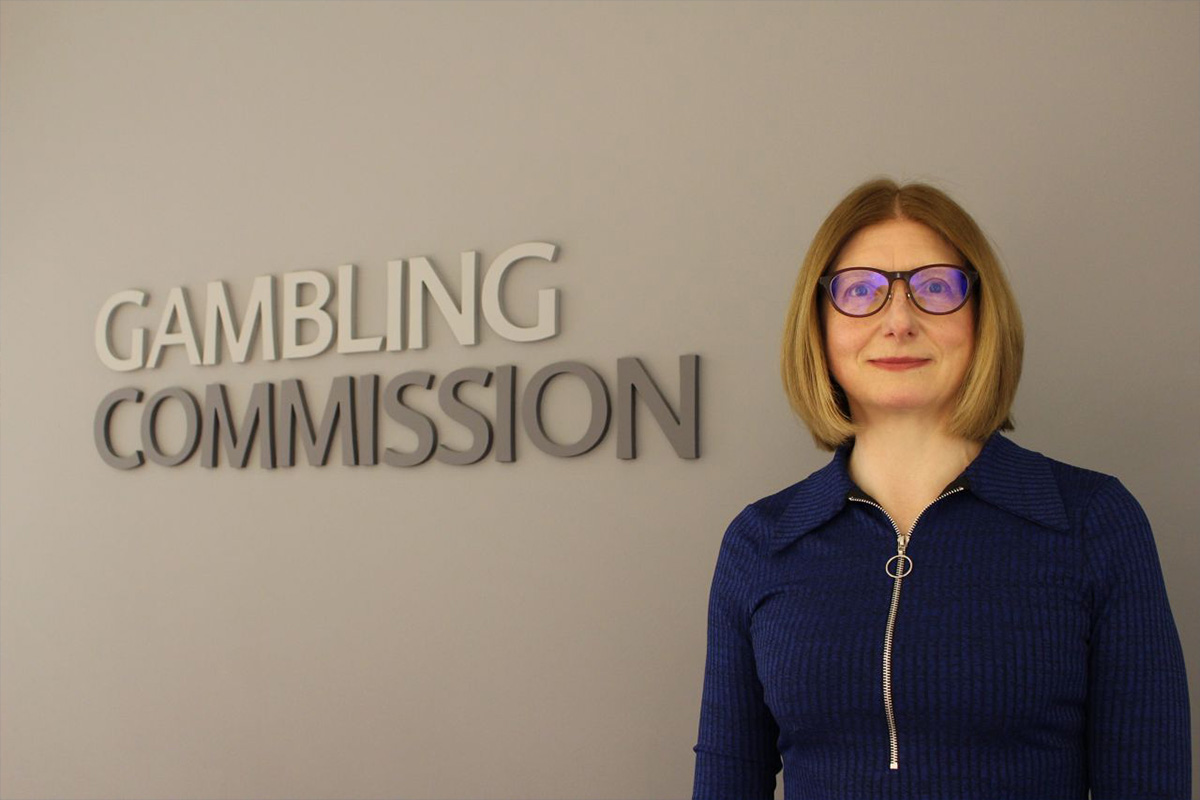
The UK Gambling Commission (UKGC) has appointed Sue Young as its new Executive Director of Operations.
Sue joins the Commission from HMRC where she was Director of Debt Management. She brings extensive leadership experience from across the public sector, including senior roles at the Home Office, including Border Force and HM Inspectorate of Constabulary and Fire & Rescue Services and the Department of Health and Social Care.
As Executive Director for Operations, Sue will lead a number of the Commission’s operational functions as the regulator continues its work to keep gambling safer, fairer and crime free.
Sarah Gardner, Acting Chief Executive, said: “I’m delighted to welcome Sue to the Gambling Commission. There is a great deal of important work underway across our operational teams, not least our continued focus on tackling the illegal market and delivering strong regulatory outcomes. Sue brings a wealth of operational leadership experience and I’m very much looking forward to working with her.”
Sue Young said: “I’m excited to be joining the Gambling Commission and to be learning about a new sector. The Commission plays an important role in protecting consumers and ensuring gambling is conducted fairly and safely. I’m looking forward to building on the significant work already underway across the organisation.”
The post UKGC Appoints Sue Young as its Executive Director of Operations appeared first on Eastern European Gaming | Global iGaming & Tech Intelligence Hub.














Finland has submitted technical gambling regulations covering a regulatory data vault and the Official Control Signing Service (OCSS) to the EU’s Technical Regulation Information System (TRIS) on 10 July.
According to the notified documents, operators must submit signed gaming and player-account data to the authority through a secure SFTP data vault in a prescribed format. The rules also require operators to retain the data for five years and ensure “its integrity, availability and retrievability.”
The documentation also sets out requirements for using the authority’s OCSS to sign gaming data. It specifies signing generally every five minutes for gaming transactions and at least once daily for player-account data, alongside obligations to manage API keys and handle technical disruptions.
The technical documents are currently available only in Finnish. The press release says unofficial English translations have been prepared, titled “eCertification of Gaming Transactions and Gaming Account Transactions EN” and “Submission of Gaming Transactions and Gaming Account Transactions EN.”
The press release also lists the broader status of technical documentation supporting Finland’s new gambling regulation. It says randomness checks and reliability and information security requirements have been adopted into national legislation; the OCSS signing and data-vault transfer specifications have been notified via TRIS; player-account and game-event data specifications are being prepared following an earlier public consultation; a Ministry of the Interior decree is under public consultation; and drafts are still awaited covering player identification APIs, jurisdiction-wide self-exclusion checks, and certification requirements for games and platforms.
The post Finland notifies EU of gambling tech rules for data vault and OCSS signing appeared first on EE Gaming | Global iGaming & Tech Intelligence Hub.

Under the theme “Perspectives,” a total of 43 compliance staff members from the Merkur Group across various countries gathered from 30 June to 1 July to further develop compliance processes in a sustainable manner. Colleagues from Germany, Spain, England, Malta, Australia and the US traveled to the two-day meeting at Benkhausen Castle, the in-house training centre of the Merkur Group. The workshop set the stage with expert presentations on global and digital topics such as cybersecurity, risk management and artificial intelligence. A panel discussion featuring representatives from various international companies within the Merkur Group, as well as a digital quiz, rounded out the programme.
In keeping with its guiding principle, the workshop focused on sharing experiences, fostering global networking and providing impetus for the further development of compliance processes. Because informal exchanges are also key to close cooperation, the evening programme created a relaxed atmosphere and gave participants the opportunity to continue their conversations, make new connections, and further strengthen team spirit across company and national boundaries.
“The ideas and diverse perspectives gained during the workshop will now be incorporated into our day-to-day work and help us to continuously improve collaboration and existing processes,” said Ludwig Beckmann, Chief Compliance Officer of the Merkur Group.
The concluding feedback session also highlighted just how valuable the international exchange is. The term “collaboration” came up particularly often, a clear indication of how highly the participants value working closely together within the international compliance network.
The post Merkur Group Strengthens Global Compliance Strategy appeared first on EE Gaming | Global iGaming & Tech Intelligence Hub.
Compliance Updates
GRAI Launches New Campaign Helping Parents to Spot the Signs of Underage Gambling
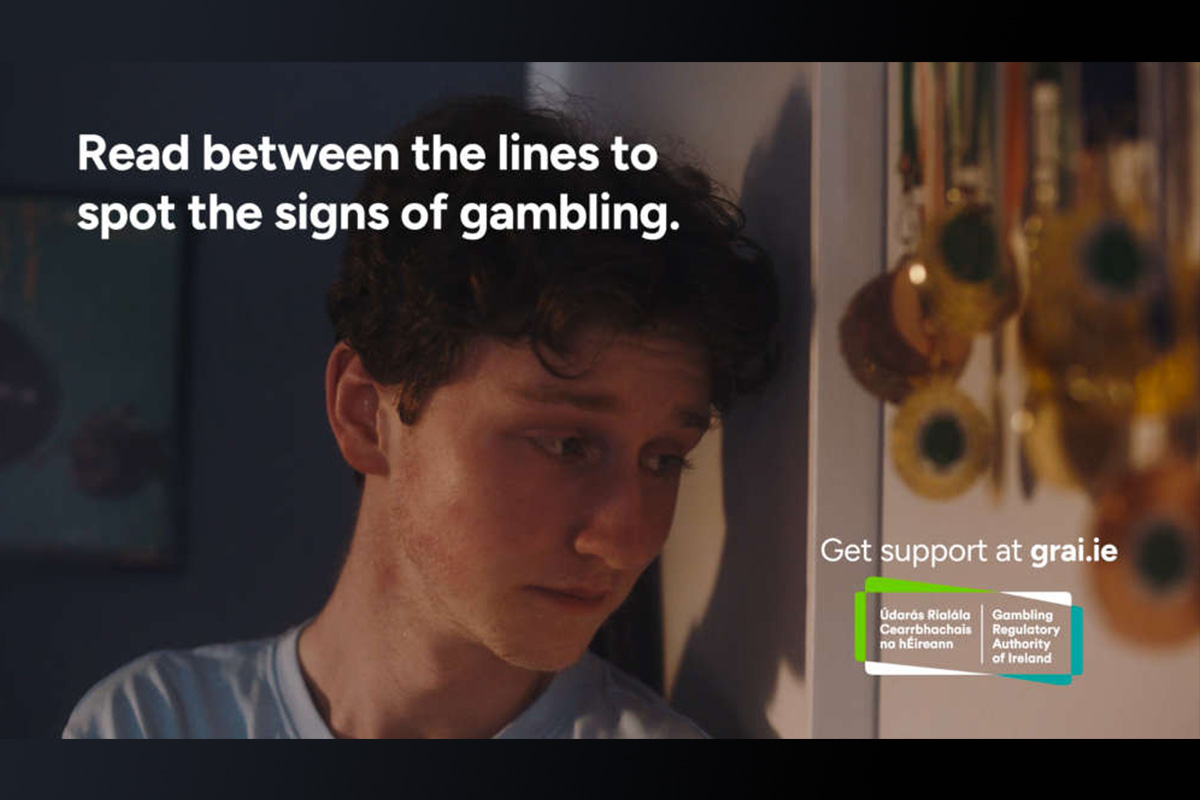
The Gambling Regulatory Authority of Ireland (GRAI) is encouraging parents and guardians to be alert to the signs of gambling among young people and to intervene early to prevent gambling harm.
The signs of gambling aren’t always visible, the GRAI in partnership with the Health Service Executive Addiction Services have developed dedicated advice on www.grai.ie to equip families with the knowledge to recognise the signs, advice on how to start the conversation with their children about gambling, and where to seek help if required.
To support the guidance, the GRAI has launched a national public awareness campaign across video on demand, radio, digital audio, and social media platforms, bringing this message directly to families across Ireland.
With the lines between entertainment and gambling increasingly blurred, especially online, what may look like harmless fun can still involve risk, money and chance in ways that affect young developing brains. Research commissioned by the GRAI and conducted by the Economic and Social Research Institute (ESRI) found that children who gamble are twice as likely to develop a gambling problem as adults.
Anne Marie Caulfield, CEO of the GRAI said: “We have launched this campaign to help parents start an important conversation about the risks of underage gambling. Children and young people are among the most at-risk members of Irish society when it comes to gambling exposure and harm. Children’s brains are still developing the judgement and impulse-control systems used to weigh up risk, which makes gambling appealing to them.
“With online gambling available at any time of the day, it is easy for the warning signs to be hidden. The guidance the GRAI developed with the HSE Addiction Services sets out some of the key behavioural signs to look out for in your child.”
The post GRAI Launches New Campaign Helping Parents to Spot the Signs of Underage Gambling appeared first on EE Gaming | Global iGaming & Tech Intelligence Hub.

-

 Canada5 days ago
DraftKings Set to Launch its Online Sportsbook and Casino in Alberta
-
Canada5 days ago
Altenar Joins Alberta’s New Regulated iGaming Market
-
Latest News4 days ago
EveryMatrix’s Fantasma Games launches three-reel slot Bonus Bullets
-
Latest News4 days ago
Blokotech adds Wicked Games slots in new content deal
-
Latest News3 days ago
SCCG Management Launches Dedicated SCCG Brazil Division with Local Partner Thomas Carvalhaes
-
Latest News2 days ago
Booming Games launches Tasty Bonanza Max Scatter slot
-
Latest News4 days ago
Setanta Bet Joins GR8_TECH’s Champions Club with GREAT_SPORTSBOOK iFrame
-
Latest News3 days ago
AGS details OIGA 2026 lineup, including Spectra SL75+ and Revel updates