Latest News
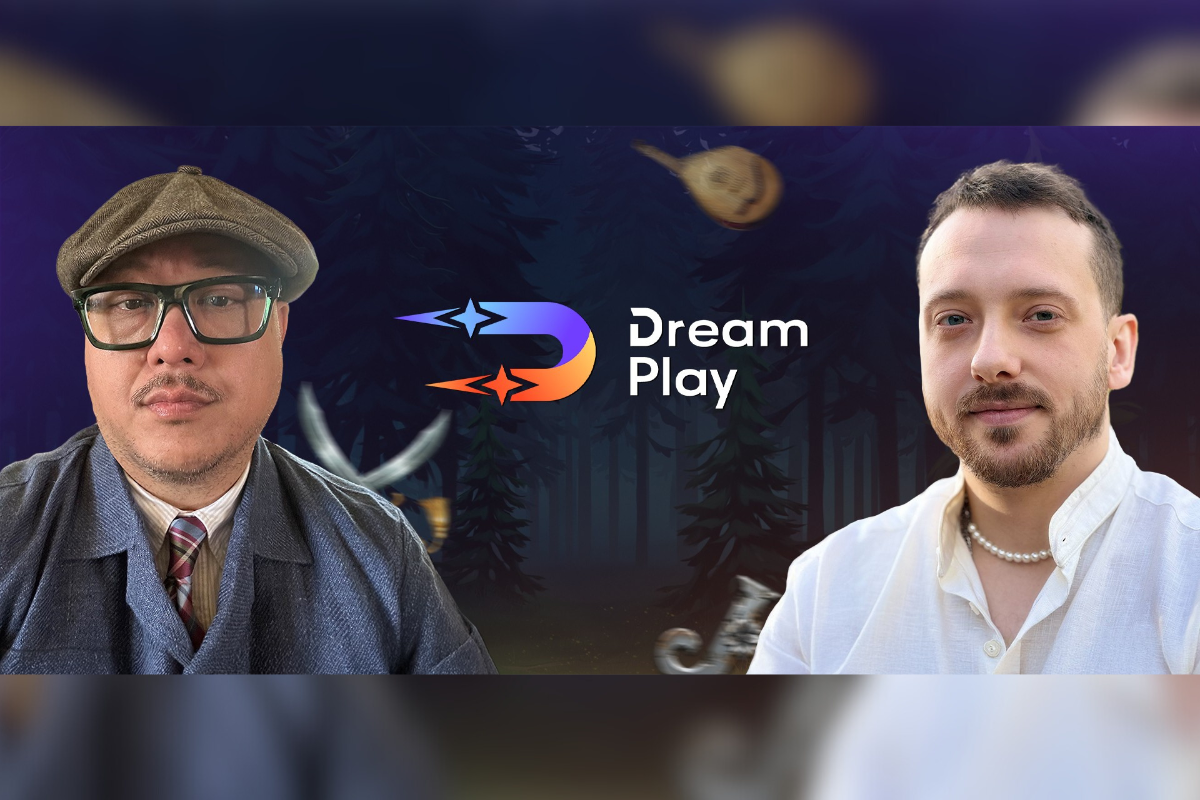
From Vision to Execution. Inside Game Creation: Interview with Will and Ray at DreamPlay

In recent years, the iGaming industry has been evolving at an exceptional pace, driven by technological advancements, innovative mechanics, and a deeper understanding of player psychology. Behind every successful slot or casual title stands a team of specialists who transform concepts into polished, engaging experiences enjoyed by players worldwide.
To shed light on how this creative and highly technical process unfolds within DreamPlay, we spoke with Game Producer Ray and Game Designer Will. They shared their insights into modern game development, the principles that guide their decisions, and the factors that shape the creation of new titles in a rapidly changing market.
Q1. Core Elements of Player Perception
Which elements of game design — from mathematical logic to gameplay pace — most often have a decisive influence on a player’s perception of the game?
Will:
It’s all important. The rhythm and potential in the Math balance, the way mechanics are designed and interact with each other, symbols looking and animating in an appealing way, to both avoiding there being repetitive sounds that annoy Players and sounds that celebrate their highs. They all contribute to the overall Player experience.
As a Game Designer, the biggest priority I have is the Player experience, and to achieve that we make sure everyone who contributes to the game is working toward the same goal and supporting every element regardless of the department; for example, ensuring the sound design hypes up the big moments in the Math model or making sure the art and animation properly communicate how the mechanics function.
Q2. Differentiating Similar Slots
In your experience, what makes the difference in production dynamics between slots with similar mechanics? Which development parameters are most critical for the final result?
Ray:
Even when two slots share similar features or math models, the theme, the way the gameplay is presented, and the pacing make a huge difference in how the final product feels. Players can sense a well-balanced math model without needing to understand the technical details — they just feel rewarded for playing, and they understand what the game is trying to offer them.
For us, creating a great player experience is the real differentiator. It’s what separates our games from competitors, even when the mechanics look similar on paper.
Q3. Emotional Triggers in Game Design
In your experience, what design choices have the strongest impact on players’ emotional responses, and how do you approach creating them?
Will:
Some of the strongest emotional responses come from when the Player makes an assumption about the way a feature works, then gets that confirmed with a big win or progression towards something big — the whole potential of the game opens up to them. That’s when the imagination takes over with questions like “What if this mechanic works with that one? That could be huge.” It cements that desire to fully explore the game and everything it has to offer.
Q4. Late-Stage Adjustments in Development
When you have to tweak a game in the later stages of development, what factors usually cause the changes?
Will:
Usually, it’s a complex UI element for an equally complex mechanic; elements like that often need many iterations to make sure we’re communicating to the Player in a way that makes sense to them. One of the biggest barriers preventing Players from enjoying the game is their understanding of it, so effective communication is incredibly important.
It’s never a waste of time to break down that barrier as much as possible so the games can be experienced in their full form.
Q5. Underrated Stages of Slot Development
In your opinion, which stage of slot creation is most often underestimated, even though it affects the integrity of the final product?
Ray:
I think the most underestimated stage is actually the final stretch — the polish and QA phase. This is where we identify small improvements that make the game feel tight, consistent, and enjoyable, and it’s also where we make sure everything meets our quality standards and jurisdictional requirements.
It’s easy to overlook how important this stage is, but it’s often what determines whether the final product feels truly finished.
Q6. A Benchmark Project for the Team
Which project in your practice has become a benchmark for you in production, and what has it taught the team in terms of development efficiency and quality?
Ray:
DreamPlay is still a new company, and we’re all learning how to work together and build our own production rhythm. One project that really stands out for us is Moon Joker. It came together in a way that showed what we’re capable of when every department is aligned.
We had a strong concept; we kept things simple and classic, but we still found room to innovate. Art, design, math, audio, and engineering all pushed in the same direction, and you’ll be able to see that in the final product. It’s a great example of what our team can achieve when everything clicks.
Discover more from DreamPlay:










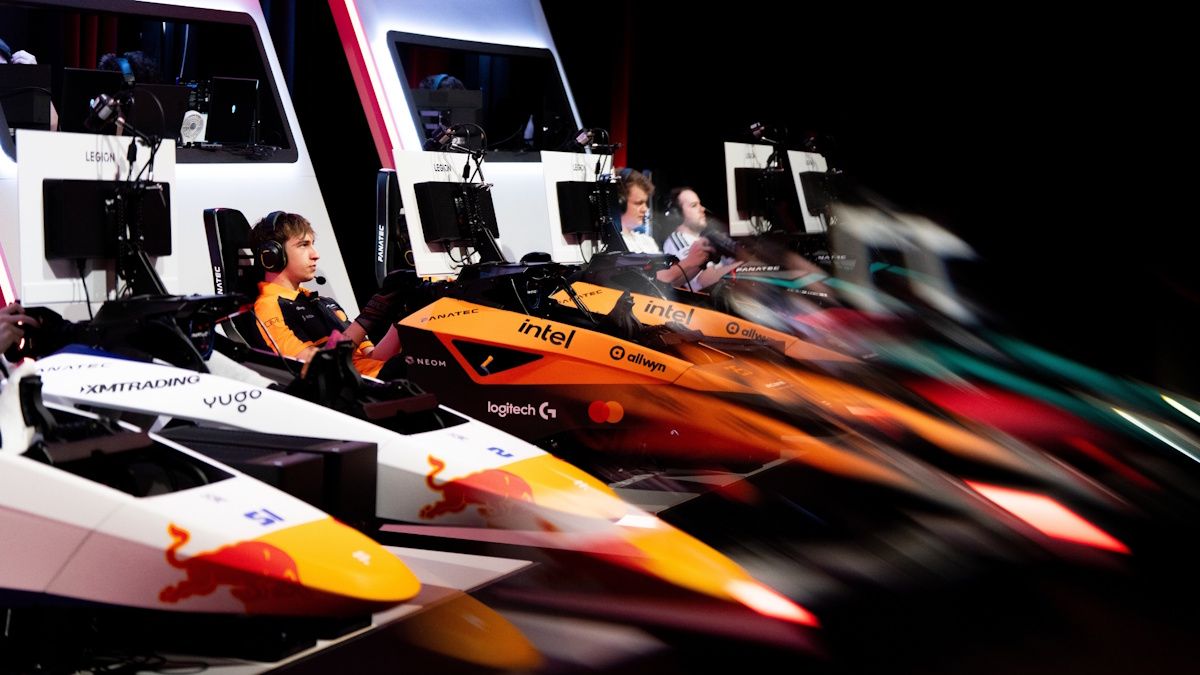
Welsh driver beats Ismael Fahssi by two points after a 12-round season running March 27 to May 28 with a $750,000 prize pool.
G2-backed Alpine Sim Racing driver Otis Lawrence has been crowned 2026 F1 Sim Racing World Champion after the season concluded on May 28.
The 2026 F1 Sim Racing World Championship ran from March 27 to May 28 and featured a $750,000 prize pool. Drivers representing Formula 1 teams competed across four events, starting with a live opener at DreamHack Birmingham.
The title was decided at the final event. Lawrence secured multiple race victories across 12 rounds and finished top of the standings.
Lawrence won the championship by two points ahead of Scuderia Ferrari HP Esports driver Ismael Fahssi. Reigning champion Jarno Opmeer of Oracle Red Bull Sim Racing placed third overall.
The post G2’s Otis Lawrence wins 2026 F1 Sim Racing World Championship appeared first on Eastern European Gaming | Global iGaming & Tech Intelligence Hub.
Andréa Curral
“No iGaming, marcas sólidas dependem de consistência, experiência e relacionamento de longo prazo”


Com uma trajetória construída em grandes grupos globais de mídia, entretenimento e varejo digital, Andréa Curral chega ao Grupo Esportes Gaming Brasil para ocupar o cargo de Diretora de Marketing em um momento estratégico para o mercado brasileiro de apostas regulamentadas.
Após passagens por empresas como Privalia, Discovery e Warner Bros., a executiva assume o desafio de fortalecer o posicionamento institucional e a estratégia de marca das operações Esportes da Sorte, Onabet e Lottu em um cenário cada vez mais competitivo, regulado e orientado por experiência do consumidor.
Em meio ao amadurecimento do setor de iGaming no Brasil, temas como branding, jogo responsável, aquisição eficiente, reputação e conexão cultural ganham relevância crescente para operadoras que buscam crescimento sustentável e diferenciação de longo prazo.
Nesta entrevista exclusiva ao Gaming Americas, Andréa Curral fala sobre como sua experiência em mercados tradicionais contribui para a construção de marcas mais sólidas no iGaming, o papel do marketing na promoção do jogo responsável, os desafios de equilibrar branding e performance em um ambiente altamente dinâmico e as estratégias do Grupo EGB para ampliar presença durante grandes eventos esportivos e manifestações culturais no país.
Andréa, você construiu uma trajetória sólida em gigantes globais de mercados tradicionais como Privalia, Discovery e Warner Bros.
Como essa experiência em branding e experiência do consumidor contribui hoje para sua atuação no iGaming com o Grupo EGB?
Andréa Curral – O principal aprendizado que trago de empresas de mídia, entretenimento e varejo digital é que marcas sólidas não se sustentam apenas em grandes campanhas, mas em consistência, experiência e construção de relacionamento no longo prazo. No iGaming, isso é ainda mais relevante, porque a relação com o usuário passa diretamente por confiança, clareza e segurança.
No Grupo EGB, buscamos aplicar uma visão integrada entre branding, performance e experiência do consumidor.
Isso significa tratar conteúdo como um ativo estratégico, trabalhar comunicação com lógica editorial e segmentação inteligente, além de utilizar métricas e tecnologia para melhorar continuamente a jornada do usuário.
Minha experiência em ambientes altamente competitivos também contribui para equilibrar crescimento, posicionamento institucional e eficiência operacional em um momento de amadurecimento importante para o mercado brasileiro.
Diante do atual momento de consolidação do mercado regulado no Brasil, quais são os principais focos e diretrizes da sua diretoria para o posicionamento institucional das marcas do grupo, Esportes da Sorte, Onabet e Lottu, dentro desse novo cenário?
O cenário atual exige marcas mais claras, operações mais eficientes e uma relação mais consistente com o público. Nossa estratégia está estruturada em três pilares principais: diferenciação de portfólio, experiência do usuário e construção de reputação.
Esportes da Sorte, Onabet e Lottu possuem posicionamentos distintos dentro do grupo, isso reduz a sobreposição e fortalece a identidade de cada operação. Mas um pilar comum a toda nossa empresa é o jogo responsável. É nossa responsabilidade garantir um ambiente controlado e saudável para a diversão.
Somos uma empresa com DNA brasileiro e nossos contratos de patrocínio vão além da exposição de mídia. Incentivamos a cultura nacional, gerando experiências relevantes, que conectam as marcas a territórios de grande relevância popular, como esporte, entretenimento e cultura.
Ao mesmo tempo, o aumento do custo de aquisição torna essencial uma operação integrada entre marketing, produto, atendimento e retenção, sempre alinhada às diretrizes de jogo responsável e à regulamentação vigente.
O Grupo EGB enfatiza o compromisso com o “jogo responsável”.
Como o marketing pode atuar de forma prática na educação do apostador e na promoção de bem-estar, transformando essa diretriz em comunicação efetiva para o público?
Para nós, jogo responsável não pode ser tratado apenas como uma obrigação regulatória ou uma mensagem complementar de comunicação. Ele precisa fazer parte da experiência do usuário, da operação e da construção de reputação da companhia.
O marketing tem um papel importante nesse processo ao comunicar com clareza, evitar promessas irreais e contribuir para uma relação mais consciente do usuário com o entretenimento.
Isso envolve reforçar mensagens sobre limites, autocontrole, pausas e transparência nas regras.
Também acreditamos que comunicação responsável ajuda a fortalecer um ambiente mais seguro e sustentável para todo o ecossistema. No longo prazo, confiança e reputação são ativos fundamentais para qualquer marca que queira crescer de forma consistente no setor.
Em termos de estratégia de crescimento, como você equilibra construção de marca de longo prazo (branding) com performance de curto prazo em um setor altamente dinâmico e competitivo como o iGaming?
Hoje Branding e performance trabalham em conjunto, de forma absolutamente integrada, para que os resultados de crescimento sustentável não dependam apenas de aquisição. Por isso, trabalhamos uma operação orientada por métricas, dados e otimização contínua, sem perder a visão estratégica de longo prazo.
A construção de marca passa por coerência, qualidade da experiência, clareza de comunicação e consistência na entrega. Esse mecanismo de relacionamento cria comunidade e reforça a confiança do usuário na marca.
A Copa do Mundo é um dos momentos mais disputados pela atenção do público.
Como o Esportes da Sorte está estruturando sua estratégia de mídia, conteúdo e transmissões oficiais para garantir presença forte e multiplataforma durante o torneio?
A Copa representa um dos maiores momentos de mobilização do entretenimento esportivo, então estruturamos uma estratégia multiplataforma que combina mídia, conteúdo e experiências presenciais.
O Esportes da Sorte fechou o patrocínio oficial das transmissões da Copa no SBT e na N Sports, garantindo presença em TV aberta, streaming, canais digitais e propriedades online das emissoras. Essa entrega amplia frequência e alcance de marca ao longo do torneio.
Mas entendemos que presença de mídia sozinha não é suficiente. Por isso, trabalhamos campanhas institucionais que conectam entretenimento, cultura popular e engajamento emocional.
“Torça como um Corinthiano”, por exemplo, usa a relação histórica da torcida do Corinthians com o clube para resgatar a conexão do brasileiro com a Seleção. Já “Convoque” aposta em humor, fantasia e linguagem digital para ampliar diálogo com diferentes públicos.
Tudo isso é desenvolvido mantendo o compromisso com comunicação responsável e alinhada às diretrizes do setor.
Dentro desse ecossistema de marca e entretenimento, quais serão os principais desdobramentos das ações de rua e patrocínios locais durante os períodos de grande consumo esportivo, como a Copa do Mundo?
Para os grandes eventos esportivos, nossa estratégia combina presença multiplataforma com experiências de proximidade junto ao público.
O objetivo é fazer com que as marcas do grupo estejam inseridas de forma orgânica na rotina e nos espaços de convivência dos torcedores, conectando entretenimento, conteúdo e experiência de marca.
Além da presença em mídia e transmissões oficiais, vamos trabalhar ativações proprietárias e ações presenciais em diferentes regiões do país, sempre buscando fortalecer relacionamento, engajamento e conexão cultural com o público.
Essa atuação também conversa diretamente com a visão do Grupo EGB de transformar patrocínios em plataformas contínuas de experiência e conteúdo, indo além da exposição tradicional e construindo relevância de longo prazo para as marcas.
Além do futebol, o Grupo EGB também investe em grandes manifestações culturais e eventos populares, como Carnaval e festivais regionais.
Como essas ativações se conectam à estratégia global de marca e à construção de presença no território brasileiro?
Nossa estratégia de marca está muito conectada à cultura popular e aos grandes territórios de mobilização do público brasileiro. O esporte é um pilar importante, mas não é o único.
Hoje o grupo apoia iniciativas de grande relevância nacional, como o Galo da Madrugada, o Festival de Parintins e o Carnaval em diferentes capitais brasileiras.
Essas propriedades ajudam a ampliar a presença nacional, fortalecer relacionamento com diferentes comunidades e criar conexões mais orgânicas com o público.
Mais do que exposição, buscamos desenvolver projetos de longo prazo que integrem conteúdo, experiência e ativação local. Isso permite que os patrocínios deixem de funcionar apenas como mídia tradicional e passem a operar como plataformas de relacionamento e construção institucional das marcas.
The post “No iGaming, marcas sólidas dependem de consistência, experiência e relacionamento de longo prazo” appeared first on Americas iGaming & Sports Betting News.
In the iGaming industry, bonuses and welcome packages are no longer a brand differentiator. At the same time, compliance pressure is growing, acquisition costs continue to rise, and player trust has become harder to earn — and easier to lose.
As a result, player feedback is becoming one of the industry’s most important operational signals — changing from “nice to have” to a necessary indicator.
According to RocketPlay’s internal research conducted in early 2026, more than 20% of players check review platforms before registering on a casino website. For many of them, community feedback now matters as much as bonuses or game selection.
This shift is changing the role of reviews entirely, as right now review platforms function as public diagnostics systems for operators — revealing where friction appears, how brands behave under pressure and whether communication feels fair when something goes wrong.
From rating to operational signal
For years, many operators treated reviews mainly as a reputation management task: answer complaints, improve ratings and move on.
Today, complaints often reveal operational weaknesses faster than internal dashboards. Delayed withdrawals, unclear bonus rules, verification issues or poor escalation logic usually become visible in player feedback first.
That is why more operators now treat complaint handling as an operational process, rather than a PR layer. Players expect speed, clarity and fairness: they want to understand what happened, why a decision was made and whether the operator is open to reassessing the case.
Currently, some brands are building complaint workflows around 3 key principles: speed, clarity and fairness. Automation helps prioritise sensitive cases and reduce friction, while final decisions remain human-owned — especially in Responsible Gaming situations or complex disputes.
One example of this approach can be seen in RocketPlay’s operational model. The platform applies this approach through a structured 2-stage resolution system that covers both internal complaint handling and external escalations via independent platforms. Instead of treating complaints as isolated support tickets, the company uses recurring player feedback to identify friction points, clarify mechanics and improve communication flows.
In 2025, they closed 100% public complaints across Casino Guru and AskGamblers, with no repeat complaints from the same player. Recurring themes from these cases are consolidated and turned into product priorities, so that the same issue does not reach the next player.
This approach has also been recognized by the industry. In 2026, RocketPlay was shortlisted at the Casino Guru Awards in the category “The Most Effective Handling of Complaints,” reflecting its focus on transparent communication and structured complaint resolution. RocketPlay also won “Innovator of the Year (Operator)” at The International Gaming Awards 2025 for its AI-driven support implementation.
Why speed alone is not enough
Fast responses still matter, but speed alone no longer defines good complaint handling. Players value transparency, contextual reasoning and communication that feels human
RocketPlay’s internal metrics show that around 95% of cases receive a first meaningful response within 24 hours, while approximately 90% are addressed within two hours. AI-powered chat and email automation additionally help resolve a significant share of repetitive requests without requiring agent intervention.
However, the company believes that automation only works when paired with explainability. A rigid “Terms-only” approach may technically protect the operator, but can still damage long-term trust if players feel ignored or unfairly treated.
What this means for operators in 2026
The broader lesson for the industry is clear: reviews are no longer just reputation management. They are operational input.
In 2026, the operators most likely to build sustainable trust will not necessarily be the ones with the largest bonuses or the most aggressive acquisition funnels. Instead, they will be brands capable of listening systematically, reacting transparently and treating player feedback as part of product development itself.
The industry is entering a phase where trust is becoming measurable in public — and increasingly, players are the ones defining what that trust actually looks like.
The post How RocketPlay Closed 100% of Its Complaints in 2025: Inside the System appeared first on Eastern European Gaming | Global iGaming & Tech Intelligence Hub.

-

 Asia5 days ago
S8UL streamer Payal Dhare and OWND! launch gamer-curated fashion capsule
-
Asia5 days ago
S8UL Announces Campa Energy as Title Sponsor for its Esports World Cup 2026 Campaign
-
content-supplier4 days ago
Pragmatic Play adds football theme to Big Bass series with new slot
-
Compliance Updates5 days ago
PA Gaming Control Board Levies Fines Totaling $180,000
-
Asia5 days ago
EGT Digital to Debut Highly Anticipated “TNT Jack” Slot at SiGMA Asia 2026
-
Amatic Industries5 days ago
Amatic Industries to Participate in Belgrade Future Gaming Show
-
Africa4 days ago
MozzartBet is Live on Fast Track’s AI-native CRM Platform
-
ANJL5 days ago
Betting in Brazil under credit restrictions and regulatory debates