Latest News
Why Gamification Is Reshaping Online Poker

Reading Time: 5 minutes
Online poker’s not the sleepy mix of static cash tables and rinse-repeat tourney grids it used to be. Business Wire predicts that by 2030, the market will hit $11.4 billion, fuelled by cross-platform play and new competitive formats. But here’s the catch: growth brings noise. And in 2025, grabbing attention is only half the game — keeping it has become just as critical. And we all know that retention is the table you can’t afford to fold.
Over the recent years, gamification has turned into one of poker’s strongest retention plays. When it’s done right, it keeps players around, sparks repeat visits, and forges loyalty. They come back tomorrow, next week, next month — and your competitors can’t pry them away. The idea sounds simple enough — weave in game-style mechanics to make poker richer and more engaging, without killing the skill game underneath.
EvenBet Gaming’s research breaks it into three targets:
- Give players more reasons to return.
- Make onboarding smooth and rewarding.
- Build loyalty with experiences that feel personal, competitive, and worth bragging about.
Churn burns profit. Gamification done right is an infrastructure that breeds loyalty. Done wrong? You’re just another site with flashing badges that no one cares about.
Gamification, Not Gamblification
Before diving into mechanics, it is important to set one thing straight. Gamification boosts engagement — leaderboards that show you who’s climbing, missions that push you to try new formats, achievement badges you actually want to unlock. It challenges players, rewards skill, and deepens the game. “Gamblification” is where it all turns sour. That’s when mechanics push for profit at the expense of player wellbeing — pressure-loop rewards, unclear payout systems, anything designed to keep people clicking long after the fun’s gone. These tactics can backfire, invite regulatory attention, and eat away at players’ trust.
Gamification should make the player-platform bond stronger. It’s open, skill-focused, and it stays within responsible-gaming boundaries. Otherwise, you’re just playing short-term roulette with your long-term survival.
Core Gamification Mechanics in Poker
Here’s the thing — gamification works best when it’s layered, not just thrown on top of the existing game. You’ve still got poker at the centre, but now there’s more to play for. EvenBet Gaming’s toolkit has a bit of everything, with a mix of proven features that operators need to keep players active and returning.
Leaderboards
People like to see where they stand, and a good leaderboard hits that primal “beat the other guy” instinct. Doesn’t matter if it’s hands played, rake pulled, or weird challenges only five people care about. Timeframes can be daily, weekly, or monthly, ensuring fresh challenges and preventing leaderboard fatigue. Players stick around to climb, rivals get personal, and your community gets tighter.
To avoid burnout and excessive gamblification, EvenBet’s customer success department doesn’t recommend creating only leaderboards based on pure game volume. As a flexible tool, leaderboards have a better use for boosting attention to specific game or tournament types (for example, hands played in 5-card Omaha), creating targeted demand.
Missions, Quests, and Challenges
Give a player a target and they’ll chase it. Win with pocket sevens, log 50 games, or try that Sunday knockout tourney — whatever keeps them moving. Segment it: beginners get gentle ramps; grinders chase big targets. Toss in tickets, cash, or even just brag-worthy status bumps — and suddenly, casual play has a storyline. This meta-layer adds structure to casual play, nudging players into consistent engagement.
“Different mission types work specifically on various segments of a poker room audience”, explains Nikita Golodaev, Business Account Manager at EvenBet Gaming. “For example, guided missions targeted to explore poker room features and game types keep new players on the platform and decrease early churn. Soft streaks (3-5 days) encourage regular sessions without burnout”.
Achievements and Badges
First win, first deep run, first time they actually fold kings preflop — badges give players proof they’re climbing. Badges make progress visible, they’re milestones and conversation starters. This visual recognition encourages players to develop their skills and makes long-term goals more tangible.
Progressive Systems
Experience points (XP) and rakeback have always been staples in poker loyalty systems. They’re poker loyalty basics. EvenBet’s Progressive Rakeback with a tiered, time-limited structure turns the game into a race — 6 tiers from Aluminium all the way up to Platinum. Every tier gives you a little more, but fall behind — and you drop. The gamified progression adds urgency, encouraging regular play to maintain or advance the level.
According to Nikita Golodaev, clear and balanced progressive systems work best for projects with an existing core of regular mid-core players: they are already investing significant time into the game and are still tempted by rewards provided in the progressive tracks, unlike VIP and high-stakes players who are more interested in recognition of their status.
Put it together, and you’ve got a cycle: play, check your rank, tick missions, unlock the badge, check the board, eye the next tier. And then do it again tomorrow. It’s sustained engagement without sacrificing poker’s competitive core.
Advanced Applications — Tournaments and Hybrid Formats
Think of tournaments not as one-off events, but as frameworks. They aren’t just a product — they’re an engagement machine. You can hang all sorts of engagement hooks on them — the kind that keep players checking in and keep them motivated from registration to the final hand. Layer in gamification, and you have a retention funnel operators dream about.
Formats with a Twist
EvenBet’s flexible setup allows operators to launch virtually any format: high-GTD marathons, Spin&Go sprints with random multipliers, quick-fire Sit & Gos for casuals, and velvet-rope VIP tables for the whales. Add Mystery Bounty, Progressive Knockout, or Multi-flight qualifiers, and you’ve got unpredictability on tap. Which means the game always stays interesting.
Linking Tournaments to Gamification Layers
Hybrid play is where tournaments meet missions, leaderboards, and badges:
- “Climb the Ladder” challenges that pay points for each event played.
- Leaderboards stretching over weeks and sparking long grinds.
- Achievements for milestones like “Final Table Three Times in a Week” or “Knock Out 10 Players in a PKO.”
This crossover keeps casual players chasing goals and competitive players grinding for prestige — all while strengthening retention loops. When you nail it, tournaments become recurring, gamified events that handle acquisition, retention, and loyalty in one package.
Why It Works for Operators
Gamification in online poker is not just a UX add-on — it moves numbers if done properly.
- Retention and monetisation: longer sessions, more logins, bigger rake, and better LTV. Plus, new players convert faster when there’s a mission to chase.
- Skill development: challenges teach strategy, confidence, and adaptability without feeling like homework.
- Audience segmentation: freerolls for newbies, high-stakes bounties for veterans. You serve each player just the right challenge without losing focus.
Risks and Implementation Challenges
Gamification’s upside is clear — but mess it up, and it quickly becomes a liability. When these risks are managed, gamification pays off big time. Treat it with respect and care like a strategy, not a shortcut or gimmick.
Over-Gamification
Stack too many overlapping mechanics, and the gaming experience turns into a mess. Players get overwhelmed, quit the game altogether, or even fall into unhealthy patterns. The balance is in adding enough variety to motivate, without creating constant pressure to act. It’s a fine line between motivation and overload.
Regulatory Compliance
Operating inside responsible gaming guidelines is a must. Rewards should be transparent, achievable, and not designed to exploit compulsive tendencies. As noted by Dmitry Starostenkov, regulators are increasingly wary of features that blur the lines between skill-building and pushing players too hard.
Technical Complexity
Integration has to be smooth. If missions lag, leaderboards glitch, progression breaks, or interfere with core poker gameplay, this erodes trust. EvenBet’s modular system gives control, but operators still need rigorous testing, UX tweaks, and performance checks.
Building Gamification That Lasts
When done right, gamification in online poker isn’t just bells and whistles. It’s a full-on retention driver. Mix leaderboards, missions, badges, and tiered rewards right into the core game, and you create a cycle that hooks players, grows skill, and boosts revenue.
The winning formula is balance: enough variety to keep things fresh. Clarity so players aren’t guessing. Responsibility so the game stays ethical. Data-driven personalisation ensures that every segment — from first-timers to VIP grinders — finds a reason to return.
Our research at EvenBet Gaming is clear: sustainable gamification is a long game. Set measurable goals and transparent rewards, enhance the poker spirit — never overshadow it. Attention is the rarest currency these days. Platforms that get this balance don’t just hold players — they win the loyalty battle.
The post Why Gamification Is Reshaping Online Poker appeared first on European Gaming Industry News.


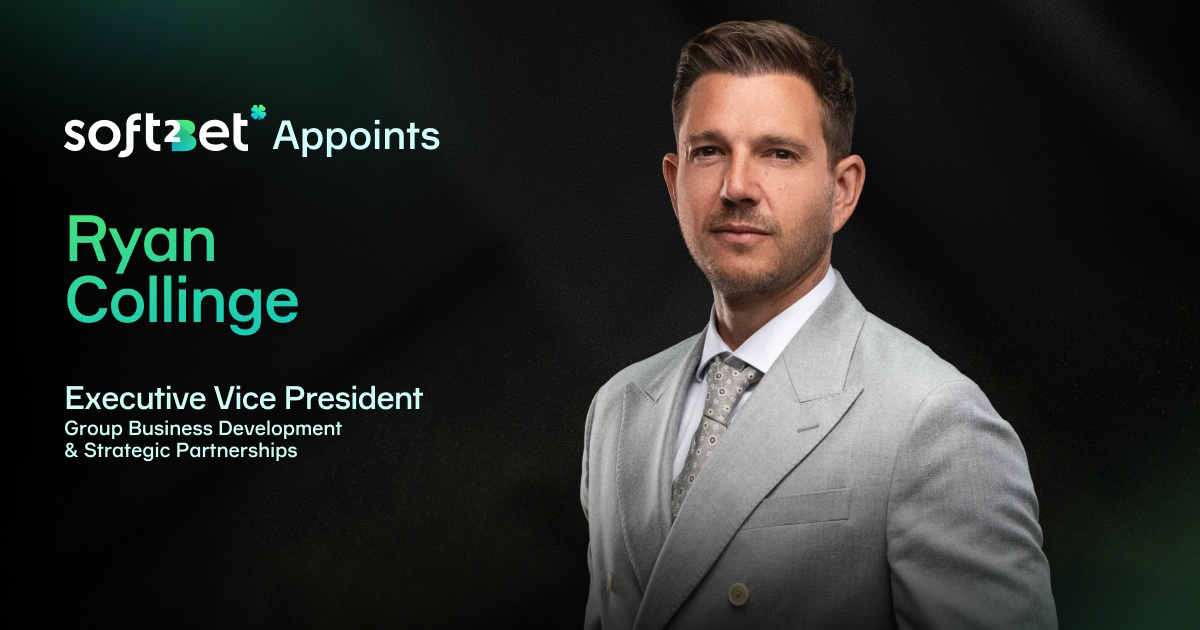
Collinge joins as Executive Vice President – Group Business Development & Strategic Partnerships, bringing 20+ years across retail and online gaming.
Soft2Bet has appointed Ryan Collinge as Executive Vice President – Group Business Development & Strategic Partnerships, adding him to its senior leadership team.
In the role, Collinge will focus on supporting Soft2Bet’s growth plans and strengthening relationships with operators and entertainment brands, the company said.
Andrew Cochrane, Chief Commercial Officer at Soft2Bet, said: “Ryan brings the commercial judgement, industry relationships and operational experience needed to support Soft2Bet’s growth. His appointment strengthens our executive team as we expand our work with leading operators and global entertainment brands.”
Soft2Bet said Collinge brings more than 20 years of commercial, product and operational experience across retail and online gaming, including work with private equity-backed start-ups and multinational gaming groups. The company added that his background includes global sales, commercial strategy and business development, along with iGaming content, product development and studio management.
Soft2Bet also pointed to Collinge’s experience in the casino content vertical, which it said will support client needs analysis and solution optimization.
The post Soft2Bet hires Ryan Collinge as EVP for business development and partnerships appeared first on EE Gaming | Global iGaming & Tech Intelligence Hub.
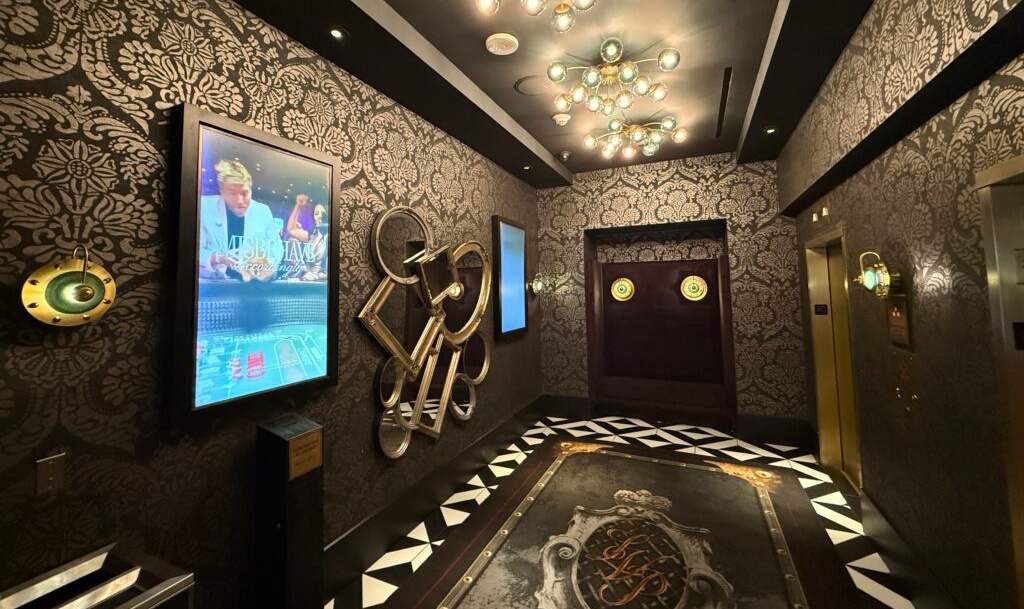
Caesars Rewards member Pam W. from Colorado hit a seven-card straight flush on the Las Vegas Strip property.
The Vanderpump Hotel on the Las Vegas Strip has reported an $813,553 jackpot win on Pai Gow Poker, just weeks after the property officially opened.
According to the company, Caesars Rewards member Pam W., visiting from Littleton, Colorado, won the payout after hitting a seven-card straight flush while playing Pai Gow Poker at The Vanderpump Hotel. The release said Pam was on a weeklong vacation with her husband and plans to use the winnings toward a European river cruise.
The Vanderpump Hotel is Lisa Vanderpump’s first hotel, developed in partnership with Caesars Entertainment. The property has 188 guest rooms, including 21 suites, and a 40,000-square-foot casino, the company said.
The venue’s food, beverage and nightlife lineup includes GIADA by Giada De Laurentiis, rooftop pool and event space Soleia, and Drai’s After Hours in its original location beneath the hotel. The property also hosts Caesars Sportsbook in a lounge-style format, alongside lounges including Gigolo and The Bar at The Vanderpump Hotel.
The post Vanderpump Hotel reports $813,553 Pai Gow Poker jackpot weeks after opening appeared first on EE Gaming | Global iGaming & Tech Intelligence Hub.

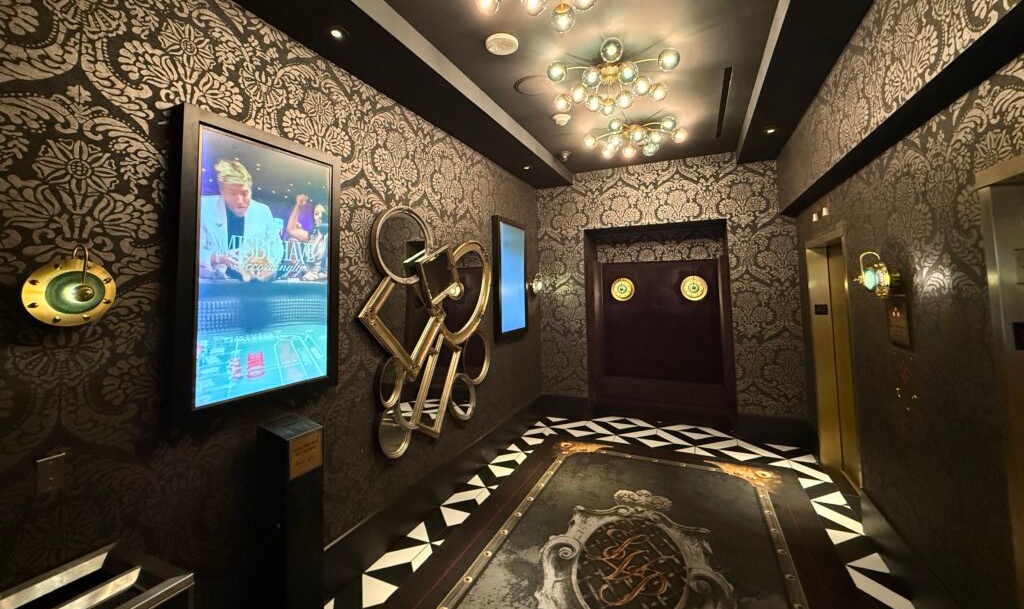
The Vanderpump Hotel – Lisa Vanderpump’s first-ever hotel in partnership with Caesars Entertainment – is dealing out big wins on the Las Vegas Strip, celebrating a dazzling $813,553 payout just weeks after officially opening its doors.
Caesars Rewards® member Pam W., visiting from Littleton, Colorado, hit the jackpot with a seven-card straight flush on Pai Gow Poker at The Vanderpump Hotel. Pam, who is in town enjoying a weeklong vacation with her husband, is already planning her next adventure – turning her Vegas luck into a dream European river cruise.
Blending elevated design with a distinct sense of personality, The Vanderpump Hotel introduces a boutique, lifestyle-driven hospitality experience in the heart of one of the world’s most dynamic destinations. The hotel offers an intimate footprint with 188 guest rooms, including 21 suites.
The property also features a 40,000-square-foot casino; Gigolo, a sexy, sultry lounge and The Bar at The Vanderpump Hotel, an inviting destination in the center of the casino – all curated to deliver a sophisticated yet playful atmosphere.
Culinary and nightlife offerings are anchored by GIADA, the award-winning flagship restaurant from celebrity chef Giada De Laurentiis; Soleia, a 65,000-square-foot rooftop pool and event space with open-air, panoramic views from 11 stories above the Las Vegas skyline; and Drai’s After Hours, located in its original home beneath the hotel. Caesars Sportsbook at The Vanderpump Hotel provides a boutique, lounge-style setting for sports fans and gaming enthusiasts alike. Guests can book stays at The Vanderpump Hotel via the Caesars Rewards app or online at caesars.com/thevanderpumphotel.
The post Raise a Glass: The Vanderpump Hotel Celebrates $813,553 Jackpot Win appeared first on Americas iGaming & Sports Betting News.

-

 content-supply6 days ago
Million Games launches Skull King’s Treasure with partner studio Arcane Pixel
-
Africa5 days ago
Booming Games renews Hollywoodbets Durban July activation partnership
-
Alberta6 days ago
Octoplay secures conditional Alberta iGaming supplier approval from AGLC
-
Africa5 days ago
SpringbokCasino ties July free spins to ‘Minions in the Wild’ campaign
-
Canada6 days ago
What Canadian Slot Players Are Really Comparing in 2026: Payout Speed, Interac and RTP Transparency
-
Casino Content6 days ago
SkillOnNet adds ODDSworks casino content across Ontario sites
-
Evoplay5 days ago
Evoplay launches Safari Coins slot with fixed jackpots and collector mechanic
-
GGPoker6 days ago
GGPoker opens satellites for WSOP Circuit CDMX México 2026